Ethiopia Launches Strategic New Phase for Tea Development

Addis Ababa – Qahwa World

In the Jimma Zone of Oromia, a major tea development initiative has been launched under the leadership of Dr. Meles Mekonnen and Dr. Adonya Debela, with participation from senior government officials, aiming to enhance national agricultural productivity.

Prime Minister Dr. Abiy Ahmed highlighted that this initiative represents a strategic effort to elevate Ethiopia’s tea production, strengthening the national economy and expanding domestic and international market reach.

Dr. Adonya Debela, Director General of the sector, noted that over 13,000 hectares are currently planted with tea, with plans to expand to 30,000 hectares in the near future, focusing on fertile lands in Oromia and southwestern Ethiopia.

You may like: Coffee Interpretation Center Inaugurated in Ethiopia

Officials emphasized that the project leverages natural resources and local human capacity, supported by continuous monitoring from the regional agriculture office, ensuring high productivity and quality.

Gitu Gemechu, head of Oromia’s Agriculture Bureau, added that tea development receives “strategic priority,” and the expansion will not only increase production but also enhance product quality and the region’s role in local and global markets.

Overall, the Jimma project marks a transition from traditional farming practices to organized industrial development, reflecting Ethiopia’s ambition to strengthen its position as a leading global tea producer, while engaging investors and farmers to secure long-term sustainability and economic success.

Ethiopia Elevates Its Coffee Ceremony to the Global Stage

Founder Seada Mustefa Leads UNESCO Recognition Push Through Ethiopian Coffee Culture Day

Addis Ababa – Qahwa World × Buna Kurs – Media

At a moment when global coffee discussions revolve around traceability, sustainability, and value distribution at origin, Ethiopia is redirecting attention toward something more foundational: culture.

At the Adwa Victory Memorial Museum, industry leaders, diplomats, cultural institutions, exporters, and development stakeholders convened for Ethiopian Coffee Culture Day 2026—an initiative led by Warka Coffee to advance UNESCO Intangible Cultural Heritage recognition for the Ethiopian coffee ceremony.

Yet the gathering went beyond heritage recognition. It marked a strategic move to formalize Ethiopia’s ceremonial tradition as both a cultural legacy and an economic instrument.

A Living Cultural System, Not a Symbol

For generations, the Ethiopian coffee ceremony has structured social life across communities—embedding dialogue, patience, hospitality, and shared presence into daily interaction.

At this year’s celebration, more than eleven regional expressions of the ceremony were presented in what organizers described as a “living museum” format. Participants did not merely observe; they engaged. Coffee was roasted, ground, brewed, and served under the guidance of cultural custodians from across Ethiopia’s regions.

The experience was immersive. Coffee was framed not simply as a beverage, but as social architecture—a ritual that organizes community life and reinforces collective identity.

For international observers, the message was clear: Ethiopia is not only the botanical birthplace of Coffea arabica but also the guardian of one of coffee’s most enduring and sophisticated social traditions.

From Ceremony to Strategy

The event drew representatives from government ministries, the Ethiopian Heritage Authority, tourism and trade institutions, women-led enterprises, development organizations, and members of the diplomatic corps.

Panel discussions moved beyond symbolism to policy and positioning, exploring:

  • Coffee as soft power and diplomatic bridge

  • Women as custodians of ceremony and drivers of small-business growth

  • The integration of farmers, exporters, tourism, and technology

  • The role of communal brewing in well-being and social cohesion

The framing was deliberate: Ethiopia’s coffee ceremony is not folklore. It is diplomatic capital, economic leverage, and narrative authority within the global coffee sector.

By pursuing a formal UNESCO pathway, organizers aim to protect the integrity of the ceremony while reinforcing Ethiopia’s leadership role in shaping the global coffee narrative.

Founder-Led Cultural Stewardship

At the center of the initiative is Seada Mustefa, founder and CEO of Warka Coffee, who has positioned Ethiopian Coffee Culture Day as a bridge between heritage preservation and industry advancement.

Her approach reflects an emerging model of origin leadership—one that views geography not merely as a site of production, but as a source of cultural governance and institutional influence.

Under her direction, the event brought together women entrepreneurs, traditional pottery artisans, exporters, and technology stakeholders into a unified ecosystem. A notable feature was the Embassy Coffee Culture Exchange, where diplomatic missions based in Addis Ababa shared their own coffee traditions—reinforcing Ethiopia’s role as both origin and global convener.

The ambition is clear: elevate a domestic ritual into an internationally recognized institutional platform.

Cultural Value in a Commodity Market

The global coffee market continues to wrestle with volatility, sustainability metrics, and uneven value distribution. Ethiopian Coffee Culture Day reframed that conversation.

If the future of coffee depends on strengthening equity at origin, safeguarding cultural systems may be as critical as improving yields or optimizing logistics.

The 2026 edition welcomed thousands of participants across industry, community, and diplomatic sectors. It signaled Ethiopia’s intention to anchor its global coffee identity not only in export volumes but also in ceremony.

In an industry that often reduces origin to tasting notes and lot numbers, Addis Ababa delivered a reminder: coffee’s enduring power lies in relationship.

And in Ethiopia, that relationship still begins with a jebena—shared slowly, in a circle.

Climate Crisis Threatens Global Coffee Production

DUBAI – QAHWA WORLD

New analysis shows the world’s top five coffee-producing nations are experiencing dozens of additional high-heat days annually — putting global supply, prices, and farmer livelihoods at risk.

The global coffee industry is entering a critical phase as climate change intensifies across the tropical “coffee belt” between the Tropic of Cancer and the Tropic of Capricorn. A recent analysis by Climate Central found that the five largest coffee-producing countries — responsible for 75% of global supply — have experienced an average of 57 additional days per year above 30°C between 2021 and 2025 due to climate change.

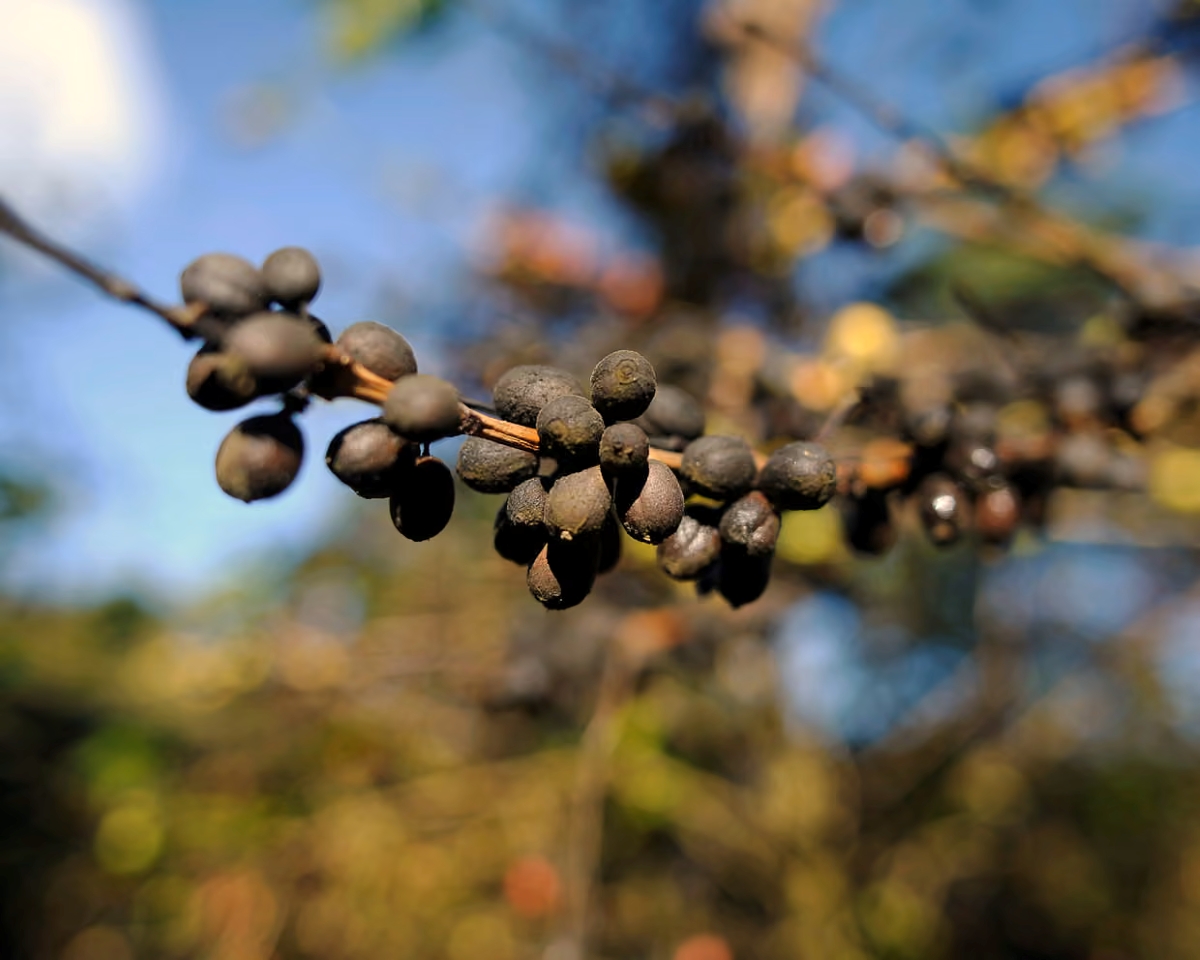
Temperatures above this threshold are particularly harmful to coffee trees, especially Arabica, the premium variety that dominates specialty markets.

  • Ethiopia: Coffee’s Birthplace Under Growing Pressure

In Ethiopia — widely recognized as the birthplace of coffee — more than four million households depend on coffee as their primary source of income. The sector contributes nearly one-third of the country’s export earnings.

Officials from the Oromia Coffee Farmers Cooperatives Union report that rising heat is already affecting yields and increasing tree vulnerability to disease. Reduced shade cover and stronger direct sunlight are compounding the stress on farms.

  • El Salvador and Brazil Among the Hardest Hit

The analysis found that El Salvador recorded 99 additional days of coffee-damaging heat during the 2021–2025 period — the highest among major producers.

Meanwhile, Brazil — the world’s largest coffee producer, accounting for roughly 37% of global output — experienced 70 additional days above 30°C. Given Brazil’s dominant role in global supply, prolonged heat stress raises concerns about market stability and price volatility.

  • Why 30°C Is a Critical Threshold

Coffee trees require stable temperature ranges and balanced rainfall patterns. Arabica, in particular, begins to suffer productivity losses when temperatures consistently exceed 30°C. Prolonged heat can result in:

  1. Lower cherry production
  2. Reduced bean quality
  3. Increased pest and disease outbreaks
  4. Higher production costs

These factors directly affect both yield and cup quality, creating ripple effects throughout the supply chain.

  • Record Prices Reflect Climate Strain

Globally, approximately two billion cups of coffee are consumed daily. Any disruption in producing countries quickly impacts international markets.

According to the World Bank, prices for Arabica and Robusta nearly doubled between 2023 and 2025, reaching record highs in February 2025.

The surge reflects tightening supply conditions, climate-driven production challenges, and structural vulnerabilities within the coffee value chain.

  • Smallholder Farmers on the Front Line

Smallholder farmers produce between 60% and 80% of the world’s coffee. Yet climate adaptation funding reaching these producers remains limited, leaving many with constrained capacity to respond to rising temperatures.

Without stronger climate adaptation strategies — including shade management, climate-resilient varieties, and financial support — suitable growing areas may shrink or shift to higher elevations, increasing long-term production risks.

  • The Future of Coffee at a Crossroads

Coffee is more than a commodity; it is a cultural and economic pillar supporting millions of livelihoods worldwide. As heat extremes intensify across major producing regions, the industry faces structural transformation driven by climate realities.

The central question is no longer whether climate change affects coffee — but how quickly producers, governments, and markets can adapt to safeguard the future of one of the world’s most consumed beverages.


Coffee Interpretation Center Inaugurated in Ethiopia

A New Chapter in Value Chain Storytelling

Addis Ababa – Qahwa World x Buna Kurs

Ethiopia has officially inaugurated its Coffee Interpretation Center (CIC), a landmark institution designed to showcase the nation’s coffee value chain from seed to export while strengthening global awareness of its rich coffee heritage.

The center was launched by the Ethiopian Coffee and Tea Authority (ECTA) in partnership with Spanish Cooperation. ECTA Director General Dr. Adugna Debela and Deputy Director Shafi Omer presided over the ceremony, joined by representatives from various partner institutions.

Officials confirmed that research and content development were supported by OSSREA and Women in Coffee. Both organizations played pivotal roles during the construction phase by contributing specialized studies and gathering historical materials.

According to the Authority, the CIC serves as a knowledge and skills hub, illustrating the journey of coffee across the full value chain. Exhibits highlight historical narratives, the vital role of women in the sector, and the economic and social significance of coffee to the country. One of the center’s key roles is to present, as comprehensively as possible, Ethiopia’s traditional coffee ceremonies and the diverse cultural uses of coffee across communities. By demonstrating these ceremonial practices to visitors, the CIC also strengthens the link between coffee heritage and tourism, positioning traditional coffee rituals as a living cultural experience for both domestic and international audiences. The facility is intended to act as a primary platform for communicating Ethiopia’s comprehensive coffee legacy to an international audience.

The project is being implemented in phases. This inauguration marks the completion of the first phase, with the second phase focusing on the full digitalization of the facility.

Digital development is being led by Ablaze Lab, a local Ethiopian firm tasked with organizing both stages of the center. The company’s founder explained that two dedicated software systems and applications are currently under development. These will integrate animation and multimedia technologies, transforming the center into a fully audiovisual, interactive experience.

The inauguration aligns with broader institutional efforts to expand Ethiopia’s global presence through thematic centers and international engagement initiatives.

Climate Innovation Takes Center Stage at 7th African Coffee Scientific Conference

Addis Ababa – Qahwa World × Buna Kurs

Following yesterday’s high-level policy commitments, the focus of the Third African Coffee Week shifted today from the corridors of power to the laboratory and the field. Scientists, researchers, and agronomists gathered at the Skylight Hotel for the 7th African Coffee Scientific Conference, under the theme “Climate-Resilient Coffee: Innovation for a Sustainable Future”.

While Day One established the policy framework for the continent, Day Two provided the scientific “how-to,” focusing on breeding, pest management, and the institutionalization of African coffee research.

A New Era for Robusta: The Regional Breeding Network

A major highlight of the morning session was the formal launch of the Robusta breeding network, a collaborative initiative involving Ghana, Uganda, and Rwanda. Led by Robert Kawuki, the network aims to modernize breeding efforts for a variety that is increasingly seen as a cornerstone of climate adaptation due to its relative heat tolerance compared to Arabica.

The session, moderated by Dr. Geofrey Arinaitwe, also delved into the genetic foundations of Ethiopian coffee. Researchers Natol Bakala and Wakuma Merga presented findings on the genetic diversity of “Laage” coffee landraces, emphasizing that preserving Ethiopia’s unique genetic reservoir is critical for the global coffee industry’s survival.

Science-Driven Adaptation and Pest Management

As climate change shifts ecological zones, the conference addressed the alarming migration of pests and diseases. Kifle Belachew Bekele presented a critical study on why Coffee Leaf Rust (Hemileia vastatrix) has begun migrating to highland Arabica growing areas in Ethiopia—territories previously considered “safe” due to their altitude.

Other scientific breakthroughs discussed included:

  • Disease Resistance: Admikew Getaneh shared research on the phytochemical basis of resistance to Coffee Wilt Disease, while Monyo Grace presented new F1 hybrid genotypes resistant to Coffee Berry Disease.

  • Eco-Innovation: Mariamawit S. Kassa explored “Beyond the Brew,” highlighting the hidden potential of spent coffee grounds, while Mohammed Aman discussed using the Desmodium plant for sustainable production.

  • Pest Control: Innovative “locally made” traps for the Black Coffee Twig Borer in Northern Tanzania were showcased by Aden Mbuba as a low-cost, high-efficiency solution for smallholders.

Institutionalizing Knowledge: The African Coffee Research Center

The afternoon session marked a pivotal moment for the continent’s intellectual infrastructure. The Inter-African Coffee Organisation (IACO) and the African Coffee Research Network (ACRN) announced the establishment of the African Coffee Research Center. This center is designed to be the “brain” of the continent’s coffee sector, ensuring that the research presented today translates into scalable field solutions.

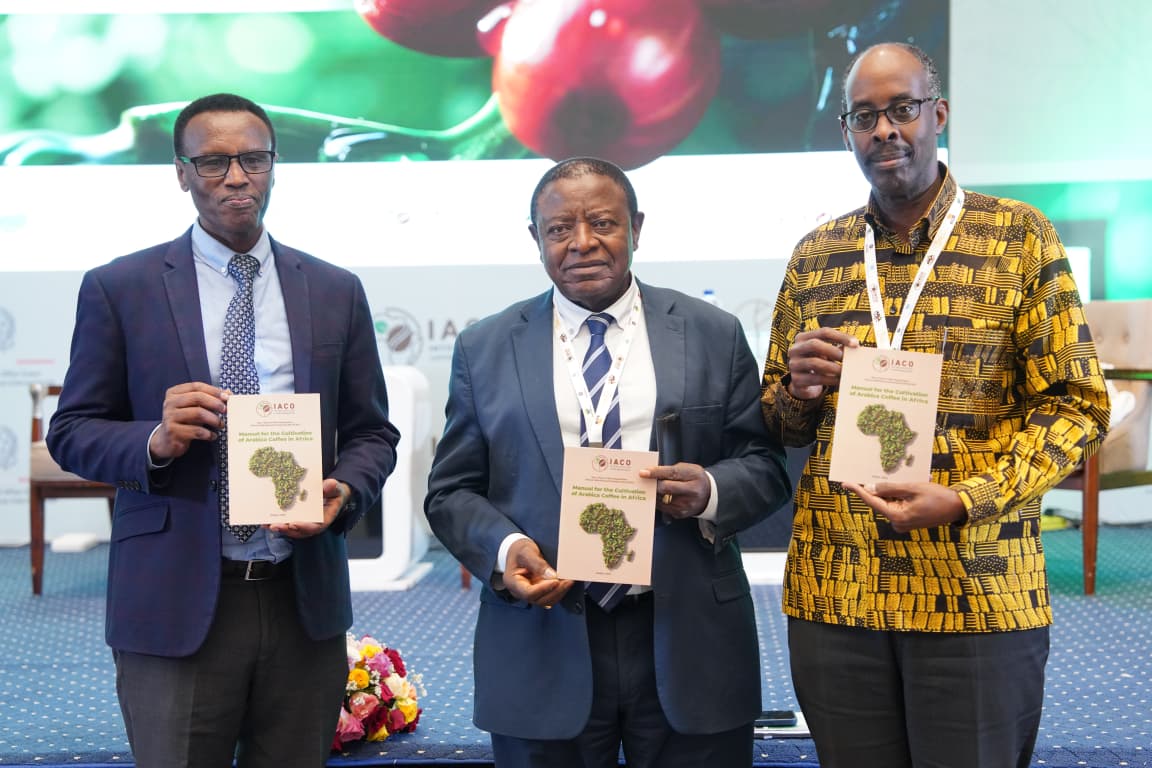
To wrap up the day’s proceedings, the Secretary General of IACO and the Chairperson of the ACRN officially launched the new coffee manual, a comprehensive guide intended to harmonize best practices across Africa’s diverse coffee-growing regions.

The conference concluded with closing remarks from the IACO Chairman, signaling a transition from scientific theory to a unified, continental implementation strategy.

Ethiopia and China Strengthen Coffee Sector Cooperation

Addis Ababa – Qahwa World

Ethiopia is strengthening its coffee sector by expanding value-added exports and deepening strategic cooperation with China, particularly in agriculture and coffee, according to senior government officials.

Ethiopia and China are elevating their agricultural cooperation beyond trade into a strategic partnership, with coffee emerging as a central pillar of collaboration. China has rapidly become one of the top destinations for Ethiopian coffee, rising from 33rd to 4th place among export markets within the past five years.

A trade and economic cooperation forum aimed at promoting Ethiopian coffee in the Chinese and global markets was recently held in Jujiao City, China. The forum brought together government officials, buyers, and private-sector stakeholders and resulted in new market linkage agreements.

Officials said the strengthening of cooperation is driven by several factors, including China’s expanding role as a coffee destination, duty-free tariff privileges for African exports, technology and knowledge transfer, growing e-commerce linkages, and Hunan Province’s position as a key trade hub.

State Minister of Agriculture Dr. Efrem Mulleta said Ethiopia is implementing wide-ranging reforms to make its agricultural products competitive in international markets. These reforms focus on increasing production quality and quantity through modern technologies, innovation, and improved agricultural inputs.

He added that the conference in China is part of broader efforts to boost export earnings not only from coffee but also from livestock products, fisheries, and other agricultural outputs.

Ethiopian Coffee and Tea Authority Director General Dr. Adugna Debela said Ethiopia’s strong focus on coffee productivity, quality, and value addition has brought significant improvements in export performance.

In the last fiscal year alone, Ethiopia exported 470,000 tons of coffee, generating USD 2.6 billion in revenue. To further enhance earnings, the country is prioritizing the export of value-added coffee rather than raw beans.

Dr. Adugna noted that a 15-year coffee sector strategy has been developed and implemented to address structural challenges, improve productivity, and expand market access. Old, low-yield coffee trees have been replaced, while millions of new seedlings have been planted under the Green Legacy Initiative.

He emphasized that quality is critical for global competitiveness and said strict monitoring systems are in place to ensure high standards. Policy reforms have also streamlined the coffee marketing system, reduced losses, and minimized quality deterioration.

A newly approved directive now allows domestically roasted and ground coffee to be sold in foreign currency, creating new opportunities for exporters. As a result, several Ethiopian coffee companies have begun selling value-added products through Ethiopian Airlines, major hotels, and tourist destinations.

Dr. Adugna added that Ethiopian specialty coffee is gaining popularity among Chinese consumers, driven by rising demand and China’s duty-free market access for African countries.

State Minister of Government Communication Services Tesfahun Gobezay said China’s large population and rapidly growing coffee consumption make it a reliable and expanding market for Ethiopian coffee.

He also noted that the recent forum introduced Ethiopian coffee culture—from production to consumption—to Chinese audiences and opened a new chapter for expanding bilateral coffee trade and cooperation.

Officials stressed that Ethiopia’s combined focus on value addition, quality improvement, and strategic partnerships—particularly with China—is expected to further strengthen foreign exchange earnings and create sustainable growth in the coffee sector.

Coffee as Destination: Positioning Ethiopia’s Origins for Experiential Tourism

An interview with Musa Kedir CEO, Tourism Attraction and Product Development, Ministry of Tourism – Ethiopia

By Qahwa World × Buna Kurs

Coffee has long been Ethiopia’s most visible global export, yet its potential as a tourism experience remains largely untapped. While several coffee-producing countries have successfully transformed farms, processing sites, cupping rituals, and café culture into immersive visitor journeys, origin countries themselves have often underutilized this experiential dimension.

Ethiopia, the birthplace of Coffea arabica, holds a rare advantage. Coffee here is not only an agricultural product but a living culture—woven into daily life, social rituals, landscapes, and identity. Translating this depth into structured and sustainable tourism experiences represents one of the most promising frontiers for destination development.

During the Coffee Origins Trip (COT 2) organized by Kerchanshe and Oromia Tourism Commission, a diverse group of international buyers, roasters, social media storytellers, tourism executives, and sector leaders came together to experience Ethiopia’s coffee landscape firsthand. As part of this journey, Qahwa World and Buna Kurs sat down with CEO, Tourism Attraction and Product Development, Ministry of Tourism – Ethiopia, to discuss how coffee tourism fits into the national tourism agenda and what it will take to elevate coffee into a globally competitive tourism product.

Qahwa × Buna: How does the Ministry currently position coffee within the wider national tourism development agenda, and what opportunities do you see for formalizing coffee as a structured tourism product?

Musa Kedir: The Ministry has already recognized coffee as a key element within Ethiopia’s national tourism brand, “Land of Origins,” which positions the country as the birthplace of Coffea arabica. This recognition is also reflected in the revised National Tourism Development Policy, which explicitly emphasizes the development of niche tourism products.

Within this framework, coffee is viewed both as a core special-interest tourism product and as a supplementary experience that can enhance broader travel itineraries. This policy foundation creates strong opportunities to formalize coffee tourism through structured products, packages, and destination planning.

Qahwa × Buna: From a destination development perspective, what gives Ethiopia a unique competitive edge in coffee tourism compared to other producing countries?

Musa Kedir: Ethiopia’s advantage lies not only in having given the world Arabica coffee, but in the deep cultural attachment to coffee itself. Coffee in Ethiopia is an integral part of daily life.

The way Ethiopians prepare, serve, and share coffee reflects a living culture rather than a staged experience. This cultural intimacy is something no other coffee-producing country can replicate, and it provides Ethiopia with a uniquely authentic foundation for coffee tourism.

Qahwa × Buna: Which parts of the coffee value chain do you believe hold the strongest potential for experience design—farm level, processing, culture, heritage, gastronomy, trade, or a combination?

Musa Kedir: A combination of farm-level experiences, processing, culture, heritage, and gastronomy offers the strongest potential overall. Together, these elements allow visitors to understand coffee as a complete journey rather than a single moment.

Among these, a well-organized and customized combination of farm-level and processing experiences holds particularly strong appeal due to its uniqueness and attraction. These stages allow visitors to witness the transformation of coffee firsthand, which is central to meaningful tourism experiences.

Qahwa × Buna: Is the Ministry working on national guidelines, standards, or policy frameworks to support the growth of coffee tourism experiences such as farm tours, cupping sessions, processing visits, or heritage trails?

Musa Kedir: Based on the recognition of coffee as a potential niche tourism product, the Ministry has previously organized coffee-focused familiarization trips for media outlets and diplomatic communities.

More recently, recognizing the need for deeper strategizing, the Ministry has begun working with partners such as the Japan International Cooperation Agency (JICA) to identify Ethiopia’s major coffee-producing corridors. This work will support the development of well-organized coffee tour packages at the national level.

The Ministry also plans to organize a national coffee tourism awareness seminar that will bring together key stakeholders across the value chain, and it is working on comprehensive tourism destination and product development guidelines aligned with the revised tourism policy.

Qahwa × Buna: How does the Ministry view the role of major private-sector actors like Kerchanshe in shaping the future landscape of coffee tourism?

Musa Kedir: The Ministry has a strong belief in the vital role played by private-sector actors affiliated with the coffee industry.

This is why the Ministry collaborated in the recent coffee tour organized jointly by the Oromia Tourism Commission and Kerchanshe. Moving forward, the Ministry has also scheduled consecutive meetings with key coffee sector actors to facilitate brainstorming and discussions focused specifically on developing coffee for tourism.

Qahwa × Buna: What kinds of cross-sector collaborations are needed between tourism, agriculture, culture, trade, and regional governments to build a unified coffee tourism platform?

Musa Kedir: Because the coffee value chain is cross-sectoral by nature, it is critical for all stakeholders to reach a similar level of understanding in order to succeed in positioning coffee for tourism.

The Ministry is taking a catalyst role by creating platforms that bring stakeholders together and laying the foundation for strong collaborations that can endure into the future.

Qahwa × Buna: From what you have observed on this field visit so far, what strengths, innovations, or community stories stand out as directly translatable into tourism offerings?

Musa Kedir: The visit revealed that there are exemplary companies, such as Kerchanshe, that are aligned with national priorities to make coffee one of Ethiopia’s competitive tourism advantages.

These actors are taking the lead in showcasing meaningful experiences within their capacity. However, the visit also highlighted the need to further strengthen local community participation, improve readiness among local authorities, and better organize resources at the local level.

A shared understanding and collaboration among stakeholders is essential for the sustainable creation of a strong national coffee tourism culture.

Qahwa × Buna: How can coffee tourism support local community development, regional economies, and job creation across key coffee districts like Guji, Sidama, Yirgacheffe, Jimma, and Kaffa?

Musa Kedir: At present, coffee primarily serves its traditional commercial role. However, recent familiarization trips—particularly those led by Visit Oromia—have shown how tourism can be developed alongside existing coffee systems.

These initiatives can help create permanent economic advantages through tourism, including job creation and income diversification in key coffee-producing regions.

Qahwa × Buna: What narratives or storylines should Ethiopia prioritize when positioning itself internationally as the birthplace of coffee and a unique tourism destination?

Musa Kedir: It is critical to firmly engage in leveraging Ethiopia’s identity as the birthplace of coffee. Beyond that, creativity is required to transform everyday coffee culture into compelling tourism experiences.

Coffee culture in Ethiopia is deeply rooted and diverse across the country. Interpreting this heritage in a way that resonates with international travelers—both as a special-interest experience and as a complementary offering—is essential.

Narratives should focus on Ethiopia’s local coffee cultures and on organizing their interpretation into well-designed tourism products.

Qahwa × Buna: How does the Ministry plan to ensure that coffee tourism grows in an environmentally and culturally sustainable way?

Musa Kedir: The Ministry has only recently begun to systematically structure programs that position coffee for tourism. To ensure sustainability, it is preparing a comprehensive National Tourism Destination Development and Management Plan.

This plan will guide tourism development across the entire value chain, including coffee-related experiences, and will ensure environmental and cultural sustainability.

Qahwa × Buna: What level of investment or infrastructure development is required to elevate selected coffee-producing areas into international-standard tourism sites?

Musa Kedir: Most coffee corridors are already accessible, but as coffee tourism becomes more competitive, it will require basic infrastructure such as improved access within farms, accommodation facilities, and structured community collaboration.

While coffee farms are well organized for production, additional effort is needed to convert them into tourism experiences. This can best be achieved through collaboration among farm owners, government institutions, and tourism organizations.

Qahwa × Buna: What immediate next steps does the Ministry envision after this trip, and how might these insights shape upcoming MOT programs or national campaigns related to coffee?

Musa Kedir: The Ministry has already begun planning around coffee tourism and similar niche potentials. To ensure long-term and sustainable use, it will focus on redesigning model tourism packages that integrate coffee as both a special-interest experience and a complementary tourism offering.

These insights will directly inform upcoming Ministry programs and national tourism campaigns.

Sucafina Releases Key Update on Ethiopia’s 2025/26 Coffee Harvest

Addis Ababa Qahwa World

Sucafina Ethiopia has released its latest update on the 2025/26 coffee harvest, with Kirubel Girma, Trading & Operations Manager, outlining harvest timing, regional variations, price movements, and expanded sustainability initiatives across the country.

According to the update, the harvest is beginning later than usual this season, with a delay of around 1520 days due to shifting weather patterns. Ripening continues to vary significantly by altitude, shaping different production trends across Ethiopia’s coffee-growing regions.

In southern Ethiopiaparticularly Yirgacheffe, Gedeb, and Gujifarmers expect a moderate decline of 5% to 7% after last year’s exceptionally high crop. Meanwhile, western and south-western regions are entering a strong on-cycle year, anticipating notably higher yields compared to the 2024/25 season.

Harvest timing varies by altitude as follows:

Lowlands:

Southern Ethiopia: mid-October to December

Western Ethiopia: late October to January

Mid-altitude regions:

Late October to mid-January

High-altitude regions:

Starting in November through the first half of February

Overall production is expected to be similar to last season, with shifts between regions balancing out total output. Consistent rainfall throughout the season has supported healthy cherry development and stable growing conditions.

On the market side, cherry prices have increased sharply this year. The season opened at 120 ETB/kg and has already climbed to 145 ETB/kg, a significant jump from last year’s starting point of 3540 ETB/kg. This rise is attributed to the devaluation of the Ethiopian birr, higher NY “C” prices, and increased competition among local buyers. The sector is also facing challenges in managing cherry price volatility amid a growing number of active market players.

Sucafina highlighted several sustainability developments, particularly in the Sidamo region, where the Lalisaa Project has expanded through a dedicated full-time field officer supporting farmers directly. This closer engagement has enhanced traceability and helped connect producers with markets offering better price incentives.

Additionally, in collaboration with destination teams and clients, Sucafina has begun returning GrainPro bags to Ethiopia. These bags are redistributed to farmers to improve on-farm storage conditions and protect quality, especially in areas lacking proper warehouse facilities.

Looking ahead, stable weather patterns, strong western yields, and improved price motivation for farmers point to a solid overall season for Ethiopia’s 2025/26 harvest. Sucafina encourages industry partners interested in sourcing Ethiopian coffee to contact their traders for current offers and origin updates.

Global Coffee Market Finds Balance as Prices Stabilize and Trade Shifts Eastward

October 2025 ICO Report Reveals Steady Prices, Regional Export Rebalancing, and Signs of Market Surplus

Dubai – Qahwa World

After months of price turbulence driven by weather extremes, logistics disruptions, and policy shifts, the global coffee market entered October 2025 in a rare state of equilibrium. According to the latest Coffee Market Report issued by the International Coffee Organization (ICO), the ICO Composite Indicator Price (I-CIP) averaged 326.38 US cents per pound, a modest 0.5% increase over September—marking a month of sideways stability in an otherwise volatile year.

The data reflects a market adjusting to both rising production in key origins and softening consumption growth across major economies. Yet behind this stability lies a quiet reshaping of global trade flows, as Asia and Africa consolidate export strength while South America experiences cyclical slowdown.

A Month of Stability Amid Global Uncertainty

The October 2025 I-CIP fluctuated between 314.68 and 344.77 US cents/lb, posting a median of 325.52 US cents/lb. Although stable, prices remain 30% higher than a year earlier, underscoring the persistent cost pressures that continue to define the post-pandemic coffee economy.

Price movements among coffee groups showed a clear divide. Colombian Milds slipped marginally (−0.1%) to 403.25 US cents/lb, while Other Milds gained 0.9% to 403.79 US cents/lb. Brazilian Naturals fell slightly to 373.47 US cents/lb, and Robustas, in contrast, expanded 2.0% to 215.06 US cents/lb — a sign of ongoing resilience in lower-grade coffee demand, especially for soluble and instant formats.

The differential between Colombian Milds and Other Milds narrowed into negative territory (−0.54 US cents/lb), highlighting how recent weather disruptions in Central America temporarily compressed quality spreads. Meanwhile, arbitrage between London and New York futures markets contracted by 2.9% to 163.84 US cents/lb, signaling closer alignment between Arabica and Robusta futures.

Market volatility, however, crept upward. Intra-day volatility of the I-CIP averaged 15.9%, up by more than two percentage points month-on-month — an indication that traders remain reactive to climate events and logistics developments, such as Suez Canal restrictions and persistent container shortages delaying deliveries.

Weather, Tariffs, and Consumption Trends: Forces in Counterbalance

The ICO attributes October’s price stability to a balance between bullish and bearish factors.

On the bullish side, Hurricane Melissa and low rainfall in key Brazilian coffee zones constrained supply, while Typhoon Kalmaegi caused significant crop losses in Vietnam, the Philippines, and Cambodia. The continuation of structural backwardation in futures markets — where near-term contracts are priced higher than future ones — further indicates tight supply for immediate delivery.

At the same time, several bearish influences tempered the market. Among them, signs of slowing consumption in the United States, where rising living costs have eroded discretionary spending. Vehicle repossessions, up 12% year-on-year, highlight a broader financial strain that extends to premium beverage categories. Additionally, a potential reduction in U.S. tariffs on Brazilian coffee — hinted at by Presidents Donald Trump and Luiz Inacio Lula da Silva — has fueled expectations of eased trade tension and lower costs for importers.

The result: prices moved horizontally through the month, neither rallying nor collapsing — a rare moment of equilibrium in a market accustomed to extremes.

Export Flows Reveal a Shifting Coffee Geography

While prices stabilized, trade patterns told a story of transformation. Global green coffee exports reached 9.94 million 60-kg bags in September 2025, down 0.2% year-on-year, marking the sixth consecutive month of negative growth in the 2024/25 coffee year. Total exports across all coffee forms fell by 2.8% to 11.00 million bags.

The Arabica segment showed divergence.

  • Colombian Milds rose by 7.0%, driven by Colombia’s robust output of 14.87 million bags — up 16.5% from the previous year.

  • Other Milds gained 6.1%, with Ethiopia, Mexico, and Nicaragua performing strongly.

  • Brazilian Naturals, however, plunged 21.9% as Brazil entered its “off-year” in the biennial Arabica cycle and faced logistics delays at the port of Santos.

  • Robustas grew 23.0% to 3.67 million bags, powered by Vietnam and Indonesia, whose improved harvests sharply reversed last year’s declines.

These mixed results left the Arabica share of global exports at 63.4%, a marginal drop from 63.7% the previous year — consistent with the long-term average since 2016.

Ethiopia, notably, emerged as a bright spot, expanding exports by 24.4% to 4.91 million bags on the back of an 11% rise in local production and strategic release of stored stocks responding to high international prices.

Regional Divergence: East Rises as South America Contracts

Regional analysis underscores a structural eastward shift in coffee trade:

  • Asia & Oceania: Up 29.3% year-on-year in September and 9.1% for the full coffee year, reaching 44.45 million bags. The surge was led by Vietnam (+7.1%) and Indonesia (+46%), both benefiting from favorable weather and restored yields.

  • Africa: Rose 3.2% in September and 18.6% annually to 19.69 million bags, driven by strong harvests and higher export releases from Ethiopia and Uganda.

  • South America: Fell 13.9% in September and 12.3% across the coffee year to 58.94 million bags, largely due to Brazil’s cyclical downturn and port congestion.

  • Mexico & Central America: Declined 14.6% in September but expanded 7.7% annually to 15.58 million bags, with Mexico and Nicaragua showing resilience.

As a result, South America’s share of global coffee exports slid from 48.4% to 42.5%, while Asia & Oceania’s share climbed to 32.1%, its highest level on record.

This redistribution confirms what many analysts have observed through 2025: a geographic rebalancing of coffee supply chains, with the global center of gravity shifting steadily toward Asia and Africa.

Soluble Coffee Gains Ground

Trade data by form reinforces this transformation. Exports of soluble coffee declined 21.0% in September but rose 5.0% over the full year to 16.72 million bags. This steady annual growth signals a continuing pivot toward value-added coffee formats catering to urban markets and middle-income consumers in producing countries.

By contrast, roasted coffee exports dropped 22.9% year-on-year to 0.68 million bags, reflecting weaker demand for ready-to-drink products in mature economies. Green coffee still dominates global shipments, accounting for 87.5% of total exports.

Global Balance Returns to Surplus

The ICO estimates world production at 177.5 million bags in 2024/25, up 5.2% year-on-year, outpacing consumption, which grew just 1.4% to 175.1 million bags. This modest gap yields a surplus of 2.4 million bags, marking the first positive balance since 2021/22.

The surplus reflects stronger harvests in Asia and Africa, coupled with a stabilization of consumption after the pandemic-era surge. Europe and North America both registered declines in coffee intake (−1.2% and −3.3%, respectively), while consumption in Asia & Oceania rose 7.4%, highlighting a shift in demand patterns alongside production.

A Market at the Crossroads

The October 2025 ICO report captures a market in transition. Prices have steadied, but volatility remains elevated; production is up, yet distribution challenges persist. The eastward drift of coffee trade — reinforced by Indonesia, Vietnam, Ethiopia, and Uganda — may reshape the traditional dominance of Latin American origins in the years ahead.

For producers, this stability offers breathing room after years of disruption. For traders and roasters, it demands agility — balancing sourcing strategies across continents amid ongoing climate and logistical uncertainty.

In short, the coffee world has entered a new phase: from crisis to cautious equilibrium, where resilience and regional diversification define the next chapter of global coffee commerce.

Ethiopia Earns $762.7 Million from Coffee Exports in Q1 FY 2025/26

Addis Ababa – Qahwa World

Ethiopia generated $762.75 million in revenue from coffee exports during the first quarter of the 2025/26 fiscal year, according to the Ethiopian Coffee and Tea Authority. The figure represents a 47% increase, or $243.73 million more than the same period last year, exceeding both export and revenue targets.

Dr. Adugna Debela, Director General of the Authority, announced that the country exported 113,542 tons of coffee between July and September 2025, achieving 75% of the planned export volume of 151,969.41 tons. However, the revenue reached 123% of the quarterly target of $622.5 million, underscoring higher prices and stronger market performance.

Leading Destinations

Germany remained the largest buyer, importing 20,793.14 tons (18%) and contributing $138.18 million (18%) to total earnings. Saudi Arabia followed with 16,088.45 tons (14%), generating $102.18 million (13%), while Belgium ranked third with 13,910.92 tons (12%) and $93.45 million (12%) in revenue.

Other key destinations included China (4th), the United States (5th), South Korea (6th), the United Arab Emirates (7th), Japan (8th), Italy (9th), and the Russian Federation (10th). Together, these top ten markets accounted for 80% of the total export volume and 79% of Ethiopia’s foreign exchange earnings. Compared with the same period of the previous fiscal year, the top destinations saw 3% growth in export volume and a significant 52% increase in revenue.

Key Drivers Behind the Growth

Dr. Adugna attributed the strong performance to multiple strategic initiatives introduced by the Authority, including:

Expanding coffee export markets to new destinations such as China.

Enhancing data quality and modernizing trade monitoring through a centralized coffee database and a secure data exchange system that tracks daily shipments.

Providing traders and stakeholders with monthly global and domestic market updates to support informed decision-making.

Reinforcing supervision to ensure exporters meet delivery timelines and contractual obligations.

Introducing a weekly minimum contract selling price aligned with global market trends.

Strengthening bilateral cooperation and knowledge exchange with countries that have advanced coffee production and management experience.

The Authority emphasized that these measures are part of Ethiopia’s broader effort to maximize export revenues and solidify its position as Africa’s leading coffee producer and exporter.

Germany Earns More From Coffee Than Producing African Nations

Berlin – September 14, 2025 – (Qahwa World) – Germany, a country that does not grow coffee, has become one of the most influential players in the global coffee industry, earning more from exports than all African producing nations combined. In 2024, Germany exported over 473,000 tonnes of coffee worth €6 billion, largely by importing raw beans from producing countries and re-exporting them after processing and branding.

Africa, home to 18 coffee-exporting countries including Uganda, Ethiopia, Kenya, and Rwanda, remains dependent on raw bean exports. Uganda recently overtook Ethiopia as the continent’s leading exporter, shipping nearly 800,000 bags in May 2025 alone, worth $243 million. Ethiopia, long considered the historic heart of coffee, followed with 43,481 tonnes during the same period. Data from the International Coffee Organization covering March 2023 to February 2024 shows Uganda shipped over six million bags, compared with Ethiopia’s 3.5 million, while other producers such as Tanzania, Côte d’Ivoire, and Kenya trailed with far smaller volumes.

The disparity lies in value addition. A KPMG study as far back as 2014 highlighted that Africa exported coffee worth $6 billion while the global coffee industry exceeded $100 billion, driven by roasting, blending, packaging, branding, and sustainable certification. Germany has built its dominance on precisely these steps, importing nearly one million tonnes of green coffee in 2023, 91 percent directly from producing nations. Brazil supplied the largest share at 341,000 tonnes, followed by Vietnam, Honduras, Uganda, Colombia, and India. Even when imports declined by 17 percent that year, Germany’s reserves ensured its exports continued without disruption.

The contrast underscores a hard truth: while coffee was born in Africa, most of its wealth is captured elsewhere. Unless producing nations invest in roasting, branding, and specialty development at origin, they will remain suppliers of raw beans while others reap the greater rewards.

Genomic research reveals ancient Ethiopian coffee origins

In the midst of our daily rituals, whether we call it a cup of Joe, java, or simply our morning brew, coffee stands as a cornerstone of global culture. Particularly, the esteemed Arabica bean holds a special place among coffee aficionados.

Recently, researchers delved into the genetic makeup of the Arabica species, unraveling a remarkable journey that began in the lush forests of Ethiopia. Through meticulous genome sequencing of 39 Arabica varieties, including a relic from the 18th century, they unveiled the oldest chapters of coffee’s history, dating back an astonishing 610,000 to one million years.

Led by plant evolutionary biologist Victor Albert from the University at Buffalo, the study published in Nature Genetics sheds light on Arabica’s resilience and significance. It emerges as not merely a commodity crop but an integral part of local economies and traditions, sustaining livelihoods across generations.

The genomic analysis revealed Arabica’s dynamic relationship with climate fluctuations over millennia, tracing its cultivation back to Ethiopian and Yemeni origins before its global dissemination. However, despite its widespread presence, Arabica faces challenges due to its low genetic diversity, stemming from historical inbreeding and population constraints.

Patrick Descombes, a genomics expert from Nestlé Research and EPFL, emphasizes the study’s implications for future coffee cultivation. By identifying key genomic regions linked to disease resistance and flavor profiles, the research paves the way for innovative breeding strategies to enhance Arabica’s resilience to environmental stressors and evolving consumer preferences.

Arabica’s story intertwines with that of its parent species, Coffea canephora (Robusta) and Coffea eugenioides, showcasing nature’s ingenuity in creating a beverage cherished worldwide. While Robusta boasts robustness against pests and diseases, Arabica captivates with its nuanced flavors and smoothness, embodying a delicate balance between heritage and innovation.

As we savor our daily cup, let us ponder the ancient roots of coffee, where the whispers of Ethiopia’s forests echo through each aromatic sip, connecting us to a timeless tradition that transcends borders and epochs.