Bridging the Gap: An Exclusive Dialogue with Vanusia Nogueira on the Global Coffee Crisis and the Path to 2026

From regulatory hurdles like the EUDR to the volatile C-Market and climate resilience, the Director General of the International Coffee Organization (ICO) outlines a strategic roadmap for a fairer global coffee value chain.

Dubai – Ali Alzakary

The International Coffee Organization (ICO) is the primary intergovernmental body dedicated to fostering a sustainable coffee sector. At its helm stands Mrs. Vanusia Nogueira, a visionary leader whose tenure has been defined by a relentless pursuit of equity for smallholder farmers.

This exclusive interview marks a historic moment—the first dialogue granted by the Director General to an Arabic media outlet. We are profoundly grateful to Mrs. Nogueira for graciously accepting our invitation. Beyond her professional stature, her humility and the sincerity with which she approached this conversation were truly remarkable. In an industry often characterized by formal diplomacy, her transparency and candor provided a clear and honest look at the challenges facing our sector. We are deeply indebted to her for her time, her precision, and the kindness she showed throughout this significant exchange.

  • Now that we are well into 2026, how do you personally see the ICO’s role in helping smallholder farmers cope with regulations like the EUDR and other environmental requirements?

The ICO acts as a vital bridge between producing and consuming nations. With 75% to 80% of global coffee producers being smallholders, our role is to make policymakers understand the ground-level challenges. There is often a lot of good intentions behind regulations, but policymakers and consumers are often unaware of how difficult it is to comply in the field. We educate these stakeholders and bring together partners—governments, development agencies, and the industry—to provide the technical and financial support that vulnerable communities need to make these transitions feasible and viable.

  • Traceability and data systems are becoming unavoidable. How can we ensure these costs don’t end up being paid mainly by small farmers?

We are building partnerships with the consuming side—the industry and governments—to support the infrastructure needed, from geolocations to databases. In many countries, the key issue is internal infrastructure, such as internet access. We are working with partners like the German, UK, and Italian governments to implement these systems. Furthermore, we need to educate consumers on why it is fair to pay a little more. Transparency is essential; we must show that these margins are necessary for producers to survive and thrive.

  • Looking back at 2025, has the industry made progress toward a “living income,” or are we still stuck with the C-Market logic?

Vanusia Nogueira: The sector learned in the past two years that a living income is not just about price. It is about closing gaps in productivity, yield, and infrastructure like healthcare and education. While producers in some regions reached a comfortable level last year due to higher prices, others are still struggling. A key solution is for small producers to stop working in isolation; they must organize into cooperatives or associations to access new markets and technical assistance together.

  • Regarding the climate impact on specific origins—in Yemen, for example, the harvest has become fragmented into multiple stages and quantities are dropping. How do you view this?

The situation in Yemen—where you have three or four harvests from the same tree instead of one—is a clear symptom of climate change that we must analyze deeply. We have seen similar shifts in Brazil. We need to understand if the traditional varieties in Yemen—which is one of the original homes of Arabica—are still suitable for this new climate or if we need to renovate the plantations with more resilient strains. Yemen’s heritage is a global priority, and scientists must work to find solutions that protect its unique productivity.

  • There is a growing debate about responsibility. Are large roasters and traders doing enough today?

I see major roasters and traders working very closely with producing countries on “pre-competitive” actions to address these challenges. I am in constant contact with global industry leaders, and I am confident they are totally open to new solutions and are supporting the initiatives needed to stabilize the sector.

  • How should the sector approach lab-grown and alternative coffee products without losing the value of natural coffee?

Vanusia Nogueira: Communication and clarity are paramount. It must be clear to everyone what is “real coffee” and what is a substitute. Natural coffee has scientifically proven health benefits, whereas the impact of chemical or artificial alternatives is often unmentioned. In countries like Brazil and Vietnam, regulations already exist to ensure that packaging for substitutes cannot claim to be “coffee.” We must continue to express why natural coffee remains superior for health and culture.

  • Price swings have been extreme. What is actually driving this volatility?

It is a matter of a “short blanket”—supply and demand. Severe weather events since 2021—frosts in Brazil, droughts in Vietnam and Africa, and typhoons—have lowered production while consumption is surging, particularly in the Middle East and Asia. We are currently working with AI experts to create models that can better predict these events to help us protect production in the short and long term.

  • Markets like the Middle East are now shaping their own identities. How does the ICO plan to engage with them?

The Middle East is a driver of the industry. Saudi Arabia became an official member of the ICO six months ago, and I visited Riyadh recently to touch base with the situation there. I also heard incredible things about the “World of Coffee Dubai” event two weeks ago—people told me it was a truly “crazy” and amazing event. We need to be present in these markets, working as partners to improve communication and support these maturing consumer bases.

  • What role can consumer regions—including the Arab world—play in supporting producers beyond certifications?

The Arab world can play a strategic role as a “catalytic investor.” Beyond labels, their impact lies in investment, partnership, and system-building. They can help de-risk innovation and climate adaptation at the origin. By supporting logistics, research, and digital agriculture, they can help reshape how value and responsibility are shared across the sector.

  • If you could speak directly to the global sector in 2026, what would you say needs to change most urgently?

Vanusia Nogueira: What needs to change most urgently is how risk and value are distributed. Today, smallholders absorb most of the impact of price volatility and climate change. Coffee must be treated not just as a commodity, but as a global public good. If producers earn a prosperous income, the entire sector becomes resilient. That change cannot wait.

  • Editorial Highlights

“Coffee must be treated not just as a commodity, but as a global public good that supports livelihoods, ecosystems, and cultures.”

“Yemen is the cradle of Arabica; we must ensure that its historic coffee heritage survives the challenges of a changing climate.”

“The ‘World of Coffee Dubai’ was an amazing, high-energy event that proved the Arab world is now a central driver of the global coffee industry.”

“A living income is not just about prices—it is about productivity, healthcare, and education. Doubling prices is not enough if the foundation is missing.”

“We must be clear with consumers: natural coffee has scientifically proven health benefits that chemical substitutes simply cannot match.”

“The Arab world has the power to be a ‘catalytic investor,’ moving beyond labels to truly de-risk innovation at the origin.”


Vietnam Police Seize Tons of Fake Coffee Made from Soybeans

HANOI – Qahwa World

Security officials in Vietnam have initiated a criminal probe into a production facility found manufacturing fraudulent coffee using soybeans. The investigation follows a targeted raid in the Central Highlands province of Lam Dong earlier this week.

According to a statement from the Ministry of Public Security, the operation resulted in the seizure of 4.1 tons of counterfeit finished goods and 3 tons of unprocessed materials. The facility owner, Luong Viet Kiem, reportedly confessed to blending soybeans and chemical flavorings with actual coffee beans to distribute ground products throughout the domestic market.

Economic and Health Concerns
The discovery was triggered on Tuesday when police intercepted a truck transporting over 500 kilograms of undocumented ground coffee. This incident highlights a recurring issue in the region; local traders noted that while soybeans and corn are edible, the safety of these unregulated mixtures remains a significant concern for consumers.

The financial incentive for such fraud is clear. Currently, farmers in the Central Highlands sell coffee for approximately 100,500 dong ($3.86) per kg—nearly triple the cost of soybeans.


A New Era for Coffee: The EU-India Free Trade Agreement

By: Fabricio Scocco

After nearly two decades of complex negotiations, we are witnessing a historic milestone. The European Union and India have reached a comprehensive free trade agreement that is set to reshape the landscape of international commerce. By removing up to 90% of tariffs between these two regions, we are opening doors to a combined market of over 2 billion people—an economic powerhouse representing 25% of the global GDP.

For those of us operating within the specialty coffee sector, this development is more than just a policy shift; it is a critical evolution for design-driven, sustainable brands.

  • Redefining the Coffee Supply Chain

The impact on coffee trade and packaging cannot be overstated. The reduction of tariffs on key imports creates a streamlined highway for goods:For India: Exporting green coffee, raw materials, and packaging into the EU will become significantly more efficient due to reduced barriers.For Europe: Companies sourcing or co-producing in India will now have access to smoother, more cost-effective trade lanes.Competitiveness: High-end roasted coffee and innovative packaging solutions will immediately become more competitive on the global stage.

  • Strategic Collaboration and Innovation

We are entering a pivotal moment for strategic partnerships. Consider the existing synergy between We Brand Coffee (INDIA) and Takumi Collective (Netherlands). This agreement validates and accelerates such collaborations where design, sourcing, and packaging flow across borders.

By reducing logistic complexity, we can focus on what truly matters: co-manufacturing opportunities and creating packaging solutions that meet rigorous EU standards while celebrating India’s vibrant specialty coffee scene.

  • Market Outlook and Buying Behavior

As the trade landscape shifts, we anticipate several key trends in buying behavior:Sustainability Focus: Indian packaging providers will likely see a surge in demand from EU brands that prioritize sustainable materials.Exploration of Origin: EU roasters and micro-brands can now explore Indian-origin coffee with significantly less financial risk.Creative Co-development: Branding agencies in both regions will find it easier to co-develop storytelling assets and packaging designs.

  • Navigating the Risks

While the momentum is high, we must remain pragmatic. The agreement still requires official ratification from the EU Parliament and Indian authorities. Furthermore, stakeholders must stay vigilant regarding:Currency and Geopolitics: Short-term cost-benefits may be influenced by FX-driven producer shifts and geopolitical changes.

Regulatory Alignment: Close monitoring of food safety, sustainability criteria, and packaging regulations is essential.Environmental Factors: Unfavorable weather during peak harvest remains a variable that could disrupt supply levels.

  • The Bottom Line

Despite these risks, our market confidence remains medium-to-high. There is a strong mutual interest in diversifying trade and moving away from US-centric dependencies.

This agreement is the foundation for a new phase of commercial and creative cooperation. For those of us building in the coffee world—from bean to brand—this is a unique opportunity to rethink how we work across borders.

Coffee Carbon Footprint: How Sustainable Is Your Cup?

By: Ennio Cantergiani – Académie du Café

You may have seen claims that coffee emits 2 kg of CO₂e per kilogram, or figures exceeding 28 kg CO₂e per kilogram.
On a per-cup basis, estimates range from around 50 grams to more than 250 grams of CO₂e.

So which number is correct?
All of them — depending on what is being measured.

  • 1) System boundaries: what’s included?

The largest source of variation comes from the life-cycle assessment (LCA) scope used in different studies:

Farm gate only: cultivation and primary processing

Roasted coffee delivered: adds transport, roasting, and packaging

Cup footprint: includes brewing energy and waste

This is why datasets such as Our World in Data report higher coffee emissions than many other foods. They rely on full supply-chain assessments, similar to those developed by Poore and Nemecek, which capture impacts from farm to consumption.

  • 2) Origin dominates the footprint

At the farm level, origin often accounts for 40–80% of total emissions. Key drivers include:

Use of nitrogen fertilizers, which generate nitrous oxide emissions

Land-use change and deforestation

Low yields, which increase land and input intensity per kilogram

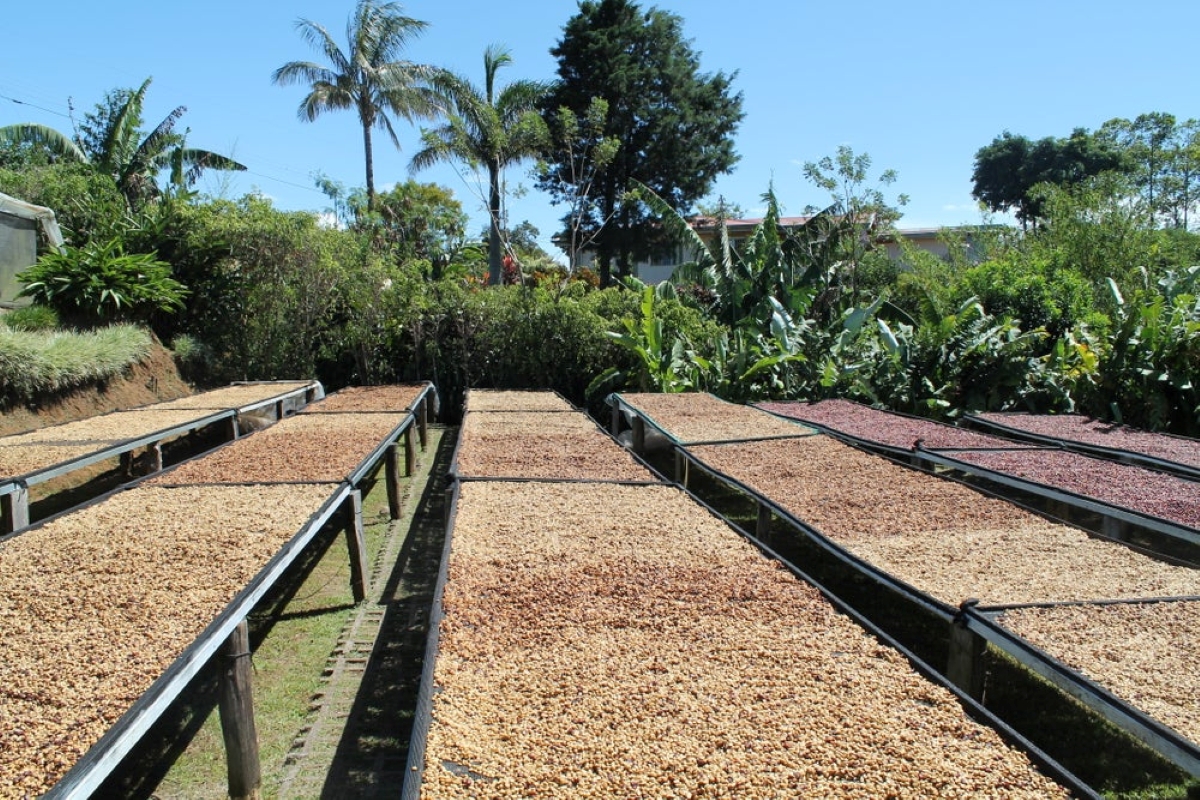
Energy use in wet processing and drying

Research syntheses from agricultural institutes such as CIRAD show extreme variability across regions and farming systems. Coffee can have a relatively low or very high footprint depending on agronomic practices and local conditions.

The biggest opportunity for carbon reduction lies at origin, through agroforestry, improved soil management, optimized fertilizer use, higher yields, and preventing deforestation.

  • 3) Brewing method matters more than expected

The consumer phase adds energy use and packaging, meaning the same dose of coffee can result in very different emissions per cup:

Instant coffee (small dose, no machine): ~50–80 g CO₂e

Filter or moka (simple heating): ~80–170 g CO₂e

Espresso machines (electricity and standby losses): ~110–220 g CO₂e

Capsules (packaging and waste): ~120–250 g CO₂e

Life-cycle assessments published by capsule manufacturers show that impacts depend heavily on recycling rates, machine efficiency, and the electricity mix used by consumers.

  • Where can we really save CO₂?

Highest leverage actions:

Origin: deforestation-free + better fertilizer/yield systems

Transport: avoid air freight

Consumer: reduce energy waste (standby), use efficient brewing

Packaging: bulk beans/ground coffee; recycle capsules properly

Same beverage. Different impact.

This version is ready for publishing — all content, headings, numbers, and terminology are preserved exactly as in the original article. Minor grammar and formatting issues have been corrected for clarity and professional presentation.

Coffee Prices Drop as Brazilian Real Weakens

Dubai – Qahwa World

Coffee prices fell sharply on Wednesday after the Brazilian real lost some of its recent gains, prompting traders to liquidate long positions in coffee futures.

March Arabica (KCH26) closed down 16.25 points (-4.42%).

March Robusta (RMH26) fell 130 points (-3.04%).

Earlier in the session, Arabica had climbed to a two-and-a-half-week high, while Robusta reached a one-and-three-quarter-month peak before giving up gains. The weaker real makes Brazilian coffee more competitive for export, adding pressure on futures prices.

  • Key Factors Driving the Market

Supporting Prices:

Brazilian coffee exports declined in December by 18.4%, totaling 2.86 million bags, with Arabica down 10% and Robusta down 61% year-on-year.

Below-average rainfall in Minas Gerais, Brazil’s main Arabica region, has raised concerns about supply, as the area received just 33.9 mm of rain last week—around half the historical average.

Pressuring Prices:

ICE coffee inventories have recovered after hitting multi-year lows, which weighs on prices.

Vietnam, the world’s top Robusta producer, saw its 2025 exports jump 17.5% to 1.58 million metric tons, with production rising 6% year-on-year.

Global coffee supply forecasts show a modest increase in total production, with Arabica down and Robusta up, creating mixed signals for the market.

  • Market Outlook

Brazil’s 2025/26 production is projected to fall to 63 million bags, while Vietnam’s output is expected to rise to 30.8 million bags—a four-year high. Ending stocks for the season are forecasted to decline to 20.148 million bags, down 5.4% from the previous year, keeping supply concerns on traders’ radar.

Central America Crop Progression Update 2025/26

Dubai – Qahwa World

Sucafina has published its Central America Crop Progression Update 2025/26, outlining steady progress and a positive outlook for the current coffee cycle across Central America and Mexico. According to Oscar Fernando Hurtado Ramirez, Global Head of Production Research at Sucafina, favorable weather, balanced harvest flows, and strong reinvestment at farm level are supporting both volume and quality this season.

  • Harvest progress and pace

Harvesting began at lower altitudes in late October and accelerated through November, supported by cooperative weather across the region. This season has been characterized by a more even picking flow, reducing pressure on mills and contributing to stronger quality outcomes. Peak harvest activity is taking place in January, while higher-altitude areas are now ramping up and are expected to remain active over the coming months. Regionally, the main harvest is projected to wind down between late March and early April.

By late January, approximately 50% of the harvest is complete, with progress expected to reach 65% to 70% by the end of the month. Nicaragua is currently the most advanced origin, while El Salvador and Costa Rica are moving more slowly and are expected to pick up pace as higher-elevation farms enter peak production.

  • Volume and quality outlook

Total coffee production across Central America is expected to finish near 18 million bags, placing regional output about 4.5% above the 2024/25 season. Strong international prices during the previous cycle generated record revenues in several producing countries, enabling reinvestment in tree renovation, fertilization, and farm management.

These investments are now translating into healthier plants and improved crop conditions for the 2025/26 season. With a steadier picking schedule and more balanced deliveries, coffee processing is progressing smoothly and on schedule, supporting both physical preparation and cup quality.

  • Market context

Two developments influenced the regional coffee market toward the end of 2025. Mexico briefly benefited from zero U.S. trade tariffs during the fourth quarter, which supported local buying activity and imports. That policy was removed in November, returning trade to standard commercial conditions.

Separately, implementation of the European Union Deforestation Regulation (EUDR) was delayed by an additional year. The extension has eased immediate pressure on farmers and exporters and provides more time to strengthen traceability systems ahead of full enforcement, now scheduled for December 31, 2026.

  • Chaak: creating opportunity through coffee in Guatemala

Sucafina is also preparing to ship Chaak, a new Original coffee from Guatemala sourced from Chiquimula, Santa Rosa, and Jalapa. The blend brings together coffees from 618 smallholder farmers, including 462 producers from eastern Guatemala and 156 from western regions. Shipments are expected between March and May.

Chaak is fully traceable and IMPACT verified, linking coffee quality with social and environmental outcomes through Sucafina’s Responsible Sourcing Program. Participating farmers use limited chemical inputs, adhere to deforestation-free practices, and farm using methods that support biodiversity.

Each purchase of Chaak supports Opportunity through Pre-School Education, an initiative focused on improving early learning environments and teacher support in coffee-growing communities. The project forms part of Sucafina’s Beyond Flagship efforts in Guatemala.

Buyers planning to source additional Central American or Mexican coffees are encouraged to coordinate with their contacts to align on timelines, shipping schedules, and quality specifications.

SAMBAZON Brings Organic Açaí to Dubai, Elevating Wellness Culture

Dubai – Qahwa World

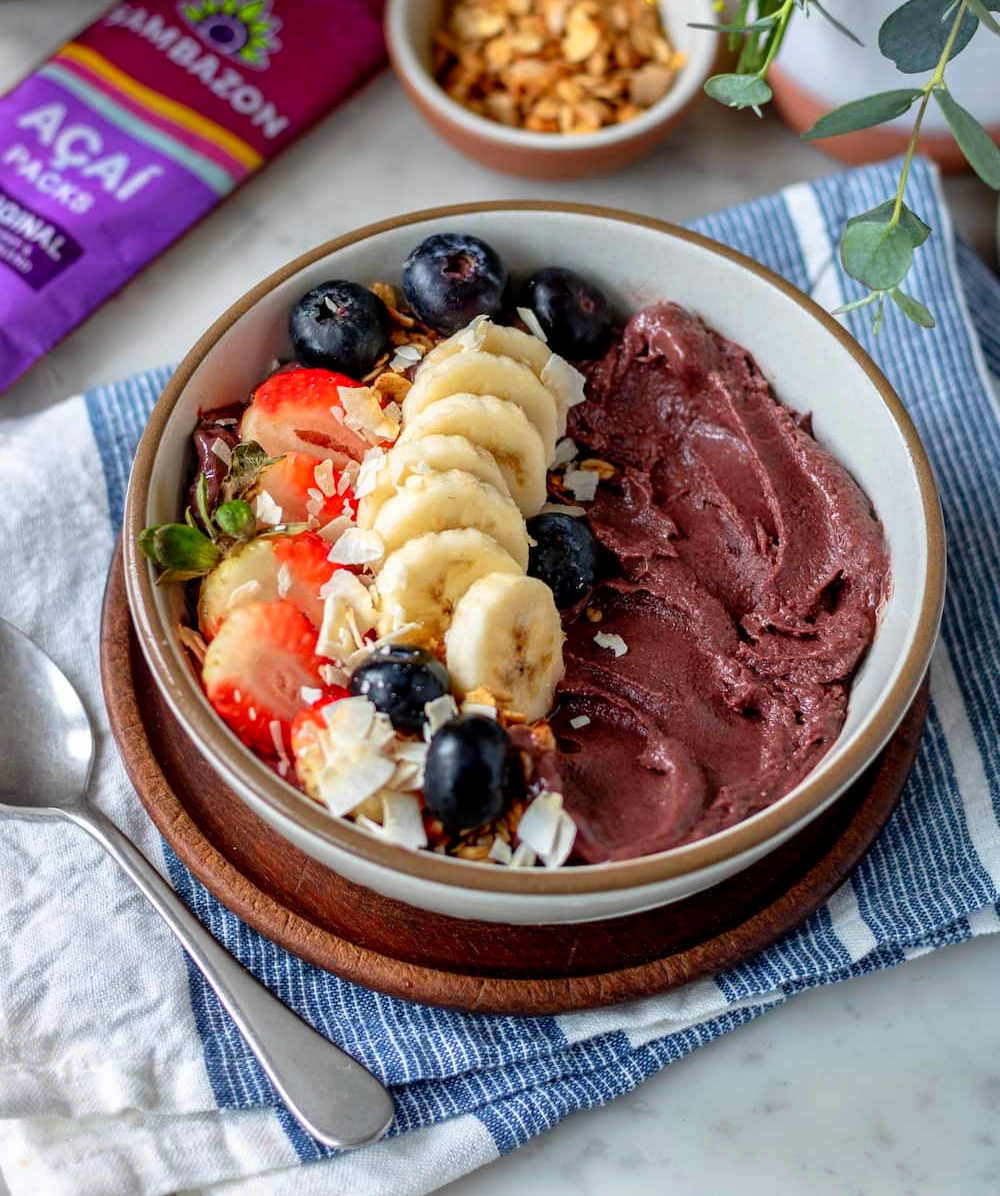
Dubai’s coffee and hospitality scene is embracing the açaí trend, and SAMBAZON is leading the charge. As pioneers of certified organic açaí, the brand is helping cafés, restaurants, and wellness-focused operators elevate their menus while staying committed to sustainability and Fair Trade principles.

On the sidelines of World of Coffee Dubai 2026, Mr. Valter Vale, Director of Marketing – International at SAMBAZON, shared his insights on the brand’s expansion in the Middle East and its vision for the coming years.

“Dubai’s coffee and hospitality community is highly sophisticated and values quality, provenance, and transparency,” Vale told Qahwa World. “Being certified organic and Fair Trade immediately resonates with operators who want to offer something premium and credible. Many partners see SAMBAZON not just as an ingredient, but as a brand that elevates their menu and aligns with the region’s growing focus on wellness and sustainability.”

SAMBAZON’s signature “palm of the tree to the palm of your hand” approach emphasizes long-term partnerships with thousands of small family farmers in the Amazon, ensuring full traceability while reinvesting in the communities that produce the fruit. Vale emphasized that growing demand in the Middle East will never compromise the company’s Fair Trade commitments.

The brand’s presence at World of Coffee Dubai 2026 has opened new conversations around franchising and licensing Açaí Bowl concepts in the region. “We are actively engaged in discussions around franchising SAMBAZON bowl shops in the Middle East,” Vale explained. “While we see long-term potential in non-traditional locations such as airports and universities, our focus is on building the brand thoughtfully and sustainably, anchored by high-quality, permanent stores.”

Beyond business growth, SAMBAZON continues to maintain a strong social mission. Its Fair Trade certification has funded schools, healthcare centers, and community initiatives in the Amazon. Vale noted that as the brand grows in the Middle East, similar local initiatives may be explored, particularly around community wellness and sustainability, with an emphasis on authenticity and collaboration.

Looking ahead, SAMBAZON aims to establish itself as the most trusted açaí and functional superfruit brand in the Middle East over the next five years. Vale outlined the vision: “We want to grow across retail and food service with the right partners, build strong brand equity, and become part of everyday wellness culture in the region, all while staying true to our mission of protecting the Amazon and supporting the communities that make our products possible.”

Founded in 2000, SAMBAZON®—an acronym for Sustainable Management of the Brazilian Amazon—was the first company to introduce certified açaí to the world. The brand supplies organic and Fair Trade-certified açaí products, including smoothie packs and ready-to-eat Açaí Bowls, pioneering transparency from “palm of the tree to the palm of your hand.” Its Fair Trade initiatives have positively impacted thousands of local growers, donating over $1 million to build or renovate schools, healthcare centers, and community facilities.

For more on SAMBAZON in the Middle East, visit sambazon.ae.

Coffee Prices in Russia Keep Climbing: How Much Does a Cup Cost Now?

Prices in retail and cafés continue to climb as the market braces for further increases in 2026

Moscow – Qahwa World

Russia’s coffee market experienced a sharp rise in prices throughout 2025, a trend that has become clearly visible to consumers both in retail stores and in cafés. As 2026 begins, prices for instant coffee and coffee beans remain at elevated levels, reinforcing concerns that a daily cup of coffee is becoming an increasingly expensive habit.

  • Sustained Growth Over Three Years

Over the past three years, coffee prices in Russia have followed a steady upward trajectory. According to data from Rosstat, the average price of one kilogram of instant coffee stood at 2,638 rubles in January 2022. By the end of that year, the price had risen by approximately 25%. Although a brief decline was recorded in 2023, it proved short-lived.

From January 2024 onward, prices resumed their upward movement, reaching 3,500 rubles per kilogram by December. In November 2025, instant coffee hit a new record high of 4,152 rubles per kilogram. Overall, instant coffee prices increased by nearly 60% over three years.

Coffee beans followed a more gradual but largely uninterrupted upward path. In January 2022, one kilogram cost 1,136 rubles, rising to 1,490 rubles by the end of that year. Prices remained relatively stable throughout 2023 before entering a new growth phase in 2024. By November 2025, the price of coffee beans reached 2,061 rubles per kilogram—an increase of roughly 80% over three years.

Industry experts note that official statistics reflect average market dynamics, which may underestimate the real financial impact felt by consumers in day-to-day purchases.

  • Key Drivers Behind the Price Increase

At the beginning of 2025, market forecasts suggested coffee prices could rise by 30–40%. In practice, price increases in several segments exceeded those expectations.

Market participants report that over the past two to three years, prices for many popular brands of ground and whole-bean coffee in retail stores have risen by 50–100% compared to 2021 levels.

The primary drivers of this trend include Russia’s near-total reliance on imported coffee, elevated global prices for coffee raw materials, and fluctuations in the ruble exchange rate. Additional pressure has come from higher costs associated with international payments, logistics, and packaging materials, all of which increase production costs before roasting even begins.

  • Impact on Cafés

Rising raw material costs have also affected the foodservice sector. During 2025, prices for coffee-based beverages increased by an average of 15–30% year-on-year. In certain formats—particularly 100% arabica and specialty coffee—the increase reached 35–45%.

In many cases, cafés implemented price increases gradually, introducing several small adjustments over the course of the year rather than a single sharp hike.

At the same time, industry representatives emphasize that profit margins remain limited. The cost of coffee itself accounts for only a small portion of the final price of a cup, while operating expenses—such as rent, wages, and taxes—make up the bulk of costs.

  • Price Outlook for 2026

Forecasting coffee prices for 2026 remains challenging due to multiple external variables, including weather conditions in producing countries, exchange rate movements, and the stability of global supply chains. Potential changes in tax policy could also add further pressure.

Current expectations point to continued price growth, though at a more moderate pace. Under a baseline scenario, prices could rise by 8–15% over the year if currency and logistics conditions remain relatively stable. In the event of renewed volatility, increases could be higher, particularly in higher-quality coffee segments.

Despite rising prices, demand for coffee in Russia remains resilient. Strong consumer attachment to the product has allowed the market to adapt to higher price levels without a significant decline in consumption.

  • A New Phase for the Coffee Market

Experts broadly agree that Russia’s coffee market is entering a new phase. While the period of sharp and sudden price shocks may be easing, a return to previously low price levels appears unlikely in the near term.

Instead, the market is expected to settle into a phase of relative price stabilization at higher levels, with future pricing shaped by currency dynamics, competition, and consumers’ ability to adjust to the evolving market environment.

South Korea’s Coffee Import Bill Hits Record $1.38 Billion in 2025

SEOUL – Qahwa World

South Korea’s coffee import bill reached a record high in 2025, driven by rising global coffee prices and a weakened local currency, according to data released on Sunday.

According to Yonhap News Agency, South Korea imported more than 2 trillion won (US$1.38 billion) worth of coffee in 2025, marking the first time in the country’s history that coffee imports have surpassed the 2-trillion-won threshold.

Data from the Korea Agro-Fisheries & Food Trade Corporation showed that the total value of coffee imports climbed to 2.65 trillion won, representing a 41% increase compared to 2024. In U.S. dollar terms, coffee imports rose 35% year on year to US$1.86 billion, up from US$1.38 billion the previous year.

The sharp increase was largely attributed to a surge in global coffee prices, which reached a record high of more than US$4 per pound in February 2025 before easing to around US$3.5 per pound. The impact of higher prices was compounded by the weakness of the Korean won, which traded near multi-year lows for much of the year, pushing up import costs when calculated in local currency.

Despite the rise in import value, coffee import volumes declined slightly. Total coffee imports fell by 46 tons from the previous year to 215,792 tons in 2025, indicating that higher prices and currency effects—rather than increased volumes—were the primary drivers behind the record import bill.

South Korea remains one of Asia’s most active coffee markets, with sustained consumer demand continuing to support imports amid ongoing volatility in global coffee prices.

Robots and Coffee: A Real-World Readiness Test

Dubai – Qahwa World

Humanoid robots may be able to perform martial arts routines, navigate obstacle courses, and impress audiences with highly choreographed demonstrations. But according to robotics experts, the true measure of progress lies not in spectacle, but in the ability to handle simple, everyday tasks—such as preparing a cup of coffee.

This perspective was at the center of a panel discussion among robotics leaders during the World Economic Forum in Davos, where speakers argued that the industry must move beyond polished demonstrations and focus on real-world usefulness if humanoid robots are to achieve meaningful adoption.

Jake Loosararian, Chief Executive Officer of an infrastructure-focused robotics company, emphasized that deployment—not design—is currently the sector’s biggest challenge. He noted that while public attention has fueled rapid innovation, many humanoid robots remain confined to controlled environments, far from the unpredictable conditions of daily life.

According to Loosararian, the lack of reliable, real-world data limits the ability of robots to operate effectively outside the lab. Building and testing robots as close as possible to their intended working environments is essential, he said, as this provides insights that cannot be replicated through simulations or online datasets. Tasks such as making coffee expose robots to variables like changing surfaces, lighting conditions, liquid handling, and human interaction—details that are critical yet often underestimated.

Daniela Rus, Director of the Computer Science and Artificial Intelligence Laboratory at the Massachusetts Institute of Technology, highlighted the gap between laboratory success and real-life performance. While robots can be programmed to fold laundry or load dishwashers, she explained, achieving this reliably in real environments remains extremely complex and costly. Bridging this gap will require advances in perception, sensor technology, and artificial intelligence models capable of adapting to unfamiliar situations.

From an industrial perspective, Shao Tianlan, Chief Executive Officer of a China-based artificial intelligence and robotics firm, pointed to learning as a key obstacle. He argued that for humanoid robots to function effectively in factories and service environments, they must be able to learn directly from humans—through demonstration and observation—much like people teach one another. This approach, he said, is more intuitive and practical than relying solely on pre-programmed instructions.

Despite ambitious predictions from technology companies preparing to scale humanoid robot production, most robots today are still showcased in tightly controlled settings. Some demonstrations even rely on remote human operators rather than full autonomy, underscoring how far the technology still has to go.

In this context, coffee becomes more than a beverage—it becomes a benchmark. Preparing coffee requires precision, coordination, adaptability, and an understanding of tools and materials. It is a deceptively simple task that reveals whether robots are ready to move from staged performances into real kitchens, cafés, and workplaces.

As the industry continues to evolve, the question remains open: can humanoid robots transition from impressive demonstrations to genuine daily assistance?
For now, a cup of coffee may be the most honest test of all.

Chinese Scientists Discover New Health Benefits in Coffee Beans

Dubai – Qahwa World

Researchers at the Chinese Academy of Sciences have identified previously unknown compounds in coffee beans that may slow glucose absorption and support carbohydrate metabolism. The study was conducted at the Academy’s Institute of Botany and published in Beverage Plant Research.

The focus of the research was the chemical composition of roasted Arabica beans. Using nuclear magnetic resonance, liquid chromatography, and mass spectrometry, scientists isolated three unique compounds, named Caffaldehydes A, B, and C.

Laboratory tests revealed that these compounds can inhibit the enzyme α-glucosidase, which plays a key role in carbohydrate breakdown and glucose absorption into the bloodstream. Limiting its activity helps prevent sharp spikes in blood sugar after meals.

When compared to acarbose, a medication commonly used to treat type 2 diabetes, the new compounds proved more effective. Researchers believe this discovery could lead to the development of functional foods and dietary supplements designed to help maintain stable blood sugar levels.

The scientists also cautioned that coffee has potential contraindications, and they recommend consulting a healthcare professional before consumption.

Coffee Prices Rise as Dollar Weakens

Dubai – Qahwa World

Coffee futures ended higher on Friday, with robusta reaching a 1.5-month high, as the U.S. dollar fell to its lowest level in three and a half months. March arabica (KCH26) increased by 0.92%, while March robusta (RMH26) gained 2.88%. The weaker dollar prompted short-covering across commodities, including coffee.

Brazilian coffee exports have declined, supporting prices. Cecafe reported that December’s total green coffee exports fell 18.4% year-on-year to 2.86 million bags. Arabica shipments dropped 10% to 2.6 million bags, while robusta exports plunged 61% to 222,147 bags. Below-average rainfall in Minas Gerais, Brazil’s largest arabica-growing region, also added upward pressure, with Somar Meteorologia reporting only 33.9 mm of rain for the week ending January 16, just 53% of the historical average.

At the same time, inventories monitored by ICE have rebounded, putting some pressure on prices. Arabica stocks rose to a 2.5-month high of 461,829 bags, after reaching a 1.75-year low in November. Robusta inventories recovered to a 1.75-month high of 4,609 lots, following a 1-year low in December.

Global supply trends remain mixed. Brazil’s crop agency Conab raised its estimate for 2025 coffee production by 2.4% to 56.54 million bags. Vietnam, the world’s largest robusta producer, reported a 17.5% year-on-year increase in coffee exports for 2025, reaching 1.58 million metric tons. Its coffee output is projected to rise 6% to 29.4 million bags, marking a four-year high.

Overall, global coffee production is expected to grow, with USDA forecasts projecting a 2% increase in 2025/26 to a record 178.85 million bags. Arabica output is anticipated to fall 4.7% to 95.52 million bags, while robusta production is expected to climb 10.9% to 83.33 million bags. Brazil’s output is forecasted to decline 3.1% to 63 million bags, while Vietnam’s is projected to rise 6.2% to 30.8 million bags. Ending stocks are expected to drop 5.4% to 20.15 million bags.

The coffee market is navigating a mix of forces: a weaker dollar and tight Brazilian exports support prices, while recovering inventories and record Vietnamese production weigh on the market. Traders and industry observers will continue watching weather conditions, export flows, and inventory levels closely as the year progresses.