How the Blockage of the Strait of Hormuz Impacts the Coffee Sector

Source: International Coffee Organization (ICO)
Author: Coffee World – Dubai
Date: May 20, 2026

Executive Summary

  • Reduced shipping flows through the Strait of Hormuz since March threaten global coffee supply chains.
  • Brent crude prices jumped 63% from $72.29/barrel in February to $118.03/barrel in April.
  • Urea fertilizer prices rose 47% from $465.45/ton to $684.75/ton over the same period.
  • One-quarter to one-third of global fertilizer trade passes through the Strait, with Qatar supplying 14% of the world’s urea.
  • Fertilizer accounts for 23% of production costs in Brazil and 26% in Vietnam, hitting smallholders hard.
  • The Middle East imports 8.6 million bags of coffee annually (4.5% of global imports), making regional demand vulnerable to instability.

The Strait of Hormuz: A Global Oil Artery Under Pressure

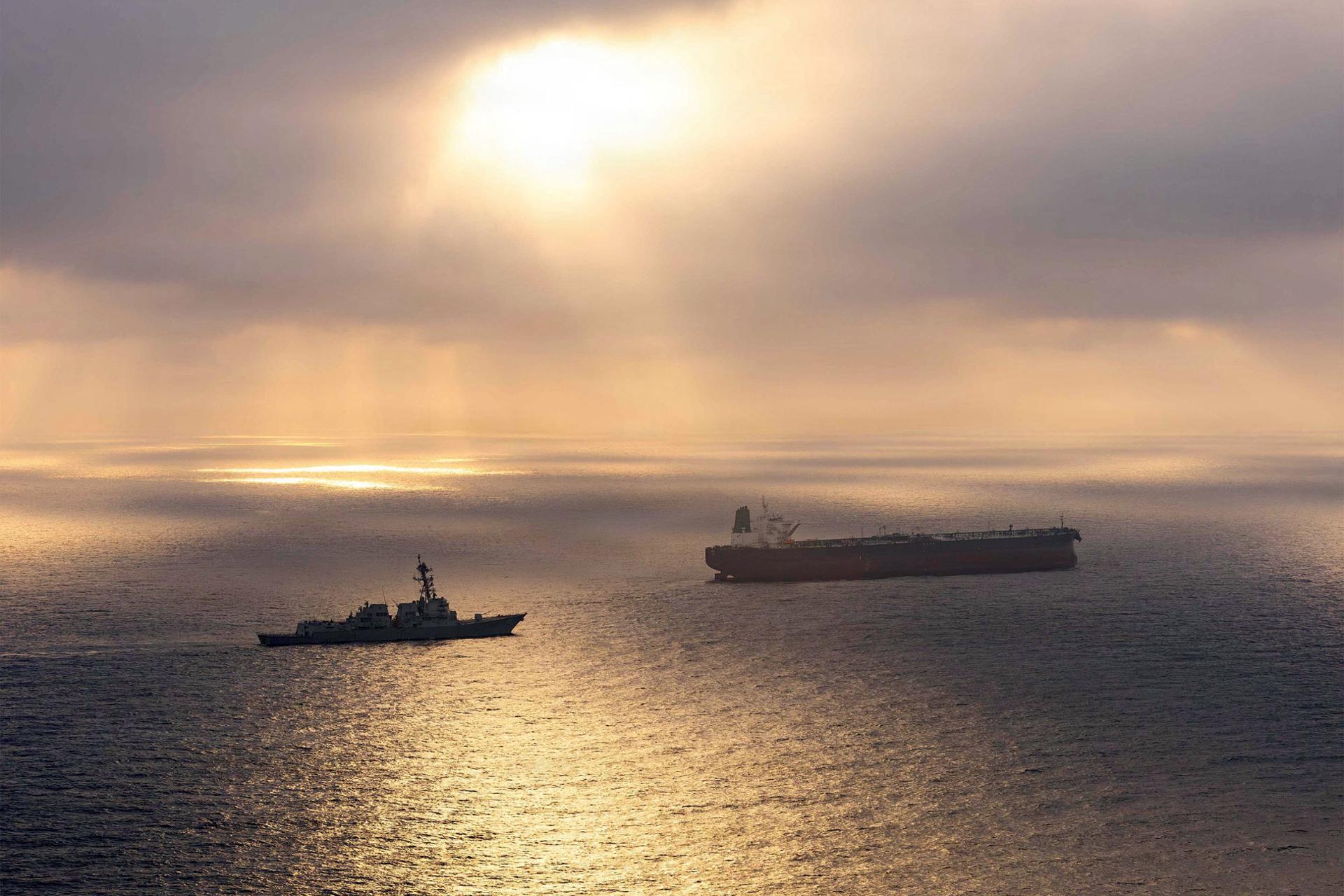
The International Coffee Organization warns that geopolitical tensions in the Middle East could generate significant ripple effects across global commodity markets, and coffee is no exception. The Strait of Hormuz is one of the most critical chokepoints in global trade, with around one-fifth of the world’s oil supply passing through it. Since March, shipping flows through the strait have been reduced, triggering higher oil prices, increased fuel costs, and greater volatility in freight markets.

Brent crude prices increased from $72.29 per barrel on February 27 to a high of $118.03 per barrel on April 29 – a jump of more than 63%. This directly affects coffee transport costs, inland logistics, and fertilizer prices, all central elements of production and export economics.

Fertilizer: The Weak Link in the Chain

Fertilizers are essential for coffee production. Between one-quarter and one-third of the global fertilizer trade – and up to one-third of nitrogen fertilizers (urea) – transits through the Strait of Hormuz. The Gulf region is a major fertilizer producer, with the Qatar Fertiliser Company (QAFCO), considered the world’s largest urea supplier, alone providing 14% of global urea.

As a result, the price of urea fertilizer rose from $465.45 per ton to $684.75 per ton over the same period – a 47% increase. For coffee-producing countries like Brazil and Vietnam, fertilizers represent a large share of production costs: 23% in Brazil and 26% in Vietnam. Smallholders, who operate on thin margins, are the most vulnerable to these increases.

Indicator Feb 27, 2026 Apr 29, 2026 Increase
Brent Crude (USD/barrel) 72.29 118.03 63%
Urea Fertilizer (USD/ton) 465.45 684.75 47%

The Middle East: A Strategic Consumer Region Under Pressure

The Middle East has become an increasingly important coffee-consuming region, with strong demand growth across Gulf countries over the past two decades. In 2024, imports to the Middle East reached 8.6 million bags, representing 4.5% of total world imports. Any regional instability may affect import demand, port operations, and re-export hubs such as the United Arab Emirates, which plays a strategic role in regional distribution and specialty coffee trade.

According to the European Coffee Federation, tensions around the Strait of Hormuz, combined with ongoing instability in the Red Sea, are pushing shipping lines to use longer alternative routings via the Cape of Good Hope. This leads to extended transit times, tighter vessel capacity, higher fuel costs, and additional security-related surcharges – especially for Ethiopia, which uses the port of Djibouti near the conflict zone.

Coffee Futures Markets: Extreme Sensitivity

Coffee futures markets are highly sensitive to macroeconomic uncertainty. Heightened geopolitical risk tends to strengthen the US dollar while intensifying speculative movements across commodities. For producing countries, whose local currencies are closely linked to export revenues, exchange-rate volatility can create both opportunities and risks, influencing farmgate prices and export competitiveness.

At this stage, the ICO considers it premature to draw conclusions or project specific market outcomes. However, it identifies several indicators the sector should monitor closely in the coming months: energy prices, freight rates, fertilizer costs, trade insurance premiums, currency volatility, and shifts in demand in key importing markets.

Conclusion: A Global Coffee Sector at Risk

Coffee is a deeply globalized sector, and its resilience depends on stable trade systems and international cooperation. In times of geopolitical uncertainty, transparency, market intelligence, and coordinated dialogue become even more important. The ICO will continue to monitor developments and provide timely analysis to support producing and consuming countries in managing potential risks to the sector.

Frequently Asked Questions (FAQ)

1. How much have oil prices increased since the Strait of Hormuz crisis began?

Brent crude prices rose 63%, from $72.29 per barrel on February 27 to $118.03 per barrel on April 29, 2026.

2. How does the Strait crisis affect fertilizer prices?

Urea fertilizer prices increased 47% over the same period because one-quarter to one-third of global fertilizer trade passes through the strait.

3. What is the fertilizer cost share for Brazil and Vietnam?

Fertilizer accounts for about 23% of production costs in Brazil and 26% in Vietnam, making them highly vulnerable.

4. How much coffee does the Middle East import annually?

The Middle East imported 8.6 million bags in 2024, which is 4.5% of total global coffee imports.

5. What alternative shipping routes are being used?

Ships are taking the longer Cape of Good Hope route, increasing transit times, fuel costs, and congestion in Mediterranean ports.

6. Can the ICO predict precise market outcomes?

No. The ICO says it is premature to draw conclusions but urges monitoring of energy, freight, fertilizer, currency, and demand indicators.

Author: Coffee World – Dubai  |
Source: International Coffee Organization (ICO)  |
Publication date: May 20, 2026

Nuova Simonelli Technicians Competition Returns for 2026  

Author: Qahwa World – Dubai
Source: Industry announcement
Date: May 14, 2026
Executive Summary

  • The Nuova Simonelli Technicians Competition is back after its first edition in France
  • The 2026 edition expands to new international stages in Paris, London, and the Middle East
  • The competition begins with an online technical quiz that selects 8 finalists
  • Finalists then face hands-on practical challenges on espresso machines
  • Judges evaluate speed, precision, machine knowledge, and safety practices
  • The event celebrates technicians who work behind the scenes in the coffee industry

The Nuova Simonelli Technicians Competition is returning in 2026. After its first edition in France, the event is now expanding to new international markets including Paris, London, and the Middle East.

The competition focuses on espresso machine technicians. These professionals typically work behind the scenes. Yet they play a vital role in coffee quality, equipment reliability, and cafe performance.

Origins of the competition

The competition first launched in France. Organizers created it to showcase the skills, experience, and professionalism of coffee machine technicians. These workers often remain unseen by customers. Nevertheless, they maintain the equipment that baristas rely on every day.

Nuova Simonelli, the Italian espresso machine manufacturer, organizes the event. The company aims to highlight the strategic importance of technicians in delivering quality service and reliable products.

What sets this competition apart

The Nuova Simonelli Technicians Competition stands out for its hands-on, practical approach. It tests real-world skills that technicians use daily.

The competition begins with an online technical quiz. From this stage, organizers select eight technicians who qualify for the final round.

In the final stage, participants face practical challenges on espresso machines. These include simulated malfunctions, adjustments, and real technical interventions. The tasks mirror everyday work scenarios in coffee shops and service centers.

Speed, precision, machine knowledge, and operational efficiency all go under evaluation. Technical judges assess performance based on workplace safety, organization, technical expertise, and the ability to maintain excellent coffee quality.

Expansion to new markets in 2026

In the coming weeks, the competition will launch new international stages. The confirmed locations include Paris, London, and the Middle East.

This expansion confirms the global nature of the initiative. Nuova Simonelli aims to create real opportunities for exchange, professional growth, and knowledge sharing across key international markets.

Industry context: Coffee machine technicians play a critical role across the entire supply chain. Their work ensures operational continuity, consistent quality, and customer satisfaction in cafes worldwide.

Celebrating the technicians

Through this initiative, Nuova Simonelli celebrates the crucial role technicians play. They provide baristas with reliable, high-performing, and long-lasting equipment. Their work supports operational continuity, consistent quality, and end-customer satisfaction.

The event is more than just a competition. Organizers describe it as a platform for training, networking, and showcasing technical expertise.

How to participate

Technicians ready to join the next editions of the competition can apply through dedicated registration pages. Separate application links are available for the Dubai and United Kingdom editions.

Frequently Asked Questions

What is the Nuova Simonelli Technicians Competition?
It is an international competition for espresso machine technicians. Participants demonstrate their skills in diagnosing and repairing coffee equipment under timed conditions.

Where will the competition take place in 2026?
The competition will take place in Paris, London, and the Middle East. Specific venues and dates are available through the official registration pages.

How does the competition work?
Participants first complete an online technical quiz. The top eight scorers advance to a final round of hands-on practical challenges on espresso machines.

What skills are tested?
Judges evaluate speed, precision, machine knowledge, operational efficiency, workplace safety, organization, and the ability to maintain coffee quality.

Who can participate?
The competition is open to espresso machine technicians. Interested candidates should apply through the official registration pages for their region.

Why is this competition important?
Technicians play a crucial but often invisible role in the coffee industry. They ensure equipment remains reliable and performs well, which directly affects coffee quality and customer satisfaction.


Author: Qahwa World – Dubai
Source: Industry announcement
Date: May 14, 2026

Coffee Markets Rise Amid Middle East Shipping Disruptions

Dubai – Qahwa World

Global coffee markets moved higher last week as escalating tensions in the Middle East disrupted key shipping routes and increased freight costs, while supply developments in major producing countries also influenced market sentiment.

Arabica coffee futures began the week at 279.90 US cents per pound and briefly approached the 290-cent level before easing slightly. The market maintained upward momentum through the week, posting marginally higher closes on Wednesday and Thursday. By Friday, prices opened 5.45 cents per pound higher than the previous day’s close, supported in part by reports that Brazil’s coffee exports fell 17.4% year-on-year in February.

You may like:Shock in the Coffee Market: Colombia’s Production Drops 36%

  • Shipping routes under pressure

Market activity during the period from March 2 to March 5 was shaped largely by geopolitical developments rather than major supply news from coffee-producing regions.

Military strikes involving the United States and Israel against Iran, followed by retaliatory actions, disrupted shipping activity through the Strait of Hormuz, a critical route for global trade. At the same time, shipping companies remain cautious about passing through the Red Sea amid concerns over possible attacks by Yemeni Houthi rebels.

These risks have forced some vessels to take longer routes around the Cape of Good Hope, significantly increasing transportation times as well as freight and insurance costs. The situation has added new uncertainty to global supply chains, including agricultural commodities such as coffee.

Read also: Kim Thompson: Coffee on the Edge of Disruption

  • Weather challenges in Colombia

At origin, coffee production conditions in Colombia remain difficult due to excessive rainfall. Persistent wet weather has affected flowering, maturation, and bean development in several regions, particularly in southern areas where limited sunshine has compounded the problem.

Producers and exporters are also facing economic pressure. The stronger Colombian peso, combined with the recent decline in the C-market price, is expected to reduce revenues compared with the previous year.

As a result, exporters have slowed sales, leading to lower export volumes and rising inventories while waiting for more favorable market conditions when possible.

  • Honduras harvest nearing completion

In Honduras, the harvest season has moved well beyond its peak, with more than 75% of the crop already collected. Harvesting has largely finished in lower-altitude regions, leaving mainly higher-elevation farms still gathering the remaining coffee.

Purchasing activity remains mixed. Exporters who secured contracts earlier at higher market prices are continuing to buy coffee cherries and parchment, while others with fewer forward commitments are delaying purchases.

Read this also; Oil Surge Could Brew Higher Coffee Prices

  • Currency markets react

Currency markets were also influenced by developments in the Middle East, with the US dollar strengthening following the weekend’s military strikes.

The GBP/USD and EUR/USD currency pairs initially dropped to 1.327 and 1.155, respectively, before recovering slightly to around 1.332 and 1.160 by Tuesday afternoon.

For the remainder of the week, both pairs traded mostly within a lower range compared with previous weeks as investors monitored geopolitical developments and their potential impact on global trade and energy markets.

  • Market outlook

While major supply-side news from coffee-producing countries remained limited during the week, traders continue to monitor shipping disruptions, weather conditions at origin, export flows, and currency movements. These factors are expected to remain key drivers of short-term price movements in global coffee markets.

How Ramadan’s Coffee Economy is Reshaping Global Supply Chains

By: Kurniawan Arif Maspul

In the hush that falls just before sunset in Riyadh, Jakarta or Dubai, there is a moment of collective suspension. The air is thick with anticipation. Then the call to prayer unfurls, dates are lifted, water is sipped, and almost instinctively, coffee follows. In that simple act — the pouring of Arabic gahwa or the clink of iced kopi susu — lies an economic story far larger than caffeine.

Ramadan’s night-time coffee economy has become a revealing lens on strategic development, soft power and resilience across the Middle East and Southeast Asia.

Coffee is no minor indulgence in these regions. UNESCO has inscribed Arabic coffee on the List of Intangible Cultural Heritage, describing it as a symbol of generosity and dialogue. That symbolism now intersects with hard numbers. The Middle East coffee-beans market is valued at roughly US$2.2 billion and rising, fuelled by youthful demographics and a booming speciality café culture. In the UAE alone, coffee sales exceed AED 12 billion — about US$3.2 billion — with an extraordinary 93 per cent consumed outside the home. Saudi Arabia pours an estimated 36 million cups a day, sustaining more than 61,000 cafés and a branded coffee-shop sector worth around US$1.38 billion in 2024, up more than 11 per cent in a single year.

Indonesia, meanwhile, stands at the other end of the supply chain and yet increasingly at its centre. The world’s fourth-largest producer and fifth-largest consumer of coffee exported US$1.63 billion worth of beans in 2024 and shipped more than 200,000 tonnes globally in the first half of 2025 alone. Domestic consumption has climbed from 4.45 million to 4.8 million bags in just five years. What was once dismissed locally as an ‘old people’s drink’ has become an emblem of urban modernity. The result is a strategic corridor stretching from the highlands of Sumatra and Sulawesi to the neon-lit cafés of the Gulf.

Ramadan intensifies this corridor. The month reprograms economic time. Daylight commerce slows; nighttime consumption surges. Saudi marketplaces teem until dawn. Cafés extend trading hours to 3 am, hiring additional staff, absorbing higher electricity costs and generating concentrated bursts of revenue. While some studies have noted short-term GDP dips during Ramadan — one estimate put the UAE’s pre-pandemic Ramadan contraction at around US$1.4 billion — Gulf economists argue that such metrics miss the point. The month’s economic pulse shifts rather than disappears. Expenditure moves into food and beverage, into shared experiences, into what urban planners now call the ‘night-time economy’.

For oil-dependent states pursuing diversification under strategies such as Saudi Vision 2030, this nocturnal vitality is not incidental. It is structural. Coffee shops have become micro-engines of non-oil growth, social cohesion and even labour-market flexibility. Extended hours generate VAT receipts and service-sector employment. They also cultivate what might be described as social capital — the intangible glue of trust and belonging that underpins political stability.

In Ramadan, cafés function as modern majlis: spaces where business is discussed, grievances softened, and generational divides bridged over small porcelain cups.

This is not merely sociological poetry. It is geopolitics by other means. Analysts at the USC Centre on Public Diplomacy have described coffeehouses as unconventional yet strategic venues of soft power. Indonesia has embraced this logic overtly, deploying ‘coffee diplomacy’ during state visits and at multilateral forums to showcase regional blends as symbols of cultural diversity. Gulf states, too, leverage coffee ritual as a narrative. A cup of gahwa offered to a visiting dignitary signals continuity between Bedouin hospitality and hyper-modern skylines.

Trade flows reinforce this symbolism. Egypt has emerged among Indonesia’s top coffee destinations. Gulf importers, wary of climate volatility in Brazil and Vietnam, are diversifying towards Southeast Asian suppliers. Dubai’s ports handled around AED 3.5 billion (nearly US$1 billion) in green coffee trade in 2024, consolidating the emirate’s role as a re-export hub. These exchanges deepen South–South ties at a time when the global trading system feels brittle.

Yet the aroma of opportunity is tinged with anxiety. Climate change looms over the bean belt. The World Bank has warned that rising temperatures and erratic rainfall threaten vast swathes of Arabica-growing regions. Around 125 million livelihoods globally depend on coffee. In Indonesia, 98 per cent of farms are smaller than two hectares, acutely vulnerable to shifting weather patterns and pests such as coffee rust. Sustainability is no longer a boutique concern; it is a strategic necessity.

Regulatory currents amplify the pressure. The European Union’s deforestation regulations are reshaping expectations of traceability and environmental compliance. The Global Coffee Platform reports that certified sustainable coffee now accounts for roughly 21 per cent of global exports among participating members, and the share is climbing. Saudi Arabia has launched its own Coffee Sustainability Initiative, embedding traceability and eco-friendly standards into domestic policy. Climate adaptation programmes in Indonesia, including partnerships backed by USAID and private firms, aim to equip smallholders with shade-tree systems, improved irrigation and resilient varieties.

In this context, Ramadan’s coffee economy offers a microcosm of the broader transition. The surge in demand during fasting nights underscores both interdependence and fragility. Supply chains must flex across time zones and hemispheres. Ports, logistics firms and roasters coordinate around lunar calendars as much as market signals. The cup cradled after tarawih prayers is the endpoint of a chain that begins on a hillside vulnerable to climate stress.

There is, in this choreography, a subtle lesson for strategic policy. Economic diversification cannot be abstract. It must be anchored in lived culture. The success of Gulf coffee sectors lies partly in their ability to fuse heritage — UNESCO-listed rituals of hospitality — with hyper-modern retail ecosystems and global sourcing. Indonesia’s ascent reflects a similar fusion: smallholder traditions intersecting with urban start-ups and digital payment platforms.

For middle powers navigating an unsettled century, the lesson extends far beyond any single region. Coffee is no longer a peripheral commodity drifting quietly through global trade statistics. It has become a living artery of influence, binding Latin America to East Asia, Africa to the Gulf, and Europe to Southeast Asia. What looks like a simple supply chain is, in truth, a network of shared vulnerability and shared possibility.

Across continents, coffee sustains the livelihoods of roughly 120 million people. It anchors export revenues in producing nations and fuels vast consumer markets in cities that rarely see a coffee tree. It connects smallholder farmers on two-hectare plots to urban professionals in glass towers. It is traded in billions of dollars, regulated under tightening environmental standards, and scrutinised under new deforestation and traceability regimes. A bean grown in one hemisphere now carries the climate anxieties, labour politics and sustainability expectations of another.

In this sense, coffee has become a quiet instrument of geopolitical relevance. Commodity chains once dismissed as mundane are emerging as platforms of influence. Whoever shapes the standards shapes the market. Whoever finances climate adaptation secures a long-term supply. Whoever tells the story of origin and sustainability builds soft power. Development banks, multinational corporations and regional blocs are no longer bystanders; they are architects of the future of the cup.

There is something deeply human in this. Coffee houses have always been spaces of exchange — of ideas, of grievances, of ambition. Today, that exchange stretches across oceans. Muslim-majority societies share ritual and trade through coffee, but so too do communities divided by language, ideology or geography. From highland farms to cosmopolitan cafés, the chain weaves culture into commerce and development into daily habit.

In a fragmented world tempted by economic nationalism and strategic suspicion, such connective tissue matters profoundly. Climate shocks in one producing country reverberate through prices and politics elsewhere. Regulatory shifts in one bloc reshape farming practices across continents. Stability in rural regions abroad becomes inseparable from consumer confidence at home. Interdependence is no longer theoretical; it is brewed fresh each morning.

The deeper truth is this: power in the twenty-first century will not rest solely on military strength or technological supremacy. It will also rest on stewardship — of supply chains, of standards, of sustainability, of trust. Coffee offers a glimpse of that alternative grammar of power. It demonstrates that resilience can be cultivated, that influence can be infused through partnership rather than pressure.

A single cup, lifted at dawn or shared at dusk, carries more than aroma. It carries the labour of distant hands, the risk of changing climates, the weight of regulation and the promise of cooperation. In that humble ritual lies a quiet proposition for the global order: prosperity, like coffee, is strongest when grown together, traded fairly and shared across borders.

As the final sips are taken before dawn and cities quieten again, the economic ledger of Ramadan will show more than receipts. It will record an annual rehearsal of adaptation: of how societies bend time, commerce and ritual to coexist. In that rehearsal lies a model of strategic resilience. The steam rising from a small cup in the early hours carries with it more than aroma.

It carries the possibility that tradition, when aligned with innovation and sustainability, can anchor a region’s future — and quietly reshape the geopolitics of a global commodity.


SAMBAZON Brings Organic Açaí to Dubai, Elevating Wellness Culture

Dubai – Qahwa World

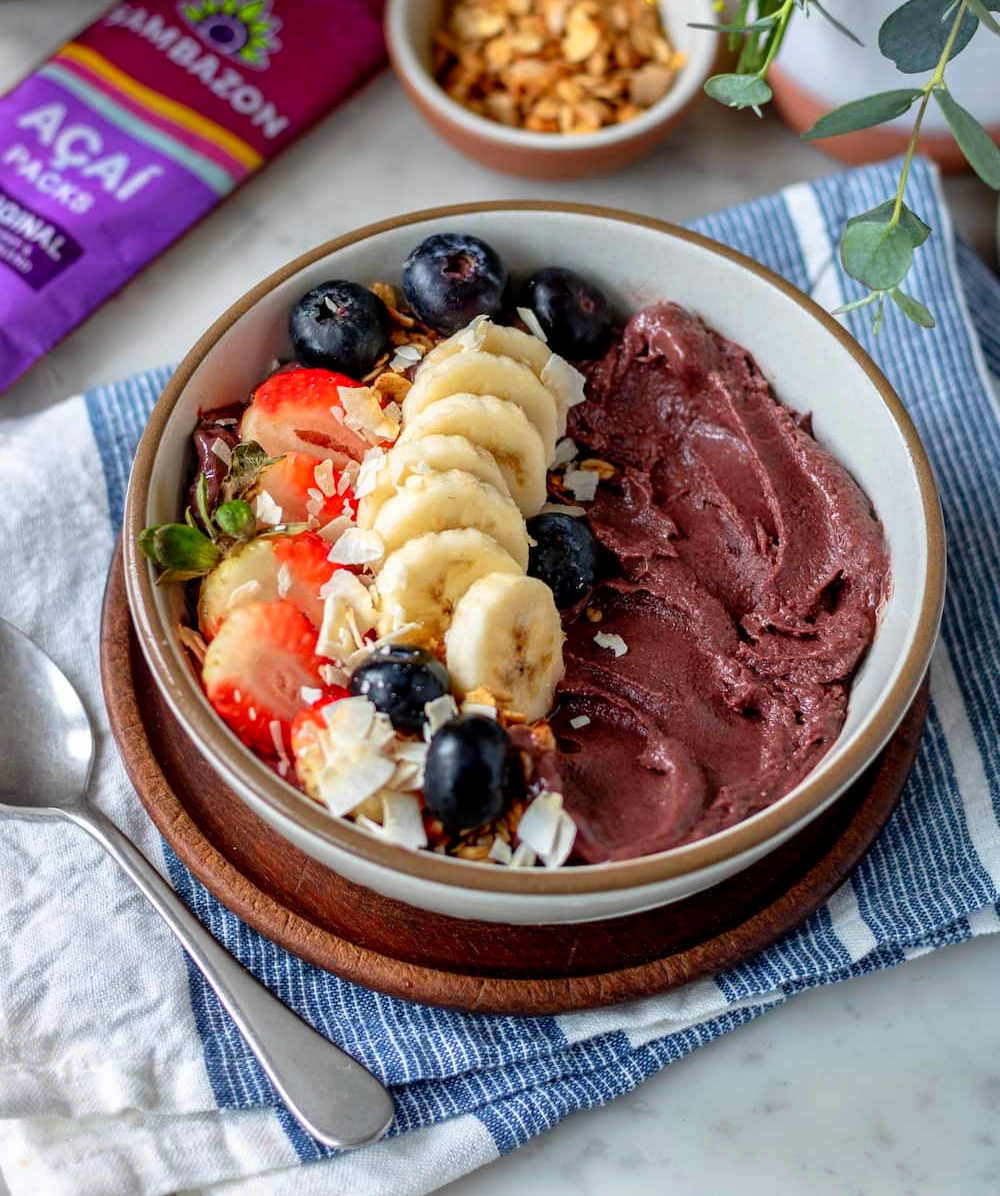
Dubai’s coffee and hospitality scene is embracing the açaí trend, and SAMBAZON is leading the charge. As pioneers of certified organic açaí, the brand is helping cafés, restaurants, and wellness-focused operators elevate their menus while staying committed to sustainability and Fair Trade principles.

On the sidelines of World of Coffee Dubai 2026, Mr. Valter Vale, Director of Marketing – International at SAMBAZON, shared his insights on the brand’s expansion in the Middle East and its vision for the coming years.

“Dubai’s coffee and hospitality community is highly sophisticated and values quality, provenance, and transparency,” Vale told Qahwa World. “Being certified organic and Fair Trade immediately resonates with operators who want to offer something premium and credible. Many partners see SAMBAZON not just as an ingredient, but as a brand that elevates their menu and aligns with the region’s growing focus on wellness and sustainability.”

SAMBAZON’s signature “palm of the tree to the palm of your hand” approach emphasizes long-term partnerships with thousands of small family farmers in the Amazon, ensuring full traceability while reinvesting in the communities that produce the fruit. Vale emphasized that growing demand in the Middle East will never compromise the company’s Fair Trade commitments.

The brand’s presence at World of Coffee Dubai 2026 has opened new conversations around franchising and licensing Açaí Bowl concepts in the region. “We are actively engaged in discussions around franchising SAMBAZON bowl shops in the Middle East,” Vale explained. “While we see long-term potential in non-traditional locations such as airports and universities, our focus is on building the brand thoughtfully and sustainably, anchored by high-quality, permanent stores.”

Beyond business growth, SAMBAZON continues to maintain a strong social mission. Its Fair Trade certification has funded schools, healthcare centers, and community initiatives in the Amazon. Vale noted that as the brand grows in the Middle East, similar local initiatives may be explored, particularly around community wellness and sustainability, with an emphasis on authenticity and collaboration.

Looking ahead, SAMBAZON aims to establish itself as the most trusted açaí and functional superfruit brand in the Middle East over the next five years. Vale outlined the vision: “We want to grow across retail and food service with the right partners, build strong brand equity, and become part of everyday wellness culture in the region, all while staying true to our mission of protecting the Amazon and supporting the communities that make our products possible.”

Founded in 2000, SAMBAZON®—an acronym for Sustainable Management of the Brazilian Amazon—was the first company to introduce certified açaí to the world. The brand supplies organic and Fair Trade-certified açaí products, including smoothie packs and ready-to-eat Açaí Bowls, pioneering transparency from “palm of the tree to the palm of your hand.” Its Fair Trade initiatives have positively impacted thousands of local growers, donating over $1 million to build or renovate schools, healthcare centers, and community facilities.

For more on SAMBAZON in the Middle East, visit sambazon.ae.

Gizat Worku Kebede: Ethiopia’s Harvest This Year is Excellent, and We Aim to Expand in the Middle East and Asia

Dubai – Ali Alzakary and Tewodros Balcha

Ethiopia, the birthplace of coffee, is once again taking the spotlight at the World of Coffee exhibition in Dubai, showcasing its unparalleled quality and diversity. With more than 10,000 coffee varieties, including rare wild coffee grown naturally in Ethiopia’s highlands, the country continues to set global standards for premium coffee.

From Dubai, Gizat Worku Kebede, Executive Director of the Ethiopian Coffee Association and Ethiopia’s chapter head in the African Coffee Association, highlighted the excellent current harvest and rising production levels, along with rapid expansion into markets in the Middle East and Far East. He emphasized Ethiopia’s mission to connect smallholder farmers with international buyers, support sustainability, and strengthen African coffee’s presence globally.

  • What is your mission and objective in participating in the World of Coffee Dubai exhibition?

Our mission in Dubai is to promote Ethiopian coffee to international markets, focusing on the Middle East and Far East. We aim to reach coffee lovers and buyers because Ethiopian coffee is naturally organic and unique. Ethiopia is the only country producing wild coffee—coffee that grows naturally in forests, cared for by no one, and harvested once a year by local farmers. With more than 10,000 coffee varieties, Ethiopia truly is the birthplace of coffee.

  • Could you share the latest updates on the current harvest season in Ethiopia?

We are here to showcase this year’s harvest, which is excellent. Total production has increased by around 1.2 million tons, and the new crop is already being exported. It’s a very positive year for Ethiopian coffee farmers and exporters.

  • Which markets are you currently targeting?

“The Middle East is a fast-growing market, particularly Saudi Arabia, which is Ethiopia’s largest coffee buyer. Dubai is also a key trade hub. We are expanding into emerging Far Eastern markets, including China, South Korea, and Japan, which have shown increasing interest in high-quality Ethiopian coffee.”

  • Can you tell us about the African Coffee Association and its role in supporting and developing the coffee sector?

“The African Coffee Association is the largest coffee association in Africa, representing East and Southern African countries. We also work with the African Coffee Union and the Coffee Development Agency to support West African nations. Together, we are preparing the largest coffee exhibition in Africa, scheduled in Addis Ababa from February 4–6, to promote African coffee both as a product and as a growing consumer market. Countries such as Morocco, Algeria, Egypt, South Africa, and Nigeria are consuming more coffee, and we encourage local consumption alongside exports.”

  • How do you support the coffee industry in Ethiopia?

Three years ago, we launched African Coffee Week in collaboration with the African Coffee Association, the African Coffee Union, and the Coffee Development Agency, dedicating a week entirely to celebrating coffee in Africa. At the same time, we run the Harvest Season competition for coffee quality, where winning farmers gain recognition and promotion for their coffee. These initiatives provide significant opportunities for African farmers, support sustainability, and help small-scale producers connect with coffee consumers worldwide.


View this post on Instagram


A post shared by Coffee Qahwa (@qahwaworld)

  • Key Quotes:

“Ethiopia is the only country producing wild coffee—coffee that grows naturally in forests and is harvested once a year by local farmers.”

“This year’s harvest is excellent, with total production increasing by around 1.2 million tons.”

“African Coffee Week and the Harvest Season competition give farmers recognition, support sustainability, and connect them with global coffee consumers.”

  • Conclusion:

Ethiopia continues to solidify its position as a global coffee powerhouse. Through initiatives such as African Coffee Week, the Harvest Season competition, and participation in international exhibitions like World of Coffee Dubai, Ethiopia not only showcases its premium coffee but also empowers smallholder farmers, promotes sustainability, and strengthens Africa’s presence in global markets. With its rich heritage, unique coffee varieties, and ongoing international expansion, Ethiopia remains at the forefront of innovation and excellence in the coffee world.


Drinkit CEO Announces Sub-40 Month Payback Period for Dubai Coffee Shops

DUBAI Qahwa World

Drinkit, the rapidly growing coffee shop chain, has achieved a significant milestone in one of the world’s most competitive F&B environments, announcing an impressive average payback period for its retail network in Dubai.

In a statement released by CEO Katerina Borodich, the company confirmed that five out of six established Drinkit locations in the emirate have demonstrated an average payback period of just 31.6 months (approximately 2.6 years). Including the strategic, high-investment Mirdif flagship—opened intentionally as an image-focused brand strengthener—the overall portfolio average stands at 39 months (3.25 years).

Note: the payback period is calculated based on Store Level EBITDA.

The CEO underscored the achievement’s importance, noting that the results are “not a theoretical benchmark, but backed by real numbers from our own stores.”

The announcement positions Drinkit’s model as resilient and confident within the fiercely contested Dubai market, which hosts nearly every major global coffee chain.

Significant Upside Projected

Despite the strong performance, Borodich emphasized that the company is only beginning to unlock its full commercial potential. Drinkit has recently initiated several major growth levers that are expected to further compress the payback timeline and increase profitability:

  • Menu and Pricing Optimization: Refining product offerings and adjusting pricing strategies across the network.
  • City-wide Marketing Activation: Scaling marketing efforts across Dubai to drive brand awareness and foot traffic.
  • Delivery Scaling: Launching and scaling partnerships with all major aggregators to capture the growing off-premise market share.

“In one of the most competitive F&B markets in the world… Drinkit demonstrates a confident, resilient business model,” Borodich stated. “The upside is significant, and we’re only beginning to execute our full optimization strategy.”

The CEO concluded the announcement by congratulating the Drinkit team and franchise partners, recognizing their role in achieving these results, and extending an invitation to prospective partners for international expansion.

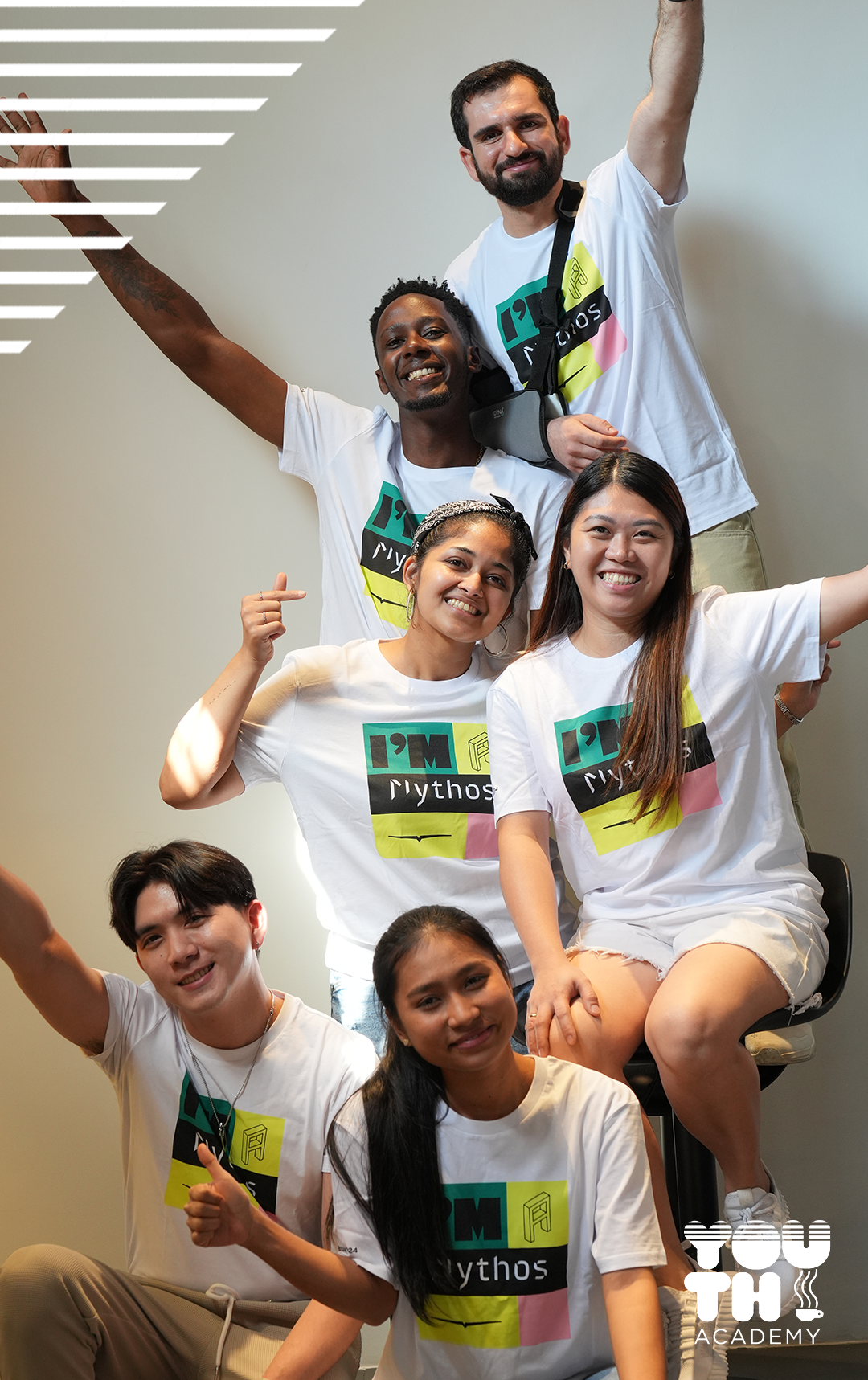
Dreams and Ambitions: Youth Academy Middle East Launches in Dubai

Dubai – Qahwa World

The Middle East has welcomed a new chapter in coffee education with the launch of the first edition of Youth Academy Middle East 2025, held in Dubai and organized by Simonelli Group. This pioneering program provides six young coffee talents with full scholarships to attend the prestigious SCA Coffee Skills Program, giving them the opportunity to build professional careers in the global coffee industry.

The inaugural edition began at the Simonelli Group Middle East Experience Lab, where participants embarked on their training under the guidance of SCA-certified trainers. The program blends theory with practice, offering young baristas and coffee enthusiasts a chance to deepen their knowledge and discover new perspectives on coffee.

The Scholarship Winners

Among the six winners are young professionals whose passion and dreams reflect the diverse paths coffee can inspire:

  • Hnin Kha Nady (22 years old), a barista who hopes to inspire others through her craft: “Eventually I want to share my passion by creating unique coffee experiences for others.”

  • Mark Mwangi Mungai, a Kenyan barista, fascinated by both tradition and innovation: “The slowly emerging trends with AI and modern technology show how coffee, which has been here for ages, is adapting to new times.”

  • Amritha Varsha PR, an engineer-turned-coffee explorer: “For me, learning is exciting, but re-learning is like a second brew—often richer and clearer.”

  • Brenzen Labarete, Senior Barista, Brand Ambassador, and Middle East Barista of the Year 2023: “I look forward to connecting with people who share the same passion, exchange ideas, and be inspired to take my craft to the next level.”

  • Mohamed Alameeri, who describes himself as a “normal coffee guy” driven by curiosity: “The endless amount of information in the coffee world fascinates me. No matter how much you know, there is always more to learn.”

  • Donna Santianez, a passionate barista dreaming of opening her own café: “My dream is to become a professional barista and, one day, to have my own coffee shop.”

A Future Built on Passion

With their unique stories, ambitions, and dedication, these six young talents embody the essence of the Youth Academy—transforming passion into knowledge and knowledge into opportunity. Their journey marks not only a personal milestone but also a promising step for the future of coffee in the Middle East.

As the Youth Academy Middle East continues, the energy, curiosity, and commitment of its first participants highlight the growing importance of education and innovation in shaping the next generation of coffee professionals.