Italian-Style Coffee Linked to Lower Risk of Common Liver Disease

Dubai – Qahwa World

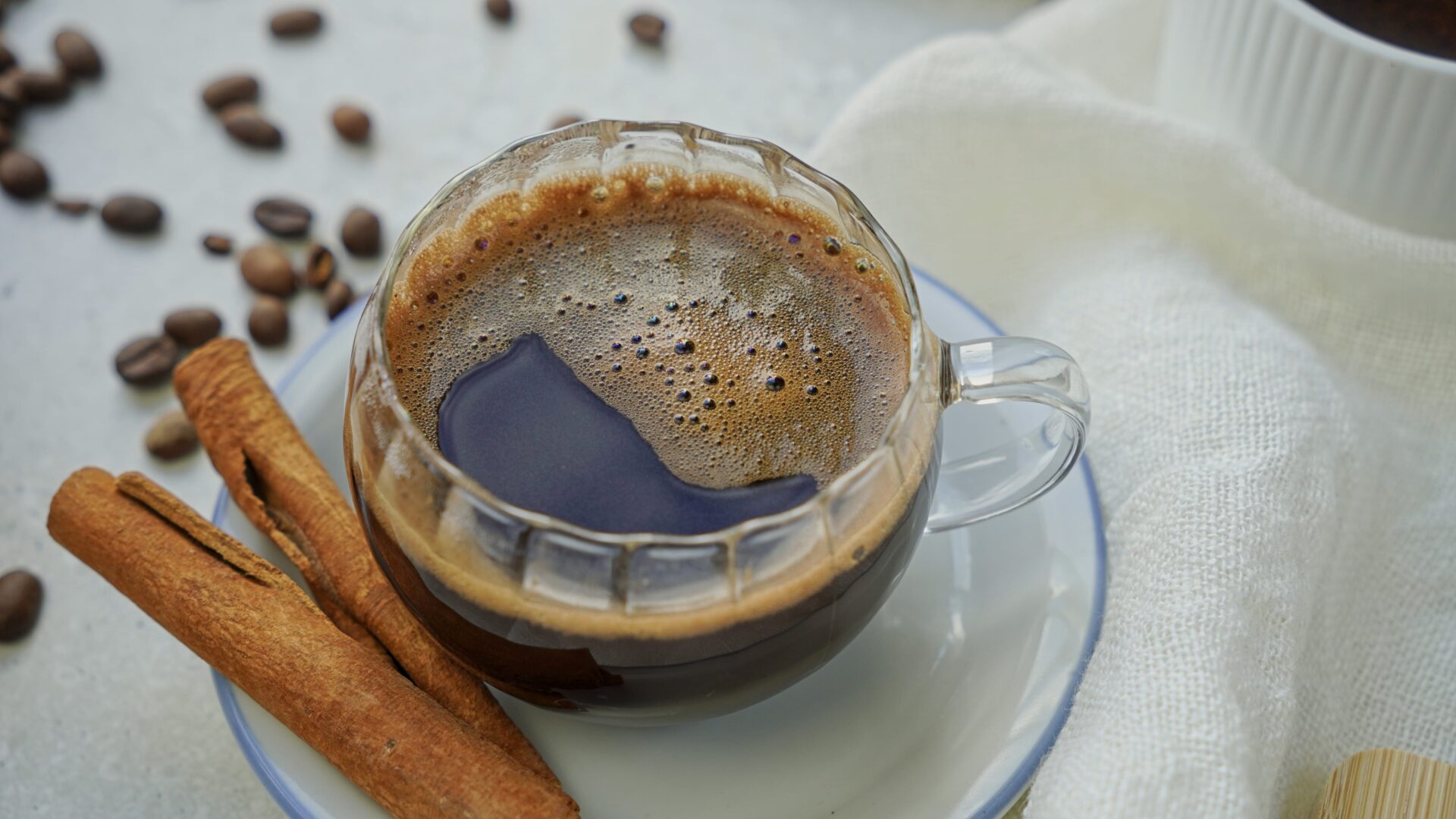
A recent Italian study published on 19 March 2026 in a scientific journal has found an association between traditional Italian-style coffee consumption and a reduced risk of metabolically dysfunctional-associated steatotic liver disease (MASLD).

The research was conducted by scientists at the National Institute of Gastroenterology in Bari, Italy, and focused specifically on coffee prepared using traditional Italian methods such as espresso and moka, which rely on pressure extraction.

MASLD is currently one of the most widespread chronic liver diseases globally, affecting more than 30% of adults. It is strongly associated with obesity, insulin resistance, type 2 diabetes, dyslipidemia, and hypertension, and can progress to more severe liver conditions, including cirrhosis and liver cancer.

The study analyzed data from a long-term research project in Southern Italy. A total of 1,079 coffee-drinking participants were included in the final analysis. Liver conditions were assessed using ultrasound examinations, while coffee consumption was evaluated through a validated dietary questionnaire.

The findings showed that, after adjusting for various health and lifestyle factors, higher coffee consumption was associated with a lower risk of MASLD. The risk was 52.1% lower among those who consumed one cup per day, 53.2% lower for two cups, and 55.1% lower for three cups. The greatest reduction, 59.3%, was observed among individuals who consumed four to six cups daily.

In addition, each extra cup of coffee per day was associated with an approximate 15.7% reduction in risk.

Researchers attributed these findings to the high levels of bioactive compounds retained in Italian-style coffee, particularly in unfiltered preparations. These include chlorogenic acids, diterpenes, trigonelline, and melanoidins, which are believed to play a role in reducing inflammation, improving insulin sensitivity, and limiting fat accumulation in the liver.

Despite the findings, the researchers emphasized that the study is observational and does not establish a direct cause-and-effect relationship. Coffee consumption was also self-reported by participants.

The study noted that coffee is a central part of daily life in Italy, with most consumers preferring espresso or moka preparation methods.

According to European health guidance, up to 400 mg of caffeine per day is considered safe for healthy adults, though certain groups such as pregnant women or individuals sensitive to caffeine are advised to limit intake.

The study concludes that moderate consumption of Italian-style coffee may be associated with potential liver health benefits, while further research is needed to confirm these findings.

Coffee in Ramadan: Between Traditional Flavor and Healthy Balance

DUBAI – QAHWA WORLD

Coffee is the fine thread that weaves together spiritual serenity and social vitality during the nights of Ramadan. From the moment of Iftar until Suhoor, this “brown bean” becomes the protagonist of Arab gatherings, carrying the scent of history and the necessities of modern life.

The Cultural Map of Coffee in the Arab World

While methods of preparation and consumption vary across Arab geography, they all converge on the values of generosity and hospitality:

  • The Gulf Countries: “Saudi Coffee” and “Emirati Coffee” lead the scene. Prepared with a light roast, cardamom, and saffron, it is served in a “Dallah” with dates at Iftar to break the fast, helping to gently stimulate the digestive system.

  • The Levant: Turkish (boiled) coffee dominates the evening gatherings. Many prefer it “Sada” (plain/unsweetened) after Taraweeh prayers, and it is a fundamental pillar of family visits that extend late into the night.

  • Egypt and North Africa: “Mazbouta” (perfectly balanced sugar) coffee stands out as an indispensable ritual immediately after Iftar to restore focus. In Tunisia and Morocco, drops of orange blossom water may be added to enhance the unique Ramadan flavor.

The Golden Schedule (Managing Caffeine and Water)

A timeline to integrate coffee into your day without causing dehydration or insomnia:

Time Period Suggested Action Health Goal
At Iftar Large glass of water + 3 dates (Avoid coffee) Gently raise blood sugar and prep the stomach
2 Hours Post-Iftar Your first cup of coffee Stimulate the mind without upsetting the stomach
After Taraweeh Drink 500ml of water + a light snack Replace lost fluids and ensure hydration
Midnight A small cup of coffee (Optional) Enjoy the social flavor of the late-night “Sahar”
Suhoor Period Water + Potassium-rich foods (No coffee) Avoid the diuretic effect and thirst during fasting

Health Guidelines for Maximum Benefit

To enjoy coffee as a health ally rather than an enemy, these standards must be followed:

  1. Moderation in Sweetening: One must adhere to the golden rule: 2.5 grams the maximum sugar to ensure the protective benefits of coffee remain and to keep the antioxidants active.

  2. Avoid the “Suhoor Trap”: Consuming coffee during Suhoor leads to diuresis (increased urination), exposing you to severe thirst and headaches during the fasting hours.

  3. Parallel Hydration: For every cup of coffee, you should drink at least two cups of water to compensate for the caffeine’s dehydrating effect.

Coffee as a Social Phenomenon (Journalistic Insight)

Coffee is no longer just a beverage; it is a “rhythm regulator” for the Ramadan day. In recent years, we have observed a notable shift; “Specialty Coffee” has begun to invade Ramadan tents. The younger generation is merging global preparation methods (like V60 and Chemex) with traditional atmospheres. This blend of modernity and heritage reflects the vitality of Arab society and its ability to evolve traditions to suit the spirit of the times.

Maintaining coffee rituals in Ramadan enhances the psychological state and reduces the stress resulting from changes in the biological clock, provided the timings mentioned in the table above are respected.

The Bottom Line

Coffee remains the faithful companion of those fasting, combining healthy authenticity with sensory pleasure. The secret lies in balance; enjoy its aroma and taste at the right times to ensure your fasting is comfortable and your nights are full of energy.

The Coffee Leaf’s Second Life

By Dr. Steffen Schwarz, Coffee Consulate

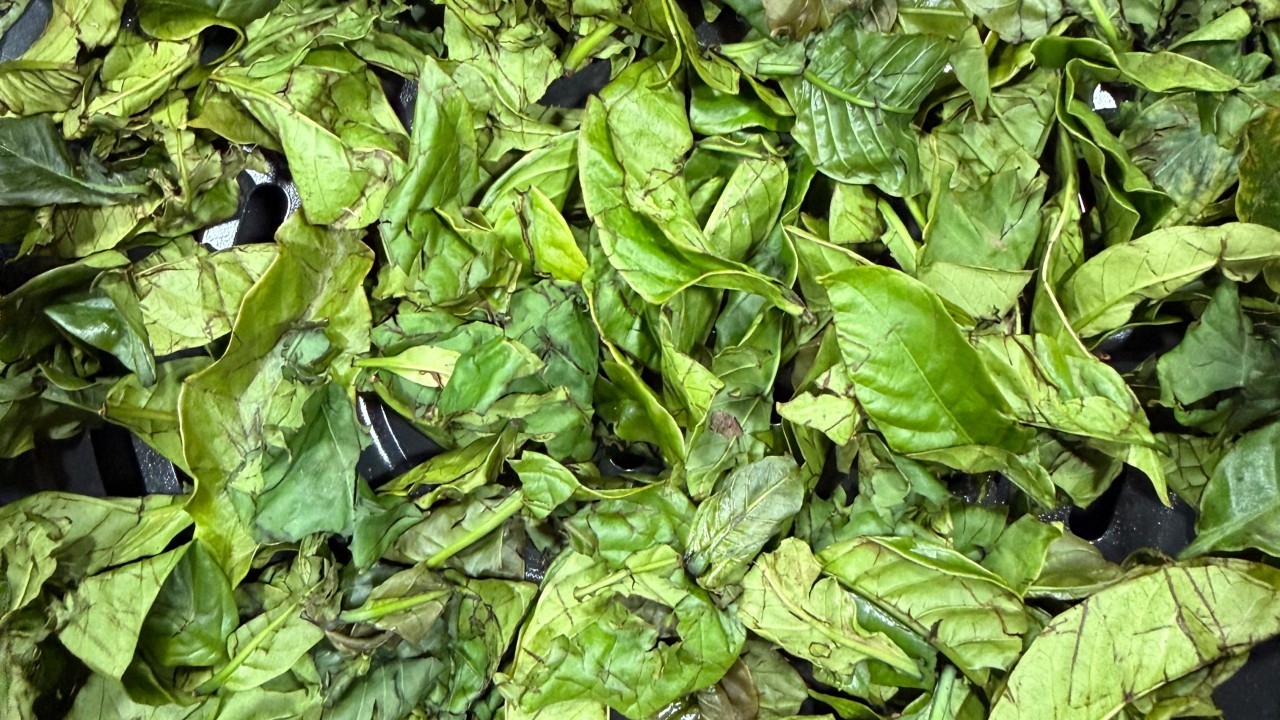
There is a peculiar irony in the coffee business: we have spent more than a century perfecting how we roast, grind, extract, foam, chill, carbonate, nitrogen-infuse and brand a seed, while the plant that produces it has been standing all along as a far larger, greener biomass—photosynthesising, defending itself, interacting with shade trees, fungi and insects, and repeatedly regenerating its canopy after pruning. The leaf is the coffee plant’s true working organ: an engine of carbohydrates and a chemical laboratory that negotiates sunlight and drought, pests and pathogens, growth and recovery. And yet, in most producing countries, coffee leaves have been treated as little more than compost, mulch, or a nuisance swept aside during canopy management. That is now changing, and not simply because the world enjoys novelty. Coffee leaf tea is emerging at the intersection of ethnobotany and modern food law, of phytochemistry and sensory design, and—most importantly for decision makers—of farm economics and operational resilience.

Coffee leaf infusions are not an invention of the wellness era. They are older than espresso, older than filter coffee, older than the first international coffee prices. In several coffee-producing regions, leaves have long been infused, decocted, mixed with milk, or combined with spices and herbs to create beverages that sit somewhere between nourishment, social ritual and folk medicine. The scientific and cultural value of this heritage is easy to underestimate, especially if one’s mental map of coffee begins at the port and ends at the café. Yet the ethnographic record is clear: leaf-based coffee drinks have been prepared and consumed in places as varied as Ethiopia, South Sudan, Indonesia, Jamaica and India, often under local names that signal not a substitute for coffee, but a beverage category of its own.

In Ethiopia, coffee leaf brew is widely known in multiple regions and languages—Chemo, Kuti, Hayta Tuke, Kitel Buna—each name carrying the weight of daily habits and community meanings. The leaves are not merely steeped; they are processed through cleaning, crushing or chopping, boiling, spicing, straining, serving. The result is a drink that can be mild or intense, pale gold or deep brown, lightly herbal or richly aromatic, depending on leaf maturity, drying, brewing time, and the chosen constellation of botanicals.

One of the most detailed recent documentations of these practices comes from the Gofa Zone in South Ethiopia, where Eyasu Yohannis and colleagues recorded indigenous coffee leaf brew and a related preparation called Engere, a blend of coffee leaf brew and cow’s milk. Their work does something crucial for our industry: it moves the conversation away from vague stories of “traditional use” and towards measurable patterns of ingredients, processes and consumption. In their community-based survey, the authors found that coffee leaf brew is not an occasional curiosity; it is embedded in daily life. A majority of respondents described it as a staple, stimulating beverage, while others linked it explicitly to medicinal value and cultural ceremonies. Engere, meanwhile, occupies a different functional niche: it is widely perceived as strength-enhancing, supportive for physically demanding work, and beneficial for lactating women, postpartum recovery and stamina.

The brewing practices described in Gofa are remarkably concrete. Coffee leaves are harvested by cutting terminal portions of the plant—precisely the same anatomical zone that farm managers already target in canopy control—then cleaned and washed, crushed with mortar and pestle or a traditional wooden grinder, and boiled in water typically in the range of 85–100 °C. The documented spice and herb palette is extensive—Ruta chalepensis, coriander fruit, garlic leaf, ginger, basil, lemongrass, chilli, Ethiopian cardamom, fennel, salt—an aromatic architecture that resembles a culinary broth more than a minimalist tea. This matters because it tells us that coffee leaf beverages in their indigenous context have already undergone centuries of consumer testing: bitterness has been managed, aroma has been amplified, mouthfeel and perceived warmth have been engineered through botanical synergy.

For modern markets, this ethnographic depth is more than storytelling. It is a starting point for applied product development. The Gofa data reveal three distinct brewing logics: a combined boiling method where leaf and minor ingredients meet in one pot; a separated boiling method where components are brewed individually and combined later; and a leaf-only approach used particularly for Engere without added botanicals. These are, essentially, three different extraction strategies.

This is where Europe enters the narrative in a decisive way. Coffee leaf infusion is no longer merely an indigenous beverage; it is now a legally defined food category within the European Union. On 1 July 2020, the EU authorised the placing on the market of infusion from coffee leaves as a traditional food from a third country through Commission Implementing Regulation (EU) 2020/917. The regulatory framing is not trivial. By treating coffee leaf infusion as a traditional food under the Novel Food Regulation, the EU effectively acknowledged that a long history of safe consumption outside Europe can form part of a safety argument.

For coffee businesses, EU authorisation changes the strategic landscape. It reduces regulatory uncertainty for importers, roasters and beverage developers. It invites investment in leaf supply chains, not only for niche “novelty teas” but for scalable beverage categories: ready-to-drink formats, sparkling botanical blends, functional infusions, cold brews, and milk-based variants.

The scientific literature suggests that coffee leaves are not simply “coffee without beans”. They contain a complex set of phytochemicals, including phenolic compounds with antioxidant capacity and bioactivities that have been discussed in relation to anti-inflammatory and antihypertensive effects. A crucial commercial insight lies in caffeine itself. Many consumers want the ritual and complexity of coffee-like beverages, but with less stimulant load. Coffee leaf infusions typically contain caffeine, but the overall experience can be positioned differently from espresso-driven intensity.

However, no beverage category survives on sensory novelty alone. The deeper business relevance of coffee leaf tea lies in what it can do at origin. For decades, the coffee sector has discussed farmer income, price volatility, and the fragility of livelihoods. Coffee leaf tea, if commercialised responsibly, can shift part of this debate into operational economics: it can create an additional product stream from the same farm, using a biomass that is already generated in canopy management. That is not merely “extra income”; it is income diversification, and diversification is one of the most reliable ways to increase resilience in agricultural systems.

If we approach coffee leaf tea with the seriousness it deserves—honouring its origins, applying rigorous process science, designing compelling sensory styles, and building supply chains that reward farmers for better agronomy—we will not merely sell another beverage. We will create a mechanism through which coffee farms can become more stable employers, more productive agricultural systems, and more resilient businesses. In a world where coffee’s future is increasingly shaped by climate stress and economic uncertainty, a leaf may seem like a small thing. But in biology and in business, small things are often the levers that change the whole system.

Swiss Study: Coffee Reduces Sleep Duration But Enhances Its Quality

Dubai -Qahwa World

The impact of coffee on our nightly rest has long been a fiercely debated topic in scientific circles. However, groundbreaking new research from Swiss scientists at the University of Zurich is redefining this relationship, unveiling a sophisticated and surprising adaptation mechanism employed by the human brain when faced with chronic caffeine consumption. The study, published in the Journal of Psychopharmacology, confirms a dualistic paradox: while heavy daily coffee intake slightly reduces sleep time, it simultaneously increases the depth and quality of the restorative phase.

  • Unveiling the Compensatory Mechanism

The key finding reached by the research team, led by scientist Benjamin Stucky, was a precise measurement of this paradoxical effect. Individuals with high habitual consumption—defined as four or more caffeinated beverages per day—experienced a small, specific decrease in total night sleep duration, averaging just 11 to 13 minutes per night.

Crucially, this reduction in time was counterbalanced by a significant increase in quality. Objective brain recordings, taken via Polysomnography, showed stronger activity in the Delta frequency range (the slow, high-amplitude brain waves). These Delta waves are the hallmark of the deepest, most restorative stage of non-rapid eye movement (NREM) sleep.

Scientists interpret this finding as evidence of a compensatory mechanism or homeostatic regulation in the brain. The central nervous system essentially works harder to compress the process of recovery and maximize the efficiency of the available sleep time, resulting in deeper, higher-quality rest.

  • Methodological Rigor and Robust Findings

The study achieved its high degree of certainty by moving beyond simple observational data. The researchers combined two massive datasets: genetic and behavioral information from nearly half a million participants (the UK Biobank), and objective sleep measurements from over 1,700 individuals in Switzerland.

To firmly establish a causal link, the team utilized advanced statistical techniques, including Mendelian Randomization and Causal Matching. These methods were essential for isolating the effect of caffeine from other potentially confounding lifestyle factors, lending unparalleled robustness to the conclusions.

Stucky explained that this adaptive response explains why heavy consumers did not report feeling significantly less rested, despite their slightly shorter sleep time.

  • The Cautionary Note on Sleep Debt

Despite these fascinating insights, the researchers stressed that their findings should not be misinterpreted as an endorsement for heavy consumption. While the study dispels the notion of “very detrimental consequences for sleep quality,” scientists cautioned that the increased depth could potentially reflect an “ongoing sleep debt,” meaning the body is constantly struggling to catch up. Such continuous striving for recovery might lead to strain on the nervous system over the long term.

Therefore, general health advice remains critical: experts continue to recommend limiting coffee intake to no more than three cups per day, and maintaining the optimal sleep duration of seven to nine hours for overall adult health and cognitive function.

Coffee May Protect Against Irregular Heartbeat, New Study Finds

Dubai – Qahwa World

A new study by researchers at the University of California, San Francisco (UCSF) and the University of Adelaide has challenged long-standing medical advice discouraging people with atrial fibrillation (A-Fib) from consuming coffee.

The study, published on November 9 in JAMA, found that drinking at least one cup of caffeinated coffee or an espresso a day reduced the risk of A-Fib recurrence by 39%. Traditionally, patients with heart rhythm disorders were advised to avoid caffeine, fearing it could trigger rapid or irregular heartbeats.

Dr. Gregory M. Marcus, electrophysiologist at UCSF Health and senior author of the study, explained that coffee may have multiple benefits: “Coffee increases physical activity, which helps reduce atrial fibrillation. Caffeine is also a mild diuretic that can lower blood pressure, while several coffee compounds have anti-inflammatory effects.”

The research team, in a trial aptly named DECAF (Does Eliminating Coffee Avoid Fibrillation?), enrolled 200 coffee-drinking patients diagnosed with persistent A-Fib or atrial flutter. Participants scheduled for electrical cardioversiona procedure that restores normal heart rhythmwere randomly divided into two groups: one consumed caffeinated coffee daily for six months, while the other abstained completely from caffeine.

Results showed a significant drop in A-Fib recurrence among coffee drinkers. Researchers believe that in addition to its biological effects, coffee consumption might reduce reliance on less healthy drinks.

Lead author Christopher X. Wong, Ph.D., from UCSF and the University of Adelaide, summarized the findings: “Doctors have always advised patients with A-Fib to limit coffee, but this trial suggests that coffee is not only safeit may actually be protective.”

A-Fib currently affects over 10 million adults in the United States, and with an aging population, it could impact up to one in three people. This study opens a new perspective on how moderate coffee consumption might play a beneficial role in cardiovascular health.

7 Scientifically Proven Tips to Make Your Daily Coffee Healthier

Dubai – Qahwa World

For millions, coffee is more than just a morning ritual—it’s the spark that starts the day. Yet few realize that the way coffee is brewed, sweetened, or even timed can make a big difference to one’s overall health. Drawing on scientific research and expert insights, here are seven proven ways to enjoy your coffee while maximizing its benefits and minimizing its drawbacks.

1. Keep the Sugar Minimal

Adding too much sugar can undermine coffee’s natural health advantages. Research suggests that limiting sweeteners to one small teaspoon per cup helps retain the drink’s antioxidant and heart-friendly effects.

2. Skip Artificial Sweeteners

While marketed as low-calorie options, artificial sweeteners may interfere with the body’s natural metabolism and gut health. Studies indicate they could reduce coffee’s beneficial impact on longevity and overall wellness.

3. Choose Natural Additions

Most commercial creamers are packed with vegetable oils and added sugars, which can raise cholesterol and contribute to weight gain. A healthier alternative? Use milk in moderation or add spices like cinnamon or cocoa powder for flavor without the extra calories.

4. Filter Your Coffee

Coffee brewed through a paper filter is generally healthier than unfiltered methods like the French press. Paper traps compounds known as diterpenes, which have been linked to increased cholesterol levels when consumed in excess.

5. Don’t Dismiss Instant or Decaf

Whether it’s ground, instant, or decaffeinated, coffee can still provide similar antioxidant and anti-inflammatory benefits. The process used to produce instant coffee typically preserves most of the natural compounds that make coffee good for you.

6. Drink It Earlier in the Day

Caffeine affects the body’s internal clock. Studies show that drinking coffee before noon helps avoid sleep disruption and reduces inflammation associated with circadian rhythm disturbances. Late-night cups, by contrast, can suppress melatonin and affect sleep quality.

7. Let Coffee Work with Your Digestive System

Coffee naturally stimulates the digestive tract—a reaction known as the gastrocolic reflex. That’s why many people feel the urge to visit the restroom shortly after drinking it. Far from being harmful, this effect is part of a healthy digestive process.

Moderation, timing, and small adjustments can make your daily brew a powerful ally for well-being. By rethinking what you add to your cup—and when you drink it—coffee can remain both a pleasure and a healthy habit.

Disclaimer:

This article is intended for general information purposes only and should not replace medical advice. Always consult a qualified healthcare provider regarding personal health concerns.

When Coffee Helps and When It Hurts: What Science Reveals About the World’s Favorite Drink

Dubai – Qahwa World

Why can some people drink espresso like water while others end up sleepless and anxious? Scientists say it all comes down to biology, genetics, and how the body processes caffeine. A growing body of research shows that while coffee brings clear health benefits for many, it can also pose serious risks for others.

Mic the Vegan, a science communicator with a Master’s degree in Public Health, recently reviewed dozens of clinical studies exploring the full spectrum of coffee’s health effects—from heart health and mental well-being to dementia and gene-based metabolism. His analysis paints a nuanced picture of when coffee supports health—and when it does not. “I’m not a coffee hater or a coffee addict,” Mic said. “I just wanted to understand why I react so strongly to coffee, and the science behind it.”

The Stimulant Effect: Energy, Focus, and Anxiety

Caffeine blocks adenosine, the chemical that makes us sleepy, while boosting dopamine and adrenaline levels. This combination explains why coffee is the world’s most consumed stimulant. A randomized crossover trial found that participants walked an average of 1,000 more steps per day when drinking coffee, a behavioral boost that may partly explain why moderate coffee drinkers experience lower cardiovascular mortality. Coffee also improves reaction time, processing speed, and alertness—so much so that even e-sports players perform better after caffeine. Yet overstimulation has a cost. High caffeine doses can trigger anxiety or panic attacks in sensitive individuals. Mic himself admits to “a little spice of anxiety” after several cups. One promising solution is L-theanine, a calming amino acid found in green tea. In studies, combining 100 mg of L-theanine with caffeine reduced anxiety while preserving focus.

Heart Health: A Double-Edged Sword

Across large population studies, moderate coffee intake—typically two to three cups per day—is linked with a 10–20% reduction in overall mortality. Among people who have survived a heart attack, those drinking two or more cups daily saw up to a 40% lower risk of death. Scientists attribute this benefit to coffee’s high antioxidant content, which may reduce arterial inflammation. However, not everyone benefits. Cardiologists at the Cleveland Clinic note that a morning cup can raise blood pressure by up to 10 points, enough to push some hypertensive patients into a danger zone. For individuals with grade 2–3 hypertension, an American Heart Association study found that drinking two or three cups per day doubled cardiovascular mortality risk. Excess caffeine can also constrict blood vessels. A 250 mg dose (about a large café serving) can cut cerebral blood flow by 22–30%, though regular drinkers appear to adapt over time. Interestingly, caffeine withdrawal temporarily increases blood flow, which may explain caffeine-withdrawal headaches.

Mental Health and Brain Function

Coffee’s link with mental health is complex. On one hand, high caffeine intake can heighten anxiety; on the other, moderate consumption is consistently associated with lower rates of depression. Studies suggest that people who drink two or more cups daily have a 32% lower prevalence of depression compared with non-drinkers. When it comes to long-term brain health, the evidence is mixed. A major meta-analysis found no significant change in overall dementia risk, but coffee drinkers showed nearly a 30% lower risk of Alzheimer’s disease. Another study, however, linked six or more cups per day—both caffeinated and decaf—with a 50% higher risk of dementia. Scientists caution that very high consumption may have cumulative vascular effects.


View this post on Instagram


A post shared by قهوة ورلد (@qahwaworld)

Genes That Decide Whether Coffee Helps or Hurts

The liver enzyme gene CYP1A2 determines how quickly the body breaks down caffeine. Slow metabolizers have a two-fold higher risk of heart attack if they drink two or more cups daily. They are also more prone to insomnia and anxiety. Mic analyzed his own DNA and found he is an intermediate metabolizer (AC variant)—not highly tolerant but not overly sensitive. Another gene, ADORA2A, influences how caffeine affects sleep and mood, further explaining why coffee tolerance varies widely among individuals.

Beyond the Cup: Other Health Findings

Despite popular belief, large population studies show no clear association between coffee and acid reflux. Increasing coffee intake by just one cup a day was associated with an 11% lower risk of developing type 2 diabetes. Results are mixed regarding obesity—some trials found coffee improved body composition, while others reported increased cravings for sweets. Adding cream or cow’s milk can reduce coffee’s antioxidant and longevity benefits; black or plant-based coffee maintains them. Early 2025 research observed higher levels of Locinobacter saccharolyticus, a beneficial butyrate-producing bacterium, in coffee drinkers, though findings remain preliminary.

The Verdict: It Depends on You

On average, moderate coffee consumption appears beneficial—boosting cognition, protecting against depression, and supporting longevity. But for people with high blood pressure, slow caffeine metabolism, or heavy daily intake, risks may outweigh rewards. The healthiest approach is simple: keep it black or plant-based, limit intake to two or three cups daily, enjoy it in the morning, and pair it with L-theanine if you’re sensitive to caffeine. “Twice the risk of heart disease if you don’t have the right caffeine metabolism genes—that just blows my mind,” Mic concludes. Coffee, it turns out, is not universally good or bad. It’s a potent, plant-based stimulant—one that rewards moderation, respect, and understanding of your own biology before you pour the next cup.

Shocking Discovery: Just One Cup of Coffee May Reduce Donor Blood Quality

Dubai, September 8, 2025 (Qahwa World) – A groundbreaking study published in Haematologica has revealed that caffeine, the world’s most widely consumed stimulant, can significantly reduce the quality of stored donor blood, potentially limiting the benefits of transfusions for patients.

The research, based on data from more than 13,000 blood donors, examined caffeine levels and their impact on red blood cell function during storage. The results showed that blood taken from donors with high caffeine exposure was more fragile and less effective after transfusion. The cells demonstrated depleted energy reserves such as adenosine triphosphate, reduced levels of 2,3-bisphosphoglycerate, and increased oxidative stress markers, making them more prone to breakdown.

The study further revealed that not all donors were affected equally. Negative effects were especially pronounced among individuals carrying variants of the ADORA2b gene, which regulates how red blood cells adapt to low oxygen. When caffeine blocks this receptor, stored blood deteriorates faster, resulting in weaker clinical outcomes for transfusion recipients.

Laboratory experiments confirmed that caffeine’s harm operates on two fronts: first, by blocking ADORA2b signaling, and second, by directly inhibiting glucose-6-phosphate dehydrogenase, a key enzyme responsible for red cell antioxidant defenses. This dual mechanism leaves cells more vulnerable to oxidative stress and shortens their survival after transfusion.

The health implications are significant. With more than twelve million units of blood transfused annually in the United States alone, even small reductions in blood quality can have widespread consequences. Encouragingly, caffeine is a modifiable factor. Because of its short biological half-life, abstaining from coffee or caffeinated drinks for even a single day before donation may improve blood quality. Some European countries already advise donors to avoid caffeine, while in the United States and Italy it is sometimes encouraged to help raise blood pressure temporarily, easing the donation process.

Researchers, led by Professor Angelo D’Alessandro of the University of Colorado, emphasize that these findings highlight the need for a more personalized approach to transfusion medicine. In addition to blood type, factors such as lifestyle and genetic background should be considered to ensure the highest quality units are directed to patients most at risk, such as infants or individuals with severe anemia.

The paradox is striking: the same mechanisms that make caffeine harmful for stored blood may explain its appeal to athletes. A modest increase in oxidative stress can stimulate adaptation in the body, improving endurance. But inside blood banks, this effect translates into weaker units and reduced potential to save lives.

3 to 5 Cups of Coffee Daily Extend Life and Reduce Disease Risk

Dubai, 27 August 2025 (Qahwa World) – For centuries, coffee has been more than a drink. It has been a ritual, a social bond, a fuel for intellectual debate, and a daily companion for billions. Now, science is reaffirming that this centuries-old beverage is not only cultural but also profoundly tied to human health. A comprehensive review published this month in Nutrients concludes that moderate coffee consumption, typically three to five cups a day, is consistently linked to longer life and a reduced risk of many of the world’s leading causes of death.

The study, authored by Ryan Emadi and Dr. Farin Kamangar, examined decades of large-scale cohort research involving millions of participants across the United States, Europe, and Asia. Their findings show that people who regularly drink coffee enjoy between 10% and 15% lower overall mortality than non-drinkers. Importantly, both caffeinated and decaffeinated coffee were associated with these benefits, suggesting that the protective effects come not only from caffeine but also from the dozens of bioactive compounds present in coffee.

Evidence is particularly strong when it comes to major chronic diseases. For cardiovascular health, those who consumed three to five cups daily experienced about a 15% reduced risk of heart disease and stroke. Type 2 diabetes, a condition that affects hundreds of millions worldwide, also appears to be strongly influenced by coffee habits. A meta-analysis of more than one million participants found that coffee drinkers had nearly a 30% lower risk of developing type 2 diabetes, and this protection extended to both decaf and regular coffee. Among people already living with diabetes, coffee consumption was linked to fewer cardiovascular events and lower mortality rates.

The benefits extend to neurological health as well. Drinking coffee was associated with up to a 25% lower risk of cognitive disorders such as dementia and Alzheimer’s disease. The protective effect also applied to Parkinson’s disease, where coffee and caffeine intake not only lowered the risk of developing the disease but also slowed its progression among those already diagnosed. Respiratory diseases, another major global killer, also showed an inverse relationship with coffee consumption, while studies reported reduced risks of liver fibrosis, chronic kidney disease, and acute kidney injury among habitual drinkers.

Cancer, once the focus of skepticism about coffee, has now largely been cleared from suspicion. Earlier fears that coffee might contribute to cancer risk have been replaced by evidence suggesting the opposite. Coffee is now associated with reduced risk of several cancers, particularly of the liver, uterus, and endometrium. A pooled analysis of nineteen studies found that women who drank coffee had a 13% lower risk of endometrial cancer, and the relationship was dose-dependent—the more coffee, the lower the risk.

Beyond chronic disease, coffee also appears to play a role in everyday well-being and safety. Studies cited in the review showed that drivers consuming caffeinated coffee were significantly less likely to crash, and older adults had a reduced risk of falls. Researchers attribute this to coffee’s ability to improve alertness, attention, and mobility.

The mechanisms behind these benefits are diverse and interconnected. Coffee has been shown to improve glucose tolerance, enhance daily physical activity, increase fat oxidation during exercise, boost lung function, and reduce inflammation. One trial found that people who drank caffeinated coffee walked an average of 1,000 more steps per day than on days they abstained. Other studies demonstrated that coffee drinkers had lower levels of inflammatory markers, suggesting that coffee helps the body manage the underlying inflammation that fuels many chronic diseases.

Yet not all coffee is created equal. The review stressed that black coffee offers the strongest protection. Adding sugar, in particular, can cancel out or diminish benefits. Some studies have linked sugar-sweetened coffee to higher risks of depression and weight gain, while unsweetened coffee showed the opposite effect. Cream and milk appear less harmful, but excessive amounts of sugar and high-fat additives weaken coffee’s health profile.

There are also caveats. Pregnant women are advised to limit caffeine to below 200 milligrams per day, as higher intake may pose risks. Coffee can interfere with sleep if consumed too late in the day, cutting total sleep time by around 30 to 45 minutes. Excessive consumption may trigger anxiety, palpitations, or panic attacks in sensitive individuals. Despite these concerns, the authors emphasized that for the vast majority of adults, moderate consumption is not only safe but beneficial.

Dr. Farin Kamangar summarized the findings: “The results of several decades of high-quality research on millions of people show that coffee is overall beneficial to health. Moderate coffee consumption, typically three to five cups a day, is linked to increased longevity and reduced risks of many major diseases, including heart disease, stroke, type 2 diabetes, respiratory illnesses, and cognitive decline.”

This new consensus has already begun to reshape official guidelines. The U.S. Food and Drug Administration recently ruled that plain coffee with fewer than five calories per serving can be labeled as “healthy,” reflecting its favorable profile across multiple health outcomes.

In the end, coffee is not a cure-all, but the evidence is clear: consumed in moderation, it is far more friend than foe. For billions who reach for a cup each morning, the comfort of coffee now comes with scientific reassurance that it may also be extending their lives.

Zireto targets 100 stores by the end of 2023

Romanian coffee chain Zireto plans to open at least 30 small-format stores across the country this year and exceed 100 outlets.

Founded in Suceava in 2017, Zireto opened 14 new outlets in 2022 to reach 71 nationwide — half of which are franchise-operated.

The company is now the second largest coffee chain in Romania by number of outlets, ahead of Starbucks’ 56 stores but considerably behind fellow Romanian brand 5 to go which operates more than 400 stores across the country.

Zireto predominantly operates to-go kiosks and small-scale cafés but opened its first drive-thru store and launched a new flagship store in the centre of Suceava last year.

Speaking to local media, Marketing Director Marian Moscaliuc said expansion will target Romania’s high footfall cities. She added that Zireto is also seeking to expand internationally, although details are yet to be disclosed.

Moscaliuc said Zireto achieved group sales exceeding BAN 50m ($10.8m) in 2022.

World Coffee Portal research forecasts the total Romanian branded coffee shop market will reach 940 outlets by 2027.

Zireto is managed by Just Seven, a Romanian holding company focused on the hospitality industry. The company operates the Caffe Barbera 1870 and Caffegia packaged coffee brands, alongside the Suceava-based Hotel Bucovina and Kaffehaus restaurant.

The truth about caffeine: how coffee really affects our bodies

Coffee. Go juice. Liquid gold. The one with all the psychoactive properties. Once used by Sufi mystics as an aid to concentration during religious rituals, it’s now one of the most ubiquitous drinks on the planet: we get through about 2bn cups a day.

It’s also one of the most valued and pored-over drinks. One particularly sought-after blend, Black Ivory, which is produced by encouraging elephants to digest arabica berries, retails at more than £2,000 a kilogram, while coffee-making championships attract thousands of spectators.

But what does it actually do to you? You might have a vague idea that caffeine wakes you up, wrecks your sleep and can aid sporting performance, but do you know how much you can drink safely? Considering that a typical americano contains more than 100 biologically active ingredients other than caffeine, what do you know about the drug you are glugging two or three times a day? What is happening inside your body when you have a double espresso in the morning?

How quickly does it act?

The effects may start before you even take a sip. Just inhaling the scent of coffee can improve memory and stimulate alertness, according to a 2019 study of 80 18- to 22-year-olds. Another study, from 2018, found that subjects did better in tests of analytical reasoning after a whiff of the good stuff. That said, the researchers in the 2018 study suggested that the effect probably had a placebo element, with the expectation of improved performance proving at least partly responsible.

  • A lot of people have three coffees back to back in the morning. They’re at 1,000-1,500mg before lunchtime

What about when you actually drink it? “There’s a chance that the use of any supplement will carry a placebo effect,” says Dr Mike T Nelson, a researcher and performance specialist who recently co-wrote the International Society of Sports Nutrition’s position on coffee. “Many researchers use randomised, double-blinded, placebo-controlled trials to try to ferret that out. And if you look at some of the higher-dose caffeine studies and when they have been compared with a placebo, we still see a performance-enhancing effect of caffeine.”

This is why the effects really kick in some time after you start drinking. While a 2008 study found that the effects of a cup of coffee can occur just 10 minutes after ingestion, it said peak caffeine concentration in the blood occurred after 45 minutes.

How does coffee wake you up?

Caffeine acts as a central nervous system stimulant – making you more alert and focused, but potentially also more irritable and anxious. It’s all to do with your body’s adenosine receptors, which help to regulate your heart rate, blood flow and sleep-wake cycles. When adenosine – an organic compound that occurs naturally in your body – binds to these receptors, it triggers physiological responses that lead to a decrease in cellular activity, often promoting drowsiness and sleep.

Caffeine can fool your nerve cells and bind to these instead, preventing adenosine from doing its thing. This promotes increased alertness, while also allowing the brain’s stimulating neurotransmitters (such as dopamine) to run wild. This makes it a mood-booster for many people, but can also lead to anxiety after high doses. While your body adapts to caffeine’s effects after a while, different people can have very different responses to the same amount of it.

Can it really boost athletic performance?

The amount of caffeine in seemingly similar high-street coffees can vary significantly.

It certainly can. A 2020 study of amateur cyclists found that coffee improved performance by an average of 1.7%. This may not sound like much, but it’s a big deal for even moderately competitive athletes. An older British study reported a dose-related improvement in tests of reaction times, memory and visual-spatial reasoning among coffee drinkers.

Most of these performance benefits come from caffeine, which is why coffee isn’t always the best option. A recent analysis by the consumer group Which? found that a medium cappuccino at Costa contains 325mg of caffeine, while the Starbucks equivalent has just 66mg. Even more confusingly, a 2003 study found a wide range of caffeine concentrations (259mg to 564mg a serving) in the same drink obtained from the same outlet on six consecutive days. (The NHS doesn’t give an upper limit for daily caffeine intake unless you are pregnant, but the US Food and Drug Administration suggests that 400mg is fine.)

“Beans can make a difference – standard robusta beans are higher in caffeine than arabica beans, for example,” says Nelson. “But there are other factors – roasting actually breaks down caffeine, so in general darker roasts will have a lower caffeine content. But even when outlets try to control for beans, brewing method and so on, the variability in caffeine content is still quite high.

“This is why, for athletes, if you’re using it purely for performance-enhancing effects and you want to be very specific with it, I recommend taking caffeine in a pill form, because you can control your intake better.

“I’ve worked with some endurance athletes in the past who would just stop and get a normal coffee at any shop before the race – and a lot of times their performance might be a little bit different, probably because the caffeine amount wasn’t as tightly controlled.”

When should you stop drinking it?

This is hotly contested. Caffeine has a half-life of about six hours, which means that if you have your final espresso at 4pm, half of the caffeine is still in your system at 10pm, when you should be winding down for the night. Plenty of people subscribe to the idea of a caffeine curfew – stopping at 2pm or 3pm, for instance – but that doesn’t mean it’s open season in the morning.

“It should be a nice, balanced thing,” says Nick Littlehales, a sleep coach who has worked with several high-profile football teams. “I see a lot of people who have three coffees more or less back to back in the morning. They’re at 1,000-1,500mg before they get to lunchtime – then they stop their intake. That’s not a sensible way to do things: it’s about keeping it nice and level, with no big ups and downs. Keep track of when you have a little bit of a low-energy lull, then you can actually use your caffeine intake strategically, to help you out at key times.”

Is it good for you?

This is where those other biologically active compounds come in. It’s also where the science becomes less clear. A few people suggest that excess intake may be linked to increased cancer risk or heart problems, while others say a few cups a day is fine.

It’s helpful to look at meta-analyses of many studies – or, even better, an “umbrella review”. One of the largest of these, which looked at more than 200 meta-analyses in 2017, said: “Coffee consumption seems generally safe within usual levels of intake, with summary estimates indicating the largest risk reduction for various health outcomes at three to four cups a day, and more likely to benefit health than harm.” Another from the same year found that coffee was associated with a probable decreased risk of several forms of cancer, alongside cardiovascular disease, Parkinson’s disease and type 2 diabetes.

What about coffee’s other long-term benefits? There is some evidence that its mood-elevating effects can be beneficial over the long term. In a 2016 meta-analysis of observational studies, caffeine consumption was found to decrease the risk of depression, while a Finnish study from 2010 found a similar result with coffee. In the Finnish study, the connection was weaker when other caffeinated drinks were consumed – suggesting that there is something in coffee specifically that can affect mood. One theory is that it’s the antioxidants, as these tend to correlate with reduced stress overall.

Coffee can also help with burning fat, but it’s most effective in conjunction with exercise. “In order to get rid of fat, you have to break it from the cell and then burn it,” says Nelson. “Caffeine has been shown to increase lipolysis, or the breaking part.” So, having a quick cup before your morning workout does more than just give you an energy boost.

What about the way you drink it?

Does how you drink it make a difference? In short: yes. Darker roasts, as well as being lower in caffeine, tend to contain fewer antioxidants and lower levels of chlorogenic acid, a compound that can protect the body against inflammation and cell damage. When you grind the beans doesn’t matter (unless you prefer that fresh-ground flavour), but how much you grind them probably does – a finer grind releases more polyphenols, giving fine-ground brews slightly more beneficial effects.

Coffee filtered through paper (in an Aeropress or a V60, say) may be healthier than coffee made with a metal filter (in a cafetière, for example) or no filter at all. A study published in 2020 that followed more than 500,000 healthy coffee drinkers for about two decades found that those who drank filtered coffee (as opposed to just boiling ground beans and drinking the water) had lower rates of arterial disease and death. The study’s authors concluded that the substances in coffee that can raise LDL cholesterol – the “bad” kind – can be removed using a filter; they said a cup of unfiltered coffee typically contains about 30 times the concentration of the lipid-raising substances compared with filtered coffee.

Filtering coffee through paper using a V60 or other pour-over cone is healthier than using a cafetière, research suggests. Photograph: GS Visuals/Getty Images/Image Source

The brewing temperature doesn’t matter that much; while some purists will claim that pouring boiled water directly on to your coffee grounds will “burn” the flavour, it seems to have little effect on the beneficial compounds inside.

As for which of the dizzying array of options in most coffee shops is best, surprisingly little research has been done. “I’d expect having a dose of fat – milk – with your coffee would slightly slow the effect of the caffeine, just as eating food with it would,” says Nelson. A study from 2001 looked at giving people caffeine with carbohydrates and found no additional performance-enhancing effects from taking the two together.

Obviously, if you drink half a pint of milk and two sugars in your latte, it increases the calorie count; is there any way to mitigate that? With a sprinkle of cinnamon, perhaps? “It’s probably not going to have a huge effect on fat-burning,” says Nelson. “There are some studies showing that it may help with glucose metabolism if you give it in a pretty high dose – so if you’re looking at glycemic control, it may be helpful for that. But I wouldn’t count on a little dusting doing much good.”

As for “bulletproof” coffee – the now-trademarked staple of aspiring biohackers made with butter or coconut oil – evidence of its benefits is more scarce than the marketing might make you think. Yes, it can curb cravings and stop you feeling peckish in the mid-morning lull – because it comes with a big scoop of calorific fat – but if you are using it to replace a breakfast like eggs and spinach, you may be cutting down on the nutrients you get first thing in the morning.

So, what is the prescription? Up to three cups a day is probably fine, filtered if possible, dark roasted if you are trying to cut down on caffeine, but light if you are trying to benefit from the other ingredients. Space them out in the morning and try to leave a decent gap after your last one before you go to bed. Oh, and if you want to try your hand at the Aeropress world coffee-making championships, give it a go – they let anyone in.


Drinking coffee after eating is harmful to health

A Russian nutritionist warned against drinking coffee immediately after eating.
According to Sputnik Radio, nutritionist Natalia nefedova recommended drinking coffee more than 30 minutes after a meal .
The specialist said that drinking coffee during or immediately after meals disrupts the process of assimilation of macro-and microelements.

She added that if you constantly drink coffee with food, the body will receive less zinc, iron and magnesium.

In addition, coffee is able to remove calcium from the body, so it is better to drink it with milk or with a piece of cheese. Stressing that it is important to remember that milk adds extra calories to the drink.