SAMBAZON Brings Organic Açaí to Dubai, Elevating Wellness Culture

Dubai – Qahwa World

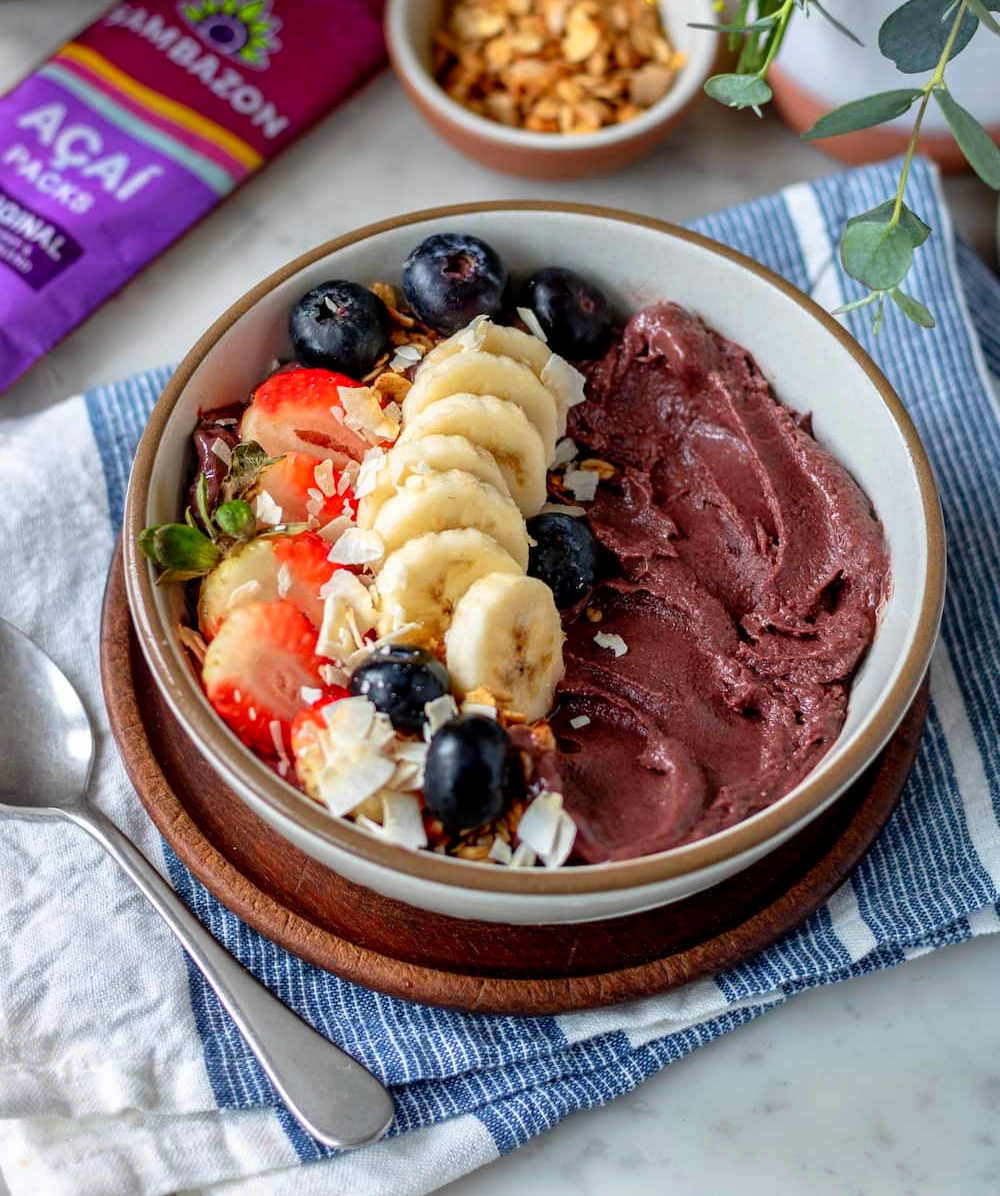
Dubai’s coffee and hospitality scene is embracing the açaí trend, and SAMBAZON is leading the charge. As pioneers of certified organic açaí, the brand is helping cafés, restaurants, and wellness-focused operators elevate their menus while staying committed to sustainability and Fair Trade principles.

On the sidelines of World of Coffee Dubai 2026, Mr. Valter Vale, Director of Marketing – International at SAMBAZON, shared his insights on the brand’s expansion in the Middle East and its vision for the coming years.

“Dubai’s coffee and hospitality community is highly sophisticated and values quality, provenance, and transparency,” Vale told Qahwa World. “Being certified organic and Fair Trade immediately resonates with operators who want to offer something premium and credible. Many partners see SAMBAZON not just as an ingredient, but as a brand that elevates their menu and aligns with the region’s growing focus on wellness and sustainability.”

SAMBAZON’s signature “palm of the tree to the palm of your hand” approach emphasizes long-term partnerships with thousands of small family farmers in the Amazon, ensuring full traceability while reinvesting in the communities that produce the fruit. Vale emphasized that growing demand in the Middle East will never compromise the company’s Fair Trade commitments.

The brand’s presence at World of Coffee Dubai 2026 has opened new conversations around franchising and licensing Açaí Bowl concepts in the region. “We are actively engaged in discussions around franchising SAMBAZON bowl shops in the Middle East,” Vale explained. “While we see long-term potential in non-traditional locations such as airports and universities, our focus is on building the brand thoughtfully and sustainably, anchored by high-quality, permanent stores.”

Beyond business growth, SAMBAZON continues to maintain a strong social mission. Its Fair Trade certification has funded schools, healthcare centers, and community initiatives in the Amazon. Vale noted that as the brand grows in the Middle East, similar local initiatives may be explored, particularly around community wellness and sustainability, with an emphasis on authenticity and collaboration.

Looking ahead, SAMBAZON aims to establish itself as the most trusted açaí and functional superfruit brand in the Middle East over the next five years. Vale outlined the vision: “We want to grow across retail and food service with the right partners, build strong brand equity, and become part of everyday wellness culture in the region, all while staying true to our mission of protecting the Amazon and supporting the communities that make our products possible.”

Founded in 2000, SAMBAZON®—an acronym for Sustainable Management of the Brazilian Amazon—was the first company to introduce certified açaí to the world. The brand supplies organic and Fair Trade-certified açaí products, including smoothie packs and ready-to-eat Açaí Bowls, pioneering transparency from “palm of the tree to the palm of your hand.” Its Fair Trade initiatives have positively impacted thousands of local growers, donating over $1 million to build or renovate schools, healthcare centers, and community facilities.

For more on SAMBAZON in the Middle East, visit sambazon.ae.

Nutritionist: Genes Determine How Coffee Affects the Body

Dubai – Qahwa World

Coffee has become an essential part of the morning routine for millions of people around the world, yet its effects on the body are not the same for everyone. According to nutritionist and specialist in natural health methods Janna Tikhanycheva, the way coffee influences the body depends largely on genetic factors, lifestyle, and consumption levels.

The expert explained that the body’s ability to absorb and process caffeine is linked to a gene known as CYP1A2. Some people carry versions of this gene that slow down caffeine metabolism, making them more sensitive to its effects. As a result, even a single cup can cause anxiety, insomnia, or an increased heart rate. For these individuals, Tikhanycheva recommends consuming coffee in moderation and remembering that caffeine is also present in tea, chocolate, and certain medications.

Coffee beans contain hundreds of compounds some beneficial, such as antioxidants, and others that may negatively impact the body. Moderate coffee consumption has been associated with a lower risk of neurodegenerative diseases and depression, as well as improved insulin sensitivity, which can help reduce the likelihood of developing type 2 diabetes.

However, excessive intake can have the opposite effect. Caffeine blocks adenosine receptors in the brain, disrupting sleep quality, particularly when consumed in the afternoon or evening. It also stimulates the release of cortisol, the stress hormone, which over time can lead to fatigue and weakened adrenal function.

Tikhanycheva cautioned against drinking coffee on an empty stomach, as it can irritate the stomach lining and cause heartburn. She also noted that certain compounds in coffee reduce the absorption of iron, calcium, and magnesium.

“It’s important to remember that caffeine is not found only in coffee but also in black and green tea, cocoa, chocolate, and some medicines,” she emphasized, adding that monitoring total daily caffeine intake is essential.

Doctors have previously warned that coffee may be harmful to children and adolescents, as it can trigger anxiety attacks, suppress appetite, and cause stomach discomfort such as pain or acid reflux. Regular consumption may also increase the frequency of urination.

7 Scientifically Proven Tips to Make Your Daily Coffee Healthier

Dubai – Qahwa World

For millions, coffee is more than just a morning ritual—it’s the spark that starts the day. Yet few realize that the way coffee is brewed, sweetened, or even timed can make a big difference to one’s overall health. Drawing on scientific research and expert insights, here are seven proven ways to enjoy your coffee while maximizing its benefits and minimizing its drawbacks.

1. Keep the Sugar Minimal

Adding too much sugar can undermine coffee’s natural health advantages. Research suggests that limiting sweeteners to one small teaspoon per cup helps retain the drink’s antioxidant and heart-friendly effects.

2. Skip Artificial Sweeteners

While marketed as low-calorie options, artificial sweeteners may interfere with the body’s natural metabolism and gut health. Studies indicate they could reduce coffee’s beneficial impact on longevity and overall wellness.

3. Choose Natural Additions

Most commercial creamers are packed with vegetable oils and added sugars, which can raise cholesterol and contribute to weight gain. A healthier alternative? Use milk in moderation or add spices like cinnamon or cocoa powder for flavor without the extra calories.

4. Filter Your Coffee

Coffee brewed through a paper filter is generally healthier than unfiltered methods like the French press. Paper traps compounds known as diterpenes, which have been linked to increased cholesterol levels when consumed in excess.

5. Don’t Dismiss Instant or Decaf

Whether it’s ground, instant, or decaffeinated, coffee can still provide similar antioxidant and anti-inflammatory benefits. The process used to produce instant coffee typically preserves most of the natural compounds that make coffee good for you.

6. Drink It Earlier in the Day

Caffeine affects the body’s internal clock. Studies show that drinking coffee before noon helps avoid sleep disruption and reduces inflammation associated with circadian rhythm disturbances. Late-night cups, by contrast, can suppress melatonin and affect sleep quality.

7. Let Coffee Work with Your Digestive System

Coffee naturally stimulates the digestive tract—a reaction known as the gastrocolic reflex. That’s why many people feel the urge to visit the restroom shortly after drinking it. Far from being harmful, this effect is part of a healthy digestive process.

Moderation, timing, and small adjustments can make your daily brew a powerful ally for well-being. By rethinking what you add to your cup—and when you drink it—coffee can remain both a pleasure and a healthy habit.

Disclaimer:

This article is intended for general information purposes only and should not replace medical advice. Always consult a qualified healthcare provider regarding personal health concerns.

Dr. Amani Adam: Coffee Can Be a Remedy—If We Understand It Well

Dubai – Ali Alzakary

In a world where health meets passion and science blends with the senses, Dr. Amani Adam chose an unconventional path — from pharmacy to coffee. She didn’t just drink it; she studied it like a medicine, uncovering its complex chemistry and its effects on mood and body.

Her journey began with a simple question: Why does coffee sometimes make me feel good and other times uneasy? From that question emerged a passion for understanding coffee scientifically, transforming it from a daily beverage into a tool for enhancing mental and physical well-being.

In this exclusive interview with Qahwa World, Dr Amani shares how she brings together science and art in every cup—redefining coffee not as a quick stimulant, but as a balanced and mindful lifestyle.

Join us as we explore how every sip can become a step toward wellness.

You began your career as a pharmacist, then turned toward coffee as a means of promoting health. What led to this bold shift, and how did your medical background influence your passion for understanding coffee’s effects?

The transformation began when I realised that although coffee was my favourite drink, it sometimes affected my health and mood. Instead of giving it up, I decided to explore why through a scientific lens rooted in my pharmacy background. That led me to view coffee entirely differently, as a complex chemical compound that can be understood and optimised. That’s where my passion for linking coffee and health was born.

You faced a major challenge when people told you that you were “too old” to start over at thirty. What helped you turn that doubt into motivation, and how did your MBA shape your vision of new opportunities?

Honestly, that statement was a turning point in my life. Instead of discouraging me, it made me more determined to change. I decided to pursue an MBA because I wanted to combine science with leadership and strategic vision. The degree helped me see opportunities differently and understand how to turn passion into a tangible project with real impact.

Your story is truly inspiring for those thinking about changing their career path. What advice would you give someone hesitant to reinvent themselves, based on your experience?

Don’t wait for the perfect moment — it never comes. Change is always difficult at first, but persistence makes it possible. When I started, very few encouraged me; most thought it was too hard or that no one cared about coffee. But my background in market analysis helped me see the future of coffee in the Middle East as one of the fastest-growing sectors. My goal was to contribute to spreading knowledge in this field. The key is to start small, keep learning, and keep moving. Every challenge is a new opportunity for growth, and the most important thing is to believe in yourself even when others doubt you.

You describe your approach as “enhancing health and mood in every sip.” How do you define functional coffee, and what makes it more than just a stimulating drink?

Functional coffee, for me, is coffee that doesn’t just give us energy but also supports our physical and mental health. It’s coffee prepared with care — from the choice of beans to the brewing method — and enriched with natural elements that boost its nutritional value. Why not make a daily drink a source of wellness? It’s a balance between flavor and function — a lifestyle, not just a beverage.

Many people see coffee merely as a quick energy boost. How do you work through your content to change this perception and present coffee as a tool for daily well-being?

I try to present coffee from a simple, scientific, and engaging perspective. I explain how it can improve mood, focus, and general well-being when consumed mindfully. I share practical tips such as the best time to drink coffee or which type suits different lifestyles and health conditions. I receive many questions about chronic issues like diabetes, hypertension, or digestive problems, and I tailor recommendations to each person’s needs—with great positive feedback.

What are the most common misconceptions about coffee and health that you encounter, and how do you help people make more informed choices?

One of the most common misconceptions is that coffee “harms your health” or “causes dehydration”. The truth depends on the quantity, quality, and preparation method. I always emphasise that coffee can be very beneficial if understood and consumed properly.

You hold two certifications in coffee evaluation. How have they influenced you and placed you at the intersection of science and art in the coffee world?

These certifications completely changed my perspective on coffee. I learnt that evaluation is not only about taste but also about understanding chemical composition, aroma, and flavor. I found myself at the intersection of science and art — where scientific knowledge becomes a sensory experience.

How have these certifications helped you connect flavours with health benefits, such as choosing beans that enhance mood?

They’ve allowed me to identify coffee beans rich in compounds that boost energy or improve mood, such as certain Arabica varieties with high antioxidant levels. I now see coffee as a way to improve mental well-being, not just as a stimulant.

You’re currently pursuing your Q Grader certification. What have you learnd about the relationship between coffee quality (flavour and aroma) and mental health?

I’ve learned that good coffee is not just about refined flavor; it’s a complete experience that starts with aroma and ends with how it makes you feel. High-quality aromas and flavors truly affect the nervous system and mood positively. Many people avoid coffee because they associate it with bitterness — simply because they haven’t discovered the varieties and brewing methods that suit them best.

You launched a digital platform focused on healthy coffee content. What inspired this step, and how do you choose the topics you share with your audience?

I started the platform to share the knowledge I wished I had when I first began. I choose topics based on people’s actual needs — caffeine balance, pre-workout coffee, or its relation to sleep and mood — and I always try to make the information accessible and engaging. I constantly follow the latest research and coffee market trends to translate them into simple, practical insights for my audience.

How do you balance scientific accuracy with simplicity and engagement on social media?

I rely on simplifying information without compromising accuracy. I use a friendly tone, add humor or personal stories, and make science part of everyday life rather than a dry subject.

How do you see the future of functional coffee in the Gulf region, and what global trends in this field excite you the most?

I see a very promising future for functional coffee in the Gulf, especially with the growing awareness of healthy lifestyles. The global trend that excites me most is blending coffee with natural supplements such as probiotics or herbs that enhance energy and mood. I believe the future belongs to coffee that nourishes both body and mind.
Matcha Gains Momentum as Hospitality Embraces Ritual and Wellness

Dubai, August 27, 2025 (Qahwa World) – Matcha is fast emerging as one of the most influential beverages in the global hospitality industry. Once rooted in the centuries-old tea traditions of Japan, it has now been adopted worldwide as a drink that symbolizes wellness, sustainability, and cultural sophistication. For hotels, cafés, and specialty bars, it is no longer just an alternative to coffee, but a statement of values that align with modern consumer expectations.

In recent years, the pace of change in beverage menus has accelerated. Consumers are increasingly seeking options that provide not only refreshment but also meaning. Matcha, with its history and ritualized preparation, has stepped into that space. It is being served not only in traditional bowls but also as lattes, iced beverages, and innovative cocktails, offering versatility that fits seamlessly into contemporary hospitality.

“Matcha speaks to a deeper need, the desire to slow down and reconnect, even in the midst of a busy day,” said Fabiola Ruggiero, Founder of Cose di Tè. “Its preparation is a quiet ritual. Its flavor is bold, complex, vegetal. It engages the senses — and invites a moment of presence.”

Unlike conventional teas, which are steeped and discarded, matcha is consumed in its entirety. Finely ground from shade-grown leaves, it is rich in antioxidants, amino acids, and slow-release caffeine. This makes it especially appealing to younger generations and professionals seeking calm focus and sustained energy without the spikes often associated with coffee. Nutrition experts also point to its role in supporting wellness trends that emphasize balance and mindfulness.

Ruggiero underlined that matcha is more than a healthy beverage. “It’s rare to find a product that unites health benefits, aesthetic appeal, and storytelling potential. Matcha does all three. That is why it resonates so deeply with today’s guest.”

The storytelling element is particularly relevant for the hospitality sector. By presenting matcha as part of an intentional ritual — where preparation tools are visible, tasting notes are offered, and pairings such as mochi or shortbread are served — operators can elevate the guest experience. Small details, such as presenting matcha with a focus on authenticity and care, are increasingly being recognized as defining aspects of modern luxury.

For venues, the commercial logic is clear. Matcha introduces new revenue streams during off-peak hours, appeals to customers seeking non-coffee options, and positions businesses as forward-thinking. The drink’s vibrant green color and striking presentation also add visual impact in an era where social media presence influences customer decisions. “Matcha is where ancient tradition meets future-conscious living,” Ruggiero said. “It is an invitation to pause, to reconnect, to choose differently.”

Technology is also playing a role in ensuring consistency and quality in matcha-based beverages. The Eagle One machine by Victoria Arduino has been engineered with Steam-by-Wire technology to guarantee precise temperature stability, energy efficiency, and responsive steam control. For baristas, this ensures that milk-based matcha drinks achieve the silky microfoam and balance that complement, rather than overpower, the delicate tea. Such precision has become increasingly important as venues adapt to growing demand for plant-based alternatives such as oat or almond milk.

The integration of matcha into menus reflects a broader shift in hospitality, where tradition and innovation work hand in hand. On one side, the centuries-old ritual of whisking green tea powder into water continues to carry cultural significance. On the other, modern design, technology, and hospitality concepts are helping to reintroduce matcha to new audiences in ways that feel relevant and accessible.

As the global beverage industry adapts to rapid change, matcha has moved far beyond being a temporary trend. Its combination of heritage, health benefits, versatility, and cultural narrative places it firmly at the intersection of wellness and hospitality innovation. For operators seeking to meet evolving consumer expectations, it represents not just another option on the menu, but a strategic choice that signals purpose and progress.

A nutrition expert recommends the best coffee sweeteners for a healthy and distinctive coffee experience

By Samantha Cassetty, RD

In moderation, there is room for coffee creamer in a healthy diet. Here are the 8 healthiest brands to reach for.

Coffee itself is a healthy beverage, but what you add to it might change that. And these days, there are more coffee creamers than ever before. Do you want sweetened or unsweetened? Flavored or plain? Dairy creamer or a plant-based alternative? With all these options, choosing the healthiest coffee creamer can be a difficult task. As a registered dietitian, I dissected dozens of coffee creamer labels to find the healthiest coffee creamers to add to your morning brew.

Is coffee creamer healthy?

In reality, most coffee creamers are heavily processed foods, and diets high in ultra-processed foods are associated with numerous health problems. Coffee creamers may also contain some mix of saturated fats and added sugars. Too much of either is also associated with health issues, so it’s helpful to limit these substances and choose coffee creamers with less added sugar and/or saturated fat.

While coffee creamers can fit within a healthy diet, keep in mind that the information on a food label is tied to a certain serving amount. For coffee creamers, that’s typically a tablespoon. If you stir more into your coffee, you could be getting unhealthy amounts of added sugar, saturated fat and other ingredients in your creamer. This is particularly true if you’re drinking several cups of coffee per day.

Coffee creamer ingredients

The ingredients in coffee creamers depend on which type of creamer you’re choosing. Dairy-based cream is the most natural coffee creamer, with nothing but real milk and cream. Dairy-based flavored creamers may contain milk, cream (or derivatives of them), oils, flavors, sweeteners (whether artificial or natural), preservatives, thickening agents and emulsifiers. Plant-based creamers contain some mix of a plant-based milk (such as almond, oat, or coconut milk or cream), gums to thicken and mimic dairy’s creamy texture, emulsifiers, flavors and sweeteners. Coffee creamer powders may contain dehydrated milk, plant-based milk or a derivative of these ingredients. They may also contain sugars, oils, flavors, sweeteners and other additives.

How to choose the healthiest coffee creamer

When shopping for coffee creamers, consider the saturated fat and added sugars and scan the ingredients for additives. Here are some guidelines used to create the list of healthiest coffee creamers:

  • No more than 2 grams of saturated fat.
  • No more than 4 grams added sugar (the amount in one teaspoon).
  • No carrageenan (a thickening agent that may be particularly harmful).
  • No artificial sweeteners.

No. 1 healthiest coffee creamer

Organic Valley Grassmilk Organic Half and Half

This creamer contains nothing but organic milk and cream from grass-fed cows. While other creamers may have various additives, this one has no added sugar, flavors, thickeners or emulsifiers. Plus, grass-fed milk contains more omega-3 fatty acids than conventional milk, making this a better choice than ordinary half and half.

Worth noting: Half and half has a fair amount of saturated fat, with 2 grams per 2-tablespoon serving. This can certainly fit within a nutritious and balanced diet, but if you use more than the suggested amount (in all the coffee you drink daily) or eat a diet that contains a lot of red meat and other full-fat dairy foods, you may be consuming an unhealthy amount of saturated fat.

Healthiest coffee creamers

  1. Organic Lavender Almond Creamer
  2. Natural Bliss Sweet Cream Flavored Coffee Creamer
  3. Elmhurst Pistachio Creme Oat Creamer
  4. Nutpods Almond and Coconut Creamer
  5. Laird Superfood Tumeric Coffee Creamer
  6. Oatly Sweet & Creamy Oatmilk Creamer
  7. Silk Sweet Oat Latte Oat Creamer

Is coffee creamer powder healthy?

Traditional powdered coffee creamer is a blend of unhealthy ingredients, including corn syrup solids and hydrogenated vegetable oils. If you’re stuck somewhere, like a plane or hotel room, and it’s the only thing you can get your hands on, I wouldn’t worry about it, but I wouldn’t make it a daily habit. Several newer coffee creamers on the market are made with powder derived from coconut milk or cream. These tend to have fewer unhealthy ingredients, but because of their coconut origins, they can contain more than our cap of 2 grams of saturated fat per serving. I found several products that had natural ingredient lists and a reasonable amount of added sugar, but contained more than our upper target for saturated fat, so they were excluded for this reason.

Is non-dairy coffee creamer better for you?

Unfortunately, there isn’t a straightforward answer to this question. Non-dairy creamers may have less saturated fat than traditional half-and-half, but they also tend to have more added sugar and other food additives.

Healthy coffee creamer alternatives

In reality, it’s healthiest to lighten your coffee with low- or reduced-fat milk or unsweetened plant-based milk made with no or few additives. These options avoid or limit unwanted substances, like additives, added sugar and saturated fat. If you love flavored creamers, try adding a sprinkle of cinnamon, unsweetened cocoa or cacao powder or pumpkin pie spice. You can also add a splash of vanilla extract. These additions will trick your tastebuds into thinking you’re having something sweet without adding any sweeteners.

Healthy homemade coffee creamer

If you want to make coffee creamer at home, try this simple idea: Blend ¼ cup hemp seeds, ¼ cup milk, a splash of vanilla extract, and some cinnamon together in a blender. This recipe makes four servings. You can store it in the fridge for up to five days. The mixture may thicken when stored, but you can thin it with some warm water to your desired consistency before stirring it into coffee. Hemp seeds are rich in healthful fats, including the plant-based omega-3 ALA. You can also feel good about the fact that it contains no added sugar and no saturated fat.

Takeaways

There are a lot of coffee creamers on the market and some are healthier than others. In general, it’s healthiest to limit saturated fat and added sugars — substances that may be high in creamers. It’s also a good idea to limit food additives, which are present in heavily processed foods, like plant-based coffee creamers. That’s why the healthiest way to lighten your coffee is plain, low- or reduced-fat milk or unsweetened plant-based milk with the fewest additives. However, if these options don’t provide the creaminess you’re looking for, our list of healthiest creamers is a great guide.