Why There Are Fewer Places to Sit Down for Coffee in Moscow

Moscow – Qahwa World

Over the past year, Moscow’s coffee market has undergone a noticeable shift. Grab-and-go coffee outlets continue to expand, while traditional cafés with seating areas are gradually losing ground.

From January 2025 to January 2026, the number of coffee-to-go locations in the city grew by about 5%, rising from roughly 3,900 to 4,100 outlets. These formats typically include small kiosks or compact spaces with little or no seating.

At the same time, the number of classic cafés declined much more sharply. Over the same period, their total fell by 12%, from around 2,900 to 2,500. Earlier reports also pointed to closures by major chains: in 2025, one of Moscow’s largest café operators shut down more than 10% of its locations.

Similar trends are visible outside the capital. In other Russian cities with populations over one million, the number of coffee-to-go outlets increased by an average of 3.5% year on year, while the number of traditional cafés dropped by about 13%.

The highest concentration of cafés and grab-and-go coffee points remains in central districts. Presnensky, Tverskoy and Basmanny lead the way. As of January 2026, Tverskoy district had about 120 cafés and 188 coffee-to-go outlets; Presnensky counted 126 cafés and 183 to-go points; Basmanny had 114 cafés and 159 grab-and-go locations.

The rise of coffee to go comes amid higher prices in traditional cafés. In January 2026, the average bill in Moscow cafés reached 501 rubles. The most expensive coffee is found in Vnukovo and the Obruchevsky district, where a cup can cost more than 800 rubles. The lowest prices are typically seen in residential areas such as Pechatniki, Bibirevo, Vostochnoye Degunino, Altufyevsky district and Veshnyaki.

Market experts note that while the number of cafés had been growing steadily in previous years, consumer demand has recently started to weaken. Rising prices have made it harder for cafés to attract new customers. Higher costs are driven by several factors, including more expensive coffee beans and milk, rising wages, increasing rent, and higher electricity costs.

At the same time, competition from retailers is intensifying. Automated coffee machines in grocery stores are gaining popularity. During the first nine months of 2025, sales of ready-to-drink coffee in retail chains surged both in volume and in value, adding further pressure on traditional café formats.

If you’d like, I can also optimize this version for SEO, adapt it for an international media outlet, or shorten it into a brief news piece.

From Milan to Dubai: World Champion Shares His Expertise in Competition Coffee

Dubai – Qahwa World

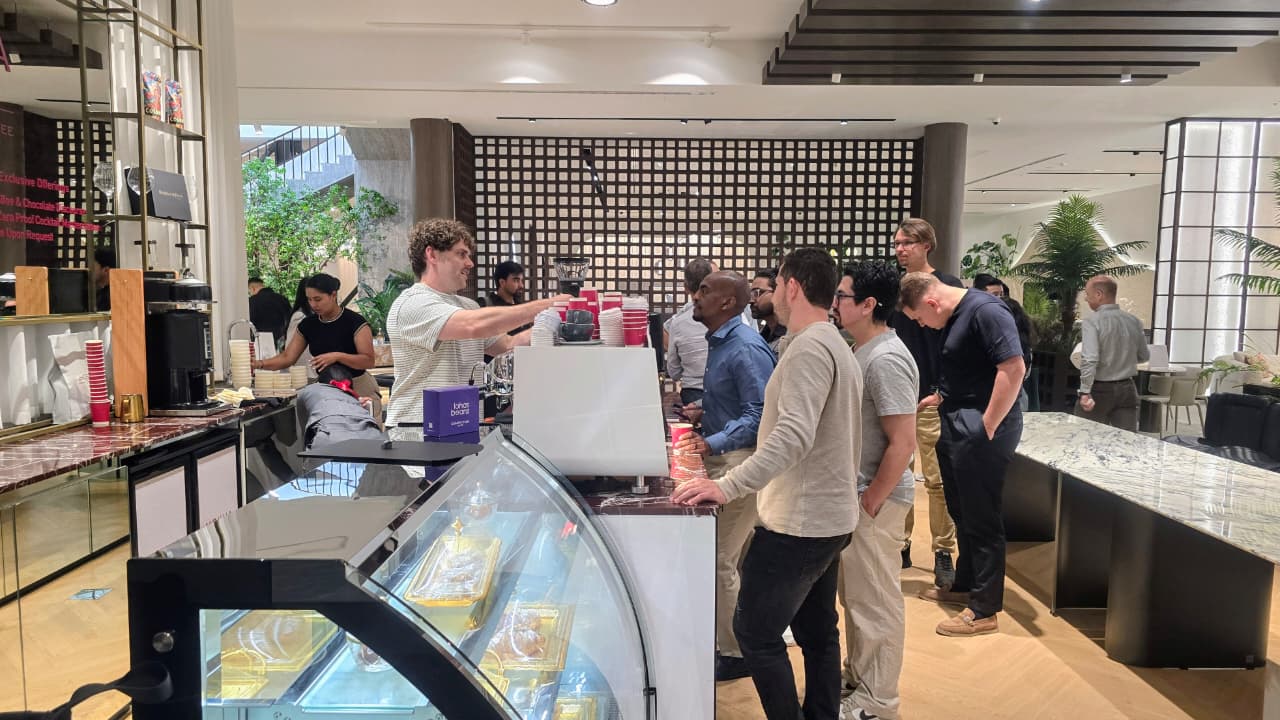
Dubai’s specialty coffee scene witnessed a remarkable moment with an exclusive event titled “What’s Behind a Competition Coffee”, organized by Mokha 1450 Luxury Specialty Coffee in collaboration with Lohas Beans. The event offered an in-depth exploration of the technical and strategic decisions behind competition-grade coffee, bringing together world-class expertise and local enthusiasts.

The highlight of the evening was the presence of Jack Simpson, 2025 World Barista Champion, freshly crowned in Milan, whose appearance drew significant attention from leading baristas, coffee professionals, and aficionados across the region. Simpson was joined by esteemed experts Jhonatan Gasca and Juan Pablo Campos, forming a distinguished panel that guided participants through the subtle complexities of producing world-class competition coffees.

Moving beyond traditional cupping sessions, the event delved into the nuances that make championship coffees exceptional, covering everything from farm-level selection and processing methods to roasting profiles, brewing techniques, and presentation strategies. Attendees had the rare opportunity to taste exclusive limited Papayo lots, demonstrating Mokha 1450’s commitment to quality and innovation.

The program featured three key components: a guided tasting session, a live demonstration of espresso and milk-based beverages by Jack Simpson, and an interactive Q&A session with the panelists, creating a platform for knowledge exchange and dialogue between global champions and the local coffee community.

This event is part of the activities accompanying World of Coffee Dubai 2026, taking place from January 18 to 20, highlighting Dubai’s growing role as a hub for specialty coffee. Under the leadership of Mr. Garfield Kerr, Mokha 1450 continues to advance coffee culture in the UAE by leveraging every opportunity to keep the community informed of the latest developments, while fostering connections between champions, coffee makers, and enthusiasts.

Through initiatives like “What’s Behind a Competition Coffee,” Mokha 1450 strengthens the bridge between global expertise and the local coffee scene, reaffirming its commitment to education, cultural exchange, and the pursuit of excellence in specialty coffee.

Coffee Processing Methods in the Americas

Dubai – Qahwa World

Understanding how coffee is processed at origin is essential for buyers, roasters, and importers. While traditional classifications—washed, natural, and honey—still dominate the conversation, the reality is far more nuanced. From mechanized harvesting in Brazil to cooperative-led processing in Peru, each producing country has developed its own post-harvest practices.

This guide breaks down the dominant coffee processing methods across key producing countries in the Americas, drawing on insights from our producer network.

Coffee processing directly affects flavor profile, cup quality, shelf life, pricing, sustainability, and water usage. For green coffee buyers, understanding origin-specific practices is crucial for sourcing the right profiles, managing risk, and building transparent supply chains.

  • Brazil: Mechanized Natural Processing at Scale

Brazil leads the world in natural coffee processing due to its scale and mechanization. Harvesting is largely mechanized, using either large machines that shake entire trees or pole-mounted vibrating devices that target individual branches—sometimes still referred to as manual despite their mechanical nature.

A notable feature is the use of “floaters,” cherries that have partially or fully dried on the tree. These often contribute to desirable cup profiles rather than reflecting poor maturation.

After harvest, coffee is initially dried on patios. Once moisture falls below ~20%, mechanical dryers complete the process efficiently. Dry milling is often done on-farm, with a final cleaning stage handled by exporters. Green coffee is typically rested in wooden silos before shipment.

Dominant Process: Natural (60–70%)
Harvesting: Mechanized (machines or vibrating poles)
Drying: Patios + mechanical dryers
Post-Harvest: Dry milling on-farm; beans rested in wooden silos

  • Colombia: Washed Coffee with Infrastructure Support

Over 95% of Colombian coffee is processed using the washed method, despite a reputation for experimental naturals. Cherries are handpicked selectively, often requiring multiple passes. After pulping, beans are fermented in tanks and dried on patios, raised beds, or mechanical dryers.

Centralized collection centers help maintain quality, receiving coffee in wet, semi-wet, or dried states, each priced accordingly. When drying space is limited, submerging parchment in water preserves quality. These systems, guided by the Colombian Coffee Growers Federation (FNC), ensure consistent, high-quality washed coffees.

Dominant Process: Washed
Harvesting: Manual, selective picking
Drying: Patios, raised beds, vertical dryers (guardiolas)

  • Costa Rica: Washed with Innovation

Approximately 94% of Costa Rican coffee is washed. Cherries are manually picked and delivered to roadside collection points, where wet and dry processing occurs.

Many cooperatives use centrifugal demucilagers, reducing water usage and fermentation defects. Drying occurs on patios, raised beds, or mechanical dryers. Costa Rica also experiments with eco-efficient honey processes (white, yellow, red, and black).

Dominant Process: Washed
Innovation: Centrifugal demucilagers reduce water use
Drying: Patios, raised beds, mechanical dryers
Collection: Cherries delivered to collection centers

  • El Salvador: Traditional Washed with Growing Diversity

Washed processing accounts for ~80% of production, with cherries pulped, fermented, and dried on patios or guardiolas. Natural and honey methods each represent ~10%, catering to specialty buyers seeking unique profiles.

Dominant Process: Washed
Drying: Patios and increasing use of guardiolas
Other Methods: 10% natural, 10% honey

  • Guatemala: High-Altitude Washed Coffees

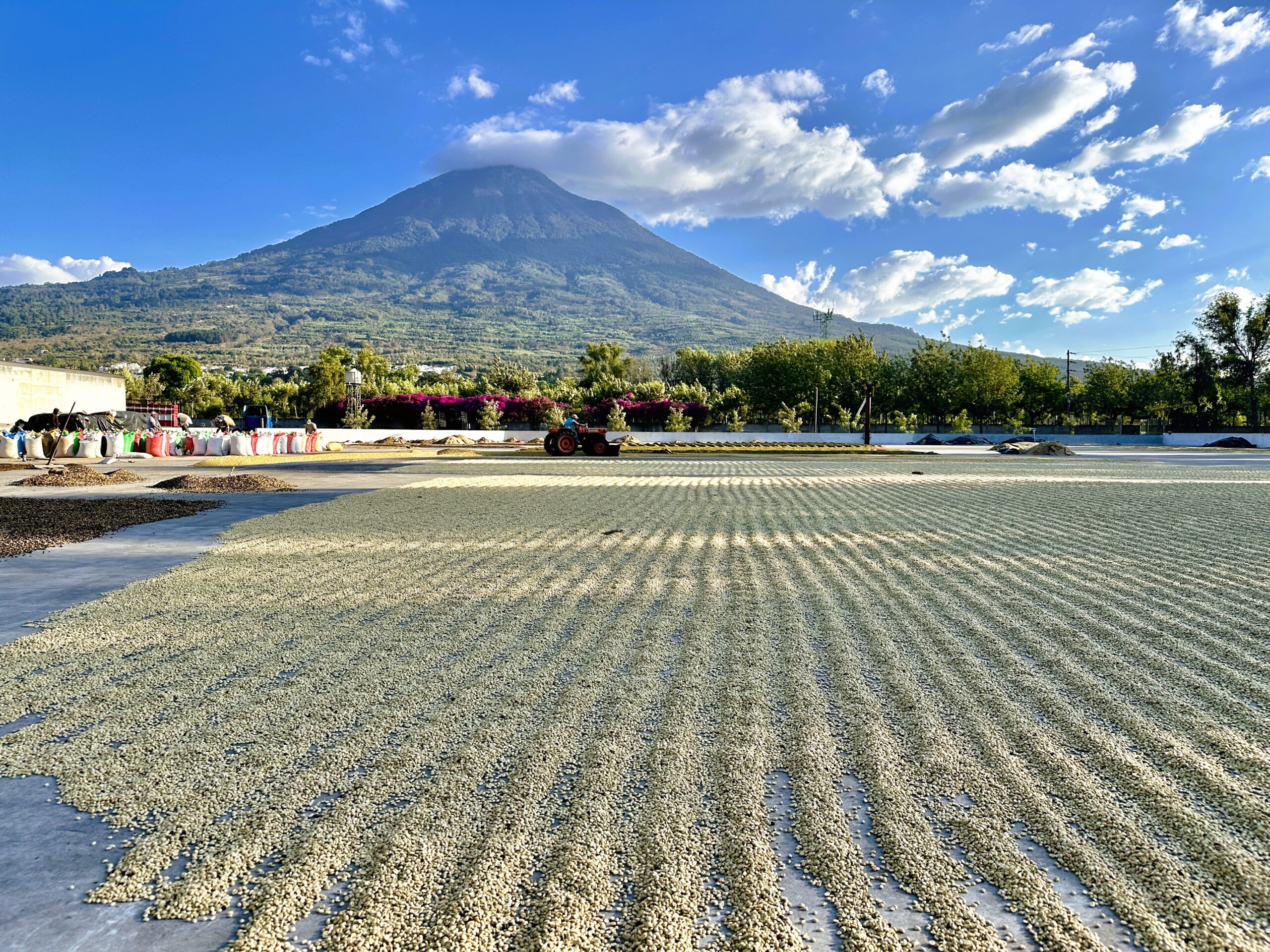
Guatemala primarily produces washed coffee (85–99%). Cherries are pulped, fermented, and dried on patios or rooftops to maximize sun exposure. Honey and natural processes are growing among specialty producers. Mechanical drying is increasingly used in regions with unpredictable weather.

Dominant Process: Washed
Drying: Patios, rooftops
Other Methods: 5–15% honey, 0.5–5% natural

  • Honduras: Cooperative-Driven Washed Production

Honduras favors washed processing, with most coffee handled on-farm and parchment delivered to cooperatives. Some mills experiment with cherry color sorting and centralized reception, but traditional methods prevail. Cooperatives play a key role in quality and market access for smallholders.

Dominant Process: Washed
Processing: On-farm; parchment sent to cooperatives
Innovation: Emerging cherry color sorting
Other Methods: 3% natural, 10–15% honey

  • Mexico: Washed Simplicity

Mexico relies on washed processing, with manual harvesting and patio drying. Practices vary by region, and isolated approaches could benefit from collaborative methods. Increasing Canephora cultivation may impact processing norms.

Dominant Process: Washed
Processing: Mostly on-farm, inherited practices
Drying: Patios

  • Nicaragua: Washed

Washed processing dominates (~97%), with cherries processed on-farm and parchment delivered to central mills. Water channels are used for density sorting, cleaning, and transport. Drying occurs on patios, raised beds, or guardiolas. Honey and natural processes exist but are marginal.

Dominant Process: Washed
Drying: Patios, raised beds, guardiolas
Operations: Water channels for cleaning and sorting

  • Peru: Cooperative-Led Washed Processing

Peru is overwhelmingly washed, with tank fermentation and sun-drying. Drying occurs on patios, lofts, raised beds, or parabolic dryers at cooperative stations. Natural and honey methods are rare but emerging.

Dominant Process: Washed
Fermentation: Tank-based
Drying: Patios, lofts, raised beds, parabolic dryers

  • Key Takeaways for Coffee Buyers
  • Washed processing dominates Latin America; Brazil is the main exception with natural processing.

  • Infrastructure and cooperatives play a crucial role in maintaining quality and consistency.

  • Innovation is rising, particularly in Costa Rica and Colombia, with eco-friendly and hybrid methods.

  • Understanding local practices is key for sourcing, pricing, and building traceable supply chains.

Invisible Microbes: Shaping Coffee, Soil & Health

By: Dr. Steffen Schwarz

We are instinctively drawn to what we can see. A ripening coffee cherry that blushes from green to red. A glossy crema that signals freshness. A rust lesion that alarms us because it is visible proof that something is wrong. Yet the most decisive actors in coffee, in agriculture, and even in our own bodies are neither red nor glossy nor easily photographed. They are everywhere and they are mostly invisible.

Microbes are not a footnote to life; they are the operating system. They are the chemistry department, the security service, the recycling authority and, when conditions allow, the saboteurs. The paradox is that the more fundamental their role, the less our minds register their presence. We do not wake up grateful for the bacteria that helped us digest last night’s meal, or for the fungi that keep pathogens in check, or for the unseen communities in soil that decide whether coffee roots can afford to grow deep, to flower, to carry fruit, and to fill seed cells with the precursors that later become aroma.

We notice microbes when they frighten us: infections, mould, spoilage, toxins, off-notes. But the story of microbes is not primarily a story of threat. It is a story of protection and possibility, and coffee is one of the most compelling stages on which this story plays out.

Consider, for a moment, the human body as a coffee farm. It has roots (our gut lining), pathways (blood vessels), a protective canopy (skin and mucosal surfaces), and a constant flow of nutrients. Now imagine trying to run that farm as a sterile monoculture. You would quickly discover that sterility is not the same as health.

On our skin and in our digestive tract, lactic acid bacteria help create a low-pH, competitive environment that makes it difficult for many unwanted organisms to establish themselves. They are, in a very literal sense, an invisible inner and outer shield. Their protective effect does not come from heroism, but from metabolism: they consume available nutrients, occupy space, produce organic acids and other inhibitory compounds, and communicate with our immune system in ways that shape how aggressively we respond to real danger.

In the same way, the coffee plant is not a solitary organism standing against the world. It is a holobiont: a living consortium in which the plant’s physiology and the microbiome’s chemistry co-produce resilience. When that consortium is diverse and well-fed, the plant often behaves as if it has more options. When it is impoverished, the plant behaves as if it is constantly paying interest on ecological debt.

This is why the discovery of antibiotics was not merely a triumph of medicine; it was an insight into microbial ecology. Penicillin did not arrive as an alien weapon—it was a fungal strategy in a microscopic war over resources. Microbes have been inventing chemical solutions to competition for billions of years, and we have merely learned to borrow some of them.

In coffee production, a similar borrowing is underway, sometimes consciously and often accidentally. We borrow microbial enzymes to break down mucilage, microbial acids to steer fermentation, microbial antagonism to suppress plant disease, and microbial symbioses to mobilise nutrients that would otherwise remain locked in soil minerals. The question for coffee decision-makers is no longer whether microbes matter. It is whether we are willing to manage them with the same seriousness with which we manage varieties, shade, irrigation, logistics, and roasting curves.

To understand what microbes do for coffee, it helps to divide their world into two connected theatres: the living plant in its soil, and the harvested fruit in its processing environment.

In the field, microbes occupy the rhizosphere (the narrow, intensely active zone around roots), the surfaces of plant tissues (the episphere), and the interior of the plant (the endosphere). This is not microbiological trivia; it is functional geography. Roots release exudates—sugars, amino acids, organic acids, and signalling molecules—that act like a targeted investment portfolio. The plant spends carbon to recruit allies. In return, certain bacteria and fungi enhance nutrient uptake, produce phytohormones, suppress pathogens, and improve tolerance to stress.

A coffee farm is therefore also a microbial habitat-engineering project, whether the manager intends it or not.

Research across gradients of management intensification shows that soil microbial community composition often shifts more strongly with management category than with geography. Managed plots tend to show lower soil moisture, lower pH, altered nitrogen and phosphorus patterns, and an increasing C:N ratio. More revealing than chemistry alone is biology: the cast of microbial characters changes even when overall diversity appears similar.

This matters because nutrient cycling is a microbial business. Nitrogen fixation, organic matter mineralisation, phosphorus mobilisation, and carbon turnover all depend on microbial metabolism. When soils acidify under long-term management pressure, enzyme activity shifts, carbon processing changes, and nutrient availability becomes less predictable. From the cup’s perspective, these changes influence precursor formation long before fermentation begins. Coffee flavour is not only post-harvest artistry; it is the downstream expression of upstream microbial economics.

Among the most underappreciated allies are arbuscular mycorrhizal fungi, which extend the plant’s effective foraging area through fungal hyphae that transport water and nutrients in exchange for carbon. These living logistics networks are shaped by agricultural practices, with more ecologically managed systems often supporting richer and more resilient mycorrhizal communities.

Similarly, plant growth-promoting rhizobacteria solubilise phosphate, fix nitrogen, produce hormone-like compounds, and contribute to induced systemic resistance. Yet their application remains limited, partly because microbes are context-sensitive. A strain that thrives in a trial may fail in a field whose pH, moisture, and microbial competition do not support it. The inoculant is only as effective as the habitat built for it.

If the field is one theatre, post-harvest processing is the other. Here, microbes finally step into the spotlight. Coffee fermentation is the managed decomposition of fruit material around a seed. Microorganisms degrade mucilage and produce organic acids, alcohols, and other metabolites that influence sensory outcomes.

Lactic acid bacteria deserve special attention. Much like in the human body, their production of lactic acid lowers pH, suppresses undesirable organisms, and shapes microbial succession. Their influence is not merely “acidity,” but chemistry: enzyme activity, compound diffusion, and microbial competition all respond to pH. Under well-managed conditions, lactic acid bacteria can contribute to cleaner fermentations and structured flavour profiles. Under unmanaged conditions, the same invisibility can become a liability, allowing spoilage pathways or safety risks to emerge.

This is why starter cultures matter. A starter culture is a decision to replace uncertainty with intention. But success depends on ecosystem design: temperature, oxygen availability, hygiene, water quality, and cherry integrity all determine whether a culture becomes a conductor or merely another instrument in a loud orchestra.

Fermentation is not a recipe. It is a living system with feedback loops. Microbes are its sensors and actuators.

When we connect both theatres—field and processing—the picture becomes clear. The microbial community on the cherry does not begin in the tank. It begins in the soil. Soil management shapes plant nutrition; plant nutrition shapes fruit chemistry; fruit chemistry shapes fermentation; fermentation shapes roasting behaviour and cup expression. The cup is a microbial narrative written in chapters.

For quality managers, producers, roasters, and buyers, this means one thing: microbial management is a strategic lever. In the field, organic matter inputs, shade systems, erosion control, and pH stewardship select microbial partners. In processing, hygiene is population control, temperature is succession management, and water quality is a selective pressure.

The invisible is not optional. Microbes will always participate. The only question is whether they participate as allies or as uncontrolled variables.

The most advanced coffee operations of the future will not be those chasing novelty, but those translating applied science into repeatable microbial stewardship—quietly, credibly, and precisely. By finally taking the invisible seriously, we may produce coffees that are more expressive, more consistent, and more sustainable—because we stopped trying to manage coffee without managing life’s smallest majority.

6 Foods You Should Avoid Eating With Coffee

Dubai – Qahwa World

Coffee is a staple in many people’s daily routines, but what you pair with your cup can significantly impact your digestion and nutrient absorption. While it might seem harmless to enjoy coffee with any meal or snack, certain foods can interfere with your body’s ability to absorb key nutrients or even cause stomach discomfort. Here’s a breakdown of six foods that experts recommend keeping separate from your coffee.

  • 1. Citrus Fruits

Citrus fruits, such as oranges, lemons, and grapefruits, are highly acidic. Drinking coffee alongside these fruits can exacerbate acid-related digestive issues, potentially leading to bloating, heartburn, or nausea. The combination of coffee’s natural acidity and the sharp tang of citrus may also make the beverage taste bitter and less enjoyable.

  • 2. Red Meat

Red meats like beef, pork, and lamb are rich in heme iron, which is crucial for blood health, hormone production, and immune function. Coffee can inhibit the absorption of this iron, reducing the nutritional benefit of a steak or other red meat dishes. To maximize iron intake, it’s best to enjoy coffee separately from meals centered around red meat.

  • 3. Milk and Dairy

Milk is a primary source of calcium, essential for strong bones, muscle function, and blood clotting. However, combining milk with coffee can reduce how much calcium your body absorbs. Over time, this may contribute to deficiencies or increase the risk of kidney stones. Those who prefer milk in their coffee should ensure they get adequate calcium from other meals or snacks throughout the day.

  • 4. Fried Foods

Fried foods, from french fries to fried chicken, are already linked to higher levels of unhealthy cholesterol. Drinking multiple cups of coffee daily while consuming fried foods may further increase the risk of dyslipidemia, a condition characterized by abnormal blood fat levels. For better heart health, it’s wise to limit fried foods when drinking coffee regularly.

  • 5. Fortified Breakfast Cereals

Many breakfast cereals are fortified with minerals such as zinc, which is important for immune function and overall health. Coffee can interfere with zinc absorption, meaning your morning cereal may not provide its full nutritional benefit if consumed alongside coffee. Separating coffee from fortified cereals is recommended to optimize nutrient uptake.

  • 6. High-Sodium Foods

Coffee contains compounds that can influence blood pressure. While moderate coffee consumption is generally safe, excessive caffeine paired with foods high in sodium can increase the risk of hypertension. It’s important to monitor sodium intake and be mindful of pairing salty meals with your coffee habit.

  • Healthier Pairings With Coffee

Certain foods complement coffee and may even enhance its health benefits:

Bread: Eating whole-grain bread with coffee may help reduce visceral fat.

Nuts: Almonds and other nuts provide healthy fats and a satisfying crunch.

Berries: Fresh berries offer vitamins and antioxidants alongside coffee’s rich flavor.

Oatmeal: Rich in fiber, oatmeal can help regulate blood sugar and support sustained energy.

A balanced approach to meals and coffee can maximize both nutrition and enjoyment. Consulting a registered dietitian can help tailor your coffee habits to your individual dietary needs.

  • Tips for Coffee Consumption

Space coffee intake away from meals rich in iron, calcium, or zinc to avoid reduced absorption.

Limit caffeine to roughly 400 mg per day (about 4–5 cups) to prevent negative side effects.

The ideal time to drink coffee is in the morning or early afternoon to avoid disrupting sleep.

Individuals taking medications should consult their doctor regarding interactions with caffeine.

click here to Read the original story

Peet’s Coffee Opens First Drive-Thru Locations in the UAE

Dubai – Qahwa World

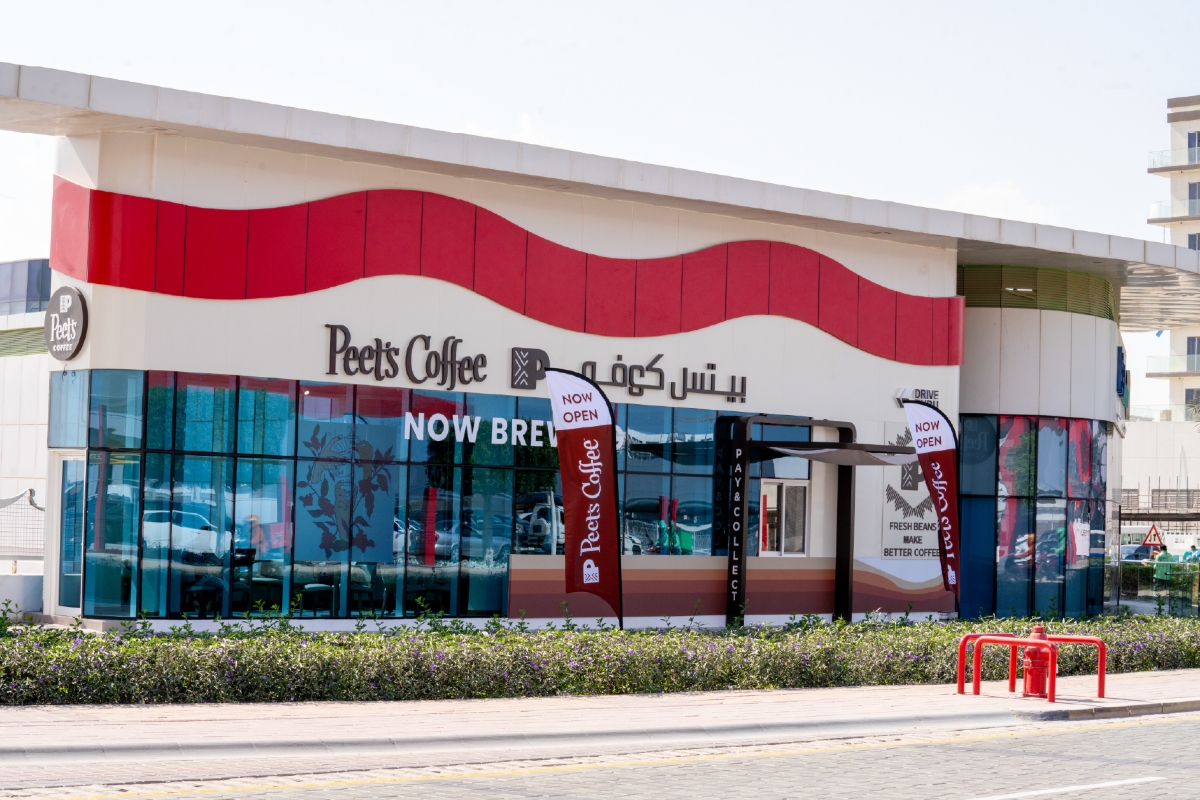
Peet’s Coffee has opened its first Drive-Thru locations in the UAE, marking a new phase in the brand’s local expansion. The two outlets are now operating in Motor City, offering customers an additional service format focused on convenience and accessibility.

The Motor City Drive-Thru operates daily from 5:00 AM to 1:00 AM.its intended to serve customers seeking quick service without leaving their vehicles, including commuters and families.

The introduction of the Drive-Thru format reflects Peet’s Coffee’s response to evolving consumer preferences in the UAE, while continuing to offer its established coffee range and service standards.

The openings follow recent Peet’s Coffee launches at Ajman City Centre on 24 December 2025 and the Burjeel Hospital Kiosk on 31 December 2025. Additional locations are scheduled to open later this month at Maryam Island and Al Furjan, with a further opening planned at Al Mutarid in the first week of February.

Peet’s Coffee has also announced the introduction of new menu items, including matcha-based beverages and updated seasonal offerings, scheduled to launch on 15 January 2026.

With the launch of its first Drive-Thru outlets, Peet’s Coffee continues to expand its presence across the UAE through a variety of store formats designed to meet different customer needs.

  • About Peet’s Coffee

Founded in Berkeley, California, in 1966 by Alfred Peet, Peet’s Coffee is recognized for its role in shaping specialty coffee culture in the United States. The brand operates more than 480 locations across the U.S., China, and the Middle East, in addition to online and grocery channels. Peet’s Coffee works with Enveritas to support responsible coffee sourcing in line with Enveritas standards.

Temperature Doesn’t Increase Extraction It Redesigns the Cup

By: Estella Zuleta Carmona

When I talk about temperature in coffee extraction, I’m not simply referring to “more heat = more extraction.” Temperature is the energy we give to the system, and that energy defines both the extraction rate and which chemical compounds can be released from the coffee’s solid matrix. Higher temperatures facilitate the extraction of less soluble compounds, as they reduce the energy required for them to dissolve and diffuse into the beverage. At the same time, this increased energy accelerates both the release and the loss of volatile and non-volatile aromatic compounds.

Furthermore, temperature modifies the effective polarity of water, changing its ability to dissolve compounds of different polarities. Therefore, temperature not only determines how much is extracted, but also what is extracted and in what proportion, defining the final chemical and sensory profile of the coffee.

In this context, adjusting the temperature means adjusting the energy available in the extraction system. By doing so, you modify which chemical compounds can be extracted, at what rate, and in what proportion. In practice, changing the temperature is a direct way to “reconfigure” the cup, because it alters the balance between volatile and non-volatile compounds, influences the polarity of the water, and redefines the final chemical and sensory profile of the coffee.
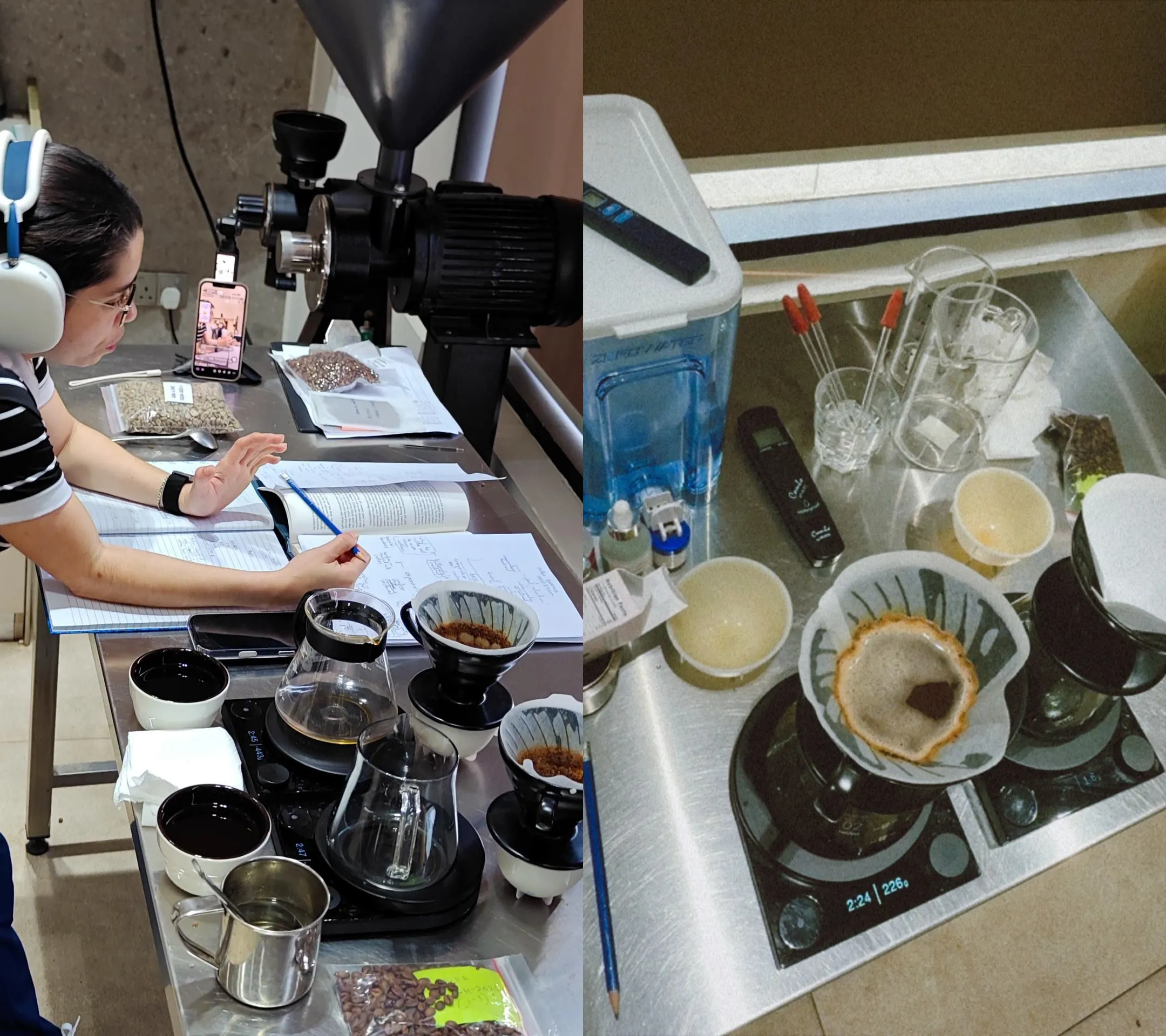
To explore this, I brewed two very different coffees at 85 °C and 95 °C: an Ethiopia natural–anaerobic and a China natural. Same coffees, same parameters. Only energy changed.
At 85 °C, the Ethiopia natural–anaerobic showed medium-high acidity, moderate sweetness, and low bitterness. The cup finished quickly, with a dry, dusty mouthfeel. As it cooled, acidity stayed dominant, sweetness remained low, and bitterness nearly disappeared. Lower energy preserved acidity, but limited structural development and aromatic persistence.
At 95 °C, the same coffee shifted completely. Acidity softened to medium, while sweetness and bitterness increased (bitterness still medium-low). Floral notes became clearer, and the mouthfeel turned juicy and syrupy. Hot, everything felt louder not because more was extracted, but because extraction and aromatic loss were happening faster at the same time.
The China natural behaved in the opposite way. Higher temperatures emphasized sweetness and body, not aromatic collapse. Around 89 °C, sweetness peaked, and with more heat the cup gained structure and weight without a proportional rise in bitterness. In this coffee, energy built the cup instead of compressing it.
This is why temperature has no universal “sweet spot.”
It doesn’t simply extract more it decides what survives in the cup.
Adjusting temperature is not correcting a recipe.
It’s choosing which version of the coffee you allow to exist.
This contrast highlights a critical point: temperature has no universal effect on extraction. Its impact is entirely dependent on the chemical composition of the coffee and the way energy interacts with that composition. Adjusting temperature is therefore not about optimizing a parameter, but about making a deliberate chemical and sensory choice deciding which compounds are prioritized, which are sacrificed, and how the final balance is constructed.

COFFEE vs. TEA: A Funny Anecdote from Sweden

The Swedish “Clinical Trial” Myth: Coffee vs. Tea. And the Winner Is…

By Ennio Cantergiani

Legend has it that King Gustav III of Sweden (reigned 1771–1792) wanted to prove that coffee was harmful. According to the tale, he allegedly took two condemned identical twins, commuted their death sentences, and subjected them to a “scientific” experiment using extreme doses:

Twin A: three pots of coffee per day

Twin B: three pots of tea per day

Two physicians supposedly supervised the experiment and reported the results to the king. Ironically, the tea twin died first—at age 83 (!). Meanwhile, the king was assassinated before seeing the final outcome, and so coffee was declared the “winner.”

That’s the meme. But here’s the uncomfortable truth: the documentation is thin to nonexistent.

  • The Historical Context

Sweden did have multiple periods of coffee restriction and prohibition. Coffee was considered a luxury import and a potential moral and economic threat. Enforcement created a lively underground coffee culture, with Stockholm police records documenting hundreds of cases involving illegal coffee selling, preparation, and consumption.

And yes, Gustav III is a real, well-documented historical figure.

But the specifics of the twin experiment raise many red flags:

No names of the twins

No prison identified

No surviving protocol

No contemporary debate traceable

It’s unusual for such a sensational “first clinical trial” to leave no trace. Even Uppsala University treats the story as unproven, explicitly noting:

“The truth of the story has not been proven.”

COFFEE vs. TEA: A Funny Anecdote from Sweden

  • Where the Story Likely Came From

The oldest description historians have located is not from the 18th century at all—it appeared in 1937, in Science News, via a claim that a museum curator found the experiment in 18th-century records.

This suggests that the story may be a 20th-century packaging of older anti-coffee sentiment, rather than a genuinely documented 18th-century experiment.

Yet, the anecdote is frequently retold in medical-history literature, often without primary evidence. Secondary sources can give the illusion of historical certainty, even when the original records are missing.

  • Why the Myth Persists

The tale is irresistibly viral:

It dramatizes moral panic around coffee

It has a deliciously ironic twist: tea loses

It includes story candy: assassination, doctors, royal hubris

It flatters modern coffee lovers: “coffee was right all along”

All while piggybacking on a kernel of truth: Sweden really did restrict coffee and police its consumption.

Bottom line: The twin experiment is almost certainly a myth—but it’s a charming, cautionary story that shows how coffee culture, historical myth, and human imagination blend into one unforgettable anecdote.

Which Coffee Is Actually the Healthiest? Scientists Share an Unexpected Answer

Dubai – Qahwa World

For many people, mornings begin with coffee—and a familiar dilemma: espresso, cappuccino, or Americano. Yet research suggests that the most health-friendly option is often overlooked and far less trendy.

  • Brewing Method Matters More Than Strength

It turns out that how coffee is prepared can be more important than how strong it is. Long-term population studies conducted in Scandinavia found that people who regularly drank filtered coffee had a lower risk of cardiovascular problems compared to those who favored unfiltered varieties.

The reason lies in the filter itself. Paper filters trap certain natural compounds in coffee that can raise levels of LDL (“bad”) cholesterol. By removing these substances, filtered coffee becomes gentler on the heart. Moderate daily consumption has been associated with improved cardiovascular outcomes.

  • Espresso-Based Drinks and Brain Health

This doesn’t mean espresso is harmful. On the contrary, recent research suggests that compounds found in espresso may help protect the brain. These substances appear to interfere with processes linked to the buildup of abnormal proteins associated with neurodegenerative conditions.

Caffeine also has anti-inflammatory properties and can support alertness and cognitive performance. In this context, drinks like cappuccino or latte may offer more than just comfort—they could contribute to long-term brain health when consumed sensibly.

  • Instant Coffee: Not as Bad as Its Reputation

Instant coffee often gets a bad rap due to its higher levels of acrylamide, a compound formed during high-temperature processing. While large doses have shown harmful effects in laboratory studies, the amounts typically consumed in everyday life are far lower.

Health experts emphasize that moderate intake of instant coffee is unlikely to pose significant risks. In fact, it still contains antioxidants that can support gut health and overall well-being.

  • The Bottom Line

There is no single “perfect” cup of coffee.
Filtered coffee appears to be the best choice for heart health, espresso-based drinks may benefit the brain, and instant coffee is acceptable in moderation.

Ultimately, the best coffee is the one you enjoy and drink responsibly. Any health benefits should be seen as a welcome bonus—not the sole reason to pour another cup.

Is Coffee Good for You?

A Comprehensive Expert Guide to Coffee and Health

Dubai – Qahwa World

Coffee is no longer viewed merely as a morning stimulant or a daily habit. Over the past two decades, it has become one of the most extensively studied beverages in nutritional science. A growing body of research now suggests that coffee—when consumed thoughtfully—may be one of the most beneficial drinks for long-term health.

According to leading researchers in nutrition and epidemiology at Harvard University, the scientific evidence supporting coffee’s health benefits is stronger today than ever before.

This guide examines coffee through both a scientific and professional coffee expert lens: what it contains, how it affects the body, when it helps, when it harms, and how to get the most benefit from every cup.

  • What Is Actually in Coffee?

Coffee beans are among the most chemically complex foods humans consume. They contain more than one thousand biologically active compounds that interact with multiple systems in the body.

1. Caffeine

A natural stimulant of the central nervous system

Improves alertness, concentration, and reaction time

Reduces perceived fatigue by blocking adenosine receptors in the brain

Slightly increases metabolic rate and fat oxidation

2. Antioxidant Plant Compounds

Reduce chronic inflammation

Improve insulin sensitivity

Support gut health and beneficial bacteria

Protect cells from oxidative stress and damage

3. Natural Acids That Regulate Blood Sugar

Slow glucose absorption after meals

Improve blood sugar stability

Associated with a reduced risk of type 2 diabetes

  • 4. Natural Coffee Lipids

Found mainly in unfiltered coffee

Can raise LDL (bad) cholesterol when consumed excessively

Also show protective effects against certain cancers when intake is moderate

  • Proven Health Benefits of Coffee

Brain and Nervous System Health

Regular coffee consumption has been associated with:

A lower risk of Parkinson’s disease

Reduced cognitive decline with aging

Improved mood and lower rates of mild to moderate depression

Heart and Blood Vessel Health

Moderate coffee intake is linked to:

A lower risk of cardiovascular disease

Reduced risk of stroke

The strongest benefits appear at one to three cups per day, without added sugar or heavy cream

Metabolism and Diabetes

Coffee contributes to:

A significantly lower risk of developing type 2 diabetes

Improved insulin response

Benefits observed even with decaffeinated coffee

Liver Health

Coffee is one of the most protective beverages for the liver:

Reduced risk of liver fibrosis and cirrhosis

Lower incidence of liver cancer

Improved liver enzyme levels

Longevity

Large population studies show that moderate coffee drinkers:

Have a lower overall risk of premature death

Experience the greatest benefits with consistent, moderate consumption

  • Decaffeinated Coffee: Is It Worth Drinking?

Yes. Decaffeinated coffee:

Retains most of coffee’s antioxidant and protective compounds

Is associated with lower risks of diabetes and heart disease

Is suitable for individuals sensitive to caffeine or prone to anxiety or sleep disorders

Contains only a very small fraction of the caffeine found in regular coffee

How Brewing Method Affects Health

Healthier Brewing Methods

Paper-filtered coffee

Slow manual filtration methods

These remove most of the cholesterol-raising compounds naturally present in coffee oils.

Methods That Require Moderation

Unfiltered coffee

Boiled coffee preparations

These contain higher levels of natural compounds that may raise LDL cholesterol if consumed in large amounts.

Concentrated coffee prepared under pressure is a special case: although unfiltered, the small serving size limits its impact on cholesterol for most people.

  • Ideal Amount and Timing

How Much Is Optimal?

Up to four moderate cups per day is considered safe for most adults

Even one cup daily provides measurable health benefits

Best Time to Drink Coffee

Morning through late morning

Drinking coffee late in the day may:

Suppress melatonin production

Disrupt circadian rhythms

Impair sleep quality

  • Additions: When Coffee Loses Its Benefits

Coffee’s health benefits decline sharply when:

Excess sugar is added

Large amounts of heavy cream are used

Artificial flavorings or syrups are included

Best options:

Black coffee

Coffee with a small amount of milk

Unsweetened alternatives

  • Coffee and Medications

Caffeine can interact with certain medications by:

Altering how quickly they are absorbed or metabolized

Reducing the effectiveness of some drugs

Medications that may be affected include:

Certain antibiotics

Heart medications

Asthma treatments

Some antidepressants

Individuals taking daily medications should consult a healthcare professional about coffee consumption.

  • Final Expert Summary

Coffee is not merely a stimulant—it is a functional beverage with measurable benefits for brain health, metabolism, cardiovascular health, liver function, and longevity when consumed wisely.

Moderation, proper brewing methods, minimal additives, and mindful timing are the keys to turning coffee into a daily health-supporting habit.

High-quality coffee, prepared correctly and consumed at the right time, can be an investment in long-term health rather than a guilty pleasure.

Are there grounds for including coffee in the Oxford Dictionary?

LONDON — Qahwa World

Few words have travelled as far, or gathered as much cultural sediment, as coffee. In a recent editorial reflection, Phoebe Nicholson, Executive Editor of the Oxford English Dictionary, turned the lexicographical spotlight on a term that, she notes, is “very close to the OED editors’ hearts.” The story of coffee in English, it seems, is as rich, layered, and stimulating as the drink itself.

  • From Qahwa to Coffee

The English language first encountered coffee—then often spelled coffeen—in the late 16th century, borrowing it through Turkish from Arabic roots. One persuasive etymological thread links the word to qahwa, an old poetic Arabic term for wine. When alcohol became prohibited under Qur’anic law, coffee emerged as a permissible and invigorating alternative, inheriting some of wine’s social and symbolic weight.

Early English accounts reveal fascination tinged with suspicion. Travel writers described “a certaine liquor… which wil soone intoxicate the braine,” while observing that Coffa houses in Turkey were “more common than Ale-houses in England.” The drink was exotic, energising, and unmistakably tied to Arab social life.

  • Settling the Spelling, Brewing a Culture

By the mid-17th century, the unruly spellings—caova, choava, coho, among others—began to coalesce into the now-familiar coffee. More importantly, the beverage itself took firm root in England. Coffee was no longer merely imported; it was institutionalised.

The language records this shift vividly. One of the earliest and most influential compounds was coffee-house (noun), denoting not just a place where coffee was served, but a centre of social exchange. Coffee-houses became arenas for political debate, literary criticism, mercantile gossip, and the circulation of news. To frequent such places was to participate in public life.

The culture was so distinctive that coffee-house later evolved into a verb, meaning to loiter and gossip during a hunt—a telling sign of how synonymous the term had become with sociability itself.

  • Coffee and the Cause of Temperance

As the centuries turned, coffee’s linguistic productivity followed social change. In the late 19th and early 20th centuries, terms such as coffee palace and coffee tavern emerged, particularly in British and Australian English. These were not merely grand coffee-houses, but deliberate alternatives to gin palaces, promoted by temperance societies as spaces for sober recreation.

Here, coffee stood for moral reform as much as refreshment, and the dictionary preserves that association: language as a record of social aspiration.

  • Modern Grounds: Conversation Still Brewing

In contemporary English, coffee remains a marker of connection. Expressions such as coffee morning, coffee date, and coffee klatch describe informal gatherings centred on conversation rather than consumption alone. The beverage continues to function as a social lubricant, its name endlessly adaptable.

As Nicholson observes, a word this productive almost demands a pause of its own. In the OED’s pages, coffee is more than a drink: it is a witness to trade routes, religious practice, political debate, moral movements, and everyday companionship.

The only fitting conclusion? Time, perhaps, for a coffee break—double espresso, naturally.

Think Twice Before Ordering Coffee on a Flight, New Study Warns

Dubai – Qahwa World

For many travelers, a cup of coffee is the first comfort requested after takeoff. But a new U.S. study suggests that the water used to brew that inflight coffee may not always meet the same standards passengers expect on the ground.

An independent review of airline drinking water practices has found wide differences in how U.S. airlines manage the water used for onboard beverages, raising fresh questions about the safety of coffee and tea served during flights.

  • Why inflight coffee is under scrutiny

Unlike bottled drinks, coffee served onboard is typically made using water drawn from an aircraft’s internal tank system. That same system supplies water to lavatory sinks and galleys, making its cleanliness critical.

The findings come from the 2026 Airline Water Study, produced by the nonprofit Center for Food as Medicine and Longevity, which analyzed water testing and compliance data from 21 airlines operating in the United States.

Researchers reviewed three years of data, covering late 2022 through 2025, submitted to the U.S. Environmental Protection Agency (EPA) under federal aircraft drinking water regulations.

  • Not all airlines perform the same

The study ranked airlines using a composite Water Safety Score that reflects bacterial test results, maintenance practices, and regulatory violations across each carrier’s fleet.

According to the results, Delta Air Lines and Frontier Airlines ranked among the strongest performers, suggesting more consistent water safety management. Alaska Airlines also placed near the top.

At the lower end of the rankings, American Airlines and JetBlue recorded the weakest scores among major carriers. Several regional airlines scored even lower, with the study identifying higher rates of bacterial indicators in some regional aircraft water systems.

  • What the tests revealed

Across more than 35,000 water samples analyzed in the study, a small but notable percentage tested positive for total coliform bacteria — organisms that are not necessarily harmful themselves but can indicate conditions that allow other pathogens to grow.

While E. coli was detected far less frequently, its presence was treated as the most serious warning sign. The study documented more than 30 E. coli-related regulatory violations, which significantly affected airline rankings.

Because inflight coffee is prepared using this same water supply, the authors argue that beverage service deserves closer attention.

  • Regulation exists — but concerns remain

U.S. airlines are required to follow the Aircraft Drinking Water Rule, which mandates routine testing and regular disinfection of onboard water systems. Airlines must take corrective action when contamination is detected, including repeat testing or shutting down affected systems.

However, the study argues that regulatory compliance does not always translate into consistently clean water. The researchers also raised concerns about enforcement, noting that penalties for violations appear to be rare.

  • Why aircraft coffee water is hard to control

Aircraft water tanks are filled at airports using ground equipment such as hoses and service carts, often drawing from different water sources. According to the study, contamination can be introduced during servicing and persist if tanks and pipes are not thoroughly cleaned — particularly on aircraft used for frequent short-haul flights.

Once onboard, that water may be heated for coffee and tea, but heat alone does not guarantee the elimination of all contaminants.

  • What passengers who love coffee should know

The study does not claim that inflight coffee is unsafe across the board, nor does it assess individual flights. Still, for passengers who want to reduce risk, the authors recommend simple precautions.

These include choosing sealed bottled beverages, opting for canned coffee or espresso-based drinks made with bottled water, or waiting until after landing for a fresh cup brewed on the ground.

For many travelers, inflight coffee will remain a routine part of flying. But as this latest research suggests, what’s in your cup may depend more on the airline than you realize.