Coffee Break Dubai: Government Confidence, Market Shifts, and Hard Truths Facing the Coffee Industry

Dubai — Qahwa World

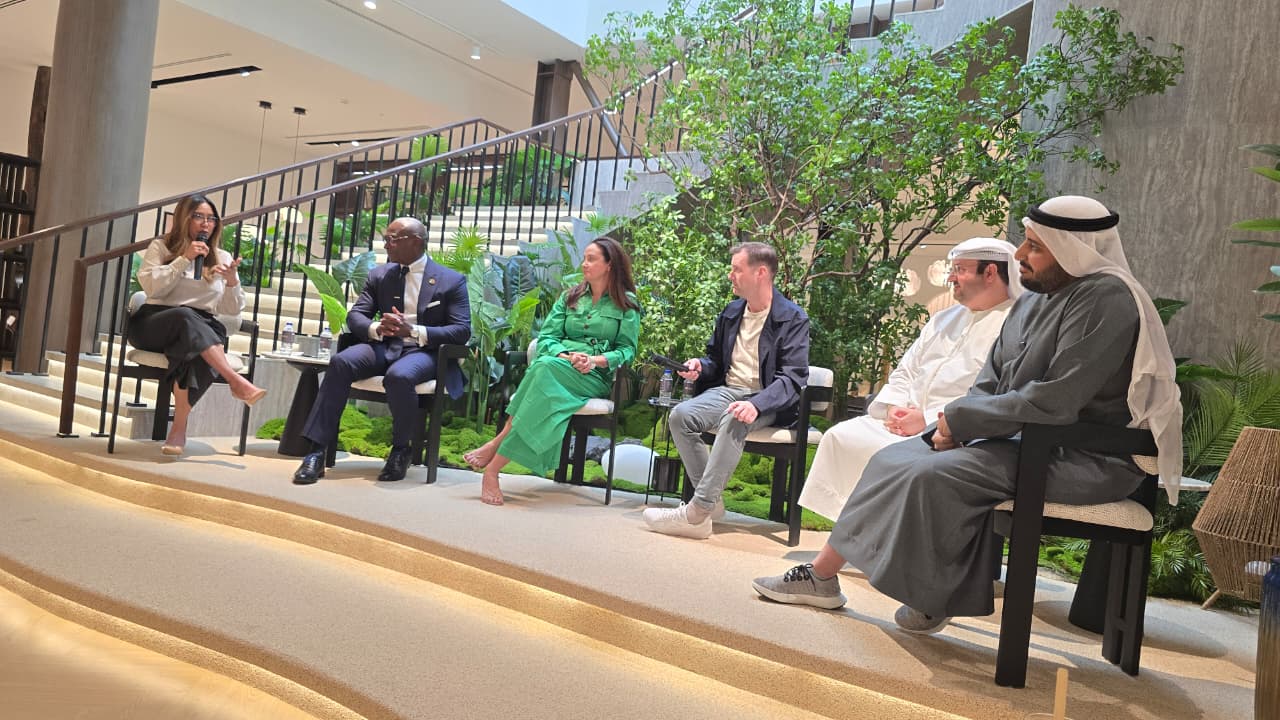
The first Coffee Break forum, held yesterday in Dubai, brought together senior leaders from the coffee, hospitality, logistics, media, and investment sectors to discuss the growing structural pressures facing the global coffee industry.

Organized by Mokha 1450 in partnership with Modora, the event went beyond discussion, offering a detailed real-time reading of how the sector is reacting to overlapping global disruptions.

Despite the complexity of challenges, a consistent theme emerged throughout the sessions: Dubai’s business environment continues to operate with a high level of institutional confidence, repeatedly linked by speakers to government crisis management performance and long-term economic stability.

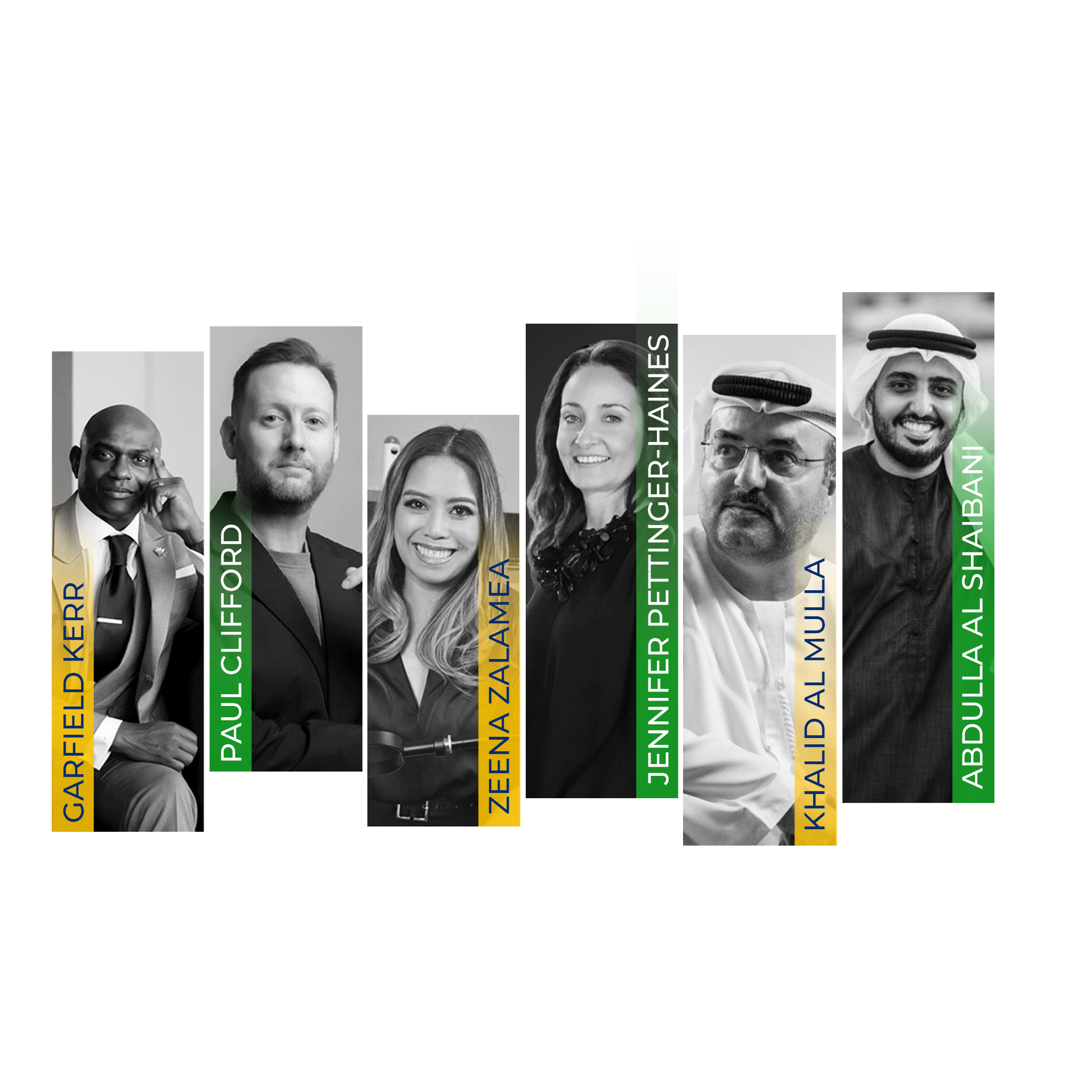
  • SPEAKERS LIST (FULL PARTICIPANTS)

The session featured a high-level panel including:

  • Abdulla Al Shaibani — Group CEO, Axceed LLC
  • Garfield Kerr — CEO, Mokha 1450 and Former President of the Specialty Coffee Association
  • Khalid Al Mulla — CEO, Dubai Coffee Museum
  • Jennifer Pettinger-Haines — Founder and CEO, The GRIF Collective
  • Paul Clifford — Industry Editor and Analyst
  • Zeena Zalamea — Moderator, Broadcaster and Entrepreneur

GOVERNMENT CONFIDENCE AS A CORE BUSINESS FOUNDATION

A central thread across discussions was the role of government performance during crises, particularly the COVID 19 pandemic.

Speakers described how the UAE maintained operational continuity during global shutdowns, reopened faster than most major economies, and minimized long-term disruption to business ecosystems.

This experience created what participants described as a “structural confidence layer” that continues to shape decision-making today.

Rather than reacting defensively to current market pressures, companies are maintaining operations, focusing on internal stability, and prioritizing workforce wellbeing.

One speaker emphasized that during crises, the primary concern shifted away from business survival toward emotional and organizational stability within teams, supported by confidence in national systems.

  • ABDULLA AL SHAIBANI: LEADERSHIP UNDER STRUCTURAL CHANGE

Abdulla Al Shaibani highlighted that leadership in the current cycle is no longer defined by expansion, but by resilience management.

He emphasized that the priority for landlords and operators alike is stability rather than aggressive growth, stressing that maintaining continuity with tenants and partners is now the key objective.

He also noted that supporting smaller business ecosystems through flexible operational frameworks is essential during periods of uncertainty.

  • GARFIELD KERR: SUPPLY CHAIN DISRUPTION AND INDUSTRY PRESSURE

Garfield Kerr described significant disruption across global coffee logistics, particularly in air freight and container movement.

He explained that shipping costs have increased sharply, forcing businesses to pause shipments, delay projects, and reallocate inventory already positioned at origin.

He added that specialty coffee operators are now managing a fragile balance between cost pressure and quality preservation, especially as green coffee prices continue to rise globally.

  • JENNIFER PETTINGER-HAINES: THE TWO SPEED MARKET

Jennifer Pettinger-Haines presented data analysis covering approximately 400 venues across Dubai, revealing a clear structural divide:

  • Community cafés and neighborhood venues: growth of 30 to 40 percent in some cases
  • Fine dining restaurants: declines reaching 70 to 80 percent

She explained that this divergence reflects a fundamental shift in consumer behavior toward proximity, affordability, and familiarity.

Community driven venues are benefiting from consistent local demand, while high-end restaurants remain heavily dependent on tourism and discretionary spending.

  • PAUL CLIFFORD: PRICING STRATEGY AND BRAND RISK

Paul Clifford warned against aggressive discounting strategies, stating that repeated price reductions can permanently damage brand perception.

Once a brand is positioned at a lower price point, restoring premium positioning becomes significantly more difficult.

He noted that many operators are instead restructuring offerings by simplifying menus, reducing service formats, adjusting portions, and forming supplier collaborations rather than competing through pricing alone.

  • KHALID AL MULLA: LOGISTICS AND SYSTEM STABILITY

Khalid Al Mulla emphasized that government intervention extends beyond regulation into active operational support during crises.

He referenced past interventions that protected businesses from immediate financial collapse and ensured continuity of operations.

He also highlighted current logistics diversification strategies, including alternative shipping routes and regional port redistribution to reduce dependency on single supply corridors.

  • INDUSTRY TRANSFORMATION ACROSS OPERATIONS

Across the sector, businesses are adjusting core operations:

  • Reduced operating hours in line with demand
  • Workforce restructuring
  • Menu redesign due to cost inflation
  • Ingredient substitution and sourcing recalibration
  • Training program expansion

At the same time, companies are investing in internal capability development to prepare for post-crisis recovery cycles.

  • DIFFERENT ECONOMIC REALITIES WITHIN ONE MARKET

Speakers noted a widening gap between companies:

  • Well capitalized operators are investing and repositioning
  • Smaller operators are focused on survival and liquidity management

Overall performance remains below historical averages, with many businesses operating near break-even thresholds.

  • HOSPITALITY ASSET UNDERUTILIZATION

Hotel infrastructure was identified as an underutilized resource due to reduced occupancy rates.

Proposals included repurposing unused spaces into coworking environments, delivery kitchens, and hybrid operational models to improve asset efficiency.

  • SHIFTING CUSTOMER DEMOGRAPHICS

A key strategic concern raised was the under engagement of younger consumer groups.

Speakers noted that this demographic represents a growing opportunity but requires new approaches in branding, product development, and communication strategy.

  • ORIGIN LEVEL PRESSURE IN THE COFFEE CHAIN

At production level, rising costs and low farmer returns continue to threaten long-term sustainability.

Some producers are exiting the industry entirely, while younger generations are increasingly avoiding agricultural participation.

Sustainability investment and fairer value distribution were highlighted as critical structural requirements.

  • OUTLOOK: CONTROLLED OPTIMISM

Despite challenges, sentiment remained cautiously positive.

Most participants expect partial recovery within 12 to 24 months based on historical cycles in hospitality markets.

A widespread view emerged that current disruptions are cyclical rather than structural, shaping investment and operational decisions across the sector.

  • CONCLUSION

The Coffee Break forum in Dubai highlighted an industry under simultaneous global pressures but actively adapting across every layer of its value chain.

From supply chains to consumer behavior, the sector is undergoing structural recalibration.

At the center of this transition is sustained confidence in the UAE’s institutional stability and crisis management capability, which continues to influence strategic decisions across the industry.
Escape: The “Sanctuary” Philosophy Reconnecting Sharjah’s Community Over Coffee

Sharjah – Qahwa World

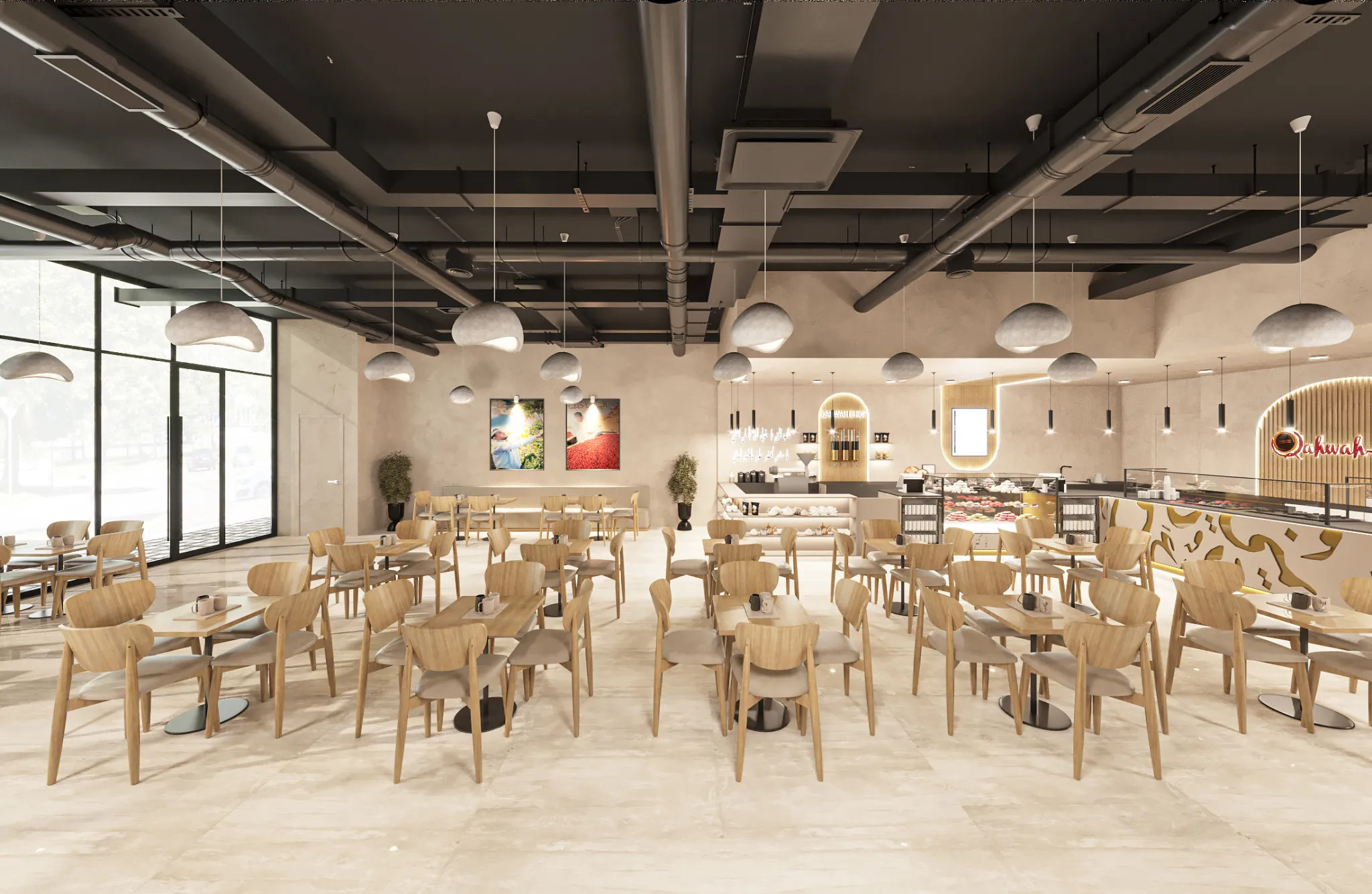
Nestled in a serene corner of Al Heera Beach, one of Sharjah’s newest leisure destinations near the Ajman border, “Escape Cafe/Community” stands as more than just a commercial venture. It is a dream realized after three years of meticulous preparation, blending the excellence of specialty coffee with the warmth of human connection.

A Comfort That Feels Like Home

From the moment you step into the cafe, a sense of peace, calm, and tranquility washes over you, the kind of comfort typically reserved for entering one’s own home. It is a new destination that serves as an ideal retreat for UAE residents, offering a diverse selection of coffee and cuisine crafted to satisfy those seeking a refined yet cozy experience.

From Pandemic Isolation to Community Warmth

Founder Mohammed Ali Patel shares that the concept of “Escape” was born during the isolation of the COVID-19 pandemic. “I felt that people had drifted apart, and there wasn’t much connection happening,” Patel explains. “I realized there is no better way to bring a community back together than over coffee. It is the catalyst for our meetings, whether for business or friendship.”

A Philosophy Beyond Business

Escape does not follow the traditional commercial mold. Designed with the vision of being an “escape from reality,” the space is wide and open, giving visitors an immediate sense of freedom. The cafe’s philosophy rests on four pillars:

  • Education: Hosting workshops to educate the public on coffee origins and brewing techniques.
  • Art: Combining art and coffee to enhance productivity and mental stillness.
  • Mental Health: Providing a space to raise awareness of mental well-being, a topic often overlooked in daily life.
  • Community: Building personal bonds with neighbors and regulars so they feel truly “at home.”

Sharjah: A Gracious Host for Innovation

Regarding the choice of location, Mohammed Ali Patel views Sharjah as a “stable and accepting” community that appreciates a slower pace of life. He attributes the potential for success to the initiatives of His Highness Sultan bin Muhammad Al Qasimi, who has long championed art, education, and tradition, values that resonate with the cafe’s proximity to art hubs and established residential areas.

A Menu Defined by Morning Energy

While the cafe offers main courses such as burgers and pasta, its core focus remains on brunch and breakfast, served from 7:00 AM to 1:00 PM. “The energy we get from customers during the morning shift is wonderful,” Patel says. “We want to ensure our guests start their day with a positive spirit.”

Success Measured by Names, Not Numbers

Reflecting his long term vision, Patel says success a year from now will not be measured solely by sales figures, but by knowing his customers by name. “Success is when students and neighbors feel free to sit here, even in our outdoor spaces, knowing this is their home. They do not always have to order, they just need to feel they belong.”

Coffee Break: A Strategic Dialogue on Sector Resilience in the Face of Global Changes

DUBAI – Qahwa World

It is no longer a secret that the global coffee sector is facing unprecedented pressures, starting from supply chain challenges and climate volatility in production regions, leading to new regulatory standards imposed by major markets, and other major challenges facing the sector that directly affect both farmers and consumers alike.

In light of these challenges, there is an emergence for the need for dialogue platforms that go beyond the language of numbers to focus on “institutional resilience.” From the heart of Dubai, which has strengthened its position as a logistical and intellectual hub for reshaping modern trade concepts, the “Coffee Break” event launches in its first edition on April 23, 2026.

The event is organized by Mokha 1450, the leading chain in the specialty coffee sector, in cooperation with Modora, to be a platform that brings together a group of creative minds and influential figures in the sector to discuss ways to turn challenges into opportunities, inspired by Dubai’s exceptional experience in crisis management.

This event is not just a social gathering, but a professional necessity in the context of “change management,” where expertise from private sector leaders meets with pioneers of specialty coffee culture to discuss the pressing question: How can Dubai’s model of resilience in the face of global crises inspire those active in the coffee industry to move beyond the “crisis response” stage to the “anticipating change” stage?

Speakers List

The session, held at Modora Home in Al Barsha, includes a distinguished list of speakers who combine deep corporate experience with specialized practical knowledge in the coffee world:

  • Abdulla Al Shaibani: Group CEO of Axeed LLC, who will present a strategic vision on leadership in times of change.

  • Garfield Kerr: CEO of Mokha 1450 and Former President of the Specialty Coffee Association, highlighting industry developments globally.

  • Khalid Al Mulla: CEO of Dubai Coffee Museum, who will connect the present with the historical and cultural roots of the profession.

  • Jennifer Pettinger-Haines: Founder and CEO of The GRIF Collective.

  • Paul Clifford: Editorial Leader and industry commentator.

The dialogue will be moderated by broadcaster and entrepreneur Zeena Zalamea, to ensure the creation of “real conversations and genuine connections” that move beyond traditional networking toward building shared visions.

Coffee as a Catalyst for Change

The organizers believe that coffee is not just a beverage, but a historical catalyst for new ideas. The forum will tackle a core question: How does Dubai’s strong record of successfully managing global crises inform our approach to overcoming current challenges?

Event Details

  • Date: April 23, 2026

  • Time: 3:00 PM

  • Location: Modora Home, Umm Suqeim St – Al Barsha Second, Dubai.

  • Tickets: AED 59 (Inclusive of coffee and snacks).

Mokha 1450 presents an immersive coffee Experience at the Palm Jumeirah

Step into an evening of aroma, flavour, and craft, centered around connection

Dubai, UAE  – Qahwa World

Mokha 1450, the UAE-based luxury specialty coffee brand, invites guests to discover coffee through a new lens with an immersive, multi-sensory experience on Saturday, 25 April 2026, at its Coffee Lounge in Golden Mile, The Palm Jumeirah. Created as a space for connection as much as discovery, the evening brings people together over coffee, encouraging conversation, curiosity, and a deeper appreciation for craft.

Designed as a journey through flavor and aroma, the evening unfolds across curated stations, each exploring a different expression of coffee.  From refined zero-proof cocktails to personalized brewing rituals, the experience blends heritage with innovation, offering a deeper understanding of coffee as both a science and an art form, while creating space to pause, connect, and engage.

At the heart of the evening is The Coffee Olfactory Experience, a guided, interactive session that explores the relationship between aroma and taste.  Led by Specialty Coffee Association (SCA)-certified experts, guests will discover the nuances of single-origin beans, the impact of brewing techniques, and the role of glassware in shaping flavor perception.

Across the space, three distinct coffee experiences will be unveiled:

Smoke & Diamonds presents a refined, zero-proof coffee cocktail layered with delicate smoky notes, served over crystal-clear diamond-shaped ice for a striking sensory experience.

The Desert Flower reimagines traditional Arabic coffee into a chilled, modern composition, infused with saffron, honey, and rose water, and served over an ice sphere encasing the UAE’s national flower, the Tribulus Omanense.

Table-Side Brewing offers a more intimate encounter, with baristas preparing coffee directly at the table, allowing guests to engage with the process and explore how technique shapes flavor.

Guests will also experience a curated music journey inspired by the origins of Mokha 1450’s coffee beans, spanning Jamaica, Ethiopia, Cuba, Colombia, and Yemen, creating an atmosphere that reflects the global story behind each cup.

Event Details

Date: Saturday, 25 April 2026

Time: 5:00 PM – 10:00 PM (entertainment from 7:00 PM)

Location: Mokha 1450 Coffee Lounge, Golden Mile Galleria, Building 8, Palm Jumeirah, Dubai

Ticketing

Tier 1

AED 200

Enjoy a 30-minute olfactory experience, followed by canapés and three signature drinks from the stations.

Tier 2

AED 100

Includes three signature drinks from the stations, offering a shorter introduction to the experience.

Booking:

BOOKING LINK

 Venue details:

Mokha 1450 Coffee Lounge

Golden Mile Galleria, Building 8, Palm Jumeirah, Dubai

+971 4 425 4067

With a focus on ethically sourced, single-origin coffees, primarily from women-owned and operated farms, Mokha 1450 continues to push the boundaries of specialty coffee in the region. This latest experience reflects the brand’s commitment to sustainability, craftsmanship, and redefining how coffee is perceived and enjoyed.

Mokha 1450 Coffee Lounge

Golden Mile Galleria, Building 8, Palm Jumeirah, Dubai, UAE

+971 4 425 4067

Mokha 1450 Coffee Boutique

Boutique No.8, Aswaaq Centre, Al Badaa, Al Wasl Road, Dubai, UAE

+971 4 321 6455

Mokha 1450 Coffee Priorists

Emirates Towers, Trade Centre, Dubai, UAE

+971 50 201 4552

Mokha 1450 x Modora

Umm Suqeim Street, Al Barsha Second, Dubai, UAE

+971 56 492 3100

Website: www.mokha1450.com

Instagram: @mokha1450

Tel: +971 4 425 4067

WhatsApp: +971 55 904 5089

Email: [email protected]

Media Inquiry:

WhatsApp: +971 52 794 1117

Email: [email protected]

About Mokha 1450

Mokha 1450 is a UAE-based luxury specialty coffee brand known for ethically sourcing coffee from some of the world’s finest farms, with a particular focus on women producers. Rooted in quality, sustainability, and innovation, Mokha 1450 offers a refined coffee experience across its locations in the Palm Jumeirah, Al Wasl Road, Emirates Towers, and select partner venues across the UAE.


DrinKit Opens Its 10th Branch in Dubai

Dubai – Qahwa World

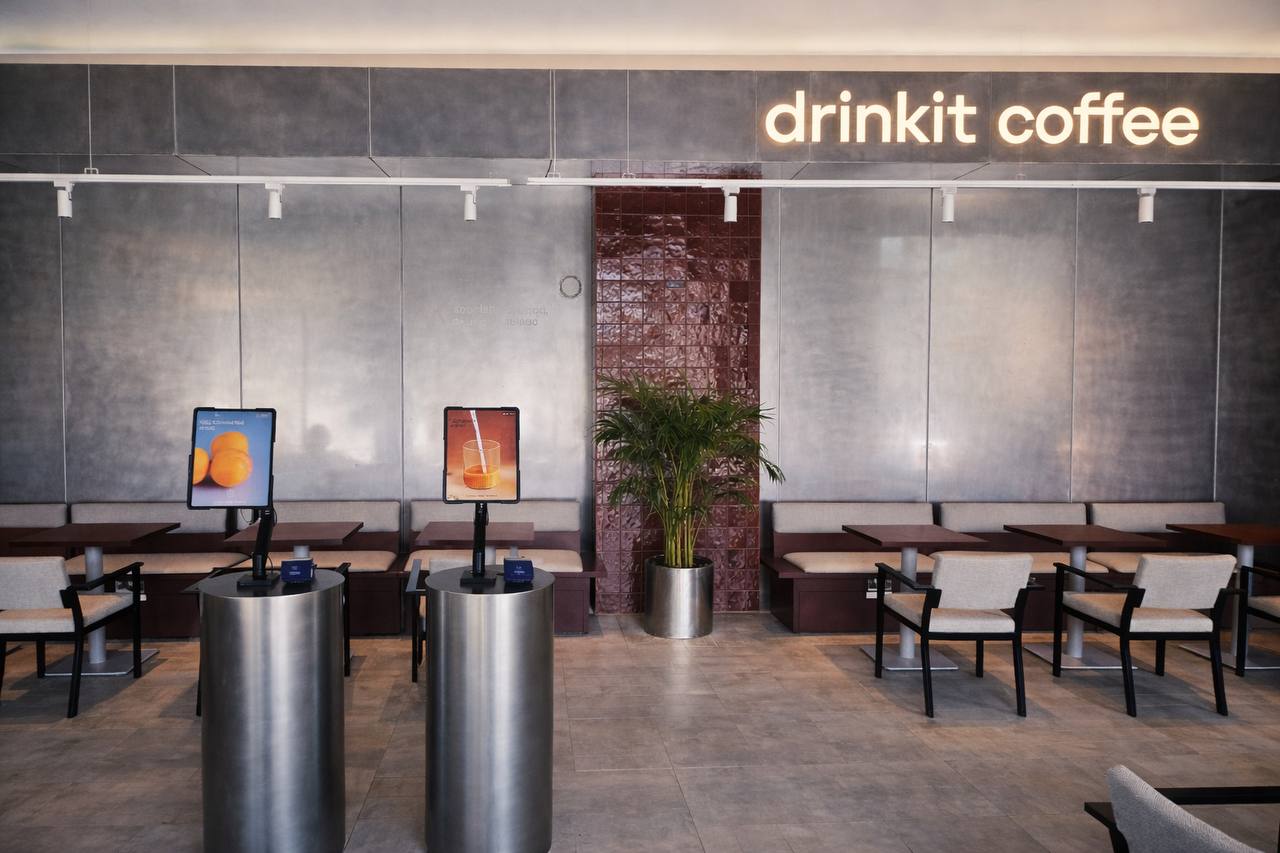
DrinKit continues to stand out as one of the most inspiring success stories in the coffee sector, advancing its journey as Dubai’s first digital coffee shop concept. The company has announced the opening of its 10th branch in Emaar Creek Harbour, bringing its global network to 182 locations and positioning it among the fastest growing modern coffee chains.

Katerina Borodich, CEO of DrinKit in the UAE and the Middle East, stated that this opening ranks among the brand’s strongest launches to date. The branch began operations without any prior announcement, yet recorded 86 transactions on its first day, an early and positive indicator of strong performance from the outset.

This branch holds particular significance due to its location within a fully integrated residential community in Dubai Creek Harbour. It is also the largest DrinKit location in the UAE in terms of space. The choice reflects a strategic shift toward expansion in residential neighborhoods that rely on daily coffee consumption rather than focusing only on commercial or tourist areas.

Initial indicators point to strong performance in terms of average order value, reinforcing expectations for future growth at this location, which benefits from rising population density and a fast paced urban lifestyle.

This expansion also highlights the acceleration of DrinKit’s strategy in the Middle East, as the company continues its growth phase with plans to open additional branches across Dubai in the near future.

According to internal company data, Drinkit now operates 10 stores in Dubai, including four under the franchise model, reflecting its transition toward a scalable and replicable operating system.

This growth signals a broader shift in the Gulf coffee market, where brands are increasingly targeting residential communities to meet rising daily demand for coffee as part of modern lifestyles.

With 10 branches in Dubai and 182 worldwide, Drinkit continues to strengthen its presence in the UAE market as part of a wider expansion strategy.

UAE Brands Launch ‘Family Meal’ to Support Hospitality Workers

Dubai – Qahwa World

A coalition of local and international brands, alongside leading Dubai-based chefs, has launched “Family Meal”, an initiative aimed at supporting workers across the UAE’s hospitality sector.

The programme is led by The Art of Hosting (TAOH) in partnership with Equiti Group, Sole, Jack Daniel’s, Essentially, Moloobhoy & Brown, Plus 1 Communications, Freedom Studio and food supply partner Aramtec. It reflects a coordinated industry effort to provide direct support to hospitality staff facing ongoing challenges.

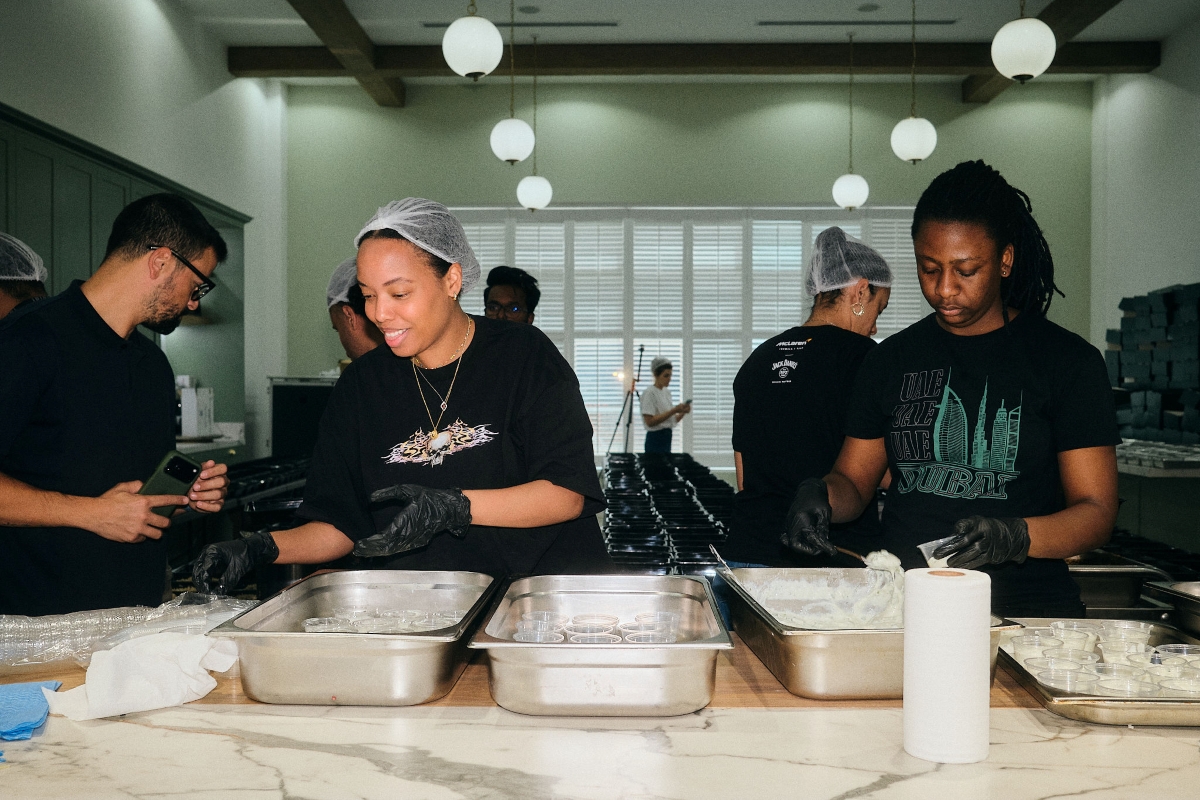
Following its first distribution on April 10, the initiative will continue on April 17 and April 24, with a total of 1,500 chef-prepared meal boxes to be delivered. Each box includes a main course, side dish, dessert and beverages, with fresh juices supplied by Essentially. The meals are designed to offer a high-quality, chef-led dining experience.

The initiative targets workers across the hospitality ecosystem, including bartenders, waiters, chefs, baristas, hostesses, supervisors and back-of-house teams. By delivering meals directly to recipients, Family Meal aims to reinforce a message of solidarity within the industry.

All meals are prepared at Aramtec’s central kitchen facility in Al Quoz, where participating chefs collaborate with the TAOH team on menu development and execution. Distribution is managed through TAOH’s catering fleet, supported by volunteers, reaching communities across Satwa, Bur Dubai, Deira, Karama and Sharjah.

Participating chefs include Milan Jurkovic (21grams), Hadrien Villedieu (Chez Wham), Ahmad Halawa, Elias Kandalaft (TAOH), Earl Roland (TAOH), Robert Jhan (Aramtec), Sultan and Kinda Chatila (Eleven Green), and Shaw Lash (Lila Taqueria), alongside additional contributors. Each brings distinct culinary expertise, reflecting a diverse range of cuisines and approaches.

Kiah Khan, chief executive of The Art of Hosting, said the initiative was created in response to the pressures facing the sector. “Our hospitality community is struggling, and we felt a responsibility to act. Family Meal brings together chefs and partners to support the industry and demonstrate that we stand together,” she said.

Rajat Malhotra, partner at Sole, said: “Hospitality was among the hardest hit sectors. We are grateful for the opportunity to support those who contribute to making this city what it is.”

Sara Kayan, head of people at Equiti Group, added that the initiative reflects a broader commitment to social responsibility. “Through Family Meal, we aim to support individuals with dignity and contribute to a stronger sense of community and resilience,” she said.

Elias Kandalaft, chef and co-founder of The Art of Hosting, said the initiative highlights the role of food in expressing care. “For chefs, cooking has always been about more than food. It is how we support our community, especially in challenging times,” he said.

Each meal box carries Family Meal and partner branding, underscoring the collective nature of the effort. The initiative also invites public participation, with individuals able to sponsor a meal for AED 45.

For more information or to contribute, contact [email protected].

ICO, IACO Sign MoU on Coffee Cooperation

Agreement at World of Coffee San Diego focuses on data, regulation, and support for Africa’s coffee sector

San Diego — Qahwa World

The first day of World of Coffee San Diego saw the International Coffee Organization (ICO) and the Inter-African Coffee Organisation (IACO) formalise their cooperation through the signing of a Memorandum of Understanding (MoU).The agreement builds on an existing relationship between the two institutions and outlines areas for closer coordination across data, research, and policy support for African coffee-producing countries.

Structured Cooperation Across Key Areas

The MoU establishes a framework for collaboration in several technical and strategic areas relevant to the evolving coffee landscape.

These include improving data collection and analysis, supporting compliance with regulatory developments such as the European Union Deforestation Regulation (EUDR), advancing research into climate resilience, and strengthening capacity along the coffee value chain.

While the agreement does not introduce binding commitments, it provides a basis for coordinated initiatives and information exchange between the two organisations.

Africa’s Position in Focus

The partnership also reflects a continued effort to better integrate African perspectives into global coffee discussions.

African producing countries play a significant role in global coffee supply, yet continue to face structural challenges, including exposure to climate risks, limited access to finance, and evolving market requirements.

Through closer institutional coordination, the ICO and IACO aim to support member countries in navigating these challenges and engaging more effectively with international frameworks.

Institutional Context

The International Coffee Organization, established in 1963, serves as an intergovernmental platform for cooperation between coffee-exporting and importing countries, with a focus on market transparency, sustainability, and sector development.

The Inter-African Coffee Organisation represents African coffee-producing nations and works to promote production, improve quality, and enhance the competitiveness of the region’s coffee sector.

The MoU reflects a continuation of engagement between the two bodies rather than a new institutional direction.

World of Coffee as a Meeting Point

World of Coffee, organised by the Specialty Coffee Association, provides a platform for industry stakeholders ranging from producers and exporters to roasters, researchers, and policymakers.

The San Diego edition highlights ongoing conversations around sustainability, regulation, and market dynamics, with a growing emphasis on coordination between producing and consuming regions.

Participants

  • Vanusia Nogueira, Executive Director of the International Coffee Organization
  • H.E. Ambassador Solomon Rutega, Secretary General of the Inter-African Coffee Organisation
  • Claude Bizimana, Executive Chairman of the Inter-African Coffee Organisation
  • Celestine Gataraiha, Director of Research and Development at the Inter-African Coffee Organisation

Analysis

Memoranda of understanding are a common instrument in international cooperation, often used to formalise intent and provide a structure for future collaboration rather than immediate operational change.

In this context, the ICO–IACO agreement can be seen as part of a broader pattern of institutional alignment within the coffee sector, particularly as regulatory and environmental pressures increase.

Its practical significance will depend on how the outlined areas of cooperation translate into concrete programmes and measurable outcomes over time.

Reporting by Qahwa World from San Diego

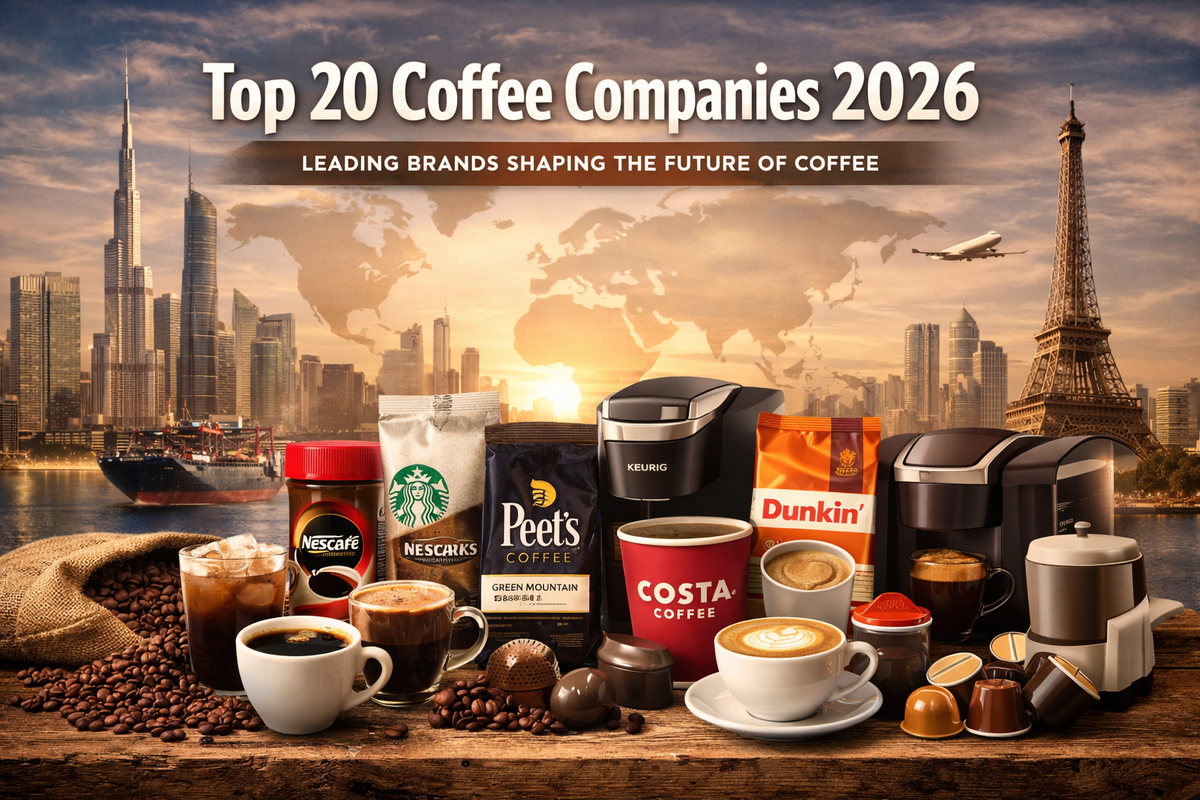
Top 20 Coffee Companies 2026

Dubai – Qahwa World

The global coffee market in 2026 is valued at around USD 145–176 billion, with projections reaching USD 227–275 billion by 2032–2034 at a CAGR of 5.1–6.6%. Growth is driven by premiumization, ready-to-drink (RTD) formats, single-serve pods, at-home brewing innovations, and sustainability-focused sourcing. Asia-Pacific is the fastest-growing region, while North America and Europe dominate in value through high-margin specialty products.

This report provides an independent ranking of the Top 20 Coffee Market Players for 2026, based on 2025–early 2026 industry data, including revenue analyses, packaged/at-home segment performance, and competitive landscape assessments. The ranking covers estimated global market share across packaged, at-home, and branded coffee products.

Key 2026 Developments

  • Nestlé leads in instant coffee and premium capsules.
  • JDE Peet’s and Keurig Dr Pepper remain separate; their $18 billion merger is expected to close in Q2 2026.
  • U.S. packaged giants like J.M. Smucker and Kraft Heinz maintain strong at-home segment presence.
  • Market fragmentation continues below the top tier, with specialty and regional players driving innovation.

Global Coffee Market Context (2026)

  • Market Value: USD 150–180 billion (estimated)
  • Key Formats: Packaged/at-home (dominant), ready-to-drink, single-serve, out-of-home retail
  • Growth Drivers: Premium/specialty demand, convenience, sustainability certifications, Asia-Pacific expansion
  • Challenges: Climate volatility affecting Brazil and Vietnam, traceability costs, ethical/direct-trade consumer preferences

Top 20 Coffee Companies (2026 Estimates)

Rank Company Name Key Coffee Brands Origin Country Estimated Market Share (%)
1 Nestlé S.A. Nescafé, Nespresso, Starbucks (at-home license) Switzerland 22.0
2 JDE Peet’s Jacobs, Douwe Egberts, Peet’s Coffee, Senseo, L’OR Netherlands 13.5
3 Keurig Dr Pepper Keurig pods, Green Mountain Coffee USA 9.8
4 Starbucks Corporation Starbucks pods, ground, RTD at-home USA 9.2
5 The J.M. Smucker Company Folgers, Dunkin’ (packaged/at-home) USA 5.5
6 The Kraft Heinz Company Maxwell House, other mass-market blends USA 4.8
7 Lavazza (Luigi Lavazza S.p.A.) Lavazza, Carte Noire Italy 4.5
8 Melitta Group Melitta (filter/pods), brewing products Germany 4.0
9 Tchibo GmbH Tchibo, European blends Germany 3.2
10 Strauss Group / UCC Strauss Coffee, UCC Coffee Israel / Japan 2.8
11 illycaffè (Illy) Illy, Segafredo Zanetti Italy 2.4
12 Tata Consumer Products Tata Coffee, Coffee Bean & Tea Leaf (at-home) India 2.1
13 Massimo Zanetti Beverage Group Segafredo, foodservice brands Italy 1.9
14 UCC Ueshima Coffee Co. UCC (canned/RTD) Japan 1.6
15 Farmer Bros. Co. Caribou Coffee (at-home) USA 1.3
16 JAB Holding Company (select assets) Peet’s, other premium holdings Belgium 1.1
17 The Coca-Cola Company (Costa) Costa Coffee (RTD/packaged) UK / USA 0.9
18 Intelligentsia Coffee / Blue Bottle Blue Bottle (premium) USA 0.7
19 Stumptown Coffee Roasters Stumptown (specialty) USA 0.6
20 Dutch Bros. Coffee Dutch Bros (packaged/RTD) USA 0.5

Total share of Top 20: Approximately 85–88%, with the remainder split among hundreds of independent and specialty roasters.

Strategic Positioning of Top Players

Global Giants (Ranks 1–4)

Nestlé dominates instant coffee and premium capsules while managing the Starbucks at-home license. JDE Peet’s and Keurig Dr Pepper lead in pods and convenience segments. Starbucks leverages its brand for strong at-home and ready-to-drink presence.

U.S. Packaged Leaders (Ranks 5–6)

J.M. Smucker (Folgers) and Kraft Heinz (Maxwell House) maintain significant U.S. market share with affordable, widely distributed coffee products.

European & Premium Specialists (Ranks 7–11)

Lavazza, Melitta, Tchibo, Strauss/UCC, and illycaffè focus on espresso and filter traditions, emphasizing quality-driven growth in Europe and emerging markets.

Niche & Emerging Players (Ranks 12–20)

Tata leverages Indian origin strength, Massimo Zanetti and UCC focus on RTD and foodservice, and specialty brands like Intelligentsia and Stumptown capture premium niches. Dutch Bros. and Caribou expand into packaged products.

Market Outlook 2026 and Beyond

The top 6–8 players control over 60% of the packaged and at-home market. Innovation flows from independent and specialty players. The pending Keurig Dr Pepper–JDE Peet’s merger could create a new global competitor rivaling Nestlé.

Critical success factors:

  • Investments in sustainability and traceability
  • Innovation in recyclable pods, functional RTD, and premium single-origin products
  • Adaptation to climate-driven supply risks and rising Robusta demand

This ranking is based on cross-verified industry data as of April 2026. The coffee market remains dynamic, culturally vital, and full of opportunity for players balancing scale with quality and consumer trust.

Data sourced from Coffeeness, Global Growth Insights, Expert Market Research, and other industry analyses for the packaged and at-home coffee segment.


Top Coffee Consumers 2026

Dubai – Qahwa World

As of April 2026, global coffee consumption continues to grow despite earlier price volatility. According to the USDA’s December 2025 Coffee: World Markets and Trade report, world consumption for the 2025/26 coffee year (October 2025 to September 2026) reached a record 173.85 million 60-kg bags, up 1.3 percent year on year.

This steady rise comes as supply begins to recover, yet global stocks remain tight at around 20.1 million bags for the fifth consecutive year. The result is a more balanced market, though still sensitive to price movements.

Demand growth is driven by both mature and emerging markets. The United States, Brazil, and Europe continue to anchor global consumption, while Asia is rapidly expanding, led by the Philippines, China, Vietnam, and Indonesia. At the same time, early 2026 price easing has helped maintain strong consumption momentum.

Top 20 Coffee-Consuming Countries and Regions (2025/26 Forecast)

Rank Country / Region Consumption (M bags) % Global
1 European Union 41.87 24%
2 United States 26.55 15%
3 Brazil 22.28 13%
4 Philippines 6.75 3.9%
5 Japan 6.72 3.9%
6 China 5.85 3.4%
7 Canada 5.20 3.0%
8 Vietnam 4.90 2.8%
9 Indonesia 4.81 2.8%
10 Russia 4.58 2.6%
11 United Kingdom 4.33 2.5%
12 Ethiopia 3.70 2.1%
13 South Korea 3.40 2.0%
14 Mexico 3.10 1.8%
15 Australia 2.60 1.5%
16 Colombia 2.27 1.3%
17 Algeria 2.05 1.2%
18 Turkey 1.75 1.0%
19 Saudi Arabia 1.50 0.9%
20 India 1.36 0.8%

Top 10 total: ~129.5 million bags (around 74% of global consumption).
Top 20 total: ~160.3 million bags (about 92% of global consumption).

Key Market Insights

Europe remains the largest consuming bloc, accounting for nearly a quarter of global demand, led by Germany, Italy, and France. Espresso culture and premium coffee continue to dominate.

The United States holds second place, driven by strong demand for specialty coffee, cold brew, and ready-to-drink beverages. It also remains the world’s largest coffee importer.

Brazil stands out as both a top producer and consumer, supported by a large domestic market and deeply rooted coffee culture.

Asia is the fastest-growing region. The Philippines, China, Vietnam, and Indonesia are expanding rapidly, fueled by urbanization, rising incomes, and café culture.

Emerging markets are gaining importance, including South Korea, Saudi Arabia, Turkey, and India, where younger consumers and modern retail formats are accelerating coffee adoption.

Trends Shaping Coffee Consumption

  • Asia’s rapid expansion: The region now accounts for over a quarter of global demand and continues to grow quickly.
  • Premiumization: Consumers are increasingly choosing specialty, organic, and traceable coffees.
  • RTD and cold brew growth: Ready-to-drink products are among the fastest-growing segments globally.
  • Sustainability: Certifications and ethical sourcing are becoming standard expectations in many markets.
  • Price sensitivity: While coffee remains a daily habit, demand reacts to price changes, especially in emerging markets.

2026 Outlook

With global production expected to increase further, consumption is projected to continue rising toward 175 million bags or more. Growth will be led by Asia, alongside steady demand in Europe and North America.

For industry players, the focus is shifting toward value, innovation, and sustainability. From specialty cafés to ready-to-drink formats, the global coffee market in 2026 offers strong opportunities across both mature and emerging regions.

Summary

2026 marks another record year for global coffee consumption. Traditional markets provide stability, while emerging economies drive growth. The balance between supply recovery and rising demand is shaping a more dynamic and opportunity-rich global coffee landscape.

Ethiopia Launches East Africa’s First Specialty Coffee Training Center

Sahel Maryam – Qahwa World

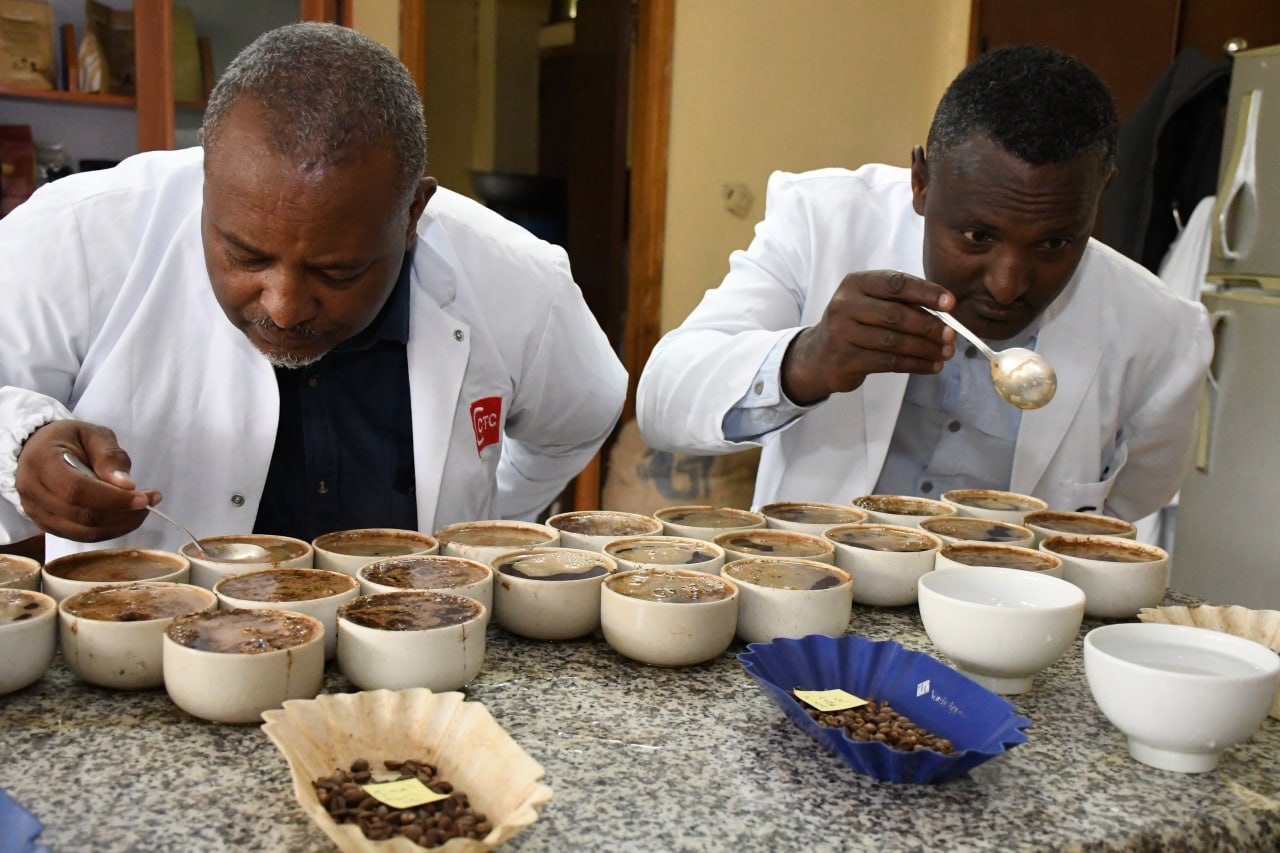
In a pioneering move for the region, a new coffee roasting and quality assessment center has opened in Sahel Maryam, Medhin, Ethiopia. The facility, the first of its kind in East Africa, combines state-of-the-art equipment with instruction from experienced coffee professionals.

The center aims to train participants in evaluating coffee quality to global standards, enabling them to independently assess beans and elevate industry practices. Trainees leave with the skills to analyze and improve coffee from the farm to the cup, applying internationally recognized Specialty Coffee Association (SCA) protocols.

The initiative has received recognition from Ethiopian coffee authorities, UNIDO, the Italian government, and the Italian Development Cooperation Agency for its contribution to developing the local and regional coffee sector.

Coffee Quality Evaluation Standards
The process of assessing coffee quality at the center is comprehensive:

Physical Quality of Beans – Inspecting defect count, bean size and uniformity, moisture content, and presence of foreign matter.
Sensory Evaluation (Cupping) – Scoring aroma, flavor, aftertaste, acidity, body, balance, and sweetness.
Defect Identification – Spotting spoiled, fermented, or overripe beans.
Organic Acid Analysis – Identifying natural acids such as citric, malic, acetic, and phosphoric to characterize flavor profiles.
Standardized Protocols – Applying precise roast levels, grind sizes, water quality, and brew ratios to ensure consistent and fair evaluation.

Coffee that scores 80 points or above under these criteria is classified as “Specialty Coffee.” Experts emphasize that proper evaluation relies on certified Q-Graders rather than subjective taste alone, ensuring adherence to international standards.

The new center marks a major step forward in Ethiopia’s ongoing mission to cement its position as a global leader in coffee quality and expertise.

Top Coffee Producers 2026

Dubai Qahwa World

As of April 2026, the global coffee market is undergoing a pivotal shift. Data from the International Coffee Organization (ICO) and the USDA show that the 2025/26 coffee year (October 2025–September 2026) has delivered record global supply, easing the extreme price pressures seen in 2024 and early 2025. World production is forecast at 178.8 million 60-kg bags (up 2% or +3.5 million bags year-on-year), while consumption reaches a record 173.9 million bags (+1.3%). Ending stocks remain tight at approximately 20.1 million bags, marking the fifth consecutive decline. Nevertheless, improved supply has caused ICO Composite Indicator Prices to drop sharply in early 2026 (February average: 267.57 US cents/lb, -9.9% month-on-month).

This supply surplus is driven by strong recoveries in Vietnam and Indonesia, record Ethiopian output, and steady performance in Brazil, despite drought impacts on key Arabica regions. National updates, including Brazil’s Conab first survey in February 2026, indicate an even stronger 2026 harvest, which could push global supply higher for 2026/27.

Top 10 Coffee-Producing Countries (2025/26 Forecast)

Data primarily from USDA December 2025 report, cross-verified with national sources and market analyses. Figures are green coffee equivalents. Percentages approximate global share.

Rank Country Production (M bags) % Global Main Variety YoY Change Key Notes
1 Brazil 63.0 ~35% Arabica (60%), Robusta/Conilon (40%) -2.0M (drought offset by Robusta gains) Record Robusta; Arabica hit by weather
2 Vietnam 30.8 ~17% Robusta (~95%) Recovery (+ higher yields) Fertilizer investment boosted output
3 Colombia 13.8 ~8% Arabica (100%, washed) -1.0M (excess rain/rust risk) Disease-resistant varieties helped
4 Indonesia ~12.5 ~7% Robusta (dominant) +1.7M (Robusta) Smallholder-dominated; favorable weather
5 Ethiopia 11.6 ~6.5% Arabica (specialty) Record (+0.5M) New varieties and pruning
6 Uganda ~6.9 ~3.9% Robusta Steady growth African Robusta leader
7 Honduras ~5.5–6.0 ~3% Arabica Part of Central America rebound Strong regional contributor
8 India ~5–6 ~3% Robusta (65%), Arabica (35%) Stable Specialty and organic focus
9 Peru ~4.2–5 ~2.5% Arabica (specialty/organic) Steady Premium export growth
10 Mexico / Guatemala ~3.8 each ~2% each Arabica Modest Central America/Mexico rebound

Total top 5: ~131.7M bags (~74% of world production). Latin America dominates Arabica; Asia leads Robusta.

Country Profiles: Drivers, Challenges, and 2026 Outlook

Brazil – World Leader (~35% of Global Supply)

Brazil remains the top producer. The 2025/26 crop saw Arabica decline to ~38M bags due to drought and high temperatures in Minas Gerais and São Paulo. Robusta surged to a record ~25M bags in Espírito Santo and Bahia thanks to better rainfall. Exports are forecast at ~37M bags.

  • Trends: Biennial cycle plus large-scale production with technology and irrigation. Funcafé funding supports the sector.
  • Challenges: Climate volatility, water stress, and EU Deforestation Regulation (EUDR) compliance.
  • 2026 Outlook: Conab’s February 2026 survey projects a record 66.2M bags (+17.1% YoY): Arabica +23.3% to 44.1M, Robusta +6.4% to 22.1M. This would surpass the 2020/21 record harvest.

Vietnam – Robusta Powerhouse

Nearly all output is Robusta, used in instant coffee and blends. Production rebounded due to favorable weather and higher input spending. Exports projected at 24.6M bags (+2.3M).

  • Trends: Export-oriented, rapid post-1990s expansion.
  • Challenges: Climate vulnerability in highlands; past dry spells.
  • 2026 Outlook: Continued recovery expected; early 2026 data shows strong export growth.

Colombia – Premium Arabica Specialist

100% washed Arabica. 2025/26 saw a modest decline due to excessive rains and cloud cover affecting flowering and rust risk. Disease-resistant varieties, such as Castillo, mitigated losses. Exports ~11.5M bags.

  • Trends: Focus on quality; yield improvements ongoing.
  • Challenges: Weather cycles, labor costs, altitude sensitivity.
  • 2026 Outlook: Rebound likely under normal conditions; key supplier to specialty markets.

Indonesia – Diverse Robusta and Specialty

Robusta dominates Sumatra and Java; small Arabica areas in the north. Production rose due to favorable weather and labor availability. Smallholder plots average 1 ha. Exports: green coffee +1.7M to 7.8M bags.

  • Trends: Stable land area (~1.2M ha), significant soluble coffee exports.
  • Challenges: Minimal fertilizer use, climate extremes.
  • 2026 Outlook: Stable supply to EU, US, and emerging markets expected.

Ethiopia – Africa’s Specialty Arabica Leader

Record 11.6M bags driven by adoption of higher-yielding varieties and pruning. Exports ~7.8M bags.

  • Trends: Natural and semi-washed processing; heirloom varieties remain globally sought.
  • Challenges: Smallholder fragmentation, highland climate variability, infrastructure limits.
  • 2026 Outlook: Growth likely if variety upgrades continue; specialty segment driver.

Emerging/Other Notable Producers

Uganda, Honduras, India, Peru, Mexico, and Guatemala produce the remaining ~25%. They are critical for Robusta (Uganda) and specialty/organic Arabica (Peru, India, Honduras). Central America/Mexico region rebounded +1.1M bags. India emphasizes premium niches (Monsoon Malabar, organic). All face smallholder and climate challenges but benefit from growing specialty demand.

Broader Trends Shaping 2026 and Beyond

  • Climate Change & Resilience: Droughts and excessive rains highlight vulnerability. By 2050, suitable coffee land may shrink significantly without adaptation.
  • Sustainability & Regulation: EUDR deadlines pressure exporters on traceability. Certifications (Fairtrade, organic, Rainforest Alliance) are growing, especially in Ethiopia, Colombia, and Peru.
  • Market Dynamics: High prices in 2024–25 spurred investment and supply recovery. Robusta exports surged in early 2025/26. Specialty demand remains robust.
  • Economic Impact: Coffee supports ~12.5 million farming households. Brazil and Vietnam dominate exports. Smallholders remain most vulnerable to volatility.
  • 2026/27 Outlook: Early forecasts indicate potential production above 180M bags if Brazil’s record harvest occurs and recoveries hold. Emerging markets will continue driving consumption growth.

Summary

2026 marks a transition from shortage-driven high prices to a more balanced, though still tight-stocks, market. Brazil’s dominance is set to strengthen, while Vietnam, Indonesia, and Ethiopia solidify their positions in Robusta and specialty segments. Long-term success depends on climate adaptation, sustainability, and innovation in varieties and processing. Opportunities abound in premium positioning and supply-chain resilience amid record availability.

This report draws on official forecasts as of early 2026. Data may be refined with subsequent national surveys, including Conab updates. Customized analysis, including by variety, export flows, or price scenarios, can be provided upon request.


Top 5 US Most Expensive Cities for Coffee

Dubai – Qahwa World

Coffee is never just a daily habit. It reflects place, culture, and the real cost of bringing coffee from farm to cup.

Across the United States, the price of a standard coffee varies widely. On average, a regular hot coffee costs between $3.50 and $3.65. In Hawaii, that same cup often exceeds $5, while cold brew can reach nearly $6.75.

Recent data from coffee shop systems places Hawaii firmly at the top, with a median price of about $5.23 for hot coffee and $6.74 for cold brew.

Why Hawaii Leads

Hawaii is one of the only regions in the United States where coffee is grown commercially, most notably Kona coffee. Here, coffee is cultivated on volcanic soil and shaped by a unique climate.

Producing coffee in Hawaii is expensive. Labor costs are high, farms are smaller, and production requires careful handling.

The islands’ remote location adds further pressure. Supplies such as milk, equipment, and packaging must be shipped across the ocean. High rents and an elevated cost of living also push prices higher.

The result is a cup of coffee that reflects both premium quality and the realities of island economics.

You may like to read: The 10 Most Expensive Cappuccino Cities in 2025

The Top 5 Most Expensive U.S. Cities for Coffee

1. Honolulu, Hawaii, around $5.23
Honolulu combines local production with high operating costs. Coffee here carries the full weight of island life and tourism demand.

2. Los Angeles, California, around $4.99
Coffee is part of lifestyle and culture in Los Angeles. High demand and expensive real estate keep prices elevated.

3. San Francisco, California, around $4.92
A strong focus on craftsmanship and quality drives coffee culture in San Francisco, alongside high business costs.

4. Seattle, Washington, notably high with strong recent increases
Seattle remains a central hub for coffee culture in the United States. Rising wages and demand continue to push prices upward.

5. New York, New York, around $4.80 to $5.00
In New York, coffee supports a fast-paced lifestyle. High rents and constant demand make it one of the most expensive markets.

You may also read: Coffee Etiquette in 2026: 12 Rules for an Elegant and Mindful Café Experience

A Cup That Tells a Story

While these cities lead in price, more affordable coffee can be found in states like Mississippi and West Virginia, where a cup costs closer to $3.

From Kona coffee grown on Hawaiian soil to a simple cup served in smaller towns, every price reflects a broader story of geography, cost, and culture.

Coffee, in the end, is not just about what is in the cup, but everything behind it.