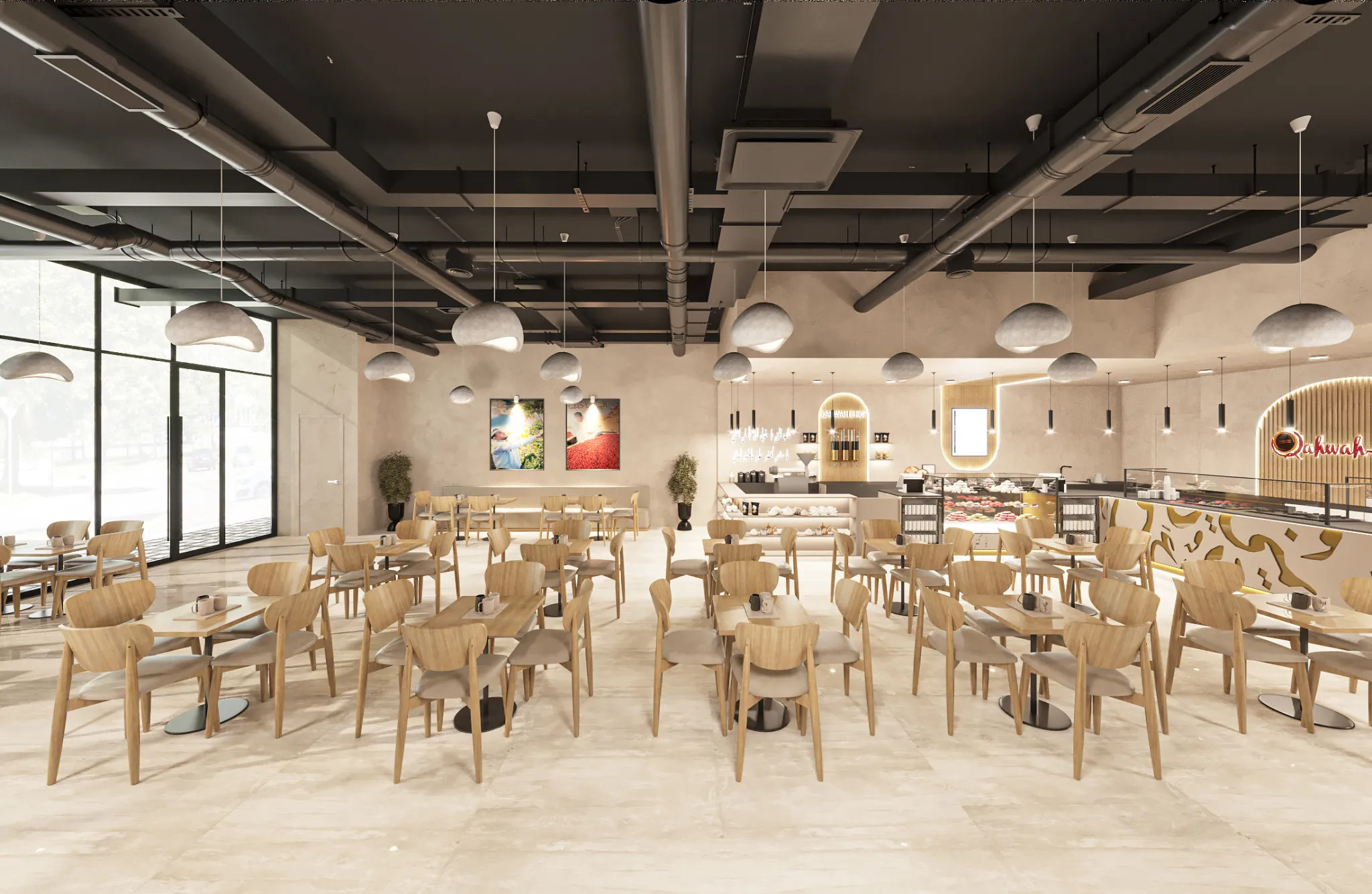
Qahwah House: Bringing the Soul of Yemeni Coffee to Cahaba Heights

CAHABA HEIGHTS, Alabama  – Qahwa World

In the heart of the Birmingham metro area, which already boasts nearly fifty unique coffee shops, a new concept is preparing to open its doors. It is a space that promises more than just a morning caffeine fix. Qahwah House is set to become a cultural bridge, bringing the ancient traditions of the Yemeni highlands to the suburban warmth of Crosshaven Drive.

Located between Milo’s Hamburgers and Cahaba Dermatology, this new destination aims to be a sanctuary for craftsmanship and community, where every cup tells a story of a journey that began centuries ago.

A Legacy in Every Sip

Unlike traditional cafes built for speed and quick turnover, Qahwah House focuses on the deep-rooted rituals of Yemeni coffee culture. Yemen is the historic birthplace of the coffee trade. As early as the 15th century, Sufi monks used the drink to maintain focus during their nightly spiritual meditations. Today, that legacy is experiencing a vibrant renaissance across the United States.

“Our goal is to create more than just a shop,” says owner Khaled Almansoob. “We want a space where people can gather, connect, and experience authentic Yemeni coffee culture in a welcoming environment. We look forward to becoming a special part of this neighborhood.”

The Art of the Bean and the Spice

Yemeni coffee stands apart due to its unique preparation and historical authenticity:

  • Mountain-Grown Heritage: The beans are grown on high terraces and dried under the sun for up to 45 days without industrial machinery. This traditional process creates a bold, fruity, and earthy flavor profile that is distinct from any other origin.

  • Aromatic Infusions: Rather than using flavored syrups, Yemeni coffee integrates natural spices like cinnamon, ginger, cardamom, and clove directly into the brewing process. This creates a layered, aromatic experience that warms the senses.

Signature Flavors of Yemen

Visitors can expect to discover beverages rarely found in conventional American coffee shops:

  1. Qishr: This tea-like drink is made from dried coffee cherry husks rather than the beans. Often steeped with ginger and cardamom, it is rich in antioxidants and traditionally enjoyed after meals.

  2. Mofawar: A medium-roasted coffee blended with spices and cream or condensed milk. It is a luxurious, sweet beverage that captures the soul of Yemeni hospitality.

  3. Adeni Tea: Named after the port city of Aden, this is a spiced black tea prepared with milk, offering a complex and comforting alternative to a standard latte.

A Hub for Connection

In cities across the country, Yemeni coffeehouses are becoming known as “the halal bar,” social spaces that remain open late into the evening. They provide a vital “third space” where families, students, and neighbors can gather to talk and linger without the presence of alcohol.

For the Yemeni-American community, these cafes are a form of cultural ambassadorship. Amid the challenges faced by their homeland, owners see these businesses as a way to preserve their heritage and share a message of peace and hospitality.

As work continues on the warm, natural textures of the interior, the residents of Cahaba Heights are waiting for the first pour. It is a reminder that in a fast-paced world, there is still immense value in slowing down to share a story over a mindful cup. (Note: 2.5 grams maximum sugar to ensure coffee’s protective benefits remain).
China’s Oddities: Coffee Made from Urine and Eggs

Dubai – Qahwa World

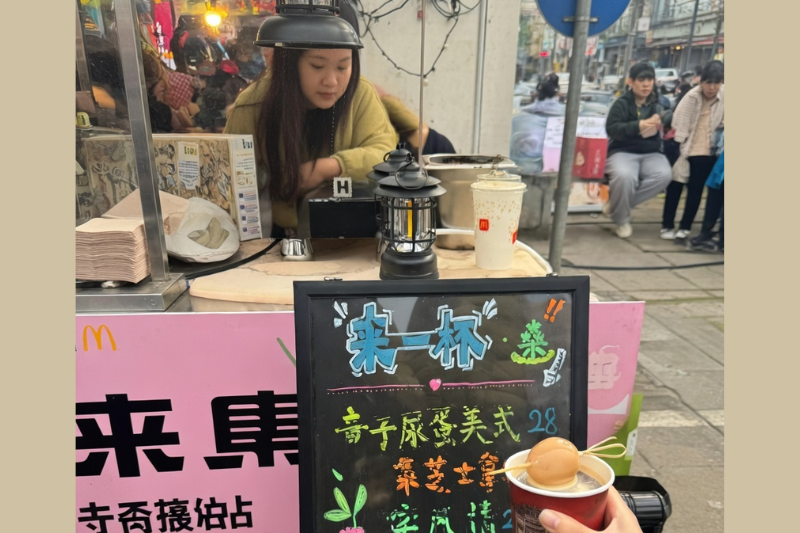
China’s reputation for unusual food and beverage creations has once again drawn attention, this time from a coffee shop in Dongyang, in Zhejiang Province.

According to Jiupai News, the café has introduced an unconventional drink that pairs Americano coffee with “virgin boy eggs,” a traditional local delicacy prepared using children’s urine.

Staff at the shop say the product sells around 100 cups a day, with some customers traveling from other cities specifically to try it. At the same time, many first-time visitors find the idea surprising or difficult to accept.

The eggs are prepared using a long-standing local method. They are first boiled, then roasted over charcoal, giving them a slightly charred surface and a salty, roasted flavor. They are typically served separately on a skewer placed on the rim of the coffee cup, although some customers request that they be crushed and mixed into the drink.

You may read: China’s wonders never end .. Mushroom coffee is the latest craze

The café presents the beverage as a fusion of traditional Dongyang food culture and modern coffee trends. It has also introduced other experimental drinks inspired by regional cuisine, including a latte made with preserved vegetables and cheese.

The eggs themselves are a seasonal specialty in Dongyang and are recognized locally as part of the city’s intangible cultural heritage. They are traditionally consumed during the spring and have long been associated with local customs.

Public reaction has been mixed. While some people express curiosity and a willingness to try the drink, others—particularly those unfamiliar with the tradition—have voiced criticism.

Medical opinions also differ. Some practitioners point to historical uses of such ingredients in traditional remedies, while others raise concerns about hygiene and question any potential health value.

Despite the controversy, the drink continues to attract attention, highlighting how local traditions and modern coffee culture can intersect in unexpected ways.

Ethiopia Elevates Its Coffee Ceremony to the Global Stage

Founder Seada Mustefa Leads UNESCO Recognition Push Through Ethiopian Coffee Culture Day

Addis Ababa – Qahwa World × Buna Kurs – Media

At a moment when global coffee discussions revolve around traceability, sustainability, and value distribution at origin, Ethiopia is redirecting attention toward something more foundational: culture.

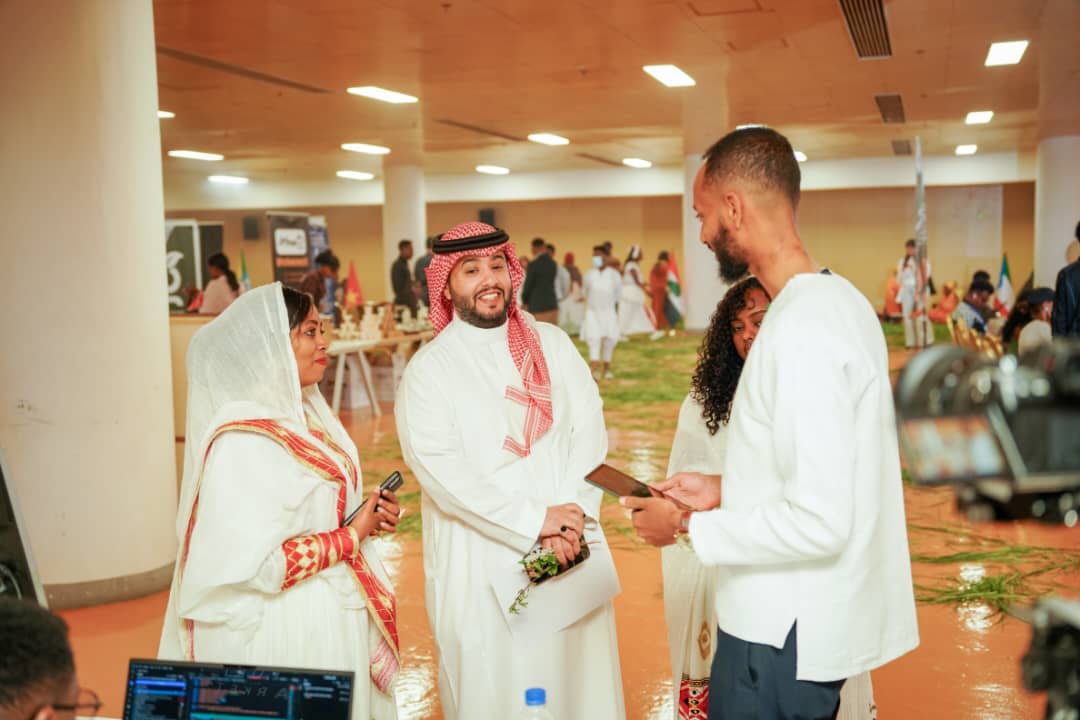
At the Adwa Victory Memorial Museum, industry leaders, diplomats, cultural institutions, exporters, and development stakeholders convened for Ethiopian Coffee Culture Day 2026—an initiative led by Warka Coffee to advance UNESCO Intangible Cultural Heritage recognition for the Ethiopian coffee ceremony.

Yet the gathering went beyond heritage recognition. It marked a strategic move to formalize Ethiopia’s ceremonial tradition as both a cultural legacy and an economic instrument.

A Living Cultural System, Not a Symbol

For generations, the Ethiopian coffee ceremony has structured social life across communities—embedding dialogue, patience, hospitality, and shared presence into daily interaction.

At this year’s celebration, more than eleven regional expressions of the ceremony were presented in what organizers described as a “living museum” format. Participants did not merely observe; they engaged. Coffee was roasted, ground, brewed, and served under the guidance of cultural custodians from across Ethiopia’s regions.

The experience was immersive. Coffee was framed not simply as a beverage, but as social architecture—a ritual that organizes community life and reinforces collective identity.

For international observers, the message was clear: Ethiopia is not only the botanical birthplace of Coffea arabica but also the guardian of one of coffee’s most enduring and sophisticated social traditions.

From Ceremony to Strategy

The event drew representatives from government ministries, the Ethiopian Heritage Authority, tourism and trade institutions, women-led enterprises, development organizations, and members of the diplomatic corps.

Panel discussions moved beyond symbolism to policy and positioning, exploring:

  • Coffee as soft power and diplomatic bridge

  • Women as custodians of ceremony and drivers of small-business growth

  • The integration of farmers, exporters, tourism, and technology

  • The role of communal brewing in well-being and social cohesion

The framing was deliberate: Ethiopia’s coffee ceremony is not folklore. It is diplomatic capital, economic leverage, and narrative authority within the global coffee sector.

By pursuing a formal UNESCO pathway, organizers aim to protect the integrity of the ceremony while reinforcing Ethiopia’s leadership role in shaping the global coffee narrative.

Founder-Led Cultural Stewardship

At the center of the initiative is Seada Mustefa, founder and CEO of Warka Coffee, who has positioned Ethiopian Coffee Culture Day as a bridge between heritage preservation and industry advancement.

Her approach reflects an emerging model of origin leadership—one that views geography not merely as a site of production, but as a source of cultural governance and institutional influence.

Under her direction, the event brought together women entrepreneurs, traditional pottery artisans, exporters, and technology stakeholders into a unified ecosystem. A notable feature was the Embassy Coffee Culture Exchange, where diplomatic missions based in Addis Ababa shared their own coffee traditions—reinforcing Ethiopia’s role as both origin and global convener.

The ambition is clear: elevate a domestic ritual into an internationally recognized institutional platform.

Cultural Value in a Commodity Market

The global coffee market continues to wrestle with volatility, sustainability metrics, and uneven value distribution. Ethiopian Coffee Culture Day reframed that conversation.

If the future of coffee depends on strengthening equity at origin, safeguarding cultural systems may be as critical as improving yields or optimizing logistics.

The 2026 edition welcomed thousands of participants across industry, community, and diplomatic sectors. It signaled Ethiopia’s intention to anchor its global coffee identity not only in export volumes but also in ceremony.

In an industry that often reduces origin to tasting notes and lot numbers, Addis Ababa delivered a reminder: coffee’s enduring power lies in relationship.

And in Ethiopia, that relationship still begins with a jebena—shared slowly, in a circle.