Saudi Arabia’s Coffee City: The Complete Story of a Giant Project Transforming Agriculture and Economy

Source: Qahwa World – Special Report |
Author: Qahwa World |
Date: June 9, 2026

Saudi Arabia’s Coffee City: The Complete Story of a Giant Project Transforming Agriculture and Economy

Key Highlights:

  • Saudi Arabia is building its first dedicated coffee city in the Al-Baha region, covering 170 hectares.
  • Over 527,000 coffee seedlings have been planted, with an expected annual production of 2,000 tons of high-quality coffee.
  • The Kingdom aims to establish six coffee cities to reach a national production target of 10,000 tons per year.
  • Investments exceed 1.2 billion riyals through the Saudi Coffee Company, owned by the Public Investment Fund.
  • The project will create about 100 direct jobs and hundreds of indirect opportunities.
  • Saudi Arabia currently imports 100,000 tons of coffee annually at a cost exceeding 2 billion riyals.
  • An initiative to plant one million coffee trees by 2030 supports food security and sustainability.

At a time when the world is seeking to diversify income sources and focus on sustainable agriculture, Saudi Arabia is taking bold steps to transform coffee from a traditional beverage symbolizing generosity and hospitality into a promising strategic economic sector. This vision is embodied in the first saudi coffee city project in the Al-Baha region, marking a qualitative leap toward achieving the goals of Vision 2030.

This giant project is not just an agricultural initiative. It is the cornerstone of the Kingdom’s vision to become a global coffee producer, reduce reliance on imports, enhance food security, and create thousands of jobs in rural areas.

The First Coffee City in Al-Baha: A Strategic Location and Ideal Climate

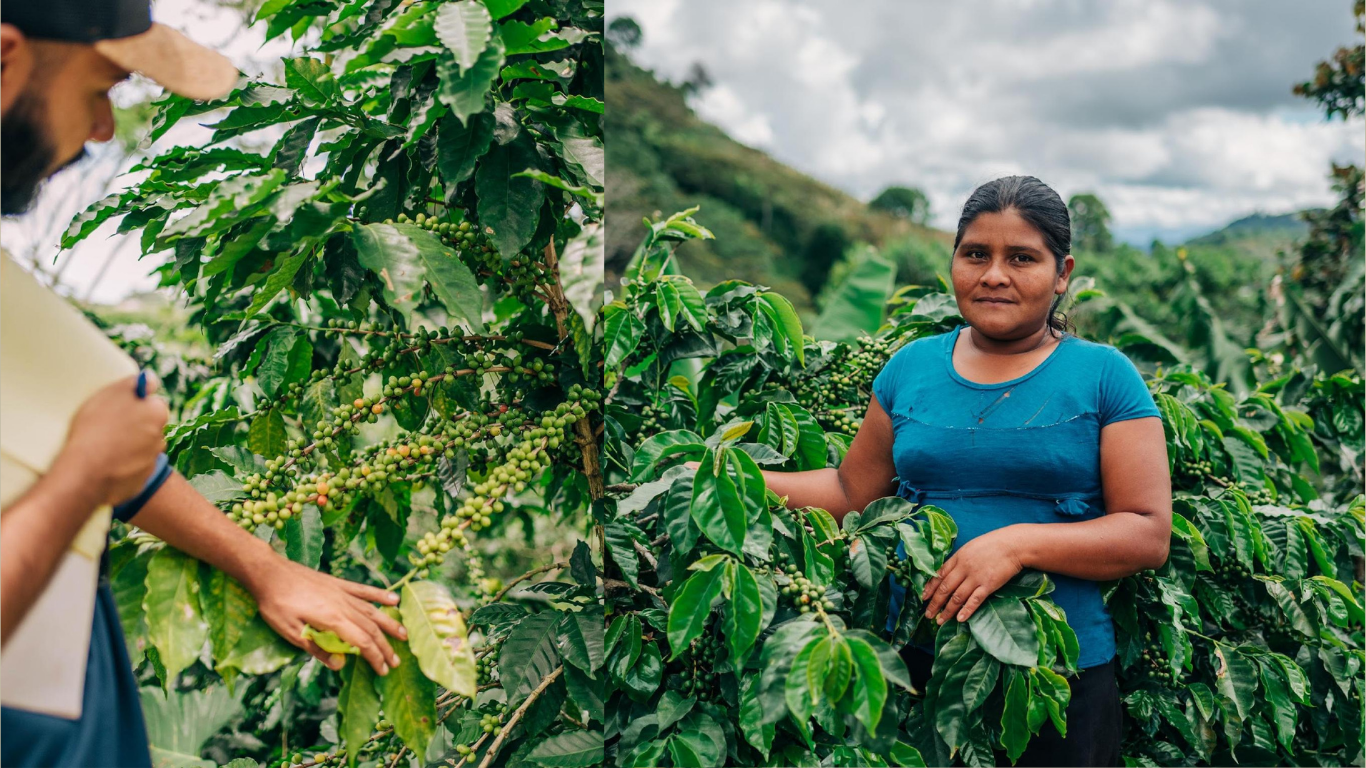
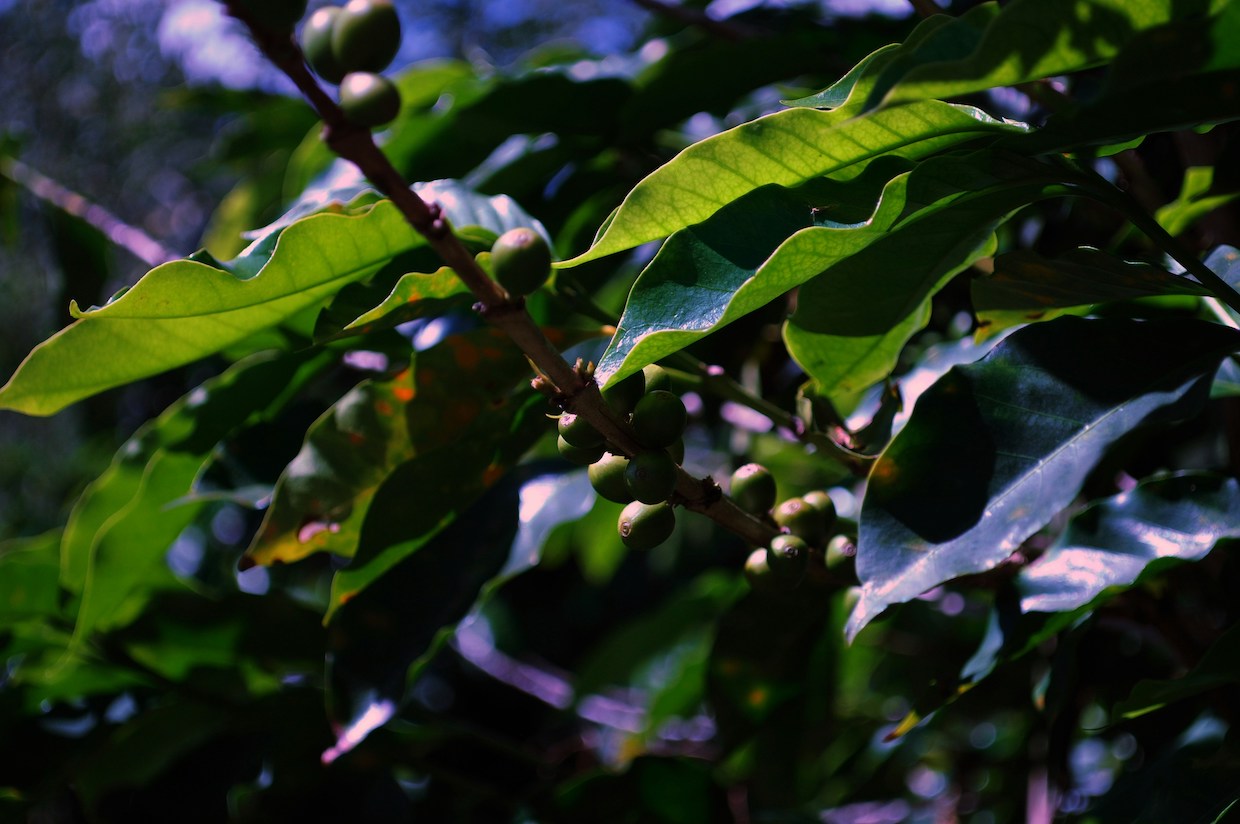
The pioneering project is located in the Makhushqa area of Al-Baha province, covering approximately 170 hectares (over 1.66 million square meters). After about three years since its launch, more than 527,000 coffee seedlings have been planted, with expected annual production of about 2,000 tons of high-quality coffee.

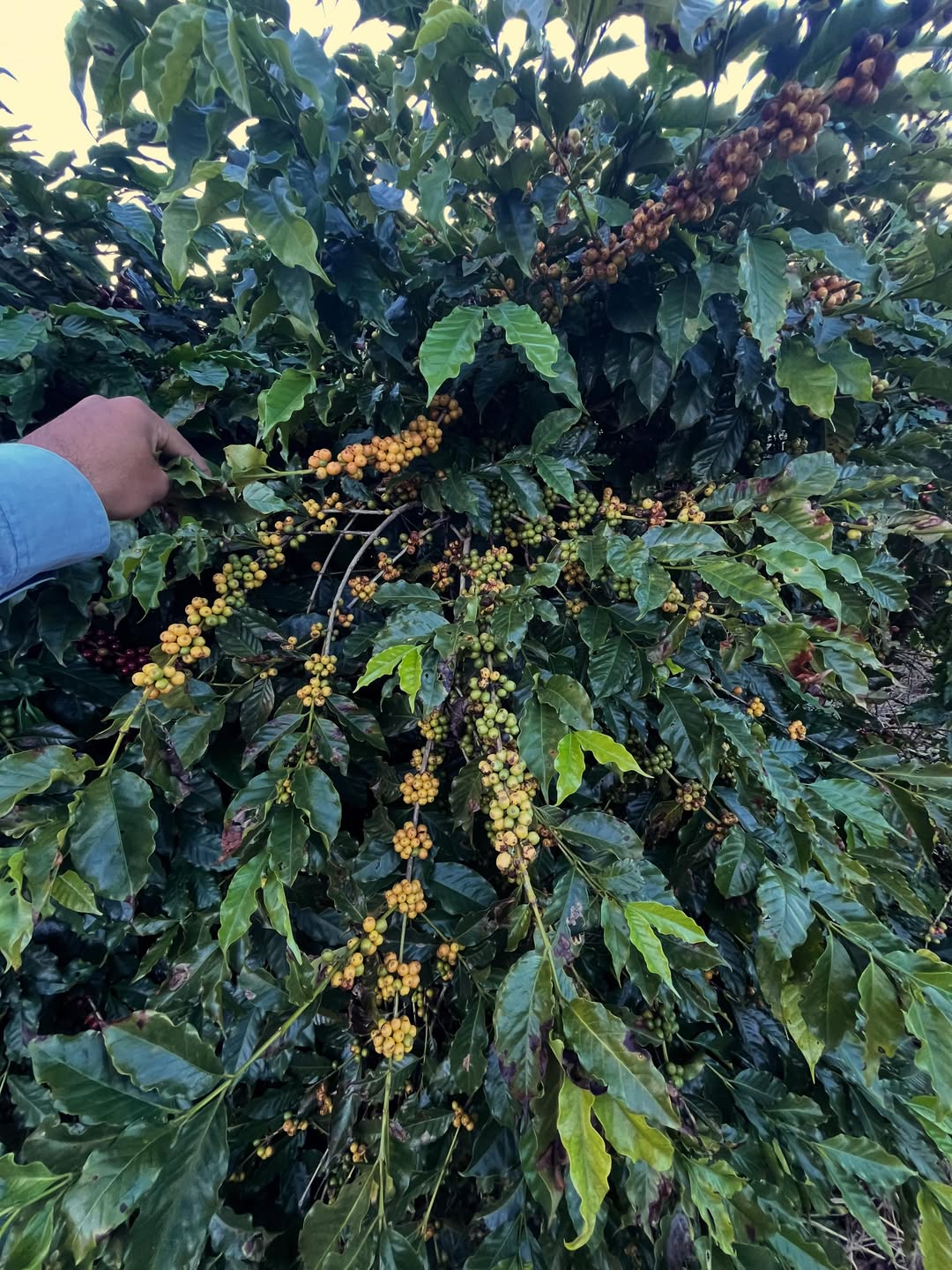
Al-Baha is one of the Kingdom’s most prominent agricultural regions, thanks to its mild mountain climate and altitude exceeding 2,000 meters above sea level. This altitude gives the coffee a distinctive taste and unique strength, rivaling the finest coffee varieties worldwide. The region currently hosts more than 450 coffee farms and about 115,000 coffee trees producing multiple varieties.

Indicator Value
Coffee city area 170 hectares
Coffee seedlings planted Over 527,000
Expected annual production 2,000 tons
Coffee farms in Al-Baha Over 450
Coffee trees in Al-Baha About 115,000

Ambitious Plan for Six Coffee Cities and National Production of 10,000 Tons

Saudi ambition is not limited to one city. The Kingdom aims to establish six specialized coffee cities in different regions, with the goal of reaching national production of 10,000 tons annually. Four development contracts have already been awarded to local and international companies, while the remaining contracts are still under tendering and competition.

The Ministry of Environment, Water, and Agriculture oversees these projects through its regional branches, opening the door to new investments and providing technical and logistical support to farmers.

Economic and Social Impact: Thousands of Jobs and Sector Growth

The Al-Baha coffee city project is expected to provide about 100 direct jobs for farmers, technicians, and supervisors, in addition to hundreds of indirect opportunities in logistics, roasting, packaging, marketing, and agricultural tourism.

This comes at a time when the coffee market in the Kingdom is valued between 7 and 18 billion riyals, with annual growth exceeding 5% to 9%. Saudis consume tens of millions of cups of coffee daily, making the sector a key driver of the hospitality industry and small and medium enterprises.

On the other hand, the Kingdom currently imports about 100,000 tons of coffee annually at a cost exceeding 2 billion riyals, prompting the government to accelerate local production efforts.

Indicator Value
Saudi coffee market size 7 to 18 billion riyals
Annual market growth 5% to 9%
Current annual imports 100,000 tons
Annual import cost Over 2 billion riyals

Massive Investments and Support Initiatives: Saudi Coffee Company and One Million Trees

The Saudi Coffee Company, owned by the Public Investment Fund, was established with investments reaching 1.2 billion riyals over 10 years. Key initiatives include planting one million coffee trees by 2030, establishing the Al-Baha Coffee Association to support small farmers, and developing training and research programs to improve quality and sustainability.

Engineer Mohammed Al-Marwani, CEO and Co-Founder of the Arab Coffee Foundation, stated: “The next step is to cement the Kingdom of Saudi Arabia’s position not just as a coffee-producing country, but as a globally recognized origin for coffee thanks to its quality, credibility, and innovation.” Al-Marwani noted that the challenge is not limited to increasing quantity but includes improving quality, developing modern processing methods, enhancing education and training, achieving environmental sustainability, and expanding access to local and global markets.

Future Vision: From a Net Importer to a Competitive Exporter

With these efforts continuing, experts expect the sector to transform from a net consumer to a competitive producer and exporter. Saudi coffee will contribute to enhancing food security, providing sustainable jobs for youth, and strengthening the Kingdom’s cultural and tourism identity. From the towering mountains of Al-Baha, a new story of the Saudi economy begins, where every coffee bean tells a story of ambition and national determination.

“Al-Baha always strives to be at the forefront of productive agricultural regions in the Kingdom of Saudi Arabia.”

– Mohammed Abbas, local coffee farmer

Frequently Asked Questions About the Saudi Coffee City Project

Q: Where is Saudi Arabia’s first coffee city located?

A: It is located in the Makhushqa area of Al-Baha province, covering 170 hectares.

Q: How many coffee seedlings have been planted so far?

A: Over 527,000 coffee seedlings have been planted.

Q: What is the Kingdom’s production target from these coffee cities?

A: To reach national production of 10,000 tons annually through six specialized cities.

Q: How much is the Saudi Coffee Company’s investment?

A: 1.2 billion riyals over 10 years.

Q: What is the one million coffee trees initiative?

A: A national initiative to plant one million coffee trees by 2030 to support local production and sustainability.

The Saudi coffee city project in Al-Baha is not just an agricultural initiative. It is a living model of Vision 2030 in action. It embodies Saudi ambition to transform local resources into national wealth, cultivating a prosperous future for generations to come, one cup at a time.

Prepared and edited by: Qahwa World – Based on reports from the Ministry of Environment, Water, and Agriculture and data from the Saudi Coffee Company.

All rights reserved. Republication with attribution permitted.

Publication date: June 9, 2026

Scientists from the Technical University of Munich Uncover the Secret of Coffee’s Mild Bitterness

Source: Technical University of Munich – Journal of Agricultural and Food Chemistry |
Author: Qahwa World |
Date: June 9, 2026

Scientists from the Technical University of Munich Uncover the Secret of Coffee’s Mild Bitterness

Key Findings:

  • Pure caffeine is intensely bitter – often described as harsh, medicinal, and almost undrinkable. Yet coffee does not taste nearly that bitter.
  • Researchers from the Technical University of Munich discovered that compounds formed during roasting reduce perceived bitterness by up to 50%.
  • The key compounds are melanoidins, which are created during the Maillard reaction when coffee beans are roasted.
  • In real coffee brews, panelists barely noticed caffeine’s bitterness even when its concentration was increased tenfold.
  • Melanoidins bind with caffeine, forming molecular complexes that prevent caffeine from reaching bitter taste receptors on the tongue.
  • Darker roasts produce more melanoidins, potentially offering stronger bitterness masking effects.
  • The findings open new possibilities for improving instant and ready-to-drink coffees, as well as developing low-bitterness blends.

For centuries, coffee lovers have enjoyed their daily brew without realizing they were experiencing a remarkable chemical deception. Pure caffeine is intensely bitter – often described as harsh, medicinal, and almost undrinkable. Its concentration in a typical cup of coffee far exceeds the level the human tongue can normally detect. Yet coffee does not taste nearly as bitter as it should.

Now, a new study from the Technical University of Munich (TUM) and the Leibniz-Institute for Food Systems Biology has finally solved this long-standing puzzle. Published in the Journal of Agricultural and Food Chemistry, the research reveals that compounds formed during roasting play a starring role in masking caffeine’s harsh edge.

The Experiment That Cracked the Code

Led by researchers Michael Gigl, Johanna Kreissl, and Oliver Frank, the team used a trained sensory panel – experts skilled in precise taste evaluation – to systematically test how different coffee components interact with caffeine. The results were striking. When caffeine was dissolved in water at normal coffee concentrations, panelists rated its bitterness as intensely unpleasant. But when the same amount of caffeine was combined with key coffee compounds – particularly chlorogenic acids and melanoidins – the perceived bitterness dropped by approximately 50%. In real coffee brews, the masking effect was even stronger. Panelists barely noticed caffeine’s signature bitterness even when its concentration was increased up to ten times higher than usual.

Melanoidins Take Center Stage

Using advanced nuclear magnetic resonance (NMR) spectroscopy, the scientists confirmed that caffeine forms complexes with melanoidins – the high-molecular-weight polymers produced through the Maillard reaction during roasting. These complexes appear to reduce the amount of “free” caffeine available to bind to bitter taste receptors on the tongue. The larger molecular structures may also create physical barriers or steric hindrance, limiting access to those receptors.

“Chlorogenic acid alone had little effect,” the researchers noted, “but when combined with melanoidins at natural concentrations found in coffee, the bitter intensity was strongly reduced.” Melanoidins not only suppress bitterness but also help transform the quality of the remaining bitterness into something more pleasant and “coffee-like,” rather than medicinal or harsh.

Compound Source Effect on Bitterness
Caffeine Green beans Extremely harsh bitterness
Chlorogenic acids Green beans Little effect alone
Melanoidins Formed during roasting Reduce bitterness by ~50%

Why This Matters for the Coffee Industry

The findings highlight the critical importance of the roasting process in shaping coffee’s final sensory profile. Darker roasts, which generate more melanoidins, may offer stronger masking effects – a hypothesis the team plans to explore in future studies. For the specialty coffee world, this research opens exciting possibilities: improving instant and ready-to-drink coffees by optimizing melanoidin content, developing low-bitterness blends while maintaining satisfying caffeine levels, and refining roasting techniques to craft more balanced and approachable cups.

“The significance of this work lies in explaining why coffee beverages do not taste of caffeine, even though the caffeine concentration of coffee is far above the perceivable level,” said Michael Gigl of TUM’s ZIEL Institute for Food and Health.

A Symphony of Chemistry

Coffee contains hundreds of compounds that contribute to its complex flavor. While caffeine is the most famous bitter player, the study underscores that the overall taste emerges from intricate interactions rather than any single molecule. As Gigl and colleagues concluded, a “plethora of bitter stimuli” generated during roasting ultimately creates coffee’s unique and beloved profile. So the next time you sip a perfectly balanced espresso or pour-over, remember: you are not just tasting beans and water. You are experiencing a masterful chemical performance – one in which the roast itself quietly tames the bitterness and lets the aroma and nuance shine through.

Frequently Asked Questions About Coffee Bitterness and Roasting

Q: Why doesn’t coffee taste extremely bitter despite containing caffeine?

A: Because melanoidins formed during roasting bind to caffeine and prevent it from reaching the bitter taste receptors on your tongue.

Q: What are melanoidins?

A: High-molecular-weight compounds formed during the Maillard reaction when coffee beans are roasted. They are responsible for the brown color and roasted flavor.

Q: Does the roast level affect coffee bitterness?

A: Yes. Darker roasts produce more melanoidins, which may enhance the bitterness masking effect. Further studies are needed to confirm this.

Q: How can these findings be used in the coffee industry?

A: They can help improve instant and ready-to-drink coffees, develop low-bitterness blends while maintaining caffeine levels, and refine roasting techniques.

Q: Was this study published in a peer-reviewed journal?

A: Yes, it was published in the Journal of Agricultural and Food Chemistry in 2026.

In every cup of coffee you enjoy, a complex chemical story unfolds. Roasting is not just a way to turn green beans brown – it is a precise tool for shaping flavor and making coffee balanced and pleasurable. Science is opening new frontiers in understanding and improving this ancient beverage.

Prepared and edited by: Qahwa World – Based on a scientific study from the Technical University of Munich and the Leibniz-Institute for Food Systems Biology, published in the Journal of Agricultural and Food Chemistry (2026).

Reference: Michael Gigl et al., “Impact of Interactions between Melanoidins and Caffeine on the Bitter Taste of Coffee Beverages,” Journal of Agricultural and Food Chemistry, 2026. DOI: 10.1021/acs.jafc.5c17022

All rights reserved. Republication with attribution permitted.

Publication date: June 9, 2026

Luckin Coffee Surpasses RMB20 Billion in Non-Coffee Beverage Sales, Expands Global Store Network Beyond 35,000

Source: PRNewswire – Press Release |
Author: Qahwa World |
Date: June 8, 2026

Luckin Coffee Surpasses RMB20 Billion in Non-Coffee Beverage Sales, Expands Global Store Network Beyond 35,000

Key Takeaways:

  • Cumulative sales of Luckin’s non-coffee beverages exceeded RMB 20 billion as of May 31, 2026.
  • 22 star products each surpassed 100 million cups sold.
  • Global store count exceeded 35,000.
  • Coconut Latte recorded cumulative sales of over 2.1 billion cups.
  • Orange Americano surpassed 500 million cups.
  • Luckin has built an integrated supply chain spanning Brazil, Ethiopia, Indonesia, and China.
  • The company is setting a new benchmark for diversified growth in China’s freshly made beverage industry.

Luckin Coffee today released key performance milestones for its non-coffee beverage business for the first time. As of May 31, 2026, cumulative sales of Luckin’s non-coffee beverages had exceeded RMB 20 billion. Meanwhile, the company’s global store count has now exceeded 35,000. These achievements demonstrate Luckin’s ability to scale successfully across multiple beverage categories beyond coffee, reinforcing its position as a leading player in China’s broader beverage market.

Central to this expansion has been Luckin’s ability to consistently innovate and create products that resonate with consumers. The company has turned innovative drinks into mass phenomena, setting a new model for the freshly made beverage industry.

Record-Breaking Products: 22 Items Each Surpass 100 Million Cups

Luckin Coffee revealed that 22 of its non-coffee beverage products each achieved cumulative sales exceeding 100 million cups. The flagship Coconut Latte led the way with over 2.1 billion cups sold. It was followed by Orange Americano with half a billion cups. Light Jasmine Milk Tea surpassed 400 million cups, while Little Butter Latte reached nearly 300 million cups, and Active Apple Kale Tea exceeded 100 million cups.

Product Cumulative Sales (cups)
Coconut Latte 2.1 billion
Orange Americano 500 million
Light Jasmine Milk Tea Over 400 million
Little Butter Latte Nearly 300 million
Active Apple Kale Tea Over 100 million

Integrated Supply Chain Spanning Three Continents

To support rapid product innovation across multiple beverage categories, Luckin has built an integrated supply chain and operational infrastructure designed for growth at scale. The company has expanded its global sourcing footprint to key origins in Brazil, Ethiopia, and Indonesia, as well as China’s Yunnan and Guangxi provinces. This secures premium ingredients ranging from coffee beans, coconuts, jasmine flowers, and navel oranges.

Beyond sourcing, Luckin has continued to strengthen its manufacturing capabilities through investment in self-operated facilities. These include a Green Coffee Bean Processing Plant in Baoshan, Yunnan province, and Roasting Centers in Qingdao, Kunshan, Pingnan, and Xiamen. Together, these assets create an integrated value chain covering ingredient sourcing, processing, product development, and digital distribution. This provides a reliable foundation for Luckin’s expanding beverage portfolio.

Global Network Beyond 35,000 Stores and a Pioneering Growth Model

Supported by a global network of more than 35,000 stores and an increasingly diversified beverage portfolio, Luckin now serves consumers across a wide range of occasions throughout the day. These range from work breaks and afternoon tea to leisure and social gatherings. As coffee and tea brands increasingly expand beyond their traditional categories, China’s freshly made beverage industry is entering a new phase of competition defined by scale, innovation, and operational capabilities.

Through its multi-category portfolio, integrated supply chain capabilities, and broad consumer occasion coverage, Luckin has pioneered a new growth model for the industry. As one of the first brands to successfully scale this approach, Luckin is setting a new benchmark for diversified growth while providing a practical blueprint for the industry’s long-term, sustainable development.

Metric Value
Cumulative non-coffee beverage sales RMB 20 billion
Global store count Over 35,000
Products exceeding 100 million cups 22 products
Best‑selling product (Coconut Latte) 2.1 billion cups

Frequently Asked Questions About Luckin Coffee’s Milestones

Q: What are Luckin’s cumulative non-coffee beverage sales?

A: Over RMB 20 billion as of May 31, 2026.

Q: How many stores does Luckin operate globally?

A: More than 35,000 stores.

Q: What is Luckin’s best‑selling product?

A: Coconut Latte, with over 2.1 billion cups sold.

Q: How does Luckin support product innovation?

A: Through an integrated supply chain spanning Brazil, Ethiopia, Indonesia, and China, plus multiple self‑operated manufacturing facilities.

Q: What makes Luckin’s growth model unique?

A: The combination of a multi‑category portfolio, integrated supply chain, and broad consumer occasion coverage – setting a new industry benchmark.

Luckin Coffee proves that success in the beverage market is no longer limited to a single category. Through innovation and an integrated supply chain, the company has drawn a new blueprint that could reshape competition in the freshly made beverage industry worldwide.

Prepared and edited by: Coffee World – Based on a press release from Luckin Coffee via PRNewswire.

All rights reserved. Republication with attribution permitted.

Publication date: June 8, 2026

Lavazza Launches Single-Serve Espresso Tablets in the U.S. to Challenge Keurig

Source: CNBC (adapted) |
Author: Qahwa World |
Date: June 8, 2026

Italian Coffee Giant Lavazza Launches Single-Serve Espresso Tablets in the U.S. to Challenge Keurig

Key Takeaways:

  • Lavazza is launching its new “Tablì” system in the U.S., using 100% coffee tablets with no coating or binder.
  • The system required five years of development, over 15 patents, and a new production facility in Italy.
  • Lavazza’s North American revenue jumped 26.9% in 2025.
  • The CEO says sustainability remains a top priority for coffee drinkers.
  • Keurig holds about 50% of the U.S. fresh ground coffee pod market; Nespresso has roughly 7%.
  • A $99.99 bundle including the machine, 60 tabs, and a milk frother is available for pre-order.
  • Keurig plans to launch plastic- and aluminum-free “K-Rounds” this fall.

Lavazza, the Italian coffee giant, is bringing its new brewing system, Tablì, to the United States. The system uses 100% coffee tablets and aims to challenge Keurig Dr Pepper’s dominance in the single-serve coffee category.

Lavazza unveiled Tablì last year and launched it first in Italy. The tablets are made of compressed ground coffee without any coating, binder, or gelatin. They can only be used with a Tablì coffee machine made by Lavazza. Each tablet is marked with the words “100% coffee.” At launch, the tabs come in five varieties: espresso, double espresso, decaf espresso, super crema, and lungo (brewed with more water).

Tablì System: Five Years of Development, Over 15 Patents

Antonio Baravalle, CEO of Lavazza, told CNBC: “The result that we’ve been able to achieve was through a very complicated industrial process in order to be able to have the coffee tablet very compact, to be able to deliver it without destroying it, to have it able to work in a coffee machine.” Tablì is the result of Lavazza’s acquisition of Italian startup Caffemotive in 2020. The new system took five years of development, more than 15 patents, and a new production facility in Gattinara, Italy, to bring it to market.

Item Details
System Name Tablì
Product Type 100% coffee tablets, no coating or binder
Available Varieties Espresso, double espresso, decaf, super crema, lungo
Promotional Bundle Price $99.99 (machine + 60 tabs + milk frother)
Official Launch Date August 2026

US Market: A Strategic Priority for Lavazza

The launch of Tablì in the U.S. comes as the country becomes an increasingly important part of Lavazza’s business. In 2025, the company’s North American revenue jumped 26.9%. Baravalle said, “We are strongly investing in the USA because we think it is an important space for us.” He added that Lavazza aims to eventually have a €1 billion ($1.15 billion) business in the U.S. “The brand is growing, in terms of equity, extremely well. We’ve spent a lot of money, for us, in the last two years, and we’re going to do that for the next five years.”

More than 130 years after its founding, the Lavazza family still privately owns the Italian company. In 2025, it reported net profit of €92 million on net revenues of €3.9 billion. In the U.S., Lavazza generates more than $100 million in annual dollar sales through retailers like Target and Walmart. For context, Keurig reported annual net sales of $3.99 billion for its U.S. coffee segment in 2025.

Fierce Competition in the Single-Serve Coffee Market

Keurig has dominated the single-serve coffee market in the U.S. for more than a decade. According to data from Euromonitor International, Keurig holds about half of the total U.S. market share for fresh ground coffee pods. Nespresso holds roughly a 7% share. Of course, Lavazza already sells K-cup pods in the U.S. through a partnership with Keurig. Baravalle said he does not expect to beat Keurig or Nespresso. “For us, it’s important to find our own space, but we are talking about two giants, and one of them, we have an important contract with that we are very happy with,” he said.

Sustainability: Lavazza’s Winning Card

Lavazza is betting that sustainability remains a top consideration for many coffee drinkers. Baravalle noted that this can differ across countries. For years, Keurig’s pods have been criticized for waste, leaving an opening for a competitor with a more environmentally friendly product. Keurig previously claimed that 100% of its K-cups have been recyclable since the end of 2020. In 2024, the Securities and Exchange Commission charged Keurig with making misleading statements over the recyclability of its pods. Keurig agreed to pay $1.5 million in penalties. Its website now reads, “Check locally, not recycled in many communities.” Nespresso’s aluminum pods are more easily recycled through the brand’s free mail-back service.

As Lavazza launches a potential competitor, Keurig has its own plans for plastic- and aluminum-free coffee pods. This fall, Keurig plans to launch “K-Rounds,” which uses a plant-based coating to preserve the ground coffee inside the puck-shaped pod. The innovation comes from a multi-year partnership with Delica Switzerland, maker of the CoffeeB system, which uses plastic-free coffee balls that have gained traction in parts of Europe.

Pricing and Availability: $99.99 Promotional Bundle

Lavazza will officially launch Tablì in the U.S. in August. A $99.99 bundle that includes the machine, a 60-count variety pack of tabs, and a milk frother is available now for pre-order on the company’s website. In May, Baravalle said the company was still determining its pricing strategy as it conducted consumer research to understand how much coffee drinkers were willing to pay. “We are also waiting to see how some big, huge competitors will move in the industry, trying to offer something similar,” Baravalle said. “But, for sure, Lavazza has premium positioning, and we’re not going to do something different from that.”

Frequently Asked Questions About Lavazza’s Tablì Launch in the U.S.

Q: What is Lavazza’s Tablì system?

A: A new brewing system that uses 100% compressed coffee tablets with no coating or binder, compatible only with Lavazza’s Tablì machine.

Q: How much does the promotional bundle cost?

A: $99.99, including the machine, 60 tabs, and a milk frother, available for pre-order.

Q: What is Keurig’s market share in U.S. coffee pods?

A: About 50%. Nespresso holds roughly 7%.

Q: Does Lavazza already sell pods for Keurig machines?

A: Yes, through a partnership with Keurig, Lavazza sells K-cup pods in the U.S.

Q: What is Keurig’s plan to compete on sustainability?

A: Keurig plans to launch “K-Rounds” this fall – plastic- and aluminum-free pods with a plant-based coating.

Lavazza is entering the U.S. single-serve coffee market with its Tablì system, focusing on sustainability and quality. Competition with Keurig and Nespresso intensifies, and with Keurig’s upcoming eco-friendly pods, the next battle in the American coffee market will be won by whoever delivers the best for consumers and the environment alike.

Prepared and edited by: Coffee World – Based on a CNBC report by Amelia Lucas (adapted).

All rights reserved. Republication with attribution permitted.

Publication date: June 8, 2026

Brazil Coffee Harvest Pressures Weigh on Prices

Source: Barchart (adapted) |
Author: Qahwa World |
Date: June 8, 2026

Brazil Coffee Harvest Pressures Weigh on Prices

Key Takeaways:

  • July arabica futures fell 0.37% today; July robusta rose 0.60%.
  • Arabica hit a 19-month low last week, robusta a 7-week low.
  • USDA forecasts a record Brazil 2026/27 crop of 71.9 million bags, up 14% year on year.
  • Rabobank raised its global arabica surplus estimate to 9.5 million bags.
  • Vietnam’s coffee exports rose 7.9% in the first five months of 2026.
  • ICE arabica inventories fell to a 5.75-month low of 419,504 bags.
  • El Niño risks and Strait of Hormuz closure provide price support.

Coffee prices traded mixed today as the ongoing harvest in Brazil continues to weigh on prices. July arabica futures fell 0.37%, while July robusta rose 0.60%. Weakness in the Brazilian real, which fell to a two-month low against the dollar, also pressured prices by encouraging export sales from Brazilian producers.

Last week, arabica fell to a 19-month low, and robusta slid to a seven-week low. The outlook for a record Brazil coffee crop remains the primary bearish factor, though some supportive elements exist.

Record Brazil Crop Forecast Weighs on Prices

Last Wednesday, the USDA Foreign Agricultural Service (FAS) forecast a record 2026/27 Brazil coffee crop of 71.9 million bags. That is a 14% increase year on year. Rabobank also raised its 2026/27 global arabica surplus estimate to 9.5 million bags, up from 7.0 million bags previously.

On May 7, the Coffee Trading Academy projected Brazil’s 2026/27 harvest would increase by 12% to 71.4 million bags. On March 19, Marex Group projected a record 75.9 million bags, surpassing Sucafina’s 75.4 million bag forecast. StoneX raised its estimate to 75.3 million bags on March 12.

As a result, coffee prices have trended lower over the past six weeks amid an improved global supply outlook. StoneX projects the 2026 global coffee surplus will expand to 10 million bags, up from 1.8 million bags in 2025. That would be the largest surplus in six years.

Source Brazil 2026/27 Crop Forecast (million bags)
USDA FAS 71.9
Coffee Trading Academy 71.4
Marex Group 75.9
Sucafina 75.4
StoneX 75.3

Strong Vietnam Exports Pressure Robusta; Inventories Fall

Last Tuesday, Vietnam’s National Statistics Office reported that the country’s coffee exports from January to May 2026 rose 7.9% year on year to 922,000 metric tons. Vietnam’s 2025 coffee exports jumped 17.5% to 1.58 million metric tons. Vietnam’s 2025/26 coffee production is projected to climb 6% to a four-year high of 1.76 million metric tons (29.4 million bags).

In contrast, ICE arabica coffee inventories fell to a 5.75-month low of 419,504 bags last Friday. ICE robusta inventories fell to a two-year low of 3,631 lots on May 15 and are now slightly higher at 3,732 lots. The decline in inventories provides some support to prices.

El Niño Concerns and Strait Disruptions Support Prices

Concerns are growing that an El Niño weather pattern could hurt Brazil’s coffee crop next year. Coffee trader Commercial stated that El Niño may delay rains in Brazil during September and October, when tree flowering normally occurs. That would damage the 2026/27 crop.

The US National Oceanic and Atmospheric Administration (NOAA) estimates an 82% probability that El Niño conditions will emerge between May and July and persist through the end of the year. There is a 67% chance of a “Super El Niño.”

Moreover, the ongoing closure of the Strait of Hormuz has disrupted global coffee supplies and is bullish for prices. The closure has tightened supplies by raising shipping rates, insurance, fertilizer, and fuel costs, increasing costs for importers and roasters.

On the bearish side, the International Coffee Organization (ICO) reported on November 7 that global coffee exports for the current marketing year (October to September) fell 0.3% to 138.658 million bags. The USDA FAS bi-annual report on December 18 projected that 2025/26 world coffee production will increase 2.0% to a record 178.848 million bags. Arabica production is expected to fall 4.7% to 95.515 million bags, while robusta production rises 10.9% to 83.333 million bags.

Type 2025/26 Forecast (million bags) Year-on-Year Change
Arabica 95.52 -4.7%
Robusta 83.33 +10.9%
Global Total 178.85 +2.0%

Ending Stocks Continue to Decline

The USDA FAS forecasts that 2025/26 ending stocks will fall 5.4% to 20.148 million bags, down from 21.307 million bags in 2024/25. This decline comes despite higher production expectations. It reflects strong global demand and persistent supply chain pressures.

However, prices may face additional pressure if large surplus forecasts materialize, especially with recovering production in Brazil and Vietnam. Investors remain watchful of weather developments in South America and geopolitical tensions in the Arabian Gulf region.

Frequently Asked Questions About Coffee Price Movements

Q: Why are arabica prices falling despite lower exchange inventories?

A: Because of record Brazil crop forecasts and rising Vietnam exports, which increase global supply and weigh on prices.

Q: How do Vietnam’s exports affect robusta prices?

A: Rising Vietnamese exports increase global robusta supply, putting downward pressure on prices.

Q: What is the impact of El Niño on coffee prices?

A: El Niño could delay rains in Brazil, harming tree flowering and reducing next year’s crop. This would support higher prices.

Q: How does the Strait of Hormuz closure affect the coffee market?

A: The closure disrupts shipping routes and raises transport, insurance, and fuel costs, increasing costs for importers and roasters.

Q: What is the global coffee surplus forecast for 2026?

A: StoneX expects the surplus to reach 10 million bags, the largest in six years, driven by higher production in Brazil and Vietnam.

The coffee market remains torn between large surplus expectations on one hand and tight spot supplies, weather risks, and geopolitical tensions on the other. Investors continue to monitor exchange inventories and weather developments in Brazil closely.


Prepared and edited by: Qahwa World – Based on a Barchart report by Rich Asplund (adapted).

All rights reserved. Republication with attribution permitted.

Publication date: June 8, 2026

From Farm to Shelf: Local Sourcing Gains Momentum in UAE’s Retail Sector

Source: Qahwa World – Opinion Article |
Author: Firas Nasser, CEO of an organic food brand and café, and Co-CEO of Gulf Japan Food Fund Investment |
Date: June 8, 2026

From Farm to Shelf: Local Sourcing Gains Momentum in UAE’s Retail Sector

Key Takeaways:

  • The UAE retail sector is undergoing a quiet but profound shift toward local sourcing.
  • Logistics infrastructure investments have bridged the gap between local producers and major retailers.
  • One organic food chain collaborates with over 400 supply partners across local and global supply chains.
  • Organic eggs from a Fujairah farm and fresh organic milk from a Sharjah farm are now consistently available.
  • The “Made in the UAE” initiative has added a strategic dimension to boosting local manufacturing.
  • Retailers who embraced local sourcing proved more resilient in absorbing shocks and reducing impacts.
  • Challenges remain, but the number of producers meeting global standards is steadily growing.

The most impactful shifts in business rarely arrive with fanfare. They accumulate quietly through purchasing decisions, supplier evaluations, and sourcing discussions that happen behind the scenes. The UAE’s retail sector is currently undergoing just such a quiet transformation.

This quiet yet profound shift is a gradual move from near-exclusive reliance on global suppliers to a meaningful integration of local producers into the supply chain. What was an aspiration five years ago has become an operational reality today.

Bridging the Gap: How the UAE’s Logistics Landscape Has Changed

Previously, retailers built their supplier lists based on established global suppliers. These suppliers could provide required volumes, comply with approved standards, and maintain consistent performance at scale. Local producers, on the other hand, often struggled to meet the standards demanded by major buyers. These challenges included providing reliable cold chain infrastructure, obtaining internationally recognized food safety certifications, and scaling supply without disrupting delivery schedules.

However, this gap has narrowed significantly. Investments in the UAE’s logistics infrastructure have driven this progress. These investments include temperature-controlled warehouses, refrigerated delivery services to final delivery points, and the development of alternative trade routes such as the green corridor between Oman and the UAE, as well as the eastern coast ports of Khorfakkan and Fujairah. These developments have provided a reliable and sustainable path for local suppliers to reach store shelves, a path that did not exist five years ago.

Product Source Significance
Organic Eggs Farm in Fujairah Consistently available for the first time
Fresh Organic Milk Farm in Sharjah High quality and regular supply
Fermented beverages, plant-based products Local brands Sustainable presence in distribution channels

A Pioneering Experience: Shifting Supplier Composition Toward Local Sourcing

The impact of this shift is most visible among retailers who committed early to local sourcing. One organic food chain, for example, has been closely tracking this development. It collaborates with more than four hundred supply partners across local and global supply chains. Over the past four years, the composition of its supplier list has shifted markedly toward sourcing from geographically closer regions. This has improved product availability, reduced transport times, and tangibly lowered the carbon footprint across key product categories.

These shifts have been most evident in beverages, fresh produce, and dairy products. These are categories where local producers have invested seriously in quality and operational consistency. The products now securing shelf space indicate a genuine level of operational maturity, not merely an emotional preference for local goods.

Government Initiatives: “Made in the UAE” as a Strategic Catalyst

The entire retail sector is responding to these shifts. The “Made in the UAE” initiative has added a strategic dimension to what was already an established business practice. This government initiative aims to boost local manufacturing and industrial investment. As a result, approved supplier lists across the sector are now reviewed from the perspective of supply chain resilience, not only from a cost optimization perspective.

Recent geopolitical events have made this reassessment more urgent. Retailers who integrated local sourcing into their business models have proven to be in a much better position to withstand shocks and reduce their impacts. Alternative shipping channels were activated when needed, but the least exposed companies were those that had built strong relationships with local suppliers before this step became an urgent necessity due to disruptions.

Remaining Challenges, but a Promising Future

Of course, challenges remain. The shortage of local producers with organic certification is an ongoing gap. And retailer expectations have not become less stringent. Local suppliers are still required to meet the same standards regarding delivery, food safety, and scalability as their international counterparts.

Nevertheless, the list of producers able to meet these standards is steadily growing. The commercial viability of this trend is becoming difficult to ignore. Speed of order fulfillment, extended shelf life of local fresh products, and the ability to adapt to fluctuating shipping costs are advantages that often outweigh the economies of scale previously enjoyed by international suppliers with little competition.

The reshaping of the UAE’s retail sector around local suppliers and brands has already begun. The current geopolitical landscape has given it additional momentum. Today, this process rests on proven business expertise, is supported by advanced infrastructure, and is backed by clear national policies. The companies that recognize that what is happening is not a passing sourcing trend but a fundamental shift in supply chains will be those that shape the UAE’s retail sector over the next decade.

Frequently Asked Questions About Local Sourcing in the UAE Retail Sector

Q: What were the main challenges facing local producers previously?

A: The main challenges included lack of cold chain infrastructure, absence of internationally recognized food safety certifications, and difficulty scaling supply while maintaining delivery schedules.

Q: How have logistics investments supported local sourcing?

A: Investments included refrigerated warehouses, chilled delivery to final points, and alternative trade routes such as the green corridor with Oman and the ports of Khorfakkan and Fujairah.

Q: What is the “Made in the UAE” initiative?

A: A government initiative aimed at boosting local manufacturing and industrial investment, adding a strategic dimension to the trend toward local sourcing.

Q: Can local suppliers now compete with global suppliers?

A: Yes. Thanks to improved quality and operational consistency, advantages such as speed and extended shelf life sometimes outweigh the economies of scale enjoyed by global suppliers.

Q: What is the future of the UAE retail sector in light of this shift?

A: Companies that embrace this shift as a fundamental change in supply chains will be best positioned to shape the sector over the next decade.

The shift toward local sourcing in the UAE is no longer a passing trend. It has become an operational reality supported by advanced infrastructure and clear national policies. The companies that will lead the sector in the coming decade are those that realized supply chain resilience is just as important as cost optimization.

By: Firas Nasser – CEO of an organic food brand and café, and Co-CEO of Gulf Japan Food Fund Investment.

All rights reserved. Republication with attribution permitted.

Publication date: June 8, 2026

Myasah Ali: When a Yemeni Woman Writes Coffee’s History with the Ink of Passion and Pioneering

Source: Coffee World – Exclusive Interview |
Author: Ali Alzakary |
Date: June 8, 2026

Myasah Ali: When a Yemeni Woman Writes Coffee’s History with the Ink of Passion and Pioneering

Key Takeaways from the Interview:

  • Myasah Ali started her specialty coffee journey in 2021 in the heart of Sana’a, despite COVID-19 and Yemen’s difficult circumstances.
  • The brand name “Myasah” is a tribute to her grandmother, who gave up her coffee land inheritance in Haraz to protect her family.
  • Her biggest challenge came not from farmers but from traders who deliberately misled her with false advice to discourage her because she was a woman alone in the export field.
  • She learned from her mistakes never to trust inexperienced traders blindly; now formal contracts and legal governance are the foundation of her work.
  • She believes that Muslim women since the Prophet’s time engaged in trade, dialogue, and public life – her work today is a natural role, not a battle against society.
  • Her message to every young Yemeni woman: focus on your dream, people will rarely support you, your persistence and commitment are your true strength.

In the corridors of Sana’a, where history breathes the aroma of coffee, and specifically from the heart of “Myasah Coffee,” a story begins that goes far beyond mere commerce. It is the story of a Yemeni woman, Myasah Ali, whose project did not emerge from a vacuum.

If Sana’a is the headquarters from which the company launched, the roots of the story run deep, intertwining with the historic soil of Haraz – the region that gifted the world the finest coffee across the ages.

This fusion between the bustling capital and the timeless heritage of Haraz created a hidden yet powerful bond that led Myasah to establish an entity whose name now echoes in international forums. In this compelling interview, we dive deep into that memory to discover how Myasah turned this profound connection into a driving force to rewrite the professional history of Yemeni specialty coffee. We invite you to explore this inspiring journey in the lines ahead.

Entering the Coffee World in 2021 Amid Difficult Circumstances: Passion or Challenge?

Honestly, the beginning was not a choice between passion and challenge. Both came together. Passion was the initial spark, but passion alone is not enough to sustain you, especially at the time and under the conditions I started in – the COVID-19 crisis was just unfolding, and its global impact was making itself felt.

That is precisely where the challenge entered. It was a personal challenge to prove that no matter how complex the surrounding circumstances, they cannot prevent me from achieving my goal. The challenge became the engine that drove me to produce specialty coffee to high standards, capable of competing strongly in the global specialty coffee market.

What Is the Secret Behind the Name “Myasah” as Your Company’s Brand?

This brand is the least I could offer to my grandmother, who named me and raised me. Her family was among the wealthiest and largest coffee farm owners in Haraz. However, after her parents passed away, she gave up all that inheritance and moved to Sana’a to avoid disputes over inheritance and to ensure her family’s safety.

This enterprise is a tribute to her sacrifice – every inch of land she let go for our sake. And my name is the greatest guarantee and commitment to the quality and luxury of what I present to the world. The link between Sana’a, where the company is based, and Haraz, where the roots lie, is a bond of blood and memory.

The Biggest Challenge: Working in a Field Described as “A Man’s World”

Yes, indeed. Exporting is one thing; going into the field is another. I am a city girl and did not know the villages. But my family’s support and their mindset were my first pillar of strength. The positive shock in the field was that women are present in coffee farms and work there more than men, so I never felt alien.

I earned respect and established my presence through credibility in dealing, and through the cleanliness and quality of the product I offer. Clean work always asserts itself. Everyone who has dealt with me in this market realized that behind this name stands a woman who accepts nothing less than the best.

How Did Myasah Build Trust with Yemeni Farmers?

I built trust with farmers simply by keeping promises and committing to them. The Yemeni farmer buys word and credibility before anything else. As for the hardest moment that changed my thinking, it was not with farmers but with traders’ mistreatment and their attempts to mislead me. Being a lone woman exporting in this field, some deliberately gave me wrong advice and misinformation, aiming to discourage me and make me give up.

I quickly understood the game and shifted from good faith to smart caution. I started asking the same question to multiple traders, then analysing and doing the opposite of their misleading advice. That experience taught me to rely only on my own research, and to trust my managerial instinct to protect my business. Knowledge is the strongest weapon in the export world.

The Secret Behind Ensuring the Highest Quality Standards at “Myasah Coffee”

The secret lies in the unique evaluation mindset I follow. I do not treat coffee as a merchant wanting to sell without enjoyment. Instead, I always put myself in the place of the farmer, the trader, and the final cupper. Before I ship any batch, I consider myself a stranger tasting that coffee and evaluating it with strictness.

This role‑playing prevents me from compromising on any detail, and makes me eager to deliver the highest level of quality and cleanliness, because I want the cupper to feel the same passion and effort that went into every single bean. Each bean carries within it the heritage of Haraz and the precision management of Sana’a.

Losses Along the Way: The Mistake She Wishes She Had Avoided

The mistake I wish I had avoided was giving my trust to an inexperienced trader. In my early days, out of an emotional impulse, I decided to help someone whom all the other traders had rejected. Unfortunately, because of him, I not only lost money but also lost a name and reputation I was just building. However, I quickly corrected the situation and completely changed my mentality and business system.

Emotion has no place in business. Since then, official approved contracts, rigorous verification of partners, and legal governance have become the foundation of every shipment, to protect the name “Myasah Coffee” – especially since it is my personal name and there is no room for mistakes.

Has Myasah Overcome the Stereotype of Yemeni Women?

The weight my name has gained today comes from the deep expertise I have built and my continuous drive to improve it. As for the idea of victory, I have not defeated anyone, because there is no person in front of me I wish to compete with. My ambition is to compete with myself and develop my work only. Regarding the stereotype:

Muslim women since the time of the Prophet, peace be upon him, sold, bought, engaged in dialogue in scholarly gatherings, participated in battles, and in every aspect of life. What I do today is not a battle against society. It is simply the practice of my natural and active role as an ambitious woman in the business world.

Balancing Global Standards with the Authenticity of Yemeni Coffee

Flavour and authenticity have not changed. The trees, soil, and climate in Haraz are constant factors that give coffee its historical identity. Global standards have not altered the essence of the coffee; they have improved the way we handle it.

The difference today lies in refining harvesting methods, drying, roasting, and storage to keep pace with the times, inventing new machines and doing deep work.

Adhering to these standards does not cancel authenticity but protects it, and ensures that this historical legacy is presented to international customers in the highest quality and cleanest possible form.

What Does It Mean That “Myasah Coffee” Has Reached Global Markets?

The feeling that overwhelms me is true, deep pride in myself, in a success I have lived step by step thanks to God, and then to my own effort that never stopped or retreated despite all the pressures and problems. I cannot describe the feeling.

Today I start my morning with a cup of coffee produced by my own company, knowing that I am offering the world an ideal product at the highest standards. I have achieved successes and accomplishments that many men in this market have themselves testified were beyond the possible.

The arrival of “Myasah Coffee” to these international markets is confirmation that determination can always make a difference.

Myasah’s Message to Every Young Yemeni Woman Who Aspires to Her Dream

The message I want to give to every young Yemeni woman is: focus on your dream and your goal, as long as you clearly see the outcome and the position you want to reach. And always remember that no one else sees this vision.

Most people will not support you, and the bad words, envy, and enemies will not stop appearing on your path. So never pay attention to them. Be very careful in choosing those around you to be a real support. Persistence and holding onto your dream are the true power that can break any obstacle or societal perception.

Always keep one certainty in your heart: Whoever has God with them has no one against them.

Frequently Asked Questions About Myasah Ali and Yemeni Coffee

Q: When was Myasah Coffee founded?

A: It was founded in 2021 in Sana’a, Yemen, amid the COVID-19 crisis and difficult local circumstances.

Q: Why did Myasah choose “Myasah” as her brand name?

A: As a tribute to her grandmother, who bore the same name and gave up her coffee land inheritance in Haraz to protect her family.

Q: What was Myasah’s biggest challenge at the start of her journey?

A: Traders trying to mislead her with false advice to discourage her because she was a lone woman in the coffee export field.

Q: How does Myasah deal with Yemeni farmers?

A: She relies on keeping promises and commitments. She says the Yemeni farmer buys word and credibility before anything else.

Q: What is Myasah’s message to young Yemeni women?

A: Focus on your dream, ignore negative talk, and stay persistent – that is the real power to break any obstacle.

Myasah Ali is an inspiring model for Yemeni and Arab women in the specialty coffee industry. Her determination, wisdom, and commitment to her roots have turned her brand into a respected name in global markets. We hope this story inspires everyone who seeks to turn passion into a profession, no matter the challenges.

Interview conducted by Coffee World – with Myasah Ali, founder of “Myasah Coffee” in Sana’a, Yemen.

All rights reserved. Republication with attribution permitted.

Publication date: June 8, 2026

What Must Be Done to Stop Exporting Raw Coffee and Selling It Cheap?

Source: Qahwa World World (translated from Vietnamese) |
Author: Nguyễn Nghĩa |
Date: June 7, 2026

What Must Be Done to Stop Exporting Raw Coffee and Selling It Cheap?

Key Points:

  • Lam Dong, Vietnam’s largest coffee-growing province, still exports nearly 100% raw beans at low prices.
  • In the first 4 months of 2026, export volume rose 9.4% but value fell 10.3% year-on-year.
  • Processing accounts for 60% of a coffee’s quality and refinement.
  • International standards (EUDR, Net Zero, ESG) are becoming mandatory market access requirements.
  • A strategic shift to deep processing and modern technology is urgently needed.
  • Cooperatives must become the pillar linking small farmers.

Despite being the largest coffee province in Vietnam, Lam Dong remains trapped in the cycle of exporting raw beans at low prices. The time has come for this strategic commodity to undergo a revolution, shifting from raw beans to refined processing to enhance value.

The Paradox of the “Brown Gold” Capital

In 2025, among agricultural, forestry, and fishery exports to key markets such as the European Union, coffee, together with seafood and cashew nuts, led the value, accounting for 49%, 15%, and 14% respectively.

In the first four months of 2026, Vietnam’s coffee export picture remained dynamic, with volume reaching approximately 791,090 tonnes and value reaching 3.66 billion USD. However, behind these numbers lies a troubling reality: export volume increased by 9.4%, but value decreased by 10.3% compared to the same period last year.

This decline exposes a fundamental weakness of the coffee industry: over-reliance on raw bean exports. Lam Dong province has the largest coffee growing area in the country, with about 314,000 hectares currently under harvest, average yield of 3.2 tonnes of green beans per hectare. The paradox is stark: nearly 100% of export output remains raw green beans. Yet processing accounts for up to 60% of a coffee’s flavour and refinement.

Technology as the Gateway to the Value Chain

According to the Vietnam Coffee and Cocoa Association, Vietnam has joined a total of 17 bilateral and multilateral free trade agreements (FTAs). New generation FTAs such as EVFTA, CPTPP and RCEP open up favourable tariff opportunities, but the path is also full of technical barriers.

If Lam Dong continues with a small-scale, fragmented production model lacking long-term chain linkages, the coffee industry will be pushed into a weak position. “Large markets do not just buy coffee beans; they buy the ‘environmental ethics’ of the production process. International standards are becoming increasingly stringent: the EU Deforestation Regulation (EUDR), Net Zero commitments, labour rights, and ESG governance standards are becoming mandatory passports for market access,” Mr. Tuan emphasised.

Standard / Requirement Impact on Coffee Exports
EUDR (Anti-deforestation) Traceability and proof of forest-free production
Net Zero / ESG Carbon footprint, social responsibility, governance
4C, Rainforest Alliance, VietGAP Minimum entry certificates for premium markets

What Must Be Done?

To stop exporting raw beans and selling cheap, Lam Dong’s coffee industry needs a restructuring strategy. The core focus is to strongly attract investment in deep processing technology. “We need to design and issue preferential policies on taxes, land funds, and green credit to invite large investors to build modern, large-scale integrated processing plants.

Attention should be paid to attracting investment in producing ground roasted coffee, specialty instant coffee for export. Only by boldly investing in modern drying technology can the value of coffee beans be multiplied,” shared Mr. Bach Thanh Tuan, Vice President of the Vietnam Coffee and Cocoa Association.

Alongside attracting investment, economists also argue that internal strength must be consolidated by promoting collective economic development. Cooperatives and co-operative groups must truly become the backbone to link small farm households, consolidate output, and thereby enhance negotiation and pricing power.

The shift from quantity to quality, from raw exports to refined processing, requires the joint effort of government, businesses, and farmers. When cultivation, care, and deep processing technology are prioritised, combined with market-oriented thinking, Lam Dong’s coffee beans will certainly shed the “cheap price tag” and confidently compete through the brand and value of the very land that grew them.

Original Vietnamese article by Nguyễn Nghĩa – Translated and adapted by Coffee World.

All rights reserved. Republication with attribution permitted.

Publication date: June 7, 2026

The Mountain Knows: Running and Coffee at 2,400 Metres Above Addis Ababa

Source: Qahwa World – Special coverage from Addis Ababa |
Author: Tewodros Balcha |
Photographer: Buna Kurs & Inter American Coffee |
Date: June 7, 2026

The Mountain Knows: Running and Coffee at 2,400 Metres Above Addis Ababa

Key Takeaways:

  • Ethiopia gave the world both coffee and legendary distance runners. Both thrive at altitude.
  • The Entoto Park CBE Run happens on the first Saturday of every month – 5km, free, no prizes.
  • Haile Gebreselassie, the greatest distance runner, now grows coffee in the Sheka forest under his own name.
  • The Ethiopian coffee ceremony and long-distance running share the same wisdom: patience, surrender, respect for time.
  • At 2,400 metres, the air asks something of you. Runners and coffee cherries both mature slower – and better – at altitude.
  • This is not a race. It is a monthly community ritual: coffee, eucalyptus, and a mountain that knows what it means to show up.

On a Saturday morning in Addis Ababa, at 2,400 metres above sea level, somewhere between a cup of coffee and a finish line, I think I understood something about Ethiopia that no guidebook had managed to explain.

The bus from 6 Kilo area leaves at 6:30 in the morning and it is already full. Not full in the polite, managed way of a shuttle service — full in the way Addis Ababa is full of things: pressing, warm, alive with conversation in three languages at once. Someone has brought a thermos. The eucalyptus smell hits before the park gates do, that particular green-grey sharpness that belongs to Entoto and nowhere else. By the time we are winding up the hillside road in the half-dark, I notice that nobody on this bus is anxious. There is no pre-race tension of the kind I know from European starting pens. People are laughing. An older woman in a white compression sock and a bright yellow headband is asleep against the window. A teenager is filming a reel of the trees. It is June 6th, the first Saturday of the month, and we are going to run.

What Entoto Asks of You

Entoto Natural Park sits on the northern rim of Addis Ababa at somewhere between 2,400 and 3,000 metres. The city sprawls below it; the sky above it feels closer than it should. The air is genuinely different up here — not thin in the gasping, dramatic way of high-altitude mountaineering literature, but thin in a way you only notice a few minutes into exertion, when your lungs quietly inform you that the usual arrangement is not going to apply today.

The Entoto Park CBE Run has been going since late 2024, organized under the Great Ethiopian Run umbrella, supported by the Commercial Bank of Ethiopia’s CBE Birr Plus platform, and held on the first Saturday of every month. Five kilometres. Free entrance. Capped at 700 runners. Registration opens at 6 AM on the last Monday of the month and fills, reliably, fast.

The course is a masterpiece of honest cruelty. The organizers have named each kilometre after a bird — a decision that sounds whimsical until you are running it and realize the names are doing real descriptive work. Uphill, then descent, then a flat middle, then the steepest climb, then a final swoop to the finish. Five kilometres. Five birds. Five completely different conversations between your body and the road. Running the fourth kilometre this morning — steep asphalt between tall eucalyptus, the city somewhere invisible below — I found myself thinking about what it means to be built for something difficult. About whether the difficulty is the point.

A Crowd That Does Not Perform

There is a photograph I keep coming back to from this morning. Hundreds of people, hands raised, Ethiopian flags threading through the crowd, the Addis Ababa Tourism Commission banner marking the edge of the frame. The eucalyptus trees are tall and pale behind them. Everyone is mid-motion, mid-joy. What strikes me is that nobody is performing for the camera. This is not a branded moment — or rather, it is branded, the purple of the Commercial Bank’s CBE Run signage is everywhere — but the joy inside the frame is not manufactured. These are people who woke up early and got on a bus and came to a mountain to run five kilometres together, and they are visibly, plainly happy about it.

At Entoto this morning, the DJ was already playing when we arrived. Someone handed me a coffee — I will come back to the coffee — and I stood at the start area and thought: this is what running looks like when it has not been turned into content yet.

The Man Who Built This

Haile Gebreselassie is 51 years old and was at Entoto this morning. Two Olympic gold medals, four World Championship titles, 27 world records across distances from 1,500 metres to the marathon. He held the marathon world record for years. The Amharic messages circulating in the lead-up to today’s run included the line: ሀይሌ በእንጦጦ አብሮን አለ — Haile is with us at Entoto. Not WILL BE. IS. Present tense. As if his presence is already a fact of the mountain.

But what I find more interesting than the records is what Haile has done with the decades since them. He founded the Great Ethiopian Run in 2001, which has grown into the largest road race in Africa, with over 40,000 participants annually. He runs an annual Girls Run race in Addis, specifically to create space for young women. And he has built the Entoto Park CBE Run into something that functions as a monthly community ritual rather than a competitive event — there are no prizes for winners. No prizes for winners. Think about what that signals, especially under the banner of a man who spent his career winning things. It says: this run is not about hierarchy. It is about showing up.

The Cup Before the Gun

The Entoto Park CBE Run offers complimentary coffee before and after the race. This is listed in the race day services alongside the baggage area and the DJ set. It is not an afterthought or a sponsor activation. It is infrastructure. I drank mine standing at the edge of the starting area, in that specific quality of early Addis light — not yet warm, the eucalyptus still holding onto the night’s cold — and I thought about something I had been turning over for weeks. Ethiopia is the country that gave the world coffee. Coffea arabica is indigenous to the highlands of Ethiopia. Ethiopia also, with some consistency, gives the world its fastest distance runners. Two things — coffee and running — that the rest of the world imports from Ethiopia. Both growing at altitude. Both demanding patience and the willingness to suffer usefully. And now, on a mountain above Addis Ababa, being served one alongside the other, before 700 people go out into the eucalyptus together.

Haile’s Other Harvest

In 2014, Haile Gebreselassie became a coffee farmer. The Ethiopian government gave him 1,500 hectares of land in Yeppo Village, in the Sheka forests of southwestern Ethiopia. He transformed it into a coffee estate. The Sheka forest sits at 1,600 to 1,800 metres, within a zone recognized by UNESCO as a biosphere reserve. The farm is divided into more than 50 identifiable plots, each with specific varieties and processing methods. Washed and natural, and this year for the first time, honey processed. The coffee is called Haile Coffee. What I find moving about the enterprise is what Haile has said about it: “Coffee is such a big part of the culture in Ethiopia. We Ethiopians have a unique opportunity to share our culture with people around the world.” And then, characteristically, he reached for the language of athletics: “You need three things to win. Discipline, hard work and commitment. No one will make it without those three.” He is describing coffee farming the way he describes marathon training. The patience required to tend a coffee estate is the same patience required to run a 2:03 marathon. You cannot shortcut either.

What the Ceremony Knows That the Race Does Not

The Ethiopian coffee ceremony — bunna maflat — takes the better part of an hour. The green beans are washed and roasted over charcoal, slowly, until the smoke carries their particular smell. They are ground by hand. The coffee is brewed in a clay jebena and served in small handle-less cups. Three rounds: abol, tona, baraka. The third, baraka, means blessing. You cannot rush this. Long-distance running, done properly, operates on the same principle. Runners who go out too fast in the first kilometre pay for it in the fourth and fifth. The body has its own timeline and it will be respected. Both traditions encode this wisdom in ritual. The ceremony says: sit down, the coffee will take as long as it takes. The race says: start slow, find your rhythm, let the road come to you. These are the same instruction in different forms.

The Mountain This Morning

The first kilometre was uphill, lungs adjusting, the city falling away behind you faster than you would expect. The eucalyptus are planted in long rows and the light comes through them in columns. There is no sound except breathing and footfall. The second kilometre, descending, was where I remembered why I run. The fourth kilometre nearly broke me. At 2,400 metres, steep uphill deep into a run that already has climbing in its legs, is a genuine negotiation between your will and your physiology. And then the final descent. The finish line. Afterward I had another coffee.

Why This Matters – For Both Worlds

If you are a coffee person: Ethiopia is not just an origin. It is the place where coffee is understood as a practice, a social technology, a form of time kept together. The bunna ceremony is not a tourist experience — it is how Ethiopians structure hospitality and community. If you are a runner: the Entoto Park CBE Run is what community running looks like when it is not organized primarily as content. No prizes. A DJ. Complimentary coffee. 700 people on a mountain. And if you belong to both worlds simultaneously: there is something almost embarrassingly perfect about standing at a starting line at altitude in the country that invented coffee, holding a cup of coffee, about to run through a forest, before a legend who decided that the same discipline, hard work, and commitment that made him a champion could grow a great cup of coffee in a UNESCO biosphere reserve.

Baraka

The third cup in the Ethiopian coffee ceremony is the blessing. By the time I drank mine today — standing near the finish line, the race over, the crowd dispersing slowly into the eucalyptus morning — the Entoto light had changed completely. I thought about Haile on his farm in Sheka, applying to coffee the same three things he applied to running: discipline, hard work, commitment. I thought about altitude — how it shapes coffee cherries by slowing their maturation, concentrating their sugars and acids into something more complex. How it shapes runners’ bodies by demanding more of their cardiovascular systems. How Entoto, right now, on the first Saturday of every month, is doing both things simultaneously — maturing runners slowly, in the thin air, at 2,400 metres, into something more than they were at the start line. The coffee was good. The run was hard. Neither needed to be anything else.


Event information: The Entoto Park CBE Run takes place on the first Saturday of every month in Entoto Natural Park, Addis Ababa. Registration opens at 6:00 AM on the last Monday of the month via CBE Birr Plus. Transport from 6 Kilo from 6:30 AM. Free entrance. Complimentary coffee included. Haile Coffee is available internationally at haile.coffee.

Coverage by Qahwa World × Buna Kurs – Addis Ababa. Photography by Buna Kurs and Inter American Coffee.

All rights reserved. Republication with attribution permitted.

Publication date: June 7, 2026

US Coffee Consumption 2026 by the Numbers

Source: National Coffee Association (NCA) |
Author: Qahwa World |
Date: June 6, 2026

US Coffee Consumption 2026 by the Numbers: The Rise of Specialty Coffee and What It Means for Global Markets

Key Numbers:

  • 66% of American adults drank coffee yesterday – more than any other beverage including water.
  • 47% drank specialty coffee daily, surpassing traditional coffee (42%).
  • 58% had specialty coffee in the past week, a 10-point increase since 2021.
  • 45% of Americans consumed espresso-based beverages weekly (lattes, cappuccinos, espressos).
  • Age group 25-39 leads consumption: 69% weekly for specialty coffee.
  • Hispanic Americans are the highest specialty coffee consumers (67% weekly).
  • Northeast and West regions have the highest consumption (64% and 61% weekly).
  • Medium roast is the most popular (58%), followed by dark (39%) and light (13%).

The 2026 National Coffee Data Trends report, released by the National Coffee Association (NCA), confirms that coffee remains America’s favorite beverage. 66% of adults drank coffee yesterday, ahead of tap or bottled water. However, the real story lies in a deep shift within the US market.

For the first time, specialty coffee is achieving sustainable growth over traditional coffee. This shift reflects changing consumer tastes and carries major implications for global production, arabica and robusta futures, roasting strategies, and distribution worldwide. In this report, we present the most revealing numbers and analyze what they mean for the global coffee market.

1. Daily and Weekly Consumption Basics

January 2026 data shows specialty coffee outpacing traditional coffee in daily consumption for the first time on a broad scale. Daily specialty coffee penetration reached 47%, versus 42% for traditional coffee. On a weekly basis, 58% of Americans drank specialty coffee, compared to 62% for traditional coffee – a very close gap.

Coffee Type Daily Penetration Weekly Penetration
Specialty Coffee 47% 58%
Traditional Coffee 42% 62%
Espresso Based Beverages (EBBs) 29% 45%
Cold Specialty Beverages (N-EBBs)* 17% 27%

* Includes cold brew, frozen blended coffee, and nitro coffee.

Since 2021, weekly specialty coffee consumption has increased by 10 percentage points (from 48% to 58%). Meanwhile, weekly traditional coffee consumption has remained stable at around 62%. This means nearly all growth in the US coffee market comes from the specialty segment.

2. Who Drinks Specialty Coffee? Demographic Profile

By age: The 25-39 age group is the strongest driver. 69% of them drank specialty coffee in the past week, versus only 46% of those aged 60+. Moreover, 60% of the 25-39 group consumed espresso beverages, and 40% drank cold specialty drinks. Young adults (18-24) prefer specialty (50%) over traditional (40%), signaling a lasting generational shift.

Age Group Specialty (Weekly) Espresso Beverages Cold Specialty
18-24 50% 38% 33%
25-39 69% 60% 40%
40-59 60% 47% 27%
60+ 46% 30% 13%

By ethnicity: Hispanic Americans are the highest specialty coffee consumers (67% weekly), followed by Asian Americans (64%). African Americans (57%) and Caucasian Americans (56%) follow. Hispanic Americans also lead in espresso beverages (57%) and cold specialty drinks (39%).

By region: The Northeast leads with 64% weekly specialty consumption, followed by the West (61%), then the South (57%), and finally the Midwest (49%).

3. How Do Americans Drink Their Specialty Coffee?

Temperature: 43% prefer hot specialty coffee, while 32% consume it cold. In contrast, traditional coffee is 54% hot and only 13% cold. Specialty coffee thus dominates the cold beverage market year-round, even in January.

Roast level: Medium roast is the most popular (58%), followed by dark roast (39%), then light roast (13%). This confirms a preference for balanced, classic flavors.

Additives (sweeteners and whiteners): 59% of specialty coffee drinkers use sweeteners or flavored syrup. 58% use whiteners (milk, cream, or milk alternatives). The 25-39 age group records the highest sweetener usage (70%). Hispanic Americans are more likely to add white sugar and honey.

Out-of-home preparation: 36% of specialty coffee drinkers buy their coffee away from home (cafés, restaurants, workplaces), compared to only 23% of traditional drinkers. This highlights the importance of the hospitality and café sector for specialty coffee growth.

4. What Do These Numbers Mean for the Global Coffee Market?

The US shift to specialty coffee is not just a local taste change; it is a strong signal for global markets.

1. Demand for high-quality arabica will increase: Specialty coffee’s heavy reliance on arabica puts pressure on producing countries to increase output while maintaining quality. However, a record Brazil 2026/27 crop (71.9 million bags) may create a temporary surplus, but strong US demand will absorb much of it.

2. Arabica prices may find support despite surplus: Prices usually fall when supply rises. Yet 58% of Americans drinking specialty coffee weekly means that any production increase may be met by rising consumption, limiting price collapse. Additionally, tight spot supplies (falling exchange inventories) support prices in the short term.

3. Robusta market faces pressure: As traditional coffee’s share declines, Vietnam increases its robusta exports. This could lead to a robusta surplus and downward pressure on prices. Roasters will need to find new uses for robusta.

4. Flavor innovation and new formats are essential: 35% of specialty coffee drinkers consider flavor part of the definition of “specialty coffee.” The strong preference for sweet flavors forces producers to develop blends that meet these tastes. Meanwhile, the popularity of cold drinks requires investment in chilled distribution channels.

5. Demographic shifts reshape global marketing: Specialty coffee’s concentration among 25-39 year olds and Hispanic Americans means brands must redirect their campaigns and sales channels. Higher out-of-home consumption (36%) benefits global café chains.

6. Supply chain and climate challenges remain: With El Niño and Strait of Hormuz disruptions persisting, specialty coffee supply chains become more fragile. Prices may experience sharp volatility despite a theoretical surplus.

5. What Does This Mean for the Arab World, Especially the Gulf?

The Gulf market is experiencing massive growth in specialty coffee. US data confirms this is a global trend. For coffee-importing Arab countries, this means:

  • Higher prices: If strong US demand continues, arabica prices may rise globally, increasing import costs for local roasters and cafés.
  • Opportunity for differentiation: Arab cafés can play on distinctive flavors (spice, floral, fruit) that US specialty drinkers are open to. This opens doors for collaboration with US roasters or exporting innovative Arab blends.
  • Need for investment in education and training: To meet global quality standards, the Gulf coffee sector must strengthen Q Grader and sensory analysis programs, just as labs like Kanamori Coffee Lab do in Japan.

Frequently Asked Questions About US Coffee Consumption 2026

Q: What percentage of Americans drink coffee daily compared to other beverages?

A: 66% drink coffee daily, making it the most consumed beverage ahead of tap or bottled water.

Q: Has specialty coffee truly overtaken traditional coffee?

A: In daily consumption, yes: 47% specialty vs. 42% traditional. Weekly, traditional still leads slightly (62% vs. 58%).

Q: Which age group consumes the most specialty coffee?

A: The 25-39 age group, at 69% weekly.

Q: What is the most popular roast in America?

A: Medium roast (58%), followed by dark (39%), then light (13%).

Q: How do these numbers affect global coffee prices?

A: Strong US demand for arabica supports prices, while Brazil’s record crop may create temporary surplus. Robusta prices trend downward due to Vietnam exports.

Q: Which flavors do US specialty coffee drinkers prefer most?

A: Sweet flavors: chocolate (85%), caramel and brown sugar (78%), vanilla (79%).

The 2026 data shows that specialty coffee is no longer a luxury but the backbone of the US coffee market. This sends clear messages to producers, roasters, and investors worldwide: quality, innovation, and understanding demographic shifts are the keys to success in the coming decade.

Prepared and edited by: Qahwa World – Based on the National Coffee Association’s 2026 National Coffee Data Trends Specialty Coffee Report.

All rights reserved. Republication with attribution permitted.

Publication date: June 6, 2026

Lisbon to Host World of Coffee Europe 2027, First Time in Portugal

Source: Specialty Coffee Association |
Author: Qahwa World |
Date: June 5, 2026

Lisbon to Host World of Coffee Europe 2027, First Time in Portugal

Key Highlights:

  • The Specialty Coffee Association announces Lisbon as host for World of Coffee Europe in June 2027.
  • This is the first time the event will take place in Portugal.
  • The venue is the Lisbon Exhibition and Congress Centre in the Parque das Nações district.
  • Three world championships will be held: Latte Art, Coffee in Good Spirits, and Cezve/Ibrik.
  • SCA CEO praises Lisbon’s strategic location and cultural exchange potential.
  • The event aims to unite the specialty coffee industry globally.
  • Exhibitor and sponsor registration is now open via the official website.

The Specialty Coffee Association (SCA) has announced that World of Coffee Europe 2027 will take place from June 17 to 19, 2027. The Lisbon Exhibition and Congress Centre will serve as the official venue. This marks the first time Portugal has hosted this global event.

The announcement continues the SCA’s mission to unite the specialty coffee industry worldwide. The event aims to advance coffee excellence, foster business growth, and support professional development through education, innovation, and collaboration.

Lisbon Exhibition Centre: A Strategic Venue in the Heart of the Capital

The Lisbon Exhibition and Congress Centre (FIL) is located in the dynamic Parque das Nações district. This area is one of Lisbon’s most vibrant and well-connected neighbourhoods. The venue combines contemporary design with flexible event infrastructure. It offers plenary halls, breakout spaces, one-stop-shop services, and state-of-the-art facilities.

Furthermore, the centre has excellent access from Lisbon’s international airport. Hotels, local transport hubs, dining, and cultural attractions are all within easy reach. This makes it an ideal environment for international business and collaboration.

Item Details
Event Full Name World of Coffee Europe 2027
Dates June 17–19, 2027
Venue Lisbon Exhibition and Congress Centre (FIL)
District Parque das Nações, Lisbon, Portugal
First time in Portugal Yes

CEO: Lisbon Understands Cultural Exchange

Yannis Apostolopoulos, CEO of the Specialty Coffee Association, said: “World of Coffee exists to bring our global industry together in a way that creates real value for businesses, for professionals, and for the future of specialty coffee.” He added: “Lisbon is a city that understands that kind of exchange. It sits at the intersection of cultures and trade relationships that are fundamental to our value chain.”

Apostolopoulos continued: “The conversations at World of Coffee Lisbon will shape how our industry innovates, collaborates, and builds the resilience and sustainability that specialty coffee demands in the years ahead.”

Three World Championships to Take Place in Lisbon

World of Coffee Europe 2027 will host three major international competitions. These are the World Latte Art Championship, the World Coffee in Good Spirits Championship, and the Cezve/Ibrik Championship. Champions in each discipline will be crowned on the final day of the show.

These championships attract top talent from around the world. They also provide an opportunity to showcase skill and creativity in specialty coffee.

Championship Discipline
World Latte Art Championship Milk painting art
World Coffee in Good Spirits Championship Innovative coffee and alcohol drinks
Cezve/Ibrik Championship Traditional brewing methods

Exhibitor and Sponsor Registration Open

The Specialty Coffee Association is now accepting enquiries from prospective exhibitors and sponsors. Interested parties can visit the official event website for full information and participation terms. The event is expected to attract major coffee companies, equipment manufacturers, and service providers from around the world.

It is worth noting that Lisbon has become a preferred destination in Europe due to its culture and connectivity. This makes it an ideal choice for a global event of this scale.

Frequently Asked Questions About World of Coffee Europe 2027

Q: When will the event take place?

A: June 17 to 19, 2027.

Q: Where exactly will it be held?

A: At the Lisbon Exhibition and Congress Centre (FIL) in the Parque das Nações district.

Q: Is this the first time in Portugal?

A: Yes, this is the first World of Coffee event in Portugal.

Q: What championships will be held?

A: Three: Latte Art, Coffee in Good Spirits, and Cezve/Ibrik.

Q: How can I register as an exhibitor?

A: Visit the official website europe.worldofcoffee.org for details.

World of Coffee Europe is the premier event in the specialty coffee sector on the continent. Do not miss the opportunity to attend this global gathering in Lisbon 2027. Follow our updates for the latest news and registration details.

Prepared and edited by: Qahwa World – Based on a press release from the Specialty Coffee Association issued June 5, 2026.

All rights reserved. Republication with attribution permitted.

Publication date: June 5, 2026

Arabica Coffee Rebounds Amid Tight Spot Market Supplies

Source: Barchart (adapted) |
Author: Qahwa World |
Date: June 5, 2026

Recent trends show that arabica coffee has experienced a rebound in the spot market, drawing attention from both traders and coffee enthusiasts. In this article, we will examine the key developments and analysis surrounding the arabica coffee rebound spot market and what it means for industry stakeholders. If you are following arabica coffee rebound spot market news, understanding arabica coffee rebound spot market conditions is important for those looking to make sense of price fluctuations and opportunities in the industry.

Arabica Coffee Rebounds Amid Tight Spot Market Supplies

Key Highlights:

  • July arabica coffee futures rose 0.34% after hitting a 19-month low.
  • ICE arabica coffee inventories fell to a 3.75-month low on Thursday.
  • A record Brazil 2026/27 crop forecast is weighing on prices.
  • Rabobank raised its global arabica surplus estimate to 9.5 million bags.
  • Vietnam’s coffee exports rose 7.9% in the first five months of 2026.
  • El Niño could delay rains in Brazil and hurt next year’s crop.
  • The ongoing closure of the Strait of Hormuz disrupts global coffee supplies.

Arabica coffee futures rebounded from a 19-month low today. July arabica rose 0.34%, while July robusta fell 1.34%. The rebound was driven by short covering amid persistent tightness in the spot market. ICE monitored arabica coffee inventories dropped to a 3.75-month low on Thursday.

Therefore, the market remains mixed. Improved global supply expectations have pushed prices lower over the past six weeks. However, near-term supply tightness and geopolitical risks provide support.

Record Brazil Crop Forecast Weighs on Prices

On Wednesday, the USDA Foreign Agricultural Service (FAS) forecast a record 2026/27 Brazil coffee crop of 71.9 million bags. This represents a 14% increase year on year. In addition, Rabobank raised its 2026/27 global arabica surplus estimate to 9.5 million bags, up from 7.0 million bags previously.

On May 7, the Coffee Trading Academy projected Brazil’s 2026/27 harvest would increase by 12% to 71.4 million bags. On March 19, Marex Group Plc projected a record 75.9 million bags, surpassing Sucafina‘s forecast of 75.4 million bags. StoneX raised its estimate to 75.3 million bags on March 12.

As a result, coffee prices have trended lower over the past six weeks. StoneX projects the 2026 global coffee surplus will expand to 10 million bags, up from 1.8 million bags in 2025. This would be the largest surplus in six years.

Source Brazil 2026/27 Crop Forecast (million bags)
USDA FAS 71.9
Coffee Trading Academy 71.4
Marex Group 75.9
Sucafina 75.4
StoneX 75.3

Strong Vietnam Exports Pressure Robusta; Inventories Fall

On Tuesday, Vietnam’s National Statistics Office reported that the country’s coffee exports from January to May 2026 rose 7.9% year on year to 922,000 metric tons. Moreover, Vietnam’s 2025 coffee exports jumped 17.5% to 1.58 million metric tons. Vietnam’s 2025/26 coffee production is projected to climb 6% to a four-year high of 1.76 million metric tons (29.4 million bags).

In contrast, ICE arabica coffee inventories fell to a 3.75-month low of 426,063 bags on Thursday. Meanwhile, ICE robusta inventories dropped to a two-year low of 3,631 lots on May 15. They are now slightly higher at 3,732 lots.

El Niño and Strait of Hormuz Threaten Supplies

Concerns are growing that an El Niño weather pattern could hurt Brazil’s coffee crop next year. Coffee trader Commercial stated that El Niño may delay rains in Brazil during September and October, when tree flowering normally occurs. This would damage the 2026/27 crop.

The US National Oceanic and Atmospheric Administration (NOAA) estimates an 82% probability that El Niño conditions will emerge between May and July and persist through the end of the year. There is a 67% chance of a “Super El Niño.”

Furthermore, the ongoing closure of the Strait of Hormuz has disrupted global coffee supplies and is bullish for prices. The closure has tightened supplies by increasing shipping rates, insurance, fertilizer, and fuel costs. This raises costs for coffee importers and roasters.

On the bearish side, the International Coffee Organization (ICO) reported on November 7 that global coffee exports for the current marketing year (October to September) fell 0.3% to 138.658 million bags. The USDA FAS bi-annual report on December 18 projected that 2025/26 world coffee production will increase 2.0% to a record 178.848 million bags. Arabica production is expected to fall 4.7% to 95.515 million bags, while robusta production rises 10.9% to 83.333 million bags.

Type 2025/26 Forecast (million bags) Year-over-Year Change
Arabica 95.52 -4.7%
Robusta 83.33 +10.9%
Global Total 178.85 +2.0%

Ending Stocks Continue to Decline

The USDA FAS forecasts that 2025/26 ending stocks will fall 5.4% to 20.148 million bags, down from 21.307 million bags in 2024/25. This decline comes despite higher production expectations. It reflects strong global demand and continued supply chain pressures.

However, prices may face additional pressure if large surplus forecasts materialize, especially with recovering production in Brazil and Vietnam. Investors remain watchful of weather developments in South America and geopolitical tensions in the Arabian Gulf region.

Frequently Asked Questions About Coffee Price Movements

Q: Why did arabica coffee prices rebound despite record Brazil crop forecasts?

A: Due to short covering and tight spot market supplies. ICE monitored inventories fell to a 3.75-month low.

Q: How do Vietnam’s exports affect robusta prices?

A: Rising Vietnamese exports increase global robusta supply, putting downward pressure on prices. July robusta futures fell 1.34% today.

Q: What is the impact of El Niño on coffee prices?

A: El Niño could delay rains in Brazil, harming tree flowering and reducing next year’s crop. This would support higher prices.

Q: How does the Strait of Hormuz closure affect the coffee market?

A: The closure disrupts shipping routes and raises transport, insurance, and fuel costs. This increases costs for importers and roasters.

Q: What is the global coffee surplus forecast for 2026?

A: StoneX expects the surplus to reach 10 million bags, the largest in six years, driven by higher production in Brazil and Vietnam.

The coffee market remains torn between large surplus expectations on one hand and tight spot supplies, weather risks, and geopolitical tensions on the other. Investors continue to monitor exchange inventories and weather developments in Brazil closely.

Prepared and edited by: Qahwa World – Based on a Barchart report by Rich Asplund (adapted).

All rights reserved. Republication with attribution permitted.

Publication date: June 5, 2026