Maryam Tabatabaei: A Journey of Passion in Dubai’s Specialty Coffee Scene

Source: Qahwa World – Exclusive Interview |
Author: Ali Alzakary |
Date: June 17, 2026

Maryam Tabatabaei: A Journey of Passion in Dubai’s Specialty Coffee Scene

Key Takeaways:

  • Maryam Tabatabaei is a specialty coffee expert, holding certifications in coffee evaluation, training, roasting, and competition judging.
  • She believes training is at the core of her work and finds the greatest reward in seeing trainees grow and succeed in the coffee industry.
  • She founded The Coffee Atelier as a learning space that combines professionalism with creativity.
  • She defines specialty coffee as quality, transparency, and respect for everyone in the coffee chain – not just high cost or complexity.
  • She believes coffee is a means of connection across cultures, and that hospitality and passion are universal values.
  • Her advice to those who love coffee but doubt their career prospects: start learning, stay curious, and be patient.

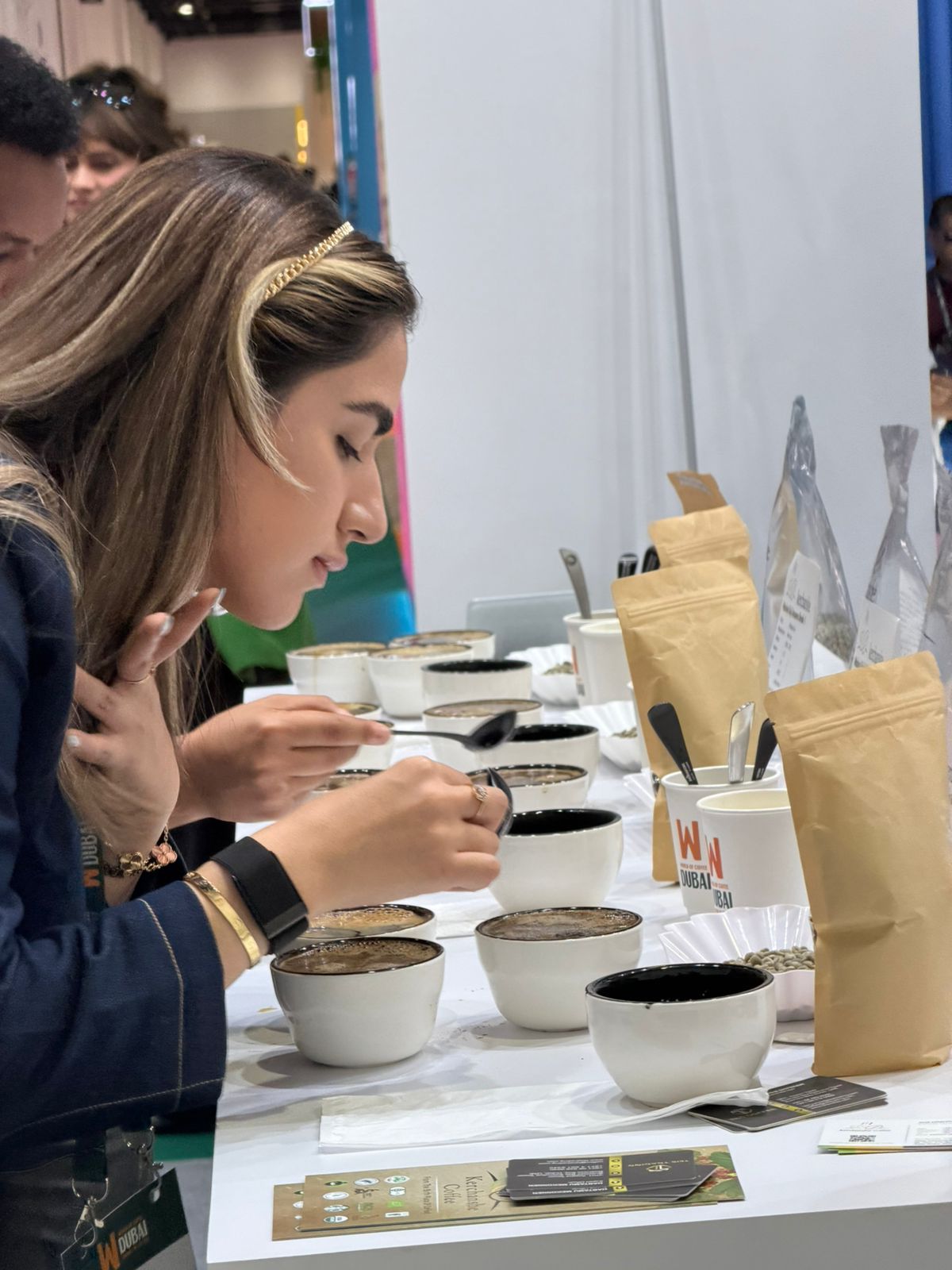
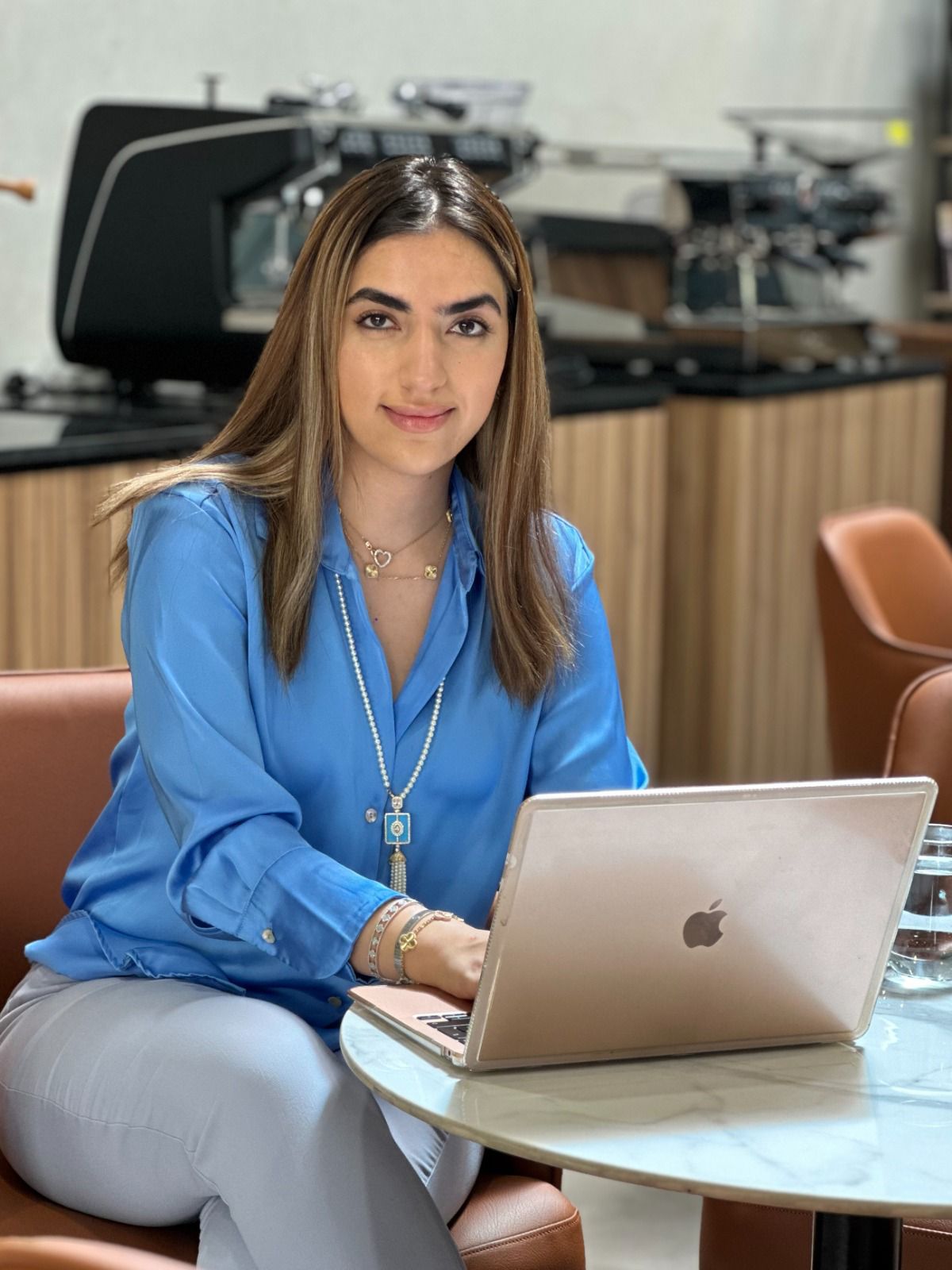
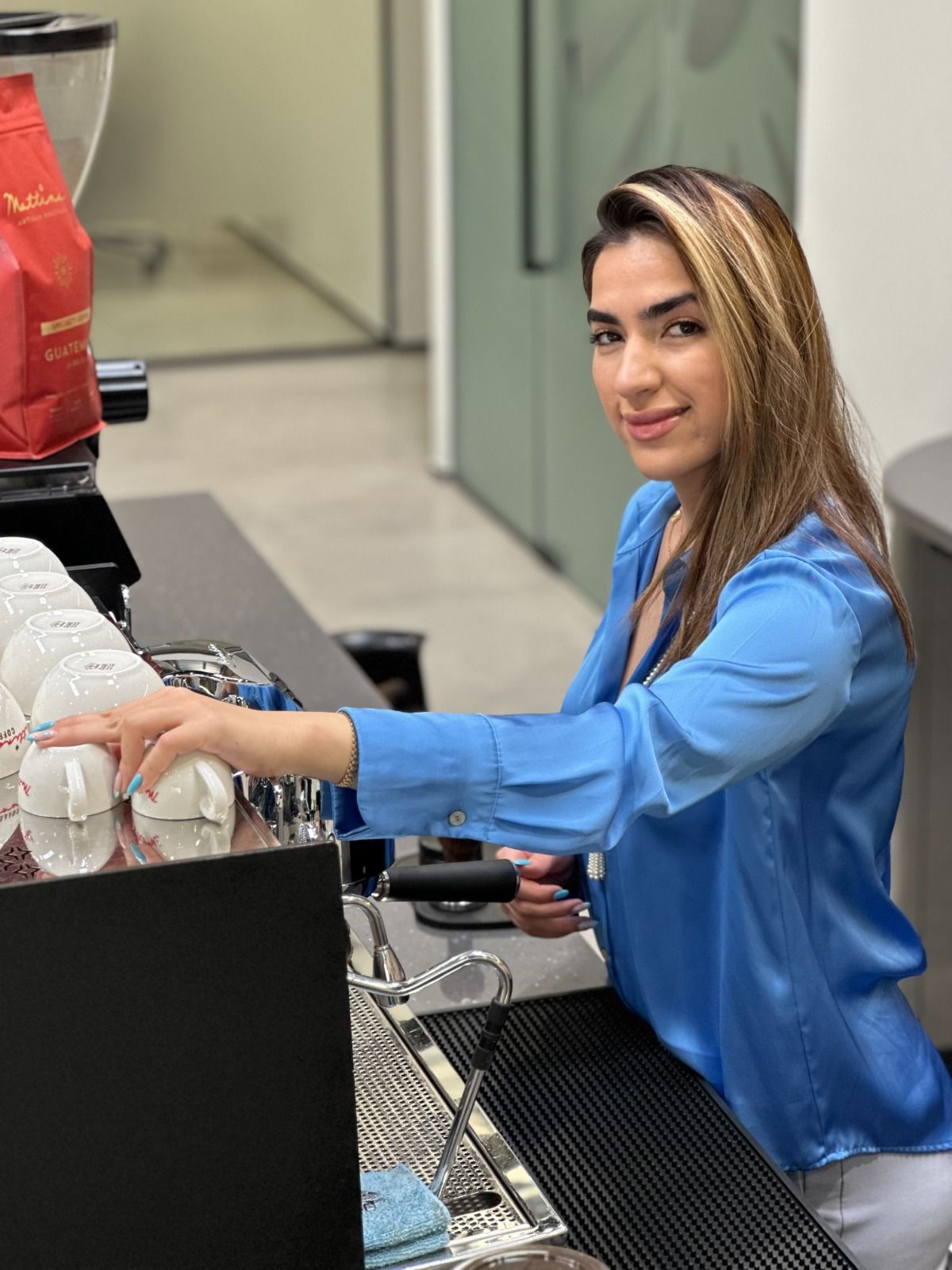
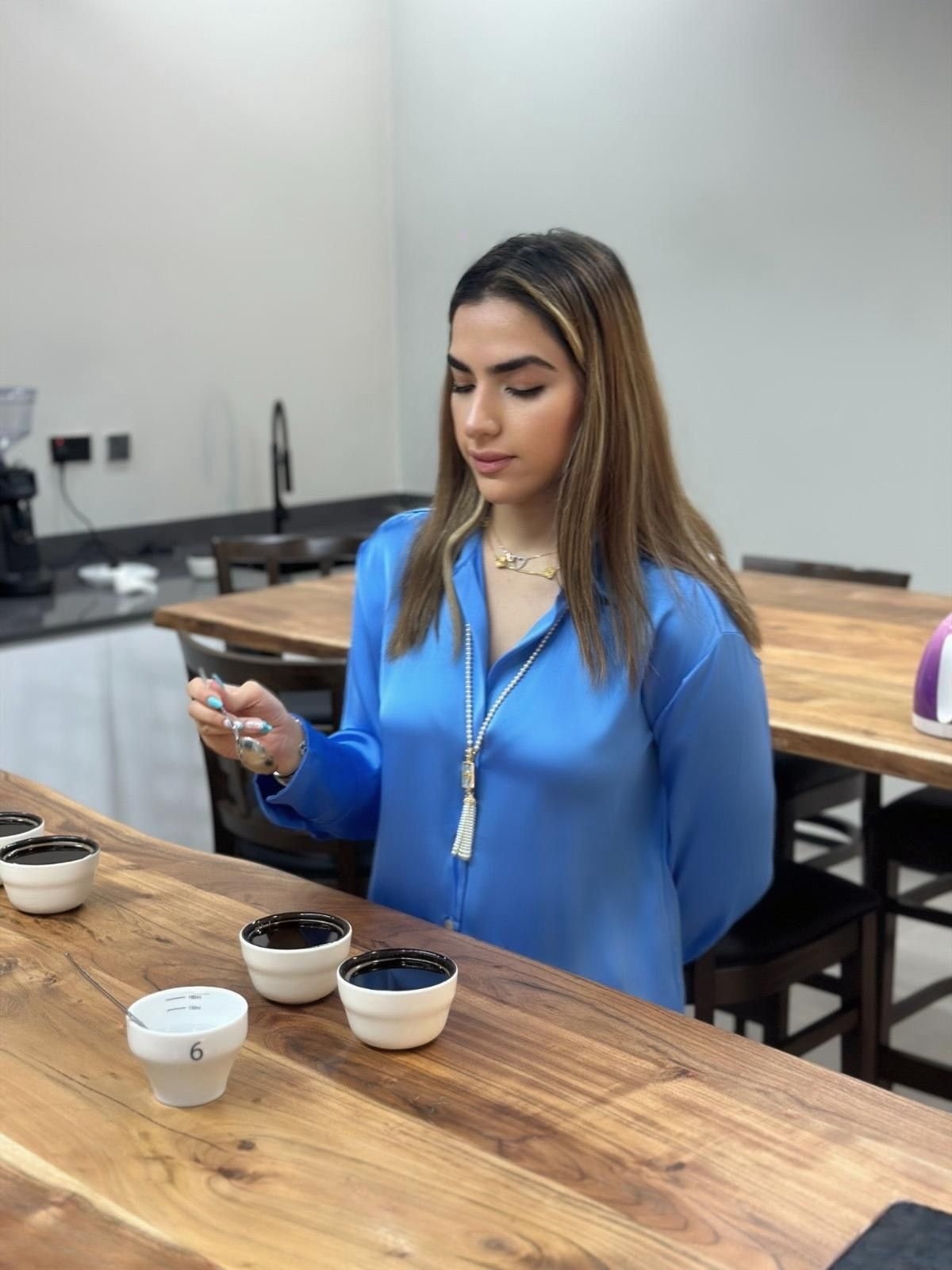
Maryam Tabatabaei is one of the experienced professionals in Dubai’s specialty coffee scene. She holds multiple certifications in coffee evaluation, training, roasting, and competition judging. Her work spans several areas: training, roasting, judging, and sensory analysis.

In this interview, Maryam talks about her beginnings with coffee, her experience in training, her perspective on Dubai’s coffee scene, and her advice for those who aspire to work in this field.

We invite you to read the interview and learn from her experience.

Do you remember the first coffee that truly surprised you?

Absolutely. It was the first time I tasted a naturally processed specialty coffee with intense fruit notes. Until then, coffee was simply coffee to me. Discovering flavors like berries, tropical fruits, and chocolate in a single cup completely changed my understanding of what coffee could be.

When did you realize coffee was going to become more than just a job for you?

I realized it when I started teaching others. Seeing students become passionate about coffee and watching their skills develop gave me a sense of purpose beyond making drinks. That’s when coffee became a lifelong journey rather than just a profession.

What still excites you about coffee today?

Coffee never stops teaching me something new. Whether it’s a new origin, a unique processing method, or helping someone discover a flavor they’ve never experienced before, there is always something new to explore.

You work in education, roasting, judging, and sensory. Which part feels most like you?

Training feels most like me. I enjoy sharing knowledge and helping people grow. Roasting and judging are incredibly rewarding, but seeing students gain confidence and succeed in their coffee careers is what fulfills me the most.

What’s something people misunderstand about specialty coffee?

Many people think specialty coffee is about being expensive or complicated. In reality, it’s about quality, transparency, and respect for everyone involved in the coffee chain – from the farmer to the person preparing the cup.

Has coffee changed the way you see people or culture?

Definitely. Coffee has allowed me to connect with people from many different countries and backgrounds. It has taught me that while cultures may differ, hospitality, passion, and the desire to connect over a cup of coffee are universal.

What was going through your mind during the roasting championship?

A mixture of excitement, focus, and responsibility. I knew every decision could affect the final result. At the same time, I reminded myself to trust my training, experience, and understanding of the coffee.

Do you still get nervous judging competitions or teaching students?

Yes, and I think that’s a good thing. A little nervousness means I care about doing my best. Whether I’m judging a competition or teaching a class, I want to give participants the attention and respect they deserve.

What’s the most rewarding moment you’ve had with a student?

Seeing a former student become a successful coffee professional and knowing I played a small part in their journey. Those moments remind me why education is so important.

What kind of atmosphere did you want to create with The Coffee Atelier?

I wanted The Coffee Atelier to be a place where people feel comfortable learning, asking questions, and developing their skills. A place that combines professionalism with creativity and genuine passion for coffee.

Dubai’s coffee scene is growing fast. What makes you hopeful about it?

The level of curiosity and commitment I see from young professionals. More people are interested in quality, training, and understanding coffee deeply rather than simply following trends. That gives me a lot of hope for the future.

What advice would you give someone who loves coffee but doubts they can make a career from it?

Start learning, stay curious, and be patient. The coffee industry offers many paths beyond being a barista. If you’re passionate and willing to keep improving, there is absolutely a place for you in this industry.

After all the certifications and competitions, what does a “good cup of coffee” mean to you now?

A good cup of coffee is one that creates a meaningful experience. Technical perfection matters, but ultimately, a great coffee is one that brings enjoyment, connection, and appreciation for the work behind it.

When you’re not analyzing coffee professionally, how do you actually enjoy drinking it?

I prefer simple brewing methods that allow me to relax and enjoy the coffee without overthinking it. Sometimes I just want to sit quietly and appreciate the cup rather than analyze every flavor note.

What keeps you motivated to continue learning in coffee?

The fact that coffee is a world without an endpoint. There is always another origin to explore, another technique to learn, and another person to inspire. That endless opportunity for growth keeps me motivated every day.

This interview offers insight into Maryam Tabatabaei’s experience in the specialty coffee world, her professional journey, and her perspective on training and development. We invite you to read the full interview and benefit from her expertise.

Interview conducted by: Qahwa World – with Maryam Tabatabaei, specialty coffee expert and founder of The Coffee Atelier in Dubai.

All rights reserved. Republication with attribution permitted.

Publication date: June 17, 2026

Myasah Ali: When a Yemeni Woman Writes Coffee’s History with the Ink of Passion and Pioneering

Source: Coffee World – Exclusive Interview |
Author: Ali Alzakary |
Date: June 8, 2026

Myasah Ali: When a Yemeni Woman Writes Coffee’s History with the Ink of Passion and Pioneering

Key Takeaways from the Interview:

  • Myasah Ali started her specialty coffee journey in 2021 in the heart of Sana’a, despite COVID-19 and Yemen’s difficult circumstances.
  • The brand name “Myasah” is a tribute to her grandmother, who gave up her coffee land inheritance in Haraz to protect her family.
  • Her biggest challenge came not from farmers but from traders who deliberately misled her with false advice to discourage her because she was a woman alone in the export field.
  • She learned from her mistakes never to trust inexperienced traders blindly; now formal contracts and legal governance are the foundation of her work.
  • She believes that Muslim women since the Prophet’s time engaged in trade, dialogue, and public life – her work today is a natural role, not a battle against society.
  • Her message to every young Yemeni woman: focus on your dream, people will rarely support you, your persistence and commitment are your true strength.

In the corridors of Sana’a, where history breathes the aroma of coffee, and specifically from the heart of “Myasah Coffee,” a story begins that goes far beyond mere commerce. It is the story of a Yemeni woman, Myasah Ali, whose project did not emerge from a vacuum.

If Sana’a is the headquarters from which the company launched, the roots of the story run deep, intertwining with the historic soil of Haraz – the region that gifted the world the finest coffee across the ages.

This fusion between the bustling capital and the timeless heritage of Haraz created a hidden yet powerful bond that led Myasah to establish an entity whose name now echoes in international forums. In this compelling interview, we dive deep into that memory to discover how Myasah turned this profound connection into a driving force to rewrite the professional history of Yemeni specialty coffee. We invite you to explore this inspiring journey in the lines ahead.

Entering the Coffee World in 2021 Amid Difficult Circumstances: Passion or Challenge?

Honestly, the beginning was not a choice between passion and challenge. Both came together. Passion was the initial spark, but passion alone is not enough to sustain you, especially at the time and under the conditions I started in – the COVID-19 crisis was just unfolding, and its global impact was making itself felt.

That is precisely where the challenge entered. It was a personal challenge to prove that no matter how complex the surrounding circumstances, they cannot prevent me from achieving my goal. The challenge became the engine that drove me to produce specialty coffee to high standards, capable of competing strongly in the global specialty coffee market.
What Is the Secret Behind the Name “Myasah” as Your Company’s Brand?

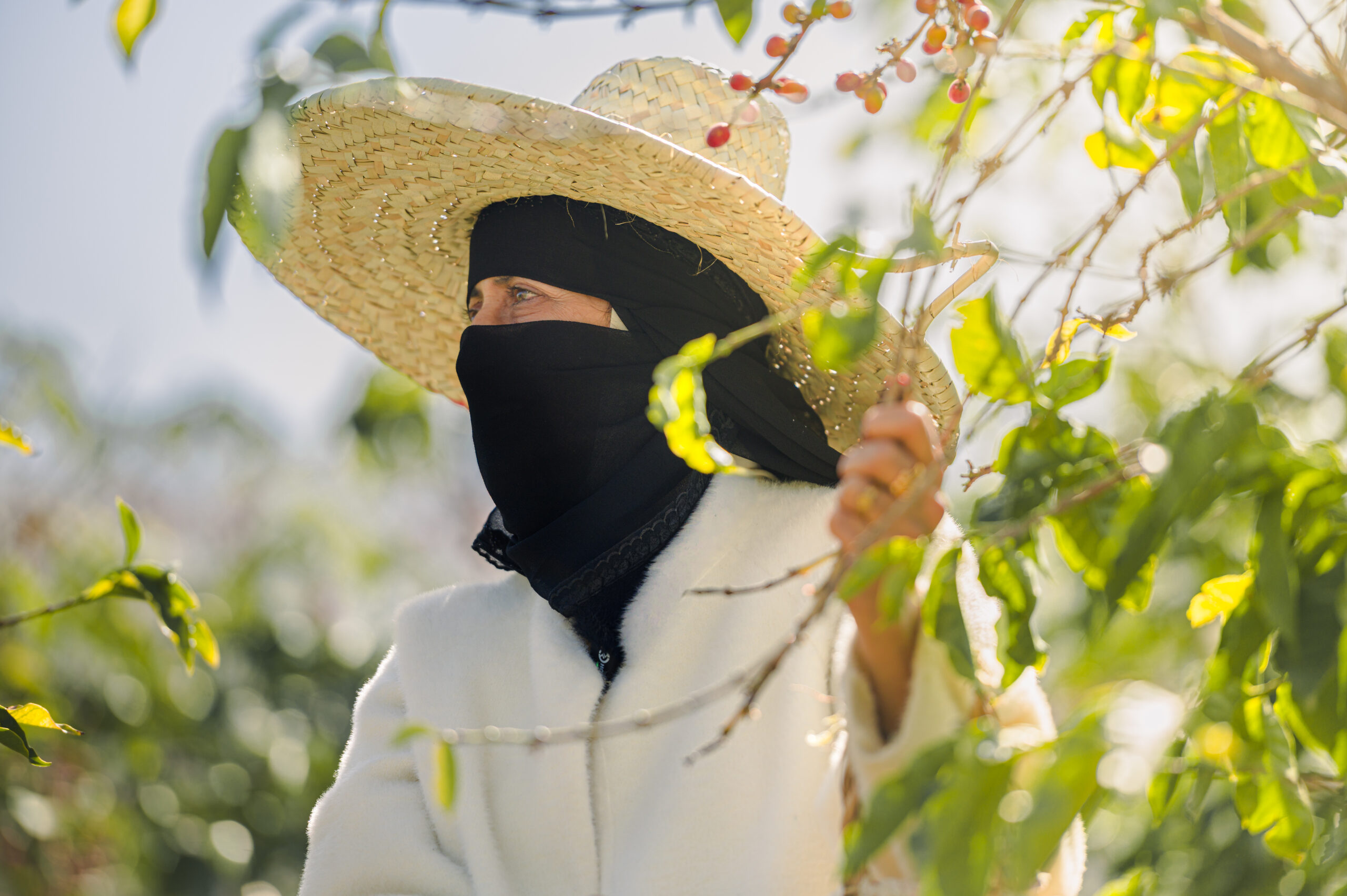
This brand is the least I could offer to my grandmother, who named me and raised me. Her family was among the wealthiest and largest coffee farm owners in Haraz. However, after her parents passed away, she gave up all that inheritance and moved to Sana’a to avoid disputes over inheritance and to ensure her family’s safety.

This enterprise is a tribute to her sacrifice – every inch of land she let go for our sake. And my name is the greatest guarantee and commitment to the quality and luxury of what I present to the world. The link between Sana’a, where the company is based, and Haraz, where the roots lie, is a bond of blood and memory.

The Biggest Challenge: Working in a Field Described as “A Man’s World”

Yes, indeed. Exporting is one thing; going into the field is another. I am a city girl and did not know the villages. But my family’s support and their mindset were my first pillar of strength. The positive shock in the field was that women are present in coffee farms and work there more than men, so I never felt alien.

I earned respect and established my presence through credibility in dealing, and through the cleanliness and quality of the product I offer. Clean work always asserts itself. Everyone who has dealt with me in this market realized that behind this name stands a woman who accepts nothing less than the best.
How Did Myasah Build Trust with Yemeni Farmers?

I built trust with farmers simply by keeping promises and committing to them. The Yemeni farmer buys word and credibility before anything else. As for the hardest moment that changed my thinking, it was not with farmers but with traders’ mistreatment and their attempts to mislead me. Being a lone woman exporting in this field, some deliberately gave me wrong advice and misinformation, aiming to discourage me and make me give up.

I quickly understood the game and shifted from good faith to smart caution. I started asking the same question to multiple traders, then analysing and doing the opposite of their misleading advice. That experience taught me to rely only on my own research, and to trust my managerial instinct to protect my business. Knowledge is the strongest weapon in the export world.

The Secret Behind Ensuring the Highest Quality Standards at “Myasah Coffee”

The secret lies in the unique evaluation mindset I follow. I do not treat coffee as a merchant wanting to sell without enjoyment. Instead, I always put myself in the place of the farmer, the trader, and the final cupper. Before I ship any batch, I consider myself a stranger tasting that coffee and evaluating it with strictness.

This role‑playing prevents me from compromising on any detail, and makes me eager to deliver the highest level of quality and cleanliness, because I want the cupper to feel the same passion and effort that went into every single bean. Each bean carries within it the heritage of Haraz and the precision management of Sana’a.
Losses Along the Way: The Mistake She Wishes She Had Avoided

The mistake I wish I had avoided was giving my trust to an inexperienced trader. In my early days, out of an emotional impulse, I decided to help someone whom all the other traders had rejected. Unfortunately, because of him, I not only lost money but also lost a name and reputation I was just building. However, I quickly corrected the situation and completely changed my mentality and business system.

Emotion has no place in business. Since then, official approved contracts, rigorous verification of partners, and legal governance have become the foundation of every shipment, to protect the name “Myasah Coffee” – especially since it is my personal name and there is no room for mistakes.

Has Myasah Overcome the Stereotype of Yemeni Women?

The weight my name has gained today comes from the deep expertise I have built and my continuous drive to improve it. As for the idea of victory, I have not defeated anyone, because there is no person in front of me I wish to compete with. My ambition is to compete with myself and develop my work only. Regarding the stereotype:

Muslim women since the time of the Prophet, peace be upon him, sold, bought, engaged in dialogue in scholarly gatherings, participated in battles, and in every aspect of life. What I do today is not a battle against society. It is simply the practice of my natural and active role as an ambitious woman in the business world.
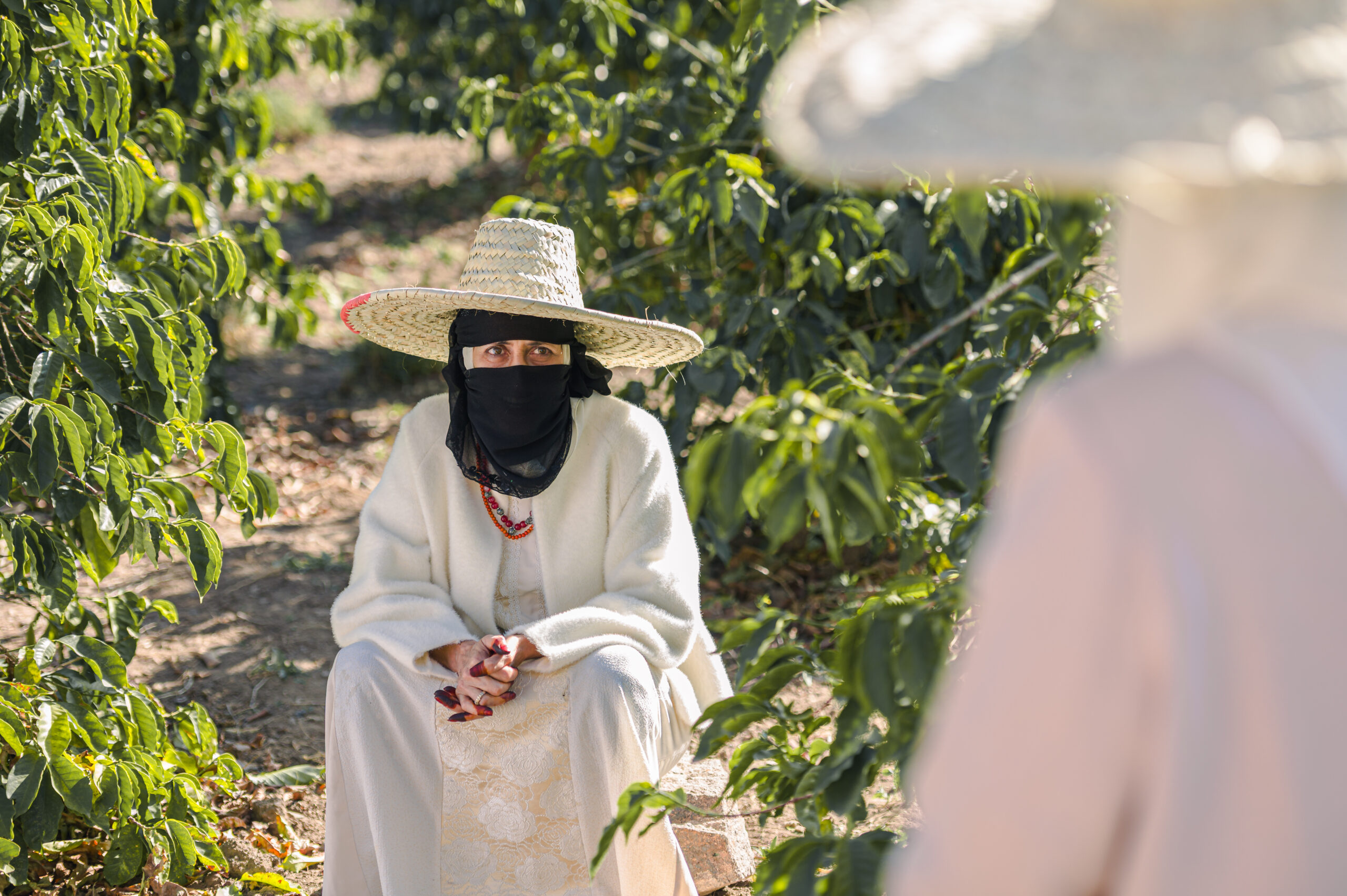
Balancing Global Standards with the Authenticity of Yemeni Coffee

Flavour and authenticity have not changed. The trees, soil, and climate in Haraz are constant factors that give coffee its historical identity. Global standards have not altered the essence of the coffee; they have improved the way we handle it.

The difference today lies in refining harvesting methods, drying, roasting, and storage to keep pace with the times, inventing new machines and doing deep work.

Adhering to these standards does not cancel authenticity but protects it, and ensures that this historical legacy is presented to international customers in the highest quality and cleanest possible form.

What Does It Mean That “Myasah Coffee” Has Reached Global Markets?

The feeling that overwhelms me is true, deep pride in myself, in a success I have lived step by step thanks to God, and then to my own effort that never stopped or retreated despite all the pressures and problems. I cannot describe the feeling.

Today I start my morning with a cup of coffee produced by my own company, knowing that I am offering the world an ideal product at the highest standards. I have achieved successes and accomplishments that many men in this market have themselves testified were beyond the possible.

The arrival of “Myasah Coffee” to these international markets is confirmation that determination can always make a difference.
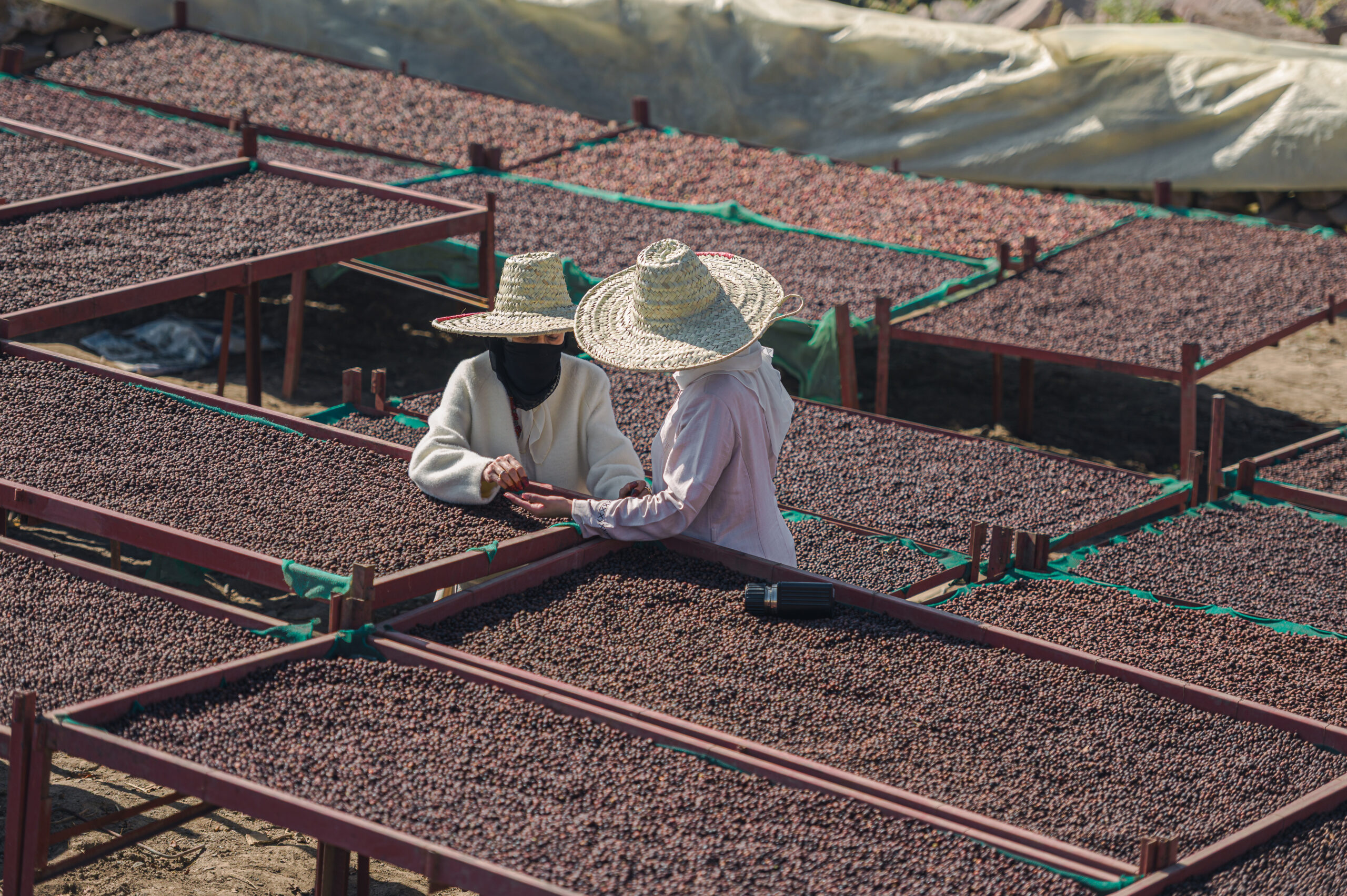
Myasah’s Message to Every Young Yemeni Woman Who Aspires to Her Dream

The message I want to give to every young Yemeni woman is: focus on your dream and your goal, as long as you clearly see the outcome and the position you want to reach. And always remember that no one else sees this vision.

Most people will not support you, and the bad words, envy, and enemies will not stop appearing on your path. So never pay attention to them. Be very careful in choosing those around you to be a real support. Persistence and holding onto your dream are the true power that can break any obstacle or societal perception.

Always keep one certainty in your heart: Whoever has God with them has no one against them.
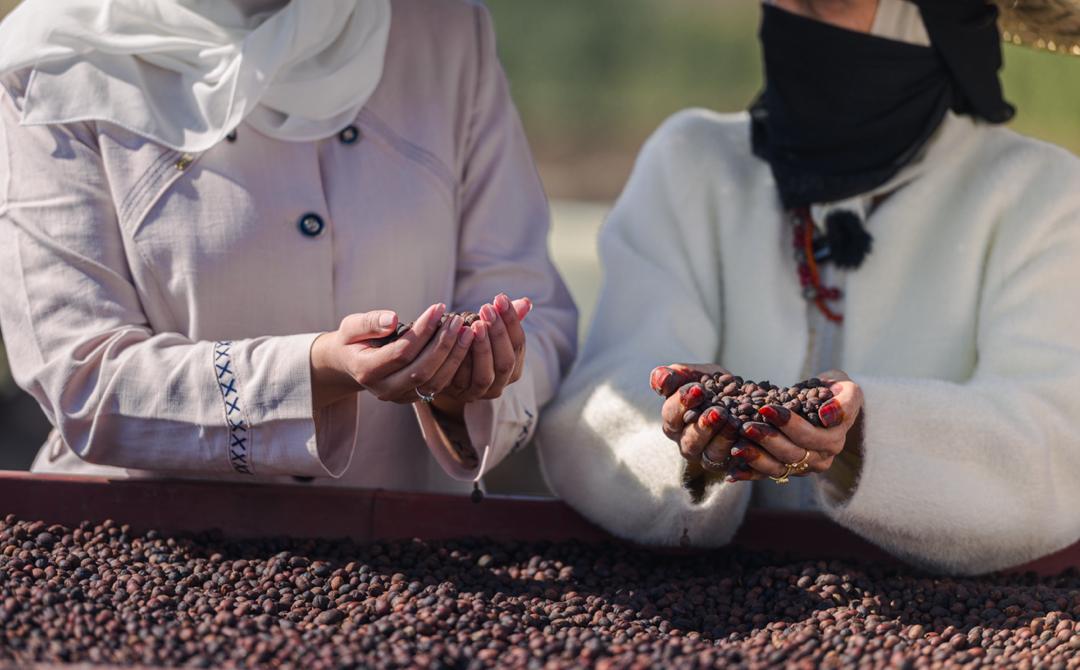
Frequently Asked Questions About Myasah Ali and Yemeni Coffee

Q: When was Myasah Coffee founded?

A: It was founded in 2021 in Sana’a, Yemen, amid the COVID-19 crisis and difficult local circumstances.

Q: Why did Myasah choose “Myasah” as her brand name?

A: As a tribute to her grandmother, who bore the same name and gave up her coffee land inheritance in Haraz to protect her family.

Q: What was Myasah’s biggest challenge at the start of her journey?

A: Traders trying to mislead her with false advice to discourage her because she was a lone woman in the coffee export field.

Q: How does Myasah deal with Yemeni farmers?

A: She relies on keeping promises and commitments. She says the Yemeni farmer buys word and credibility before anything else.

Q: What is Myasah’s message to young Yemeni women?

A: Focus on your dream, ignore negative talk, and stay persistent – that is the real power to break any obstacle.

Myasah Ali is an inspiring model for Yemeni and Arab women in the specialty coffee industry. Her determination, wisdom, and commitment to her roots have turned her brand into a respected name in global markets. We hope this story inspires everyone who seeks to turn passion into a profession, no matter the challenges.

Interview conducted by Coffee World – with Myasah Ali, founder of “Myasah Coffee” in Sana’a, Yemen.

All rights reserved. Republication with attribution permitted.

Publication date: June 8, 2026
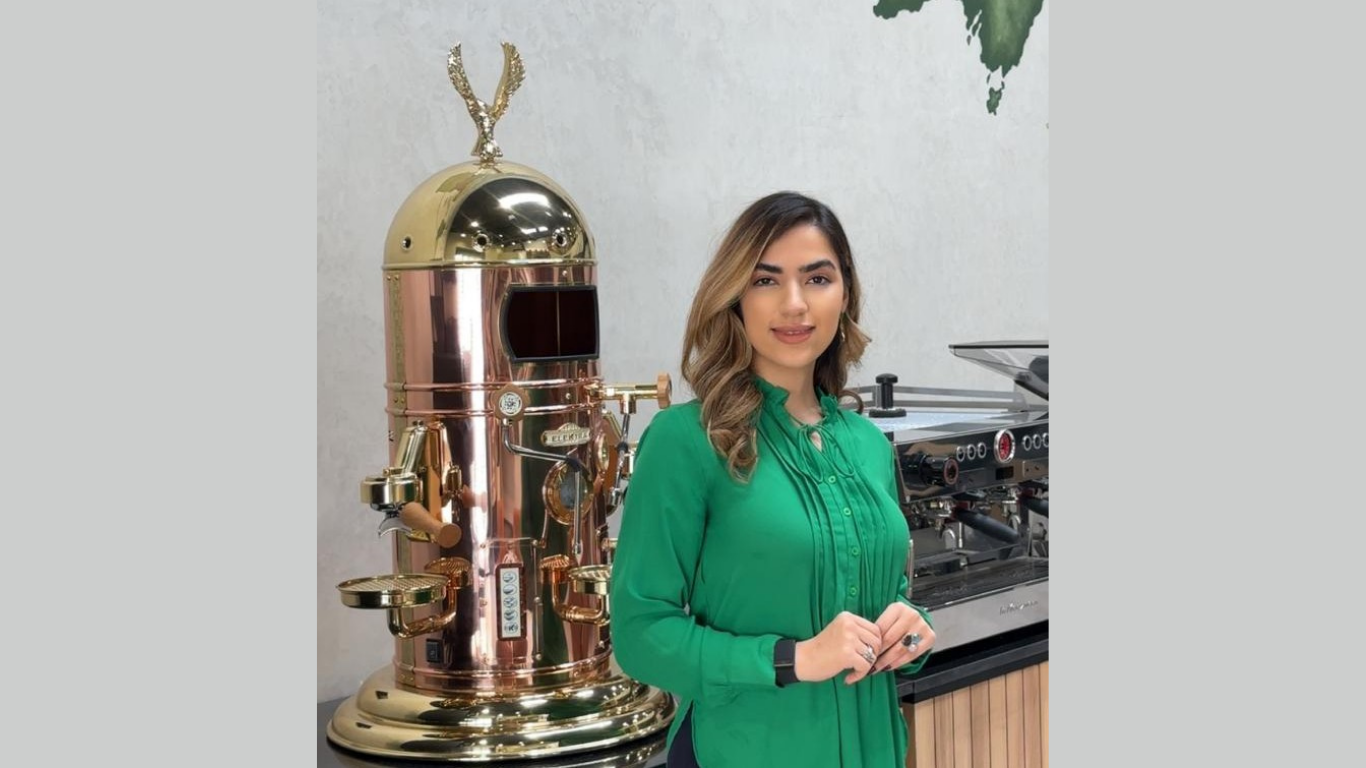
“Your Senses Belong Only to You” – Fuki Kanamori on Her Journey from Government Clerk to Japanese Coffee Expert

This Fuki Kanamori interview explores the world of Japanese coffee.

Interview: Qahaw World |
Interviewer: Ali AlZakary |
Date: June 2, 2026

“Your Senses Belong Only to You”: Fuki Kanamori on Her Journey from Government Clerk to Japanese Coffee Expert

Key Takeaways from the Interview:

  • “Coffee moves you” – a philosophy that reflects a man who started her journey after age 40.
  • Language barriers and lack of information were the biggest obstacles to professional growth.
  • Kanamori Coffee Lab: a lighthouse for those who want to avoid detours in specialty coffee education.
  • Science is just a tool. Never forget the person you are serving.
  • Japanese consumers blend old Kissaten craftsmanship with modern specialty coffee.
  • Ambition to collaborate with the Gulf region to share sensory education expertise.

As part of “Qahwa World’s” mission to explore inspiring coffee experiences around the globe, we now come to Japan. This is our first interview with one of the most prominent specialty coffee figures in the Land of the Rising Sun.

Fuki Kanamori was not always an expert in roasting and sensory analysis. He started her career as a local government employee. Then, in her late thirties, everything changed. He suddenly realized that he wanted a career where he could truly create and feel.

Thus, she embarked on the journey of founding “Kanamori Coffee Lab.” Today, she is a renowned educator and a certified Q Grader.

In this in-depth interview conducted by writer and specialist analyst Ali Al Zakary, Fuki Kanamori reveals her unique philosophy summarized by her beautiful slogan: “Coffee moves you.”

He talks about language challenges, her vision to close the information gap in Japan, and her passion for transferring sensory knowledge to new generations. He also offers golden advice to anyone starting their coffee journey today.

Do not miss the opportunity to learn from this inspiring Japanese experience.

Your philosophy is captured by the beautiful slogan, “Coffee moves you!” How did coffee personally move you in your early days, and what was the turning point that inspired you to pursue this career professionally, specifically focusing on roasting, brewing, and sensory analysis?

It all began in my late 30s when I had a sudden realization: “I want a career where I can truly create and feel.” Until then, I was working as a local government employee at a city office. Driven by this new passion, I taught myself by reading every coffee book I could find.

However, no matter how much I read, I simply could not grasp the complex flavor descriptions written on the pages. It was incredibly frustrating. I became determined to capture those professional sensory perceptions with my own five senses and verify the “right answers” for myself.

That was the true turning point that led me to immerse myself completely in studying to become a Q Grader. It was a late-blooming challenge, starting well after I turned 40.

Transitioning from a passionate coffee lover to a recognized Coffee Educator and Sensory Professional requires an intense journey of training. What were the most significant challenges you faced in refining your skills in roasting and advanced sensory perception?

The greatest obstacles I faced were the language barrier and a severe lack of accessible information. While certain aspects of the Japanese coffee scene are highly advanced, it is completely polarized. Japan has lagged behind global trends in cutting-edge roasting theories and advanced sensory education.

The vast majority of truly valuable primary information is published in English and originates from overseas. If you try to learn solely through Japanese accessible data, you quickly hit a wall. Navigating that language barrier to directly grasp global standards and core theories was an immense challenge.

You founded “Kanamori Coffee Lab” as an all-encompassing platform. What is the core mission and vision that the lab aims to achieve within both the Japanese and global coffee communities?

Our mission is twofold: to be a space where anyone who wants to learn can access genuine skills and knowledge without getting lost, and to convey the pure joy of trusting one’s own senses and expressing them freely.

In Japan’s polarized information landscape, I want the lab to be a lighthouse, the shortest route for people who, just like my former self, yearn to dive deeper but want to avoid unnecessary detours.

By delivering authentic, vivid information, we aim to contribute deeply to the Japanese community. Globally, our vision is to share Japan’s unique, delicate craftsmanship while creating an experimental space where professionals can connect and inspire one another through sensory perception, transcending language barriers altogether.

As a Sensory Professional, how do you bridge the gap between rigid, precise science and the emotional, human experience when training students and professionals at your lab?

Science and data are merely tools; they are never the end goal. At my lab, I instill a deep, foundational understanding of theory rather than just handing out superficial recipes.

If you master the core theory, you can adapt flexibly using your own five senses, no matter how the environment, machinery, or brewing tools change.

At the same time, I always remind my students: “The language used between professionals is entirely different from the language used with customers. No matter how deeply or professionally you specialize, you must never forget the person you are serving.”

You must hold rigid scientific theory within yourself, but translate it into a shared, emotional experience and language for the customer. Teaching the balance of these two pillars is the only way to bridge that gap.

The coffee education and training sector is evolving rapidly. What unique methodologies or principles distinguish Kanamori Coffee Lab from other training centers focused on specialty coffee?

The biggest distinction is that we do not offer generic, one-size-fits-all lectures. Instead, we clarify each student’s unique dream and ideal future, and provide unwavering, side-by-side mentorship to get them there.

Because I took a long detour and achieved my own dream later in life, I understand exactly where students stumble and face difficulties. Age, gender, and previous career background do not matter.

“Anyone can make coffee their professional career, no matter when they start.” I want to prove this through my own actions.

Our core strength lies in this completely personalized mentorship designed to turn individual dreams into reality, rather than just teaching standard “correct answers.”

Our readers and specialty coffee professionals love getting a glimpse into the daily routines of experts. What is your personal, go-to protocol for evaluating your morning coffee? Furthermore, what is your favorite Japanese brewing/dripping tool, and why do you prefer it?

To me, morning coffee is “a legal stimulant that moves my mind and soul.” As someone who struggles with mornings and tends to be indecisive early in the day, coffee is the essential element that puts me on the starting line and grants me the power of decisiveness.

My protocol is simple: I drink a single glass of water, and right after, I drink my coffee without thinking about anything at all.

Doing this allows my day to truly begin, much like putting on a final touch of perfume before leaving the house. Drinking coffee in this flat, neutral state is how I face my physical condition and the bean’s potential head-on.

My favorite Japanese tool is the “Tarachine Dripper.” Crafted with traditional Arita ware porcelain, it beautifully depicts Katsushika Hokusai’s Thirty-Six Views of Mount Fuji, embodying a distinct Japanese aesthetic.

Functionally, its sharp conical design engineered at an angle below 30 degrees maximizes extraction consistency. For brewing a clean, energetic cup that awakens my mind and soul, there is simply nothing better.

Japan’s coffee culture beautifully harmonizes tradition, like the historic Kissaten shops, with the cutting-edge modernism of specialty coffee. How do you view this balance, and what uniquely defines the modern Japanese consumer’s approach to coffee appreciation?

I believe Japanese consumers possess an extraordinarily high level of appreciation and attentiveness toward micro-details. On one hand, you have the traditional Kissaten culture, defined by the meticulous care of brewing a single cup over time and the comfort of the space.

On the other hand, you have modern specialty coffee, characterized by clean, cutting-edge flavor profiles. While these two worlds might seem contradictory at first glance, Japanese consumers beautifully bridge them through a shared “profound respect for craftsmanship.”

Instead of merely chasing trends, they value the underlying story and the minute details within a single cup. This unique perspective allows a new standard like “Neo-Kissaten” to emerge naturally, evolving and integrating modern technology without destroying the old culture.

Japanese roasters and baristas are globally renowned for their meticulous attention to micro-details in both roasting and extraction profiles. In your opinion, how has this distinct Japanese philosophy shaped the global specialty coffee community?

This artisan philosophy, which you could call an obsession with micro-details, has elevated the overall precision and consistency of the global specialty coffee community to a higher level. The way Japanese baristas and roasters constantly refine their craft down to a single second, 0.1 grams, or one degree has served as massive inspiration to professionals worldwide.

The fact that highly sophisticated tools like the Tarachine Dripper are born in Japan is a testament to this mindset. This precise approach and dedication to mindfulness have become essential puzzle pieces in shaping what is now considered the global standard.

Every market has its hurdles. What are the most pressing challenges currently facing the coffee sector in Japan, whether regarding supply chains, climate change, or evolving consumer tastes among the younger generation?

I feel the most pressing challenge is the polarization of information and the resulting barriers to entry. While climate change and supply chain disruptions are global issues, Japan faces a unique hurdle: access to accurate, cutting-edge theories and information is restricted to a limited group.

Because of this information gap, passionate amateurs and the younger generation trying to enter the industry often get trapped by outdated conventional wisdom or rigid recipes, leading to early frustration.

Eliminating this information disparity and building an environment where the next generation can enjoy and explore coffee freely on a global standard is what Japan needs most right now.

The Arab world, particularly the Gulf region, is experiencing unprecedented, massive growth in the specialty coffee sector and sensory education. How do you view this rapid expansion, and are there any future plans for Kanamori Coffee Lab to collaborate or offer educational programs in the Middle East?

I have immense respect for the sheer passion and breathtaking speed of evolution within the specialty coffee sector in the Arab world, particularly the Gulf region.

Their dedication to hungrily pursuing authentic education and achieving the absolute pinnacle of quality resonates deeply with the philosophy of our lab.

While we do not have any concrete plans at the moment, I would absolutely love the opportunity to connect with their vibrant community and collaborate by bringing our sensory education and hands-on mentorship to the Middle East.

In closing, what golden piece of advice would you offer to emerging roasters and young cuppers who are just beginning their journeys in the coffee industry today?

My golden piece of advice is this: “Your five senses belong to you and you alone. No one has the right to deny or invalidate what you perceive.” The coffee world is flooded with “correct answers,” data, and the opinions of experts. However, the flavors you personally perceive as delicious and the moments you define as beautiful are where everything truly begins. Knowledge and technical skills can always be acquired later.

Trust your own senses and never be afraid to express them. That single courageous step will eventually lead to a cup of coffee that genuinely moves someone else’s heart.

This interview was conducted by Ali Al Zakary as part of the “Qahwa World” series exploring distinctive coffee experiences worldwide. We hope that Fuki Kanamori’s journey inspires every Arab who aspires to turn their passion for coffee into a refined profession. Share your thoughts and questions with us, and stay tuned for our upcoming interviews from the coffee capitals of the world.

Interview by: Ali Al Zakari – Edited and produced by the “Coffee World” team – in collaboration with Kanamori Coffee Lab, Tokyo, Japan.

Publication date: June 2, 2026