IHOP revamps coffee program with new exclusive blend

Dubai – Qahwa World

United States-based casual dining chain IHOP has unveiled a major update to its coffee offering, marking the first change to its program in nearly 20 years with the launch of a new proprietary blend across its locations.

Known for its focus on American breakfast cuisine, the brand operates more than 1,300 restaurants globally, with the majority based in the United States.

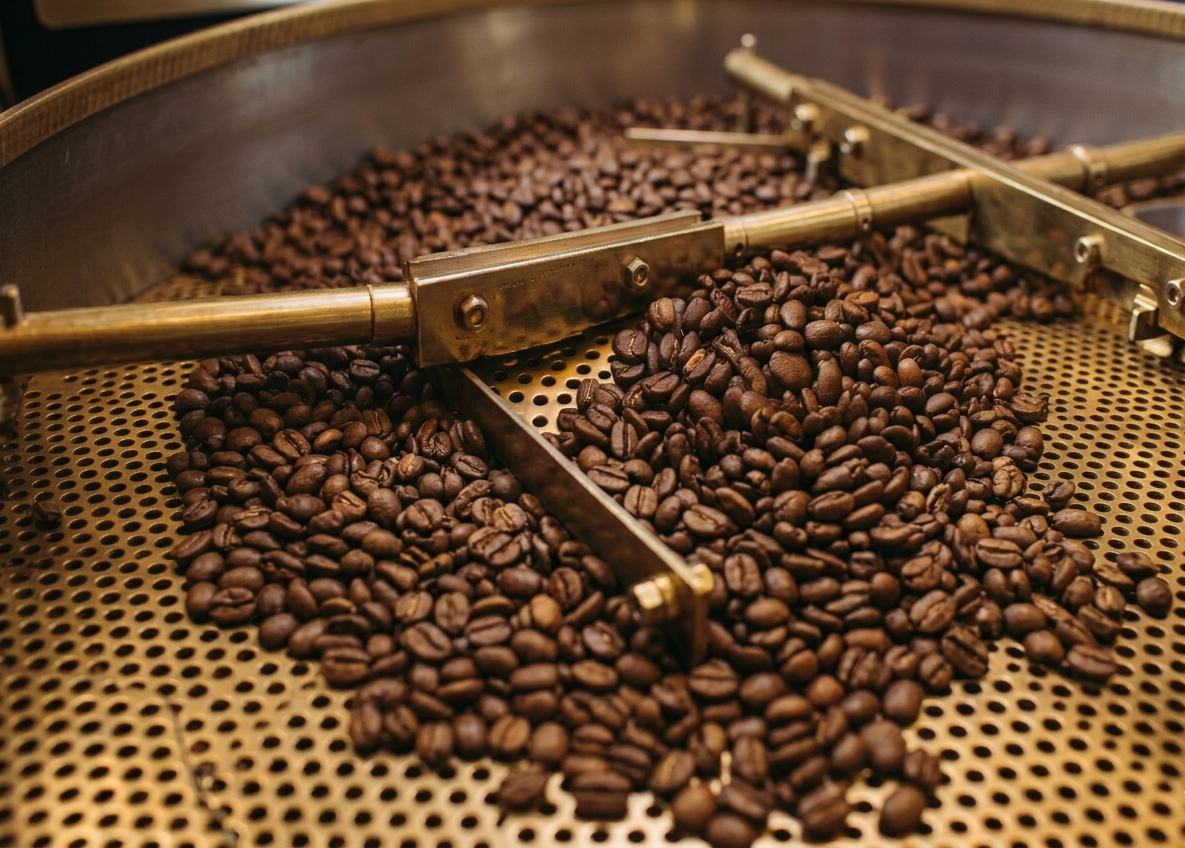
The newly introduced coffee, branded as the IHOP Coffee Blend, is made from 100% sustainably sourced Arabica beans from Brazil. Alongside the new blend, the company has expanded its iced coffee range with additional flavours including dulce de leche, vanilla, and chocolate.

According to Lawrence Kim, president of Dine Brands Global, the update was driven by customer feedback and evolving consumer preferences.

He noted that the company continues to monitor guest input and market trends, adding that the new coffee is intended to complement IHOP’s value offerings while reinforcing its focus on delivering a high-quality breakfast experience.

Nestlé, ILO launch two-year coffee labour rights project

Dubai – Qahwa World

Nestlé and the International Labour Organization (ILO) are expanding their long-standing partnership by launching a new, two-year project, “From fair recruitment to worker protection in coffee supply chains,” focused on promoting labour rights in the coffee supply chains of three key sourcing countries: Brazil, Colombia and Mexico.

Building on its standard-setting role and convening power, the ILO will facilitate social dialogue among governments, employers’ and workers’ organizations to identify and address key drivers of decent work deficits and labour-related risks in coffee supply chains. Based on these insights, the project will implement targeted country-level interventions to promote fair recruitment practices and labour rights. Interventions at the country level will also support global knowledge-sharing across the coffee sector.

You may also be interested in: Nestlé Considers Selling Blue Bottle Coffee Stake

Dan Rees, Director, ILO Priority Action Programme on Decent Work in Supply Chains, said: “Coffee production sustains the livelihoods of approximately 20–25 million families worldwide, generating vital income and employment. However, decent work deficits in coffee supply chains persist, particularly among seasonal and migrant workers. Through this project, we aim to advance labour rights and promote decent work and contribute to more sustainable supply chains.”

Antje Shaw, Head of Sustainability for Coffee at Nestlé, said: “Our partnership with the ILO represents a significant step to advancing and promoting human rights in coffee supply chains. By working together, we can progress faster in creating more resilient and inclusive coffee value chains, where workers are treated with dignity.”

You may also be interested in: Nestlé to Reduce Workforce as Part of Cost-Saving Drive

The project is supported by the Nescafé Plan, Nestlé’s global sustainability programme for the brand, and will contribute to the ILO Fair Recruitment Initiative, which supports the promotion and implementation of fair recruitment principles worldwide, as well as to the ILO flagship programme Safety + Health for All, particularly its Vision Zero Fund, which promotes the fundamental right to a safe and healthy working environment in supply chains.

Nestlé is a founding member of the Child Labour Platform (CLP) convened by the ILO and a partner in projects aimed at promoting decent work in agricultural supply chains.

Lablibell Bajarias: Crafting Coffee, Storytelling, and Victory

Dubai – Ali alzakary

When the spotlight fell on Lablibell Bajarias at the Lavazza Barista Challenge 2026, it wasn’t just a moment of triumph—it was the culmination of vision, precision, and a profound connection to coffee as both craft and story. Representing the UAE on the global stage, she transformed each cup into an experience, blending heritage with innovation in ways that captivated the judges and the audience alike. From the inspiration behind her signature drink to the rituals that sharpen her focus, Bajarias shares her journey, her challenges, and the philosophy that drives her creativity. Dive into this fascinating conversation and discover the heart and mind behind a world-class barista.

  • How did you feel when your win was announced at the global finals?

When my name was announced, I felt an overwhelming mix of gratitude, pride, and disbelief. In that moment, I felt proud to represent not only myself but also my team and my country, the UAE.

  • What was the toughest challenge you faced during the competition?

The toughest challenge was managing pressure while maintaining precision. At the global level, everyone is exceptionally skilled, so the real competition is often against your own nerves. Staying calm, focused, and fully present was the biggest test.

  • Can you recall the moment you felt your performance was perfect?

There was a moment during my presentation when everything felt aligned—the extraction, the flow of my speech, the judges’ engagement. It wasn’t about technical perfection but about connection. I felt fully confident and authentic in that moment.

  • What inspired the signature drink you presented?

My signature drink was inspired by Bosco Verticale—an iconic architectural landmark in Milan where tradition meets innovation. In my drink, I translated that concept into flavour—honouring traditional elements while applying modern techniques. Just like Bosco Verticale blends heritage with innovation, I aimed to create a cup that respects coffee’s roots while expressing creativity and evolution.

  • Which technique or skill do you think sets you apart from the other competitors?

I believe my ability to connect storytelling with technical precision sets me apart. Coffee competitions are not only about extraction but also about creating an emotional experience for the judges.

  • How do you choose ingredients and balance flavours in your creations?

I start with the coffee itself—its origin, processing, and natural flavour notes. Every ingredient must support and elevate the coffee, never overpower it. I focus on balance between sweetness, acidity, texture, and finish. Simplicity with intention is always my goal.

  • How do you plan to develop your skills after this win?

Winning is not the destination—it’s a new beginning. I plan to continue refining my sensory skills, exploring coffee origins more deeply, mentoring young baristas, and pushing my creativity further. Growth in coffee never truly stops.

  • What advice would you give to young people who want to become professional baristas?

Be patient and stay curious. Master the fundamentals before chasing trends. Invest in understanding coffee beyond recipes—learn about farmers, processing, roasting, and sensory evaluation. Most importantly, never lose your passion.

  • What does representing the UAE on the global coffee stage mean to you?

It is a great honour. The UAE has a vibrant and fast-growing coffee culture, and representing it globally means showcasing our professionalism, diversity, and ambition. I hope to inspire others in the region to aim for the world stage.

  • When did your passion for coffee begin, and how did you discover it?

My passion for coffee began through my friends. They were deeply into coffee, and their excitement about flavours, techniques, and origins inspired me. What started as simple curiosity quickly became my own passion. Being surrounded by people who loved the craft influenced me to take coffee seriously—and eventually, it became my career and my purpose.

  • Do you have any personal rituals or habits while making coffee that help you focus or be creative?

Before every performance, I take a few quiet breaths and centre myself. I focus on intention—why I’m making this coffee and who I’m making it for. That clarity helps me stay grounded and creative at the same time.

  • Who has been your biggest inspiration in this field?

My biggest inspiration has been the people I grew with in this industry—my mentors and fellow baristas. Seeing their dedication, sacrifices, and passion pushed me to aim higher. They showed me that true excellence in coffee comes from discipline, humility, and heart.

Italian Coffee Giants Unite to Launch Mazzer x Slayer Grinder

New collaboration brings precision-focused innovation to professional coffee grinding

Milan – Qahwa World

Two leading names in Italy’s coffee equipment industry have joined forces to introduce a new grinder designed for professional use, marking a notable collaboration in the speciality coffee sector.

The partnership between Cimbali Group and Mazzer has resulted in the Mazzer x Slayer grinder, unveiled during the Grind Chronicles. The project represents the first tangible outcome of their combined efforts.

The grinder has been developed to enhance the interaction between barista and equipment, with a focus on design, usability, and precision. Drawing inspiration from the Slayer espresso machine experience, the new model aims to extend that same level of control and attention to detail to the grinding stage.

Presented as a prototype, the machine operates at low speed and incorporates a grind-by-weight system, making it suitable for medium- to high-volume coffee environments. It features an integrated load cell and 69 mm conical burrs, designed to deliver consistent and accurate dosing across different working conditions.

The design also reflects elements associated with Slayer machines, offering a cohesive workflow from grinding through to extraction. This approach is intended to support baristas in maintaining consistency while optimising daily operations.

Frédéric Thil, managing director of Cimbali Group, stated that the collaboration brings together complementary expertise to develop reliable, high-performance solutions for coffee professionals. He emphasised the importance of precision, consistency, and control in elevating both workflow and cup quality.

Giovanni Mazzer, President of Mazzer, described the partnership as a meaningful collaboration between companies that share common values and a strong connection to espresso heritage. He noted the potential to deliver advanced technological solutions alongside a high standard of service.

The final version of the Mazzer x Slayer grinder is expected to be officially introduced to the market at the London Coffee Festival 2026 in May 2026.

EFICO GROUP: A Century of Responsible Coffee – 2025 Report

Brussels – Qahwa World

EFICO GROUP has officially published its 2025 Communication on Progress (CoP), reaffirming its commitment to the ten principles of the United Nations Global Compact. The report highlights how the company integrates human rights, labour standards, environmental responsibility, and anti-corruption practices into operations, partnerships, and decision-making across the global coffee value chain.

  • Sustainability at the Core

For EFICO, sustainability is central to its identity. As a specialist in green coffee since 1926, the company embeds responsible practices at every stage — from sourcing and supplier engagement to efficient internal operations. EFICO ensures a consistent supply of high-quality, fully traceable coffee while creating lasting positive impact for producers, communities, and stakeholders.

You may Like: EU’s New Organic Regulation Reshapes Coffee Value Chains Worldwide

In 2025, EFICO strengthened its focus on traceable and sustainable sourcing, collaborating directly with farmers, cooperatives, and local exporters to promote economic resilience and environmental stewardship. By prioritising verified and certified coffees, the group supports practices that protect biodiversity, conserve natural resources, and improve livelihoods in coffee-growing regions.

  • Transparency: The Foundation of Trust

Transparency guides EFICO’s operations. The 2025 CoP provides clear insights into practices, measurable progress, ongoing initiatives, and areas targeted for improvement. By openly sharing successes and challenges, the company ensures decisions are informed, accountable, and aligned with the expectations of partners, clients, and civil society.

You may like: Brazil Coffee Harvest 2025/2026: A Decent Crop Amid Market Volatility

  • The Power of Partnerships

Meaningful change requires collaboration. EFICO maintains long-term relationships with coffee producers, cooperatives, roasters, traders, institutional partners, and civil society organisations. These partnerships deliver practical solutions that empower communities, strengthen the coffee sector, and support environmental protection. Joint projects, knowledge sharing, and co-developed programmes help address challenges like climate change, market volatility, and social inequalities in coffee-growing regions.

  • Walking the Talk: Action and Impact

EFICO emphasises measurable action. The 2025 CoP highlights the company’s approach to monitoring outcomes, reviewing performance indicators, and adapting strategies based on results. This cycle drives improvements in product quality, service excellence, operational efficiency, and sustainability performance. Through transparent reporting, EFICO ensures commitments translate into tangible benefits — from better farming practices and reduced environmental footprints to stronger community development.

  • Celebrating 100 Years and Looking Ahead

2026 marks 100 years of EFICO GROUP in the coffee industry. A century of experience, trusted partnerships, and deep market knowledge has enabled EFICO to consistently deliver high-quality, traceable coffee while supporting producers and communities.

Read Also: Harvesting Coffee and Carbon: A New Chapter in Sustainable Coffee Production

Entering its second century, EFICO remains committed to responsible sourcing, ethical trading, and long-term positive impact. Lessons from the past, combined with forward-looking innovation, position the company to navigate future challenges and opportunities in the evolving coffee landscape.

The full EFICO Group 2025 Communication on Progress is available in English, French, and Spanish. Stakeholders worldwide can access the detailed report to explore the company’s sustainability, transparency, and partnership-driven initiatives.

🔗 Access the report: EFICO 2025 Communication on Progress

  • About EFICO Group

EFICO, along with CUPRIMA, the EFICO Foundation, and SEABRIDGE, forms a dynamic group dedicated to responsible practices in the global coffee industry. Quality, sustainability, and meaningful long-term impact define every aspect of its operations — from green coffee trading and roasting solutions to community-focused projects and efficient logistics.

By combining nearly a century of heritage with a progressive vision, EFICO Group strives to build a sustainable, equitable, and resilient coffee sector for generations to come.

Coffee Sector Adopts Procurement Principles to Strengthen Farmer Livelihoods

BONN – Qahwa World

Leading players in the global coffee sector have announced two new procurement principles aimed at supporting the long-term economic sustainability of coffee farmers. The principles, developed over nine months by the Global Coffee Platform (GCP), IDH, and Solidaridad, focus on building strategic partnerships and promoting sustainable coffee production, marking a coordinated effort to encourage more responsible sourcing practices across the industry.

The initiative involved 14 major coffee companies, including Caravela, ECOM, illycaffè, JDE Peet’s, Louis Dreyfus Company, Neumann Kaffee Gruppe, Taylors of Harrogate, UCC, and Volcafe. The principles build on insights from the 2024 report The Grounds for Sharing, which examined the challenges and opportunities for farmer resilience in global coffee supply chains.

You may Like: Launch of Global Platform for Coffee Industry to Transform 40 Million Tons of Biowaste into Business Opportunities

  • Shifting Toward Long-Term Collaboration

The first principle, strategic partnerships, emphasizes moving away from short-term transactions and toward longer-term, trust-based collaborations between farmers, traders, roasters, and retailers. According to Annette Pensel, Executive Director of GCP, “Ensuring the long-term economic viability of sustainable coffee farming and overall farmer prosperity is essential for a resilient supply and competitive coffee sector. This requires shared responsibility and a more coordinated approach across the industry.”

The second principle, Sustainable Coffee Production, encourages conditions that allow farmers to recover their costs and invest in long-term improvements to both their livelihoods and farming systems. Mette-Marie Hansen of IDH said, “By embedding longer-term partnerships and sustainable production conditions, companies can contribute to more resilient supply chains and improved economic viability for farmers. At IDH, this work is seen as a foundation for scaling more responsible purchasing practices across the sector.”

You may read: ICO Launches 2026 Global Campaign: Coffee is Part of the Solution

Andrea Olivar from Solidaridad added that the principles are intended to create a framework where all stakeholders in coffee supply chains—farmers, traders, and retailers—benefit from their efforts. “These principles are fundamental to promoting the prosperity of coffee producers while securing supply for the global market,” she said.

The release of the principles highlights the critical role of procurement in shaping the conditions in which farmers operate. While procurement alone cannot solve all challenges facing coffee producers, when combined with supportive public policies, inclusive finance, and improved farm practices, it can significantly enhance farmer resilience and economic outcomes.

Read also: ICO Relaunches Global Coffee Sustainability Platform with Enhanced Tools

The publication Identifying Common Procurement Principles Specific to Coffee is now available, signaling a growing industry commitment to responsible sourcing and long-term sustainability in coffee production.

Lablibell Bajarias Wins Lavazza Barista Challenge 2026

Turin – Qahwa World

The international final of the Lavazza Barista Challenge 2026 concluded in Turin with a standout victory for Lablibell Bajarias of the United Arab Emirates, who secured the top title among competitors representing 20 countries.

The prestigious competition brought together leading coffee professionals from around the world, each showcasing a high level of expertise across multiple disciplines. Participants were evaluated on technical extraction skills, the creation of innovative signature beverages, presentation, and their ability to deliver exceptional customer engagement.

Hosted in Turin, a city synonymous with Italy’s rich coffee heritage, the event served as both a celebration of tradition and a platform for modern innovation. Competitors demonstrated not only precision in brewing techniques but also creativity in crafting unique coffee experiences that reflect evolving consumer expectations.

You may read: Lablibell Crowned UAE Lavazza Barista Champion

Bajarias’ performance stood out for its balance of technical mastery and creativity, earning recognition from the panel of judges and securing the United Arab Emirates a prominent place on the global coffee stage.

The Lavazza Barista Challenge continues to highlight the growing importance of education, craftsmanship, and innovation within the international coffee community. This year’s edition reinforced the industry’s dynamic nature, where tradition meets forward-thinking approaches to coffee preparation and service.

As the competition concludes, it leaves a clear message: the future of coffee lies in the hands of skilled professionals who are redefining excellence through passion, precision, and innovation.

Coffee Slides on Supply Surge Signals

London – Qahwa World

Coffee futures dropped notably, with arabica hitting its lowest level in about a week and robusta sinking to a multi-month low. The decline comes as expectations grow for a significantly larger global supply, led by Brazil.

Forecasts from multiple analysts point to a record-breaking Brazilian harvest in the 2026/27 season, with estimates clustering around the mid-70 million bag range—marking a strong year-over-year increase. This optimistic outlook has weighed heavily on prices in recent sessions.

The downturn intensified as the U.S. dollar strengthened to its highest level in over ten months, adding further pressure to commodity markets, including coffee.

You may like: CQI CEO Michael Sheridan Highlights Strong Q1 2026 Momentum

Despite the broader bearish tone, some factors are offering support—particularly for robusta. Exchange-monitored inventories have tightened recently, signaling short-term supply constraints.

Logistical challenges have also emerged as shipping disruptions in key global routes have pushed up freight, insurance, and fuel costs, indirectly impacting coffee trade flows and pricing dynamics.

Weather conditions in Brazil remain another point of concern. Key growing regions have received less rainfall than usual, which could affect crop development if dryness persists.

On the inventory front, Arabica stocks tracked by exchanges have been rising, contributing to downward pressure on prices.

Read also: Roseville’s Coffee Passport brews community and business growth

Export data adds a mixed picture. Brazil reported a sharp decline in green coffee shipments in February compared to last year, alongside a broader drop in total coffee exports.

Earlier in the year, prices had already come under pressure following projections of a bumper crop in Brazil. Government and private forecasts have consistently pointed to strong production growth, especially in arabica output.

Globally, coffee supply is expected to expand further. Estimates suggest total production could reach new highs in the upcoming season, supported by gains in both Brazil and Vietnam.

Vietnam, the leading robusta producer, continues to boost exports, with shipments rising in the early months of the year. Production is also expected to increase, adding to global availability.

Meanwhile, some international data indicates only a slight dip in global exports so far this season, while overall production forecasts remain strong. However, ending stock levels are expected to tighten modestly, reflecting steady demand.

EGF Invests AED 45 Million in CarniStore

Dubai – Qahwa World

Emirates Growth Fund (EGF) has finalized a strategic minority investment of AED 45 million in CarniStore, a premium protein provider. This transaction marks EGF’s entry into the food sector and aligns with its mandate to support the development of “National Champions” within the UAE’s business landscape.

Founded in 2018, CarniStore has established a significant presence in the premium protein market by integrating traditional butchery with digital retail operations. The capital injection is intended to facilitate industrial scaling, the development of new product verticals, and broader regional expansion.

Khalifa Al Hajeri, CEO of Emirates Growth Fund, stated, “EGF’s investment in CarniStore reflects our mandate to support high-potential UAE businesses within the ‘missing middle’ through strategic capital and active partnership. Beyond providing growth equity, we collaborate with founders to strengthen market positioning, governance, and institutional capability.”

You may like: UAE Food System Capable of Withstanding Disruptions

Fikry Boutros, Co-CEO and Co-Founder of CarniStore, noted that the partnership represents a logical progression for the company, focusing on long-term foundations and raising quality standards for proteins within the local food community.

Daniel Wanies, Co-CEO and Co-Founder of CarniStore, added: “EGF’s strategic backing allows us to scale CarniStore with intention, growing our operations and developing new products while maintaining the premium quality our customers expect.”

As a strategic minority investor, EGF will focus on enhancing CarniStore’s institutional capacity and corporate governance. This partnership underscores a shared commitment to diversifying the UAE’s economic landscape by backing high-traction, local businesses with scalable models.

Ethiopia Bolsters Global Coffee Competitiveness with Landmark Digital Handover

ADDIS ABABA – Qahwa World

The Ethiopian coffee industry achieved a significant digital milestone on 27 March 2026, as the Ethiopian Coffee and Tea Authority (ECTA) officially concluded the technical handover of the Ethiopian Coffee Traceability and Management System (ECTMS).

Developed in collaboration with the Deutsche Gesellschaft für Internationale Zusammenarbeit (GIZ) through its SUVASE project, and with technical implementation by the Ethiopian software firm Vulcan ICT, the ECTMS represents a state-of-the-art digital platform. It aims to deliver end-to-end transparency and traceability for the world’s most iconic coffee origin—home to the ancient forests that gave birth to Arabica coffee.

You may read: Ethiopia Strengthens Coffee Ties with China

  • A Digital Shield Against Stringent Global Regulations

As international sustainability requirements tighten—especially the EU Deforestation Regulation (EUDR)—the ECTMS equips Ethiopia with a critical technological advantage. The system addresses the EUDR’s core demands for geolocation data, proof of deforestation-free production (post-31 December 2020 cutoff), and full supply chain traceability.

The system features three core functionalities:

Precision Geodata Collection: A dedicated mobile application enables field agents and farmers to capture exact GPS coordinates and plot-level details from coffee farms across the country.

Seamless Logistics Tracking: Real-time digital documentation of the entire goods flow, from farm to export, replacing outdated paper-based processes.

Read Also: Chinese Firm Huichuan to Invest in Ethiopia Coffee Processing

Advanced Deforestation Risk Analysis: Integrated mapping tools assess cultivation areas against deforestation risks, helping ensure compliance with global sustainability standards.

By generating verifiable, auditable data, the ECTMS helps European importers fulfill their due diligence obligations, safeguarding continued access for Ethiopian coffee to one of its largest and most lucrative markets.

  • Efficiency, Trust, and Farmer Empowerment

At the handover workshop, ECTA Director General H.E. Dr. Adugna Debela emphasized the evolving demands of the global coffee market.

“Trustworthy traceability is no longer optional; it is the backbone of Ethiopia’s global competitiveness,” Dr. Adugna stated. “We are committed to leveraging technology to enhance sustainability, ensuring better market access and, ultimately, increased revenue for our farmers. We extend our sincere gratitude to GIZ and Vulcan ICT for their partnership in developing this essential trust mechanism.”

Read Also: Ethiopia and China Strengthen Coffee Sector Cooperation

The ECTMS shifts Ethiopia from traditional paper-based certifications to a modern, user-friendly digital ecosystem. For the millions of smallholder farmers who form the backbone of the sector, this means their coffee’s origin, ethical production, and environmental footprint can now be reliably documented and promoted.

  • Strategic Importance in a Booming Sector

This initiative comes as Ethiopia’s coffee sector continues to post impressive gains. In the 2024/25 fiscal year, the country achieved record exports of approximately 470,000 tons, generating over USD 2.6 billion in revenue. Early performance in 2025/26 has also been strong, with ambitions targeting up to USD 3 billion in coffee earnings for the full year.

Projections for the 2025/26 marketing year estimate production at around 11.6 million 60-kg bags, with exports potentially reaching 7.8 million bags, supported by favorable conditions, tree rejuvenation programs, and policy reforms. By aligning with global expectations, the ECTMS positions Ethiopian coffee—prized for unique flavor profiles from regions like Yirgacheffe, Sidama, and Guji—to command premium prices in both specialty and mainstream segments.

  • Looking Ahead

While the system marks major progress, full-scale adoption remains a challenge due to the fragmented nature of Ethiopia’s roughly four million smallholder farms. ECTA has indicated plans to issue directives for centralizing geolocation data to avoid fragmentation.

As the EUDR enforcement deadline approaches (December 2026 for large operators), full implementation and widespread adoption across cooperatives, exporters, and regional authorities will be key to translating this technological milestone into tangible benefits for farmers and sustained growth for the national economy.

Japanese Study: Caffeic Acid in Coffee Inhibits Colorectal Cancer Cell

GrowthKyoto – Qahwa World

A Japanese research team has identified the molecular mechanism by which caffeic acid, a polyphenol found in coffee, suppresses the growth of colorectal cancer (CRC) cells.

This discovery, published in Scientific Reports on March 5, 2026, provides a potential scientific basis for epidemiological studies that link regular coffee consumption to a reduced risk of colorectal cancer.

The Molecular Mechanism: Targeting the RPS5-Cyclin D1 Axis While previous research suggested a link between coffee and cancer prevention, the specific components and their biological functions remained unclear.

You may read: Japanese Scientists: Coffee Protects Gums from Inflammation

Researchers from Kyoto Prefectural University of Medicine and Kansai Medical University Hospital focused on caffeic acid, which is produced when chlorogenic acid (abundant in coffee) is hydrolyzed in the intestines.

Key findings from the study include: Direct Binding to RPS5: Using nano-magnetic beads and mass spectrometry, the team identified ribosomal protein S5 (RPS5) as a direct binding target of caffeic acid. High expression of RPS5 is known to be associated with poor prognosis in colorectal cancer patients.

Inducing G1 Cell Cycle Arrest: The research demonstrated that caffeic acid blocks the function of RPS5, which in turn halts the cell cycle of cancer cells at the G1 phase, preventing them from copying their DNA and proliferating.

You may also read: Why Coffee Is One of the Healthiest Drinks

Post-Transcriptional Regulation of Cyclin D1: Both the addition of caffeic acid and the suppression of RPS5 reduced the levels of cyclin D1, a protein critical for driving the cell growth cycle. The study suggests that RPS5 regulates cyclin D1 by controlling the stability of its messenger RNA (mRNA) rather than its promoter activity.

Future Therapeutic Potential Dr. Motoki Watanabe, the lead researcher, stated that these findings reveal a previously unrecognized RPS5-cyclin D1 axis targeted by caffeic acid. This insight could lead to the development of new cancer prevention strategies and treatments, such as optimized derivatives of caffeic acid that more effectively target RPS5.

Important Considerations The researchers noted that this was basic research conducted primarily on cell cultures. They cautioned that the concentrations of caffeic acid required for these effects in a laboratory setting are higher than what is typically achieved through normal coffee consumption. Additionally, since coffee contains other components like caffeine and may not suit everyone’s constitution, excessive consumption is not recommended.

Keurig Dr Pepper Seals $15.7 Billion JDE Peet’s Deal as 96% of Shares Tendered

BURLINGTON, MA / AMSTERDAM – Qahwa World

In a move that reshapes the global coffee landscape, Keurig Dr Pepper Inc. (KDP) has officially declared its multi-billion-euro takeover bid for JDE Peet’s N.V. unconditional. The announcement comes after an overwhelming majority of shareholders backed the deal, signalling the end of JDE Peet’s era as a standalone public company on the Euronext Amsterdam.

According to a joint statement released Friday, approximately 466.7 million shares were tendered during the initial offer period, representing a staggering 96.22% of the company’s total share capital. The aggregate value of the tendered shares stands at approximately €14.86 billion (approx. $15.7 billion).

You may Read: Keurig Dr Pepper Launches €31.85-Per-Share Offer for JDE Peet’s

Transaction Finalized

With the 80% minimum acceptance threshold easily surpassed and all other conditions met, the Offeror (Kodiak BidCo B.V.) has confirmed that the deal is now legally binding.

Key Dates to Watch:

  • Settlement Date: Payment to shareholders who participated in the initial offer will be made on April 1, 2026.

  • Post-Closing Acceptance Period: A final window for remaining shareholders to tender their shares will run from March 30 to April 13, 2026.

  • Delisting: JDE Peet’s and KDP will now begin the process of delisting the stock from Euronext Amsterdam “as soon as possible”.

Strategic Integration

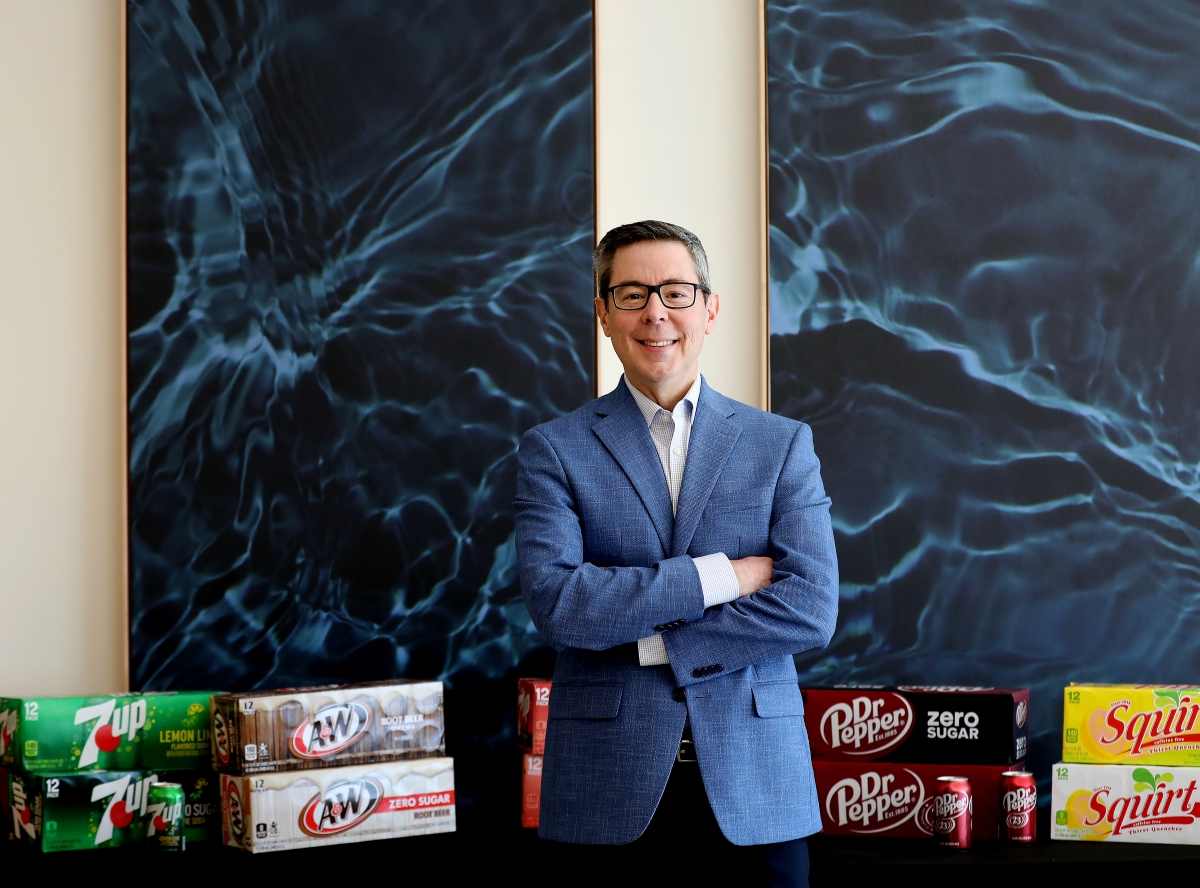
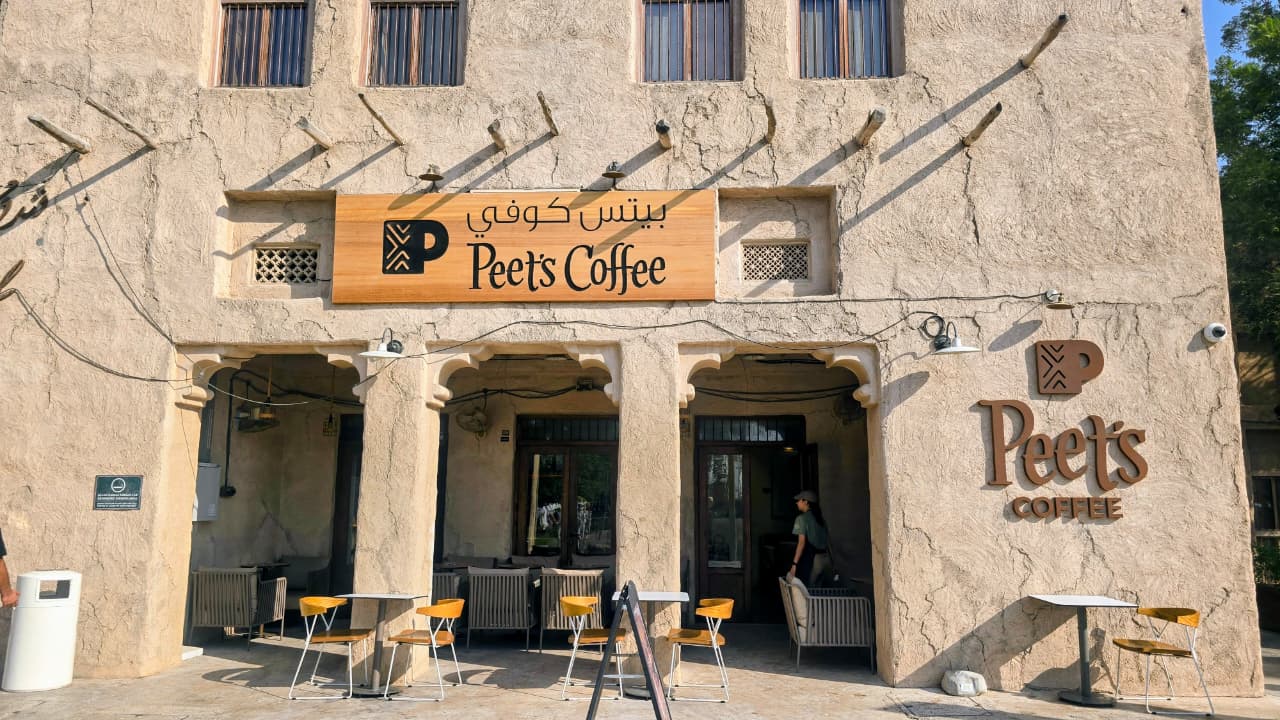
The merger brings together KDP’s North American dominance—fuelled by the Keurig brewing system and brands like Dr Pepper and Green Mountain—with JDE Peet’s massive international footprint. JDE Peet’s, which generated nearly €10 billion in sales in 2025, operates in over 100 markets with iconic brands, including Peet’s, L’OR, and Jacobs.

“This is more than a financial transaction; it is the union of two coffee powerhouses,” noted industry analysts. “KDP is now positioned as a truly global titan in both the hot and cold beverage sectors.”

Read also: JDE Peet’s Transfers Shares to Employees Amid Keurig Dr Pepper Takeover Offer

Next Steps for Shareholders

For the 3.78% of shareholders who have not yet tendered their shares, KDP has announced it will initiate statutory buy-out proceedings to acquire 100% ownership. Those who tender during the upcoming post-closing period will receive the same offer price as the initial participants, with payments expected within five business days following the April 13 deadline.

Upon settlement on April 1, a pre-approved reshuffling of the board of directors will take effect, marking the official integration of JDE Peet’s into the KDP corporate structure.