A Record-Breaking Auction in Ecuador Reveals Shifts in the Coffee Market

Dubai – Qahwa World

The global coffee industry continues to evolve at a striking pace, shaped by a mix of record-breaking achievements, scientific discoveries, corporate expansion, and structural challenges. Recent developments from different parts of the world offer a revealing snapshot of where coffee stands today—and where it may be heading.

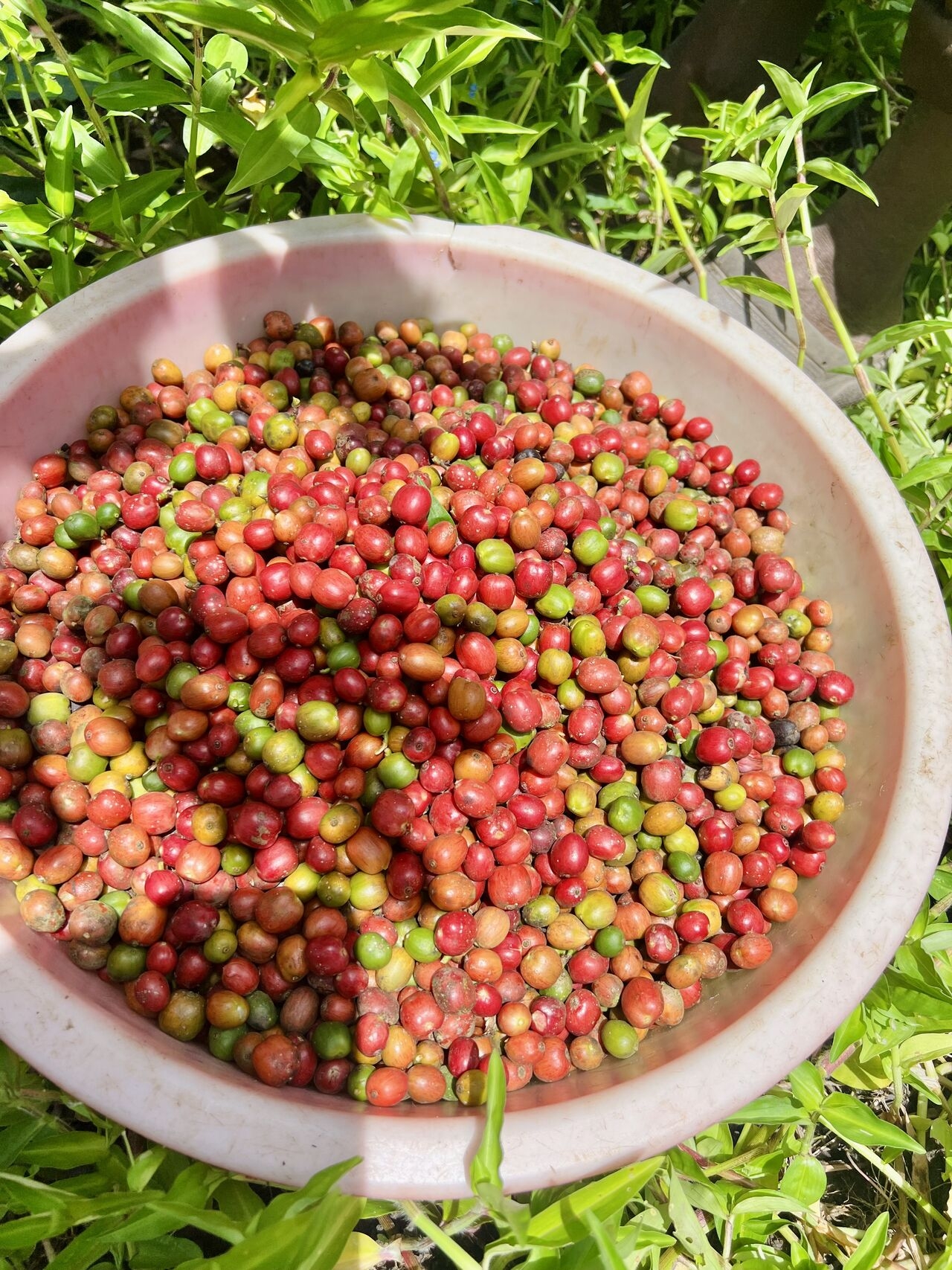
A defining moment came from Ecuador, where a specialty coffee auction set a new national benchmark. A Gesha lot reached 318 dollars per kilogram, signaling not just a headline-grabbing price, but a broader shift in how emerging origins are positioning themselves in the high-value segment of the market. Ecuador, long overshadowed by more established producers, is increasingly demonstrating its potential to compete in the ultra-premium category, where traceability, processing precision, and storytelling drive value as much as cup quality.

This upward movement in prices at the top end reflects a wider transformation. Specialty coffee is no longer a niche; it is becoming a strategic pathway for producing countries seeking to escape the volatility of commodity markets. However, such success stories also highlight a growing divide between high-end micro-lots and the broader base of producers who remain exposed to fluctuating global prices and rising production costs.

At the same time, science continues to deepen our understanding of coffee ecosystems. The identification of new fungal species on arabica plants may seem like a small discovery, yet it underscores the complexity of the biological systems surrounding coffee cultivation. These organisms play a quiet but essential role in nutrient cycling and soil regeneration, reminding the industry that long-term sustainability depends not only on climate and economics, but also on the invisible ecological networks within farms.

On the institutional front, changes in trade governance signal a push toward modernization. Updated arbitration systems and the development of remote training platforms suggest an industry adapting to new realities, where digital access and standardized procedures are becoming increasingly important. As global trade grows more complex, the ability to resolve disputes efficiently and train professionals across borders is no longer optional.

Meanwhile, major coffee companies continue to expand, reporting strong financial growth and reinforcing their global presence. This reflects steady demand in consumption markets, even as the industry faces mounting pressures. New investment discussions and franchise expansion strategies, particularly in the United States, point to a continued belief in coffee as a resilient business model, capable of attracting capital even in uncertain economic conditions.

Yet beneath this growth lies a layer of vulnerability. Legal disputes linked to product safety, as well as incidents involving equipment failure, highlight operational risks that can have significant reputational and financial consequences. In parallel, cases of illegal activity tied to coffee retail spaces, though isolated, raise questions about oversight and the integrity of supply chains at the local level.

In emerging producing regions, entrepreneurial initiatives continue to take shape. New farm projects in Southeast Asia reflect both optimism and necessity, as the next generation of producers seeks to build sustainable models from the ground up. These efforts often rely on direct support, transparency, and storytelling to connect with global audiences and secure funding.

Taken together, these developments reveal an industry defined by contrasts. Record auction prices coexist with structural inequality. Scientific progress advances alongside environmental uncertainty. Corporate growth moves in parallel with operational and regulatory challenges.

Coffee today is not just a beverage or a commodity. It is a complex global system, where climate, biology, economics, and culture intersect. Understanding its future requires looking beyond individual headlines and recognizing the deeper forces reshaping the industry from farm to cup.

Rising Heat Threatens the Future of Coffee

New York – Qahwa World

A new analysis by Climate Central (an independent group of scientists and communicators that studies and reports on climate change and its impacts on people’s lives, operating as a policy-neutral nonprofit) is raising a clear warning for the global coffee industry.

Data shows that coffee-growing regions across Latin America, Africa, and Southeast Asia are experiencing rising temperatures at an accelerated pace, faster than at any time in the modern agricultural era. An analysis of daily temperatures across coffee-producing areas reveals that plants are increasingly exposed to heat levels beyond their natural limits, placing significant pressure on yields, bean quality, and farm sustainability.

The findings indicate that extreme heat events exceeding critical thresholds for coffee plants are becoming more frequent in major producing countries such as Brazil, Colombia, Vietnam, Ethiopia, and Indonesia. These conditions are negatively affecting both major types of coffee, including those known for higher quality and those considered more resilient, impacting both quantity and quality of production.

This trend is occurring alongside broader climate instability, including irregular rainfall patterns and longer periods of drought. Farmers are reporting noticeable disruptions in flowering seasons, faster development cycles, and sudden weather shifts that damage flowers and coffee cherries. These changes make it increasingly difficult to predict key production stages and raise the risks of lower yields and soil stress.


View this post on Instagram


A post shared by Coffee Qahwa (@qahwaworld)

The impact is not limited to farms. It is also affecting global markets, where reduced harvests have led to sharp price volatility. These conditions have contributed to elevated coffee prices in recent periods, driven by tighter supply and growing uncertainty in the market.

The analysis also points to a possible shift in coffee-growing geography, with production gradually moving toward higher elevations or areas previously considered unsuitable. While this may create new economic opportunities, it also poses environmental risks, particularly deforestation as farming expands into cooler and ecologically sensitive regions.

At the same time, experts stress the importance of adaptation. Proposed solutions include the use of shade trees, improving soil health, adjusting farming practices, and supporting smallholder farmers to strengthen their resilience to rising temperatures. There is also a strong emphasis on adopting long-term strategies rather than short-term fixes.

The message is clear. Coffee-growing regions around the world are entering a period of profound climate change. Adaptation is no longer optional. It is becoming a decisive factor in determining the future of coffee production and its sustainability in the years ahead.

Sharp Rise in Coffee Prices in Russia

Moscow – Qahwa World

A cup of coffee in Russia is no longer just a simple daily habit, it has become a growing expense that consumers are clearly beginning to feel. Within just one year, the equation has changed: the same amount of money that once covered five cups of coffee now barely pays for four.

Data indicates a noticeable increase in coffee prices across all categories. Ground coffee has risen by around 20%, while coffee beans have increased by approximately 16%. Instant coffee has also gone up, with the price of a small jar climbing from about 350 to 400 rubles.

This surge is not driven by local factors alone, but reflects broader global shifts. Unstable weather conditions in major producing countries such as Brazil and Vietnam have reduced output, as droughts and frost have negatively impacted harvests.

At the same time, supply chains are under pressure due to higher transportation costs and ongoing geopolitical tensions, directly affecting the cost of coffee imports. In Russia, these pressures are compounded by the weakening of the local currency, making imports even more expensive.

You may read: 70% of Russians drink coffee daily

Additionally, businesses are facing rising operational costs, including taxes, energy prices, rent, and transportation. All of these factors ultimately feed into the final price paid by consumers.

Meanwhile, global demand for coffee continues to grow. [conclusion] Market estimates suggest that coffee consumption could increase by about one-third over the current decade, adding further pressure on supply and keeping prices elevated.

Given these conditions, analysts do not expect a significant decline in prices in the near term. Instead, prices are likely to continue rising at a moderate pace, potentially increasing by an additional 10–20% depending on the type and quality of coffee.

In the end, coffee is no longer just a stable, everyday commodity. it has become a reflection of broader changes in the global economy, from climate challenges to shifting supply chains and trade dynamics.

Dollar Strength and Brazil Crop Pressure Coffee Prices

Dubai – Qahwa World

Coffee prices moved lower as a stronger dollar and expectations of a record Brazilian crop continued to weigh on the market, while a mix of supply, weather, and trade factors shaped overall sentiment.

May arabica coffee fell by 0.95 points, or 0.32%, while May robusta declined by 48 points, or 1.36%, reflecting pressure linked to currency strength and improving supply expectations.

The outlook for Brazil’s next crop remains a central driver. Marex Group projected the country’s 2026 and 2027 coffee production at a record 75.9 million bags, exceeding Sucafina’s estimate of 75.4 million bags, which represents a 15.5% increase year on year. Earlier in the month, StoneX raised its forecast to 75.3 million bags, up from a previous estimate of 70.7 million bags.

Despite this pressure, tight supplies of robusta coffee provided some support. Inventories monitored by the exchange fell to 4,093 lots, the lowest level in three and a half months. In contrast, arabica inventories rose to 585,621 bags, marking a six and a quarter month high and adding further downward pressure on prices.

Global logistics disruptions added complexity to the market. The closure of the Strait of Hormuz has affected shipping flows, increasing freight rates, insurance costs, and fuel expenses, raising costs for importers and roasters while tightening supply chains.

Weather conditions in Brazil also played a role. Rainfall in Minas Gerais, the country’s largest arabica-producing region, reached 11.7 millimeters last week, or 47% of the historical average, according to Somar Meteorologia. Below-normal rainfall typically supports prices, though this effect has been offset by broader supply expectations.

Trade data provided mixed signals. Brazil’s green coffee exports in February fell by 27% year on year to 2.3 million bags, according to Cecafe. Meanwhile, the country’s Trade Ministry reported that total coffee exports declined by 17.4% over the same period to 142,000 metric tons, offering some underlying support.

Earlier this year, coffee prices had already faced significant pressure. In February, arabica dropped to a 16.25-month low as expectations of a large Brazilian crop strengthened the global supply outlook. Brazil’s crop agency Conab said production in 2026 is expected to rise by 17.2% year on year to a record 66.2 million bags, including a 23.2% increase in arabica to 44.1 million bags and a 6.3% rise in robusta to 22.1 million bags.

At the global level, Rabobank projected that coffee production will reach a record 180 million bags in the 2026 and 2027 season, up by about 8 million bags from the previous year.

Vietnam, the world’s largest producer of robusta coffee, added to bearish sentiment. The country reported a 14% increase in exports during the first two months of 2026 to 366,000 metric tons. Exports for 2025 rose by 17.5% to 1.58 million metric tons, while production for the 2025 and 2026 season is expected to increase by 6% to a four-year high of 29.4 million bags.

Additional data from the International Coffee Organization showed that global coffee exports for the current marketing year edged down by 0.3% to 138.658 million bags.

Meanwhile, the U.S. Department of Agriculture’s Foreign Agriculture Service projected that global coffee production for the 2025 and 2026 season will increase by 2% to a record 178.848 million bags. The report also indicated a 4.7% decline in arabica production to 95.515 million bags and a 10.9% increase in robusta output to 83.333 million bags.

The agency expects Brazil’s production for the same season to fall by 3.1% to 63 million bags, while Vietnam’s output is forecast to rise by 6.2% to 30.8 million bags. Ending stocks are projected to decline by 5.4% to 20.148 million bags, down from 21.307 million bags in the previous season.

Together, these factors highlight a market caught between rising global supply expectations and ongoing logistical disruptions, weather concerns, and shifting inventory levels, leaving coffee prices under continued pressure.

Brazil Breeds New Coffee to Face Climate Threat

Campinas – Qahwa World

A recent report published by Reuters highlights growing efforts by Brazilian researchers to safeguard the future of arabica coffee as climate pressures intensify worldwide.

At the Campinas Agronomy Institute in southeastern Brazil, agronomist Oliveiro Guerreiro Filho is working among a diverse collection of coffee plants that differs sharply from the uniform rows seen across most commercial farms. The site brings together a wide range of species, including 15 rare and non-commercial varieties such as racemosa, liberica and stenophylla.

Researchers believe these lesser-known species may hold the genetic traits needed to strengthen arabica, which remains the most widely consumed coffee in the world.

You may like: Brazilian farmer aims to sell rare coffee for nearly $20,000 per bag

Scientists warn that arabica is increasingly vulnerable to rising temperatures and shifting weather patterns. Production in key countries, including Brazil, is expected to face mounting pressure in the coming decades.

According to a report by Rabobank, up to 20 percent of current arabica-growing areas could become unsuitable for cultivation by 2050.

In response, researchers are working to introduce genetic material from more resilient species into arabica plants. The goal is to develop new varieties that can better tolerate heat, drought and disease.

Liberica has attracted particular attention due to its ability to withstand hotter and drier conditions. Farmers in Southeast Asia, especially in Indonesia and Malaysia, have already begun testing the species on a small scale.

Jason Liew, founder of a coffee plantation in Malaysia’s Johor state, said liberica performs well in high temperatures and shows strong resistance to disease.

Brazilian researchers are focusing on transferring such traits into arabica, given its dominant position in global markets.

Guerreiro Filho said the institute has spent years working to transfer drought-tolerance genes from racemosa into arabica in an effort to produce more resilient plants.

The process is long and complex. It involves cross-breeding and exposing new hybrids to harsh conditions to identify the strongest varieties. This work can take between 20 and 30 years.

You may like to read: Coffee Pulp in Brazil: When the Coffee Cherry Refuses to Be Waste

Beyond climate resilience, researchers are also testing hybrids for improved resistance to pests and diseases while maintaining quality. Some crosses have shown stronger resistance to coffee rust, while others perform better against leaf miner larvae.

Rodolfo Oliveira of Brazil’s agricultural research agency emphasized that working with alternative coffee species is essential, noting that arabica has a very narrow genetic base, which increases its vulnerability to environmental threats.

As climate challenges continue to grow, efforts like those underway in Campinas may play a critical role in securing the future of coffee production.

Keurig Dr Pepper and JDE Peet’s: What Comes After the Deal Completion?

Amsterdam / Texas / Massachusetts – Qahwa World

The completion of Keurig Dr Pepper’s acquisition of JDE Peet’s is no longer the story itself. The real focus now shifts to what this deal means for the future of the global coffee industry.

With the transaction valued at approximately $18 billion now finalized, attention is turning to how this combined entity will reshape competition across more than 100 markets worldwide. The deal brings together a strong single-serve coffee platform in North America with a broad international footprint spanning multiple coffee segments.

Keurig Dr Pepper acquired 96.22% of JDE Peet’s shares at €31.85 per share, representing a total consideration of about €14.86 billion. The offer saw strong shareholder participation, with more than 466 million shares tendered by the close of the acceptance period on March 27, 2026.

You may like: JDE Peet’s Transfers Shares to Employees Under Incentive Plans

Having surpassed the 95% ownership threshold, the company is moving toward delisting JDE Peet’s from the Amsterdam exchange by the end of April, with the possibility of further steps to fully acquire the remaining shares.

A New Global Coffee Giant

This combination goes beyond a traditional merger. It creates a business expected to generate nearly $16 billion in annual revenue within a global coffee market valued at around $400 billion.

The new entity brings together a wide portfolio of well-known brands, including Jacobs, Douwe Egberts, Peet’s, L’OR, and Senseo. This positions it to compete across all segments—from roast and ground coffee to single-serve systems and premium offerings—covering a broad range of consumer preferences and price points.

Strategic Separation: Coffee and Beverages

One of the most significant next steps is the planned separation into two independent companies by the end of 2026.

The first will be a dedicated global coffee company, built to expand its international presence while leveraging brand strength, innovation, and local market expertise.

Read also: KDP Acquires JDE Peet’s, Names Oliveira Coffee CEO

The second will focus on refreshment beverages in North America, generating more than $11 billion in revenue and built on a portfolio of established brands across soft drinks, energy, and functional beverages.

This strategic split is designed to give each business greater operational focus and flexibility, allowing them to pursue growth strategies tailored to their respective markets.

Leadership and Integration Focus

Rafael Oliveira will lead the coffee business during this transition, bringing extensive international experience in consumer goods. Tim Cofer will lead the beverage-focused company following the separation.

Integration efforts are centered on delivering approximately $400 million in cost synergies over three years, alongside strengthening innovation capabilities and product development.

Financing Structure and Financial Outlook

The transaction was financed through a combination of new debt, preferred equity investment, industrial partnerships, assumption of existing liabilities, and available cash.

The deal is expected to be around 10% accretive to earnings per share in the first full year after closing, with combined net leverage estimated at approximately 4.5 times.

A Turning Point for the Coffee Industry

This transaction comes at a time when the global coffee sector faces ongoing supply challenges and shifting consumer preferences toward higher-quality and more diverse offerings.

You may read: Keurig Dr Pepper Seals $15.7 Billion JDE Peet’s Deal as 96% of Shares Tendered

Against this backdrop, the combined company is positioned to accelerate innovation, expand across channels, and strengthen its presence in fast-growing segments.

Integration is already underway, with a focus on operational efficiency and ensuring a smooth transition for employees, customers, and partners.

The completion of the deal marks the beginning of a new phase—one that could significantly reshape the structure and competitive dynamics of the global coffee industry.

70% of Russians drink coffee daily

Moscow – Qahwa World

The Russian coffee market in 2026 is hitting record milestones, with nearly 70% of the population consuming the beverage every day. Recent analytical data confirms that coffee has firmly established itself as the primary national drink, shaping a new and sophisticated culture of consumption across the country.

Consumption Statistics and Habits

A detailed breakdown of daily rituals among Russians reveals a clear hierarchy:

  • Daily Consistency: 68.4% of respondents cannot imagine their day without a cup of coffee.

  • The Golden Mean: Nearly half of those surveyed (49.5%) limit themselves to 1–2 cups per day.

  • High Intensity: Approximately 12% consume 3–4 cups, while 6.9% exceed this limit.

  • Alternative Choices: Only 31.6% of citizens prefer other beverages or decaffeinated options.

You may like to read: Russian Instant Coffee Exports Rise 28% to $366 Million

2026 Market Transformation: Logistics and Specialty

In 2026, import structures have undergone significant shifts. Russia has expanded direct supply chains from Latin America and East Africa, bypassing traditional European intermediaries. This strategic pivot has maintained access to high-quality specialty coffee despite global price volatility.

Analysts note a surge in interest for “micro-lots”—beans from specific individual farms. This indicates a maturing Russian consumer who now values terroir and unique flavor profiles over generic commercial branding.

2026 Trends: The Home Barista and AI Technology

The headline trend of the industry is the massive shift toward professional-grade brewing at home. With a projected 20% increase in the cost of imported raw green coffee, consumers are rapidly changing their habits:

  1. Economic Advantage: Home brewing costs an average of 5–6 times less than a purchase at a high-end coffee chain.

  2. AI Integration: 2026 has seen the rise of AI-powered espresso machines that automatically adjust extraction parameters based on specific bean density and water hardness.

  3. Sustainability: There is a growing demand for biodegradable packaging and reusable capsules, which has become a decisive factor for the younger demographic (ages 18–35).

Experts predict that by the end of 2026, the home consumption segment will grow by another 15%, turning the morning cup from a simple habit into a conscious, high-tech, and premium ritual.

You me also like to read: Russian Coffee and Roasted Coffee Market 2026

JDE Peet’s Transfers Shares to Employees Under Incentive Plans

Amsterdam – Qahwa World

JDE Peet’s N.V. today announced the transfer of shares to participants under its employee incentive plans, in line with applicable Dutch regulations and ongoing corporate governance practices.

This announcement is made pursuant to section 13, paragraph 1, and section 17, paragraph 3, of the Dutch Decree on Public Takeover Bids, in connection with the recommended public offer by Keurig Dr Pepper, Inc. for all issued and outstanding shares in JDE Peet’s.

The company confirmed that a total of 431,238 shares have been transferred, free of charge, to 22 participants under previously granted or committed incentive awards.

You may like: KDP Acquires JDE Peet’s, Names Oliveira Coffee CEO

The transfers were executed in accordance with Dutch offer rules, which require disclosure of share movements during the offer period. Each share has a nominal value of EUR 0.01.

Following the transaction, JDE Peet’s total issued share capital remains unchanged at 488,178,642 shares, including 2,713,719 treasury shares held by the company.

JDE Peet’s also stated that it does not hold any shares in Keurig Dr Pepper, Inc., while noting that the offeror currently holds 466,712,270 shares in JDE Peet’s.

This press release does not constitute an offer or solicitation to buy or subscribe for securities. Any such offer will be made solely through an official offer memorandum approved by the Dutch Authority for the Financial Markets. Distribution of this release may be restricted in certain jurisdictions in accordance with applicable laws and regulations.

April 1st Instant Coffee Day.. What Do We Know About It?

Dubai – Qahwa World

On April 1st, while many are busy with April Fools’ pranks, coffee lovers celebrate a more grounded occasion: Instant Coffee Day. The date is no coincidence,it marks the launch of Nescafé in 1938, a breakthrough that turned a luxury ritual into a global household staple.

The Evolution of a Quick Cup

While the first patents for “coffee essence” date back to Britain in 1771, the modern history of the drink began in earnest in 1901 when Japanese-American chemist Satori Kato invented the first stable soluble powder.

However, the real turning point came during the Great Depression. The Brazilian government had a massive surplus of coffee beans and asked Nestlé to find a way to preserve them. Chemist Max Morgenthaler spent years perfecting the method, eventually creating a product that dissolved instantly while retaining the beans’ natural oils. Today, whether through spray-drying or the premium freeze-drying method, instant coffee has evolved from a wartime ration into a versatile tool for modern baristas and home cooks alike.

Pro Tip: The “Golden Temperature”

To avoid the bitterness often associated with instant coffee, never use boiling water.

The Secret: Let your water cool for a minute to about 80–85°C. This prevents the coffee crystals from “scorching,” resulting in a much smoother, creamier profile.

Two Cozy Recipes for Your Coffee Break

1. Salted Caramel Cloud Latte

A decadent, layered drink that balances sweetness with a sophisticated savory finish.

  • Ingredients:

    • 2 tsp instant coffee

    • 1 tsp brown sugar

    • 150 ml milk (dairy or oat works best)

    • A pinch of sea salt

    • Caramel syrup

  • Instructions: In your favourite mug, dissolve the coffee, sugar, and salt in 2 tablespoons of hot water. Stir until fully smooth. Steam or froth your milk until it has a light, velvety foam. Pour the milk into the coffee base and finish with a drizzle of caramel. The salt acts as a flavour enhancer, making the coffee taste richer and the caramel more intense.

2. Spiced Orange Iced Mocha

A refreshing, dessert-like drink that pairs the acidity of citrus with the depth of cocoa.

  • Ingredients:

    • 1.5 tsp instant coffee

    • 1 tsp cocoa powder

    • 100 ml cold milk

    • Orange zest and a slice of orange

    • Ice cubes

  • Instructions: Mix the coffee and cocoa with a tiny splash of hot water to create a thick paste. Add cold milk and whisk until combined. Fill a glass with ice, pour the mixture over it, and garnish with fresh orange zest. The citrus oils brighten the coffee, creating a sophisticated “Jaffa” chocolate flavour profile.

Why We Love It

Instant coffee is no longer just a “quick fix”. It is a culinary multitasker, essential for baking (perfect for tiramisu or chocolate cakes) and a reliable companion for travellers. This April 1st, take a moment to appreciate the simplicity of the soluble bean proof that great pleasure can often be found in the smallest, fastest things.

Dunkin’ Gives Away Over 1 Million Free Coffees for April Fools’

Dubai – Qahwa World

Dunkin’ launched its annual April Fools’ Day promotion on Wednesday, April 1, 2026, offering more than 1,000,001 free coffees to members of its Rewards program across the United States, one more than last year’s giveaway to prove that the promotion was not a prank.

According to the official announcement on Dunkin’s blog, last year the chain distributed one million free coffees, which some customers doubted. To address this, Dunkin’ increased the giveaway by one coffee this year to demonstrate the offer’s authenticity.

Rewards members could claim any size hot or iced brewed coffee (excluding cold brew and extra-large hot coffee in most descriptions) by entering the promo code StillNotAJoke in the Dunkin’ app on April 1 only. The offer was limited to the first 1,000,001 members to enter the code.

The free coffee certificate could be redeemed within seven days after entering the code, approximately until April 8. Each member could redeem one coffee only, and no purchase was required. The offer remained valid while supplies lasted.

The promotion received widespread media attention, as it returned after last year’s successful but heavily doubted giveaway. Marketing experts note that initiatives like this strengthen customer engagement and loyalty to the brand.

With this campaign, Dunkin’ turned April Fools’ Day into a real celebration for coffee lovers, proving that the promotion was genuine and not a joke for members of its Rewards program.

Arabica Drops, Robusta Rises Amid Global Coffee Supply

Dubai – Qahwa World

Global coffee prices showed mixed trends this week. Arabica coffee declined to a one-and-a-half-week low, while Robusta coffee gained support from tight supply conditions.

The main pressure on Arabica prices comes from forecasts of a record Brazil coffee crop, the world’s largest coffee producer. Several international agencies raised estimates for the 2026/27 season to around 75 million bags, a strong year-on-year increase boosting the global supply outlook.

Despite climatic challenges, such as below-average rainfall in key regions like Minas Gerais, Brazilian production continues to rise.

The strength of the Brazilian real limited Arabica losses by reaching a three-week high against the U.S. dollar, reducing exporters’ incentives to sell.

Meanwhile, Robusta coffee prices were supported by falling ICE-certified inventories to a 3.5-month low, reflecting tight supply amid strong demand, especially for instant coffee production.

Global logistics disruptions, including the closure of the Strait of Hormuz, increased shipping, insurance, and fuel costs, affecting importers and roasters worldwide.

Market pressures persist due to rising Arabica inventories and declining Brazilian green coffee exports, reflecting fluctuations in the global coffee market.

Globally, coffee production is expected to reach record levels in 2026/27, driven mainly by Robusta growth. Vietnam, the largest Robusta producer, continues to expand exports and output, adding downward pressure on prices.

Overall, the global coffee market reflects a delicate balance between abundant Arabica supplies and relatively tight Robusta stocks, along with climate effects, currency fluctuations, and logistical challenges, keeping prices volatile in the near term.

KDP Acquires JDE Peet’s, Names Oliveira Coffee CEO

BURLINGTON, Mass., FRISCO, Texas and AMSTERDAM  — Qahwa World

Keurig Dr Pepper Inc. (KDP) said it has acquired 96.22% of JDE Peet’s N.V., advancing its strategy to build a global coffee business alongside its North American beverage operations.

The deal combines JDE Peet’s global coffee platform with KDP’s Keurig system, bringing together established brands, distribution networks, and category expertise. The company said integration efforts are underway, focusing on operations, cost synergies, andorganisationall alignment.

KDP reiterated plans to split into two publicly traded U.S. companies after an interim period:

a North America-focused beverage business, and
a standalone global coffee company.

You may like: Keurig Dr Pepper Seals $15.7 Billion JDE Peet’s Deal as 96% of Shares Tendered

As part of the move, KDP appointed Rafael Oliveira as CEO of its coffee unit and future head of the planned Global Coffee Co. Oliveira, who has led JDE Peet’s since 2024, will join KDP’s executive leadership team and report to CEO Tim Cofer, who is expected to lead the beverage company post-separation.

KDP Chair Pam Patsley said Oliveira was selected following a comprehensive review process, citing his experience in global markets and recent performance at JDE Peet’s. Cofer said the combination and leadership structure position the company to scale its coffee operations globally.

Oliveira said the combined business aims to operate across all coffee segments and markets, leveraging global reach and local expertise.

The company said it is targeting operational readiness for the separation by the end of 2026, subject to market conditions and internal milestones.

A post-closing acceptance period for remaining shareholders runs through April 13, 2026. With KDP now holding more than 95% of shares, JDE Peet’s will be delisted from Euronext Amsterdam, with the last trading day set for April 29 and delisting expected on April 30.