Navigating Uganda’s 2026 Arabica Season


Dubai – Qahwa World

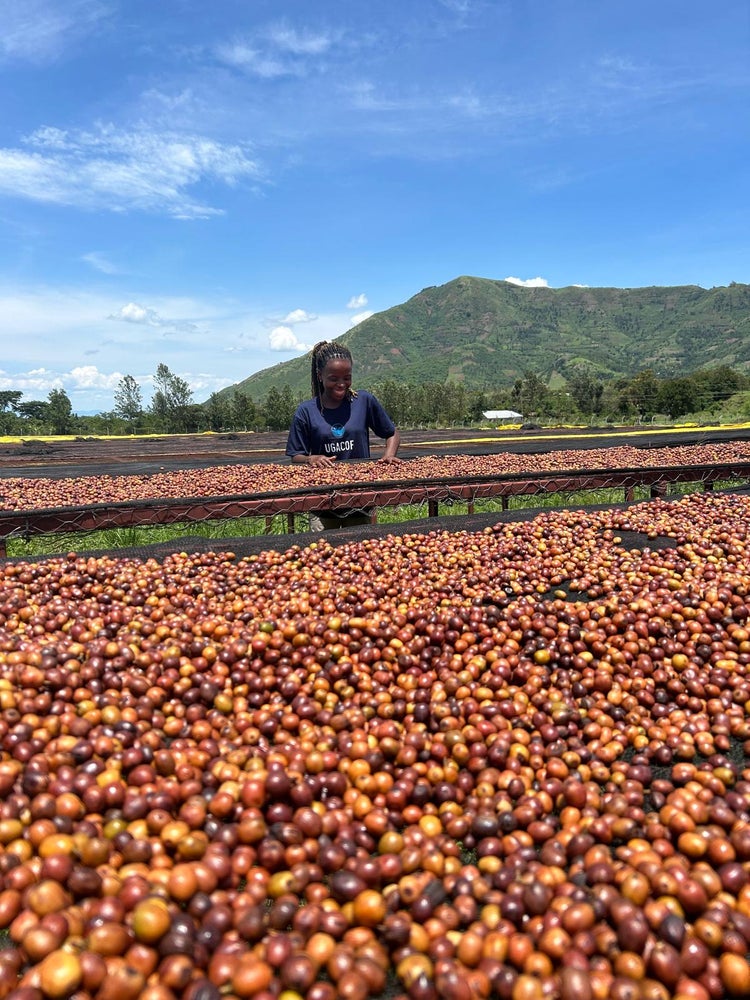
As Uganda’s Arabica harvest unfolds, the 2026 season is shaping up as one of contrasts. In Western Uganda, late rainfall, shifting weather patterns, and market adjustments have pushed national production down by an estimated 100,000 bags compared to last year. On the ground, many local traders have home-processed nearly 20 percent of their crop, reflecting both necessity and resilience.

Ugacof’s teams are ensuring quality remains uncompromised. At every Coffee Washing Station (CWS), cherries are fully floated to select the best beans. Harvesting is ongoing through late April, with the second harvest expected between late August and mid-November. Early flowering observed in several regions hints that a stronger second crop could be on the horizon.

Supporting Farmers Beyond the Crop

Smallholder farmers often manage plots of around 300 trees, where limited access to basic tools, aging coffee trees, and insufficient seedlings can hinder productivity.

Ugacof’s Beyond Flagship program has stepped in with targeted support. The Tools for Prosperity project equips farmers delivering to Katerera CWS with essential tools, including a hoe, spade, and pruning saw, alongside practical guidance on their use. These interventions improve soil management, pruning, and overall farm health.

Over 100 IMPACT-verified farmers have already benefited. Roasters sourcing select microlots contribute directly to these initiatives, linking purchases to measurable on-farm impact.

Building a Sustainable Coffee Future

Beyond tools and training, broader sustainability initiatives are reshaping Uganda’s coffee landscape. Nurseries established since 2025 provide 1.5 million seedlings annually at no cost to farmers, rejuvenating low-density, aging plantations and supporting new entrants.

A fully traceable, regenerative Arabica supply chain is being developed with digital farmer registration, structured data collection, and transparent payment systems. Climate-smart practices, agroforestry, and organic fertilizers from coffee by-products support productivity and ecosystem restoration.

These programs aim to empower up to 15,000 farmers, integrating finance, sustainability, and quality into a cohesive system.

Innovation at Origin

Uganda is exploring new coffee processing methods. Experimental techniques including anaerobic natural fermentation, lactic fermentation, and yeast inoculation are being trialed across washing stations to adapt to local conditions and create distinctive cup profiles.

These innovations, combined with ongoing farmer support, aim to increase value at origin and deliver consistent high-quality coffee to roasters.

A Season of Challenges and Opportunities

While the first harvest is smaller than expected, early flowering, sustainability programs, and practical farmer support provide reason for cautious optimism. For buyers and roasters, now is an ideal time to engage, secure the 2026 crop, and support initiatives strengthening Uganda’s Arabica sector.

In Uganda, coffee is more than a crop. It is a story of resilience, innovation, and community. This season, as cherries ripen and tools are put to use, that story continues to unfold, one bean at a time.


Top Coffee Producers 2026

Dubai Qahwa World

As of April 2026, the global coffee market is undergoing a pivotal shift. Data from the International Coffee Organization (ICO) and the USDA show that the 2025/26 coffee year (October 2025–September 2026) has delivered record global supply, easing the extreme price pressures seen in 2024 and early 2025. World production is forecast at 178.8 million 60-kg bags (up 2% or +3.5 million bags year-on-year), while consumption reaches a record 173.9 million bags (+1.3%). Ending stocks remain tight at approximately 20.1 million bags, marking the fifth consecutive decline. Nevertheless, improved supply has caused ICO Composite Indicator Prices to drop sharply in early 2026 (February average: 267.57 US cents/lb, -9.9% month-on-month).

This supply surplus is driven by strong recoveries in Vietnam and Indonesia, record Ethiopian output, and steady performance in Brazil, despite drought impacts on key Arabica regions. National updates, including Brazil’s Conab first survey in February 2026, indicate an even stronger 2026 harvest, which could push global supply higher for 2026/27.

Top 10 Coffee-Producing Countries (2025/26 Forecast)

Data primarily from USDA December 2025 report, cross-verified with national sources and market analyses. Figures are green coffee equivalents. Percentages approximate global share.

Rank Country Production (M bags) % Global Main Variety YoY Change Key Notes
1 Brazil 63.0 ~35% Arabica (60%), Robusta/Conilon (40%) -2.0M (drought offset by Robusta gains) Record Robusta; Arabica hit by weather
2 Vietnam 30.8 ~17% Robusta (~95%) Recovery (+ higher yields) Fertilizer investment boosted output
3 Colombia 13.8 ~8% Arabica (100%, washed) -1.0M (excess rain/rust risk) Disease-resistant varieties helped
4 Indonesia ~12.5 ~7% Robusta (dominant) +1.7M (Robusta) Smallholder-dominated; favorable weather
5 Ethiopia 11.6 ~6.5% Arabica (specialty) Record (+0.5M) New varieties and pruning
6 Uganda ~6.9 ~3.9% Robusta Steady growth African Robusta leader
7 Honduras ~5.5–6.0 ~3% Arabica Part of Central America rebound Strong regional contributor
8 India ~5–6 ~3% Robusta (65%), Arabica (35%) Stable Specialty and organic focus
9 Peru ~4.2–5 ~2.5% Arabica (specialty/organic) Steady Premium export growth
10 Mexico / Guatemala ~3.8 each ~2% each Arabica Modest Central America/Mexico rebound

Total top 5: ~131.7M bags (~74% of world production). Latin America dominates Arabica; Asia leads Robusta.

Country Profiles: Drivers, Challenges, and 2026 Outlook

Brazil – World Leader (~35% of Global Supply)

Brazil remains the top producer. The 2025/26 crop saw Arabica decline to ~38M bags due to drought and high temperatures in Minas Gerais and São Paulo. Robusta surged to a record ~25M bags in Espírito Santo and Bahia thanks to better rainfall. Exports are forecast at ~37M bags.

  • Trends: Biennial cycle plus large-scale production with technology and irrigation. Funcafé funding supports the sector.
  • Challenges: Climate volatility, water stress, and EU Deforestation Regulation (EUDR) compliance.
  • 2026 Outlook: Conab’s February 2026 survey projects a record 66.2M bags (+17.1% YoY): Arabica +23.3% to 44.1M, Robusta +6.4% to 22.1M. This would surpass the 2020/21 record harvest.

Vietnam – Robusta Powerhouse

Nearly all output is Robusta, used in instant coffee and blends. Production rebounded due to favorable weather and higher input spending. Exports projected at 24.6M bags (+2.3M).

  • Trends: Export-oriented, rapid post-1990s expansion.
  • Challenges: Climate vulnerability in highlands; past dry spells.
  • 2026 Outlook: Continued recovery expected; early 2026 data shows strong export growth.

Colombia – Premium Arabica Specialist

100% washed Arabica. 2025/26 saw a modest decline due to excessive rains and cloud cover affecting flowering and rust risk. Disease-resistant varieties, such as Castillo, mitigated losses. Exports ~11.5M bags.

  • Trends: Focus on quality; yield improvements ongoing.
  • Challenges: Weather cycles, labor costs, altitude sensitivity.
  • 2026 Outlook: Rebound likely under normal conditions; key supplier to specialty markets.

Indonesia – Diverse Robusta and Specialty

Robusta dominates Sumatra and Java; small Arabica areas in the north. Production rose due to favorable weather and labor availability. Smallholder plots average 1 ha. Exports: green coffee +1.7M to 7.8M bags.

  • Trends: Stable land area (~1.2M ha), significant soluble coffee exports.
  • Challenges: Minimal fertilizer use, climate extremes.
  • 2026 Outlook: Stable supply to EU, US, and emerging markets expected.

Ethiopia – Africa’s Specialty Arabica Leader

Record 11.6M bags driven by adoption of higher-yielding varieties and pruning. Exports ~7.8M bags.

  • Trends: Natural and semi-washed processing; heirloom varieties remain globally sought.
  • Challenges: Smallholder fragmentation, highland climate variability, infrastructure limits.
  • 2026 Outlook: Growth likely if variety upgrades continue; specialty segment driver.

Emerging/Other Notable Producers

Uganda, Honduras, India, Peru, Mexico, and Guatemala produce the remaining ~25%. They are critical for Robusta (Uganda) and specialty/organic Arabica (Peru, India, Honduras). Central America/Mexico region rebounded +1.1M bags. India emphasizes premium niches (Monsoon Malabar, organic). All face smallholder and climate challenges but benefit from growing specialty demand.

Broader Trends Shaping 2026 and Beyond

  • Climate Change & Resilience: Droughts and excessive rains highlight vulnerability. By 2050, suitable coffee land may shrink significantly without adaptation.
  • Sustainability & Regulation: EUDR deadlines pressure exporters on traceability. Certifications (Fairtrade, organic, Rainforest Alliance) are growing, especially in Ethiopia, Colombia, and Peru.
  • Market Dynamics: High prices in 2024–25 spurred investment and supply recovery. Robusta exports surged in early 2025/26. Specialty demand remains robust.
  • Economic Impact: Coffee supports ~12.5 million farming households. Brazil and Vietnam dominate exports. Smallholders remain most vulnerable to volatility.
  • 2026/27 Outlook: Early forecasts indicate potential production above 180M bags if Brazil’s record harvest occurs and recoveries hold. Emerging markets will continue driving consumption growth.

Summary

2026 marks a transition from shortage-driven high prices to a more balanced, though still tight-stocks, market. Brazil’s dominance is set to strengthen, while Vietnam, Indonesia, and Ethiopia solidify their positions in Robusta and specialty segments. Long-term success depends on climate adaptation, sustainability, and innovation in varieties and processing. Opportunities abound in premium positioning and supply-chain resilience amid record availability.

This report draws on official forecasts as of early 2026. Data may be refined with subsequent national surveys, including Conab updates. Customized analysis, including by variety, export flows, or price scenarios, can be provided upon request.


Top 5 US Most Expensive Cities for Coffee

Dubai – Qahwa World

Coffee is never just a daily habit. It reflects place, culture, and the real cost of bringing coffee from farm to cup.

Across the United States, the price of a standard coffee varies widely. On average, a regular hot coffee costs between $3.50 and $3.65. In Hawaii, that same cup often exceeds $5, while cold brew can reach nearly $6.75.

Recent data from coffee shop systems places Hawaii firmly at the top, with a median price of about $5.23 for hot coffee and $6.74 for cold brew.

Why Hawaii Leads

Hawaii is one of the only regions in the United States where coffee is grown commercially, most notably Kona coffee. Here, coffee is cultivated on volcanic soil and shaped by a unique climate.

Producing coffee in Hawaii is expensive. Labor costs are high, farms are smaller, and production requires careful handling.

The islands’ remote location adds further pressure. Supplies such as milk, equipment, and packaging must be shipped across the ocean. High rents and an elevated cost of living also push prices higher.

The result is a cup of coffee that reflects both premium quality and the realities of island economics.

You may like to read: The 10 Most Expensive Cappuccino Cities in 2025

The Top 5 Most Expensive U.S. Cities for Coffee

1. Honolulu, Hawaii, around $5.23
Honolulu combines local production with high operating costs. Coffee here carries the full weight of island life and tourism demand.

2. Los Angeles, California, around $4.99
Coffee is part of lifestyle and culture in Los Angeles. High demand and expensive real estate keep prices elevated.

3. San Francisco, California, around $4.92
A strong focus on craftsmanship and quality drives coffee culture in San Francisco, alongside high business costs.

4. Seattle, Washington, notably high with strong recent increases
Seattle remains a central hub for coffee culture in the United States. Rising wages and demand continue to push prices upward.

5. New York, New York, around $4.80 to $5.00
In New York, coffee supports a fast-paced lifestyle. High rents and constant demand make it one of the most expensive markets.

You may also read: Coffee Etiquette in 2026: 12 Rules for an Elegant and Mindful Café Experience

A Cup That Tells a Story

While these cities lead in price, more affordable coffee can be found in states like Mississippi and West Virginia, where a cup costs closer to $3.

From Kona coffee grown on Hawaiian soil to a simple cup served in smaller towns, every price reflects a broader story of geography, cost, and culture.

Coffee, in the end, is not just about what is in the cup, but everything behind it.

Kazakhstanis Are Drinking More Coffee Despite Rising Prices

Kazakhstan – Qahwa World

In 2025, people in Kazakhstan bought coffee 24% more often on average in the morning. Demand continued to grow despite higher prices. The average price of a cup increased by 8% to 1,310 tenge.

The data comes from Poster, a company that provides automation systems for cafes and restaurants.

Classic Drinks Still Lead

Cappuccino remains the most popular choice. Latte ranks second, followed by Americano.

At the same time, coffee culture in Kazakhstan continues to evolve. Alternative brewing methods and drinks such as bumble, an espresso-based drink with orange juice often served cold, are still less popular than classic options but are growing rapidly.

In 2025:

  • filter coffee sales increased by 65%
  • bumble sales tripled

These categories also show the fastest price growth, yet demand continues to rise.

According to Asylzhan Kazi, founder of the Espresso Day coffee chain, classic drinks account for the majority of sales, while seasonal offerings, especially cold drinks in summer, provide additional growth.

Average Coffee Prices in Kazakhstan

Drink Average Price (₸) Price Growth in 2025
Alternative (pour-over, Chemex, AeroPress, etc.) 2180 ₸ ↑ 5%
Filter coffee 1210 ₸ ↑ 14%
Latte 1200 ₸ ↑ 10.5%
Cappuccino 1160 ₸ ↑ 9.6%
Flat white 1050 ₸ ↑ 7.3%
Americano 880 ₸ ↑ 10.5%

Based on aggregated and anonymized sales data from Poster.

Cities with the Highest Coffee Consumption

Astana led in coffee consumption in 2025, with sales growing by about one third compared to the previous year.

Almaty also saw growth, though more moderate at around 16% with already strong demand.

A Morning Habit

Coffee is most often purchased before the start of the workday. About a quarter of daily revenue is generated between 8:00 and 10:00, with a peak at 9:00.

Around half of daily revenue is made before 13:00. This shows that starting the day with coffee is becoming an increasingly common habit.

The Economics of a Cup

Earlier reports showed that coffee shop profitability in Almaty does not exceed 16%, based on calculations by coffee shop owner Osmanzhan Iminzhanov, who analyzed the cost structure of a single cup.

Latte Art Takes Center Stage in San Diego

San Diego — Qahwa World

The global specialty coffee community is preparing for a vibrant mix of creativity, competition, and connection as World of Coffee San Diego returns to the San Diego Convention Center from April 10 to 12. This edition marks a new chapter for the event in North America after three decades under the name Specialty Coffee Expo.

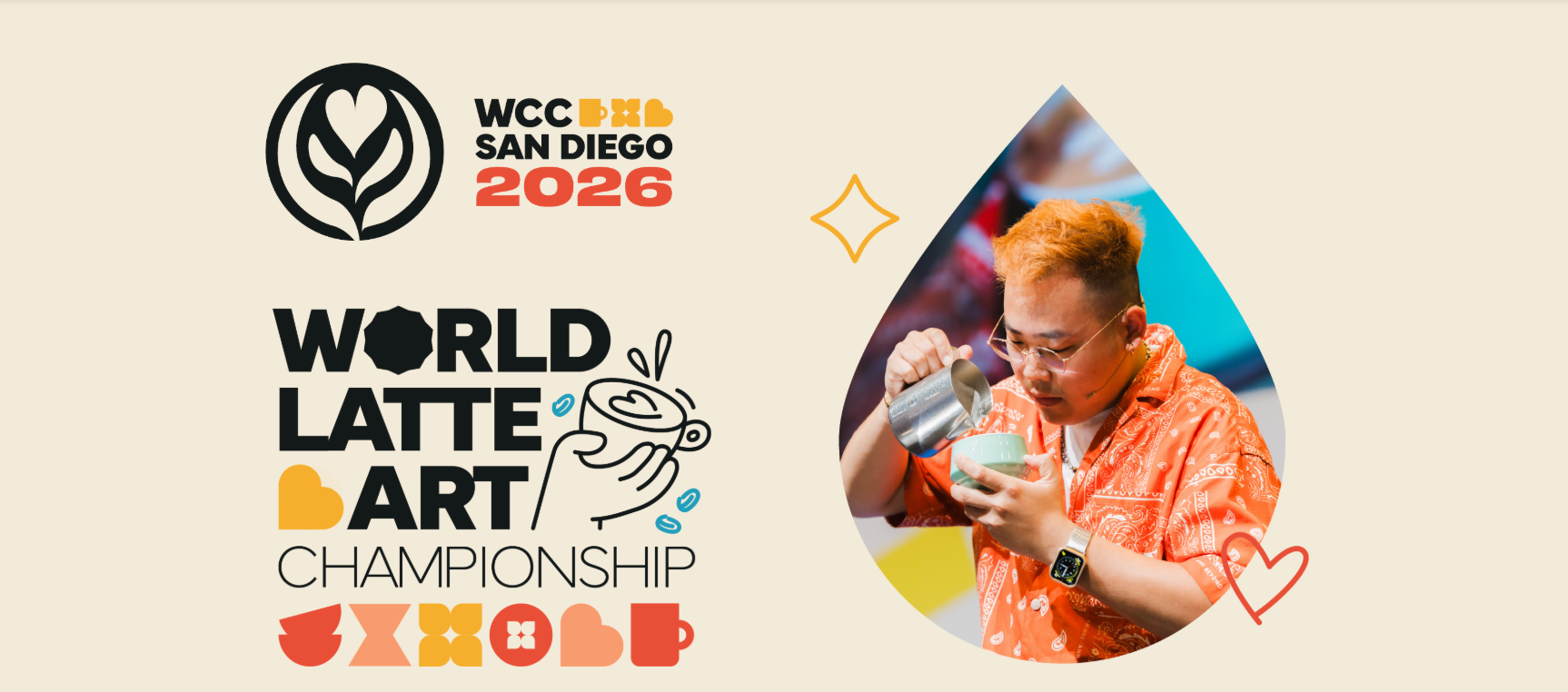
At the center of attention is the 2026 World Latte Art Championship, one of the most respected stages for barista craftsmanship. Now in its twentieth year, the competition turns everyday lattes into detailed works of art, bringing together leading talents from across the world.

  • Where coffee meets creativity

The championship is known for its fast pace and demanding format. Baristas are judged not only on technical skill but also on creativity and composure under pressure. Every detail matters, from symmetry and contrast to originality and presentation.

The event unfolds across two main experiences:

  • The Art Bar

Here, visitors can watch baristas up close as they create intricate designs using free pouring, etching, and other techniques. The setting is informal and interactive, with standout drinks often chosen through audience voting.

You may Read: World of Coffee San Diego 2026: Last Chance for Early Bird Rates

  • The Main Stage

This is where the competition intensifies. In the preliminary round, each competitor has 11 minutes to prepare six drinks. These include two sets of matching free pour lattes and two matching designer patterns. The top six move on to the final, where they repeat the challenge at an even higher level. One barista will leave with the title of 2026 World Latte Art Champion.

This year’s lineup features national and regional champions, each bringing their own style and interpretation shaped by their local coffee culture.

  • More than a competition

While latte art draws large crowds, the event itself goes far beyond the championship. World of Coffee is the largest B2B specialty coffee gathering in North America, offering a wide look at the industry.

The exhibition hall will host hundreds of companies presenting equipment, green coffee, brewing tools, packaging solutions, and new technologies shaping the future of coffee.

Visitors can also expect:

A full education program with more than 60 lectures and over 30 workshops
Opportunities to connect with roasters, café owners, and suppliers
Features such as the Coffee Design Awards, public cuppings, brew bars, and the SCA Lecture Series

Access to the event requires registration, with trade badges needed for entry to the show floor and competitions. Organizers have also introduced early booking offers and hotel packages through official channels.

Set along San Diego’s waterfront, the event combines business with atmosphere. The city’s growing café culture adds another layer to the experience, giving visitors a taste of both global trends and local flavor.

As April approaches, San Diego is preparing to welcome the world of coffee. For a few days, every cup poured will carry a story, and every design will reflect the skill behind it.

A Coffee Journey Across Europe’s Best Cities

Dubai – Qahwa World

In its latest issue, National Geographic published a beautiful report on Europe’s best cafés, titled: “Sip your way across Europe’s best cities for coffee.”

The magazine begins its report by saying: “From Turin’s distinctively named coffees to Vienna’s historic salons, Europe offers a rich experience for coffee lovers, blending long-standing traditions with modern brewing techniques.”

According to the magazine, coffee may have originated in Ethiopia, but Europe is where it matured culturally. It traveled from Africa to Yemen during the Middle Ages, reached Turkey in the 16th century, and spread across the continent in the 17th century through Ottoman diplomats and merchants coming to Venice. Cafés soon flourished, becoming social hubs for artists and thinkers.

The magazine emphasizes that coffee remains an essential part of European life today, where historic cafés coexist with modern specialty coffee roasters, creating a diverse and ever-evolving scene.
It then highlights seven cities where coffee lovers can explore this world, as follows:

  • 1. Vienna

Vienna is one of Europe’s foremost coffee cities, known for its opulent cafés dating back to the 19th century, designed in architectural styles such as Neo-Renaissance and Neo-Baroque. The city’s café culture has been inscribed on UNESCO’s Intangible Cultural Heritage list.

Start with a Wiener Melange at Café Frauenhuber, Vienna’s oldest café. Then head to Café Central to try an Einspänner, an espresso topped with whipped cream, in surroundings of marble columns and vaulted ceilings.

For dessert lovers, Café Demel offers a variety of pastries and Kaiserschmarrn served with flavored coffee. Café Landtmann, once frequented by Sigmund Freud, is famous for its apple strudel served with a Brauner—espresso with milk on the side. For a modern experience, coffee experts offer workshops and serve cold brews and coffee cocktails.

  • 2. Copenhagen

Copenhagen is known for its light roasting style common in Nordic countries, where beans are roasted at lower temperatures for shorter durations, preserving fruity flavors and natural acidity.

Visitors can learn about these techniques in local coffee roastery workshops. Specialty cafés offer a wide range of coffee types and brewing methods.

In cafés that combine bakery and roastery, pastries are a key part of the experience. Try an almond croissant or custard-filled pastry with drinks such as espresso tonics or cold brews.

  • 3. Paris

Paris would be unimaginable without its cafés, which are integral to its cultural and literary history.

Left Bank cafés are among the most famous destinations, frequented by renowned writers and philosophers. Here, you can order a café au lait, a traditional coffee made with brewed coffee instead of espresso.

The city’s oldest cafés evoke the Enlightenment era and are associated with major thinkers. Modern specialty cafés offer high-quality, locally roasted beans for coffee enthusiasts.

  • 4. Istanbul

Coffee culture in Istanbul dates back to the 16th century when the Ottoman Sultan embraced it and established the office of the Chief Coffee Maker. This tradition has been listed on UNESCO’s Intangible Cultural Heritage list.

Turkish coffee is made from very finely ground beans and slowly brewed in a small pot, giving it a thick and rich texture. It is served unfiltered, leaving grounds that are later used for fortune-telling.

For a traditional experience, visit historic cafés serving coffee with Eastern sweets. Modern cafés offer innovative drinks, including cold brews and spiced coffee beverages.

  • 5. Madrid

Café con leche is Madrid’s defining coffee drink, a 50/50 mix of espresso and hot milk.

Historic cafés dating back to the 19th century coexist with artistic venues reflecting the city’s past.

A distinctive feature of Spanish coffee is the torrefacto roasting method, where sugar is added during roasting, producing dark beans with a smoky, caramelized flavor. For purer coffee, specialty cafés offer beans roasted using modern methods.

  • 6. Stockholm

In Stockholm, coffee is part of a daily tradition known as fika, a social coffee and cake break.

Popular options include cinnamon rolls, cardamom buns, and sponge cakes filled with cream and jam. The rise of specialty coffee has refined the fika experience, with cafés sourcing carefully selected beans and roasting them in small batches.

Some roasters provide detailed brewing guides, while bakeries offer fresh bread ideal for breakfast.

  • 7. Trieste

Trieste is one of Italy’s most important coffee cities. As a major port in the Austro-Hungarian Empire, coffee trade thrived after taxes were abolished in the 18th century.

Its historic cafés feature luxurious décor and classic atmospheres reflecting the city’s heritage.

Trieste also has its own coffee terminology: espresso served in a small glass with frothed milk is called “Capo in B,” while a simple espresso is known as “Nero.” Coffee is often paired with traditional local pastries to complete the experience.

Vietnam Sets the Stage for a Record-Breaking Coffee Export Year

Dubai – Qahwa World

Vietnam has entered 2026 with remarkable momentum, signaling a potential record year for coffee exports. Early data from Vietnam Customs points to a rapid acceleration in shipments of green coffee, processed products, and various bean varieties, surpassing activity from the same period last year. Export values have also climbed sharply, solidifying coffee as one of Vietnam’s top agricultural earners and highlighting the country’s growing influence in the global coffee market.

The surge is driven not only by higher volumes but also by expanding international demand. Key markets, including Germany, Spain, Italy, Algeria, and Japan, have reported stronger imports in the early weeks of the year. Vietnam’s coffee is increasingly recognized across Europe, North Africa, and Asia as an essential supplier, with both import value and volume showing steady growth.

Within Vietnam’s export portfolio, robusta remains the backbone of the trade, generating substantial earnings. Arabica, though a smaller portion of production, has seen notable gains due to rising global interest in specialty origins and Vietnam’s strategic focus on diversifying its offerings. Meanwhile, processed coffee products are showing strong performance, reflecting a shift toward value-added exports. Industry experts view this as evidence that Vietnam is moving beyond commodity-based trade toward a more vertically integrated model capable of competing in premium markets.

You mat read this: Vietnam Suspends Decree 46, Easing Coffee Trade

The strong start to 2026 builds on an already exceptional 2025, when Vietnam achieved its highest-ever coffee export volumes and revenues. The Vietnam Coffee and Cocoa Association predicts that the current harvest could exceed these records, aided by improved growing conditions, increased investment in farm inputs, and higher market prices—all contributing to stronger yields and production potential.

International observers echo this optimism. The U.S. Department of Agriculture (USDA) projects substantial growth in Vietnam’s coffee production, citing farmers’ responsiveness to global price increases and enhanced crop management practices. USDA forecasts also point to rising exports across multiple categories, including roasted and soluble coffee, with Asian markets expected to drive significant demand.

According to the USDA’s December revision, Vietnam’s 2025/26 coffee exports are expected to reach 27.3 million bags GBE, up 8% from the previous year. Early customs data indicate actual shipments of green beans, roasted, and soluble coffee may already be higher, supported by increased sales to international tourists.

You may like: Vietnam’s Coffee Crisis Could Disrupt Global Supply Chains

Global trends, however, are shaping a more competitive landscape. Analysts warn that supply may increase across traditional coffee-producing regions, potentially pressuring prices. Vietnam’s efficiency, productivity, and diversified product offerings, along with investments in quality control and traceability, position its coffee sector to navigate these shifts with resilience.

Taken together, the early 2026 developments suggest Vietnam is entering a defining phase in its coffee-export story. Strong demand, recognition in global markets, expansion into processed coffee, and robust domestic and international support all point to a landmark year ahead. If these trends continue, Vietnam is poised to reinforce its position as a global coffee powerhouse while setting new benchmarks for high-volume, value-added exports.

A Record-Breaking Auction in Ecuador Reveals Shifts in the Coffee Market

Dubai – Qahwa World

The global coffee industry continues to evolve at a striking pace, shaped by a mix of record-breaking achievements, scientific discoveries, corporate expansion, and structural challenges. Recent developments from different parts of the world offer a revealing snapshot of where coffee stands today—and where it may be heading.

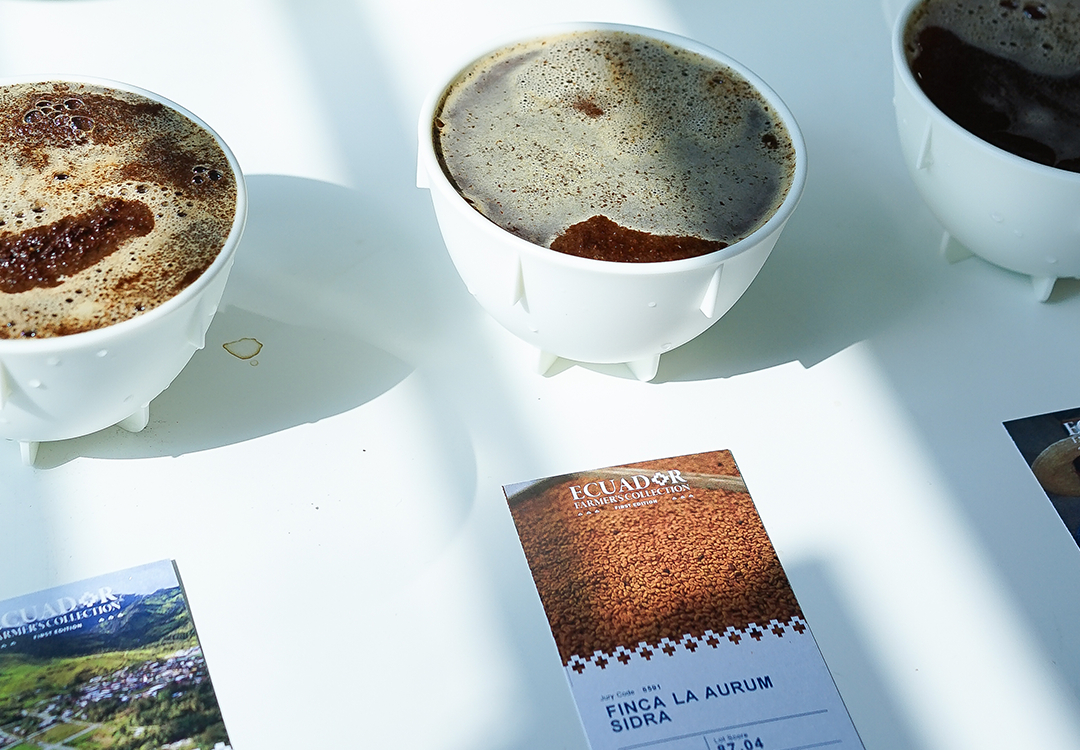
A defining moment came from Ecuador, where a specialty coffee auction set a new national benchmark. A Gesha lot reached 318 dollars per kilogram, signaling not just a headline-grabbing price, but a broader shift in how emerging origins are positioning themselves in the high-value segment of the market. Ecuador, long overshadowed by more established producers, is increasingly demonstrating its potential to compete in the ultra-premium category, where traceability, processing precision, and storytelling drive value as much as cup quality.

This upward movement in prices at the top end reflects a wider transformation. Specialty coffee is no longer a niche; it is becoming a strategic pathway for producing countries seeking to escape the volatility of commodity markets. However, such success stories also highlight a growing divide between high-end micro-lots and the broader base of producers who remain exposed to fluctuating global prices and rising production costs.

At the same time, science continues to deepen our understanding of coffee ecosystems. The identification of new fungal species on arabica plants may seem like a small discovery, yet it underscores the complexity of the biological systems surrounding coffee cultivation. These organisms play a quiet but essential role in nutrient cycling and soil regeneration, reminding the industry that long-term sustainability depends not only on climate and economics, but also on the invisible ecological networks within farms.

On the institutional front, changes in trade governance signal a push toward modernization. Updated arbitration systems and the development of remote training platforms suggest an industry adapting to new realities, where digital access and standardized procedures are becoming increasingly important. As global trade grows more complex, the ability to resolve disputes efficiently and train professionals across borders is no longer optional.

Meanwhile, major coffee companies continue to expand, reporting strong financial growth and reinforcing their global presence. This reflects steady demand in consumption markets, even as the industry faces mounting pressures. New investment discussions and franchise expansion strategies, particularly in the United States, point to a continued belief in coffee as a resilient business model, capable of attracting capital even in uncertain economic conditions.

Yet beneath this growth lies a layer of vulnerability. Legal disputes linked to product safety, as well as incidents involving equipment failure, highlight operational risks that can have significant reputational and financial consequences. In parallel, cases of illegal activity tied to coffee retail spaces, though isolated, raise questions about oversight and the integrity of supply chains at the local level.

In emerging producing regions, entrepreneurial initiatives continue to take shape. New farm projects in Southeast Asia reflect both optimism and necessity, as the next generation of producers seeks to build sustainable models from the ground up. These efforts often rely on direct support, transparency, and storytelling to connect with global audiences and secure funding.

Taken together, these developments reveal an industry defined by contrasts. Record auction prices coexist with structural inequality. Scientific progress advances alongside environmental uncertainty. Corporate growth moves in parallel with operational and regulatory challenges.

Coffee today is not just a beverage or a commodity. It is a complex global system, where climate, biology, economics, and culture intersect. Understanding its future requires looking beyond individual headlines and recognizing the deeper forces reshaping the industry from farm to cup.

Italian Coffee Giants Unite to Launch Mazzer x Slayer Grinder

New collaboration brings precision-focused innovation to professional coffee grinding

Milan – Qahwa World

Two leading names in Italy’s coffee equipment industry have joined forces to introduce a new grinder designed for professional use, marking a notable collaboration in the speciality coffee sector.

The partnership between Cimbali Group and Mazzer has resulted in the Mazzer x Slayer grinder, unveiled during the Grind Chronicles. The project represents the first tangible outcome of their combined efforts.

The grinder has been developed to enhance the interaction between barista and equipment, with a focus on design, usability, and precision. Drawing inspiration from the Slayer espresso machine experience, the new model aims to extend that same level of control and attention to detail to the grinding stage.

Presented as a prototype, the machine operates at low speed and incorporates a grind-by-weight system, making it suitable for medium- to high-volume coffee environments. It features an integrated load cell and 69 mm conical burrs, designed to deliver consistent and accurate dosing across different working conditions.

The design also reflects elements associated with Slayer machines, offering a cohesive workflow from grinding through to extraction. This approach is intended to support baristas in maintaining consistency while optimising daily operations.

Frédéric Thil, managing director of Cimbali Group, stated that the collaboration brings together complementary expertise to develop reliable, high-performance solutions for coffee professionals. He emphasised the importance of precision, consistency, and control in elevating both workflow and cup quality.

Giovanni Mazzer, President of Mazzer, described the partnership as a meaningful collaboration between companies that share common values and a strong connection to espresso heritage. He noted the potential to deliver advanced technological solutions alongside a high standard of service.

The final version of the Mazzer x Slayer grinder is expected to be officially introduced to the market at the London Coffee Festival 2026 in May 2026.

Lablibell Bajarias Wins Lavazza Barista Challenge 2026

Turin – Qahwa World

The international final of the Lavazza Barista Challenge 2026 concluded in Turin with a standout victory for Lablibell Bajarias of the United Arab Emirates, who secured the top title among competitors representing 20 countries.

The prestigious competition brought together leading coffee professionals from around the world, each showcasing a high level of expertise across multiple disciplines. Participants were evaluated on technical extraction skills, the creation of innovative signature beverages, presentation, and their ability to deliver exceptional customer engagement.

Hosted in Turin, a city synonymous with Italy’s rich coffee heritage, the event served as both a celebration of tradition and a platform for modern innovation. Competitors demonstrated not only precision in brewing techniques but also creativity in crafting unique coffee experiences that reflect evolving consumer expectations.

You may read: Lablibell Crowned UAE Lavazza Barista Champion

Bajarias’ performance stood out for its balance of technical mastery and creativity, earning recognition from the panel of judges and securing the United Arab Emirates a prominent place on the global coffee stage.

The Lavazza Barista Challenge continues to highlight the growing importance of education, craftsmanship, and innovation within the international coffee community. This year’s edition reinforced the industry’s dynamic nature, where tradition meets forward-thinking approaches to coffee preparation and service.

As the competition concludes, it leaves a clear message: the future of coffee lies in the hands of skilled professionals who are redefining excellence through passion, precision, and innovation.

Samah Badr: From Tasting Passion to Yemen’s First Coffee Trainer

Dubai – Ali Alzakry

It wasn’t a calculated career move or a boardroom decision.  For Samah Badr, the journey into the world of coffee began with a biological “finesse”—a heightened sensitivity to flavors that once exasperated her family.  As a child, she didn’t just eat or drink; she analyzed, scrutinized, and questioned every note on her palate.  This innate curiosity eventually evolved from a personal trait into a professional calling.  Today, as the first and only Yemeni woman to become an Authorized SCA Trainer (AST), Samah is “drowning” in the coffee world, discovering her own rush of adrenaline and proving that God’s timing is always perfect.

In this exclusive interview, we explore the story of a woman who turned a childhood obsession with detail into a scientific mission to elevate Yemeni coffee to its rightful global throne.

We invite you to follow this inspiring dialogue that bridges the gap between ancient heritage and modern science:

Samah Badr: From Tasting Passion to Yemen’s First Coffee Trainer

  • You grew up in an environment that loves coffee, specifically in Sana’a.  How did the story begin before coffee became a scientific path for you?

Answer: For me, coffee was never just a beverage; it was a part of the fabric of daily life, present in our social gatherings, our memories, and the very identity of the place.  Growing up in an environment that deeply values coffee gave me this early connection, which began as a sense of belonging and evolved over time into a passion for knowledge.  When I entered the world of specialty coffee, I realized that the heritage we carry can be reintroduced through the language of science, allowing it to take its rightful place globally.

  • Your roots trace back to Ibb–An Nadirah district.  How has this heritage shaped your relationship with farmers and your work in the field?

Answer: This heritage gave me a different perspective; coffee is not a final product to me but a journey that begins with the farmer.  My presence in the field is not a departure from the city but a journey back to the origin of the story.  I am committed to visiting the farms because I believe that real change starts there—where knowledge can be turned into practice, and quality into tangible value that benefits the farmer before anyone else.

  • As the first Authorized SCA Trainer (AST) in Yemen, working within a certified educational environment that includes the Espresso Academy, the SCA Premier Campus, and the CQI Professional Venue… what does this presence signify?

This presence represents the breaking of barriers that once separated ambition from opportunity.   Today, young people in Yemen can access the same quality of education and global standards without the need to travel abroad.  We are not just offering courses; we are building an educational ecosystem that fosters a new generation of specialists capable of competing and contributing to the development of the coffee sector both locally and globally.

Samah Badr: From Tasting Passion to Yemen’s First Coffee Trainer

  • Throughout your training career, what is the most difficult conviction you have had to change?

The hardest challenge I faced was establishing the idea that quality is not a luxury.  Many used to view coffee as a single, unchanging product.  However, through experience and tasting, this concept began to fade.  When a trainee sees the difference for themselves—in flavor and in value—the real transformation begins.  Coffee then shifts from an ordinary commodity into a meaningful experience with high value.

  • From your expert perspective as a Q Grader, what does Yemeni coffee lack to return to the top?

Yemeni coffee does not lack excellence; it lacks consistency.   We have incredible diversity and high potential, but improving post-harvest practices—from processing to drying—is the real key.  When we succeed in delivering stable, consistent quality, we will see Yemeni coffee return strongly, not just through its history, but through its current superior quality.

  • How do you succeed in communicating complex quality concepts to the farmers?

I believe that the simplest methods are the most impactful.  I rely on linking information to the end result and transforming theoretical concepts into practical steps that can be easily applied.  When a farmer sees that a simple improvement in the drying method can double the value of their crop, change becomes a logical choice rather than a burden.

  • How do you see the roadmap for the future of Yemeni coffee?

The future depends on building an integrated system that starts with the farmer and ends with the global market.  We need to truly empower farmers, link them to fair value chains, and strengthen the identity of Yemeni coffee as a product that carries both a story and quality.  If these pillars are addressed in a balanced way, Yemen will not only regain its status but also redefine itself in the specialty coffee market.

  • When you represent Yemen in international forums as an AST, what do you say to the world?

I tell the world that Yemen is not just coffee history; it is a present full of opportunities and a promising future.  I carry with me the story of a country that possesses unique agricultural and cultural depth.  I strive for the world to see this side as I see it—full of potential, capable of competing, and worthy of having its voice heard once again.

Gostoso Coffee: Redefining Brazilian Specialty Coffee

Dubai – Qahwa World

In recent years, Brazil has reaffirmed its position as the world’s largest coffee producer and a growing hub of innovation within the specialty coffee sector. In this evolving landscape, a new generation of Brazilian‑born brands is emerging, shifting coffee’s image from a bulk commodity to a crafted experience. Among them, Gostoso Coffee is beginning to stand out for its clarity of vision, authenticity, and long‑term direction.

  • From Dubai to the Origin: A New Chapter

Gostoso Coffee was founded in 2019 by Brazilian entrepreneur Colin James Francis, after his move to the UAE and his decision to launch a brand that would represent Brazil on the global stage. Over time, the company combined Brazilian agronomy with Emirati‑based roasting operations (Karam Food Inds., Dubai), positioning itself at the intersection of origin and innovation.

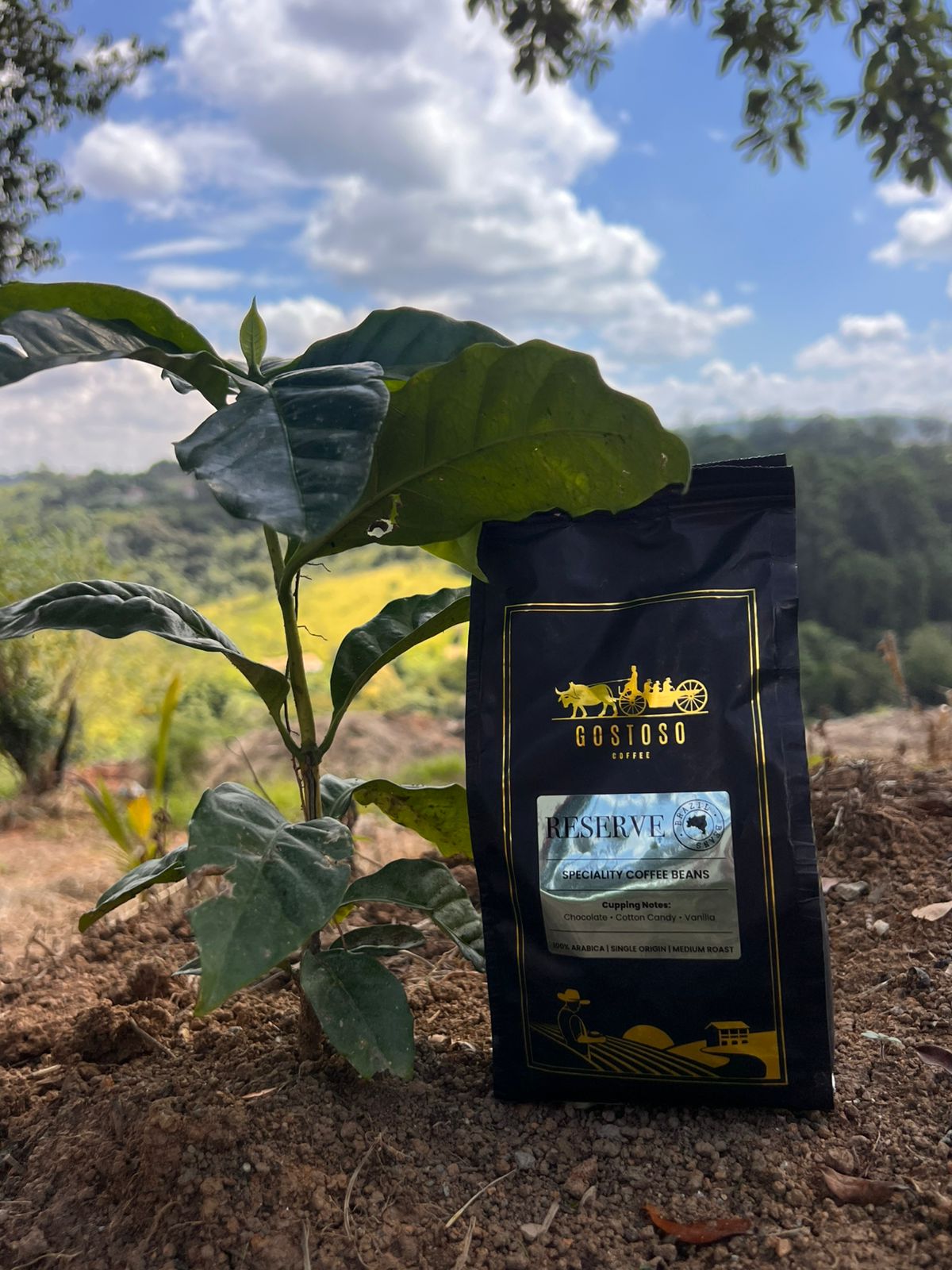
Recently, Gostoso made a strategic return to its roots by establishing a coffee plantation in Brazil, in the prestigious region of São Roque, São Paulo—internationally known as the “City of the Wine Route.” Following rigorous soil analysis, terroir selection, and assessment of climatic conditions suited to rare Arabica varieties, the company chose an estate that blends natural beauty, heritage architecture, and production potential.

The property is set in a mountainous landscape surrounded by the Atlantic Forest, with a historic headquarters built in Riga pine wood using Norman architecture. Designed to be open to the public, the farm will host visits, educational tours, and immersive experiences on coffee, origin, and the global trends shaping the world’s second‑most‑consumed beverage. This project aims to re‑establish São Paulo as a globally recognized specialty‑coffee region, echoing the state’s prominence in the 1950s and 1960s—this time with a focus on quality, rarity, and sustainability.

  • Beyond Commodity: A Global Vision Guided by Ethics

Gostoso Coffee was created to challenge the traditional power structure in coffee: to reduce the role of exploitative middlemen and protect farmers, cooperatives, and origin. From Brazil, the brand controls the entire value chain, from rare plantations to its roastery in Dubai, UAE, ensuring transparency, traceability, and fair practices at every stage.

Under the leadership of CEO Colin James Francis, recognized internationally for ethical sourcing and manufacturing excellence in the UAE, India, and Hong Kong, Gostoso supports and expands Brazilian cooperatives, helping them produce higher‑quality outputs at a larger scale using rare Arabica and Liberica varieties. With a strategic base in Dubai, the brand is positioned to scale across the Middle East, Asia, and the Far East, bringing Brazilian excellence to the world without compromise.

  • Farm and Plantation: Innovation Meets Nature

Located in a mountainous region of Brazil, the Gostoso Coffee Farm is opening new pathways in specialty production. The farm is developing Geisha Arabica, one of the world’s most exclusive coffee varieties, traditionally associated with high altitude Panama, where micro‑lots have recently reached around USD 30,000 per kg. At Gostoso, this cultivar grows under the natural shade of the Atlantic Forest, a terroir that imparts remarkable complexity, elegance, and cup identity.

Sustainability is central to the farm’s operations. Over 15% of the property is preserved as a legally protected Permanent Preservation Area (APP), in full compliance with Brazilian environmental law. The estate lies within the São Roque Atlantic Forest, a region recognized by UNESCO for its ecological value and biodiversity.

The native forest hosts species such as peroba, cedar, pau‑d’alho, mulberry, white fig, jatobá, cinnamon, and ipê, along with a rich variety of wildlife. The farm also cultivates more than 30 fruit varieties, including jabuticaba, uvaia, cacao, pecans, chestnuts, passion fruit, bananas, berries, avocado, jambo, pitanga, and mango, while maintaining beehives to support pollination of coffee plants. As the team puts it: “Nature is our alliance; we work as a cohesive unit.”

  • More Than a Farm — A Destination at Origin

Gostoso Coffee is designed to attract both national and international visitors, not only for its rare coffees but also for the natural and cultural beauty of the region. The farm offers eco‑walks, birdwatching spots, and meaningful experiences that connect guests with the land, the process, and the story behind every cup. As the estate expands, visitors will encounter an ever‑growing diversity of rare coffee varieties, all cultivated with precision and care.

  • Rare Coffee Varieties: Geisha, Arabica, and more

Geisha Arabica is one of the rarest and most celebrated coffee varieties worldwide, renowned for its extraordinary cup complexity, with delicate jasmine‑like florals, vibrant citrus notes, and subtle hints of tropical fruits. The variety gained global fame after winning the Best of Panama competition in 2004 and has since become a benchmark for excellence in specialty coffee.

Demanding cultivation, low yields, and exceptional quality have made Geisha synonymous with luxury and exclusivity. Traditionally grown in Panama, it now also flourishes at Gostoso Coffee Farm in São Roque, São Paulo. Geisha is one of seven exclusive coffee varieties cultivated at the estate, where terroir, technical precision, and passion converge to create a distinctive profile.

  • Empowering Women in Agriculture

Women are at the heart of the Gostoso story. Globally, women represent nearly 47% of the agricultural workforce, shaping farming with resilience and care. At the Gostoso Coffee Farm, 25% of the labor force consists of skilled, experienced women working across seedling production, nursery management, harvesting, and quality control.

Their presence enriches every stage of production and reinforces the brand’s mission to deliver coffee that is Gostoso—good, authentic, and deeply human. Their dedication can be tasted in every cup, from the first seedling to the final brew. As the farm grows, it does so driven by respect for people, partners, and consumers.

  • Scaling with Technology, Genetics, and Vision

Gostoso Coffee is scaling not only in size but also in scientific and technological sophistication. The farm employs state‑of‑the‑art agricultural technology, advanced agronomic methods, and rare coffee genetics to redefine the future of coffee production. The mission extends beyond the farm: it aims to reshape the geography and history of the global coffee industry, restoring São Paulo as a strategic and influential origin on the world coffee map.

This long-term project is built on innovation, sustainability, traceability, and excellence, targeting those who see coffee as more than a beverage—as a legacy. Partners and investors who share this vision are invited to co‑build a project that is timeless, scalable, and globally relevant.

  • Plantation Progress and Technical Precision

The farm recently completed a root development test 60 days after planting, with highly promising results. Seedlings showed over 15 cm of root growth, with strong, healthy structures and excellent formation. This confirms that soil preparation, planting depth, spacing, and fertilization were executed with precision.

Deep root systems enhance drought resistance, nutrient uptake, and uniform growth, laying a solid foundation for future productivity. Every stage is closely monitored to ensure quality from the very beginning—coffee is planted today but harvested with strategy tomorrow.

  • Conclusion: Brazilian Coffee in Motion

Gostoso Coffee reflects a broader shift in the specialty coffee sector. Consumers are increasingly interested in origin, traceability, and environmental impact, and brands that articulate these values clearly gain a competitive edge—even before full operational maturity. The specialty market remains highly demanding, with traditional regions such as Sul de Minas, Cerrado Mineiro, and Alta Mogiana having built their reputations over decades. Entering this space requires both a compelling narrative and consistent delivery and transparency.

Initiatives like Gostoso Coffee demonstrate that Brazilian coffee is evolving — and that the future of the industry will be shaped not only by the quality of the bean but also by the quality of the story that accompanies it.

As a result of this journey, the team behind Gostoso Coffee launched Tawa Arabic Coffee in 2026 at the Museum of Coffee in Dubai, UAE—a new chapter that bridges Brazilian excellence with the rich heritage of Arabic coffee culture.