Brazilian farmer aims to sell rare coffee for nearly $20,000 per bag

Dubai – Qahwa World

A fourth-generation Brazilian coffee farmer is aiming to redefine the upper limits of specialty coffee pricing, with plans to sell one of the world’s rarest varieties—eugenioides—for nearly $20,000 per bag, roughly 50 times the price of conventional arabica beans.

Luiz Paulo Dias Pereira Filho is expanding production of Coffea eugenioides, a little-known species native to East Africa and one of the genetic parents of arabica. Grown on what he says is Brazil’s only dedicated plantation of the variety, the crop represents a niche but fast-emerging segment of the luxury coffee market. Pereira Filho expects his upcoming harvest to generate around 1 million reais (about $190,000) for just 10 standard 60-kg bags.

You may read: Brazil’s Robusta Coffee Expands as Climate Hits Global Crops

What sets eugenioides apart is its cup profile. The coffee is naturally very low in caffeine—often close to decaf levels—and known for its pronounced sweetness, delicate body, and absence of bitterness. These traits make it highly attractive to specialty buyers seeking unique sensory experiences rather than traditional strength or intensity.

The farmer has already secured interest from international buyers in Taiwan, Saudi Arabia, and other high-end markets. In 2025, he sold three bags for 90,000 reais (approximately $17,000) each, underscoring growing global demand for rare and experimental coffees, even as broader arabica prices have softened to around $400 per bag.

You may like: Coffee Pulp in Brazil: When the Coffee Cherry Refuses to Be Waste

Industry experts say the trajectory of eugenioides mirrors the early rise of geisha coffee, which transformed from obscurity into one of the most expensive and sought-after varieties in the world. According to the Specialty Coffee Association, scarcity, traceability, and distinctive flavor profiles are increasingly driving value in the premium segment, where consumers are willing to pay significantly more for exclusivity.

However, scaling production remains a major challenge. Eugenioides plants are fragile, highly sensitive to climate variations, and have not undergone the same level of genetic improvement as Arabica or Robusta. As a result, yields are extremely low—about two bags per hectare, compared to 20 or more for Arabica under standard conditions. Pereira Filho currently cultivates just five hectares, limiting total output and reinforcing the coffee’s rarity.

Read also: Brazil’s Specialty Coffee Sector Gains Global Momentum

The broader context also supports rising interest in such niche products. Climate change is putting pressure on traditional coffee-growing regions, pushing producers and researchers to explore alternative species like eugenioides that may offer different resilience traits or flavor opportunities. At the same time, the global specialty coffee market continues to expand, with consumers increasingly valuing origin, processing methods, and unique varietals.

While global production of eugenioides remains largely undocumented, only a handful of farms worldwide are believed to be experimenting with commercial cultivation. For Pereira Filho, who has over two decades of experience in specialty coffee, the strategy is clear: focus on quality, rarity, and storytelling to position eugenioides as a true luxury product.

If successful, his efforts could signal the emergence of a new ultra-premium category in coffee—where scarcity and sensory distinction command prices once reserved for fine wine or rare spirits.

Indonesia’s Specialty Coffee Takeoff

Dubai – Qahwa World

Walk down a Jakarta side street at 7 a.m. and you can watch Indonesia’s coffee story unfold in real time: a plastic stool at a warung, a QR code on a grab-and-go kiosk, and a young professional ordering a single-origin pour-over on her way to the office. Indonesia is no longer just a coffee origin on a cupping table in Europe or the US; it is becoming one of the most dynamic coffee-drinking countries in the world.

Over the past decade, and especially since the pandemic, Indonesians have quietly transformed their relationship with coffee—from dark, sugar-laden robusta in glass cups to iced specialty beverages ordered through delivery apps and omakase-style tasting bars in the capital. The result is a market that is maturing on several levels at once: economically, culturally, and sensorially.

  • A producer that learned to drink its own coffee

Indonesia has long been a heavyweight in green coffee production, growing both arabica and robusta across islands like Sumatra, Java, Sulawesi, and Flores. The country contributes about 5% of global coffee exports and generates well over US$1.5 billion in export revenue from coffee each year, placing it among the world’s top producers.

You may read: Indonesia’s Top 9 Coffees in 2026

For decades, much of that coffee left the country, while domestic drinkers were served largely commodity-grade robusta, roasted dark and drowned in sugar, condensed milk, or spices. The local market revolved around warungs, kopi tubruk at home, and bustling kopitiams where coffee was one part caffeine, one part nostalgia.

What has changed is not only volume, but intent. Domestic consumption has surged, with coffee drinking shifting from a habit of necessity or tradition into a lifestyle that young Indonesians actively curate. Deloitte and other market analysts now point out that Indonesia’s coffee consumption has tripled compared with pre-pandemic levels, pushing it into the ranks of the world’s top five coffee-consuming countries. At the same time, analysts estimate the value of the country’s coffee market could reach roughly US$12.6 billion by 2030 if current growth continues at around 5% a year.

This turn inward matters. In a global market increasingly shaken by climate shocks and price volatility, a strong domestic demand base gives producers and roasters more options—and more leverage—than relying on export markets alone.

  • Chains, kiosks, and a new middle ground

To understand Indonesia’s current boom, it helps to look at what happened between the traditional warung and the high-end café. When international chains first arrived in the early 2000s, they brought espresso-based beverages and a new café aesthetic—but at a price point that was out of reach for many, with a single cup easily costing more than a third of the median daily income at the time.

Local entrepreneurs spotted the gap. Brands like Kopi Kenangan built their model on an accessible promise: modern coffee, familiar flavours, and digital convenience at a fraction of international chain prices. Founded in 2017, Kopi Kenangan expanded at breakneck speed, reaching roughly 900 stores across Indonesia by early 2025 and proving that there was appetite for something between the plastic stool and the plush armchair.

Their success coincided with a broader shift toward convenience formats. A wave of ready-to-drink (RTD) bottles, small grab-to-go kiosks, and café counters inside convenience stores—such as FamiCafé—pushed coffee into transit hubs, malls, petrol stations, and office towers. During the pandemic, this convenience-first model was supercharged: a study of Indonesia’s coffee market found that takeaway and online coffee orders rose by more than 5%, while average ticket sizes climbed from one drink per order to three as consumers leaned on delivery apps for their daily caffeine fix.

Today, Indonesia’s coffee landscape feels layered rather than linear. On the same street, you might see:

  • A traditional kopitiam serving kopi susu with breakfast.

  • A domestic chain offering flavoured iced lattes at a mass-market price.

  • A specialty barista weighing single-origin beans on a scale.

Instead of one model replacing another, they are stacking on top of one another—each speaking to a different moment, budget, and taste preference.

  • Youth, film, and the social life of coffee

Demographics are doing a lot of heavy lifting in Indonesia’s coffee story. Roughly 40% of the population is between 20 and 40 years old, a cohort that has more disposable income than their parents and a very different attitude toward consumption. Coffee is not just fuel; it is part of how they signal identity, spend time with friends, and document their day on social media.

Culture has played its role too. The 2015 release of Filosofi Kopi, a film centred on a specialty coffee shop in Jakarta, helped bring barista culture and single-origin storytelling into mainstream conversation. Café work, once viewed as a stopgap job, began to look like a creative, aspirational profession. Many young Indonesians saw in coffee a way to blend craft, hospitality, and entrepreneurship.

This shift is visible in the sheer number of cafés and coffee stalls that have opened over the last decade. Industry stakeholders now describe Indonesia as one of the countries with the highest café counts in the world, driven by small entrepreneurs, local chains, and increasingly sophisticated independent shops. In major cities, weekend “café-hopping” has become a common pastime for Gen Z and young professionals, who are as interested in interior design and latte art as they are in origin stories.

  • Jakarta’s specialty vanguard—and beyond

If chains and kiosks are the mass engine of growth, Jakarta’s specialty scene is the R&D lab. The city has become a playground for roasters, baristas, and café owners who want to push the sensory and experiential boundaries of coffee.

One of the most visible figures in this movement is Mikael Jasin, 2024 World Barista Champion and three-time Indonesia Barista Champion. His Jakarta concept, Omakafé, applies an omakase-style format to coffee, guiding guests through multi-course tasting experiences that showcase different origins, processes, and brew methods. The format signals something important: Indonesian consumers are increasingly willing not just to drink coffee, but to be educated, surprised, and entertained by it.

Jasin also serves as Chief of Coffee Innovation at Fore Coffee, a domestic specialty chain that raised around Rp 353.44 billion (approximately US$21 million) in an initial public offering on the Indonesia Stock Exchange. Following its IPO, Fore launched an experience-focused store in South Jakarta’s Panglima Polim area, centered on a slow bar where baristas talk guests through flavour profiles, extraction, and the differences between Indonesia’s growing regions.

Specialty is not staying in the capital. Cities like Surabaya, Bandung, Medan, and Bali are seeing a wave of new roasteries and cafés, ranging from minimalist espresso bars to drive-thru outlets connected to local chains. Brands such as Expat. Roasters have used airports and high-traffic locations as gateways, introducing both domestic and international travellers to Indonesian specialty coffee on their way in and out of the country.

Events have amplified this momentum. In May 2025, the World of Coffee trade show came to Jakarta for the first time, bringing international buyers, equipment manufacturers, and coffee professionals into direct contact with Indonesia’s rapidly evolving scene. Organisers noted not just the energy on the show floor but the diversity of approaches—from experimental processing and origin-focused menus to highly localised drink concepts that foreground Indonesian flavours.

  • A market growing in many directions at once

Looking at the numbers, there is little sign that Indonesia’s coffee boom is a short-lived trend. USDA forecasts for 2024/25 predicted domestic consumption at around 4.8 million 60 kg bags, up by 10,000 bags year-on-year, even as some export volumes softened due to production challenges. That apparent contradiction—strong local demand alongside tighter export supply—suggests more of Indonesia’s coffee is staying at home, and importantly, that more of it is being consumed in higher-value formats.

Crucially, growth is not confined to one end of the market. High-end specialty bars and omakase experiences are expanding at the same time as affordable grab-and-go concepts and convenience-store counters like FamiCafé. Together, they are building what industry observers describe as a multi-layered coffee ecosystem, where consumers can trade up or down depending on the occasion without leaving the category.

The pandemic also left a structural imprint on behaviour. As delivery apps became a habitual part of daily life, coffee companies used them not just as logistics channels but as discovery tools—testing limited-time flavours, seasonal drinks, and co-branded collaborations that could be scaled up if they went viral. This test-and-learn approach has kept the market nimble and responsive to shifting tastes, especially among younger drinkers.

At the same time, the steady rise of ready-to-drink and bottled coffee formats has opened new profit pools beyond the café counter. RTD options now sit in fridges in supermarkets, mini-marts, and even small neighbourhood shops, extending coffee consumption into moments and locations that a traditional café could not reach.

  • Taking Indonesian coffee culture abroad

As domestic demand matures, Indonesian coffee concepts are traveling. Kopi Kenangan was among the first homegrown chains to test international waters, rolling out stores in markets such as India, Australia, Singapore, Malaysia, and the Philippines. Their proposition—sweet, iced, and often dairy-forward beverages at accessible prices—translates well in other parts of Asia-Pacific where climate, income levels, and taste preferences are broadly similar.

Other Indonesian brands have followed, with Fore Coffee opening in Singapore to tap into that city’s role as a regional hub for café culture and food trends. These expansions function as both business experiments and cultural exports: they carry Indonesian flavour combinations, branding, and service styles into markets that are already crowded with global coffee names.

On a smaller scale but with significant symbolic impact, Indonesian-owned and Indonesian-inspired specialty cafés have started to appear in cities across the United States, a country that imports around 12% of Indonesia’s coffee. Spots like Kopiku in San Francisco, DUA DC in Washington, D.C., and Hijau in San Jose build their identities explicitly around Indonesian origins and culture, moving international perception beyond the usual shorthand of “Sumatra” or kopi luwak.

These cafés are often where international consumers encounter drinks like kopi susu, pandan lattes, or beverages sweetened with palm sugar (gula merah) for the first time. As Kangmin Kim of Exporum notes, globalisation and social media now make it far easier for these Southeast Asian-inspired drinks to gain attention, with a single viral post capable of propelling a niche menu item into mainstream curiosity.

  • Authenticity, accessibility, and what comes next

If there is a single through-line in Indonesia’s specialty coffee journey, it is the pairing of authenticity with accessibility. Rather than abandoning traditional flavours and formats, many of the most successful brands have reinterpreted them—bottled es kopi susu sold online during the pandemic, pandan- or palm-sugar-inflected lattes served in sleek urban cafés, or single-origin flights built around Indonesian terroirs that local drinkers can claim as their own.

Indonesia’s young, urbanising population, rising incomes, and long-standing coffee culture give it a rare combination of depth and momentum. The country is simultaneously a major producer and an increasingly sophisticated consumer, with domestic chains and independent shops continuously testing the limits of what coffee can be and who it is for.

The question now is less whether Indonesia’s coffee market will continue to grow, and more how far its influence will reach. As local chains expand regionally, RTD formats travel, and Indonesian-inspired cafés multiply abroad, the flavours and formats born in Jakarta, Surabaya, or Medan are likely to shape how the world drinks coffee in the decade ahead.

Indonesia’s Top 9 Coffees in 2026

New ranking highlights leading producers and coffee traditions

Dubai – Qahwa World

A newly updated ranking published on March 18, 2026 by TasteAtlas highlights nine of the most notable coffees and producers across Indonesia, offering a snapshot of one of the world’s most diverse coffee landscapes.

Spanning regions such as Sumatra, Bali, Java, and Sulawesi, the list reflects a wide range of production methods, flavor profiles, and traditions—from high-end civet coffee to everyday robusta staples.

The Top 9 Indonesian Coffees

1. Gayo Kopi – Wild Kopi Luwak (Sumatra)
Topping the list is Gayo Kopi, known for its wild-sourced Kopi Luwak from the highlands of northern Sumatra. The coffee is often associated with a smooth texture and reduced bitterness, with deep, earthy flavor characteristics.

2. Akasa Coffee – Honey Process (Bali)
From the Kintamani region, Akasa Coffee focuses on full control over production. Its honey-processed Arabica is typically described as balanced, with gentle sweetness, floral notes, and a clean finish.

3. Wahana Estate – Sidikalang (North Sumatra)
Situated at elevations between 1,300 and 1,500 meters, Wahana Estate is recognized for its focus on experimentation and variety development, contributing to layered and complex flavor profiles.

4. Seven Bika Coffee – Java Preanger
This brand draws from several Indonesian coffee regions, offering both single-origin Arabica and blends. Its small-batch approach aims to preserve the character of each origin.

5. Toarco Toraja – Sulawesi
Produced in the Toraja Highlands, this coffee is processed using washed methods that highlight clarity and balance, often resulting in a refined and structured cup.

6. Puntang Coffee – Arabica Wine Process (West Java)
Grown on Mount Puntang, these coffees benefit from volcanic soil and high elevations. The use of experimental processing methods contributes to fruit-forward and aromatic profiles.

7. El’s Coffee – Lampung
Based in southern Sumatra, this brand focuses on locally grown beans, including robusta from Lampung, known for its full body and strong flavor.

8. Kopi Luwak Coffee – Central Java
A long-established producer of civet-processed coffee, offering cups commonly associated with smoothness and notes of chocolate and caramel.

9. Mandailing Estate Coffee – Sumatra
Originating from northern Sumatra, this coffee reflects a traditional profile with a full body and flavors often described as dark chocolate, spice, and dried fruit.

Traditional Coffee Styles Still Shape the Culture

Alongside these producers, Indonesia’s coffee culture remains deeply connected to traditional preparation methods.

Kopi luwak continues to attract global attention for its unique processing method. Kopi tubruk remains a daily staple, prepared by mixing ground coffee directly with hot water and allowing it to settle in the cup. In Yogyakarta, kopi joss is known for its unusual preparation involving hot charcoal, while kopi terbalik from Aceh is served upside down as part of a distinctive local ritual. Ginseng coffee represents a more modern variation, blending coffee with herbal elements.

A Snapshot of a Changing Industry

The ranking reflects broader developments in Indonesia’s coffee sector, where traditional practices continue to coexist with modern approaches to cultivation and processing. Specialty Arabica is gaining international attention, while robusta remains essential to local consumption and identity.

TasteAtlas notes that its rankings are based on audience ratings, with systems designed to identify reliable input and reduce bias. The list is intended to highlight notable local products and encourage exploration, rather than serve as a definitive global classification.

Source

This article is adapted from a ranking published by TasteAtlas (March 18, 2026):
https://www.tasteatlas.com/best-rated-coffees-in-indonesia

Mohammed Al-Hamdani: Guarding a Legacy of Over a Century

From 1918 to the Global Market—The Journey of a Legendary Coffee Dynasty

Dubai – Ali Alzakary

In the world of commodities, there are brands that sell “products”, and then there are rare entities that sell “history” distilled in a cup. To step into the world of “Al-Hamdani Mocha” is not merely to enter a commercial enterprise; it is to open the archives of a legacy that began in 1918. Back then, coffee caravans were defining global trade from the rugged peaks of Yemen.

From the narrow alleys of “Souq Bo’an” in Bani Matar, where the ancestors laid the foundation, to the skyscrapers of New York and the bustling markets of the Arabian Gulf, this family has transformed the “coffee cherry” into a civilizational message. Between century-old manuscripts and state-of-the-art European production lines stands Mr. Mohammed Al-Hamdani, CEO of Al-Hamdani Mocha, to tell us how such a profound “trust” is managed, and how the company has kept the pulse of Yemeni soil alive in the hearts of coffee aficionados worldwide.

We invite you, in this exclusive and deep-dive interview, to sail through a journey that began a century ago and never stopped, and to discover the secrets behind the authentic Mocha that connects the mountains of Haraaz and Al-Hayma to the entire world.

Mohammed Al-Hamdani: A Century of Yemeni Mocha Coffee Heritage | Interview

  • Mr. Mohammed, when we speak of a history dating back to 1918, we are looking at a legacy that predates the formation of many contemporary global markets. As the CEO of this venerable trading family, how do you describe the sense of responsibility in managing an institution that preserves manuscripts and documents over a century old?

Managing a company with this history is not just a commercial duty; it is a profound historical and cultural trust. We aren’t just running a profit-oriented entity; we are the guardians of a family legacy intertwined with the name of Yemeni coffee since the dawn of the last century. Al-Hamdani’s philosophy is built on a golden triangle: Authenticity, Quality, and Continuity. Successive generations have been keen to uphold the standards set by our grandfathers—from selecting the cherries in the farms to delivering a product worthy of the identity of Yemeni coffee. This is why Al-Hamdani has remained synonymous with quality and authentic Yemeni Mocha across decades.

  • The journey began in Souq Bo’an in Bani Matar, where your ancestors took their first steps. How have you and your team maintained that direct, soulful relationship with the farmers of Al-Hayma, Haraaz, and Bani Matar?

The farmer is our first and most vital partner. Our relationship with the farmers of Bani Matar, Haraaz, and Al-Hayma is not a dry supply-chain transaction; it is a lifelong partnership. We support them through agricultural training and awareness of scientific harvesting and drying methods, and we provide stable marketing channels that ensure their sustainability. This mutual trust is what has guaranteed our access to the finest coffee varieties and protected the quality of Yemeni coffee from fading despite all challenges.

Mohammed Al-Hamdani: A Century of Yemeni Mocha Coffee Heritage | Interview

  • In 2003, you made a significant leap by introducing modern European production lines. How do you balance the “soul” of traditional Yemeni farming with the “precision” of international standards?

Yemeni coffee derives its uniqueness from its traditional nature inherited through generations—this is a red line we cannot cross. However, to keep pace with the global market, it was essential to develop our sorting and packaging processes. We introduced European technologies to clean and protect the beans, ensuring they are defect-free according to international standards, without interfering with the essence of their natural cultivation and sun-drying. This equation between Authenticity and Technology is what has enabled our product to compete strongly in the most prestigious international arenas.

  • With over ten branches in Saudi Arabia and the Gulf, plus a branch in the United States, how do you read the varying tastes of coffee lovers globally?

Mohammed Al-Hamdani: Tastes vary by culture. In the Gulf, there remains a strong bond with traditional Arabic coffee based on Yemeni beans. In America and Europe, there is a growing passion for Specialty Coffee and modern preparation methods like Espresso and Filter. The beauty of Yemeni coffee is that it asserts its presence in all these styles; its complex flavor and history give it a special “charisma” that attracts professionals and hobbyists alike, regardless of the serving method.

Mohammed Al-Hamdani: A Century of Yemeni Mocha Coffee Heritage | Interview

  • The “Model Farm” project in Haraaz and Al-Hayma… What does this represent for your investment vision for the future of Yemeni coffee?

This project is the heart of our future vision. We seek to establish modern agricultural best practices that increase production efficiency and improve quality while maintaining the full authentic Yemeni character. The goal is not just to increase the harvest but to transform the farm into a training center that supports the Yemeni farmer and enhances the sector’s sustainability, proving to the world that Yemen is capable of offering world-class investment models in its historic lands.

  • Despite current logistical and economic challenges, Al-Hamdani continues to expand. What is the secret engine behind this resilience?

Mohammed Al-Hamdani: The secret lies in “Belief in Identity.” We believe that Yemeni coffee is the best in the world, and this belief drives our continuous work despite the odds. We rely on a strong network of relationships, accumulated trade experience, and a strict, non-negotiable commitment to international standards in packaging and export. We work to ensure that the coffee reaches the consumer’s hand anywhere in the world in the same perfect condition it was in the moment it was harvested.

Mohammed Al-Hamdani: A Century of Yemeni Mocha Coffee Heritage | Interview

  • Finally, Mr. Mohammed, how would you summarize a century of time in one message to everyone sipping a cup of Al-Hamdani coffee?

Our message is simple: Behind every sip is a story of a land. Every cup of Al-Hamdani coffee encapsulates the toil of a patient Yemeni farmer and a family legacy standing strong since 1918. We don’t just sell a drink; we export history, culture, and a Yemeni identity that reaches from Sana’a to Dubai and New York, telling the world: “This is the origin of Mocha.”

Australia’s Coffee Powerhouse

Dubai – Qahwa World

Few countries have shaped modern café culture like Australia. Its cafés are defined not by a single invention, but by a relentless commitment to quality. Coffee is precise, roasting is meticulous, and hospitality is at the heart of every interaction. Every cup is expected to impress, and the people behind the counter take that responsibility seriously.

Industry insiders often point to a combination of skill, competition, and dedication as the secret of Australia’s edge. With talented baristas and customers who know what good coffee should taste like, the country has created a culture that leads the world in coffee.

Australia’s influence goes far beyond its borders. Drinks like the flat white and long black are now served in cafés from London to Tokyo. Australian baristas and roasters have helped shape coffee scenes across Asia, Europe, and the Middle East. They are exporting not just beverages, but a way of thinking about coffee that values craftsmanship, precision, and the overall experience.

You may read: Specialty Coffee Trends Shaping Australia’s Café Scene in 2026

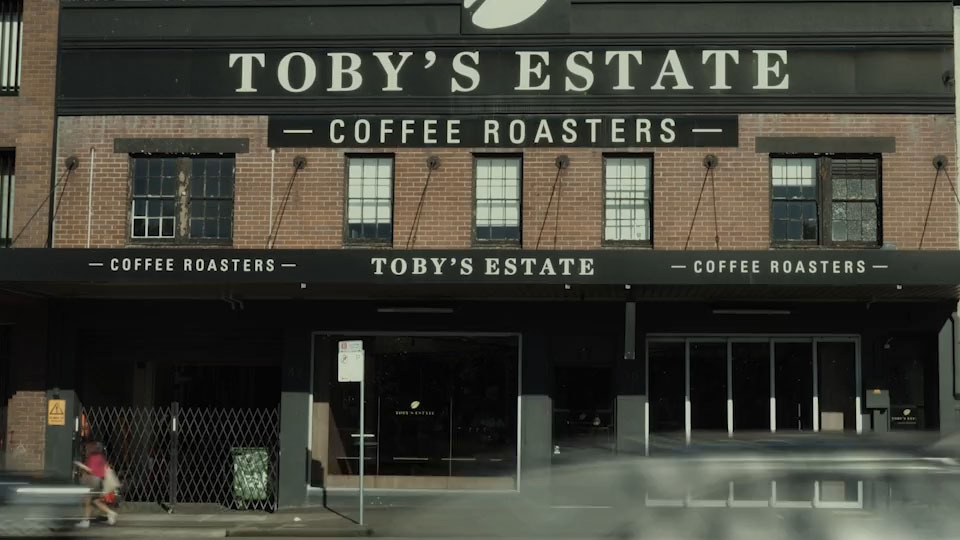
Global rankings consistently recognize Australian cafés. Names like Toby’s Estate in Sydney, Proud Mary in Melbourne, and Coffee Anthology in Brisbane are celebrated internationally. Their success is not a one-time achievement. It reflects consistent excellence in coffee, hospitality, and the way cafés make customers feel welcome.

Jody Leslie, General Manager of Toby’s Estate, emphasizes that exceptional coffee is now just the starting point. “The real difference is the full experience,” she says. “The energy behind the bar, the team who remember your name and perfect your pour, it all resonates with people. Topping global rankings was a milestone, but it reflects daily dedication to creating a space where people want to linger.”

Veneziano Coffee Roasters takes this approach further, designing every interaction around how customers naturally engage with coffee. Brand Strategist Sarah Eagles notes, “Our café culture leads because it is relentlessly customer-driven. We respond to preferences for iced options, speed without losing soul, and evolving café atmospheres. Strong branding and authentic community ties make the experience feel forward-thinking and human at the same time.”

  • Foundations of a Coffee Nation

Australia’s rise in coffee culture is rooted in history. Italian immigrants brought espresso traditions to a tea-centric nation in the mid-20th century. Over time, these influences combined with local conditions, including abundant high-quality dairy, to create milk-based drinks like the flat white, now a global favorite.

You may also read: From Australia to the UAE: The Coffee Club’s Menu Gets Even More Exciting

Independent cafés flourished in cities like Melbourne and Sydney, allowing experimentation and innovation. Roasters and baristas were pushed by competition, and standards for quality grew steadily higher. Adam Wang, founder of Brisbane’s Coffee Anthology, describes this synergy as the country’s advantage. “It is never just about the coffee,” he says. “Baristas connect with guests like friends. Passion for craft shines through, and skills rank among the world’s finest.”

Coffee Anthology is also known for variety. It rotates multiple local roasters daily while offering international options at consistent pricing. “Guests explore different origins and styles without barriers,” Wang explains. Veneziano uses consumer intelligence and systems to ensure consistency while allowing teams to focus on hospitality. Eagles adds, “Technology gives us precision and flow, letting human connection take center stage.”

  • Looking Ahead

With global recognition comes scrutiny. Maintaining elite standards while responding to new expectations is the next challenge. Leslie reflects, “Now it is about harmonizing technology and automation with the human desire for meaningful moments. Quality coffee remains non-negotiable.”

Eagles predicts success for cafés that evolve without losing their essence. “Those who listen, adapt boldly, and stay authentic will endure. Technology helps precision and flow, letting hospitality shine. Innovation paired with heart wins.”

Wang sees a growing divergence: some cafés focus on pure coffee mastery, while others explore inventive beverages. “Matcha and non-traditional drinks are rising,” he says. “Tomorrow’s stars may include creations we cannot even imagine today.”

Australia’s café culture did not reach global recognition by accident. It was built through decades of craftsmanship, hospitality, and constant refinement. With a strong presence in 2026 and cafés that continue to innovate, the nation’s coffee story is evolving, shaping the global conversation one cup at a time.

Potato Taste Defect Hits Great Lakes Coffee

By: Ennio Cantergiani – Académie du Café

Specialty coffee professionals know the moment well: a Rwanda or Burundi coffee expected to showcase vibrant stone fruit notes suddenly reveals the unmistakable flavor of raw potato. This phenomenon, known as the Potato Taste Defect (PTD), affects not only flavor but also the livelihoods of farmers and the economics of the coffee trade.

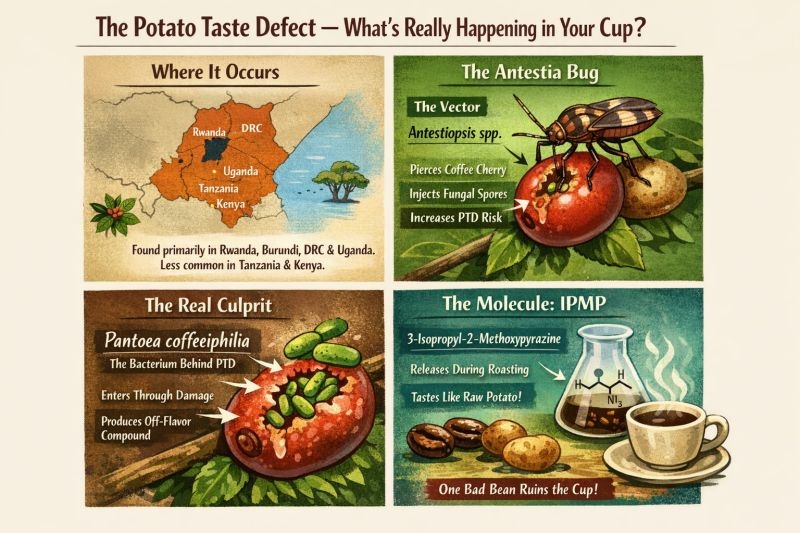
PTD is most commonly found in Rwanda, Burundi, the Democratic Republic of Congo, and Uganda, with occasional cases in Tanzania and Kenya. Researchers first documented it in eastern DRC, and its biochemical mechanisms continue to be investigated.

The defect is often linked to the Antestia bug, which pierces coffee cherries, injecting saliva and fungal spores. While the bug increases the risk of PTD, it is not the direct cause. The true culprit is the bacterium Pantoea coffeiphila, which colonizes damaged cherries. This bacterium produces compounds — IPMP and IBMP — that volatilize only during roasting, resulting in the raw potato, earthy, and starchy flavors that appear in the cup. Even a single affected bean can spoil an entire brew.

Read Also: Coffee Carbon Footprint: How Sustainable Is Your Cup?

Beyond taste, PTD has economic consequences. Studies indicate the defect can reduce the price of high-quality coffee by up to 57%, and buyers often penalize entire origins, lowering prices for lots that may contain no defective beans. For farmers who rely on coffee as their primary income, this structural challenge is significant.

Preventing PTD requires care across the supply chain. On farms, removing leftover fruit, pruning trees, and targeted use of natural insecticides reduce risk. Wet mills can use flotation, visual sorting, and technologies such as UV or laser scanning to detect damaged beans. Roasters and baristas should cup multiple samples, grind smaller test batches, and purge equipment if PTD is detected, remembering that the defect is sporadic, not systemic.

PTD is not a reason to avoid coffees from Rwanda, Burundi, or DRC. Instead, it is a reason to know the origins and producers deeply. With knowledge and careful handling, the distinctive, high-quality flavors of the Great Lakes region can still shine in every cup.

Kaffa Oslo Wins Nordics Best Roaster 2026

Dubai – Qahwa World

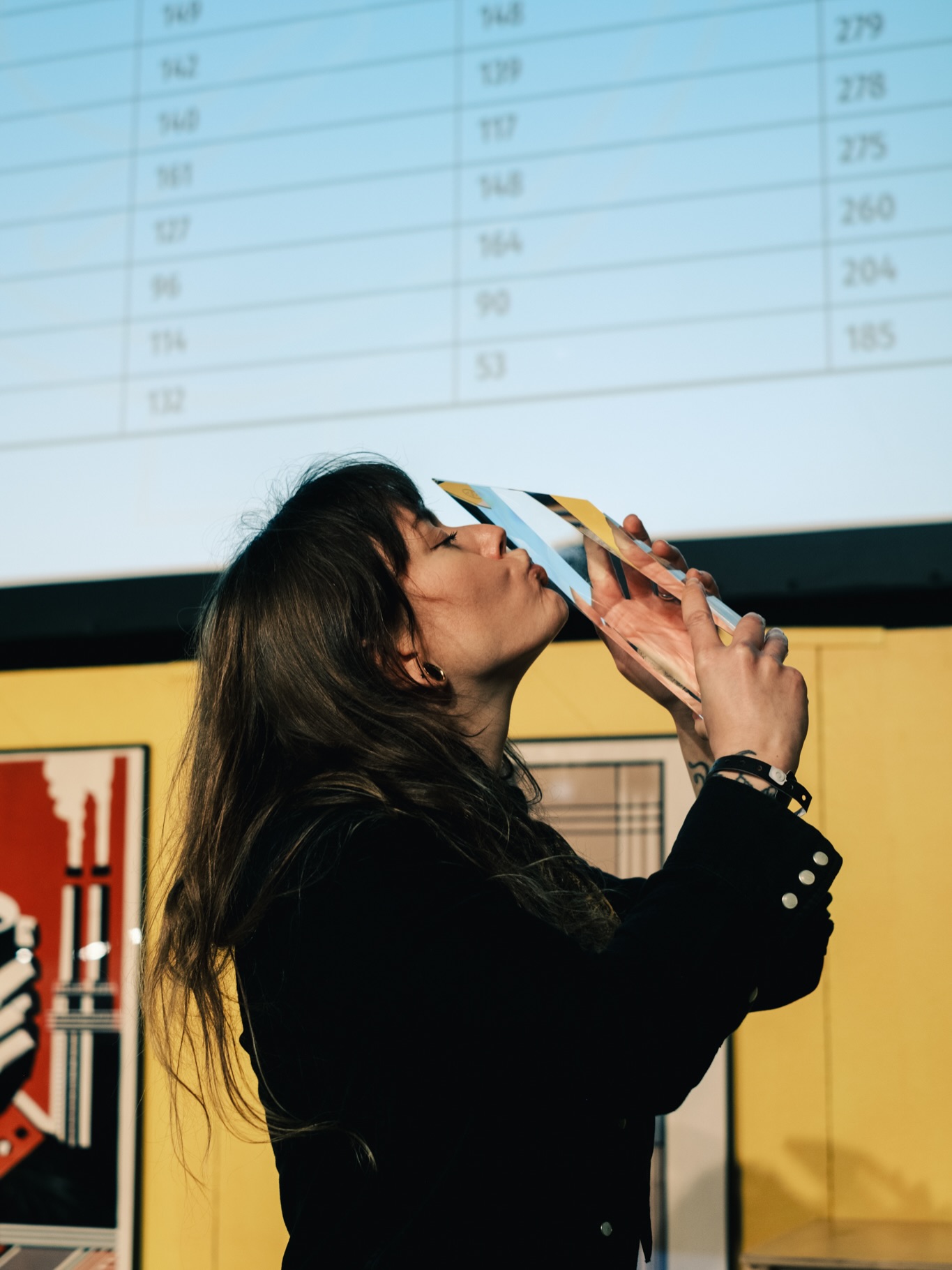
Kaffa Oslo has been crowned the Nordics Best Roaster 2026, securing the top position in one of the most respected roasting competitions in the Nordic coffee industry. The announcement was made during the Nordic Coffee Fest, where leading roasteries from across the region competed in a peer-assessed event focused on sourcing and roasting excellence.

The competition evaluates roasters through two main categories: Mandatory Coffee, where all competitors roast the same green coffee provided by the organizers, and Sourced Coffee, in which each roastery presents a coffee it has sourced and roasted according to specific competition parameters. The roastery with the highest combined score across both categories is declared the champion.

You may read: Nordic Coffee Fest 2026: The Largest Coffee Event in Gothenburg

  • Winning coffee from Peru

Kaffa Oslo’s sourced coffee entry came from Peru’s Cajamarca region, produced by Familia Alarcon. The coffee was a Geisha variety, processed using a fully washed method and sourced through Collaborative Coffee Source AS. The reported green coffee price for the lot was 20 US dollars per kilogram.

  • Strong Nordic competition

The 2026 finals brought together some of the most recognized roasters in the Nordic region. Finalists included:

  1. Good Life Coffee Roasters
  2. Gringo Nordic Coffee Roasters
  3. Coffee Collective
  4. Solberg & Hansen
  5. Sensei
  6. Original Coffee
  7. Norange
  8. Muttley & Jack’s
  9. Te & Kaffi

The competition also presented awards for second place, third place, and the Public Choice Award, reflecting the high level of participation and public interest in the event.

  • Mandatory coffee from Colombia

For the Mandatory Coffee category, competitors roasted the same green coffee supplied through a collaboration with Caravela Coffee.

The coffee originated from Colombia, produced by the Las Orquídeas producer group, including farmers Gilma Cupaque and Nubia Yaneth Paz. It featured Colombia F6 and F8 varieties and was processed using the washed method.

The harvest took place between April and June 2025, and the beans were dried using sun and air drying on parabolic patios and raised beds.

  • Scientific study unveiled during the competition

Alongside the announcement of the final results, organizers revealed a research project conducted by CoffeeMind in collaboration with Nordic Coffee Fest.

The study, titled “Linking Sensory Descriptive Analysis and Judge Preferences in the Nordics Best Roaster Competition: A Consumer Science Approach,” analyzed how sensory characteristics influence judge preferences in competition coffees.

Researchers compared sensory descriptive analysis of selected coffees with judges’ scoring data from the Sourced Coffee category. Using statistical methods commonly applied in consumer science, the study examined how specific flavor attributes relate to preference among expert judges.

  • Understanding the drivers of preference

The analysis evaluated attributes such as acidity, sweetness, fruit notes, bitterness, and fermentation characteristics, linking them with the competition’s judging scores.

According to the researchers, combining sensory science with competition results provides a clearer understanding of why certain coffees perform better during professional evaluations.

Organizers say the initiative represents a new approach to studying coffee quality within roasting competitions, offering insights that may help roasters refine sourcing strategies and roasting profiles in future events.

Global Study Maps the “Carbon Footprint” of Latin American Coffee

Dubai – Qahwa World

A comprehensive international study released in March 2026 has revealed a sharp disparity in the carbon footprint of coffee production across five major Latin American nations. This landmark report establishes the first precise scientific baseline—using primary data collected directly from farms—to address climate change challenges within the global coffee sector.

The study, conducted by Conservation International in collaboration with the Sustainable Coffee Challenge and Meo Carbon Solutions, analyzed supply chains in Brazil, Colombia, Honduras, Mexico, and Peru. The findings provide a “wake-up call” for the industry, highlighting how specific farming practices, particularly fertilization and waste management, dictate environmental impact.

  • The Emission Gap: Colombia Leads while Mexico Sets a Benchmark

Detailed data shows that coffee production in Colombia generates the highest greenhouse gas emission intensity, averaging 5.59 kg of carbon dioxide equivalent (CO2-eq) per kilogram of green coffee. Honduras followed with 4.87 kg. In Brazil, the results varied by variety, with Arabica recording 3.22 kg compared to 2.51 kg for Robusta.

Conversely, Mexico emerged as the country with the lowest emissions in the study group, averaging just 1.46 kg. Experts attribute this lower footprint to specific traditional farming practices, including greater reliance on natural shade and organic soil health.

  • Fertilizers: The Primary Climate Culprit

According to the extensive technical report, the most significant “hotspot” for emissions in Latin American coffee is fertilizer and nutrient application. In Colombia and Brazil, fertilization accounts for approximately 60% of the total carbon footprint. This is primarily due to the heavy use of nitrogen-based inputs, which release potent greenhouse gases when interacting with the soil.

In other regions, the drivers differ. In Peru, “crop residues” and unmanaged organic decomposition were identified as the primary sources of emissions. Meanwhile, in Honduras, the traditional wet processing of coffee cherries—specifically the management of wastewater at the farm level—contributes significantly to the national baseline.

  • A “Pre-Competitive” Global Alliance

The study is the result of an unprecedented “pre-competitive” alliance involving major global coffee brands, roasters, and suppliers. Giants such as Nestlé, Starbucks, and JDE Peet’s contributed by sharing primary data and technical oversight to harmonize carbon accounting standards across the industry.

This collaboration aims to empower stakeholders to direct investments toward “regenerative agriculture.” These practices focus on reducing chemical dependency, improving on-farm waste management, and enhancing the soil’s ability to sequester carbon rather than release it.

  • A Roadmap for Investors and Farmers

The report concludes with actionable recommendations, stressing that reducing the carbon footprint is no longer just an environmental goal but a commercial necessity. As international environmental regulations tighten, understanding these baselines is essential for maintaining global market access.

The findings confirm that transitioning to integrated nutrient management, improving water efficiency, and recycling coffee by-products into natural fertilizers are the most effective ways to bridge the carbon gap revealed in countries like Colombia and Honduras.

Amal Al-Ekadi: A Woman’s Voice Showcasing the Value of Yemeni Coffee

Dubai Ali Alzakary

At the heart of coffee’s long story, Yemeni coffee remains one of its most authentic and fascinating chapters. From the mountains of Yemen—where coffee first began its journey to the rest of the world—the beans still carry the aroma of history and the character of a land cultivated by generations of farmers. Yet such a rich legacy always needs voices capable of telling its story and bringing it back into the global spotlight.

Among those voices is Amal Al-Ekadi, a Yemeni coffee advocate and marketing specialist who has dedicated years to promoting Yemeni coffee and highlighting its place in the global market. In this conversation with Qahwa World, Al-Ekadi shares her personal journey, the challenges she has faced, and her hopes for the future of Yemeni coffee. Through the following lines, readers are invited to discover her story and vision.

  • A Journey into the World of Coffee

Amal Al-Ekadi describes herself as someone who has been deeply engaged in the world of Yemeni coffee for several years, particularly in promoting and introducing Yemeni beans to wider audiences. Her professional path began at a foreign company where she worked in the production department before gradually advancing into shipping and export operations.

Throughout this journey, she says her goal remained clear: to help the world recognise the true value and rich heritage of Yemeni coffee. Today she is based in Riyadh, but she still considers herself part of the ongoing effort to amplify the voice of Yemeni coffee internationally.

  • Passion Behind the Idea

Al-Ekadi explains that her decision to work in promoting Yemeni coffee grew from her deep love for it and her belief that it represents a true treasure. Yemen, she notes, is the birthplace of coffee, yet marketing efforts have not always reflected this historical importance. This realization motivated her to become part of a movement that introduces people to this remarkable product and restores its rightful place in the global coffee scene.

  • A Flavor That Tells a Story

What fascinates Amal Al-Ekadi most about Yemeni coffee is its unique flavor profile and the diversity that appears from one region to another. For her, Yemeni coffee is far more than a beverage—it is a story, a culture, and a way of life shaped by farmers who dedicate years of work and care to cultivating these beans before they reach a cup.

  • First Steps

Her beginnings in the field were modest. Amal Al-Ekadi started by communicating directly with farmers and learning about the different varieties of Yemeni coffee. She also acknowledges the support she received from her former manager, Shubair Ezi, whose guidance played an important role in her early career.

Through her work in shipping and export, she gained practical experience while also introducing Yemeni coffee to wider audiences through social media and professional connections with coffee enthusiasts both inside and outside Yemen.

  • Challenges Along the Way

The path, however, was not without obstacles. Al-Ekadi points to the difficult circumstances Yemen has experienced in recent years, including war and the logistical challenges of transportation and export.

Despite these difficulties, Yemeni coffee has continued to find its way to global markets, thanks to the efforts of people who believe deeply in its value and remain committed to sharing it with the world.

Amal Al-Ekadi: A Yemeni Voice Promoting Yemeni Coffee

  • Growing Global Interest

According to Amal Al-Ekadi, the past few years have brought a noticeable shift in how people perceive Yemeni coffee. With the rapid growth of the specialty coffee movement worldwide, more consumers and professionals have begun to recognize the exceptional quality and distinctive character of Yemeni beans.

This renewed interest has helped return Yemeni coffee to the international conversation about premium and specialty origins.

  • The Distinctive Flavors of Yemen’s Mountains

While she believes every Yemeni coffee origin has its own charm, Amal Al-Ekadi says she is particularly drawn to coffees from mountainous regions such as Haraz and Yafa. Beans from these areas often display complex and rich flavor profiles that appeal strongly to specialty coffee enthusiasts.

  • The Growing Role of Yemeni Women

Amal Al-Ekadi also highlights the important role Yemeni women play in the coffee sector, from farming and processing to marketing and promotion. She believes women’s presence in the industry has become increasingly visible and influential in recent years, a development she considers both encouraging and essential for the sector’s future.

  • A Dream for Yemeni Coffee

For Amal Al-Ekadi, the long-term dream is for Yemeni coffee to fully reclaim its global reputation. Equally important is ensuring that Yemeni farmers receive the recognition and fair prices they deserve for the tremendous effort they invest in cultivating this historic crop.

  • A Message to Farmers and Young Entrepreneurs

In closing, Amal Al-Ekadi offers a message to farmers and young people interested in entering the coffee sector. Farmers, she says, are the foundation of this precious heritage, while the younger generation holds the key to its future development.

With greater awareness, thoughtful work, and professional marketing, she believes Yemeni coffee can become not only a source of pride but also an important economic pillar for Yemen.

Amal Al-Ekadi also expressed her appreciation to Qahwa World and to Mr Ali for the opportunity to share her experience with Yemeni coffee, expressing hope that collective efforts will continue to highlight the value of this historic product and bring it the recognition it deserves.


Caffè Nero Forecasts Rising Prices Amid Steady Global Growth

Dubai – Qahwa World

Caffè Nero is pressing ahead with its international expansion, even as it warns that the price of a cup of coffee is likely to keep climbing. The premium coffee house group cited a volatile mix of geopolitical conflict, rising labor costs, and climate-driven supply shortages as the primary drivers behind the anticipated hikes.

The family-owned business, which operates 1,151 outlets globally, is targeting significant growth this year. The group plans to open 30 new stores in the UK and up to 70 additional locations across its 10 international markets. This expansion follows the recent acquisition of Washington D.C.-based Compass Coffee, a move that integrated 15 new sites and a dedicated roasting facility into the brand’s North American infrastructure.

  • A Different Rhythm

Gerry Ford, who founded the chain in 1997, suggests that Caffè Nero’s private ownership has allowed it to weather the current economic storm better than its publicly traded rivals. While competitors like Starbucks and Costa have struggled with store closures or stalled sales plans, Ford attributes Nero’s resilience to a “steady pace” and longer-term planning.

“We don’t want to take over the world,” Ford noted. “We have more flexibility because we aren’t trying to hit a quarterly reporting target. We move to our own rhythm.”

  • Financial Headwinds

Despite a 13% jump in annual sales to £587.6 million, the group’s pre-tax losses widened to £41 million. This was largely due to the rising cost of servicing its £481 million debt, fueled by recent interest rate hikes and a string of strategic acquisitions, including 200 Degrees and Harris + Hoole.

Caffè Nero Forecasts Rising Prices Amid Steady Global Growth

To manage these costs, Ford confirmed that the group will pause further acquisitions for at least a year to focus on integrating its latest purchases and meeting upcoming debt repayments.

  • The Cost Crisis

The industry is currently facing a “perfect storm.” Coffee prices tripled between 2023 and early 2025 as the climate crisis ravaged crops in Brazil and Colombia. While wholesale prices have recently stabilized, they remain nearly double what they were three years ago.

Ford warned that consumers shouldn’t expect relief at the till anytime soon. The ongoing conflict in the Middle East continues to drive up energy and shipping costs, while rising business rates and wages in the UK add further pressure. Data shows that the average price of a latte has already surged by 35% over the past five years, now sitting at approximately £3.76.

Despite these challenges, Ford remains bullish on the future of the specialty coffee sector, insisting that there is still plenty of “white space” for independent, premium brands to thrive globally.

Kim Thompson: Coffee on the Edge of Disruption

Dubai – Ali Alzakary

The global coffee industry has spent the past few years navigating one disruption after another—from pandemic shutdowns and climate volatility in producing countries to freight crises that reshaped global shipping routes. As the global coffee market grapples with volatility—production reaching around 175 million bags in 2025 while costs continue to rise due to climate pressures and freight disruptions—the ongoing conflict in the Middle East is adding a new layer of uncertainty to an already fragile supply chain.

Coffee moves through one of the most complex trade networks in the food and beverage sector. Green beans travel from farms across Latin America, Africa and Asia through international ports and maritime corridors before reaching roasters, cafés and consumers. Any disruption to shipping routes, insurance costs or regional logistics can quickly ripple across the industry. For specialty coffee—where freshness, tight margins and long-term sourcing relationships define the business—the impact can be felt even faster.

To understand how the sector is reacting, we spoke with Kim Thompson, Co-Founder  at RAW Coffee Company in Dubai. From monitoring shipments already at sea to preparing technical support systems for cafés, Thompson explains how roasters are navigating rising costs, uncertain logistics and a rapidly shifting geopolitical landscape.

You may like: Oil Surge Could Brew Higher Coffee Prices 

In this conversation, she offers a clear view of what café operators are worrying about right now, how long menu prices can realistically hold, and why the coffee industry’s resilience often comes down to relationships built across the supply chain.

  • Has the “fear factor” kicked in yet? Are you seeing cafés or hotels panic-buying and stockpiling coffee to guard against a potential shortage?

Not really. The reality of the café industry is that most operators are managing week-to-week cash flow, not building strategic stockpiles. Right now the conversations we’re having are far more about cost control than hoarding inventory.

The other factor is freshness. Speciality coffee isn’t a commodity that sits in a warehouse for months. We roast weekly and deliver fresh, so stockpiling doesn’t really fit how quality coffee businesses operate.

Our expectation is that the real response, if there is one, will likely come after Eid al-Fitr, once operators have had time to assess the geopolitical situation and think through their own coping strategies. At the moment, people are watching closely rather than panicking.

  • The coffee you’re roasting today was bought at pre-war prices — how long can you hold your current menu prices before new logistics costs force your hand?

The uncomfortable truth is that price pressure in coffee started well before this conflict. The industry has already been absorbing significant increases at origin, higher processing costs, and rising freight prices for the past two years.

We have already had to adjust pricing once, simply because the economics of producing high-quality coffee have changed globally.

If shipping routes tighten or logistics costs spike again because of regional instability, there’s only so much the supply chain can absorb. Roasters can cushion the impact for a period of time, but eventually the math catches up with everyone.

Coffee has historically been underpriced for the amount of work and risk involved in producing it. What we are seeing now is the global market slowly correcting that reality.

  • Are there specific “origins” or specialty grades that are now effectively “cut off” due to their transit routes through the conflict zone?

At the moment nothing is completely cut off, but logistics has become far more complicated overnight.

We currently have multiple containers on the water and are actively tracking them while exploring alternative routing options that avoid the Strait of Hormuz.

In many ways it feels like a return to the early COVID-19 playbook—scenario planning, contingency routing, and leaning heavily on relationships across the supply chain to keep things moving.

The specialty coffee industry is surprisingly resilient because it’s built on long-term relationships with producers, exporters and logistics partners. When things get unpredictable, those relationships become incredibly valuable.

  • What’s the plan for equipment and spare parts? Is there a risk that a broken espresso machine could stay down because of shipping delays?

Equipment supply is definitely something we’re watching closely, but fortunately we forecasted and planned ahead. We have several containers on the water carrying both commercial and domestic machines, so supply may get tight but we’re not walking into this empty-handed.

More importantly, we have invested heavily in our technical infrastructure. We run a full in-house service department with extensive spare parts inventory, qualified technicians, and swap-out machines available for our commercial partners.

In practical terms, if a café’s machine goes down, we’re structured to keep them operating. The bigger challenge in this industry is rarely the machine itself—it’s the global logistics that sit behind everything.

Specialty Yemeni Coffee: Authentic Heritage on Amazon

Dubai – Qahwa World

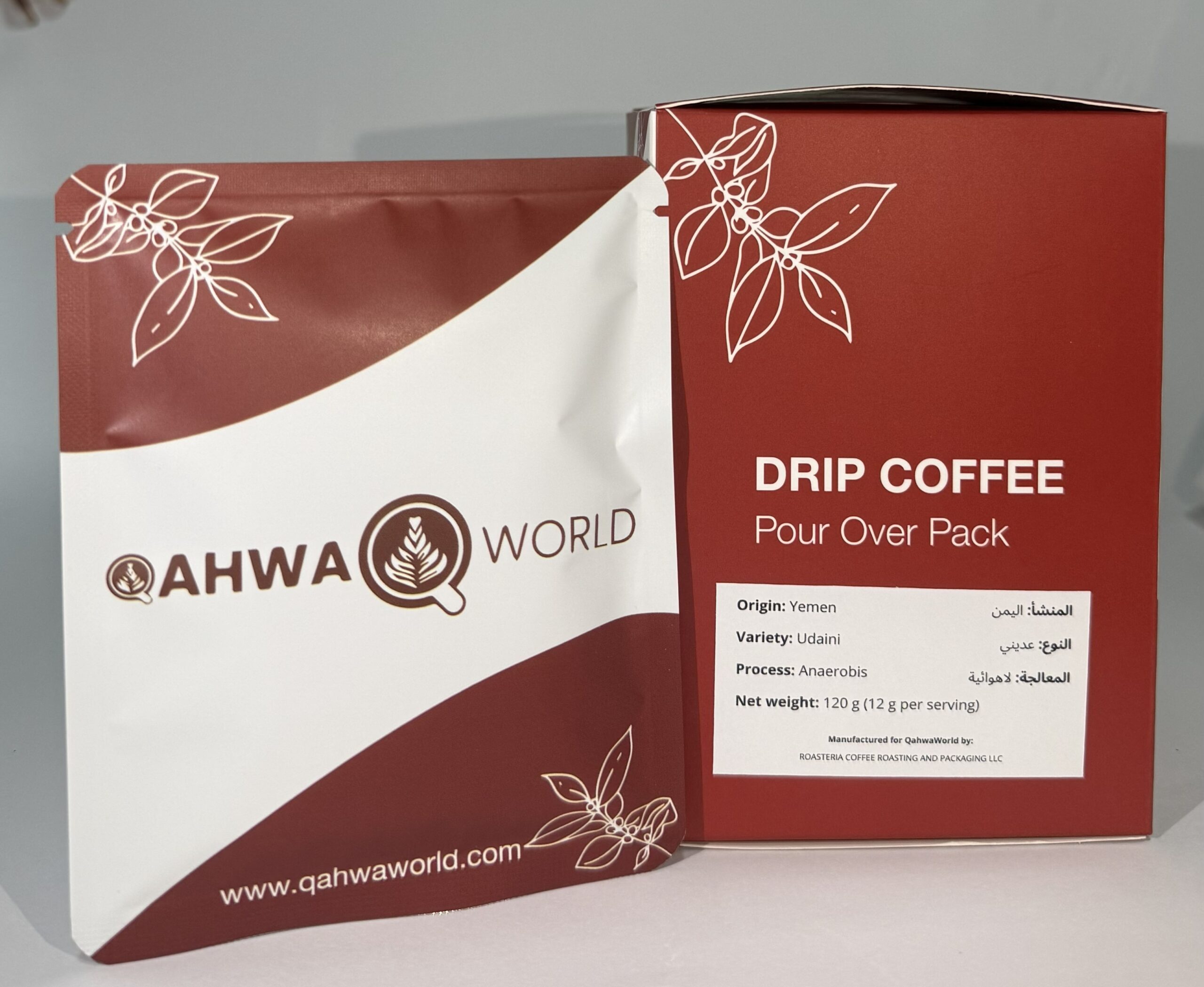
From the high peaks of Yemen directly to your doorstep, we present the first speciality Yemeni coffee in an innovative Drip Coffee format. We have selected the finest crops, reflecting the richness of Yemeni soil and its unique flavour notes, offering them in practical sachets for a perfect cup in seconds.

Whether at the office or on a road trip, never compromise on quality again. For our exclusive launch on Amazon, we are offering a very attractive price that brings luxury within your reach.

To experience the coffee, click here: Amazon Purchase Link