Costa Rican Coffee Output Rises 3.5% in 2026

Author: Qahwa World – San Jose

Source: USDA Foreign Agricultural Service – Report CS2026-0004
Date: May 20, 2026

Executive Summary

  • Costa Rica coffee production for marketing year 2026/2027 is forecast at 1.2 million 60 kg bags, up 3.5%.
  • Several factors limit growth despite the biennial high year: strong local currency, high fertilizer prices, lower coffee prices, and expected El Niño.
  • The Costa Rican Colon has appreciated roughly 35% since mid-2022, cutting farmer revenues in local currency.
  • Coffee prices dropped from $574 per bag in October 2025 to $378 in April 2026.
  • El Niño is expected to affect Costa Rica in the second half of 2026, potentially reducing rainfall by up to 30% in some areas.
  • Exports forecast at 1.06 million bags; United States remains top destination with 39.6% share in 2024/2025.
  • The number of coffee farmers fell 48% in ten years to 24,653 in 2024/2025.

The USDA Foreign Agricultural Service office in San Jose forecasts Costa Rican coffee production for marketing year 2026/2027 to increase marginally to 1.2 million 60 kg bags, a 3.5% rise from the previous year.

Although the next marketing year is expected to be the higher production year under the biennial coffee production cycle, several factors will limit growth. These include a strong local currency, lower coffee prices, higher fertilizer and fuel prices, and potential abnormal weather patterns caused by El Niño.

According to ICAFE (Costa Rican Coffee Institute), the coffee sector is preparing for the continued negative effects of a very strong local currency against the US dollar.

The Costa Rican Colon has appreciated roughly 35% since mid-2022. Since most of the coffee is exported, even at historically high coffee prices, the colon denominated revenue has declined sharply because of the exchange rate, directly affecting farmer profitability.

ICAFE also reported that coffee prices have declined from $574 per 60 kg bag in October 2025 to $378 in April 2026, creating expectations of lower future income.

El Niño Threatens the Next Season

The Costa Rican National Meteorological Institute confirmed that El Niño will most likely affect Costa Rica during the second half of 2026. This could result in a reduction of rainfall of up to 30% of the normal amount in some areas of the country, primarily in the Northern Pacific. Although coffee production areas may not be as negatively affected, the timing of the phenomenon will determine whether the effects are mild or strong on coffee production.

FAS/San Jose expects coffee producers to face continued labor supply challenges. Panamanian workers from the Ngabe Bugle tribes now harvest most of the coffee crop, although Nicaraguans also participate. According to ICAFE, the inflow of field workers has been affected by slow migratory processes, causing uncertainty among growers.

Declining Area and Number of Farmers

According to the latest available area survey from 2022, planted area declined by 11.9% compared to the previous data set from 2018. FAS/San Jose projects MY 2026/2027 area planted to remain unchanged at approximately 83,000 hectares. However, industry sources suggest that some less productive producers may leave the activity altogether or reduce plantation maintenance given the difficult situation.

According to ICAFE, the number of coffee growers in the country declined to 24,653 farmers in MY 2024/2025 from 25,549 in MY 2023/2024. This number is down 48% from ten years ago. Long periods of low coffee prices, aging farmers, and high land prices near urban areas have contributed to the declining number of producers.

Table 1: Estimated MY 2025/2026 Area Planted (hectares)

Coffee Region 2018 2022 Change
Los Santos (Tarrazú) 27,944 28,519 2.1%
Occidental Valley 21,992 18,640 -15.2%
Central Valley 13,327 11,493 -13.8%
Perez Zeledón (Brunca) 13,315 10,617 -20.3%

Exports, Imports, and Consumption

FAS/San Jose projects MY 2026/2027 coffee exports at 1.06 million bags due to expected higher production. MY 2025/2026 exports are projected at 1.02 million bags. ICAFE reported that uncertainty in the Middle East recently pushed international buyers to increase purchases to secure product availability, while buyers were very cautious in late 2025.

The United States has been the main destination for Costa Rican exports for several years, although its market share has declined recently. The US share of total exports was 39.6% in MY 2024/2025, slightly higher than 38% in MY 2023/2024. The European Union is the other large destination.

Domestic consumption is projected unchanged at 320,000 bags in MY 2026/2027, due to slow population growth and relatively high prices. Costa Rica’s population is 5.3 million, with legal immigration low and population growth less than 1% per year. Domestic prices have risen almost 40% since 2022 due to inflationary pressures and higher international coffee prices.

Table 2: Green Coffee Exports by Destination (60 kg bags)

Country 2022/2023 2023/2024 2024/2025
United States 506,098 386,307 454,266
Belgium 128,290 282,162 269,551
Germany 93,990 60,347 57,089
South Korea 28,312 29,164 32,658
Japan 21,022 25,656 23,841
China 12,504 16,384 29,025
Total 1,002,321 1,017,105 1,102,439

EUDR Compliance: Deforestation Free Coffee

ICAFE continues to consolidate the scheme for marketing deforestation free coffee, in compliance with the European Union Green Deal requirements for deforestation free verification. The institution is strengthening its information systems to ensure georeferenced product traceability, to register due diligence statements, and to guarantee informed consent of growers. It also expanded training and technical assistance to producers, mills, and exporters.

On March 14, 2024, Costa Rica exported the first shipment of deforestation and degradation free coffee to Italy as part of a pilot program involving a local cooperative, the United Nations Development Programme, and ICAFE. The pilot involved 69 coffee growers (about 0.3% of all growers). The goal was to develop an effective and practical method for evaluating and documenting Costa Rican coffee compliance with the demanding requirements to be considered deforestation free.

Frequently Asked Questions

How much coffee will Costa Rica produce in 2026/2027?

Production is forecast at 1.2 million 60 kg bags, an increase of 3.5% from the previous year.

What are the biggest challenges facing Costa Rica’s coffee sector?

A strong local currency (Colon up 35% since mid-2022), high fertilizer prices, lower coffee prices, and expected El Niño.

How has the exchange rate affected farmer revenues?

Despite higher export prices in dollars, the strong Colon reduced local currency revenues by about 9% in 2025/2026 compared to the previous season.

What are the main export destinations for Costa Rican coffee?

The United States is the top destination with 39.6% of the total, followed by Belgium, Germany, South Korea, Japan, and China.

How many coffee farmers are there in Costa Rica?

There were 24,653 farmers in 2024/2025, down 48% from ten years ago.

Is Costa Rica ready for the EU Deforestation Regulation?

Yes. A successful pilot program was launched in 2024, and ICAFE is strengthening geotraceability systems and farmer training.


Author: Qahwa World – San Jose | Source: USDA Foreign Agricultural Service – Report CS2026-0004 | Date: May 20, 2026
Costa Rican Coffee Farmers Hit by Strong Colón and Falling Prices

Dubai – Qahwa World

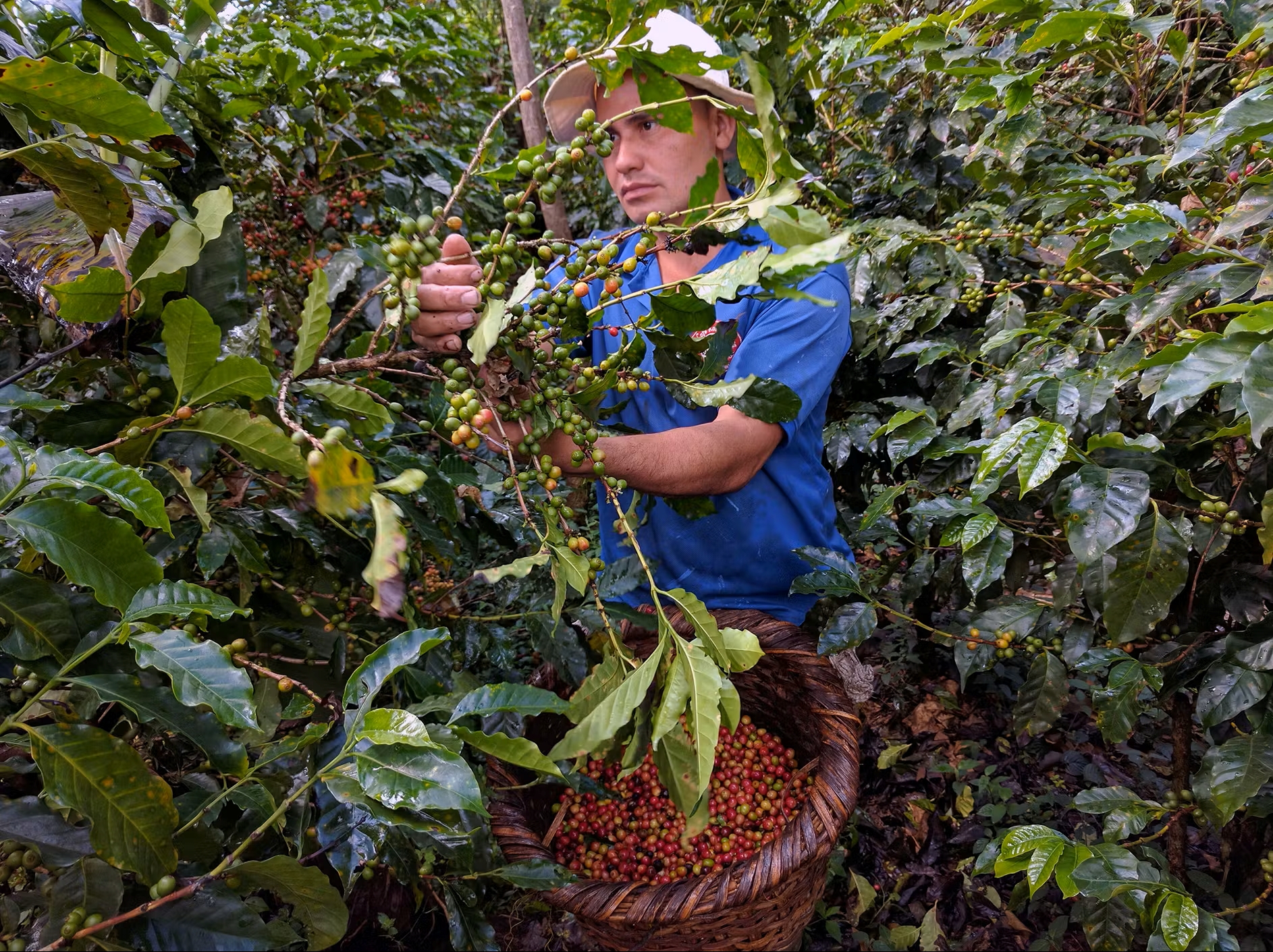
Coffee growers across Costa Rica are facing mounting financial pressure as two powerful forces converge: a sharply stronger national currency and declining global coffee prices. Industry leaders warn that the combination could significantly reduce farm income in the coming harvest and deepen the economic strain on rural coffee communities.

For a sector long recognized for producing high-quality Arabica coffee, the current environment highlights how global market shifts and domestic economic trends can quickly reshape the outlook for producers.

  • Currency Strength Erodes Export Earnings

Coffee in Costa Rica is sold on international markets in United States dollar, while most production costs—such as wages, fertilizers, transportation, and farm maintenance—are paid in Costa Rican colón.

You may read:Brazil’s Specialty Coffee Sector Gains Global Momentum

As the colón strengthens, every dollar earned from coffee exports converts into fewer colones. This reduces the real income farmers receive even when the global coffee price remains stable.

Exchange-rate data released by the Banco Central de Costa Rica show the dollar trading near ₡470 in mid-March 2026, significantly stronger for the local currency compared with rates above ₡680 only a few years earlier.

For export sectors such as coffee, the shift has created a challenging environment. While a strong currency can help reduce the cost of imported goods for consumers, it often compresses margins for industries that rely on international sales.

  • Factors Behind the Strong Colón

Economists attribute the strength of the Costa Rican currency to several economic trends that have increased the supply of foreign currency in the country.

Read also: Global Study Maps the “Carbon Footprint” of Latin American Coffee

Strong tourism revenues, expanding exports from companies operating in special economic zones, and steady foreign investment have all contributed to increased inflows of dollars into the national economy. Lower energy import costs have also reduced the demand for foreign currency.

In response to these pressures, the Banco Central de Costa Rica has purchased large amounts of dollars in foreign-exchange markets in an effort to moderate fluctuations and build international reserves. Despite these efforts, the colón has remained relatively strong compared with historical averages.

  • Global Coffee Prices Move Lower

At the same time that currency movements are reducing local earnings, international coffee prices have begun to retreat from the highs seen in recent years.

You can also read: AI and Gas Chromatography Identify Coffee Origins

Prices for Arabica coffee traded on the Intercontinental Exchange in New York surged during 2025 amid global supply concerns. However, market sentiment has shifted as forecasts point to increased production in several major coffee-growing countries.

A major factor influencing the outlook is the expected harvest in Brazil, the world’s largest coffee producer. Production forecasts indicate the possibility of a larger crop in the 2026–2027 season, which could add significant supply to global markets and place additional downward pressure on prices.

For Costa Rican producers, the combination of falling prices and currency shifts means revenues could decline even further in the coming harvest cycle.

  • Rural Communities at Stake

Coffee remains a central pillar of rural economic life in Costa Rica. The industry provides employment for tens of thousands of workers throughout the year, along with additional seasonal jobs during harvest.

Production is concentrated in well-known coffee-growing regions such as Tarrazú, Pérez Zeledón, and Coto Brus, where generations of families have cultivated coffee as their primary source of income.

Small farms dominate the sector. A large majority of producers operate relatively small holdings, and many rely on modest harvest volumes each year. These producers are often the most vulnerable to price volatility and economic shocks.

Read also: ICO February 2026 Report: Has the Inflationary Wave Receded?

Over the past decade, the number of registered coffee growers in the country has declined as some farmers left the sector due to rising costs and uncertain profitability.

  • Growing Concern Among Industry Leaders

The Costa Rican Coffee Institute has described the current situation as a serious challenge for the industry and has called for continued dialogue with policymakers about possible support measures.

Proposals being discussed include improved credit access for farmers, targeted programs to support rural communities, and long-term initiatives focused on innovation, sustainability, and productivity.

Industry representatives emphasize that strengthening the resilience of coffee farms will be essential if Costa Rica is to maintain its reputation as a producer of high-quality coffee in a rapidly changing global market.

  • A Defining Moment for Costa Rica’s Coffee Sector

Costa Rica’s coffee industry has long been regarded as a symbol of national agricultural identity and quality. Yet the sector now finds itself navigating a complex mix of economic pressures beyond farmers’ control.

If global prices continue to soften while the national currency remains strong, growers may face increasingly difficult decisions about the future of their farms.

For thousands of coffee-growing families, the coming seasons could determine whether coffee cultivation remains a sustainable livelihood—or whether the country’s historic coffee landscape begins to change in fundamental ways.

Coffee Processing Methods in the Americas

Dubai – Qahwa World

Understanding how coffee is processed at origin is essential for buyers, roasters, and importers. While traditional classifications—washed, natural, and honey—still dominate the conversation, the reality is far more nuanced. From mechanized harvesting in Brazil to cooperative-led processing in Peru, each producing country has developed its own post-harvest practices.

This guide breaks down the dominant coffee processing methods across key producing countries in the Americas, drawing on insights from our producer network.

Coffee processing directly affects flavor profile, cup quality, shelf life, pricing, sustainability, and water usage. For green coffee buyers, understanding origin-specific practices is crucial for sourcing the right profiles, managing risk, and building transparent supply chains.

  • Brazil: Mechanized Natural Processing at Scale

Brazil leads the world in natural coffee processing due to its scale and mechanization. Harvesting is largely mechanized, using either large machines that shake entire trees or pole-mounted vibrating devices that target individual branches—sometimes still referred to as manual despite their mechanical nature.

A notable feature is the use of “floaters,” cherries that have partially or fully dried on the tree. These often contribute to desirable cup profiles rather than reflecting poor maturation.

After harvest, coffee is initially dried on patios. Once moisture falls below ~20%, mechanical dryers complete the process efficiently. Dry milling is often done on-farm, with a final cleaning stage handled by exporters. Green coffee is typically rested in wooden silos before shipment.

Dominant Process: Natural (60–70%)
Harvesting: Mechanized (machines or vibrating poles)
Drying: Patios + mechanical dryers
Post-Harvest: Dry milling on-farm; beans rested in wooden silos

  • Colombia: Washed Coffee with Infrastructure Support

Over 95% of Colombian coffee is processed using the washed method, despite a reputation for experimental naturals. Cherries are handpicked selectively, often requiring multiple passes. After pulping, beans are fermented in tanks and dried on patios, raised beds, or mechanical dryers.

Centralized collection centers help maintain quality, receiving coffee in wet, semi-wet, or dried states, each priced accordingly. When drying space is limited, submerging parchment in water preserves quality. These systems, guided by the Colombian Coffee Growers Federation (FNC), ensure consistent, high-quality washed coffees.

Dominant Process: Washed
Harvesting: Manual, selective picking
Drying: Patios, raised beds, vertical dryers (guardiolas)

  • Costa Rica: Washed with Innovation

Approximately 94% of Costa Rican coffee is washed. Cherries are manually picked and delivered to roadside collection points, where wet and dry processing occurs.

Many cooperatives use centrifugal demucilagers, reducing water usage and fermentation defects. Drying occurs on patios, raised beds, or mechanical dryers. Costa Rica also experiments with eco-efficient honey processes (white, yellow, red, and black).

Dominant Process: Washed
Innovation: Centrifugal demucilagers reduce water use
Drying: Patios, raised beds, mechanical dryers
Collection: Cherries delivered to collection centers

  • El Salvador: Traditional Washed with Growing Diversity

Washed processing accounts for ~80% of production, with cherries pulped, fermented, and dried on patios or guardiolas. Natural and honey methods each represent ~10%, catering to specialty buyers seeking unique profiles.

Dominant Process: Washed
Drying: Patios and increasing use of guardiolas
Other Methods: 10% natural, 10% honey

  • Guatemala: High-Altitude Washed Coffees

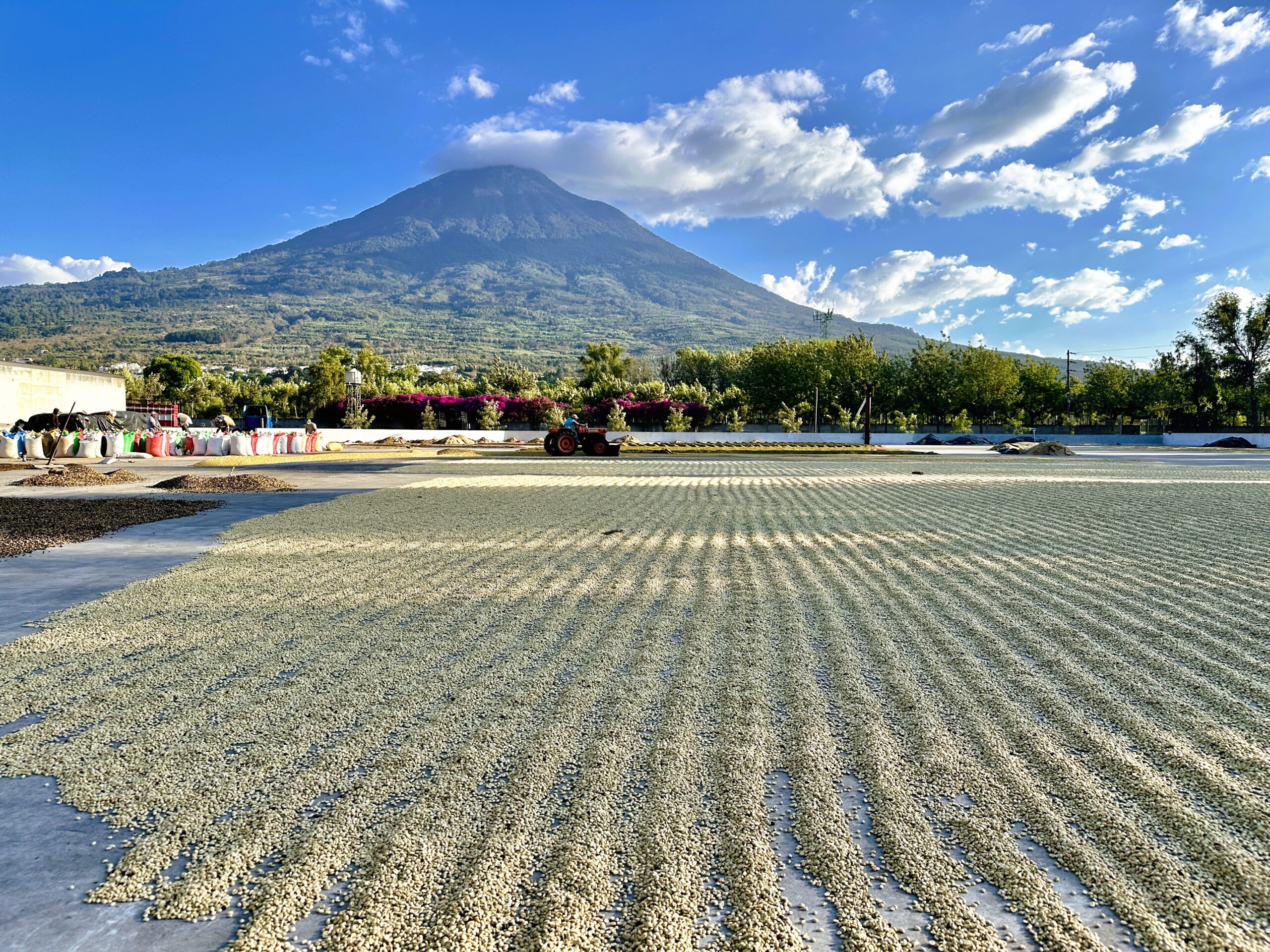
Guatemala primarily produces washed coffee (85–99%). Cherries are pulped, fermented, and dried on patios or rooftops to maximize sun exposure. Honey and natural processes are growing among specialty producers. Mechanical drying is increasingly used in regions with unpredictable weather.

Dominant Process: Washed
Drying: Patios, rooftops
Other Methods: 5–15% honey, 0.5–5% natural

  • Honduras: Cooperative-Driven Washed Production

Honduras favors washed processing, with most coffee handled on-farm and parchment delivered to cooperatives. Some mills experiment with cherry color sorting and centralized reception, but traditional methods prevail. Cooperatives play a key role in quality and market access for smallholders.

Dominant Process: Washed
Processing: On-farm; parchment sent to cooperatives
Innovation: Emerging cherry color sorting
Other Methods: 3% natural, 10–15% honey

  • Mexico: Washed Simplicity

Mexico relies on washed processing, with manual harvesting and patio drying. Practices vary by region, and isolated approaches could benefit from collaborative methods. Increasing Canephora cultivation may impact processing norms.

Dominant Process: Washed
Processing: Mostly on-farm, inherited practices
Drying: Patios

  • Nicaragua: Washed

Washed processing dominates (~97%), with cherries processed on-farm and parchment delivered to central mills. Water channels are used for density sorting, cleaning, and transport. Drying occurs on patios, raised beds, or guardiolas. Honey and natural processes exist but are marginal.

Dominant Process: Washed
Drying: Patios, raised beds, guardiolas
Operations: Water channels for cleaning and sorting

  • Peru: Cooperative-Led Washed Processing

Peru is overwhelmingly washed, with tank fermentation and sun-drying. Drying occurs on patios, lofts, raised beds, or parabolic dryers at cooperative stations. Natural and honey methods are rare but emerging.

Dominant Process: Washed
Fermentation: Tank-based
Drying: Patios, lofts, raised beds, parabolic dryers

  • Key Takeaways for Coffee Buyers
  • Washed processing dominates Latin America; Brazil is the main exception with natural processing.

  • Infrastructure and cooperatives play a crucial role in maintaining quality and consistency.

  • Innovation is rising, particularly in Costa Rica and Colombia, with eco-friendly and hybrid methods.

  • Understanding local practices is key for sourcing, pricing, and building traceable supply chains.

Grounds for Health Auction Returns with Rare Coffees to Support Women’s Health

Dubai, September 1, 2025 (Qahwa World) – The annual Grounds for Health Auction will return on Thursday, September 18, offering roasters around the world the chance to acquire rare, high-quality green coffees and specialty equipment while directly supporting lifesaving women’s health programs in coffee-growing communities.

This year’s auction features contributions from some of the most renowned farms in the coffee industry. Among the highlights are a washed Geisha “Guabo” lot from Hacienda La Esmeralda in Panama, exceptional coffees from Finca El Injerto in Guatemala, and Hacienda La Minita in Costa Rica. The catalog also includes premium offerings from major traders such as Walker Coffee Trading, Keffa Coffee, and San Cristobal Coffee Importers, in addition to professional coffee equipment.

All proceeds from the auction go directly to Grounds for Health, a U.S.-based nonprofit organization dedicated to preventing and detecting cervical cancer in coffee-producing regions. The group currently operates programs in Ethiopia and Kenya, where cervical cancer remains one of the leading causes of death among women, despite being entirely preventable with early screening.

“When we invest in women’s health, we invest in the future of coffee itself. Healthy women farmers mean thriving families, sustainable farms, and the exceptional coffee quality our industry depends on,” said Justin Mool, Auction Manager at Grounds for Health.

Since its launch in 2009, the auction has raised more than $1 million to fund its health initiatives. Past editions have featured notable contributions from farms such as Hacienda El Roble in Colombia and Daterra Coffee in Brazil, along with strong support from traders including Walker Coffee Trading. In the 2024 auction, nearly thirty lots of specialty coffee were offered, underlining the ongoing commitment of the global coffee community to this cause.

Roasters and industry participants can register through the official auction website to bid on coffee or equipment, or to make direct donations. Shipping costs are not included in the winning bids and must be arranged separately.

The Ultimate Guide to Coffee Processing Methods Around the World: From Cherry to Cup

Dubai, 23 August 2025 (Qahwa World) – In the world of coffee, the journey from a ripe cherry on a tropical tree to the steaming brew in your mug is a tale of art, science, and global tradition. The coffee processing stage—where the fruit is transformed into green beans ready for roasting—is the crucible where flavors are shaped. This comprehensive guide explores coffee processing methods, diving into their histories, techniques, regional strongholds, and sensory impacts. Whether you’re a researcher seeking types of coffee processing, a barista curious about wet vs dry coffee processing, or an enthusiast exploring anaerobic coffee processing trends, this reference covers it all. Spanning over 70 coffee-producing countries, we’ll journey through time-honored methods like natural, washed, and honey processing, alongside cutting-edge innovations like anaerobic fermentation, which is gaining traction worldwide, including in Yemen.

With climate change reshaping coffee production, processing methods are evolving to balance sustainability and flavor innovation. By 2025, the rise of anaerobic processing in countries like Yemen highlights its growing appeal. Let’s uncover the full story.

The Origins of Coffee Processing: A Historical Perspective

Coffee’s story begins in Ethiopia around the 9th century, where wild Coffea arabica plants were first harvested. Early farmers dried whole cherries under the sun, birthing natural coffee processing. As coffee spread through Yemen and the Middle East to the Americas by the 18th century, diverse climates and resources spurred new techniques. Processing significantly influences a coffee’s flavor profile—many experts estimate it can account for around 30%—shaping acids, sugars, and volatile compounds through microbial activity and fermentation time. For researchers studying coffee biochemistry or sustainability, this guide offers a foundation for understanding these dynamics.

Natural (Dry) Processing: The Timeless Tradition

Natural coffee processing, or dry processing, is the oldest method, requiring minimal water and relying on sunlight. Whole cherries are spread on patios, raised beds, or rooftops and dried for 2–4 weeks, turned regularly to prevent mold. The bean absorbs sugars from the fruit, and the dried husk is hulled at 11% moisture.

Key Regions and History

  • Ethiopia: The origin, producing Yirgacheffe naturals with wild strawberry notes.

  • Brazil: The world’s top producer, using mechanized farms for consistency.

  • Yemen and Indonesia: Ancient terraces yield complex, winey profiles.

Flavor Profile and Science
Natural processing creates full-bodied, low-acidity cups with sweet, fruity notes like blueberry or chocolate. The bean ferments inside the fruit, boosting ethyl butyrate esters for fruity aromas. Risks include mold in humid conditions, requiring careful management. Variations include African raised-bed drying for airflow and Brazilian mechanical dryers for rainy seasons.

Washed (Wet) Processing: Precision and Clarity

Pioneered in Central America in the 19th century, washed coffee processing suits wet climates. Cherries are depulped, fermented in water tanks for 12–48 hours to remove mucilage, washed, and dried to 10–12% moisture.

Key Regions and History

  • Colombia and Kenya: Abundant rivers produce bright, citrusy coffees.

  • Guatemala, Nicaragua, Rwanda: High-altitude farms emphasize acidity.

Flavor Profile and Science
Washed coffees are clean and vibrant, with high acidity and notes like green apple or jasmine. Fermentation breaks down pectins via yeast and bacteria, clarifying terroir. Though water-intensive (20–40 liters per kilo), it reduces defects. Innovations include Kenyan double-washing for brightness and mechanical aquapulping to save water.

Honey (Pulped Natural) Processing: The Sweet Hybrid

Originating in Costa Rica in the mid-20th century, this hybrid method conserves water. Cherries are depulped, leaving varying mucilage (the “honey”) during drying for 8–30 days.

Key Regions and History

  • Costa Rica: Classifies as Yellow (minimal mucilage, grainy acidity), Red (balanced sweetness), or Black Honey (floral, syrupy).

  • Brazil (Pulped Natural), El Salvador, Panama: Used for premium lots.

Flavor Profile and Science
Sweeter than washed, cleaner than natural, with caramel, stone fruit, and honey notes. Mucilage caramelization enhances sucrose absorption. It’s eco-friendly but needs monitoring to avoid over-fermentation.

Wet Hulled (Giling Basah): Indonesia’s Earthy Signature

For humid climates, wet hulled coffee processing (semi-washed or Giling Basah) emerged in 19th-century Indonesia. Cherries are depulped, briefly fermented, hulled at 30–35% moisture, and dried further.

Key Regions and History

  • Indonesia (Sumatra, Java): Suits rainy climates, producing bold Mandheling coffees.

  • Papua New Guinea: Similar adaptations.

Flavor Profile and Science
Low acidity, heavy body, with earthy tobacco and dark chocolate notes. Rapid microbial activity in humid conditions risks defects but creates unique profiles.

Emerging Innovations: The Rise of Anaerobic and Fermentation-Driven Methods

The specialty coffee boom has sparked fermentation innovations, with anaerobic coffee processing leading the charge. Inspired by winemaking, it involves sealing beans in oxygen-free tanks for 12–72 hours, enhancing exotic flavors. By 2025, anaerobic processing is surging globally, including in Yemen, where farmers are adopting it to boost quality and demand.

Key Regions and History

  • Colombia and Costa Rica: Pioneers of anaerobic, yielding peach or yogurt notes.

  • Yemen: Recent adoption (post-2020) enhances Mocha coffee’s complex flavors, with airtight bags or barrels used for up to 120 hours, compared to traditional 10–20 hour wet fermentation. Professional tasters note increased recognition for Yemeni coffee globally.

  • Ethiopia, Brazil, Panama: Experimenting for premium lots.

  • Vietnam: Applying to robusta for bold, innovative profiles.

Flavor Profile and Science
Anaerobic fermentation produces intense, fruit-forward, or winey flavors (lactic acids create cheesy or yogurt-like notes). Yemen’s anaerobic coffees highlight natural aromas, balancing acidity. Variations include:

  • Carbonic Maceration: CO₂-infused tanks (Panama, Kenya) yield banana or whisky notes, starting in 2015.

  • Lactic Processing: Emphasizes creamy textures via milk-like bacteria.

  • Frozen Natural: Chilling cherries preserves brightness.

These methods enhance volatiles but may reduce bioactives like caffeine. They’re costly but fetch high prices in specialty markets.

Coffee Processing Methods Comparison: Insert Table Here

COFFEE PROCESSING METHODS COMPARISON
Method Key Regions Water Use Drying Time Flavor Profile Pros / Cons
Natural (Dry) Ethiopia, Brazil, Yemen Low 2–4 weeks Fruity, sweet, full-bodied Eco-friendly; risk of mold
Washed (Wet) Colombia, Kenya, Guatemala High 1–2 weeks Clean, bright acidity Consistent quality; water-intensive
Honey (Pulped) Costa Rica, Brazil, Panama Medium 1–4 weeks Sweet, caramel, balanced Sustainable; requires monitoring
Wet Hulled Indonesia (Sumatra) Medium ~1 week Earthy, heavy body, low acid Fast process; higher risk of defects
Anaerobic Colombia, Costa Rica, Yemen Varies Varies Exotic, winey, lactic, fruity Innovative; costly; experimental
Carbonic Maceration Panama, Kenya Low Varies Wine-like, banana, whisky Premium lots; inspired by winemaking

The Future of Coffee Processing: Sustainability and Global Trends

As climate change threatens yields, low-water methods like honey and anaerobic are gaining ground. Yemen’s shift to anaerobic processing, reported in 2025, reflects a broader trend toward flavor innovation and market competitiveness. AI-monitored fermentations and thermal shock (quick freezing) are emerging, with researchers predicting wider adoption by 2030. The Specialty Coffee Association offers resources for studying these trends.

FAQ: Common Questions on Coffee Processing

What is anaerobic coffee processing?
A fermentation in oxygen-free tanks, producing exotic flavors, increasingly used in Yemen and Colombia.

Why is anaerobic processing popular in 2025?
It enhances flavor complexity, boosting demand in specialty markets.

How does processing affect coffee quality?
It shapes acidity, body, and defects through microbial and chemical changes.

What are the best coffee processing methods?
Natural for sweetness, washed for clarity, anaerobic for innovation.


This ultimate guide to coffee processing methods is a definitive resource for researchers, baristas, and enthusiasts searching for anaerobic coffee processing Yemen or global coffee processing techniques. Each method tells a story of tradition, innovation, and environment, ensuring every sip is a chapter in coffee’s global legacy.

Tarrazú: Costa Rica’s Highland Coffee That Captivates the World

Dubai, August 20, 2025 (Qahwa World) – The announcement by the International Atomic Energy Agency (IAEA) yesterday of an innovative scientific initiative to safeguard the authenticity of Tarrazú  coffee using advanced nuclear techniques has sparked a wave of questions about this coffee and its unique value. In response, Qahwa World seeks to shed light on this exceptional origin, which has established its reputation over centuries with outstanding quality that combines heritage, sustainability, and distinctive flavor.

Costa Rica may account for less than one percent of global coffee output, but few origins enjoy such prestige. According to the USDA, the country produces around 1.18–1.19 million bags annually, a modest volume compared with global production exceeding 178 million bags. Yet Costa Rican coffee, and Tarrazú in particular, consistently commands premium prices thanks to its unique combination of altitude, climate, and artisanal production methods.

Geography and Identity

The Tarrazú region lies within the Los Santos highlands, covering the cantons of Tarrazú, Dota, and León Cortés. Farms stretch between 1,200 and 1,900 meters above sea level, conditions that classify beans as “Strictly Hard Bean” (SHB). At this altitude, coffee matures slowly, developing dense beans rich in sugars and aromatic compounds. Combined with volcanic, mineral-rich soils and a climate marked by seven months of rain and five months of dry weather, Tarrazú produces a cup profile that is instantly recognizable: bright acidity, floral notes, and citrus complexity with a clean, sweet finish.

Shade trees—including banana, citrus, avocado, guava, and mango—play an important role in protecting biodiversity and stabilizing the soil. Generational farming families preserve artisanal methods, while the micro-mill model gives producers control over processing and enhances traceability. These small-scale mills have become a Costa Rican hallmark, enabling farmers to secure direct trade relationships and better incomes.

In 2019, Tarrazú coffee was granted Protected Denomination of Origin (PDO) status, ensuring that only beans grown in its three cantons may use the name. The PDO, now protected in more than 180 countries, safeguards the livelihoods of farming families and reassures consumers worldwide of the coffee’s authenticity. It also reinforces a national narrative: coffee is not just an export crop but a pillar of Costa Rica’s independence and cultural identity.

Sustainability lies at the core of Tarrazú’s success. Farmers invest in eco-friendly wet mills that recycle water, soil conservation techniques that maintain fertility, and reforestation programs that protect watersheds. These practices not only preserve the landscape but also secure the future of coffee cultivation in the face of climate change.

Between Tradition and Science

Tarrazú’s reputation is not only built on geography and farming practices but also on culture. One of the most visible symbols is the Vandola, a hand-crafted ceramic brewer designed by artisan Minor Alfaro. Each piece is made of natural clay and highlights the clarity and aroma that define Tarrazú’s cup profile. Beyond its function, it transforms brewing into a ritual of heritage, linking Costa Ricans and coffee enthusiasts worldwide to the traditions of the highlands.

On the international stage, Tarrazú continues to shine at specialty coffee auctions such as the Cup of Excellence, where its lots regularly achieve high scores and command top prices. Specialty roasters from North America, Europe, and Asia compete fiercely for access, a sign of the origin’s enduring appeal.

The IAEA’s #Atoms4Food initiative now adds another layer to this story. By applying nuclear techniques, scientists at the University of Costa Rica are developing a geographic database that authenticates the beans’ origin with scientific precision. This project will help protect farmers from fraud and strengthen consumer trust in global markets.

Yet long before science arrived, authenticity in Tarrazú was safeguarded by its people, their traditions, and their respect for the land. Today, as international bodies lend their expertise, Tarrazú stands as both a cultural emblem and a scientific case study, proving that heritage and innovation can thrive together. Every sip carries not only bright citrus notes and floral elegance, but also the resilience of a community and the story of a nation.

IAEA Announces Nuclear Science Initiative to Safeguard Costa Rica’s Tarrazú Coffee

Dubai, August 19, 2025 (Qahwa World) – The International Atomic Energy Agency (IAEA) ⚛️ has officially announced a new initiative to protect Costa Rica’s world-renowned Tarrazú coffee. In a post shared on its official X account (formerly Twitter), the IAEA released a video explaining how nuclear science is being applied to authenticate coffee origins and shield this premium product from fraud.

The video highlights the journey of a single coffee bean, from the rain and soil that shaped it to the laboratory techniques that reveal its unique “fingerprint.” Through these methods, scientists at the University of Costa Rica are building a geographic database that will certify the authenticity of Tarrazú coffee and help preserve its global prestige.

Backed by #Atoms4Food

The initiative forms part of #Atoms4Food, a joint program of the IAEA and the Food and Agriculture Organization of the United Nations (FAO). By applying nuclear and related techniques, laboratories worldwide will be able to verify the geographical origin of coffee beans with high precision. This provides coffee drinkers with the assurance that every cup of Tarrazú reflects the authenticity of its heritage.

Protecting Farmers and Consumers

For Costa Rican farmers, safeguarding authenticity means protecting livelihoods. Tarrazú coffee commands premium prices in international markets, and this project ensures that its reputation remains untarnished by fraud. At the same time, consumers benefit from greater confidence in the integrity of what they buy.

A Track Record in Coffee Authentication

This is not the first time the IAEA has engaged with coffee. Since 2019, the Agency, together with FAO, has led international research projects applying stable isotope techniques to combat fraud in high-value foods, including rice, honey, and coffee.

Earlier studies used nuclear methods to distinguish Jamaican Blue Mountain coffee from imitations, and IAEA-led radiocarbon intercomparison exercises demonstrated how laboratories across Europe and Latin America could reliably verify coffee origins. The Tarrazú project builds directly on this scientific foundation, making nuclear science an everyday guardian of authenticity.

Every Sip Tells a Story

“By assessing the fingerprint of coffee, we can prove its authenticity,” the IAEA video explains. With nuclear science now protecting Tarrazú, every sip carries more than flavor—it carries a story of tradition, science, and trust, safeguarded for future generations.

📌 Summary:
The IAEA announced on its official X account a new initiative to protect Costa Rica’s Tarrazú coffee through nuclear science. Backed by FAO under #Atoms4Food, the project authenticates coffee origins, strengthens consumer trust, safeguards farmers’ incomes, and builds on years of IAEA-led research into food fraud prevention.