The Kona Coffee Fraud: When Geochemistry Exposed the Truth and Restored Authenticity

Dubai – Qahwa World

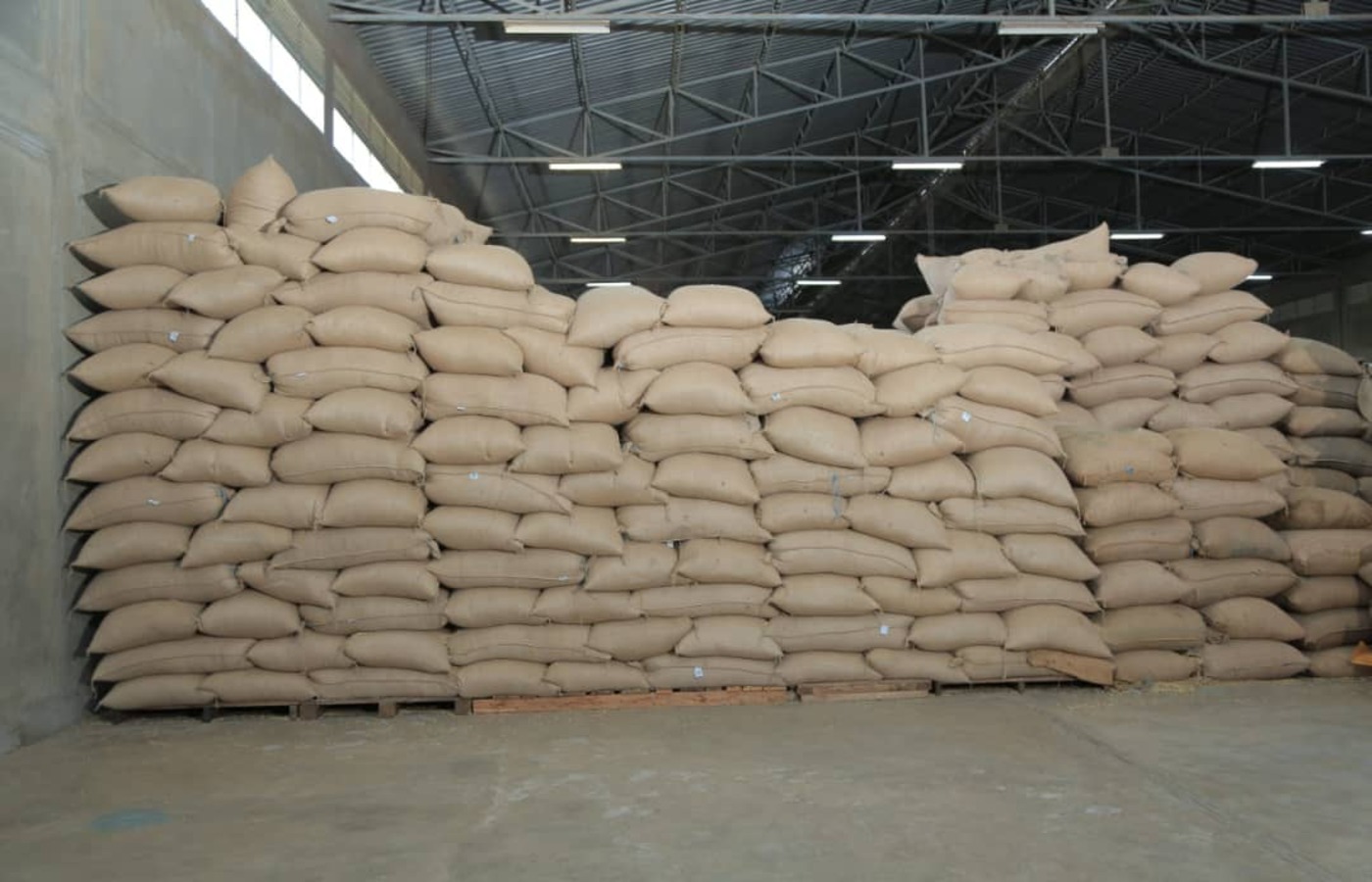
In early October 2025, U.S. federal authorities uncovered one of the largest coffee fraud cases in recent history. Prosecutors charged 66-year-old businesswoman Patricia Johnson, from Kona, Hawaii, for her alleged involvement in selling massive quantities of counterfeit coffee marketed as “100% Kona.”

According to court documents published by Hawaii News Now on October 2, 2025, Johnson imported approximately 88 metric tons (about 194,000 pounds) of low-cost coffee from South America over more than a decade, repackaging and selling it in the United States as genuine “Kona Coffee.” The operation generated millions of dollars in illegal profits, deceiving consumers and damaging the reputation of authentic Kona growers.

Kona coffee is among the most distinguished varieties in the world, cultivated on the fertile slopes of Mauna Loa in Hawaii, where young volcanic soils and a tropical microclimate produce a rich, balanced, and subtly fruity cup. Its exclusivity and premium prices have long made it a target for counterfeiters seeking to capitalize on its global prestige. Over the years, the market saw a growing influx of products labeled as “Kona” being sold at unusually low prices, prompting suspicion and triggering a scientific investigation unlike any the coffee world had seen before.

Back in 2020, researchers from the University of Utah, led by Bitter and colleagues, published a groundbreaking study in Food Chemistry 320 demonstrating that roasted coffee beans retain a stable mineral fingerprint that reflects the geochemical makeup of the soil where they were grown. Using Inductively Coupled Plasma Mass Spectrometry (ICP-MS), the team measured 44 trace elements in roasted Arabica coffees from 21 countries, focusing not on absolute concentrations—which roasting can alter—but on elemental ratios such as Rb/Ni, Mn/Sr, and Ce/Yb. These ratios remain consistent even after roasting, serving as precise geochemical markers for verifying a coffee’s origin.

When U.S. investigators applied this scientific method to samples from the suspected Kona coffee, the results were conclusive: the mineral profile did not match the known geochemical signature of Kona’s young basaltic soils. Instead, it matched that of continental South American soils, confirming that the coffee was falsely labeled. The findings became the forensic cornerstone of the case, offering irrefutable proof that “the soil never lies.”

This case went far beyond a simple commercial dispute — it became a defining moment in how agricultural authenticity is protected worldwide. Experts say the integration of geochemical fingerprinting in food forensics represents a turning point for both science and trade. It not only exposed a decade-long fraud but also reinforced the principle of traceability through science, ensuring that terroir and truth can once again align in every cup.

The Kona scandal also highlighted how cutting-edge analytical chemistry can serve as a guardian of transparency and fairness. For producers, it protects geographical indications and guarantees fair recognition for genuine coffee growers. For scientists, it validates the power of multi-element and isotopic analysis in authenticating food origins. And for consumers, it restores confidence that when they buy coffee labeled as Kona, Yirgacheffe, or Tarrazú, they are tasting the true essence of that land.

The Kona Coffee Fraud proved that while marketing can deceive, the soil cannot. Through science, justice, and data, geochemistry has given authenticity its voice back — one that speaks, quite literally, from the ground beneath the roots.

Café Granja La Esperanza Sets New Record for Colombia’s Most Expensive Green Coffee

Dubai – Qahwa World

The 2025 Cumbres de Colombia Specialty Coffee Auction, hosted by Café Granja La Esperanza (CGLE) on the V-Auction platform, has made history with a new national record for the highest price ever paid for a Colombian coffee.

The lot “Mavicure Hills – Laurina Natural” sold for an unprecedented $2,194.1 per kilogram, totaling $13,137.30, making it the most expensive Colombian coffee ever auctioned. The exclusive 13.2-lb vacuum-sealed lot achieved an exceptional cup score of 94.25, noted for its rosehip, banana, green apple, and blackberry jam flavor profile.

Purchased by Brew92 (Saudi Arabia), this sale marks a historic milestone not only for Colombia but also for the global specialty coffee industry, highlighting the rising international appreciation for rare micro-lots.

Unlike previous record-holders—often Panamanian Geishas—this record was achieved with the Laurina variety, a rare and delicate cultivar that underscores Colombia’s ability to rival and redefine the world’s top coffee origins.

“This achievement reflects years of dedication from every hand involved – from the pickers in the fields to our fermentation specialists and cupping lab,” said Rigoberto Herrera, Director of Café Granja La Esperanza. “Each lot tells a story of passion, discipline, and love for coffee that has grown within our family since 1945.”

Now in its fifth edition, the Cumbres de Colombia Auction featured 25 micro-lots from Colombia’s diverse coffee-growing ecosystems, particularly in the high mountains of Valle del Cauca. Each lot was handpicked at peak ripeness and processed using Café Granja La Esperanza’s innovative fermentation and drying techniques that have earned the farm global recognition.

Held on October 22, 2025, the auction attracted elite roasters and buyers from around the world in search of the rarest and most distinctive coffees. The Mavicure Hills Laurina, grown in Trujillo, Valle del Cauca, captivated bidders with its exceptional balance, clarity, and character—setting a new benchmark for Colombian specialty coffee.

Top Lot Details

  • Winning Buyer: Brew92 (Saudi Arabia)
  • Lot Name: Mavicure Hills – Laurina (Natural)
  • Origin: Trujillo, Valle del Cauca, Colombia
  • Cup Score: 94.25
  • Lot Size: 13.2 lb
  • Final Price: $2,194.1/kg (Total $13,137.30 FOB Cali, Colombia)
  • Auction Platform: V-Auction
  • Auction Date: October 22, 2025

This record-breaking sale reaffirms Colombia’s leadership in specialty coffee innovation, proving that extraordinary coffees can transcend variety expectations. Achieving over $2,000 per kilogram with a non-Geisha Laurina marks a pivotal moment for Colombian coffee, showcasing its strength on the world’s most demanding stages.

“This moment belongs to all the families who dedicate their lives to cultivating these extraordinary coffees,” the CGLE team said. “We are proud to represent Colombia and share its stories, aromas, and flavors with the world.”

Café Granja La Esperanza expressed gratitude to the international coffee community, buyers, and partners who continue to make the Cumbres de Colombia Auction a true celebration of Colombian craftsmanship and excellence.

US Roasters Tear Through Coffee Stocks Waiting for Brazil Trade Deal

New York – Qahwa World

Coffee roasters in the United States are depleting their stockpiles while waiting for the outcome of ongoing U.S.–Brazil trade negotiations — talks that could determine whether they must continue paying higher prices for alternative coffee sources.

Brazil, which supplies about one-third of the beans consumed by the world’s largest coffee market, has been effectively priced out of the U.S. since August, when President Donald Trump’s administration imposed a 50% import tariff on Brazilian coffee — a move widely viewed as politically motivated.

The tariff was seen as retaliation against Brazil’s left-wing President Luiz Inacio Lula da Silva, following tensions with the U.S. over his predecessor Jair Bolsonaro. The measure has disrupted the $340-billion U.S. coffee industry, leaving importers with stranded shipments, roasters cancelling deliveries, and consumers paying up to 40% more for coffee.

Industry estimates suggest U.S. coffee stockpiles will reach minimal levels by December. Some importers were forced to pay the 50% duty on cargoes booked before the tariff, while others redirected shipments to avoid it.

Steven Walter Thomas, owner of U.S. importer Lucatelli Coffee, said the tariff is “punitive, political, and personal — between Trump and Lula.” His company stored $720,000 worth of Brazilian coffee in a bonded warehouse in Florida to delay import taxes, while diverting some shipments to Canada to avoid the tariff, despite higher transport costs.

The cost surge has also squeezed major players such as Starbucks, whose CEO Cathy Smith said high coffee prices will remain a “headwind” through at least mid-2026.

Smaller roasters are feeling the pressure too. Downeast Coffee Roasters in Rhode Island said it managed to cancel some Brazilian orders but still faces rising costs for alternatives. Cancellation fees reached $20–$25 per 60-kg bag, on cargoes worth about $250,000 per container.

With Brazil largely off the U.S. market, prices for substitutes from Colombia, Mexico, and Central America have risen around 10%, while Brazilian prices have fallen about 5%.

Retail coffee prices in the U.S. climbed 41% year-on-year in September, reaching an average of $9.14 per pound, according to the Bureau of Labor Statistics — a key driver of food inflation. Tight supply and record-high Arabica futures on the ICE exchange continue to fuel the trend.

“I’m not looking too much into brands anymore — I’m going for the deals,” said Sherryl Legyin, a cashier from New Jersey.
“It used to be $6 or $7, now it’s $11,” added travel agent Yasmin Vazquez.

Traders estimate U.S. stocks at about 4 million 60-kg bags, likely to drop to 2.5–3 million by December — close to minimum operational levels. The U.S. typically consumes 25 million bags per year, with 8 million coming from Brazil.

President Lula said he remains optimistic that a trade deal with Washington could come “faster than anyone thinks.”
Trump responded cautiously: “I don’t know if anything’s going to happen, but we’ll see.”

Until then, the price of an American cup of coffee is expected to stay high.

Falling Inventories and Trade Tensions Revive Momentum in Coffee Prices

Qahwa World – Qahwa World

Coffee prices rose on Wednesday as shrinking ICE inventories and ongoing trade tensions between the United States and Brazil brought renewed momentum to the global coffee market.

December Arabica coffee (KCZ25) closed up +2.80 (+0.72%), while January Robusta coffee (RMF26) finished +145 (+3.25%) higher.

ICE-monitored Arabica inventories fell to a 1.5-year low of 446,475 bags, while Robusta stocks dropped to a 3.25-month low of 6,111 lots. This sharp decline follows the 50% tariffs imposed by the United States on imports of Brazilian coffee, prompting many American buyers to cancel new contracts. Brazil typically supplies about one-third of the U.S. unroasted coffee, tightening domestic supply.

Earlier this week, forecasts of rain in Brazil temporarily pressured prices. Meteorological agency Somar Meteorologia reported that Minas Gerais—the country’s largest Arabica-producing state—received only 0.3 mm of rainfall in the week ending October 24, or just 1% of the historical average. While upcoming rainfall could ease dry conditions, concerns remain about the impact on the critical flowering period for the 2026/27 crop.

Speculation is also mounting that the United States may lift tariffs on Brazilian coffee. Brazilian President Luiz Inácio Lula da Silva said he had a “surprisingly good” meeting with U.S. President Donald Trump on the sidelines of the ASEAN Summit in Malaysia, adding that a “definitive solution” on trade could be reached within days.

Last week, Arabica coffee prices hit an 8.5-month high amid fears that prolonged drought in Brazil’s growing regions could threaten the 2026/27 harvest. According to Bloomberg’s Brazil Weather Analysis, Minas Gerais has received only 70% of its average monthly rainfall over the past month.

Prices also gained support after the U.S. National Oceanic and Atmospheric Administration (NOAA) raised the probability of a La Niña weather pattern to 71% between October and December, a development that could intensify dry conditions across Brazil and further impact production.

Meanwhile, Robusta coffee faced pressure from an increase in Vietnamese supply. Vietnam’s National Statistics Office reported that coffee exports rose 10.9% year-on-year between January and September 2025 to 1.23 million metric tons. The Vietnam Coffee and Cocoa Association (Vicofa) forecasts that 2025/26 coffee production could rise 10% if weather conditions remain favorable, reaching 1.76 MMT (29.4 million bags) — a four-year high.

At the global level, the International Coffee Organization (ICO) reported that world coffee exports for the current marketing year (October–August) increased 0.2% year-on-year to 127.92 million bags, indicating adequate global supply.

In Brazil, crop forecasting agency Conab revised its 2025 Arabica coffee crop estimate down by 4.9% to 35.2 million bags, while lowering its total coffee production estimate by 0.9% to 55.2 million bags.

According to the U.S. Department of Agriculture’s Foreign Agriculture Service (FAS), global coffee production for 2025/26 is projected to increase 2.5% year-on-year to a record 178.68 million bags, with Arabica output expected to decline 1.7% to 97.02 million bags and Robusta production to rise 7.9% to 81.66 million bags. Brazil’s output is projected to increase 0.5% to 65 million bags, while Vietnam’s could grow 6.9% to 31 million bags.

Global ending stocks are forecast to rise 4.9% to 22.82 million bags, compared with 21.75 million bags in 2024/25.

EU’s New Deforestation Law Proposal Sparks Frustration Among Brazilian Exporters and Raises Coffee Market Concerns

São Paulo – Qahwa World

A new European Commission proposal to relax the implementation of the EU Deforestation Regulation (EUDR) has triggered frustration among Brazilian coffee, soybean, and beef exporters, who were among the first to invest heavily in sustainable supply-chain compliance to secure early access to European markets.

According to a Rabobank report seen by Reuters, the proposed changes — which include postponing enforcement deadlines and easing penalties — could undermine the financial incentives that originally drove agribusinesses to adopt deforestation-free practices ahead of schedule.

The current law requires exporters of coffee, cocoa, palm oil, soy, wood, and beef to the European Union to provide due-diligence statements proving that their products are not linked to deforestation.

Under the new proposal, large companies would begin compliance checks from June 30, 2026, while smaller firms with fewer than 50 employees would have until December 30, 2026 to submit their declarations.

Rabobank analyst Marcela Marini emphasized that the delayed enforcement could erode the competitive advantage of those who acted early: “Companies that invested ahead of time were aiming for preferential access to the European market. The absence of fines and delayed enforcement weakens the incentive for sustainability premiums.”

The report also warned that the revision may disrupt global coffee supply chains, especially as the industry intensifies efforts toward traceability and environmental transparency.

The European Parliament is expected to review the proposal in the coming weeks. If approved, the regulation will still take effect in 2025, but with softer requirements and extended timelines — a move that some experts fear could dilute Europe’s commitment to fighting deforestation and impact the global push for sustainable coffee production.

Yannis Apostolopoulos Speaks Frankly About the Past, Present, and Future of Specialty Coffee

Dubai – Qahwa World

The 5th Wave Podcast published a long interview with Yannis Apostolopoulos, CEO of the Specialty Coffee Association (SCA), under the title “The Past, Present and Future of Specialty Coffee.”
Given the importance of the insights shared, Qahwa World republishes the full conversation with minor editorial adaptation.

In today’s episode we’re speaking with Yannis Apostolopoulos, CEO of the Specialty Coffee Association.

First established in the 1980s, the SCA is the largest coffee trade body globally and represents thousands of coffee professionals – from producers to baristas – all over the world.

In this conversation, Yannis discusses the evolution of the SCA and its ongoing efforts to make coffee more sustainable, equitable, and resilient, through research, standards, and education. He also shares his perspectives on the key challenges and opportunities in the industry, from climate change and sustainability to navigating economic uncertainty and the evolving role of technology and AI.

5thwave-the-business-of-c the-past-present-and-futu
Transcribed by TurboScribe.ai. Go Unlimited to remove this message.
One of the conversations that needs to be at the forefront is about risk. Who is taking the risk and who gets compensated for that risk? Welcome back to the 5th Wave Podcast. I’m Geoffrey Young, Editor-in-Chief of 5th Wave.

In today’s episode, I’m delighted to be joined by Yanis Apostolopoulos, CEO of the Specialty Coffee Association. First established in the 1980s, the Specialty Coffee Association, or the SCA as it’s often known, is the largest global coffee trade body representing thousands of coffee professionals from producers to baristas all over the world. In our conversation, Yanis discusses the evolution of the SCA and their ongoing efforts to make coffee more sustainable, more equitable, and more resilient through research standards and education.

He also shares his perspective on the key challenges and opportunities for our industry, from climate change and sustainability to navigating economic uncertainty and the evolving role of technology and AI. Welcome, Yanis. It’s very nice to be here.

Very nice to see you, Geoffrey. We see each other around the world at different spots and really, really excited to have you here actually in the studio, in Serendipity Studios. I wonder if you’d just give us a little bit of intro just on your own career and what drew you into the world of coffee.

So first of all, thank you for having me. It’s really an honor and a pleasure to be here. Well, coffee is an interesting story.

My background is mostly in wines and spirits. And around 2009, the business I used to work for decided to get into coffee. And the more I get to know coffee, I just think that coffee has this amazing, I would say, attribute that brings people in.

And you meet people, the community, the actual beverage. It’s so unique in many ways. I think it was the first time in my career that I realized, okay, I’ve been selling wine, spirits, or soft drinks.

But this time, it’s something that it’s actually good for your health. And you can contribute in making an impact or a difference in the world by impacting the livelihoods of many people. And that’s what drew me into specialty coffee.

I got involved as a volunteer in the Greek chapter, then as a board director. And then during, I would say, the initial conversations between the merger between SCAA and SCAE, the European and the American organization, I found myself working for SCAE and leading eventually SCAE around end of 2018. Wow.

So that’s a good seven years already. Almost seven. Yeah.

Little I know that the year after I become the CEO, there would be COVID and everything would change in the world, at least when it comes to trade shows, because as you remember, it used to be just trade shows. Now we’re doing much, much more. And we at SCAE are trying to make coffee better, to make coffee more sustainable, equitable, and thriving as an endeavor for everyone in the value chain.

And we do that by doing research. We use the research to set standards. And one of our most famous standards is the capping form and the capping protocol, which we recently changed based on the work we’ve done around the coffee value assessment system.

And then we educate people around the world in using those standards and trying to make them get skills to, I would say, focus on the gaps that we have in the coffee industry. And then we do events to try to bring people together and use those opportunities to disseminate the information of our research and standards. So research events and bring people together at events.

Yeah. Yeah. I mean, it’s a formidable organization, I must say.

I was wondering if you could share how many people the SCAE educates in a given year. It’s very interesting. First of all, I have to say that it’s a collective effort.

I have an amazing team of people. They are really passionate about making coffee better. It’s a collective effort from the SCAE board that changed a lot over the years, but also the executive team.

On an annual basis, we educate over 80,000 people globally. It’s really something which I find it very interesting because a lot of people want to get engaged in the coffee industry. We have a lot of, say, churn when it comes to people who are trying to find a career in the coffee industry.

And what we’re trying is to provide tools and education to do so. It’s very interesting. And I think professions around hospitality are going to be much, much more attractive in the future, given the changes that we’re going to see in the global workplace with AI.

I think people will always enjoy experiences in food, in coffee. And coffee is a very human product at the end of the day. Exactly.

Now, thinking about those gaps, what do you think are the key issues that you and your organization are faced with out there in a world? For our industry, you get to speak to a whole array of human beings, from coffee farmers to people that produce equipment, to traders, to all the way down to the baristas, the roasters, and everything. The array of people that you talk to on a daily basis, it must give you a good instinct in terms of what are the big topics for our industry that we need to face over the next decade or two. What are you concerned with? …


KGN Coffee Introduces Papua New Guinea’s Specialty Coffee to Dubai

Abu Dhabi – Qahwa World

As part of the Qahwa Talks series held during World Food Week, which concluded last week in Abu Dhabi, Vikram Singh Rathore, from KGN Coffee – Kaffeine’s Gastronomic Nectar, spoke about his journey in bringing Papua New Guinea’s specialty coffee to the United Arab Emirates, emphasizing that Dubai served as the ideal platform for launching this unique venture.

Operating from Greenville Stadium, KGN Coffee seamlessly blends café culture with the “farm-to-cup” concept, offering an authentic and traceable coffee experience that connects consumers directly to origin.

“Our farms in Papua New Guinea grow and roast all coffee with utmost care to deliver the highest quality of specialty coffee,” said Rathore. “Our goal is to bring the authentic taste of Papua New Guinea coffee to consumers around the world — and Dubai was the perfect place to start.”

Explaining his decision to enter the UAE market, Rathore noted that the growing awareness across the GCC of unique and emerging coffee origins was a key motivator. “Papua New Guinea coffee is still new to many people in the region,” he said. “While most are familiar with Brazilian, Ethiopian, or Colombian coffee, consumers today are eager to explore new flavors and origins. This is the perfect moment to introduce something truly distinctive.”

Although entering such a competitive coffee market was initially challenging, KGN Coffee quickly earned positive feedback from customers. Rathore explained that their coffee appeals to both espresso lovers and milk-based beverage enthusiasts, thanks to its balanced flavor profile and consistently high quality, making it suitable for both daily enjoyment and refined tastes.

Speaking about Papua New Guinea’s coffee potential, Rathore highlighted the country’s pure and diverse natural environment. “Papua New Guinea is a land of natural abundance,” he said. “Everything grows in harmony with nature — without artificial irrigation or chemicals. It’s organically cultivated by its environment. The main challenge lies in awareness; many people still don’t know that PNG is a coffee-producing nation. But once they taste it, they immediately recognize its exceptional quality.”

Rathore also praised Dubai’s central role in supporting KGN Coffee’s success, stating: “Dubai is the commercial hub of the region and an ideal base for business. From here, we can easily connect with markets in Qatar, Bahrain, and Saudi Arabia. It’s a city that offers a strong foundation for anyone introducing something new — not only in coffee, but in any industry.”

In conclusion, Rathore expressed optimism about the future of Papua New Guinea coffee in the region. He believes that its distinct flavor, sustainable origins, and the growing specialty coffee culture in the UAE will secure it a lasting place among coffee lovers across the Middle East.

Scientists Urge People to Stop Pouring Coffee Down Drains

London – Qahwa World

A recent incident in London, where a woman was fined £150 for pouring coffee down a drain, has sparked public debate about whether such actions could harm the environment. Although the fine was later withdrawn, experts say the issue highlights a larger problem.

Every day, around 98 million cups of coffee are consumed in the UK and 2 billion globally. The remains of those drinks—often poured down sinks or street drains—can accumulate and impact rivers, lakes, and aquatic life.

The Hidden Impact of Coffee Waste

Coffee contains hundreds of chemical compounds, including caffeine, sugars, milk residues, and organic materials. Among these, caffeine poses the greatest concern. It does not easily degrade, is now considered an emerging contaminant, and has been detected in lakes and rivers worldwide since at least 2003.

Even decaffeinated coffee is not harmless. When poured into drains, it lowers the pH of water and releases organic compounds that consume oxygen as they decompose. These effects can promote algal blooms and deprive aquatic life of the oxygen it needs to survive.

Wastewater treatment plants can remove caffeine with efficiencies ranging between 60% and 100%, depending on their design, season, and temperature. However, this means a significant portion can still reach waterways. During heavy rainfall, untreated wastewater may also overflow directly into rivers, further compounding the problem.

One global study found caffeine in over half of 258 rivers across 104 countries, indicating that the issue extends far beyond the UK. Research shows even small concentrations of caffeine can disrupt the metabolism, growth, and movement of aquatic organisms.

What Should (and Shouldn’t) Go Down the Drain

Experts warn that street drains are meant only for rainwater, not for waste liquids. Pouring coffee, oils, detergents, or paints into drains allows these substances to flow straight into rivers and seas.

Similarly, household sinks—connected to the same combined sewage network—should not be used for disposing of liquids like coffee or food-based waste. Besides the environmental risk, coffee grounds can also clog household plumbing.

Sustainable Alternatives for Coffee Waste

Instead of pouring leftover coffee down the drain:

Compost it: Coffee grounds enrich compost and can safely decompose in food waste systems.

Use as plant feed: Diluted coffee water can serve as a mild fertilizer if used sparingly.

Dispose responsibly: Place coffee grounds or small amounts of liquid in household waste bins if composting is not available.

Reduce waste: Brew only as much coffee as you intend to drink.

A Shared Responsibility

Improving river and coastal health requires policy reform and investment, but experts stress that individuals also play a role. Simple actions—like keeping coffee out of drains—can collectively make a measurable difference in protecting ecosystems.

“We are all part of how the water system works,” says Kevin Collins, Senior Lecturer in Environment & Systems at The Open University. “By changing small habits, we can help keep coffee out of our rivers and out of our environment.”

Global Coffee Prices Fall as U.S.–Brazil Trade Talks Raise Hopes for Tariff Relief

New York – Qahwa World

Coffee prices continued to decline on Monday as traders reacted to signs of a possible breakthrough in trade negotiations between the United States and Brazil. The downward movement follows a volatile week in which arabica and robusta futures hit multi-month highs before retreating sharply.

Market optimism grew after Brazil’s President Luiz Inácio Lula da Silva announced that his meeting with U.S. President Donald Trump, held on the sidelines of the ASEAN Summit in Malaysia, was “surprisingly good.” Lula hinted that both nations were close to finding a “definitive solution” on trade within days. This development has raised expectations that the heavy tariffs imposed on Brazilian exports, including coffee, could soon be eased.

Brazil, the world’s largest coffee exporter, has been significantly affected by the 50 % tariffs placed on its coffee shipments to the U.S. earlier this year. The duties have disrupted the normal flow of beans to American buyers, forcing many roasters to look for alternative suppliers. As a result, coffee inventories monitored by ICE have dropped to their lowest levels in over a year — arabica stocks fell to 447,773 bags and robusta holdings slipped to just over 6,000 lots. Since nearly one-third of the U.S. coffee supply comes from Brazil, any shift in trade policy could have immediate effects on American imports and retail prices.

Even as the diplomatic news eased some pressure, weather conditions in Brazil continue to concern the market. Somar Meteorologia reported that the main arabica-producing state of Minas Gerais received only 0.3 millimeters of rain in the week ending October 24 — about 1 % of its normal rainfall. The Bloomberg Brazil Weather Analysis confirmed that rainfall across the region has been about 30 % below average for the past month, fueling fears that prolonged dryness could reduce flowering and affect the 2026/27 crop yield.

Meanwhile, Vietnam’s coffee sector, the world’s largest producer of robusta, is showing the opposite trend. The Vietnam Coffee and Cocoa Association expects production in 2025/26 to increase by 10 % year-on-year if favorable weather continues. Official statistics show that the country exported 1.23 million metric tons between January and September 2025 — up 10.9 % from a year earlier — and total output for the upcoming season is projected to reach 1.76 million tons, equivalent to 29.4 million bags. This would mark Vietnam’s most productive season in four years and continue to weigh on robusta prices.

The International Coffee Organization also reported that global coffee exports from October to August rose slightly by 0.2 % to 127.9 million bags, suggesting that the overall supply remains sufficient despite regional challenges. In Brazil, crop forecasting agency Conab cut its 2025 arabica estimate in September by 4.9 % to 35.2 million bags, bringing total coffee production for the year to 55.2 million bags.

At the global level, the U.S. Department of Agriculture’s Foreign Agriculture Service (FAS) projects total coffee production for 2025/26 to reach 178.7 million bags — a 2.5 % increase year-on-year. Arabica output is expected to fall 1.7 % to 97 million bags, while robusta is forecast to grow 7.9 % to 81.6 million bags. Ending stocks are likely to rise nearly 5 % to 22.8 million bags, signaling more comfortable supply conditions heading into 2026.

However, climate factors may quickly change that outlook. The U.S. National Oceanic and Atmospheric Administration (NOAA) has raised the probability of a La Niña event to 71 % for the period between October and December. If it materializes, it could lead to drier-than-usual conditions across Brazil’s coffee-growing regions, threatening future yields.

For now, the coffee market remains pulled between political progress and environmental risk. The possibility of a U.S.–Brazil trade agreement could restore smoother coffee flows to the United States and ease supply constraints, but persistent drought conditions in South America and growing output in Southeast Asia continue to shape global price trends. Traders are watching both developments closely as the market searches for direction in the final quarter of 2025.

South America’s 100 Best Coffee Shops 2025 – Full List Revealed

Dubai – Qahwa World

The global coffee community celebrates a new milestone as The World’s 100 Best Coffee Shops unveils the official list of South America’s 100 Best Coffee Shops 2025, recognizing the continent’s finest cafés for their excellence, creativity, and cultural impact.

After months of evaluation and travel across cities, mountains, and coffee regions, the judges compiled a single, unified ranking that reflects South America’s dynamic coffee landscape — one that continues to inspire and shape global coffee culture.

This year’s edition honors cafés that deliver exceptional quality, unique concepts, sustainable practices, and authentic coffee experiences. From traditional roasteries to modern coffee laboratories, these 100 destinations represent the beating heart of coffee craftsmanship in the region.

South America’s 100 Best Coffee Shops 2025 — Complete List

  1. Tropicalia Coffee / Colombia

  2. Kafi Wasi Café Tostaduría / Peru

  3. Holaste! Specialty Coffee / Chile

  4. Fankør / Ecuador

  5. Tributo Casa de Café – Chacao / Venezuela

  6. Fruto Café / Argentina

  7. Monotono Specialty Coffee / Peru

  8. Cupping Café / Brazil

  9. Puku Puku / Peru

  10. Eco Mapu Coffee Villarica / Chile

  11. Typica Café / Bolivia

  12. Pergamino Café Laureles / Colombia

  13. Caferatto Café Especial / Colombia

  14. Wake Up Coffee Lab / Chile

  15. Masaro Café / Peru

  16. Mulano Coffee Shop / Ecuador

  17. Origen Tostadores de Café / Peru

  18. Casa Canela / Venezuela

  19. Mugen Coffee Project / Bolivia

  20. Coffee Five / Brazil

  21. Café Guayasamín – Centro Quito / Ecuador

  22. Café de Barrio / Argentina

  23. Three Monkeys Coffee Cusco / Peru

  24. Abstrakto Café de Especialidad / Uruguay

  25. Neira Café Lab / Peru

  26. Café Local / Chile

  27. Tasta Café / Peru

  28. Oso Café / Peru

  29. Insignia Coffee / Colombia

  30. Alquimia Specialty Coffee Shop / Bolivia

  31. Antaqa Café / Peru

  32. Café 4 Llamas – Santa Cruz / Bolivia

  33. Café Micelio Puerto Varas / Chile

  34. Rua – Café de Especialidad Curado / Ecuador

  35. Café 18 – El Chicó / Colombia

  36. Cronopios Café / Ecuador

  37. Abisinia Café y Tostaduría / Peru

  38. Slow Brew Coffee Shop Cuenca / Ecuador

  39. HB Bronze Coffeebar / Bolivia

  40. Tres / Argentina

  41. Don Salazar / Peru

  42. Cuervo Café / Argentina

  43. Punto Café / Peru

  44. Famosta Café / Colombia

  45. Negro Cueva de Café / Argentina

  46. Libertario Coffee Roasters – Calle 70A / Colombia

  47. Surry Hills Coffee Palermo / Argentina

  48. Azahar Café / Colombia

  49. D’sala Caffé / Peru

  50. Café Folks / Chile

  51. Café Melosa / Venezuela

  52. Florencia y Fortunata Specialty Coffee / Peru

  53. Roaster Specialty Coffee / Bolivia

  54. Stratto Bodega de Café + Coffee Shop / Ecuador

  55. Raiz Coffee / Peru

  56. Café Buena Vista / Bolivia

  57. Buho Nómada / Chile

  58. Colo Coffee / Colombia

  59. Atmósferico Cafetería de Especialidad / Ecuador

  60. Indera Experience Cafetería de Especialidad / Ecuador

  61. Kofi & Co / Brazil

  62. Típica Café Milla de Oro / Colombia

  63. Coffee Busters Roastery / Peru

  64. Mato Café / Brazil

  65. Cafetería Tunu Katari / Peru

  66. KOF – King of the Fork / Brazil

  67. Café Ao Leu / Brazil

  68. Primates Tostadores / Chile

  69. Lucca Cafés Especiais / Brazil

  70. María Julio Coffee Shop / Colombia

  71. Kaweh Coffee Shop / Ecuador

  72. Puma Café / Peru

  73. Dagada / Ecuador

  74. Somos Specialty Coffee / Bolivia

  75. Coffeestylers / Colombia

  76. Amanecer Coffee Store / Venezuela

  77. ArtemisA Coffee & Cocktail Bar / Chile

  78. Alto Tostado Coffee Roasters – Santa Cruz / Bolivia

  79. Eleganza Coffee Roasters / Chile

  80. Ciclos Café / Peru

  81. Blacksoul Café Brewing Lab / Bolivia

  82. Marrón Café / Venezuela

  83. Laurino Coffee / Colombia

  84. Café Nexos / Venezuela

  85. 9 Gramos Café / Colombia

  86. Manva Natural Market / Venezuela

  87. Rita Specialty Coffee Armenia / Argentina

  88. Café Black Mamba / Chile

  89. Kaffei / Paraguay

  90. Elevaria Café / Peru

  91. Casa Berracos / Uruguay

  92. Senzuru Coffee / Peru

  93. Anella Café / Venezuela

  94. Kajue Café / Argentina

  95. Varietale Chapinero / Colombia

  96. Ninina / Argentina

  97. Guanacoffee / Peru

  98. Barista Coffee House / Argentina

  99. Café Bauda / Chile

  100. Calu’s / Argentina

A Continental Celebration of Coffee Excellence

The 2025 list captures the remarkable growth of specialty coffee in South America, where cafés are increasingly emphasizing sustainability, direct trade, and community connection. From Peru’s mountains to Colombia’s coffee triangle, each café has earned its place through dedication and creativity.

This recognition is more than a ranking — it’s a celebration of coffee as a cultural bridge. Each destination tells a story of farmers, roasters, and baristas working together to redefine what coffee can be.

The organizers extended their gratitude to this year’s sponsors and partners:
@cafedecolombia, @corferias, @fidatecorg, @hechoencafe, Craft Specialty Coffee, and @fedecafeterosc, for their continued support in promoting excellence and sustainability in coffee.

About the Awards

The South America’s 100 Best Coffee Shops 2025 is part of The World’s 100 Best Coffee Shops global initiative, which celebrates the finest cafés worldwide. The listings are curated by international coffee professionals who assess cafés on quality, innovation, design, and overall customer experience.

For the complete story and upcoming global rankings, visit:
https://theworlds100bestcoffeeshops.com/

Vietnamese “Ca Phin Coffee Supply” to Open First Café in Dubai

Dubai – Qahwa World

“Ca Phin Coffee Supply,” founded by partners Tobi Vu and Teena Mathew, is preparing to open its first Vietnamese specialty coffee café in Dubai’s Jumeirah Lakes Towers (JLT) in December 2025, aiming to introduce the UAE market to authentic Vietnamese coffee.

The journey began when the two partners, who were working in Dubai’s design industry, identified an opportunity to bring something unique to the city’s thriving coffee scene.

In an exclusive interview with Coffee World as part of the “Coffee World Talks” series, held on the sidelines of the International Food Week that concluded in Abu Dhabi last week, Tobi Vu shared: “We realized Dubai was missing authentic Vietnamese coffee, and we wanted to fill that gap.”

Initially, the company faced challenges in convincing consumers, as many associated Vietnamese coffee with commercial, low-quality products. Tobi explained, “At first, the response was lukewarm, but we introduced high-quality Robusta and Arabica coffee. Once people tasted it, the feedback was overwhelmingly positive.

” The company began by distributing samples to roasters and coffee enthusiasts in Dubai to gather feedback before officially entering the market. Following their success, the partners decided to expand by opening their own café.

Tobi Vu elaborated, “Our goal is to make Vietnamese coffee accessible to everyone, not just coffee connoisseurs, and to showcase its quality and unique traditions.

” The café will feature traditional brewing methods, most notably the Vietnamese “Phin” technique—a slow-drip process that produces a rich, aromatic coffee.

The menu will also include innovative drinks inspired by authentic Vietnamese flavors, setting it apart in Dubai’s competitive coffee market.

“We’re not just serving coffee; we’re telling a story. Vietnamese coffee is a culture in itself, and we want to bring that experience to Dubai,” Tobi concluded.

The café’s opening in December 2025 at JLT marks a significant step in promoting Vietnamese specialty coffee in the Middle East.

JDE Peet’s Reports Strategic and Operational Progress, Confirms 2025 Outlook

Amsterdam – Qahwa World

JDE Peet’s N.V. (Euronext: JDEP), the world’s leading pure-play coffee company, announced continued progress in implementing its new brand-led growth strategy and productivity initiatives while reaffirming its 2025 financial outlook.

Strategic and Productivity Initiatives Under Way

On July 1, 2025, JDE Peet’s launched its “Reignite the Amazing” strategy, designed to accelerate brand-led growth and enhance operational efficiency. The company reported solid progress across several fronts:

  • U.S. Integration: The full integration of the U.S. capsules business into Peet’s Coffee was completed following the discontinuation of the L’OR Barista roll-out in the American market.

  • Distribution Transition: Peet’s is transitioning from its Direct Store Delivery (DSD) system to a direct central distribution model in the U.S., expected to be completed by the end of the first half of 2026.

  • Portfolio Optimization: The company exited its low-margin Food Ingredients (B2B) business in Asia.

  • Manufacturing Footprint: Two additional plant closures were announced—one in northeastern Brazil and another in the northeastern United States—as part of an ongoing global optimization program.

  • Brand Rationalization: Fifteen long-tail brands are scheduled for transition within the next six months.

  • Cultural Transformation: JDE Peet’s is reshaping its corporate culture around four newly defined values—Dare to amaze, Own it, Make it simple, and Win together—to foster agility, ownership, and transparency across the organization.

Business Performance Update

The company stated that its overall third-quarter performance was broadly in line with expectations, taking into account anticipated retailer negotiations and customer pre-buying during the first half of the year.

JDE Peet’s reaffirmed its 2025 outlook, citing strong discipline in pricing and cost control that continues to support gross profit and adjusted EBIT. Approximately 96 percent of the second wave of global price negotiations, which began in July, have already been completed.

While green-coffee prices remain significantly elevated and increasingly volatile compared to previous years, JDE Peet’s said it continues to manage these pressures effectively. The company also confirmed the termination of its share-buyback program as of September 1.

Update on Keurig Dr Pepper Transaction

The planned public offer by Keurig Dr Pepper Inc. (KDP) for all issued and outstanding shares of JDE Peet’s is progressing as scheduled:

  • The regulatory antitrust filing has been submitted in the U.S.

  • The company has received positive advice from JDE Peet’s Dutch Works Council.

  • The transaction closing remains expected in the first half of 2026, subject to the satisfaction or waiver of customary pre-offer and closing conditions.

About JDE Peet’s

JDE Peet’s is the world’s largest pure-play coffee company, serving approximately 4,400 cups of coffee per second across more than 100 markets. Guided by its Reignite the Amazing strategy, the company is pursuing brand-led growth through three global power brands—Peet’s, L’OR, and Jacobs—alongside a portfolio of nine local icons.

In 2024, JDE Peet’s generated €8.8 billion in sales and employed more than 21,000 people worldwide.
More information: www.jdepeets.com