CNN: Coffee Prices in the US Are Unlikely to Fall Anytime Soon

New York — Qahwa World

CNN reports that hopes for lower coffee prices in the United States remain slim, despite the Trump administration’s recent signals about reducing tariffs on goods not grown domestically, including coffee.

According to the network, Treasury Secretary Scott Bessent told Fox News that “substantial announcements” are expected in the coming days regarding potential tariff cuts on imports such as coffee, bananas, and other fruits. CNN notes that his comments amount to an implicit acknowledgment that the tariffs previously imposed have raised costs for American consumers a point the administration had long disputed.

However, CNN emphasizes that even a full rollback of coffee tariffs would be unlikely to bring significant price relief. Retail coffee prices have risen about 20% year-over-year due to two major factors:

Highly volatile weather that has disrupted harvests of a crop that is already labor-intensive and difficult to grow.

Tariffs imposed by the Trump administration on the world’s largest coffee exporters Brazil (50%), Colombia (10%), and Vietnam (20%).

The network adds that coffee production is limited to specific regions of the world, making domestic expansion impossible.

Despite rising costs, CNN, citing data from the National Coffee Association, notes that American coffee consumption has not declined. Coffee is viewed as both essential and a small luxury consumers are unwilling to give up. As long as demand remains strong, businesses from major chains like Starbucks to local cafés continue to maintain higher prices.

Alex Susskind, a professor at Cornell University, told CNN that in business, “once you take price increases, you tend not to give them back,” suggesting that cafés are unlikely to lower prices even if tariffs disappear. Some modest relief may appear in grocery stores, where mass-market brands face more price-sensitive buyers.

CNN concludes that lowering tariffs on coffee will not meaningfully shift public sentiment. Larger economic pressures such as housing, energy, and healthcare costs are the real drivers of Americans’ concerns, far more than the price of a daily cup of coffee.

Global Coffee Prices Fall as U.S.–Brazil Trade Talks Raise Hopes for Tariff Relief

New York – Qahwa World

Coffee prices continued to decline on Monday as traders reacted to signs of a possible breakthrough in trade negotiations between the United States and Brazil. The downward movement follows a volatile week in which arabica and robusta futures hit multi-month highs before retreating sharply.

Market optimism grew after Brazil’s President Luiz Inácio Lula da Silva announced that his meeting with U.S. President Donald Trump, held on the sidelines of the ASEAN Summit in Malaysia, was “surprisingly good.” Lula hinted that both nations were close to finding a “definitive solution” on trade within days. This development has raised expectations that the heavy tariffs imposed on Brazilian exports, including coffee, could soon be eased.

Brazil, the world’s largest coffee exporter, has been significantly affected by the 50 % tariffs placed on its coffee shipments to the U.S. earlier this year. The duties have disrupted the normal flow of beans to American buyers, forcing many roasters to look for alternative suppliers. As a result, coffee inventories monitored by ICE have dropped to their lowest levels in over a year — arabica stocks fell to 447,773 bags and robusta holdings slipped to just over 6,000 lots. Since nearly one-third of the U.S. coffee supply comes from Brazil, any shift in trade policy could have immediate effects on American imports and retail prices.

Even as the diplomatic news eased some pressure, weather conditions in Brazil continue to concern the market. Somar Meteorologia reported that the main arabica-producing state of Minas Gerais received only 0.3 millimeters of rain in the week ending October 24 — about 1 % of its normal rainfall. The Bloomberg Brazil Weather Analysis confirmed that rainfall across the region has been about 30 % below average for the past month, fueling fears that prolonged dryness could reduce flowering and affect the 2026/27 crop yield.

Meanwhile, Vietnam’s coffee sector, the world’s largest producer of robusta, is showing the opposite trend. The Vietnam Coffee and Cocoa Association expects production in 2025/26 to increase by 10 % year-on-year if favorable weather continues. Official statistics show that the country exported 1.23 million metric tons between January and September 2025 — up 10.9 % from a year earlier — and total output for the upcoming season is projected to reach 1.76 million tons, equivalent to 29.4 million bags. This would mark Vietnam’s most productive season in four years and continue to weigh on robusta prices.

The International Coffee Organization also reported that global coffee exports from October to August rose slightly by 0.2 % to 127.9 million bags, suggesting that the overall supply remains sufficient despite regional challenges. In Brazil, crop forecasting agency Conab cut its 2025 arabica estimate in September by 4.9 % to 35.2 million bags, bringing total coffee production for the year to 55.2 million bags.

At the global level, the U.S. Department of Agriculture’s Foreign Agriculture Service (FAS) projects total coffee production for 2025/26 to reach 178.7 million bags — a 2.5 % increase year-on-year. Arabica output is expected to fall 1.7 % to 97 million bags, while robusta is forecast to grow 7.9 % to 81.6 million bags. Ending stocks are likely to rise nearly 5 % to 22.8 million bags, signaling more comfortable supply conditions heading into 2026.

However, climate factors may quickly change that outlook. The U.S. National Oceanic and Atmospheric Administration (NOAA) has raised the probability of a La Niña event to 71 % for the period between October and December. If it materializes, it could lead to drier-than-usual conditions across Brazil’s coffee-growing regions, threatening future yields.

For now, the coffee market remains pulled between political progress and environmental risk. The possibility of a U.S.–Brazil trade agreement could restore smoother coffee flows to the United States and ease supply constraints, but persistent drought conditions in South America and growing output in Southeast Asia continue to shape global price trends. Traders are watching both developments closely as the market searches for direction in the final quarter of 2025.

U.S.-Made Coffee Remains More Expensive Than Imports Despite Tariffs

Dubai – Qahwa World

Throughout 2025, U.S. consumers have witnessed a steady rise in prices across nearly all goods following the administration’s decision to impose tariffs on imported products from global trade partners. Coffee has been no exception, even though the United States relies almost entirely on imported beans to satisfy domestic demand.

Data shows that coffee prices rose by 14.5% between July 2024 and July 2025, while roasted and packaged coffee in supermarkets increased by 21.7% between August 2024 and August 2025. These price hikes are largely attributed to tariffs affecting major coffee-producing nations such as Brazil, which supplies around 40% of the world’s coffee, and Vietnam, the second-largest global exporter.

Despite rising international prices, coffee produced within the United States remains significantly more expensive — a trend unlikely to change. Coffee cultivation requires specific geographical and climatic conditions found only in limited areas of the country, most notably Hawaii, where the right soil and altitude allow for small-scale production of high-quality beans. Even so, the total domestic yield accounts for barely 1% of what Americans consume annually.

Experts in both agriculture and finance agree that the United States lacks the natural and environmental capacity to achieve self-sufficiency in coffee production, even if domestic and imported prices were equal. Consumption far exceeds what local producers can supply, and expanding cultivation faces both economic and ecological constraints. The country’s main coffee-growing regions — Hawaii and Puerto Rico — can only cover a fraction of nationwide demand.

While tariff policies are intended to strengthen local industries and reduce reliance on imports, coffee remains a clear exception. Natural limitations make large-scale domestic production unfeasible, and imported coffee continues to be more affordable and abundant despite higher tariffs. Analysts conclude that the American coffee market will remain deeply tied to global supply chains — particularly to producers in Brazil, Vietnam, and Ethiopia — regardless of future policy changes or tariff increases.

Arabica Coffee Prices Dip as Brazil Rains and Tariff Talks Pressure Market

Dubai – Qahwa World

Arabica coffee prices fell on Wednesday as forecasts of rainfall in Brazil’s coffee belt and renewed trade discussions between Brazil and the United States triggered selling in the futures market.

On the ICE exchange, December Arabica (KCZ25) dropped by –4.75 points (–1.19%), while November Robusta (RMX25) rose by +55 points (+1.23%). The session began with an upward trend but later reversed, with traders reacting to changing weather expectations and tariff concerns.

Traders who had bet on prolonged dry conditions liquidated positions after new forecasts showed that Brazil’s main coffee-growing regions would receive rain later this week. The shift came just after reports of drought-related stress in Minas Gerais, where rainfall during the week ending October 11 reached only 48% of the historical average, raising concerns for the crucial flowering phase of the 2026/27 crop.

Market sentiment also shifted after Bloomberg reported that Brazilian Foreign Affairs Minister Mauro Vieira is set to meet U.S. Secretary of State Marco Rubio on Thursday to discuss tariffs. The talks come amid ongoing U.S. import tariffs of 50% on Brazilian coffee, which have already reduced shipments and tightened U.S. supplies.

ICE-monitored arabica inventories fell to a 1.5-year low of 494,558 bags, while robusta inventories slipped to 6,200 lots, their lowest in nearly three months. Meanwhile, the NOAA recently raised the likelihood of a La Niña event to 71% for October–December, potentially bringing drier conditions to Brazil and heightening risks for the next harvest.

In contrast, Vietnam’s Central Highlands, the country’s main coffee zone, is forecast to receive above-average rainfall through October 20 — with Dak Lak province expecting 70 mm, compared with a historical average of 61 mm. The favorable weather supports a strong 2025/26 robusta crop, with production projected to rise by 6% year-on-year to 1.76 million tons (29.4 million bags) — a four-year high.

According to the Vietnam National Statistics Office, coffee exports in the first nine months of 2025 climbed 10.9% year-on-year to 1.23 million tons, adding to global supply pressures.

The U.S. Foreign Agricultural Service (FAS) projects 2025/26 global coffee production at a record 178.68 million bags, up 2.5% from the previous year. Arabica output is expected to decline 1.7%, while robusta rises 7.9%.

Brazil’s total coffee production is forecast at 65 million bags, up 0.5%, while Vietnam’s is seen reaching 31 million bags, up 6.9%.

However, global trading firm Volcafe anticipates an arabica deficit of 8.5 million bags for 2025/26 — the fifth consecutive annual shortfall.

Global Coffee Market Reacts to Tariffs, Rate Cuts, and EU Regulation Uncertainty

Dubai Qahwa World

The global coffee market navigated a turbulent September as trade tensions, monetary policy shifts, and regulatory uncertainty reshaped investor sentiment and price dynamics. According to the International Coffee Organization’s (ICO) latest Coffee Market Report for September 2025, the sector was influenced by a combination of U.S. tariff policy, an interest rate cut by the Federal Reserve, and developments surrounding the European Union’s Deforestation Regulation (EUDR). Together, these factors created a complex environment of both optimism and caution across producing and consuming regions.

The month began with heightened uncertainty following the decision by the United States to maintain its 50% import tariff on coffee. This came despite a presidential executive order, issued on 8 September, that excluded several commodities from the existing tariff regime. Coffee, however, remained absent from the exemption list, as it is not considered a product that can be sufficiently produced within the U.S. to meet domestic demand. The policy stance kept traders and importers on edge, particularly in light of already tight global supplies and rising domestic roasting costs.

The ICO report noted that the continued imposition of tariffs has dampened export momentum from major producing countries, particularly Brazil, which remains the world’s largest coffee supplier. Exporters faced not only the direct cost of tariffs but also indirect consequences such as higher insurance premiums and delayed shipments. The United States, typically the second-largest destination for Brazilian coffee after Germany, saw imports fall sharply in August down 46% year-on-year and 26% month-on-month, according to data from Cecafé.

However, as the month progressed, a diplomatic thaw between Washington and Brasília offered a glimmer of optimism. Meetings between senior officials from both countries, held on the sidelines of the United Nations General Assembly in New York, were interpreted by market analysts as a potential first step toward resolving trade tensions. Though no formal changes were announced, the dialogue provided reassurance to traders that punitive tariffs might be reviewed later in the year, especially if inflationary pressure continues to ease in the United States.

Adding to the month’s market developments, the U.S. Federal Reserve cut its benchmark interest rate by 25 basis points on 17 September its first such move since early 2024. The decision aimed to support economic growth amid signs of slowing consumer spending and lower manufacturing output. For coffee traders, the rate cut brought mixed implications. On one hand, cheaper borrowing encouraged speculative activity in commodity markets, which helped lift prices. On the other, the stronger U.S. dollar that followed the announcement increased costs for buyers using other currencies, especially in emerging markets.

The ICO observed that the daily volatility of the ICO Composite Indicator Price (I-CIP) rose to 13.8% in September, up from 11% the previous month, partly driven by the interplay of monetary and trade factors. The organization emphasized that such fluctuations reflect not only speculation but also genuine uncertainty about the future of trade flows and regulatory frameworks that govern the industry.

In Europe, a different kind of uncertainty unfolded. The European Commissioner for Environment, Oceans, and Fisheries, responsible for overseeing the Deforestation Regulation (EUDR), expressed concern over the readiness of the EU’s technical system for tracing commodities such as coffee, cocoa, and palm oil. The Commissioner admitted that the digital platform designed to monitor compliance might not be fully operational in time for the regulation’s official start date in January 2026. As a result, Brussels is now considering a one-year postponement of the EUDR’s implementation.

This potential delay was met with relief from coffee-producing nations and exporters, many of whom have voiced apprehension over the costs and logistical burdens of compliance. The regulation, adopted in 2023, requires companies importing into the EU to prove that their products do not contribute to deforestation or forest degradation. For coffee, that means exporters must provide precise geolocation data for every farm and ensure traceability across the supply chain. While the regulation aims to promote sustainable trade, several producing countries, including Ethiopia, Uganda, and Honduras, have warned that smaller farmers could be excluded from the European market if compliance deadlines remain too strict.

Market participants see the proposed delay as a temporary reprieve. “It gives exporters and cooperatives valuable time to adjust and strengthen traceability systems,” the ICO noted. However, the organization also cautioned that postponement does not remove the long-term challenge of compliance. Producers who fail to invest in sustainable certification and farm-level data systems risk losing access to the world’s most regulated and high-value coffee market.

By the end of September, the combined effects of tariffs, monetary easing, and policy uncertainty continued to shape market sentiment. The ICO Composite Indicator Price averaged 324.62 US cents per pound, up 9.3% from August, marking the highest level in two years. Yet, behind the price surge lay diverging regional realities: while exporters in Vietnam and Colombia benefited from strong demand and competitive logistics, producers in Brazil and Central America faced rising export costs and political tension around trade access.

The report concluded that these intersecting economic and regulatory developments have pushed the coffee industry into a phase of structural adaptation. With monetary policy softening in the United States, trade negotiations cautiously reopening, and the EU potentially adjusting its sustainability timeline, the final quarter of 2025 is expected to test the industry’s resilience. Analysts agree that while prices may remain high in the short term, long-term stability will depend on how swiftly producers, traders, and regulators can align under a more predictable and sustainable framework.

As the ICO noted, the coffee market of late 2025 is no longer defined solely by supply and demand but by the policies, regulations, and economic instruments that govern it. The cup of coffee on the global stage has never been more entangled with diplomacy, finance, and environmental accountability.
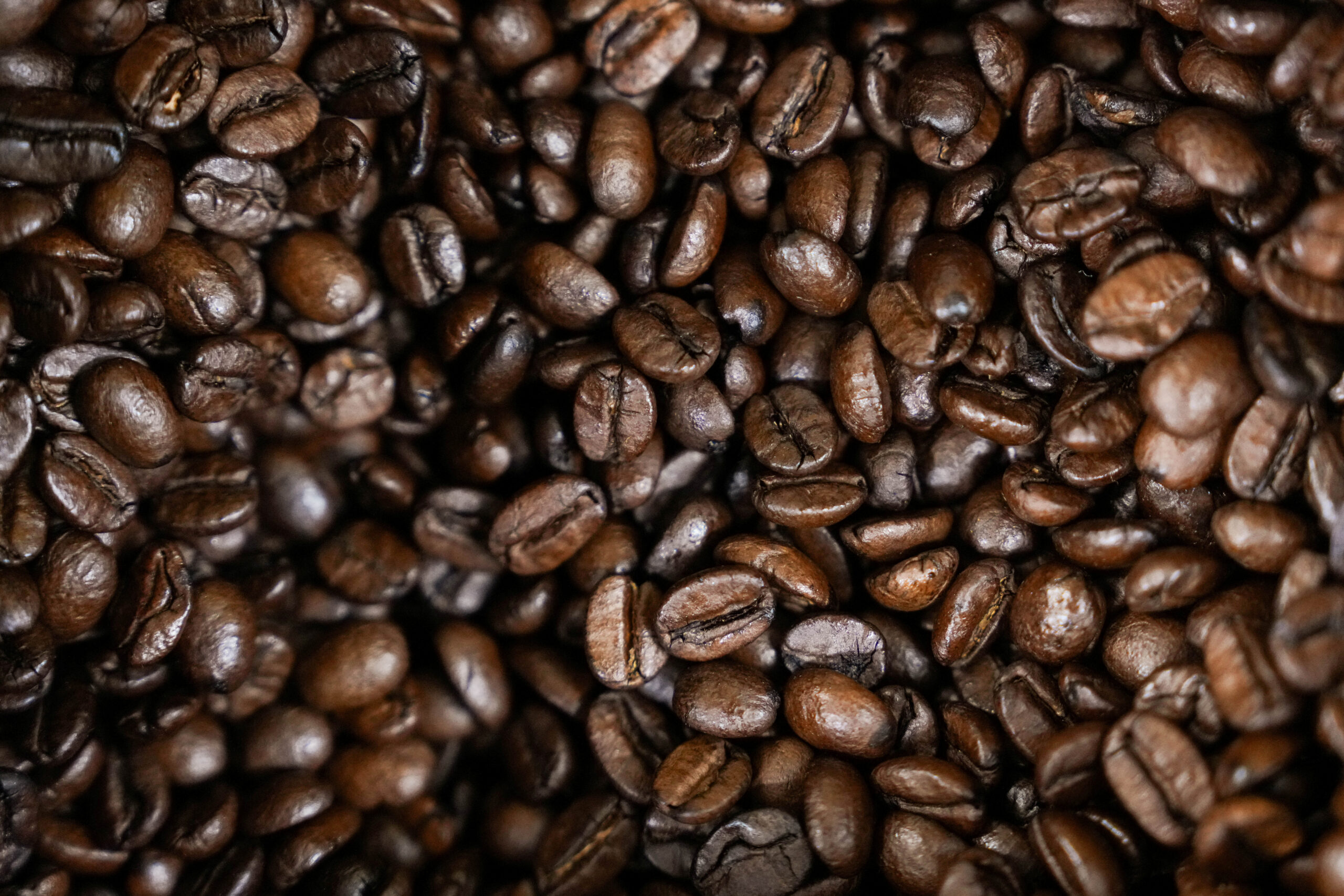
Global Coffee Prices Surge to 2-Year High

Dubai – Qahwa World

The global coffee market witnessed a significant price surge in September 2025, marking one of the strongest monthly performances in recent years. According to the latest Coffee Market Report issued by the International Coffee Organization (ICO), the ICO Composite Indicator Price (I-CIP) averaged 324.62 US cents per pound, representing a 9.3% increase compared to August 2025 and a striking 25.4% rise year-on-year. The report reveals that while prices rose across all coffee groups, tightening certified stocks and persistent trade uncertainties continue to define the market’s volatile landscape.

The ICO noted that Arabica varieties led the monthly increase, with Colombian Milds climbing 10.1% to 403.77 US cents/lb, Other Milds advancing 9.3% to 400.21 US cents/lb, and Brazilian Naturals gaining 11.3% to 374.91 US cents/lb. Robusta, meanwhile, registered a more moderate yet notable 5.9% increase to 210.85 US cents/lb. The rise was mirrored on both major futures exchanges, with New York ICE prices up 11.5% to 366.31 US cents/lb, and London ICE prices increasing by 8.9% to 197.56 US cents/lb. The I-CIP fluctuated between 298.14 and 360.74 US cents/lb during the month, maintaining a median value of 323.44.

The report attributes much of September’s price escalation to several interconnected macroeconomic and policy-related developments that placed upward pressure on the market during the first half of the month. Among these, concerns over the long-term supply of coffee to the United States stood out, especially given the continued uncertainty surrounding import tariffs. Although on 8 September the U.S. administration issued an executive order revising tariffs for “aligned partners” with established trade agreements, coffee remained excluded from the list. The commodity continues to face a 50% import tariff imposed earlier in the year, as it is not yet categorized among products that the U.S. cannot sufficiently produce domestically. This policy has led to sustained apprehension among traders and exporters, particularly as U.S. certified Arabica stocks continue to decline.

The ICO underlined that certified stocksused as a short-term substitute for coffee importsare shrinking at an alarming rate, reinforcing market tightness. U.S. certified stocks of Arabica fell 19.3% in September to 0.66 million 60-kilogram bags, while London-certified Robusta stocks decreased 4.3% to 1.08 million bags. These drawdowns, the report states, indicate that the market is “starting to feel the squeeze,” signaling a bullish outlook for prices if replenishment remains weak.

However, the latter half of September brought developments that introduced downward pressure and tempered speculative enthusiasm. On 15 and 17 September, the ICE Futures U.S. exchange raised margin requirements for Arabica contracts twice in a single week. Higher margin requirements force investors to deposit more capital with brokers to cover increased credit risk, thus raising borrowing costs for both new and existing positions. The ICO explained that such moves can reduce liquidity and limit speculative demand, potentially stabilizing prices in overheated markets.

At the same time, discussions at the United Nations General Assembly between U.S. and Brazilian officials provided a momentary boost to market optimism. As the world’s largest coffee producer and the largest destination market sought to improve bilateral trade relations, investors interpreted the talks as a signal that tariff détente might eventually follow. Brazil’s exports have been under severe strain, declining for ten consecutive months due to both cyclical production factors and logistical issues at the port of Santos.

On the monetary front, the U.S. Federal Reserve’s 25-basis-point interest rate cut on 17 September had a nuanced impact. While the policy was intended to lower borrowing costs across the economy, it indirectly affected coffee prices by making speculative trading less expensive. The ICO noted that cheaper credit may have helped sustain trading volumes, adding volatility to a market already under pressure from tightening supplies.

The European Union also entered the spotlight in September after the EU Commissioner for Environment, Water Resilience and a Competitive Circular Economy raised concerns over the readiness of the EU Deforestation Regulation (EUDR) IT system. The Commissioner indicated that the system might not be able to handle the expected transaction volume, suggesting a possible one-year extension before enforcement begins. The EUDR, which aims to ensure that coffee and other commodities imported into the EU are deforestation-free, has been a major topic of concern among exporters since its adoption, and any delay could temporarily ease compliance-related pressures on coffee-producing nations.

Despite these counterbalancing developments, overall volatility continued to rise. The ICO reported that intra-day volatility of the I-CIP increased by 2.8 percentage points compared to August, averaging 13.8% in September. By category, Colombian Milds and Other Milds showed volatility of 14.0% and 13.7%, respectively, Brazilian Naturals 14.7%, and Robustas 15.0%. At the futures level, New York volatility stood at 15.2%, while London measured 16.2%, reflecting a minor uptick in speculative activity.

Price differentials also widened notably. The Colombian MildsOther Milds differential expanded from 0.41 to 3.56 US cents/lb, while the Colombian MildsRobustas differential rose 15.1% to 192.92 US cents/lb. The arbitrage between the London and New York markets, a key indicator of the spread between Arabica and Robusta, widened by 14.7% to 168.75 US cents/lb, the highest level of the year.

Overall, the ICO described September as a month defined by tightening supplies, speculative activity, and geopolitical uncertainty. The consistent decline in certified stocks, combined with unresolved tariff tensions and potential EUDR delays, continues to reinforce a bullish sentiment across the market. As the fourth quarter of 2025 begins, analysts expect coffee prices to remain elevated, with volatility likely to persist until structural issuessuch as logistics bottlenecks, regulatory clarity, and weather-related production concernsare addressed.

In summary, the ICO’s latest data depict a coffee market under strain but also opportunity. Prices are buoyed by constrained supply and investor sentiment, while trade policies and financial dynamics continue to influence short-term movements. With the I-CIP climbing above 320 US cents/lb for the first time in over two years and certified stocks hitting new lows, September 2025 may well be remembered as a turning point in the evolving balance between global coffee supply and demand.

Coffee Prices Plunge on Rain Forecasts for Brazil

Dubai, September 18, 2025 – (Qahwa World) – Global coffee markets faced a sharp downturn on Wednesday as prices tumbled amid forecasts of long-awaited rainfall in Brazil, the world’s largest coffee producer. December arabica futures (KCZ25) closed down -33.70 cents, a steep -8.23%, marking a one-week low. November ICE robusta futures (RMX25) also plunged by -331 points, or -6.92%.

The sudden reversal came just a day after arabica reached a contract high and robusta hit a three-week peak, driven by drought conditions. Forecasts now indicate showers in Brazil’s key coffee-growing regions beginning next week, triggering heavy long liquidation in the market.

Brazil’s Cooxupe cooperative, the largest in the country, announced that the harvest among its members was 98.9% complete as of September 12, adding further bearish pressure. The completion of the harvest, coupled with improved weather outlooks, weighed heavily on investor sentiment.

Yet underlying fundamentals remain tense. Earlier this month, Brazil’s crop forecasting agency Conab revised its 2025 arabica production estimate down by -4.9% to 35.2 million bags, while total coffee output was trimmed to 55.2 million bags. Global supply challenges also persist: the International Coffee Organization (ICO) reported that July exports fell -1.6% year-on-year, while cumulative exports from October to July slipped -0.3%.

On the demand side, U.S. buyers continue to face supply strain due to 50% tariffs on Brazilian coffee, effectively tightening the American market, where one-third of unroasted coffee imports come from Brazil. Meanwhile, ICE-monitored inventories continue to dwindle, with arabica stocks dropping to a 16.5-month low of 659,949 bags and robusta inventories falling to a 1.5-month low of 6,551 lots.

Vietnam, the world’s second-largest coffee producer, is also under scrutiny. Severe drought reduced the 2023/24 crop by -20% year-on-year to 1.472 million metric tons, the smallest harvest in four years. Exports in 2024 declined -17.1%, though shipments from January to August 2025 were up +7.8% year-on-year, showing signs of recovery.

Looking ahead, the USDA’s Foreign Agriculture Service projects global coffee production in 2025/26 will reach a record 178.68 million bags, up +2.5% year-on-year, supported by strong robusta output. However, research firm Volcafe warns that arabica will face a deficit of -8.5 million bags in 2025/26, the fifth consecutive year of shortage.

For now, rain forecasts in Brazil have calmed fears of immediate supply disruption, but the broader picture of tightening inventories, tariffs, and shifting climate risks ensures that volatility will remain a defining feature of the global coffee market.

DMCC Coffee Centre: Supply Chain Pressures and Tariffs Threaten Global Coffee Trade

Dubai, 15 September 2025 ( Qahwa World) – Coffee, the world’s second most traded commodity after oil and a cultural staple for billions, is entering a critical stage in its global journey. The threats facing the industry are no longer confined to climate change alone. Increasingly, they include mounting supply chain disruptions and escalating tariffs that are reshaping the economics of one of the most vital agricultural products on earth. In its latest report, released as part of the Future of Trade Agri Series, the DMCC Coffee Centre warns that unless urgent measures are taken, the future of the global coffee trade may be defined by instability, rising costs, and deep uncertainty.

For decades, coffee has been regarded as a model commodity for international trade thanks to its durability and storability as green beans. But according to the report, this traditional advantage is no longer sufficient. Shipping costs have risen sharply amid ongoing global supply chain disruptions, compounded by geopolitical tensions across key trade corridors such as the Red Sea and the Panama Canal. Even a 1% increase in transport costs, the report notes, can result in months of accumulated price hikes for coffee worldwide. What was once a relatively resilient supply chain has become a fragile lifeline vulnerable to external shocks.

The situation has been further aggravated by protectionist trade policies. Most notably, the United States recently imposed tariffs of up to 50% on coffee imports from Brazil, the world’s largest exporter. While this may appear to offer short-term relief for American markets, it has shaken investor confidence and created uncertainty for Brazilian producers who rely heavily on exports. Many growers now face the prospect of cutting back production or seeking alternative markets, both of which come with risks of their own.

Mike Butler, Assistant Director for Coffee at DMCC, described the dilemma: “Large buyers often have the option of stockpiling coffee to protect themselves against price swings, but this strategy is not available to everyone. Smallholder farmers and specialty roasters remain the most exposed, as they lack the resources to hedge or hold inventories for long periods.”

The pricing system itself is also under strain. For decades, futures markets like the Intercontinental Exchange (ICE) provided reliable benchmarks for coffee. But the DMCC report highlights how these benchmarks are increasingly detached from reality. Futures contracts may show declines, while specialty coffee prices remain elevated, squeezing small and medium-sized roasters who cannot reconcile speculative market prices with real-world sourcing costs. Garfield Kerr, President of the Specialty Coffee Association and founder of Dubai’s “Mokha 1450,” summed it up: “The futures market has become more speculative and no longer reflects the actual value of high-quality coffee.”

Adding to this pressure is the rapid transformation of consumption patterns. Across Asia—in countries like China, Japan, and the Philippines—demand for coffee is accelerating, particularly among younger generations seeking premium quality and unique experiences. This growth, while promising, makes these markets especially vulnerable to global supply shocks. A shipping delay in Brazil or a tariff dispute in the U.S. can now ripple instantly into cafés and supermarkets in Beijing or Manila, underscoring the fragility of today’s interconnected coffee economy.

Amid these challenges, Dubai is positioning itself as a stabilizing hub. The DMCC Coffee Centre offers a pay-as-you-go model for storage, roasting, packaging, and logistics, lowering barriers for producers and small exporters to access global markets. Its geographic location at the crossroads of Africa, Asia, and Latin America allows Dubai to act as a natural bridge, absorbing shocks and keeping trade flows alive even in turbulent times. This strategic advantage, the report argues, could prove decisive as volatility becomes the new normal.

Still, the outlook remains precarious. Global production is expected to reach a record 178.7 million bags in the 2025/26 season. But without meaningful reforms, these volumes may not translate into market stability. Tariffs, freight costs, and speculative pricing continue to weigh heavily on the system, leaving more than 25 million smallholder farmers—who form the backbone of global coffee production—on the edge of economic survival.

The DMCC Coffee Centre’s report concludes with a stark choice. Either the industry embraces international cooperation, reforms outdated pricing mechanisms, and invests in supply chain infrastructure, or it risks plunging into prolonged volatility. Coffee, long celebrated as a symbol of connection and culture, could instead become a mirror of global trade’s fragility. But with decisive action, from fairer pricing models to transparent trade systems and collaborative investment, the industry has the tools to safeguard coffee’s future as a unifying global commodity.

Tariff-Fueled Price Hikes Hit U.S. Consumers

New York, September 13, 2025 – Qahwa World –U.S. consumers are beginning to feel the full impact of the Trump administration’s sweeping tariffs, as new data shows prices rising sharply across a range of imported goods.

The Consumer Price Index (CPI) climbed 2.9% in August compared to a year earlier, marking the fastest inflation rate since President Trump’s second inauguration in January. Analysts say the acceleration reflects tariffs filtering through the economy, with heavily imported goods seeing the steepest increases.

Although tariffs were first announced in April on what Mr. Trump dubbed “Liberation Day,” their implementation was delayed as trade negotiations continued. Many businesses initially stockpiled goods or absorbed costs to shield consumers. That strategy is now waning, according to the Federal Reserve’s latest Beige Book, which found widespread price hikes linked to tariffs in August.

Beth Hammack, president and CEO of the Federal Reserve Bank of Cleveland, told CBS News that companies are increasingly forced to pass along higher costs: “Some businesses have no choice but to start passing on tariff-related costs to consumers.”

Major retailers including Home Depot, Macy’s, and camera maker Nikon have already confirmed price increases. EY-Parthenon chief economist Gregory Daco noted that while many businesses initially shouldered the burden, “there is a limit to how long and how much of that they can do.”

The White House insists inflation remains contained. Spokeswoman Karoline Leavitt highlighted that overall CPI is tracking at a 2.3% annualized rate since Mr. Trump took office and pointed to easing wholesale inflation. She credited the administration’s policies, citing “historic tax cuts, massive deregulation, and energy dominance” as drivers of growth.

Goods Most Affected

August CPI data shows sharp increases in categories reliant on imports, including:

  • Coffee: +21% (Brazilian beans now face a 50% tariff; the U.S. imports 80% of its unroasted coffee from Latin America).

  • Audio equipment: +12%

  • Household furniture: +10%

  • Bananas: +6.6%

  • Women’s dresses: +6.2%

  • Watches: +5.6%

  • Motor vehicle parts: +3.4%

Pressure on Households

With wages rising more slowly, the tariff-driven costs are squeezing lower-income families. Heather Long, chief economist at Navy Federal Credit Union, warned, “Food, gas, clothing and shelter all had big cost jumps in August. And this is only the beginning of the price hikes.”

Consumers like Clara Moore, a researcher from Newark, New Jersey, are already feeling the strain. She said her grocery bills climbed from $175 to $250 in the past year, forcing her to cut back on streaming services and discretionary purchases.

Economists expect inflationary pressure to persist through year-end, with Oxford Economics’ Ryan Sweet predicting that consumers will absorb about two-thirds of the tariff costs: “You’ll see more of the tariffs passed on to consumers with each passing month.”

Brazil’s Coffee Paradox: Global Prices Drop While Local Costs Surge

Dubai, September 3, 2025 (Qahwa World) – While global coffee prices are falling due to heavy rainfall in Brazil and the near completion of the harvest, consumers in the world’s largest producer and exporter are facing the opposite reality: higher prices for roasted and instant coffee in the domestic market.

December arabica futures fell 3.44%, while November robusta dropped 3.28% to a one-week low. Weather data from Somar Meteorologia showed that Minas Gerais, Brazil’s largest arabica-producing region, received 10.1 mm of rain in the week ending August 30 – 163% of the historical average.

Meanwhile, Cooxupé, Brazil’s biggest coffee cooperative, reported that its members’ harvest was 94.9% complete as of August 29. Safras & Mercado confirmed that Brazil’s 2025/26 harvest was 99% finished by August 20, with robusta fully harvested and arabica 98% complete.

In contrast, roasters 3 Coracoes and Melitta announced fresh price hikes in Brazil starting September 1. 3 Coracoes raised roasted and ground coffee prices by 10% and instant coffee by 7%, while Melitta increased prices by 15%. These hikes follow earlier rises: 11% in January and 14.3% in March by 3 Coracoes, and a 25% increase by Melitta last December.

This creates a striking paradox in Brazil’s coffee market: while international prices are easing thanks to favorable weather and ample harvests, local consumers are paying more, driven by climate volatility, a 50% U.S. tariff on Brazilian coffee imports, and rising raw bean costs.

Global arabica prices have already climbed more than 20% this year after a 70% surge in 2024. With tariffs in place, U.S. roasters have been tapping existing stockpiles, adding further pressure.

The Brazilian Coffee Industry Association (ABIC) noted a brief drop in retail prices in August as futures eased from record highs, but warned that the trend would reverse once tariffs took effect — and that reversal is now underway. Major roasters are struggling to balance costs as consumers shift toward cheaper supermarket brands.

Looking ahead, the U.S. Department of Agriculture projects global coffee production to rise 2.5% in 2025/26 to a record 178.7 million bags. Yet trader Volcafe forecasts a widening global arabica deficit of 8.5 million bags — the fifth straight year of shortages. This contradiction — falling global prices alongside rising domestic costs in Brazil — sets the stage for continued turbulence in the coffee market.

Coffee Prices Surge as ICE Inventories Hit Multi-Year Lows

Dubai, August 27, 2025 (Qahwa World) – Coffee markets staged a sharp turnaround by Wednesday’s close, with both arabica and robusta futures rallying strongly as dwindling ICE inventories and tightening export flows outweighed harvest pressure from Brazil. The rebound highlights the volatility gripping global coffee trade, where supply constraints and policy shifts continue to drive rapid intraday price swings.

On the ICE exchange, December arabica coffee (KCZ25) jumped +13.00 (+3.49%), while November robusta (RMX25) surged +188 (+4.01%), with robusta touching a three-month high. The rally came just hours after arabica futures had slipped on harvest pressure, underscoring how quickly sentiment is shifting.

ICE-monitored stocks remain a key bullish driver. Arabica inventories fell to a 1.25-year low of 716,578 bags, while robusta dropped to a one-month low of 6,611 lots. Traders say the tightening certified stockpiles are providing strong underlying support, particularly for robusta. At the same time, Brazil’s harvest is almost complete. Cooxupé, the country’s largest cooperative, reported members were 91.3% finished by August 22, while Safras & Mercado estimated 99% of the crop complete, with robusta fully harvested and arabica at 98%. This progress has been weighing on prices, yet the bullish impact of falling inventories and weaker exports is increasingly dominant.

July export figures underline this trend. Brazil’s Trade Ministry reported a 20.4% year-on-year decline in unroasted coffee exports, totaling 161,000 metric tons. Cecafé confirmed a broader contraction, citing a 28% fall in green coffee exports to 2.4 million bags. Arabica exports dropped 21%, while robusta plunged 49%. Shipments for the first seven months of 2025 are down 21% at 22.2 million bags.

Outside Brazil, fundamentals remain tight. Vietnam’s 2023/24 crop fell 20% year-on-year to 1.47 million metric tons due to drought, the smallest in four years. Exports in 2024 declined 17%, though shipments this year have rebounded, rising 6.9% between January and July. At the global level, the International Coffee Organization (ICO) reported June exports up 7.3% year-on-year to 11.69 million bags, though cumulative shipments since October are slightly lower at -0.2%.

Looking ahead, the USDA’s Foreign Agricultural Service (FAS) projects record global production of 178.68 million bags in 2025/26, driven by robusta’s 7.9% expansion. Arabica output is expected to contract by 1.7% to 97 million bags. Despite this, Volcafé forecasts a deepening arabica deficit of 8.5 million bags, widening from this year’s 5.5 million, marking the fifth consecutive annual shortfall.

The market’s day-to-day volatility highlights the tension between short-term harvest pressure and long-term structural supply constraints. With U.S. buyers canceling contracts following 50% tariffs on Brazilian coffee, and inventories at multi-year lows, analysts warn the coming months could bring continued turbulence for global coffee prices.