Author: Qahwa World – Dubai
Source: Korrespondent.net
Date: May 14, 2026Authorities recently uncovered a counterfeit coffee operation in Kyiv, Ukraine in 2026.
Executive Summary
- Ukrainian authorities discovered an illegal coffee production facility in the Kyiv region
Counterfeit products appeared under internationally known brand names
Suspects allegedly continued using the brand illegally after their contract ended in 2021
The fake coffee underwent no quality or safety controls, which posed consumer risks
Authorities conducted 22 searches and seized assets worth nearly UAH 20 million
The investigation remains ongoing under Criminal Code Article 229 for trademark violation
A similar operation emerged in July 2025 with an organizer and five accomplices
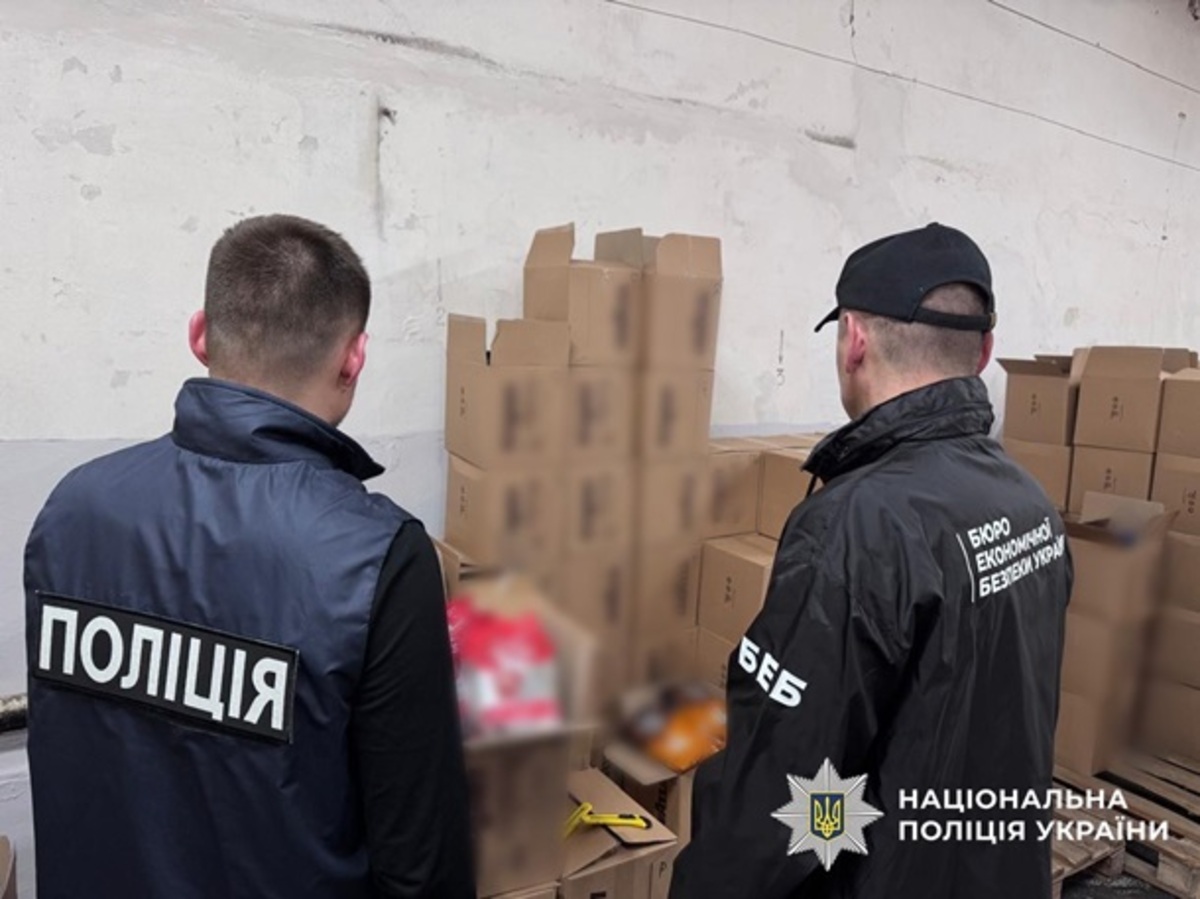
The Bureau of Economic Security of Ukraine uncovered a large-scale underground operation near Kyiv. This facility produced counterfeit coffee products under internationally known brand names.
Investigators discovered illegal production facilities inside warehouse premises. Workers roasted, packaged, and labeled coffee at these locations. They used trademarks of major global coffee brands without permission.
- How the counterfeit scheme operated
The scheme involved individuals registered under fictitious businesses. These entities processed payments and supported the distribution network. Therefore, authorities had to trace multiple financial transactions.
Suspects had previously cooperated officially with the trademark owner. However, they allegedly continued using the brand illegally after their contract ended in 2021. As a result, the company lost significant revenue.
Social media platforms and messaging applications helped promote the counterfeit products. Postal and courier delivery services distributed orders across Ukraine. Consequently, the fake coffee reached many unsuspecting customers.
- Consumer safety risks
The fake coffee products underwent no quality or safety controls. Therefore, they may have posed serious health risks to consumers. Authorities warn buyers to remain vigilant.
Detectives conducted 22 searches during the investigation. They seized industrial production equipment, packaging materials, and printing supplies. In addition, they confiscated thousands of finished coffee packages, raw coffee materials, vehicles, cash, and financial documentation.
The seized assets hold an estimated value of nearly 20 million Ukrainian hryvnia.
- Legal proceedings
The pre-trial investigation remains ongoing. Authorities filed the case under Part 3 of Article 229 of the Criminal Code of Ukraine. This article covers the illegal use of trademarks that causes particularly large financial damages.
- Growing challenge of counterfeit food products
This case highlights a growing challenge for the coffee industry. Counterfeit food and beverage products threaten both consumers and legitimate coffee companies. Rising coffee prices continue to increase pressure across global supply chains. Therefore, counterfeit operations may become more common.
In July 2025, authorities announced suspicions against an organizer and five alleged accomplices. Those individuals operated another underground coffee manufacturing network in the Kyiv region. They also used internationally recognized brand names illegally.
Context: The Bureau of Economic Security of Ukraine continues to investigate illegal trademark violations in the food and beverage sector. Consumers should purchase coffee products only from authorized retailers.
Frequently Asked Questions
Where did authorities discover the counterfeit coffee operation?
The illegal production facility operated in the Kyiv region of Ukraine. Workers roasted, packaged, and labeled fake coffee inside warehouse premises.
Which brands did the operation counterfeit?
The operation used internationally known coffee brand trademarks. However, authorities have not publicly disclosed specific brand names due to the ongoing investigation.
How long did the illegal operation continue?
Suspects had an official contract with the trademark owner that ended in 2021. After that, they allegedly continued using the brand illegally.
What is the value of the seized assets?
Authorities seized assets worth nearly 20 million Ukrainian hryvnia. These include industrial equipment, packaging materials, finished coffee products, vehicles, and cash.
Are the counterfeit products dangerous?
Yes. The fake coffee underwent no quality or safety controls, so it may pose health risks to consumers.
Is this the only such case in Ukraine?
No. In July 2025, authorities announced suspicions against an organizer and five accomplices in another underground coffee manufacturing network in the same region.
Author: Qahwa World – Dubai
Source: Korrespondent.net
Date: May 14, 2026
Reference: Bureau of Economic Security of Ukraine, Criminal Code of Ukraine Article 229

