Climate Resilient Coffee: Excelsa and Liberica Offer Hope

Author: Qahwa World
Source: Mongabay (Meena Menon)
Date: June 1, 2026

Climate Resilient Coffee: Excelsa and Liberica Offer Hope

Executive Summary:

  • Mongabay published this story. Arabica and Robusta face growing threats from rising temperatures and erratic rainfall.
  • Lesser known coffee species like Excelsa and Liberica are gaining attention for their resilience and adaptability.
  • British planter Colonel Benson introduced Excelsa to India in the 1800s, but growers never commercialised it widely.
  • In 2025, the South India Coffee Company sold over four tonnes of Excelsa. Demand for saplings is now rising.
  • Researchers at Kew Gardens are studying underutilised species. They have proposed a new hybrid called Libex.
  • Ugandan farmers have grown hundreds of acres of Excelsa since the early 2000s as a climate adaptation.
  • For a sustainable future, the coffee industry must diversify by blending traditional and alternative species.

Mongabay published this story about climate resilient coffee. Rising temperatures and erratic rainfall increasingly threaten the two dominant coffee species, Arabica and Robusta. Pest pressures add to their vulnerability. Consequently, researchers and farmers are turning to lesser known species such as Excelsa and Liberica. These forgotten plants offer new hope for the industry.

Excelsa Gains New Relevance

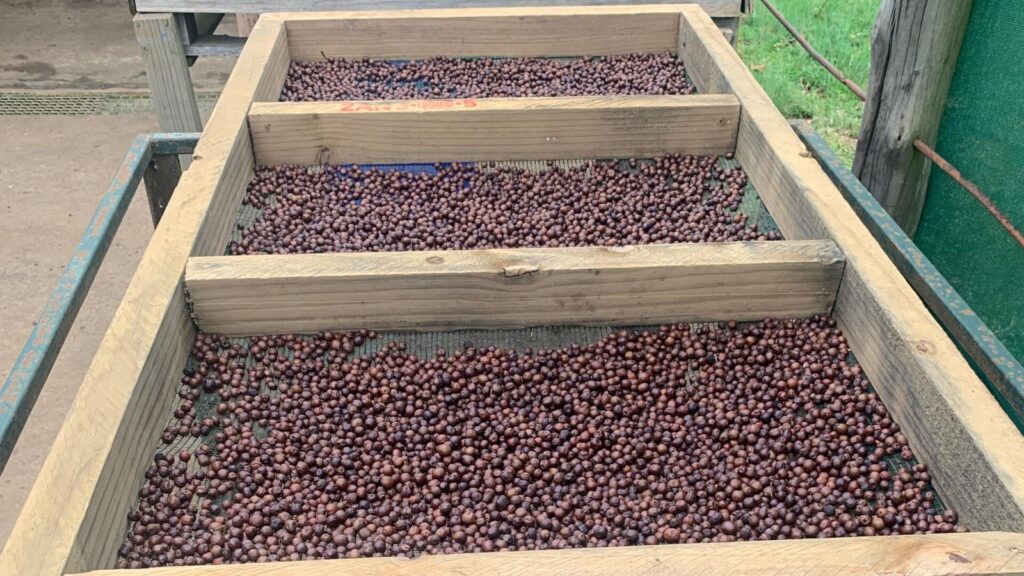
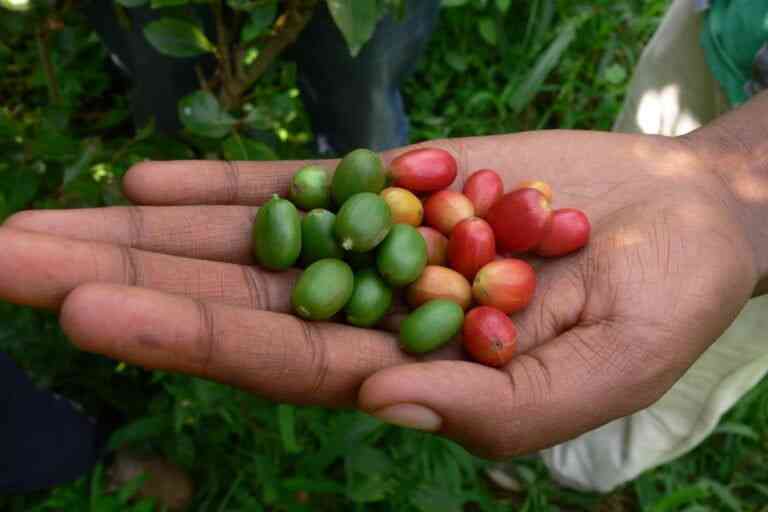
Excelsa (Coffea dewevrei) grows naturally in parts of Tropical Africa and Southeast Asia. In India, farmers traditionally planted it as a boundary marker or for shade. However, they never commercialised it widely. According to an unpublished paper, a British planter named Colonel Benson introduced Excelsa to India in the late 1800s. He saw it as an alternative to Arabica after pest outbreaks. Nevertheless, its height, which can reach fifteen metres, made estate management impractical.

Today, climate change is prompting a revaluation. Akshay Dashrath, co founder of the South India Coffee Company, maintains 60 year old Excelsa trees on his estate in Karnataka. Interestingly, his grandfather used to drink only Excelsa at home. In 2024 and 2025, the company began revaluating Excelsa across five estates. As a result, they sold over four tonnes of green coffee in 2025. For 2026, they estimate sales will reach five tonnes.

Indian Growers Face Climate Instability

Across India’s coffee growing regions, farmers report increasing climate instability. Kerehaklu Estate in Karnataka has grown Excelsa and Liberica since 1953. Pranoy Thipaiah, the managing partner, told Mongabay that rainfall has become longer and more intense. He also noted that plants’ biological clocks have shifted. Pest pressure has increased as well. Excelsa and Liberica, he explained, handle climate variations better than traditional species. Their long gestation period means harvest occurs after the unseasonal rains pass. Thipaiah is now expanding his trials. He has seven different varieties from Vietnam growing in his nursery. Next year, he plans to transplant them into the main estate.

Global Research on Resilient Species

The search for climate resilient coffee extends far beyond India. Researchers have identified 133 different coffee species worldwide. Aaron Davis of the Royal Botanic Gardens, Kew, told Mongabay that Arabica and Robusta may soon lose their dominance. Arabica requires a cool tropical climate with distinct dry periods. Robusta needs warmth and moisture but cannot tolerate drought. Therefore, neither species can survive the coming changes. Davis advocates for diversification. “We need a portfolio of coffee crop species to adapt to altered climates,” he stated.

Excelsa is already scaling up in Uganda and Vietnam. Farmers there have grown hundreds of acres since the early 2000s. Kiwuka Catherine, a Ugandan research officer, explained that smallholders and large farmers are adopting Excelsa as a climate adaptation. At least 200 farms in Uganda and several in India, Vietnam, and South Sudan now produce Excelsa for export. This trend shows no signs of slowing.

New Hybrids and Future Possibilities

Species Climate Resilience Current Status
Arabica Low, heat sensitive Dominant but vulnerable
Robusta Moderate, not drought tolerant Widely grown, under pressure
Excelsa High, heat and drought tolerant Gaining commercial interest
Liberica High, adaptable Under research
Libex (hybrid) Very high, disease resistant Proposed new hybrid

Researchers have also investigated a hybrid between Liberica and Excelsa. They named it Coffea X libex, or Libex coffee. This hybrid resists heat, excess moisture, and disease effectively. According to Dashrath, this finding could prove crucial for the future of coffee. Hybrids offer a sustainable option for growers facing unpredictable weather. In India, Excelsa is slowly moving from obscurity into the mainstream. SICC has received requests for more than 4,000 saplings for 2026. Davis believes Ugandan Excelsa could appear in supermarkets within a decade. For a sustainable future, the coffee industry must embrace diversification, regenerative agriculture, and multiple alternative species.

Frequently Asked Questions (FAQ)

1. Why are Arabica and Robusta vulnerable to climate change?

Temperatures above 30°C reduce yields. Arabica cannot tolerate heat, while Robusta cannot handle drought. Changing rainfall patterns and pests add more stress.

2. What exactly is Excelsa coffee?

Excelsa (Coffea dewevrei) is a lesser known coffee species native to Africa and Southeast Asia. It grows tall and shows strong resistance to heat and drought.

3. Where can farmers grow Excelsa today?

Growers cultivate Excelsa in India, Uganda, and Vietnam. Ugandan farmers have grown hundreds of acres since the early 2000s as a climate adaptation.

4. What is Libex coffee?

Libex (Coffea X libex) is a hybrid between Liberica and Excelsa. It demonstrates strong resistance to heat, moisture stress, and disease.

5. Can consumers buy Excelsa coffee now?

Yes, but only in small quantities. In India, producers sold over four tonnes in 2025. Ugandan Excelsa may soon reach supermarket shelves.

6. What does the future of coffee look like?

Diversification. Growers will need a portfolio of species including Excelsa, Liberica, Stenophylla, and hybrids like Libex alongside improved Arabica and Robusta.

Qahwa World – Mongabay published this story. Reporting by Meena Menon.
Published: June 1, 2026

WCR CEO Dr. Vern Long: The best coffee in the world hasn’t been grown yet

Qahwa World – Dubai |
May 15, 2026 |
4 min read

Dr. Jennifer “Vern” Long, CEO of World Coffee Research, said in two simultaneous messages – one in the organization’s annual report and another in an Instagram video – that “the best coffee in the world hasn’t been grown yet. It’s coming soon.” She confirmed that the innovative “coopetition” model between competing companies and governments has produced elite coffee genetics now growing in research fields on 4 continents.

In her annual report message, Long explained that WCR’s member companies built something unprecedented when they created World Coffee Research – a global collaborative organization that is creating the genetic infrastructure of the 200 billion dollar coffee industry. Genetics are the foundation of coffee’s future, she said, and the next generation of climate-resilient, high-quality varieties advancing through this system will expand what coffee agriculture can deliver.

Long described WCR’s collaborative networked nature as unparalleled. Governments that historically did not share directly with each other contributed their unique genetics and scientific knowhow to a single shared pool. Companies that compete in the marketplace banded together and contributed patient capital to drive the work forward, understanding that tree breeding operates on 10 to 15 year cycles. This coopetition model has delivered: elite genetics are now in research fields on 4 continents.

Regarding next steps, Long said WCR will explore what it takes to scale up and deploy these trees to farmers’ fields. The organization will continue innovating, using the same collaborative spirit that built the global genetics pipeline to design a model capable of ensuring last-mile distribution to farmers and sustaining research in perpetuity. “Better plants are coming. We’ll be ready,” she concluded.

In a separate Instagram video featuring Long’s voice, she said WCR continued in 2025 to create the future of coffee by uniting the global coffee industry to drive science-based agricultural solutions. “The future of coffee is arriving. The entire coffee sector is built from the harvest of the plant itself. When we get the plant right, everything else multiplies,” she said.

Long highlighted WCR’s work areas including coffee breeding networks, trial sites, improved seed systems, and global leadership programs. She invited the public to explore the report’s highlights and be part of WCR’s ongoing effort to create the future of coffee.

“The best coffee in the world hasn’t been grown yet. It’s coming soon. Our members and partners make it happen, and will help us define what comes next.”

— Dr. Vern Long, CEO of World Coffee Research

Source: World Coffee Research Annual Report 2025 + WCR official Instagram account
Prepared by: Qahwa World – Dubai
Publication date: May 15, 2026


South Africa’s Rarest Coffee Thrives Along the KwaZulu-Natal Coast

Ali Alzakary – Dubai | Source: BusinessTech

Executive Summary

  • Coffee species: Coffea racemosa – one of the rarest in the world
  • Location: KwaZulu-Natal North Coast, South Africa (Ballito and Hluhluwe)
  • Key grower: Charles Dennison, founder of Cultivar Coffee and Racemosa Coffee
  • Current cultivation: ~15,000 trees propagated over 10 years
  • Annual output (2025): ~350 kg (equal to one small café’s consumption)
  • Export markets: 15 countries (high-end specialty roasters)
  • Unique flavor: Blackcurrant, herbs, camphor, mint (some detect cannabis-like aroma)
  • Climate resilience: Survives low rainfall, drought, cold; needs no spraying or irrigation
  • Conservation status: Protected on IUCN Red Lists (like black rhino)
  • South Africa farms: Hold approximately 90% of what exists in Africa

Coffea racemosa – considered by many coffee experts as the rarest coffee species on Earth – is being cultivated along South Africa’s KwaZulu-Natal North Coast. The coastal town of Ballito, best known for luxury estates and rapid property growth, is now gaining international recognition for preserving and producing this exclusive coffee. This species is native to Southern Africa. It remains exceptionally scarce due to very slow growth, difficult propagation, and highly specific climate requirements.

Rediscovering a Forgotten Coffee Species

Charles Dennison, founder of Cultivar Coffee and Racemosa Coffee, began researching this species during his Master’s degree in coffee studies. While traveling across Africa, Dennison found references to an unknown coffee species. He and his family then searched for surviving plants.

“They’re super rare. They are protected on the International Union for Conservation of Nature red lists, like the black rhino.” – Charles Dennison, 702 Drive interview

After locating seedlings, the family began cultivating the plants and has since propagated around 15,000 trees over the past decade. The regions around Ballito and Hluhluwe are now considered among the primary areas where the species survives naturally and is cultivated commercially. Dennison said farms in northern KwaZulu-Natal currently account for most of the species under cultivation in Africa.

“At the moment, we have probably about 90% of what exists in Africa,” he said.

A Coffee Unlike Any Other

Production of Coffea racemosa remains extremely limited because the trees grow slowly and are difficult to reproduce.

“It’s a very slow-growing tree. It’s very hard to propagate, which is why it’s so rare in the wild,” Dennison explained.

The coffee’s flavor profile is equally unusual and completely different from traditional Arabica or Robusta coffees.

“It’s completely different to any coffee I think anybody really would have tasted,” he said.

Dennison described tasting notes that include blackcurrant, herbs, camphor, and mint, while some tasters reportedly identify aromas reminiscent of cannabis. He admitted the coffee is highly polarising among consumers.

“When people taste it, they either love it or they hate it,” he said.

Production and Export

Because of its rarity and premium pricing, most of the production is exported to specialty coffee roasters overseas. Dennison said beans from the farms were sold to high-end roasters in 15 countries last year. Production volumes remain exceptionally small. According to Dennison, total output in 2025 reached only around 350 kilograms – roughly the annual consumption of a small café.

Metric Value
Trees propagated 15,000
Total output (2025) 350 kg
Export countries 15
Percentage of Coffea racemosa in Africa (KZN farms) 90%

A Climate-Resilient Coffee for the Future

Beyond its exclusivity, researchers are increasingly interested in Coffea racemosa because of its resilience to harsh environmental conditions. Dennison explained that the species can survive with very low rainfall, withstand drought conditions, and tolerate colder temperatures better than many commercial coffee varieties.

As climate change continues to threaten coffee production globally, breeding programmes are exploring the species for its potential role in developing more resilient coffee cultivars.

“It doesn’t need to be sprayed, and it doesn’t need irrigation,” Dennison said. “So there’s good potential to earn forex income.”

For South Africa’s emerging specialty coffee sector, the rare species could represent both a conservation success story and a future opportunity for sustainable coffee farming.

Frequently Asked Questions

What is Coffea racemosa and why is it so rare?

Coffea racemosa is regarded by many coffee experts as the rarest coffee species in the world. It is indigenous to Southern Africa and remains exceptionally scarce due to its slow growth, difficult propagation, and highly specific climate requirements. The species is protected on the International Union for Conservation of Nature red lists, similar to the black rhino.

Where is this rare coffee being grown?

The rare coffee is being cultivated along South Africa’s KwaZulu-Natal North Coast, with the regions around Ballito and Hluhluwe emerging as the primary areas where the species survives naturally and is cultivated commercially. According to Charles Dennison, farms in northern KwaZulu-Natal currently account for about 90% of what exists in Africa.

What does Coffea racemosa taste like?

The flavor profile is completely different from traditional Arabica or Robusta coffees. Tasting notes include blackcurrant, herbs, camphor, and mint. Some tasters reportedly identify aromas reminiscent of cannabis. The coffee is highly polarising – when people taste it, they either love it or hate it.

How much of this coffee is produced?

Production volumes remain exceptionally small. Total output in 2025 reached only around 350 kilograms – roughly the annual consumption of a single small café. The family behind its cultivation has propagated approximately 15,000 trees over the past decade.

Why is Coffea racemosa important for climate change research?

Researchers are increasingly interested in this species because of its resilience to harsh environmental conditions. It can survive with very low rainfall, withstand drought, and tolerate colder temperatures better than many commercial coffee varieties. It doesn’t need to be sprayed or irrigated, making it a potential source for developing more resilient coffee cultivars as climate change threatens global coffee production.


Ali Alzakary – Dubai | Source: BusinessTech

WCR CEO Reviews 2025 Achievements in Coffee Innovation

An annual update from CEO Vern Long highlights scientific progress, global partnerships, and climate resilience

Dubai – Qahwa World

World Coffee Research (WCR) has described 2025 as a defining year for the organization and the wider coffee industry, citing accelerated innovation, strengthened global partnerships, and tangible progress in developing climate-resilient coffee varieties.

In his annual review, WCR Chief Executive Officer Vern Long emphasized that the organization’s achievements this year were driven by sustained investment from more than 200 member companies across 30 countries, alongside close collaboration with national coffee institutes worldwide. These partnerships enabled WCR to move improved coffee varieties from research into farmers’ fields at an unprecedented pace.

According to WCR, the focus on variety development is critical as coffee-producing regions face increasing pressure from climate change, disease, and production volatility. The organization positions its work as essential to safeguarding the long-term stability and diversity of global coffee supplies.

Key achievements in 2025

  • Improving access to proven varieties
    In Peru, WCR installed 10 new arabica seed lots of the varieties IPR 107 and Paraneima in partnership with eight local organizations. These varieties were previously identified as top performers under local conditions through WCR’s International Multilocation Variety Trial, which has been running since 2015.
    In Uganda, WCR supported the installation of 15 mother gardens and nurseries of disease-resilient robusta varieties in cooperation with the national coffee institute NaCORI, expanding farmers’ access to improved planting material.

  • Advancing global arabica breeding efforts
    WCR began arabica field trials and recorded the first harvests under the Innovea Global Coffee Breeding Network. The initiative, recognized as one of TIME magazine’s Best Inventions of 2025, is described as the most ambitious and globally coordinated coffee breeding program to date, aimed at delivering high-performing, high-quality varieties for future generations.

  • Launching robusta breeding under Innovea
    A robusta breeding program was added to the Innovea network, with Vietnam and Ghana joining as national collaborators. This expansion brings total participation to 11 countries, collectively accounting for around 40% of global coffee production. The robusta program is designed to run in parallel with arabica efforts, focusing on resilience while supporting origin diversity.

  • Strengthening scientific collaboration worldwide
    WCR reported unprecedented levels of collaboration among scientists, governments, and coffee companies. One study published in 2025 brought together researchers from 15 countries across 23 trial sites to examine how 29 arabica varieties respond to leaf rust under different growing conditions. The findings are intended to support the development of more resilient coffee trees.

Looking ahead

Despite ongoing challenges facing the coffee industry, WCR underscored that innovation and collaboration remain powerful tools for risk mitigation and long-term sustainability. As the organization enters the new year, it expressed gratitude to its global community of members and partners for their continued commitment to securing the future of coffee.

Liberica Coffee Reimagined: Three New Species Could Transform Farming and Conservation

Dubai, 12 August 2025, (Qahwa World) – A landmark study published in Nature Plants (DOI: 10.1038/s41477-025-02073-y) has redrawn the coffee world’s genetic map.
Researchers led by A.P. Davis have confirmed—through high-resolution genomic, morphological, and ecological analyses—that what was long considered a single species, Coffea liberica, is actually three distinct species:

  • C. liberica (Liberica)

  • C. dewevrei (Excelsa)

  • C. klainei

This bold reclassification raises the official number of known coffee species from 131 to 133, ending decades of taxonomic uncertainty and opening new opportunities for coffee breeding, cultivation, and conservation—especially in the face of climate change.

From One to Three: How the Split Was Proven

The team sequenced 353 nuclear genes across 55 accessions using the Angiosperms353 target capture kit, and examined 2,240 SNPs, morphology, and geographic distribution.
The results revealed three monophyletic clades, each genetically distinct and occupying its own ecological range:

  • C. liberica (Liberica): Wild in upper West Africa—Sierra Leone, Liberia, Ivory Coast, Ghana, Nigeria.

  • C. dewevrei (Excelsa): Native to Central Africa—Republic of the Congo, Cameroon, DRC, Central African Republic, South Sudan, Uganda.

  • C. klainei: Endemic to West-Central Africa—Cameroon, Gabon, Republic of the Congo, Cabinda.

Why This Matters for Farmers

Though Liberica and Excelsa together make up less than 0.01% of global coffee exports (under 1,000 tonnes in 2024), production is being upscaled in Uganda, South Sudan, India, Vietnam, Malaysia, the Philippines, Indonesia, and even the Pacific.
The two cultivated species offer complementary advantages:

C. dewevrei (Excelsa)

  • Higher yield, more flowers per node.

  • Smaller, Arabica-like seeds (9.3 × 6.6 mm) with thinner pulp and parchment—better outturn and compatibility with existing Arabica/Robusta post-harvest systems.

  • Grows at 500–1,200 m, cooler climates (22–25 °C), lower rainfall (1,500–1,800 mm).

  • Notable drought tolerance, making it a candidate to replace robusta in warming climates.

C. liberica (Liberica)

  • Larger seeds (12.6 × 8.4 mm), distinct flavor profiles for niche markets.

  • Thrives at 10–500 m, hotter climates (24–27 °C), high rainfall (2,000–4,000 mm), and more seasonal precipitation.

  • Historically valued for leaf rust resistance and adaptation to lowland tropics.

The study also suggests hybrid potential between Liberica and Excelsa—offering breeders the chance to combine Excelsa’s yield with Liberica’s resilience.

Morphology and Climate Niches

The paper’s Table 1 shows clear physical distinctions:

  • Excelsa: Longer, broader leaves; smaller fruits; thinner pulp (0.31 mm parchment vs 0.57 mm in Liberica).

  • Klainei: Morphologically closer to Liberica but with sessile, unbranched inflorescences and narrowly ellipsoid fruits.

Climatically, Liberica’s tolerance for seasonal rainfall suits regions with pronounced wet/dry cycles, while Excelsa thrives in more consistent rainfall zones, often riverine or gallery forests.

A Conservation Wake-Up Call

The refined species ranges reveal a much smaller natural footprint:

  • C. liberica’s Extent of Occurrence (EOO) drops from 6.8 million km² to 352,310 km² (−94.8%).

  • Area of Occupancy (AOO): now just 52 km².

This could move Liberica from “Least Concern” to Vulnerable under IUCN criteria.
C. klainei also faces habitat loss; C. dewevrei is less threatened but still impacted by deforestation.
Wild populations hold irreplaceable genetic diversity essential for climate-resilient breeding—losing them could weaken the coffee sector’s future adaptability.

The Bigger Picture for the Coffee Industry

By clarifying where Liberica ends and Excelsa begins, the study equips:

  • Breeders with accurate genetic boundaries to target traits.

  • Farmers with species better matched to their climate and elevation.

  • Conservationists with precise maps to protect threatened wild populations.

As Arabica and Robusta face climate stress, these redefined Liberica species could anchor a more diverse and resilient coffee supply—if the industry acts now to invest in breeding, cultivation trials, and habitat conservation.


Reference: Davis, A.P. et al. (2025). Genomic data define species delimitation in Liberica coffee with implications for crop development and conservation. Nature Plants. DOI: 10.1038/s41477-025-02073-y.