Coca-Cola Confirms Continued Ownership of Costa Coffee

DUBAI – QAHWA WORLD

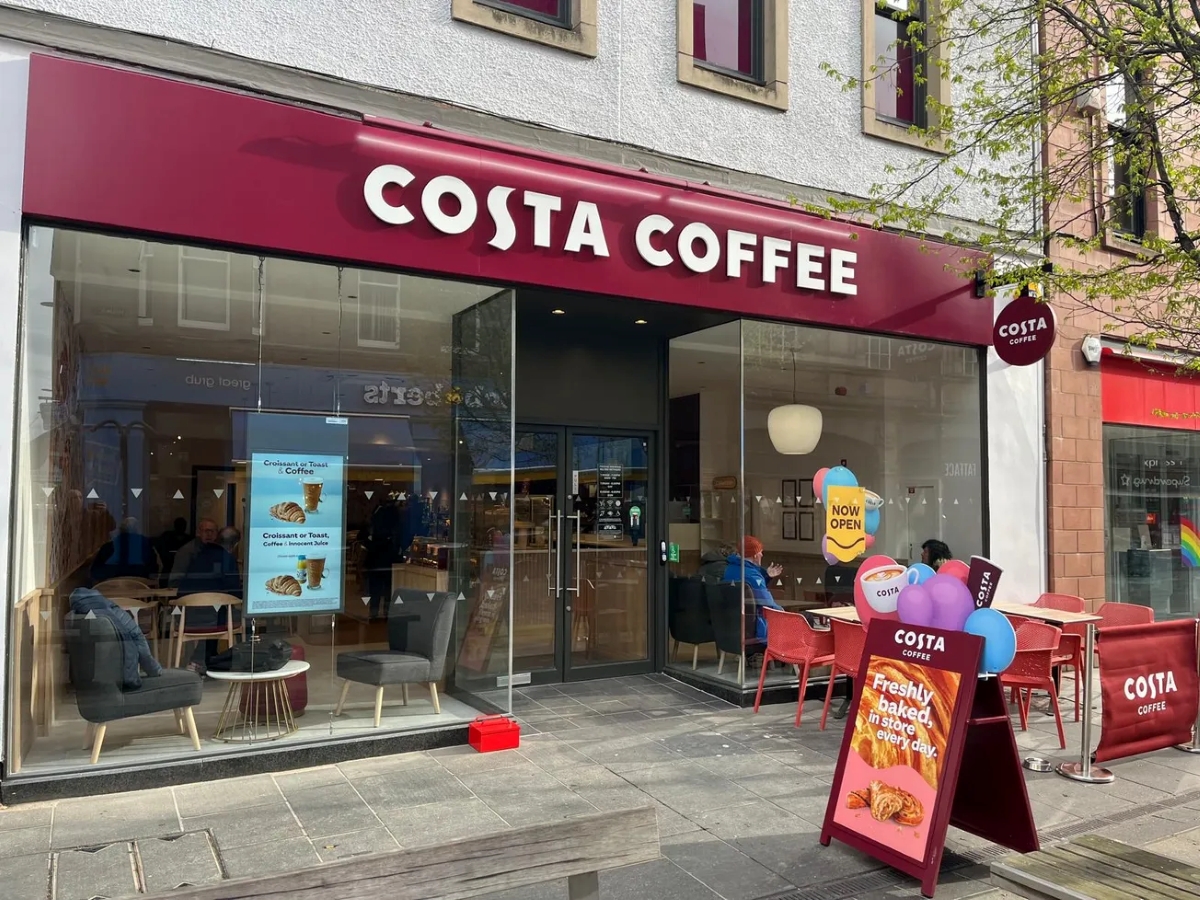
Coca-Cola has officially ended months of market speculation by announcing it will keep Costa Coffee as a wholly-owned subsidiary. Despite rumors of a potential divestment throughout 2025, the beverage giant has opted to maintain its hold on the international coffee chain.

The decision was confirmed by Coca-Cola CFO John Murphy during a recent interview with Bloomberg. While private equity interest—specifically from TDE Capital—was reported late last year, Murphy clarified that the company intends to keep Costa 100 per cent owned within its current portfolio. However, one area remains in flux as the company is still reviewing its operations in the Chinese market to determine the best path forward.

While financial filings from the UK Companies House showed an operating loss of approximately $18.42 million in 2024, the brand’s core remains resilient. Performance in the primary markets of the UK and Ireland is characterized as strong, and Costa continues to dominate as the UK’s largest coffee chain. On a global scale, the brand manages over 4,000 retail locations and a massive network of 14,000 “smart café” automated machines across more than 30 countries.

READ ALSO:

Costa Coffee on the Edge of Sale: Losses in the UK, Growth in Asia

Coca-Cola Weighs Future of Costa Coffee Amid Strategic Review

Coca-Cola Makes Last-Minute Effort to Revive Costa Coffee Sale Talks

London – Qahwa World

Coca-Cola is reportedly making a final attempt to keep negotiations alive over the potential sale of Costa Coffee, as discussions with its preferred buyer have slowed due to disagreements on valuation.

According to international media reports, talks between the US beverage group and London-based private equity firm TDR Capital have reached an impasse. TDR, the owner of UK supermarket chain Asda, was recently named the leading contender to acquire Costa Coffee. The proposed transaction would reportedly cover Costa’s UK and global operations, while excluding its approximately 300 stores in China.

Sources familiar with the matter indicate that Coca-Cola is seeking a valuation close to $2 billion for the 4,200-store coffee chain. This figure represents a significant reduction from the $4.9 billion the company paid when it acquired Costa Coffee in early 2019. A final decision on the future of the brand is expected before December 21, 2025.

In an effort to secure an agreement, Coca-Cola is said to be open to alternative deal structures, including the sale of a controlling stake rather than a complete exit.

The company began formally reviewing strategic options for Costa Coffee in August 2025. The move followed comments from outgoing Chief Executive James Quincey, who acknowledged to investors that the performance of the coffee business had fallen short of expectations and had not delivered the returns initially anticipated.

Several investment groups have previously expressed interest in Costa Coffee. These include US-based Bain Capital and China’s Centurium Capital, which owns Luckin Coffee. Other major private equity firms, including Apollo and KKR, are understood to have withdrawn from the process in recent months.

Henrique Braun Appointed CEO of The Coca-Cola Company

Dubai – Qahwa World

Henrique Braun, currently Chief Operating Officer, is set to become the new CEO of The Coca-Cola Company, succeeding James Quincey, effective 31 March 2026.

The leadership transition comes at a critical time for the US beverage giant as it grapples with the future of its Costa Coffee business, which it is reportedly considering selling at a deep discount.

Braun, who joined Coca-Cola in 1996, will take the helm following James Quincey’s successful tenure, which began in May 2017. Quincey, who is credited with adding more than 10 billion-dollar brands to the portfolio, will transition to the role of Executive Chairman. Quincey notably oversaw the landmark $4.9 billion acquisition of UK-based Costa Coffee in 2019, marking Coca-Cola’s entry into the global coffee and hot beverage markets.

However, the investment in the 4,200-store Costa business has not met expectations. In July 2025, Quincey acknowledged to investors that the investment “is not where we wanted it to be,” leading the company to explore a potential cut-price sale since August 2025.

Reports suggest that Coca-Cola is open to bids for Costa in the region of $2 billion—nearly a 60% markdown from the original purchase price. Named parties reportedly interested in the acquisition include US private equity firm Bain Capital (which backs Gail’s), TDR Capital (owner of Asda), and Centurium Capital (majority stakeholder of Luckin Coffee).

Braun’s career at Coca-Cola has included senior roles in supply chain, business development, and marketing. His previous presidential roles include Greater China & South Korea (2013-2016), the Brazilian business unit (2016-2020), and the Latin America region (2020-2022), before serving as President for International Development and then Chief Operating Officer in January 2025.

Coca-Cola stated that Braun’s immediate priorities will include exploring new global growth opportunities and leveraging technology to enhance business performance. The Atlanta-based company, which owns brands like Sprite, Fanta, Powerade, Minute Maid, and innocent, posted $47.1 billion in revenues in 2024 and operates in over 200 countries.

Luckin Coffee’s Major Investor Weighs Acquisition of Costa Coffee

Beijing — Qahwa World

The majority stakeholder of Luckin Coffee, Centurium Capital, is reportedly considering a bid to acquire Costa Coffee from The Coca-Cola Company, in what could become one of the most significant international coffee transactions in recent years.

According to sources familiar with the matter, the Beijing-based private equity firm is evaluating whether to proceed with an offer for the British coffee chain. The discussions come as Coca-Cola continues to review its investment in Costa Coffee, which it purchased from Whitbread in 2019 for $4.9 billion.

Coca-Cola Reassesses Its Coffee Strategy

Coca-Cola began exploring potential buyers for Costa in August 2025, signaling a possible retreat from its café business. Speaking to investors, CEO James Quincey admitted that Costa’s financial performance “is not where we wanted it to be,” adding that the company was “reflecting on the right way forward” for the brand.

Reports indicate that Coca-Cola has received fewer bids than anticipated, with Costa’s current valuation estimated at less than $2 billion less than half of what the beverage giant originally paid.

Centurium Capital’s Expanding Coffee Footprint

Centurium Capital has been a major force behind Luckin Coffee’s resurgence. The Chinese private equity firm first invested in Luckin during its early funding rounds and became instrumental in stabilizing the company following its 2020 accounting scandal. In 2021, Centurium led a $260 million private placement that helped Luckin restructure debt and resolve issues with the U.S. Securities and Exchange Commission (SEC).

By January 2022, Centurium had become Luckin’s controlling shareholder, holding over 50% of the company’s voting rights. Under its direction, Luckin has grown rapidly, operating more than 26,000 stores across China, surpassing Starbucks in store count and establishing itself as the country’s leading coffee brand.

Industry analysts suggest that acquiring Costa could give Centurium a strong international platform, combining Luckin’s digital strength and value-based strategy in Asia with Costa’s established brand presence in Europe and the Middle East.

Costa Coffee’s Global Operations

Founded in London in 1971, Costa Coffee today operates around 4,100 coffee shops across 38 countries and manages nearly 17,000 self-service machines under the Costa Express brand. The company has also expanded into the ready-to-drink (RTD) sector, with products distributed through supermarkets and vending platforms worldwide.

However, under Coca-Cola’s ownership, Costa has struggled to achieve consistent profitability and adapt to evolving market dynamics. Analysts say that its integration within a soft-drink-focused corporation limited the brand’s agility in competing with fast-growing specialty coffee chains.

Other Interested Bidders

Besides Centurium Capital, Bain Capital, investor in Gail’s Bakery and Pizza Express, and TDR Capital, owner of Asda supermarkets, have also shown interest in acquiring Costa, according to Bloomberg.

If Centurium proceeds, the deal would mark a rare case of a Chinese investment group acquiring a major Western coffee brand, highlighting China’s growing influence in the global coffee market and reinforcing the country’s ambition to shape the next chapter of the café industry.

Coca-Cola Reassesses Its $5 Billion Coffee Investment

Dubai – Qahwa World

Coca-Cola is reconsidering its coffee strategy after its $5.1 billion acquisition of Costa Coffee failed to deliver the expected results.

CEO James Quincey admitted during the company’s recent earnings call that the “investment hypothesis didn’t work out as we expected.” The beverage giant had hoped Costa would drive significant growth beyond its traditional retail outlets, but that expansion has not materialized.

Despite the setback, Quincey emphasized that coffee remains a “super attractive category,” noting that Coca-Cola continues to invest in Costa’s UK operations and in expanding automated coffee machines under the Costa brand. However, he acknowledged that the business “hasn’t yet created the multiplier effect we were looking for.”

Coca-Cola is currently “reflecting” on how to position its coffee business moving forward. Reports from Reuters in August indicated that the company may be exploring a potential sale of Costa Coffee, though Quincey did not comment on that possibility.

Coca-Cola’s stock rose about 4% on Tuesday following its announcement that net sales increased by 5% to $12.46 billion in the third quarter.

The company’s coffee ventures also include experiments with Coca-Cola Coffee, a beverage blending the brand’s classic soda with coffee extract.

Bain Capital Submits Bid to Acquire Costa Coffee from Coca-Cola

Dubai – Qahwa World

US private equity firm Bain Capital has made an initial bid to acquire Costa Coffee from beverage giant The Coca-Cola Company, according to sources familiar with the matter.

The bid was submitted through Bain Capital’s Special Situations unit, which has invested more than $17bn since its launch in 2018 and currently manages over $21.6bn in assets. The investment group already counts boutique bakery-café chain Gail’s and restaurant brand PizzaExpress among its portfolio.

The development follows less than two weeks after Apollo Global Management, once considered the frontrunner, withdrew its interest in the UK-based coffee chain. Reports indicate that Coca-Cola has received fewer offers than expected for Costa, which operates more than 4,100 outlets worldwide. London-based TDR Capital, which has stakes in UK supermarket Asda and QSR brand Popeyes, also submitted a preliminary bid last month.

Coca-Cola has been exploring a sale of Costa since August 2025, nearly seven years after acquiring the company from Whitbread in January 2019 for $4.9bn. Speaking after Coca-Cola’s second-quarter earnings release earlier this year, CEO James Quincey admitted that the group’s investment in Costa Coffee “is not where we wanted it to be.”

A sale would likely see Coca-Cola incur losses of several billion dollars compared to its original purchase price. However, the company is expected to retain ownership of Costa’s ready-to-drink (RTD) beverage portfolio.

Founded in 1971, Costa Coffee is the UK’s largest coffee chain, with its home market accounting for around two-thirds of its global footprint. The brand reported 9% year-on-year sales growth in the 12 months ending 31 December 2023, reaching £1.2bn ($1.6bn), with the UK contributing 96% of total sales.

The Coffee Race: From Corporate Giants to Startups… Who Will Shape the Future?

Dubai – Ali Alzakry

The sale of Geisha coffee from the famed “Hacienda La Esmeralda” at the “Best of Panama 2025” auction was no ordinary event. A historic record was set when the washed Geisha fetched an unprecedented $30,204 per kilogram. Yet the bigger surprise was not the price itself, but the buyer: a Dubai-based startup, just one week old at the time, that stunned the industry by purchasing the entire 20-kilogram lot for a staggering $604,000. A dramatic scene that shook the markets and ignited debates among experts, investors, and coffee leaders worldwide.

And the shocks did not stop there. The sector was soon rattled by a string of announcements: “Coca-Cola” revealed it is considering the sale of “Costa Coffee”; “Burgerizzr” announced its acquisition of 60% of the café chain “Shuffle”; and a historic milestone was recorded with “Keurig Dr Pepper” acquiring “JDE Peet’s” for €15.7 billion. A whirlwind of events that disrupted the landscape and raised big questions about the future of coffee in Dubai and across the globe.

These developments prompted us at Qahwa World to open this file seriously, guided by the voices of seasoned leaders and pioneers in the coffee sector — people who combine boldness with credibility, and who know the market intimately. With them, we explored critical questions:

  • Are these events just a passing wave of headlines, or the signs of a long-term transformation?

  • How will Dubai and the region be impacted?

  • And what do these deals mean for producers, independent roasters, and young entrepreneurs?

Diverging Views: From Showmanship to the Core of Coffee

When we asked coffee experts about these developments, their views revealed striking contrasts — an intellectual confrontation that highlights the complexity of the challenges ahead.

“Kim Thompson” sees the sale of “Costa Coffee” as simply corporate repositioning that does not affect the fundamentals of specialty coffee, emphasizing that true value lies in farmer relationships. “Matt Toogood,” however, warns that extravagant moves — such as buying an entire lot of Geisha at a record price — risk harming the industry more than helping it. In contrast, “Katerina Borodich” argues that coffee has now become a strategic sector in its own right, while “Federico Ortile” views these changes as a signal of the industry’s shift toward innovation and partnerships. “Robert Jones,” meanwhile, believes we are at the dawn of a new era in coffee, with the global map being redrawn.

Kim Thompson: “Big Deals Don’t Change the Core of Specialty Coffee”

“Kim Thompson,” co-founder of “RAW Coffee Company,” describes Coca-Cola’s potential sale of “Costa Coffee” as interesting but unsurprising. She stresses that such moves do not alter the essence of what companies like RAW Coffee do: sourcing directly from trusted producers, ensuring fair trade, and serving customers who value quality and transparency.

According to Thompson, multinational repositioning reflects shareholder priorities, but the real work happens at origin and in independent roasteries. Corporate headlines may ripple across markets, but they do not affect the heart of the sector: ensuring farmers are fairly paid and consumers are served authentic coffee.

She notes that the industry’s deeper transformation lies in changing consumer tastes, rising interest in specialty coffee, and recognition of coffee as both culture and commodity.

On Panama, she believes that a Dubai startup purchasing the entire Geisha lot was headline-grabbing but not a true measure of sustainability or impact. For her, the real benchmark lies in how investments support farmers, knowledge-sharing, and meaningful consumer experiences.

Thompson warns that the sector must not be distracted by dramatic headlines and forget the daily challenges faced by producers — rising costs, volatile markets, and climate change. The future of coffee, she insists, will not be determined by billion-dollar deals but by empowering producers and supporting sustainable farming.

Matt Toogood: “Showmanship Harms Coffee More Than It Helps”

Matt Toogood,” CEO“RAW Coffee Company,

“Matt Toogood,” CEO “RAW Coffee Company,” describes Dubai as a unique laboratory for specialty coffee, where consumer tastes shifted over 15 years from bitter, traditional espresso to balanced, flavorful profiles. He emphasizes that this shift was driven not by big chains but by independent cafés that dared to serve coffee that was sweet, balanced, and not bitter.

He recalls that initial reactions ranged from confusion to excitement, but eventually consumers embraced the change.

In contrast, large chains, he says, adopted the language of quality without improving their products — masking poor coffee with milk and sugar. The true transformation, Toogood argues, was led by independent operators who adapted to consumer behavior.

Regarding Panama, he calls the record-breaking Geisha purchase “a theatrical stunt” with no commercial logic. He warns that such actions mislead farmers into thinking value lies in inflated prices, when in fact auctions are often choreographed months in advance for marketing purposes.

Katerina Borodich: “Coffee Is No Longer a Side Product… It’s a Strategic Sector”

Katerina Borodich,” CEO of “Drinkit UAE

“Katerina Borodich,” CEO of “Drinkit UAE,” sees “Burgerizzr’s” 60% acquisition of “Shuffle” as proof of a clear trend: coffee is no longer a complementary product in food and beverage — it is a strategic industry on its own.

She notes that regional demand is driven by fast-paced lifestyles and strong hospitality culture, with consumers seeking convenience, flavor, personalization, and speed. Drinkit’s tech-enabled platform, she says, delivers exactly that.

Borodich emphasizes that Dubai is more than a consumer market — it is a gateway and a global platform. The city rewards speed and innovation, and what succeeds there can succeed anywhere.

She acknowledges that competition will intensify, but insists this also creates more opportunities for startups. Success, she argues, comes not from “serving coffee” alone but from understanding consumers and delivering complete experiences.

For her, these deals reflect investor confidence in coffee’s future in the region, grounded in stable demand and strong government support.

Federico Ortile: “Dubai Is Not a Market… It’s a Global Laboratory”

Federico Ortile,” Managing Director of the “Simonelli Group Middle East

“Federico Ortile,” Managing Director of the “Simonelli Group Middle East,” sees Coca-Cola’s potential exit from “Costa Coffee” as part of a larger corporate trend — moving from owning retail brands to focusing on innovation and partnerships.

He views Burgerizzr’s investment in “Shuffle” as a landmark move, bringing regional capital into a space long dominated by international players. This, he argues, strengthens the region’s food and beverage ecosystem.

On “Keurig Dr Pepper’s” €15.7 billion acquisition of “JDE Peet’s,” Ortile calls it transformative, consolidating two global powerhouses. He notes that it will intensify competition but also open access to greater resources and platforms.

As for Dubai, Ortile describes it not as a mere consumer market but as a global laboratory — where international trends meet regional innovation. He believes its role as a hub for luxury coffee will only grow as local capital merges with global technology.

Robert Jones: “We Are on the Cusp of a New Era in Coffee”

Robert Jones,” Managing Director of “Coffee Planet

“Robert Jones,” Managing Director of Family First Cafe | GEMS Global,” interprets Coca-Cola’s reconsideration of “Costa Coffee” as a clear sign that even the biggest players are reassessing their bets in a changing market. Consumers, he says, no longer seek scale alone but quality and experience — and legacy brands risk irrelevance if they fail to evolve.

He views Burgerizzr’s acquisition of “Shuffle” as an investor move to control consumer dwell time and data — proof that coffee is now a lifestyle and emotional connection rather than just a beverage.

On the “Keurig Dr Pepper” deal for “JDE Peet’s,” Jones calls it a reshaping of the global value chain, with ripple effects on sourcing, pricing, and pressure on smaller brands to stand out through authenticity.

For him, Dubai is no longer peripheral but a central player in specialty coffee worldwide. The record Geisha purchase, he argues, was a strategic message that placed Dubai at the center of the global coffee stage.

“We are not witnessing a passing wave,” Jones concludes. “This is a complete redrawing of the coffee map. It is a new era for coffee — but success will go to those who build with vision and purpose, not those chasing spectacle.”

Conclusion

From Panama to Dubai, from auction halls to billion-euro deals, coffee has broken free of its role as a daily beverage or traditional trade. It has become a global investment arena — where corporate giants collide with ambitious startups, and visions clash between spectacle and substance, between quick profit and long-term sustainability.

This investigation revealed that there is no single answer to the question: What is happening in the coffee market?

  • “Kim Thompson” believes the core of specialty coffee remains unchanged.

  • “Matt Toogood” warns that theatrical excess could damage the industry.

  • “Katerina Borodich” stresses the future belongs to agile, innovative startups.

  • “Federico Ortile” sees Dubai as a global laboratory where capital meets innovation.

  • And “Robert Jones” insists the world is entering a new era where the coffee map itself is being redrawn.

One thing is certain: coffee is no longer in the shadows. It has taken center stage in the global economic and cultural landscape — and today’s developments will shape its future for decades to come.
Coca-Cola Weighs Future of Costa Coffee Amid Strategic Review

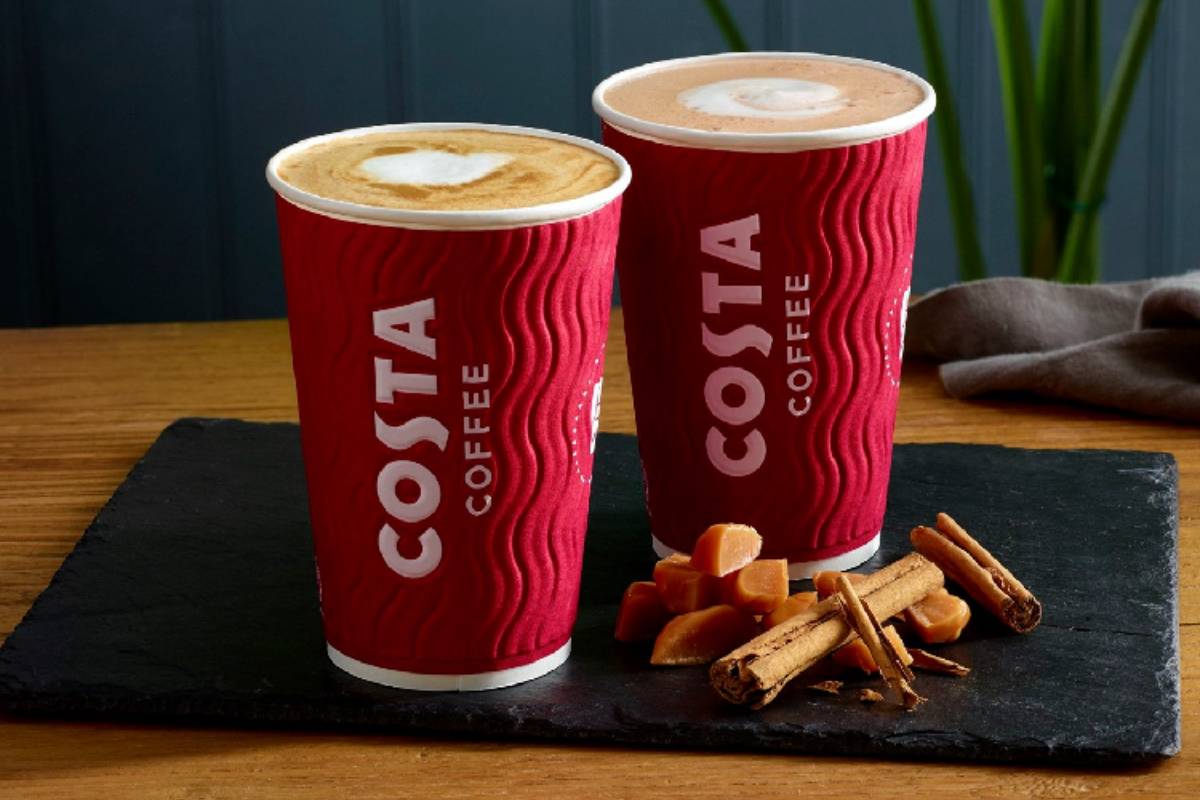
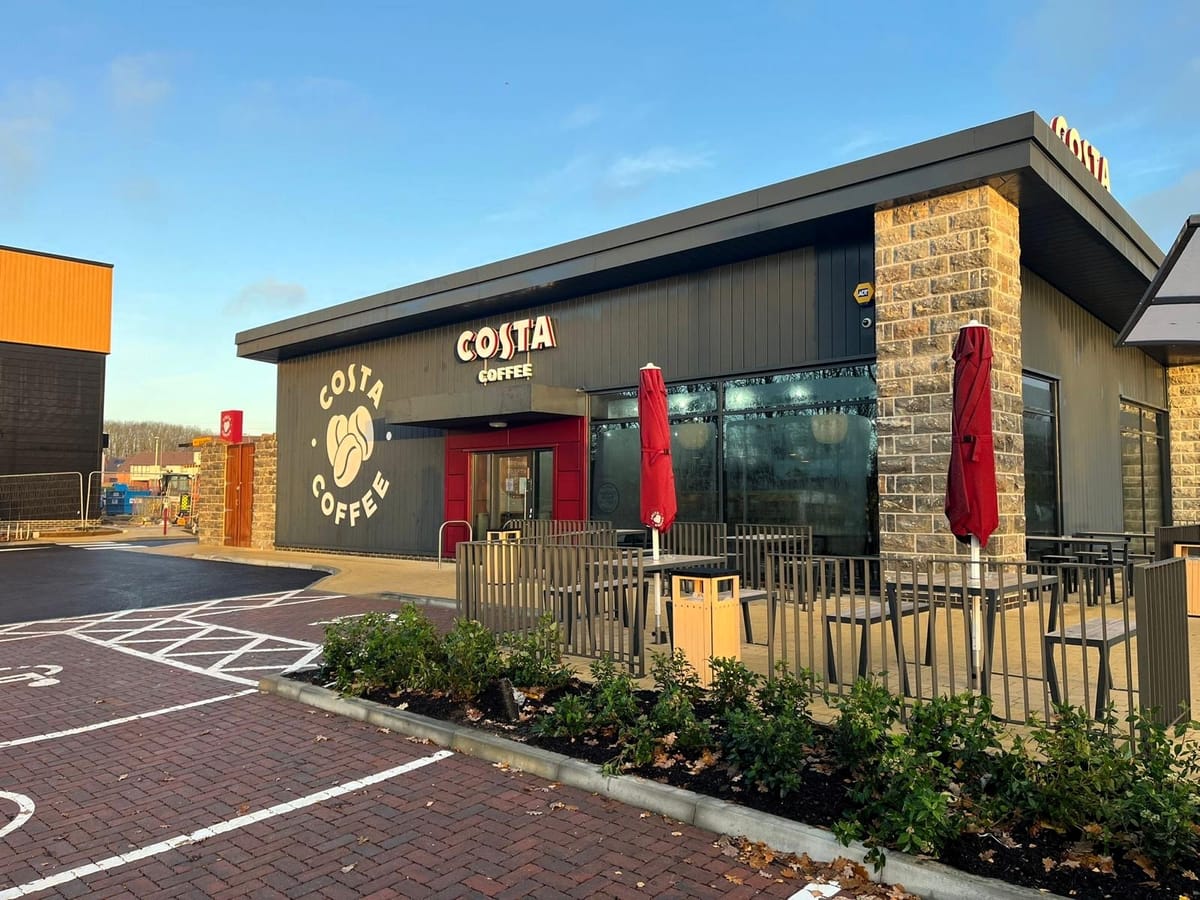
Dubai, 24 August 2025 (Qahwa World) – The Coca-Cola Company is considering a possible sale of Costa Coffee, the British café chain it acquired in 2018, in what could become one of the most significant moves in the global coffee sector this year. According to reports confirmed by individuals familiar with the discussions, the U.S. beverage giant has hired investment bank Lazard to explore strategic options for Costa, ranging from a complete divestment to other restructuring paths. Early conversations have reportedly taken place with a limited number of potential bidders, including private equity firms, with indicative offers expected later this autumn.

The development marks a dramatic turn for Coca-Cola, which purchased Costa Coffee for more than $5 billion only seven years ago. At the time, the acquisition was presented as a bold entry into the booming global coffee market, positioning Coca-Cola to compete directly with established players such as Starbucks and Nestlé. With over 4,000 stores worldwide, including more than 2,700 outlets in the United Kingdom and Ireland, Costa provided the Atlanta-based company with an immediate international footprint in coffee retail, a sector where it had previously lacked presence.

Yet the performance of Costa under Coca-Cola’s ownership has fallen short of expectations. While revenues have grown modestly, the chain has struggled with profitability in the face of rising costs, increased competition, and shifting consumer behavior. In 2023, Costa’s revenues climbed by 9 percent to nearly £1.22 billion, but the company recorded a pre-tax loss of £9.6 million. The figure represented a sharp contrast with the £245.9 million profit reported just one year earlier, underscoring the financial pressure weighing on the brand.

Several factors appear to have contributed to Costa’s difficulties. Inflation has raised the cost of raw coffee beans and other inputs, while the high-street café market in the United Kingdom has grown more crowded with independent operators and international rivals. Additionally, some smaller branches in towns such as Andover and Lyme Regis have recently closed, fueling concerns that the chain has been unable to maintain momentum outside its core metropolitan strongholds.

The possibility of a sale, first reported by Sky News and later confirmed by other outlets, has already sparked debate over how much Costa is worth in the current environment. Industry analysts have suggested that the chain could fetch as little as £2 billion—less than half of what Coca-Cola paid in 2018. Such a valuation would reflect the challenges the brand faces as well as the cautious outlook of investors weighing long-term demand trends.

Coca-Cola executives have acknowledged the need to reassess the company’s position in the coffee category. In an earnings call last month, Chief Executive James Quincey stated that Costa had not delivered on the original investment hypothesis, noting that the company was now reflecting on lessons learned and exploring new avenues for growth in coffee. At the same time, he emphasized that Costa continues to operate successfully day to day, suggesting that any decision would be carefully measured rather than abrupt.

The discussions around Costa also fit into a broader wave of corporate restructuring across the global food and beverage industry. With inflation altering cost structures and consumers increasingly prioritizing health, sustainability, and transparency, large companies are rethinking their portfolios to adapt. Coca-Cola has already made moves in this direction, most recently announcing a shift to real cane sugar in its U.S. beverages as part of a campaign to respond to rising health awareness.

Should a sale move forward, it would reshape the global coffee landscape. Costa, with operations spanning more than 50 countries, represents one of the few brands capable of challenging Starbucks on a multi-regional scale. A new owner could seek to revitalize the brand with fresh investment and focus, while Coca-Cola would gain flexibility to redirect resources toward other categories. On the other hand, if bids fall short of expectations, the company may choose to retain Costa and pursue an internal restructuring to restore profitability.

For now, the process remains in early stages, and no definitive outcome has been decided. What is clear, however, is that Coca-Cola’s venture into the café business—once considered a cornerstone of its diversification strategy—is under critical review. Whether Costa changes hands or undergoes a major transformation within the Coca-Cola system, the decision will send ripples through both the corporate boardrooms and coffee shops that make up an increasingly competitive global market.