Coca-Cola Confirms Continued Ownership of Costa Coffee

DUBAI – QAHWA WORLD

Coca-Cola has officially ended months of market speculation by announcing it will keep Costa Coffee as a wholly-owned subsidiary. Despite rumors of a potential divestment throughout 2025, the beverage giant has opted to maintain its hold on the international coffee chain.

The decision was confirmed by Coca-Cola CFO John Murphy during a recent interview with Bloomberg. While private equity interest—specifically from TDE Capital—was reported late last year, Murphy clarified that the company intends to keep Costa 100 per cent owned within its current portfolio. However, one area remains in flux as the company is still reviewing its operations in the Chinese market to determine the best path forward.

While financial filings from the UK Companies House showed an operating loss of approximately $18.42 million in 2024, the brand’s core remains resilient. Performance in the primary markets of the UK and Ireland is characterized as strong, and Costa continues to dominate as the UK’s largest coffee chain. On a global scale, the brand manages over 4,000 retail locations and a massive network of 14,000 “smart café” automated machines across more than 30 countries.

READ ALSO:

Costa Coffee on the Edge of Sale: Losses in the UK, Growth in Asia

Coca-Cola Weighs Future of Costa Coffee Amid Strategic Review

Coca-Cola Makes Last-Minute Effort to Revive Costa Coffee Sale Talks

London – Qahwa World

Coca-Cola is reportedly making a final attempt to keep negotiations alive over the potential sale of Costa Coffee, as discussions with its preferred buyer have slowed due to disagreements on valuation.

According to international media reports, talks between the US beverage group and London-based private equity firm TDR Capital have reached an impasse. TDR, the owner of UK supermarket chain Asda, was recently named the leading contender to acquire Costa Coffee. The proposed transaction would reportedly cover Costa’s UK and global operations, while excluding its approximately 300 stores in China.

Sources familiar with the matter indicate that Coca-Cola is seeking a valuation close to $2 billion for the 4,200-store coffee chain. This figure represents a significant reduction from the $4.9 billion the company paid when it acquired Costa Coffee in early 2019. A final decision on the future of the brand is expected before December 21, 2025.

In an effort to secure an agreement, Coca-Cola is said to be open to alternative deal structures, including the sale of a controlling stake rather than a complete exit.

The company began formally reviewing strategic options for Costa Coffee in August 2025. The move followed comments from outgoing Chief Executive James Quincey, who acknowledged to investors that the performance of the coffee business had fallen short of expectations and had not delivered the returns initially anticipated.

Several investment groups have previously expressed interest in Costa Coffee. These include US-based Bain Capital and China’s Centurium Capital, which owns Luckin Coffee. Other major private equity firms, including Apollo and KKR, are understood to have withdrawn from the process in recent months.

Henrique Braun Appointed CEO of The Coca-Cola Company

Dubai – Qahwa World

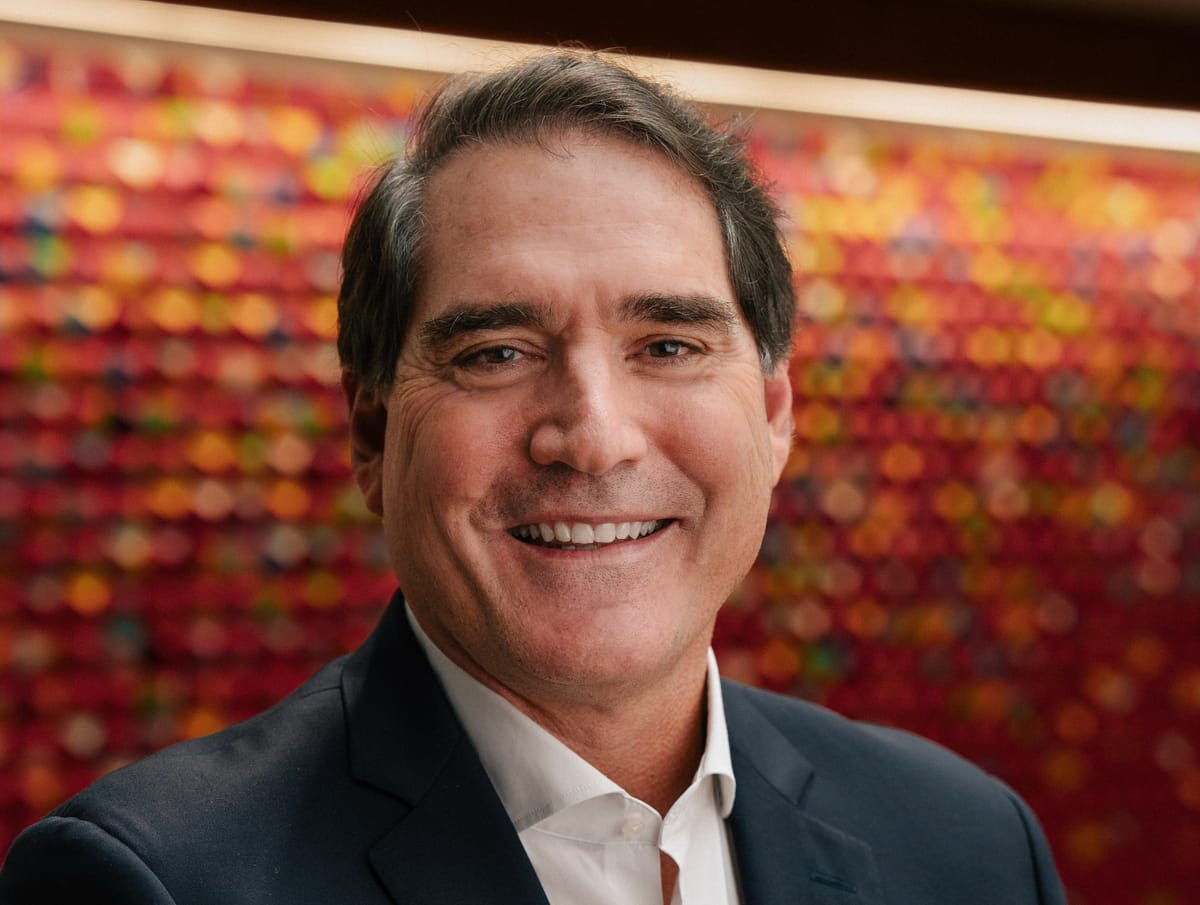
Henrique Braun, currently Chief Operating Officer, is set to become the new CEO of The Coca-Cola Company, succeeding James Quincey, effective 31 March 2026.

The leadership transition comes at a critical time for the US beverage giant as it grapples with the future of its Costa Coffee business, which it is reportedly considering selling at a deep discount.

Braun, who joined Coca-Cola in 1996, will take the helm following James Quincey’s successful tenure, which began in May 2017. Quincey, who is credited with adding more than 10 billion-dollar brands to the portfolio, will transition to the role of Executive Chairman. Quincey notably oversaw the landmark $4.9 billion acquisition of UK-based Costa Coffee in 2019, marking Coca-Cola’s entry into the global coffee and hot beverage markets.

However, the investment in the 4,200-store Costa business has not met expectations. In July 2025, Quincey acknowledged to investors that the investment “is not where we wanted it to be,” leading the company to explore a potential cut-price sale since August 2025.

Reports suggest that Coca-Cola is open to bids for Costa in the region of $2 billion—nearly a 60% markdown from the original purchase price. Named parties reportedly interested in the acquisition include US private equity firm Bain Capital (which backs Gail’s), TDR Capital (owner of Asda), and Centurium Capital (majority stakeholder of Luckin Coffee).

Braun’s career at Coca-Cola has included senior roles in supply chain, business development, and marketing. His previous presidential roles include Greater China & South Korea (2013-2016), the Brazilian business unit (2016-2020), and the Latin America region (2020-2022), before serving as President for International Development and then Chief Operating Officer in January 2025.

Coca-Cola stated that Braun’s immediate priorities will include exploring new global growth opportunities and leveraging technology to enhance business performance. The Atlanta-based company, which owns brands like Sprite, Fanta, Powerade, Minute Maid, and innocent, posted $47.1 billion in revenues in 2024 and operates in over 200 countries.

Luckin Coffee’s Major Investor Weighs Acquisition of Costa Coffee

Beijing — Qahwa World

The majority stakeholder of Luckin Coffee, Centurium Capital, is reportedly considering a bid to acquire Costa Coffee from The Coca-Cola Company, in what could become one of the most significant international coffee transactions in recent years.

According to sources familiar with the matter, the Beijing-based private equity firm is evaluating whether to proceed with an offer for the British coffee chain. The discussions come as Coca-Cola continues to review its investment in Costa Coffee, which it purchased from Whitbread in 2019 for $4.9 billion.

Coca-Cola Reassesses Its Coffee Strategy

Coca-Cola began exploring potential buyers for Costa in August 2025, signaling a possible retreat from its café business. Speaking to investors, CEO James Quincey admitted that Costa’s financial performance “is not where we wanted it to be,” adding that the company was “reflecting on the right way forward” for the brand.

Reports indicate that Coca-Cola has received fewer bids than anticipated, with Costa’s current valuation estimated at less than $2 billion less than half of what the beverage giant originally paid.

Centurium Capital’s Expanding Coffee Footprint

Centurium Capital has been a major force behind Luckin Coffee’s resurgence. The Chinese private equity firm first invested in Luckin during its early funding rounds and became instrumental in stabilizing the company following its 2020 accounting scandal. In 2021, Centurium led a $260 million private placement that helped Luckin restructure debt and resolve issues with the U.S. Securities and Exchange Commission (SEC).

By January 2022, Centurium had become Luckin’s controlling shareholder, holding over 50% of the company’s voting rights. Under its direction, Luckin has grown rapidly, operating more than 26,000 stores across China, surpassing Starbucks in store count and establishing itself as the country’s leading coffee brand.

Industry analysts suggest that acquiring Costa could give Centurium a strong international platform, combining Luckin’s digital strength and value-based strategy in Asia with Costa’s established brand presence in Europe and the Middle East.

Costa Coffee’s Global Operations

Founded in London in 1971, Costa Coffee today operates around 4,100 coffee shops across 38 countries and manages nearly 17,000 self-service machines under the Costa Express brand. The company has also expanded into the ready-to-drink (RTD) sector, with products distributed through supermarkets and vending platforms worldwide.

However, under Coca-Cola’s ownership, Costa has struggled to achieve consistent profitability and adapt to evolving market dynamics. Analysts say that its integration within a soft-drink-focused corporation limited the brand’s agility in competing with fast-growing specialty coffee chains.

Other Interested Bidders

Besides Centurium Capital, Bain Capital, investor in Gail’s Bakery and Pizza Express, and TDR Capital, owner of Asda supermarkets, have also shown interest in acquiring Costa, according to Bloomberg.

If Centurium proceeds, the deal would mark a rare case of a Chinese investment group acquiring a major Western coffee brand, highlighting China’s growing influence in the global coffee market and reinforcing the country’s ambition to shape the next chapter of the café industry.

Starbucks Renews Its Trademark in Russia as Coca-Cola Follows Suit

Moscow — November 5, 2025.

Starbucks has officially renewed its trademark rights in Russia, despite having fully exited the Russian market in 2022.

According to RIA Novosti, the Russian Federal Service for Intellectual Property (Rospatent) registered the company’s iconic siren logo under Class 21 of the International Classification of Goods and Services, which covers coffee makers, tableware, coffee filters, and related accessories. The registration grants Starbucks exclusive rights for 9.5 years — until May 2034 — allowing the company to legally provide coffee services, sell beverages, and manage loyalty programs.

At the same time, Coca-Cola renewed its trademarks for “Coca-Cola” and “Sprite” under Class 32 (non-alcoholic beverages). The application, initially filed on April 23, 2025, ensures protection of the brands in Russia until 2035.

Experts note that these actions do not necessarily indicate a return to the Russian market. Rospatent head Yuri Zubov stated that such registrations are aimed at “maintaining reputation, brand resilience, and ensuring legal protection.” Legal expert Yuri Fedyukin added that companies are securing their rights to prevent unauthorized use of their trademarks within Russia.

Following the 2022 events in Ukraine, both Starbucks and Coca-Cola, along with many other Western corporations, suspended their operations in Russia. Coca-Cola’s production facilities were repurposed to manufacture drinks under the “Dobry” brand, while Starbucks cafés were rebranded and reopened as Stars Coffee, managed by Russian entrepreneurs Timati and Anton Pinsky.

Coca-Cola Reassesses Its $5 Billion Coffee Investment

Dubai – Qahwa World

Coca-Cola is reconsidering its coffee strategy after its $5.1 billion acquisition of Costa Coffee failed to deliver the expected results.

CEO James Quincey admitted during the company’s recent earnings call that the “investment hypothesis didn’t work out as we expected.” The beverage giant had hoped Costa would drive significant growth beyond its traditional retail outlets, but that expansion has not materialized.

Despite the setback, Quincey emphasized that coffee remains a “super attractive category,” noting that Coca-Cola continues to invest in Costa’s UK operations and in expanding automated coffee machines under the Costa brand. However, he acknowledged that the business “hasn’t yet created the multiplier effect we were looking for.”

Coca-Cola is currently “reflecting” on how to position its coffee business moving forward. Reports from Reuters in August indicated that the company may be exploring a potential sale of Costa Coffee, though Quincey did not comment on that possibility.

Coca-Cola’s stock rose about 4% on Tuesday following its announcement that net sales increased by 5% to $12.46 billion in the third quarter.

The company’s coffee ventures also include experiments with Coca-Cola Coffee, a beverage blending the brand’s classic soda with coffee extract.

Bain Capital Submits Bid to Acquire Costa Coffee from Coca-Cola

Dubai – Qahwa World

US private equity firm Bain Capital has made an initial bid to acquire Costa Coffee from beverage giant The Coca-Cola Company, according to sources familiar with the matter.

The bid was submitted through Bain Capital’s Special Situations unit, which has invested more than $17bn since its launch in 2018 and currently manages over $21.6bn in assets. The investment group already counts boutique bakery-café chain Gail’s and restaurant brand PizzaExpress among its portfolio.

The development follows less than two weeks after Apollo Global Management, once considered the frontrunner, withdrew its interest in the UK-based coffee chain. Reports indicate that Coca-Cola has received fewer offers than expected for Costa, which operates more than 4,100 outlets worldwide. London-based TDR Capital, which has stakes in UK supermarket Asda and QSR brand Popeyes, also submitted a preliminary bid last month.

Coca-Cola has been exploring a sale of Costa since August 2025, nearly seven years after acquiring the company from Whitbread in January 2019 for $4.9bn. Speaking after Coca-Cola’s second-quarter earnings release earlier this year, CEO James Quincey admitted that the group’s investment in Costa Coffee “is not where we wanted it to be.”

A sale would likely see Coca-Cola incur losses of several billion dollars compared to its original purchase price. However, the company is expected to retain ownership of Costa’s ready-to-drink (RTD) beverage portfolio.

Founded in 1971, Costa Coffee is the UK’s largest coffee chain, with its home market accounting for around two-thirds of its global footprint. The brand reported 9% year-on-year sales growth in the 12 months ending 31 December 2023, reaching £1.2bn ($1.6bn), with the UK contributing 96% of total sales.

Tim Cofer’s Strategy: Why Keurig Dr Pepper Is Building a Coffee Giant

New York – August 27, 2025 (Qahwa World) – When Keurig Dr Pepper (KDP) unveiled its $18.4 billion acquisition of JDE Peet’s, the headline alone turned heads. But the deeper story lies in the reasoning of CEO Tim Cofer, who is reshaping the company by building a coffee powerhouse—only to spin it off as an independent entity while KDP doubles down on its soda and refreshment empire.

The move marks a sharp departure from the vision set in 2018, when Keurig Green Mountain merged with Dr Pepper Snapple in a $19 billion deal. The idea was bold: unite hot and cold beverages under one roof, controlling every category of nonalcoholic drinks on consumers’ shopping lists. That concept thrived during the COVID-19 lockdown, when KDP used AI insights from home brewers to anticipate surging demand for K-Cups, while also stockpiling Dr Pepper and Canada Dry. Sales boomed as consumers hoarded both coffee pods and sodas.

Yet the promise of synergy has faded. In Q2 2025, KDP’s soft drink revenues surged 10.7% compared with the previous year, but U.S. coffee sales fell 1.9% and international hot beverages dropped 3.8%. Rising coffee bean prices forced K-Cup price hikes, pushing consumers toward cheaper ground and instant coffee. Instead of a perfect fit, coffee became a drag on the business, and management faced the distraction of running two very different operations.

Cofer’s solution: scale and separation. By acquiring JDE Peet’s—home to brands like Jacobs, L’Or, and Peet’s Coffee retail stores—KDP will merge it with Keurig to create a transatlantic coffee giant generating nearly $16 billion in annual revenues split evenly between Europe and North America. Then KDP will spin off the coffee business to shareholders, giving it independence and sharper focus. The remaining KDP will center entirely on refreshment, managing more than 150 brands from Dr Pepper and 7Up to Snapple and Schweppes.

For Cofer, the decision is not about retreat but about unlocking potential. Coffee, he points out, is a $400 billion global market—one of the few products most people consider indispensable. But paired with sodas, it lacked the attention and resources it deserved. As a standalone company, it can pursue growth on its own terms. Meanwhile, KDP’s soda business can concentrate on taking market share from Coke and Pepsi, especially in restaurants, energy drinks, sports hydration, and trendy innovations like “dirty sodas,” which KDP introduced after spotting a viral TikTok craze.

The move reflects Cofer’s pedigree as a dealmaker. At Kraft and Mondelez, he mastered the art of integrating and separating global businesses, from the Kraft-Cadbury merger to snack acquisitions in Asia. At KDP, he has applied the same instincts, betting on bold moves like acquiring Ghost Energy and diversifying into premium categories. Now he is wagering that specialization, not diversification, will deliver long-term growth.

Investors are skeptical. KDP’s stock fell 11% on the day of the announcement, erasing billions in market value. But analysts note that coffee and sodas are fundamentally different businesses, with little overlap in distribution or strategy. Splitting them could, in fact, make both stronger.

If Cofer’s gamble pays off, KDP’s breakup will not just be remembered as a costly deal but as one of the defining strategic pivots in today’s beverage industry—creating two giants instead of one distracted hybrid.

Coca-Cola Weighs Future of Costa Coffee Amid Strategic Review

Dubai, 24 August 2025 (Qahwa World) – The Coca-Cola Company is considering a possible sale of Costa Coffee, the British café chain it acquired in 2018, in what could become one of the most significant moves in the global coffee sector this year. According to reports confirmed by individuals familiar with the discussions, the U.S. beverage giant has hired investment bank Lazard to explore strategic options for Costa, ranging from a complete divestment to other restructuring paths. Early conversations have reportedly taken place with a limited number of potential bidders, including private equity firms, with indicative offers expected later this autumn.

The development marks a dramatic turn for Coca-Cola, which purchased Costa Coffee for more than $5 billion only seven years ago. At the time, the acquisition was presented as a bold entry into the booming global coffee market, positioning Coca-Cola to compete directly with established players such as Starbucks and Nestlé. With over 4,000 stores worldwide, including more than 2,700 outlets in the United Kingdom and Ireland, Costa provided the Atlanta-based company with an immediate international footprint in coffee retail, a sector where it had previously lacked presence.

Yet the performance of Costa under Coca-Cola’s ownership has fallen short of expectations. While revenues have grown modestly, the chain has struggled with profitability in the face of rising costs, increased competition, and shifting consumer behavior. In 2023, Costa’s revenues climbed by 9 percent to nearly £1.22 billion, but the company recorded a pre-tax loss of £9.6 million. The figure represented a sharp contrast with the £245.9 million profit reported just one year earlier, underscoring the financial pressure weighing on the brand.

Several factors appear to have contributed to Costa’s difficulties. Inflation has raised the cost of raw coffee beans and other inputs, while the high-street café market in the United Kingdom has grown more crowded with independent operators and international rivals. Additionally, some smaller branches in towns such as Andover and Lyme Regis have recently closed, fueling concerns that the chain has been unable to maintain momentum outside its core metropolitan strongholds.

The possibility of a sale, first reported by Sky News and later confirmed by other outlets, has already sparked debate over how much Costa is worth in the current environment. Industry analysts have suggested that the chain could fetch as little as £2 billion—less than half of what Coca-Cola paid in 2018. Such a valuation would reflect the challenges the brand faces as well as the cautious outlook of investors weighing long-term demand trends.

Coca-Cola executives have acknowledged the need to reassess the company’s position in the coffee category. In an earnings call last month, Chief Executive James Quincey stated that Costa had not delivered on the original investment hypothesis, noting that the company was now reflecting on lessons learned and exploring new avenues for growth in coffee. At the same time, he emphasized that Costa continues to operate successfully day to day, suggesting that any decision would be carefully measured rather than abrupt.

The discussions around Costa also fit into a broader wave of corporate restructuring across the global food and beverage industry. With inflation altering cost structures and consumers increasingly prioritizing health, sustainability, and transparency, large companies are rethinking their portfolios to adapt. Coca-Cola has already made moves in this direction, most recently announcing a shift to real cane sugar in its U.S. beverages as part of a campaign to respond to rising health awareness.

Should a sale move forward, it would reshape the global coffee landscape. Costa, with operations spanning more than 50 countries, represents one of the few brands capable of challenging Starbucks on a multi-regional scale. A new owner could seek to revitalize the brand with fresh investment and focus, while Coca-Cola would gain flexibility to redirect resources toward other categories. On the other hand, if bids fall short of expectations, the company may choose to retain Costa and pursue an internal restructuring to restore profitability.

For now, the process remains in early stages, and no definitive outcome has been decided. What is clear, however, is that Coca-Cola’s venture into the café business—once considered a cornerstone of its diversification strategy—is under critical review. Whether Costa changes hands or undergoes a major transformation within the Coca-Cola system, the decision will send ripples through both the corporate boardrooms and coffee shops that make up an increasingly competitive global market.