Coca-Cola Makes Last-Minute Effort to Revive Costa Coffee Sale Talks

London – Qahwa World

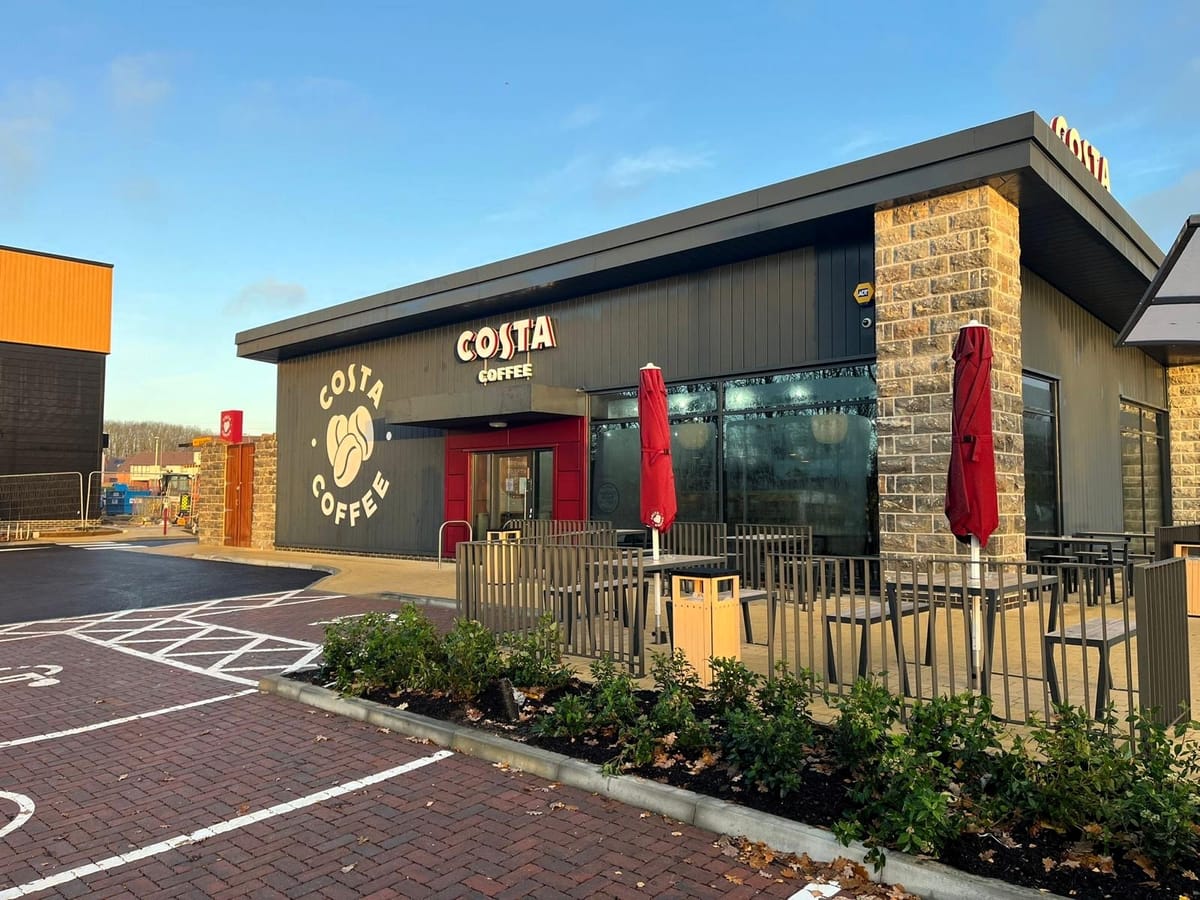
Coca-Cola is reportedly making a final attempt to keep negotiations alive over the potential sale of Costa Coffee, as discussions with its preferred buyer have slowed due to disagreements on valuation.

According to international media reports, talks between the US beverage group and London-based private equity firm TDR Capital have reached an impasse. TDR, the owner of UK supermarket chain Asda, was recently named the leading contender to acquire Costa Coffee. The proposed transaction would reportedly cover Costa’s UK and global operations, while excluding its approximately 300 stores in China.

Sources familiar with the matter indicate that Coca-Cola is seeking a valuation close to $2 billion for the 4,200-store coffee chain. This figure represents a significant reduction from the $4.9 billion the company paid when it acquired Costa Coffee in early 2019. A final decision on the future of the brand is expected before December 21, 2025.

In an effort to secure an agreement, Coca-Cola is said to be open to alternative deal structures, including the sale of a controlling stake rather than a complete exit.

The company began formally reviewing strategic options for Costa Coffee in August 2025. The move followed comments from outgoing Chief Executive James Quincey, who acknowledged to investors that the performance of the coffee business had fallen short of expectations and had not delivered the returns initially anticipated.

Several investment groups have previously expressed interest in Costa Coffee. These include US-based Bain Capital and China’s Centurium Capital, which owns Luckin Coffee. Other major private equity firms, including Apollo and KKR, are understood to have withdrawn from the process in recent months.
Luckin Coffee’s Major Investor Weighs Acquisition of Costa Coffee

Beijing — Qahwa World

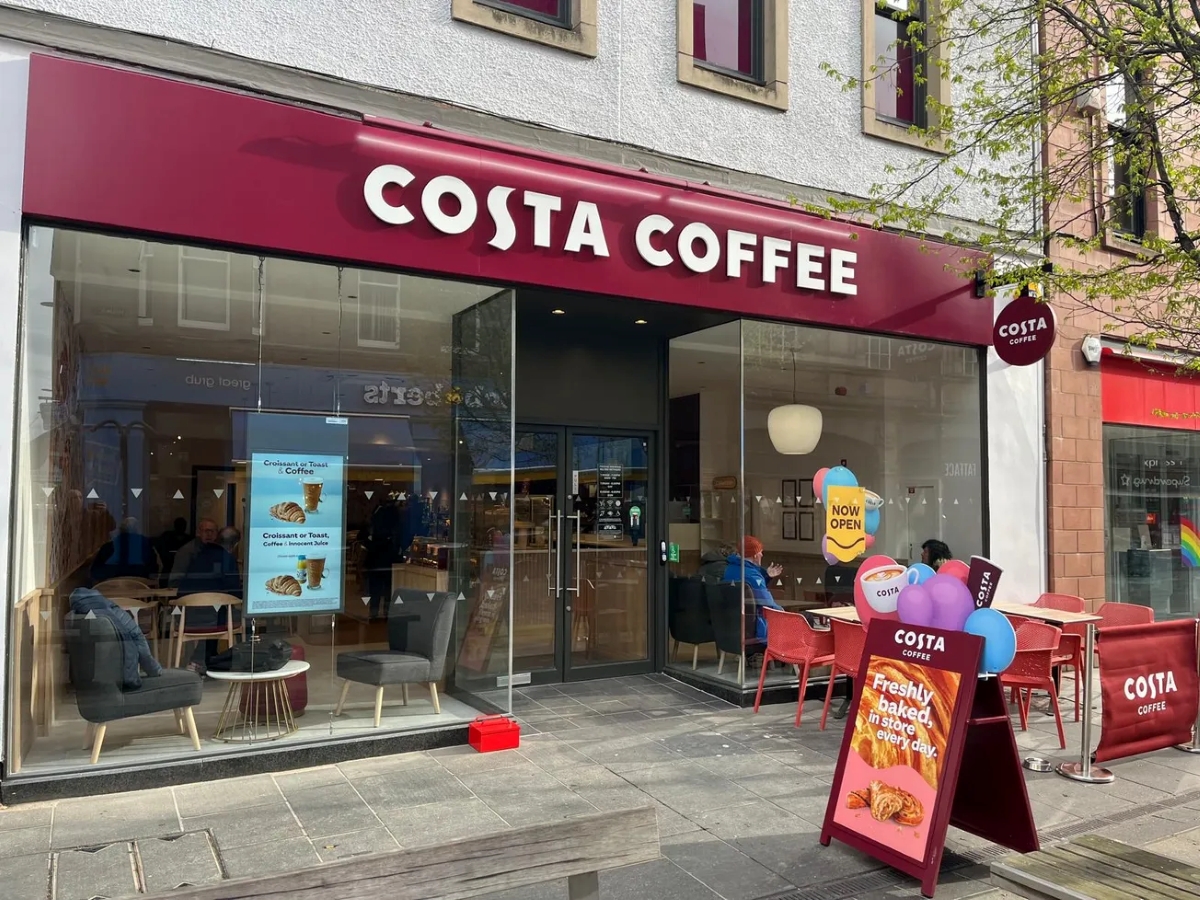
The majority stakeholder of Luckin Coffee, Centurium Capital, is reportedly considering a bid to acquire Costa Coffee from The Coca-Cola Company, in what could become one of the most significant international coffee transactions in recent years.

According to sources familiar with the matter, the Beijing-based private equity firm is evaluating whether to proceed with an offer for the British coffee chain. The discussions come as Coca-Cola continues to review its investment in Costa Coffee, which it purchased from Whitbread in 2019 for $4.9 billion.

Coca-Cola Reassesses Its Coffee Strategy

Coca-Cola began exploring potential buyers for Costa in August 2025, signaling a possible retreat from its café business. Speaking to investors, CEO James Quincey admitted that Costa’s financial performance “is not where we wanted it to be,” adding that the company was “reflecting on the right way forward” for the brand.

Reports indicate that Coca-Cola has received fewer bids than anticipated, with Costa’s current valuation estimated at less than $2 billion less than half of what the beverage giant originally paid.

Centurium Capital’s Expanding Coffee Footprint

Centurium Capital has been a major force behind Luckin Coffee’s resurgence. The Chinese private equity firm first invested in Luckin during its early funding rounds and became instrumental in stabilizing the company following its 2020 accounting scandal. In 2021, Centurium led a $260 million private placement that helped Luckin restructure debt and resolve issues with the U.S. Securities and Exchange Commission (SEC).

By January 2022, Centurium had become Luckin’s controlling shareholder, holding over 50% of the company’s voting rights. Under its direction, Luckin has grown rapidly, operating more than 26,000 stores across China, surpassing Starbucks in store count and establishing itself as the country’s leading coffee brand.

Industry analysts suggest that acquiring Costa could give Centurium a strong international platform, combining Luckin’s digital strength and value-based strategy in Asia with Costa’s established brand presence in Europe and the Middle East.

Costa Coffee’s Global Operations

Founded in London in 1971, Costa Coffee today operates around 4,100 coffee shops across 38 countries and manages nearly 17,000 self-service machines under the Costa Express brand. The company has also expanded into the ready-to-drink (RTD) sector, with products distributed through supermarkets and vending platforms worldwide.

However, under Coca-Cola’s ownership, Costa has struggled to achieve consistent profitability and adapt to evolving market dynamics. Analysts say that its integration within a soft-drink-focused corporation limited the brand’s agility in competing with fast-growing specialty coffee chains.

Other Interested Bidders

Besides Centurium Capital, Bain Capital, investor in Gail’s Bakery and Pizza Express, and TDR Capital, owner of Asda supermarkets, have also shown interest in acquiring Costa, according to Bloomberg.

If Centurium proceeds, the deal would mark a rare case of a Chinese investment group acquiring a major Western coffee brand, highlighting China’s growing influence in the global coffee market and reinforcing the country’s ambition to shape the next chapter of the café industry.

Keurig Dr Pepper’s Coffee Gamble Turns into Private-Equity Opportunity

Dubai – Qahwa World

Keurig Dr Pepper Inc. (KDP) has turned investor discontent into renewed optimism after securing a $7 billion investment from Apollo Global Management and KKR & Co. to support its €15.7 billion (about $18 billion) acquisition of Dutch coffee group JDE Peet’s. The capital injection eased market fears over KDP’s rising debt and transformed what was initially seen as a controversial coffee gamble into a strategic success backed by private equity.

When KDP first announced its plan in August 2025 to acquire JDE Peet’s from JAB Holding Group, shares fell by roughly 30 percent, wiping about $10 billion from its market value. Investors feared the deal would triple KDP’s exposure to coffee and overburden its balance sheet, while hedge fund Starboard Value publicly criticised the move, calling for a reduction rather than expansion in coffee assets.

The situation shifted when Apollo and KKR stepped in with a hybrid financing package that helped restore confidence and pushed KDP’s stock up by around 10 percent after the announcement. Their combined $7 billion support came in two parts: $4 billion directed toward a joint venture known as Global Coffee Co., which merges KDP’s coffee-pod business with JDE Peet’s, and $3 billion in preferred stock carrying a dividend below 5 percent and convertible into ordinary shares at roughly the pre-deal price.

This arrangement reduced KDP’s effective leverage to about 4.5 times EBITDA, compared with the 5.5 times analysts had feared when the deal was first disclosed. The structure blends elements of equity and debt, costing just above 7 percent annually, and serves as a vote of confidence in KDP’s financial resilience and in JAB Holding’s broader beverage strategy.

According to Bloomberg Opinion, the investment underscores how private-equity firms are shifting away from their old reputation as “barbarians at the gate.” Rather than launching full buyouts, groups such as Apollo and KKR now deploy hybrid capital — part loan, part equity — that offers reliable yield with potential upside. Both firms are holding their KDP positions through their insurance subsidiaries, which seek long-term, credit-like assets to back liabilities. For KDP, the infusion provides near-equity financing without diluting control, while giving investors comfort over leverage.

The turnaround was further strengthened by KDP’s third-quarter results. The company reported $4.31 billion in net revenue, an increase of nearly 11 percent and well above forecasts. Growth was driven by stronger volume, pricing, and acquisitions. U.S. Refreshment Beverages revenue rose 14.4 percent year on year, International 10.5 percent, and U.S. Coffee 1.5 percent. Adjusted earnings grew 6 percent, maintaining a dividend yield above 3.25 percent.

Market analysts now project a recovery toward the $35 share-price range, estimating an upside of about 25 percent from October levels. Institutional investors have continued to accumulate KDP stock at roughly two shares bought for every one sold throughout 2025, giving the company a solid base of long-term holders.

Beyond financial performance, the transaction carries strategic weight for the global coffee industry. The integration of KDP and JDE Peet’s would create one of the largest coffee enterprises worldwide, combining brands such as Peet’s, L’OR, Senseo, and Green Mountain under a single umbrella. Analysts believe the merger could reshape competition in both single-serve and roasted-coffee markets, expand distribution networks across North America, Europe, and the Middle East, and increase procurement influence in coffee-producing countries.

The deal also marks a turning point in how major beverage and coffee companies fund growth. What began as an unpopular, debt-heavy acquisition has become a model of financial engineering, illustrating the growing role of private capital in global coffee. For investors and industry watchers alike, Keurig Dr Pepper’s transformation of a “loathed” coffee deal into a structured, profitable partnership with private equity may signal a new era in how coffee giants balance ambition with financial discipline.

Bain Capital Submits Bid to Acquire Costa Coffee from Coca-Cola

Dubai – Qahwa World

US private equity firm Bain Capital has made an initial bid to acquire Costa Coffee from beverage giant The Coca-Cola Company, according to sources familiar with the matter.

The bid was submitted through Bain Capital’s Special Situations unit, which has invested more than $17bn since its launch in 2018 and currently manages over $21.6bn in assets. The investment group already counts boutique bakery-café chain Gail’s and restaurant brand PizzaExpress among its portfolio.

The development follows less than two weeks after Apollo Global Management, once considered the frontrunner, withdrew its interest in the UK-based coffee chain. Reports indicate that Coca-Cola has received fewer offers than expected for Costa, which operates more than 4,100 outlets worldwide. London-based TDR Capital, which has stakes in UK supermarket Asda and QSR brand Popeyes, also submitted a preliminary bid last month.

Coca-Cola has been exploring a sale of Costa since August 2025, nearly seven years after acquiring the company from Whitbread in January 2019 for $4.9bn. Speaking after Coca-Cola’s second-quarter earnings release earlier this year, CEO James Quincey admitted that the group’s investment in Costa Coffee “is not where we wanted it to be.”

A sale would likely see Coca-Cola incur losses of several billion dollars compared to its original purchase price. However, the company is expected to retain ownership of Costa’s ready-to-drink (RTD) beverage portfolio.

Founded in 1971, Costa Coffee is the UK’s largest coffee chain, with its home market accounting for around two-thirds of its global footprint. The brand reported 9% year-on-year sales growth in the 12 months ending 31 December 2023, reaching £1.2bn ($1.6bn), with the UK contributing 96% of total sales.