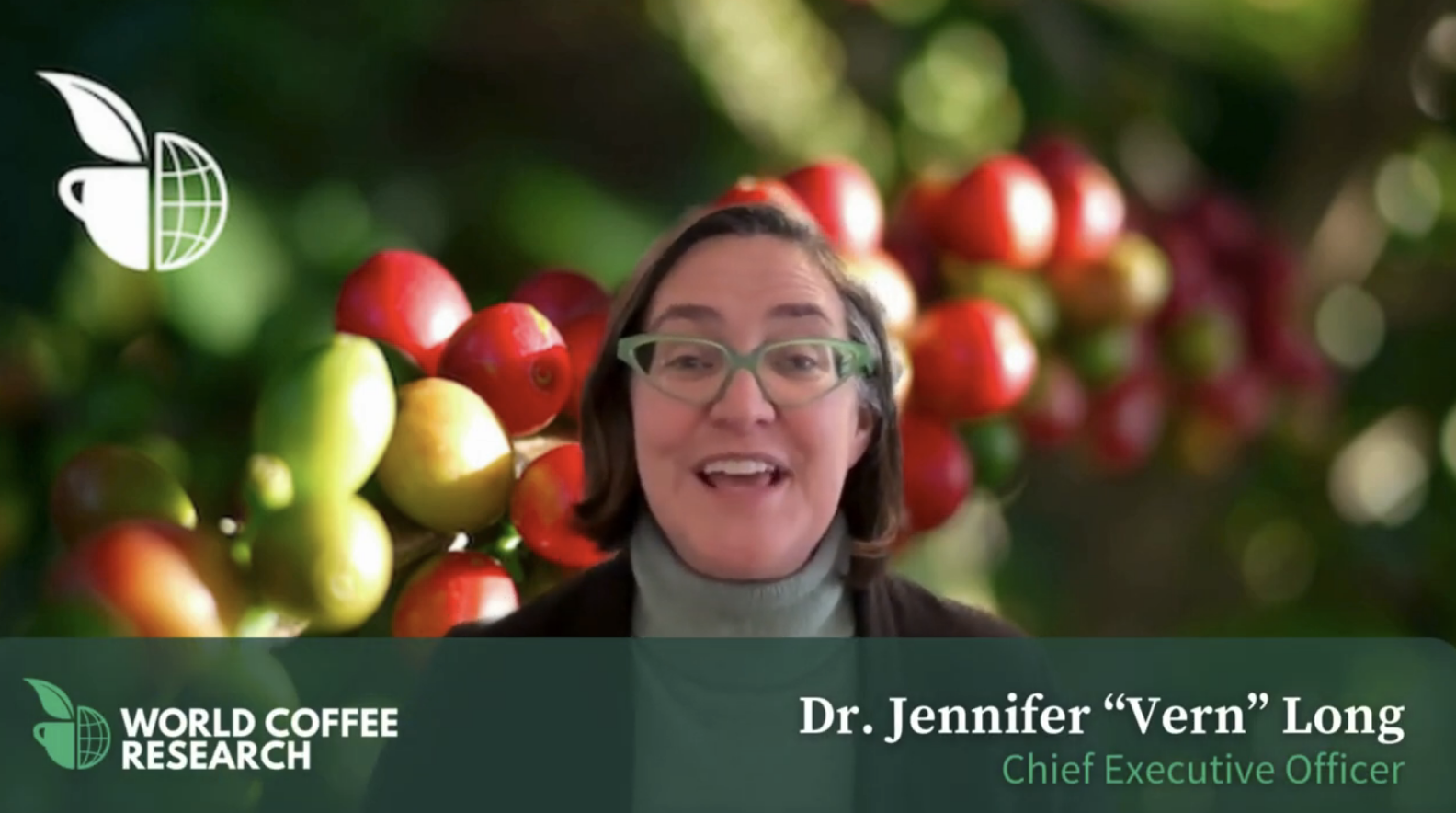
An annual update from CEO Vern Long highlights scientific progress, global partnerships, and climate resilience
Dubai – Qahwa World
World Coffee Research (WCR) has described 2025 as a defining year for the organization and the wider coffee industry, citing accelerated innovation, strengthened global partnerships, and tangible progress in developing climate-resilient coffee varieties.
In his annual review, WCR Chief Executive Officer Vern Long emphasized that the organization’s achievements this year were driven by sustained investment from more than 200 member companies across 30 countries, alongside close collaboration with national coffee institutes worldwide. These partnerships enabled WCR to move improved coffee varieties from research into farmers’ fields at an unprecedented pace.
According to WCR, the focus on variety development is critical as coffee-producing regions face increasing pressure from climate change, disease, and production volatility. The organization positions its work as essential to safeguarding the long-term stability and diversity of global coffee supplies.
Key achievements in 2025
-
Improving access to proven varieties
In Peru, WCR installed 10 new arabica seed lots of the varieties IPR 107 and Paraneima in partnership with eight local organizations. These varieties were previously identified as top performers under local conditions through WCR’s International Multilocation Variety Trial, which has been running since 2015.
In Uganda, WCR supported the installation of 15 mother gardens and nurseries of disease-resilient robusta varieties in cooperation with the national coffee institute NaCORI, expanding farmers’ access to improved planting material. -
Advancing global arabica breeding efforts
WCR began arabica field trials and recorded the first harvests under the Innovea Global Coffee Breeding Network. The initiative, recognized as one of TIME magazine’s Best Inventions of 2025, is described as the most ambitious and globally coordinated coffee breeding program to date, aimed at delivering high-performing, high-quality varieties for future generations. -
Launching robusta breeding under Innovea
A robusta breeding program was added to the Innovea network, with Vietnam and Ghana joining as national collaborators. This expansion brings total participation to 11 countries, collectively accounting for around 40% of global coffee production. The robusta program is designed to run in parallel with arabica efforts, focusing on resilience while supporting origin diversity. -
Strengthening scientific collaboration worldwide
WCR reported unprecedented levels of collaboration among scientists, governments, and coffee companies. One study published in 2025 brought together researchers from 15 countries across 23 trial sites to examine how 29 arabica varieties respond to leaf rust under different growing conditions. The findings are intended to support the development of more resilient coffee trees.
Looking ahead
Despite ongoing challenges facing the coffee industry, WCR underscored that innovation and collaboration remain powerful tools for risk mitigation and long-term sustainability. As the organization enters the new year, it expressed gratitude to its global community of members and partners for their continued commitment to securing the future of coffee.

