Dubai – Qahwa World
The International Coffee Organization (ICO) has launched its global campaign to celebrate International Coffee Day (ICD), observed every year on October 1. The theme for 2025 is “Embracing Collaboration More Than Ever.” The ICO emphasized that this celebration is an opportunity to underline the vital role of collaboration across the coffee value chain — from farmers and cooperatives to traders, roasters, baristas, and consumers — ensuring sustainable livelihoods, shared prosperity, and resilient communities.
Vanúsia Nogueira, Executive Director of the ICO, stated: “Coffee is a product of many hands and many hearts. When farmers, cooperatives, researchers, roasters, traders, baristas and consumers work together, we create opportunities for income, resilience and environmental stewardship. This year’s campaign calls for practical collaboration that delivers real benefits along the whole chain.”
On this occasion, Qahwa World has prepared a comprehensive research report on International Coffee Day — its origins, history, economic and cultural significance, and its importance for the global coffee industry. This research is presented to highlight why this day is not just a celebration of a beverage, but a recognition of coffee’s role as a cultural, social, and economic force worldwide.
Origins and Establishment of International Coffee Day
International Coffee Day was officially established in 2014 during the International Coffee Council meeting in Milan, aligned with Expo 2015. The first official ICD celebration was held on October 1, 2015.
Objectives of the Day:
To unite coffee lovers around the world.
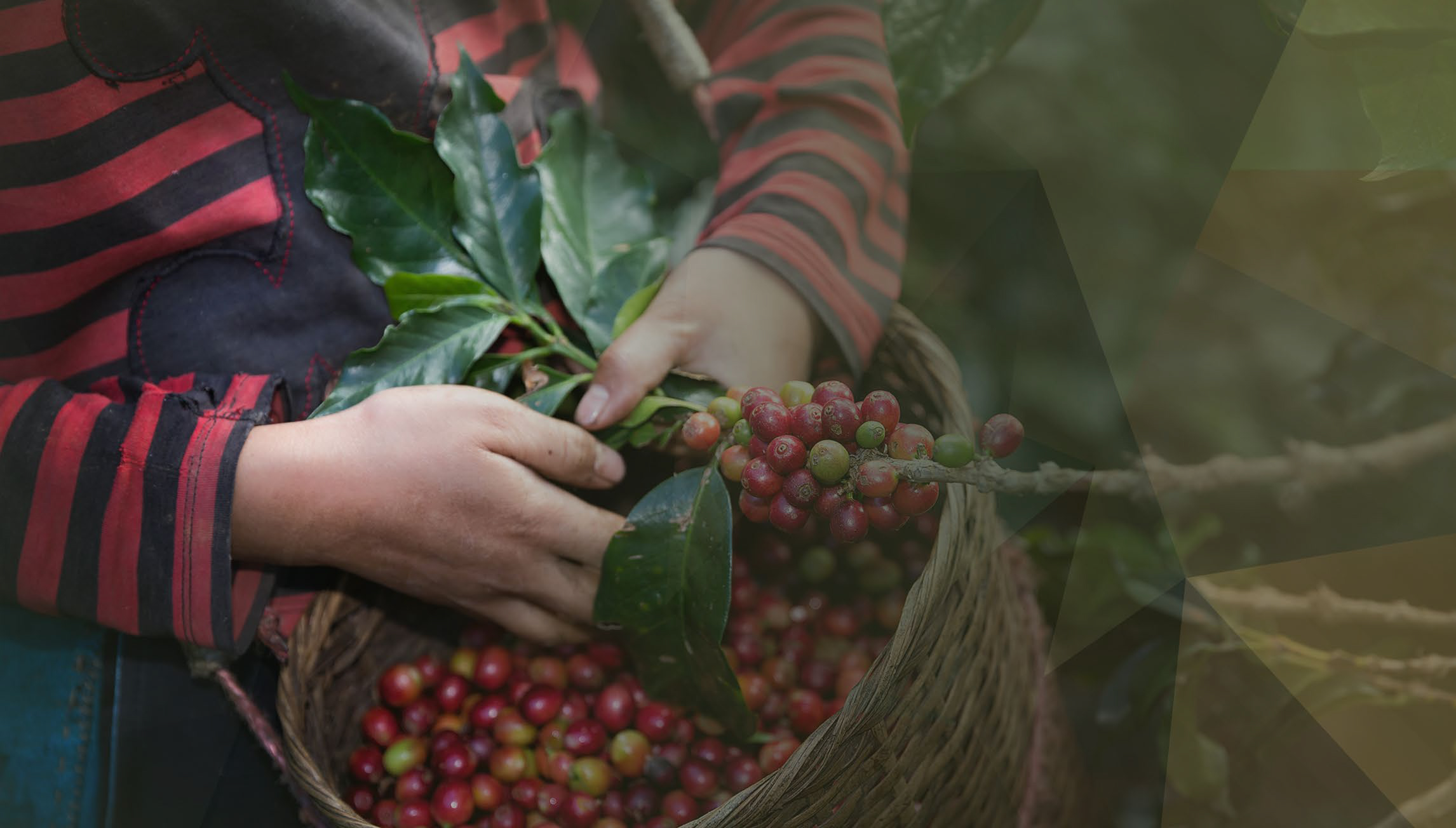
To honor and recognize coffee farmers whose livelihoods depend on this crop.
To raise global awareness about sustainability, fair trade, and challenges in the coffee sector.
To strengthen the sense of community among all participants in the coffee chain.
Historical Roots of Coffee
The history of coffee stretches back centuries, connecting continents and cultures:
Ethiopia: Coffee’s origins are often traced to Ethiopia, where wild coffee plants grew in the forests of Kaffa. Legends suggest its stimulating effects were first observed there.
Yemen: In the 15th century, coffee cultivation spread to Yemen. Sufi monks began preparing coffee as a beverage to help them stay awake during prayers, making Yemen the cradle of coffee culture.
Arab World: By the 16th century, coffee spread throughout Mecca, Cairo, Damascus, and Istanbul. Coffeehouses (qahveh khaneh) became centers of social, cultural, and intellectual life.
Europe: Coffee reached Venice in the early 17th century. It spread rapidly through Europe despite religious controversies and bans. Coffeehouses in London, known as “penny universities,” became hubs of debate and knowledge.
Asia and the Americas: By the 18th century, colonial powers introduced coffee cultivation to Asia (notably Indonesia) and Latin America (notably Brazil and the Caribbean), shaping the global coffee industry we know today.
Technological and Industrial Evolution
In the 19th century, industrialization revolutionized coffee. The invention of large-scale roasting machines and improved grinders allowed for mass production and consistent quality.
In the 20th century, new innovations such as soluble (instant) coffee emerged, led by companies like Nestlé in the 1930s. This changed global consumption patterns and made coffee more accessible.
Today, technological advances extend to specialty coffee roasting, precision brewing methods, and sustainable farming practices, reflecting the balance between tradition and innovation in the coffee world.
Celebration Dates Worldwide
Although October 1 is the official ICO date, different countries observe coffee days at varying times:
October 1: International Coffee Day (official ICO recognition, celebrated globally).
September 29: National Coffee Day in the USA, Canada, Austria, and a few other countries.
Other Coffee Days in the USA:
November 8: National Cappuccino Day
November 23: National Espresso Day
February 11: National Latte Day
These variations highlight the universal love for coffee across cultures.
Traditions and Activities
International Coffee Day is marked by a variety of events and initiatives:
ICO Campaigns: Every year, the ICO sets a central theme. In 2025, the focus is collaboration.
Coffeehouses and Roasters: Businesses worldwide host tastings, workshops, and awareness campaigns.
Social Media: Hashtags like #InternationalCoffeeDay and #ICD2025 amplify global participation, encouraging people to share their coffee experiences.
Awareness Programs: NGOs, cooperatives, and coffee associations use ICD to shed light on sustainability, fair income for farmers, and climate-related challenges.
Economic Impact of Coffee
Coffee is not just a cultural icon but also an economic powerhouse:
Consumption: Over 3 billion cups are consumed daily worldwide.
Production (2023, ICO): Approximately 170 million 60-kg bags of coffee are produced annually.
Top Producers (2023):
Brazil – 37% of global production
Vietnam – 17%
Colombia – 8%
Indonesia – 7%
Ethiopia – 5%
The Coffee Belt: Coffee production is concentrated in a tropical zone known as the Coffee Belt, spanning Latin America, Africa, and Asia-Pacific.
Trade Value: Coffee is the second most traded commodity globally after crude oil.
Social and Environmental Dimensions
The day also highlights the challenges and responsibilities facing the global coffee community:
Farmer Livelihoods: Coffee supports the livelihoods of over 125 million people worldwide, including around 25 million smallholder farmers directly dependent on it. Yet many live below the poverty line due to fluctuating prices and market instability.
Climate Change: Rising temperatures, pests such as coffee leaf rust, and deforestation threaten production worldwide.
Sustainability Efforts: Certifications such as Fairtrade, Rainforest Alliance, and organic standards are promoted during ICD to encourage responsible production and consumption.
Cultural and Social Significance
Coffee has always been more than a drink — it has been a catalyst for culture and community:
In the Arab world, early cafés became places for music, chess, storytelling, and poetry.
In Europe, coffeehouses were breeding grounds for intellectual movements, journalism, and political debate.
Today, cafés remain spaces for creativity, networking, and cultural exchange.
Interesting Facts About Coffee
Coffee trees can live up to 100 years, though their most productive years are between 7 and 20.
Coffee faced multiple bans in history — in Mecca, Istanbul, and even in 18th-century Prussia — but it always returned stronger.
One of the most expensive coffees in the world is Ospina (Colombia), valued at $1,700 per pound in 2024.
The term “penny university” reflected the role of 17th-century English coffeehouses, where intellectual discussion was accessible for the price of a cup.
Conclusion
International Coffee Day is not simply about celebrating a beloved beverage — it is about recognizing the centuries-long journey of coffee from Ethiopia and Yemen to the rest of the world, and the millions of people whose lives are intertwined with it.
By establishing ICD in 2014, the ICO created a platform for uniting coffee lovers, supporting farmers, and promoting sustainability. In 2025, under the theme “Embracing Collaboration More Than Ever,” the ICO reminds us that coffee is more than a drink — it is a shared commitment to resilience, sustainability, and global cooperation.