Barista Terminology | Episode 16: Common Coffee Brewing Mistakes and How to Fix Them

Qahwa World continues its “Barista Terminology” series, reaching today the fourteenth instalment of this educational journey dedicated to enhancing the professional and cultural knowledge of baristas.

Even skilled baristas can make mistakes — but every mistake is a learning opportunity. Recognising and correcting errors during the brewing process ensures a more consistent and enjoyable cup. Here’s a guide to the most frequent mistakes and how to fix them.

1. Incorrect Grind Size

Problem: Too fine = over-extraction (bitter); too coarse = under-extraction (sour, weak).

Fix: Adjust grinder based on brew method and taste. Espresso needs fine, French press needs coarse.

2. Wrong Water Temperature

Problem: Too hot can burn the coffee, too cold leads to flat, under-extracted brews.

Fix: Keep water between 90–96°C for optimal extraction.

3. Poor Water Quality

Problem: Tap water with high minerals or chlorine can spoil flavor.

Fix: Use filtered water with balanced mineral content.

4. Wrong Coffee-to-Water Ratio

Problem: Too much coffee = overly strong and muddy cup; too little = weak, flavorless.

Fix: Use scales to measure. Standard is about 1:16 (1 gram coffee to 16 grams water).

5. Uneven Distribution or Tamping

Problem: Leads to channeling in espresso (water bypasses coffee).

Fix: Distribute grounds evenly and apply consistent, level tamp pressure.

6. Inconsistent Brew Time

Problem: Too fast = under-extracted; too slow = over-extracted.

Fix: Control pour rate, grind size, and water contact time.

7. Dirty Equipment

Problem: Residue from oils and old coffee affects flavor.

Fix: Clean all tools daily — portafilters, carafes, grinders, etc.

8. Using Stale Coffee

Problem: Loss of aroma, dull taste.

Fix: Use fresh, well-stored coffee roasted within the past 2–4 weeks.

9. Ignoring Bloom in Manual Brewing

Problem: Trapped CO₂ affects even extraction.

Fix: Pre-wet grounds for 30–45 seconds before continuing pour.

10. Rushing the Process

Problem: Skipping steps or brewing in a hurry lowers quality.

Fix: Practice patience and precision. Great coffee rewards attention to detail.


Related Stories:

Barista Terminology | Episode 14: Coffee Origins and Their Flavour Profiles

Barista Terminology | Episode 13: Espresso Machine Components Explained

Barista Terminology | Episode 12: Brewing Equipment Maintenance & Hygiene

Barista Terminology | Episode 11: Milk-Based Coffee Drinks

Barista Terminology | Episode 10: Advanced Concepts

Barista Terminology | Episode 9: Sensory Evaluation

Barista Terminology | Episode 8: Customer Service Language in the Café

Barista Terminology | Episode 7: Water & Temperature Control

Barista Terminology | Episode 6: Grind & Extraction Variables

Barista Terminology | Episode 5: Milk Texturing & Latte Art

Barista Terminology | Episode 4: Brew Methods Explained

Barista Terminology | Episode 1: The Coffee Bean – From Seed to Roast

Barista Terminology | Episode 2: Barista Tools & Equipment

Barista Terminology | Episode 3: Espresso Basics


Coffee Helps You Stay Persistent Under Stress

Dubai – Qahwa World

Coffee is already famous for keeping people awake and alert, but new research suggests it may do more than that. A study published in the journal Human Psychopharmacology: Clinical and Experimental reveals that caffeine can boost persistence in the face of complex or even unsolvable tasks, particularly when individuals are under stress.

The experiments, conducted by researchers at Amherst College in the United States, involved 329 student participants. Each was asked to perform tasks deliberately designed with unsolvable elements. In the first experiment, a low dose of caffeine amounting to 40 milligrams, roughly half a cup of coffee, had no measurable effect. In the second, a higher dose of 100 milligrams — about the same as a standard cup of coffee — encouraged participants to continue longer in a visual search task, although the effect did not carry over to a verbal task.

The strongest outcome came in the third experiment, which introduced mild stress through a cold-water immersion test. Students who experienced stress and consumed 100 milligrams of caffeine persisted significantly longer than the control group. By contrast, participants who had not been exposed to stress showed a slight decline in persistence after drinking caffeine.

Researchers believe the effect may be linked to the way caffeine stimulates neurotransmitters such as dopamine, norepinephrine, and adenosine, which are tied to motivation and attention. Stress hormones, particularly cortisol, appear to amplify this response, enhancing the brain’s receptivity to stimulants. A summary of the findings published by PsyPost noted that persistence in the visual task rose from 38 percent to 52 percent of the allotted time when caffeine was combined with stress, underlining the importance of context in determining the outcome.

The authors of the study caution that these findings are preliminary and highlight several limitations. Some participants reached the maximum time limit for the tasks, potentially affecting the results, and differences in regular caffeine use among individuals were not fully accounted for. They recommend further studies using physiological measures and brain imaging techniques to clarify the mechanisms behind the effect.

Caffeine is the most widely consumed psychoactive substance in the world, and billions rely on it every day to stay focused and productive. This study suggests its benefits may go beyond alertness, potentially helping people push through challenges in stressful situations. While more evidence is needed, the research adds to the growing body of knowledge about how coffee shapes not only our energy but also our resilience.

BBC: Cutting Back on Coffee Could Lead to More Vivid Dreams

Dubai – Qahwa World

Many people who reduce their caffeine intake report a curious side effect within just a few days: their dreams become unusually vivid, detailed, and sometimes unsettling. While cutting down on caffeine is known to bring health benefits such as whiter teeth and fewer bathroom visits, one unexpected outcome that continues to draw attention is the sudden surge of memorable, often strange dreams.

The science behind caffeine and sleep

Caffeine is a powerful stimulant that disrupts the function of adenosine, a natural brain chemical that accumulates throughout the day and signals the body to rest. Normally, adenosine builds up as we stay awake, creating pressure for sleep by night. During sleep, the body clears adenosine, allowing us to wake feeling refreshed.

When caffeine enters the system, it blocks adenosine’s effect, keeping us awake and alert. However, since caffeine has a half-life of three to six hours, it can linger in the body for much of the day. A late afternoon coffee, for instance, may still be active well into the night, disrupting the ability to fall asleep.

Research consistently shows that caffeine reduces deep, restorative non-REM sleep and increases night-time awakenings. The more caffeine consumed—and the later in the day it is taken—the greater the disruption to overall sleep quality.

How does this affect dreams?

There is little direct research proving that cutting caffeine leads to more vivid dreams. Most studies focus on caffeine’s influence on sleep rather than dream content. But since sleep and dreaming are tightly connected, the link is plausible.

Reducing caffeine allows the body to rebound by spending more time in rapid eye movement (REM) sleep—the stage of sleep most closely tied to dreaming. REM sleep is when the brain is highly active, producing emotionally rich and visually detailed dream experiences. The more REM sleep we get, the greater the chances of having vivid dreams and remembering them clearly.

Some studies, including research on veterans, suggest that a higher percentage of REM sleep correlates with more frequent reports of vivid dreams. Waking up directly from REM sleep also makes dream recall more likely, as the content is still fresh in memory.

What exactly are vivid dreams?

Vivid dreams feel real and immersive. They are marked by strong imagery, detailed storylines, and intense emotions—sometimes positive, sometimes frightening. These dreams often linger long after waking, making them especially memorable compared to ordinary ones.

Timing is everything

Caffeine isn’t limited to coffee and energy drinks. It is also present in tea, chocolate, soft drinks, certain supplements, and even some medications. Sleep researchers recommend avoiding caffeine for at least eight hours before bedtime to reduce sleep disruption, and steering clear of large doses within 12 hours of sleep for maximum effect.

The double-edged nature of caffeine

While caffeine can interfere with sleep, it also offers well-documented benefits. Studies have linked regular coffee consumption to a reduced risk of depression and neurodegenerative diseases such as Parkinson’s. Coffee is also rich in B vitamins and antioxidants that contribute to a healthy diet. For many, especially night-shift workers, caffeine remains an essential tool to combat fatigue and maintain alertness.

The bottom line

There is no definitive scientific proof that reducing caffeine directly causes vivid dreams. However, the connection is clear: caffeine influences sleep, and sleep shapes our dreams. By lowering caffeine intake, the body may gain more restorative sleep and longer REM phases, giving the brain more opportunity to generate—and remember—dreams that are strikingly vivid.

Coffee Gadgets: A Guide to Finding Your Perfect Brewing Method

Dubai – Qahwa World

Coffee preparation has become more than just a morning ritual; it is a pursuit of precision, design, and personal preference. Across the world, enthusiasts choose from a wide variety of brewing devices, each catering to different needs — from quick convenience to meticulous craftsmanship. This guide offers a structured overview of the most notable coffee gadgets, their features, and how to identify which one might be best suited to your lifestyle.

Choosing the Right Gadget

A simple question often helps narrow the choices: Are you making coffee for lots of people?

Yes

If you prefer the ease of automation, an Espresso Machine or Sage Precision Brewer may be ideal.

If you value design and group brewing, the Chemex is a strong candidate.

For portable brewing with larger capacity, consider the Giant AeroPress.

No

If automation is important, a Bean-to-Cup machine offers a seamless experience.

For simplicity, the Coffee Bag provides a quick option.

For those who enjoy measuring and fine-tuning, the V60 Pourover is a classic.

If experimentation excites you, the Picopresso or Syphon provide unique experiences.

For mechanical elegance and complete control, the Lever Espresso stands out.

Coffee Bag

Single-use drip bags offer convenience and portability, functioning like a tea bag but designed for better water contact with coffee grounds. They are ideal for pre-portioned, ready-ground coffee when simplicity is the goal.
Example: Ueshima Pour Over Coffee Bag (~£5).

V60 Pourover

A cone-shaped brewer with a global following, the V60 is inexpensive but requires additional tools — grinder, gooseneck kettle, and scales — for precision. It is popular among those who enjoy the ritual of measured brewing.
Example: Hario V60 Coffee Dripper (~£6).

Chemex

Designed in the 1940s, the Chemex combines glass, wood, and leather in an iconic brewer. Its thicker paper filters produce a “cleaner” cup, though the slower percolation makes it less practical for quick brewing. Larger sizes make it well-suited for groups.
Example: 10-Cup Chemex (~£65).

Giant AeroPress

Known for portability and ease of cleaning, the AeroPress steeps coffee in a sealed chamber before plunging. The larger model caters to groups, while the standard version remains a gateway device for new enthusiasts.
Example: AeroPress XL (~£80).

Syphon

Also called a vacuum pot, the syphon is both functional and theatrical. Water is heated in a lower chamber, rises to mix with coffee in an upper chamber, then filters back down. While fragile and demanding to clean, it produces a distinct cup and serves as a centerpiece for coffee demonstrations.
Example: Hario Technica Coffee Syphon (~£125).

Picopresso

A compact, handheld espresso maker designed for experimentation. It appeals to those who want to test techniques outside of traditional machines while keeping portability in mind.

Sage Precision Brewer

A programmable filter brewer that delivers consistency for larger batches. Its thermal carafe preserves flavor better than hotplates, and the auto-brew function allows preparation in advance.
Example: Sage Precision Brewer Thermal (~£250).

Lever Espresso

A spring- or piston-driven machine that emphasizes manual control. Pulling the lever compresses water through the coffee puck, giving full oversight of extraction variables. Quiet and mechanical, it requires patience but rewards with mastery.
Example: Flair Pro 3 (~£325).

Espresso Machine

Countertop espresso machines allow variety, from straight espresso to milk-based drinks with latte art. They are essential for anyone who prioritizes serving café-style beverages at home, though they require significant space and investment.
Example: Sage Dual Boiler (~£1,250).

Bean-to-Cup

These machines automate the entire process, from grinding beans to extraction, often controlled through digital displays. They provide luxury and convenience, though at the cost of reduced manual experimentation.
Example: Jura Giga 10 (~£3,800).

Conclusion

The diversity of coffee gadgets reflects the diversity of coffee drinkers. Whether one values speed, design, experimentation, or tradition, there is a tool to match. For some, a simple coffee bag suffices. For others, the precision of a lever espresso machine or the indulgence of a bean-to-cup system becomes part of daily life. Understanding each device’s strengths helps not only in choosing the right gadget but also in appreciating the culture of coffee innovation.

Shocking Report: Industrial and Environmental Contaminants Found in All Organic Coffee Samples

Dubai – Qahwa World

The Clean Label Project in the United States has released an extensive report that has stirred debate across the coffee world, revealing findings that undermine the long-standing perception of organic coffee as a guarantee of purity. The report shows that every single organic coffee sample tested contained industrial and environmental contaminants, including residues of pesticides that are officially banned in organic agriculture, raising fundamental questions about certification credibility and agricultural oversight.

The investigation covered fifty-seven different coffee products representing forty-five leading brands in both the U.S. and global markets. Each product was subjected to a rigorous series of laboratory analyses, with more than seven thousand individual tests performed in total. Samples included coffees across all common roast levels—light, medium, and dark—and were taken from the most prevalent packaging formats on the market, from bags and pods to metal cans.

The most striking and controversial result was the detection of aminomethylphosphonic acid, or AMPA, in one hundred percent of the organic samples. AMPA is a breakdown product of glyphosate, a herbicide that has generated global controversy due to its suspected health risks and that is strictly prohibited in certified organic farming. According to the report, the universal presence of AMPA in every sample tested delivers a shock to consumers, many of whom turn specifically to organic coffee in search of a product free from chemical residues.

Although glyphosate itself was detected in only a few of the samples, the consistent appearance of its by-product across all organic coffees raises alarming concerns about the pathways through which contamination occurs. Researchers point to multiple possibilities: runoff from neighboring conventional farms contaminating organic fields, wind drift carrying spray particles across boundaries, or legacy residues lingering in soils for decades that continue to affect crops long after application has ceased.

The report did not stop at AMPA. It also revealed the presence of heavy metals in every single sample, including lead, cadmium, mercury, and arsenic. While most levels remained below the maximum thresholds set by the European Union for food safety when measured against typical daily consumption volumes, experts stress that cumulative exposure over long periods cannot be dismissed as harmless. For regular coffee drinkers, this raises concerns that extend well beyond a single cup.

Equally concerning was the universal detection of acrylamide, a chemical that naturally forms during the roasting process and is classified as a potential carcinogen. Levels of acrylamide were particularly high in medium roasts compared to very light or dark roasts, suggesting that the most popular roast category among consumers could also pose the greatest risk.

The study further highlighted the role of packaging in contamination. Phthalates, chemical compounds associated with plastics and known for their potential to leach into food and beverages, were especially prevalent in canned coffees, followed by pods, with bagged coffee showing the lowest levels. Researchers emphasized that packaging is not simply a marketing tool or a method to preserve flavor; it plays a direct role in determining the chemical purity of the product consumed.

Geographic origin was another factor influencing contamination. African coffees tested in the study generally displayed lower levels of heavy metals, while Hawaiian coffees showed higher concentrations, a result attributed to the mineral-rich volcanic soils in which they are cultivated. This underscores that agricultural environments themselves can significantly shape the safety profile of the beans, regardless of organic practices.

The Clean Label Project stressed that the purpose of this study is not to frighten consumers or to dissuade them from drinking coffee, but rather to raise awareness of hidden risks and equip people with the knowledge they need to make informed decisions. Among its recommendations: consumers should look for brands with independent certifications that verify product testing, favor darker or very light roasts to reduce acrylamide exposure, avoid canned coffee in favor of bagged products, and follow ongoing testing results published regularly by the organization.

The broader implications of the report are profound. Coffee is one of the most consumed beverages in the world, with more than one billion people drinking it daily and a U.S. market valued at more than 269 billion dollars in 2024 alone. The findings remind us that the coffee industry, despite its global cultural and economic importance, is not immune to environmental and industrial contamination. For producers, regulators, and consumers alike, the lesson is clear: the label “organic” does not automatically guarantee absolute purity.

The report concludes with a call for stricter oversight of organic certification processes, greater transparency across supply chains, and more independent research to restore and sustain consumer confidence. In a world where billions of cups of coffee are consumed every single day, the integrity of this industry matters not only for enjoyment and tradition but also for the health and trust of communities worldwide.

Smallholder Farmers at the Heart of the Global Coffee Crisis

Dubai, 18 September 2025 (Qahwa World) – Coffee, consumed in more than two billion cups every day, is more than a morning ritual. It is a global industry worth over $200 billion and a lifeline for more than 25 million smallholder farmers worldwide. Yet, according to a new report by the DMCC Coffee Centre, part of the Dubai Multi Commodities Centre, these farmers—responsible for about 80% of global coffee supplies—are facing unprecedented challenges that put the future of the crop at risk.

The report highlights the extreme vulnerability of coffee to climate change. Unlike many other agricultural commodities, coffee depends on very specific geographic and climatic conditions. Minor shifts in temperature or rainfall patterns can devastate entire harvests.

By 2050, up to half of the land currently used for coffee cultivation could become unsuitable. Arabica, which accounts for 60–70% of global production and is prized for its high quality, is the most at risk. It requires a delicate balance of cool temperatures and clearly defined wet and dry seasons. Even robusta, known for its heat tolerance, may not escape the impact of intensifying climate shocks.

Recent years have already provided glimpses of this looming reality. In Vietnam, prolonged drought in the 2023/24 season cut output by 20% and exports by 10%. In Brazil, the world’s largest coffee producer, one of the worst droughts in its history caused arabica prices to surge by more than 80% in 2024.

Broken Pricing Systems

Beyond the climate, smallholder farmers are caught in an unequal trading system. The report warns that global price-setting mechanisms, once seen as reliable, have grown increasingly speculative and disconnected from actual production costs.

While coffee sells at high prices in consumer markets, farmers often receive only a fraction—barely enough to cover basic expenses. With little access to financial safety nets, crop failures or market shocks quickly translate into crises for farming households, undermining food security, education, and healthcare for millions.

To counter these pressures, smallholders are turning to collective solutions. In Rwanda, cooperatives such as COOCAMU have helped farmers adopt sustainable practices and gain better market access. Across Kenya, Uganda, and Ethiopia, governments and NGOs are supporting similar cooperative models that enhance bargaining power and provide training.

The report cites the ARABIKA project, which brings together over 30,000 farmers from 21 cooperatives in East Africa. By offering income management training and tools to improve yields, the project has boosted resilience against both climate and market volatility.

Coffee Value Assessment

The Coffee Value Assessment, developed by the Specialty Coffee Association, also emerges as a significant tool for empowering smallholders. Unlike traditional systems that focus narrowly on physical or sensory attributes, this framework integrates quality metrics with market preferences.

Garfield Kerr, President of the Specialty Coffee Association, explains: “Coffee may be sold several times before reaching the consumer, and the farmer often has no idea of its true value. If we can equip farmers with scientific tools for assessment, they will be able to exert greater influence over its journey to market.”

By helping producers better understand the unique qualities of their harvests, the system opens doors to more accurate pricing and targeted market opportunities.

The DMCC Coffee Centre report points to a range of promising adaptation strategies. Agroforestry—growing coffee alongside trees and diverse crops—offers shade, soil protection, water conservation, and alternative income streams. Breeding drought- and disease-resistant varieties is another urgent frontier.

On a global scale, institutions such as the International Coffee Organization and the International Trade Centre are supporting a sustainability database covering more than 400 climate-focused initiatives. These range from training programs on organic fertilization to cooperative-led climate adaptation projects.

At its core, the report stresses, the future of coffee is inseparable from the fate of its smallholder farmers. Without them, the industry cannot sustain itself, and the daily flow of billions of cups of coffee around the world could falter.

While blockchain, artificial intelligence, and other innovations are reshaping coffee trade, the most urgent priority remains ensuring farmers have the tools, financing, and fair policies to continue producing. The real battle for coffee’s survival is not fought in cafés or trading floors, but in remote fields where smallholders cultivate the beans that unite cultures and economies across continents.

The DMCC Coffee Centre concludes that urgent investment and global collaboration are essential. Supporting smallholder farmers is not only a matter of preserving a crop but of safeguarding livelihoods, communities, and an irreplaceable cultural heritage.

From Blockchain to Artificial Intelligence: Technology Reshapes the Future of Coffee

Dubai, 17 September 2025 (Qahwa World) –The DMCC Coffee Centre, part of Dubai Multi Commodities Centre, has stressed in its latest Future of Trade Agri Series report that technological innovation is becoming a decisive force in reshaping the global coffee industry. At a time when the sector is grappling with climate change, market volatility, and fragile supply chains, tools such as blockchain, artificial intelligence (AI), and circular economy models are no longer optional experiments but essential solutions that can secure coffee’s future.

For decades, the industry has struggled with a lack of transparency. Coffee beans often move through complex trade routes, making it difficult for consumers to know their origin or production conditions, while smallholder farmers rarely capture the full value of their work. The report highlights blockchain as a game-changer, offering tamper-proof digital records that track beans “from farm to cup.” Every shipment can be linked to certified data on origin, processing, and storage. This level of transparency not only builds consumer trust but also allows farmers to earn fairer prices by showcasing quality and differentiation, narrowing the gap between farmgate prices and final retail value.

The digital transformation extends to trade and finance. The DMCC Coffee Centre emphasizes the role of infrastructure like the Tradeflow platform, where coffee ownership is transferred only after arrival, inspection, and storage under controlled conditions. This system reduces informational risks and enhances trust between buyers and sellers. It also enables the use of digitally tokenized products that provide greater security and clarity of ownership, paving the way for smoother inventory financing and working capital solutions in a sector long plagued by data gaps. In short, Dubai’s coffee hub combines reliable digital records with physical oversight to reduce friction and empower smaller players.

Artificial intelligence is another pillar of this transformation. On the farm, predictive algorithms analyze climate, soil, and humidity data to guide planting and harvesting schedules, mitigating the effects of droughts and erratic seasons while improving yields. At the market level, AI-powered demand forecasting helps roasters and traders anticipate shifting consumer preferences, particularly the rise of specialty coffee among millennials and Gen Z. This allows for better inventory management, targeted product development, and even the creation of blends tailored to specific taste profiles.

The report also points to the rapid shift toward direct-to-consumer channels. Coffee brands are increasingly bypassing traditional retail by building digital platforms, offering subscription models, virtual tasting experiences, and loyalty programs. These innovations shorten the distance between roaster and consumer, while giving small businesses tools to tell the “story of coffee”—origin, processing, and roast profile—in ways that translate into real economic value.

Meanwhile, the circular economy is redefining coffee’s environmental footprint. Millions of tons of coffee waste once treated as byproducts are now being converted into new resources. Startups are turning spent coffee grounds into biofuels, fertilizers, and even textile materials. Packaging innovation is also gaining traction, with compostable capsules, recyclable materials, and structured collection programs that reduce waste and lower carbon emissions. These efforts, the report argues, are not only about image but also about cutting costs and meeting stricter sustainability criteria in key markets.

At the heart of this transformation remains the human factor. Coffee depends on more than 25 million smallholder farmers worldwide, and digital adoption must ultimately improve their livelihoods, not just introduce high-tech systems. The DMCC Coffee Centre underscores the importance of affordable tools—such as low-cost sensors and mobile advisory apps—combined with fair contracts that reflect the quality of specialty coffee. When digital transparency is paired with equitable pricing, the weakest link in the chain becomes stronger, and smallholders can withstand climate and market shocks more effectively.

The report also draws attention to rising compliance demands, including deforestation regulations and origin tracking requirements, which are pushing the industry toward standardized data systems. By providing exporters with shared verification platforms and importers with unified benchmarks, compliance becomes less of a burden and more of an opportunity to unlock premium markets. With Dubai evolving into a logistics and cultural hub for coffee—offering shared roasting, packaging, and storage facilities—the emirate demonstrates how producers in Africa and Latin America can connect to demanding consumers in Asia and the Gulf through clearer traceability, faster access, and reduced risk.

In conclusion, the DMCC Coffee Centre makes clear that coffee’s survival will not depend on wishful thinking but on the adoption of a responsible digital transformation. Blockchain provides transparency, AI enhances precision, direct digital channels strengthen relationships, and circular economy solutions turn waste into resources. Yet the true value of these tools lies in translating them into better farmer incomes, greater consumer confidence, and a more resilient industry. Far from replacing the cultural essence of coffee, technology is extending it: knowledge accumulated through centuries, now reinforced by intelligent systems that give the sector a realistic path to endure and thrive in an era of uncertainty.

Global Study: Coffee Reduces Suicidal Thoughts While Energy Drinks Double the Risk

Dubai, September 17, 2025 (Qahwa World) – Coffee has long been a global symbol of culture, community, and energy. But new scientific evidence now highlights a profound distinction between the world’s favorite caffeinated beverage and the rising wave of energy drinks. A comprehensive study published in the peer-reviewed journal Nutrients by researchers at the National University of Singapore reveals that coffee consumption may significantly reduce the risk of suicide attempts, while energy drink consumption—even in small quantities—appears to heighten it.

The First Global Meta-Analysis of Its Kind

The research team conducted the first systematic review and meta-analysis that examined the links between caffeine intake, suicide attempts, and suicidal ideation. Reviewing 17 studies across 11 countries, involving more than 1.57 million participants, the study provides one of the clearest pictures yet of how different caffeinated beverages can affect mental health.

The results are striking:

Energy drinks – Just one can per month was associated with a measurable increase in suicidal thoughts and behaviors. The risk escalated linearly with higher consumption, peaking among those consuming 21–30 cans per month, who were nearly three times more likely to attempt suicide compared to non-consumers.

Coffee – In contrast, drinking more than 60 cups per month correlated with a significant reduction in suicide risk. Those who consumed between 61–90 cups were 49% less likely to attempt suicide, while individuals drinking 91–120 cups monthly reduced their risk by 43%.

Why Energy Drinks Pose Unique Dangers

Researchers suggest that the harmful impact of energy drinks stems from more than just caffeine. These products typically combine caffeine with other stimulants and large amounts of sugar, creating a powerful cocktail that can overload the nervous system. The study notes that such a combination may trigger anxiety, emotional instability, and sleep disruption—all known risk factors for suicidal ideation.

Adolescents and young adults, who are among the largest consumers of energy drinks, appear especially vulnerable. Previous studies cited in the review have linked energy drink consumption with increased stress, poor academic performance, and risky behaviors. The findings raise urgent public health concerns as energy drinks continue to be aggressively marketed to younger demographics worldwide.

Coffee’s Protective Role and Neurological Pathways

On the other hand, coffee demonstrated a consistent association with lower suicide risk—but only at higher levels of consumption. Scientists point to coffee’s neurochemical effects: caffeine antagonizes adenosine receptors in the brain, boosting the release of neurotransmitters such as dopamine and glutamate. These compounds are closely tied to improved mood, reduced fatigue, and heightened alertness.

The study also connects these findings with earlier research showing that coffee consumption reduces the risk of depression. A 2016 meta-analysis found that every additional daily cup of coffee was linked to an 8% decrease in depression risk, reinforcing coffee’s potential role as a mood stabilizer.

Gender and Lifestyle Factors

The Singaporean researchers also explored other variables. Men were found to consume significantly more energy drinks than women, and this gender gap correlated with higher rates of suicidality among male participants. Societal pressures, risk-taking behaviors, and physiological differences may all contribute to this disparity.

In addition, the study observed that individuals consuming high levels of caffeinated beverages often reported concurrent use of alcohol, cigarettes, or other substances. This overlap suggests that caffeine intake may be part of broader lifestyle patterns, complicating the direct attribution of causality.

Implications for Public Health

While the study stops short of claiming a direct cause-and-effect relationship, its findings carry critical implications. With 700,000 people dying by suicide globally each year, and millions more struggling with suicidal thoughts, identifying modifiable lifestyle factors is an urgent priority.

The protective signal associated with coffee suggests that moderate to high consumption could play a role in supporting mental well-being, though more research is needed to establish thresholds and clarify mechanisms. Conversely, the risks tied to energy drinks highlight the need for public health campaigns, regulatory oversight, and targeted interventions—particularly in protecting adolescents from excessive consumption.

A Beverage Divide with Cultural Resonance

Coffee’s story is centuries old, rooted in Yemen’s Sufi traditions before spreading worldwide as a daily ritual of comfort and connection. Energy drinks, by contrast, are a modern creation of aggressive marketing, synthetic additives, and a promise of instant performance. This study places them on opposite sides of the public health debate: one linked with stability and resilience, the other with heightened risk and vulnerability.

Conclusion

The Singapore study underscores that not all caffeine is created equal. Coffee—consumed by billions daily—may serve as more than just a morning pick-me-up. At higher levels of intake, it appears to buffer against some of the darkest mental health outcomes. Energy drinks, however, show the opposite pattern, fueling concern among scientists, educators, and policymakers.

As the global coffee community celebrates the beverage’s cultural and economic significance, this research adds another layer to coffee’s enduring legacy: a potential ally in the fight for mental health.

Yemen: The Future of Drought-Resistant Coffee Amid Climate Change

Dubai, 17 September 2025 (Qahwa World) –Coffee in Yemen has never been just a crop. It is deeply rooted in the nation’s history, culture, and identity. From these rugged mountains and arid landscapes, coffee spread across the seas more than five centuries ago to conquer global markets. Today, as climate volatility poses unprecedented threats to the coffee industry worldwide, Yemen is once again at the centre of attention—not only as the birthplace of coffee but also as a potential leader in producing drought-resistant varieties that could safeguard the sector’s future.

According to the latest DMCC Coffee Centre report, part of its Future of Trade Agri Series, climate change may render half of today’s coffee-growing land unsuitable for production by 2050. Arabica beans, which account for 60–70% of global production and are prized for their superior quality, are the most at risk. They require cooler climates and well-defined wet and dry seasons, making them highly sensitive to even slight shifts in rainfall and temperature.

Robusta, known for its resilience and tolerance to higher temperatures, may also face threats from ongoing climate disruptions. The report highlights that recent years have already offered a preview of this uncertain future. In Vietnam, prolonged drought caused production to fall by 20% and exports by 10% during the 2023/24 season. In Brazil, the world’s largest coffee producer, one of the most severe droughts in its history pushed Arabica prices up by more than 80% in 2024. These are not isolated incidents but warning signs of a shifting climate reality that threatens global supply.

Against this backdrop of instability, the DMCC report underscores Yemen’s exceptional position. For centuries, Yemeni farmers have cultivated coffee under harsh conditions—scorching heat, scarce rainfall, and limited water resources—yet the crop has endured. This historic resilience is what makes Yemen uniquely qualified to lead the development of drought-resistant coffee varieties that could redefine global production.

Garfield Kerr, president of the Speciality Coffee Association (SCA) and founder of Mokha 1450 in Dubai, put it bluntly: “I expect Yemen to become an industry leader in producing drought-resistant coffees, because farmers and agronomists there are already producing coffee in higher temperatures with less water.”

Garfield Kerr, President of the Specialty Coffee Association (SCA) and founder of Mokha1450

This statement reflects a growing global recognition that Yemen’s traditional practices and harsh realities may hold the key to coffee’s survival in the face of climate change.

The significance of Yemen lies not only in its ability to grow coffee under extreme conditions but also in the potential role it can play in stabilising global supply. If Yemen succeeds in pioneering drought-resistant varieties, it could help reduce the risks facing millions of smallholder farmers across Latin America, Africa, and Asia who are far less equipped to adapt to environmental shocks.

Economically, this advantage positions Yemen to capture new opportunities. With demand for resilient coffee varieties expected to rise, Yemen could evolve from a historically modest producer into a global laboratory for agricultural innovation. Strategic investment in research, farmer training, and international partnerships will be key to transforming this potential into reality.

The report also emphasises that farmers cannot bear the burden of climate adaptation alone. Institutions, trade bodies, and global buyers must work together to foster resilience across the supply chain. Yemen’s experience offers valuable lessons, but scaling them up will require cooperation, knowledge-sharing, and financial backing.

As consumer demand for sustainability and transparency intensifies, regulatory frameworks such as the European Union’s Deforestation Regulation are reshaping access to global markets. For Yemen, aligning with such frameworks could open doors while reinforcing its role as a pioneer in climate-smart coffee production.

Conclusion

The DMCC Coffee Centre report places Yemen firmly back in the global spotlight—not only as the birthplace of coffee but also as a crucial player in shaping its future. At a time when the sector faces escalating risks from droughts, heatwaves, and unpredictable weather, Yemen emerges as a beacon of resilience and possibility.

For the global coffee industry, the message is clear: climate change is already altering production landscapes, and the risks are intensifying. Yet Yemen’s centuries-old experience in cultivating coffee with fewer resources provides hope that adaptation is possible.

If the right investments and collaborations are put in place, Yemen could help secure coffee’s future—not just for itself, but for the millions worldwide whose livelihoods and cultures depend on this extraordinary crop.

DMCC Coffee Centre: Specialty Coffee Redefines the Global Market

DUBAI, 16 September 2025 (Qahwa -World) – Coffee is no longer just a daily beverage. It has become a cultural experience, a marker of taste, and a symbol of identity. Around the world, the specialty coffee sector is witnessing unprecedented growth, transforming the industry and reshaping global trade patterns. In its latest Future of Trade Agri Series report, the DMCC Coffee Centre emphasizes that this boom in specialty coffee is creating new opportunities but also deep challenges for producers, roasters, and supply chains.

From a simple drink to a global culture

Over the past decade, consumer behavior has shifted dramatically. Younger generations, particularly millennials and Gen Z, are no longer satisfied with a standard cup of coffee. They are seeking quality, transparency, and stories behind their brew. Today’s consumers want to know where their beans come from, how they were cultivated, and the social and environmental impact of the farms that produced them. This demand for authenticity and excellence has fueled explosive growth in the specialty coffee sector, which is expanding at a pace far faster than the commercial coffee market.

According to the report, demand for specialty coffee in Asia alone has surged by 30% over the past five years. Cities such as Shanghai, Tokyo, and Seoul have become leading destinations for coffee culture, rivaling long-established centers in Europe and North America. In the Middle East, Dubai has emerged as a hub for specialty coffee, where entrepreneurs, importers, and consumers converge in a market that views coffee as more than a drink—it is a lifestyle, a cultural statement, and a shared experience.

Yet behind this expansion lies a paradox. While specialty coffee commands premium prices in consumer markets, smallholder farmers—who account for about 80% of global production—struggle to secure a fair share of that value. The DMCC Coffee Centre report highlights the growing disconnect between international futures market pricing and the specialty coffee segment. Futures contracts may indicate falling prices, but specialty beans often continue to rise, placing roasters and consumers under pressure and leaving farmers in a vulnerable position.

Garfield Kerr, President of the Specialty Coffee Association and founder of Dubai’s “Mokha 1450,” describes the situation: “The gap between traditional pricing mechanisms and the real specialty market is destabilizing. We need systems that reward quality fairly and ensure that farmers share in the added value created by specialty coffee.”

Garfield Kerr, President of the Specialty Coffee Association (SCA) and founder of Mokha1450

The report also underscores the role of technology in supporting this sector. Tools such as blockchain and artificial intelligence are becoming essential for verifying sustainability claims and ensuring traceability from farm to cup. These innovations build consumer trust while giving farmers a platform to demonstrate the authenticity of their practices. With regulatory frameworks such as the European Union’s anti-deforestation law, transparency is no longer optional but a requirement for accessing major markets.

Meanwhile, emerging regions like the Gulf are helping shape new patterns of demand. In cities like Dubai, Riyadh, and Doha, specialty coffee has become integral to modern lifestyle and self-expression, placing the Middle East firmly on the global coffee map as both a consumer base and a trade hub.

Dubai’s role is especially significant. The DMCC Coffee Centre not only provides world-class infrastructure for storage, roasting, and packaging but also offers pay-as-you-go services that lower barriers for small producers in Africa and Latin America. By connecting them directly to international buyers, Dubai positions itself as a stabilizing force in a rapidly shifting specialty coffee economy.

Looking ahead, the future of specialty coffee appears both bright and complex. Growth projections estimate annual expansion of over 7% in the coming decade, signaling strong demand. Yet challenges remain. Farmers must invest in training, innovation, and resilience to maintain quality, while roasters and traders must navigate volatile pricing and rising logistics costs.

The DMCC Coffee Centre’s report concludes that the specialty coffee boom is not simply a trend but a structural transformation of the global coffee market. Success will depend on the industry’s ability to balance demand with sustainability, fairness, and transparency. If achieved, specialty coffee will not only be a product of distinction but also an economic and cultural cornerstone capable of redefining global trade—and reinforcing Dubai’s role as a hub at the heart of this transformation.

DMCC Coffee Centre: Supply Chain Pressures and Tariffs Threaten Global Coffee Trade

Dubai, 15 September 2025 ( Qahwa World) – Coffee, the world’s second most traded commodity after oil and a cultural staple for billions, is entering a critical stage in its global journey. The threats facing the industry are no longer confined to climate change alone. Increasingly, they include mounting supply chain disruptions and escalating tariffs that are reshaping the economics of one of the most vital agricultural products on earth. In its latest report, released as part of the Future of Trade Agri Series, the DMCC Coffee Centre warns that unless urgent measures are taken, the future of the global coffee trade may be defined by instability, rising costs, and deep uncertainty.

For decades, coffee has been regarded as a model commodity for international trade thanks to its durability and storability as green beans. But according to the report, this traditional advantage is no longer sufficient. Shipping costs have risen sharply amid ongoing global supply chain disruptions, compounded by geopolitical tensions across key trade corridors such as the Red Sea and the Panama Canal. Even a 1% increase in transport costs, the report notes, can result in months of accumulated price hikes for coffee worldwide. What was once a relatively resilient supply chain has become a fragile lifeline vulnerable to external shocks.

The situation has been further aggravated by protectionist trade policies. Most notably, the United States recently imposed tariffs of up to 50% on coffee imports from Brazil, the world’s largest exporter. While this may appear to offer short-term relief for American markets, it has shaken investor confidence and created uncertainty for Brazilian producers who rely heavily on exports. Many growers now face the prospect of cutting back production or seeking alternative markets, both of which come with risks of their own.

Mike Butler, Assistant Director for Coffee at DMCC, described the dilemma: “Large buyers often have the option of stockpiling coffee to protect themselves against price swings, but this strategy is not available to everyone. Smallholder farmers and specialty roasters remain the most exposed, as they lack the resources to hedge or hold inventories for long periods.”

The pricing system itself is also under strain. For decades, futures markets like the Intercontinental Exchange (ICE) provided reliable benchmarks for coffee. But the DMCC report highlights how these benchmarks are increasingly detached from reality. Futures contracts may show declines, while specialty coffee prices remain elevated, squeezing small and medium-sized roasters who cannot reconcile speculative market prices with real-world sourcing costs. Garfield Kerr, President of the Specialty Coffee Association and founder of Dubai’s “Mokha 1450,” summed it up: “The futures market has become more speculative and no longer reflects the actual value of high-quality coffee.”

Adding to this pressure is the rapid transformation of consumption patterns. Across Asia—in countries like China, Japan, and the Philippines—demand for coffee is accelerating, particularly among younger generations seeking premium quality and unique experiences. This growth, while promising, makes these markets especially vulnerable to global supply shocks. A shipping delay in Brazil or a tariff dispute in the U.S. can now ripple instantly into cafés and supermarkets in Beijing or Manila, underscoring the fragility of today’s interconnected coffee economy.

Amid these challenges, Dubai is positioning itself as a stabilizing hub. The DMCC Coffee Centre offers a pay-as-you-go model for storage, roasting, packaging, and logistics, lowering barriers for producers and small exporters to access global markets. Its geographic location at the crossroads of Africa, Asia, and Latin America allows Dubai to act as a natural bridge, absorbing shocks and keeping trade flows alive even in turbulent times. This strategic advantage, the report argues, could prove decisive as volatility becomes the new normal.

Still, the outlook remains precarious. Global production is expected to reach a record 178.7 million bags in the 2025/26 season. But without meaningful reforms, these volumes may not translate into market stability. Tariffs, freight costs, and speculative pricing continue to weigh heavily on the system, leaving more than 25 million smallholder farmers—who form the backbone of global coffee production—on the edge of economic survival.

The DMCC Coffee Centre’s report concludes with a stark choice. Either the industry embraces international cooperation, reforms outdated pricing mechanisms, and invests in supply chain infrastructure, or it risks plunging into prolonged volatility. Coffee, long celebrated as a symbol of connection and culture, could instead become a mirror of global trade’s fragility. But with decisive action, from fairer pricing models to transparent trade systems and collaborative investment, the industry has the tools to safeguard coffee’s future as a unifying global commodity.

DMCC Coffee Centre Warns: Climate Volatility Threatens the Future of Global Coffee

DUBAI – September 2025 – Qahwa World – Coffee is more than a beverage. It is a lifeline for over 25 million smallholder farmers, a $200 billion industry, and a cultural anchor with more than two billion cups consumed daily. Yet today, the global coffee sector faces one of the greatest challenges in its long history, according to the DMCC Coffee Centre, part of the Dubai Multi Commodities Centre (DMCC).

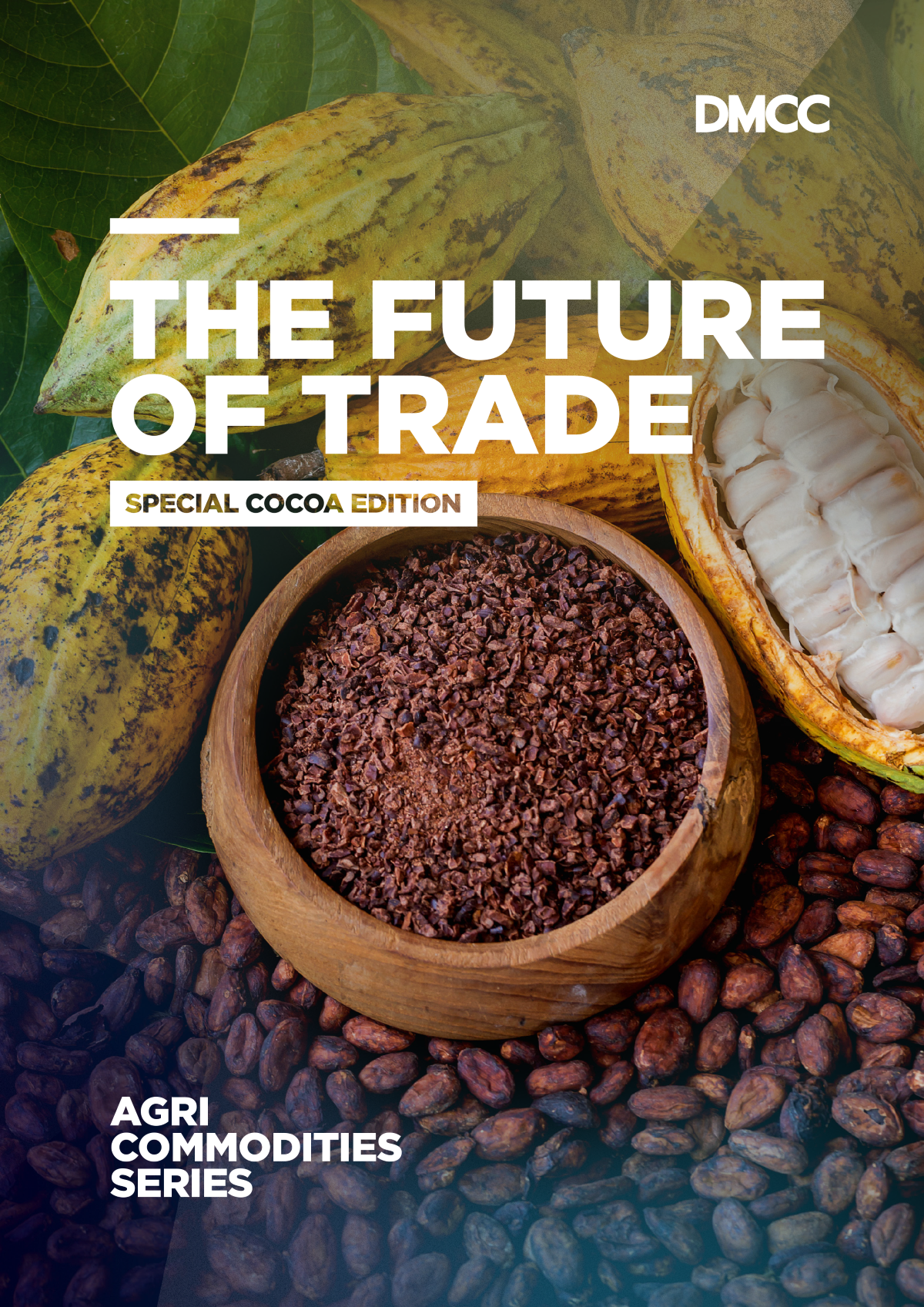
In its latest report, released under the Future of Trade Agri Commodities Series, the DMCC Coffee Centre published a special edition on coffee, warning that lands where coffee has thrived for centuries may no longer be suitable for cultivation in the coming decades.

According to the report, coffee’s vulnerability to climate change is stark. Unlike many other crops, coffee can only be cultivated in limited geographical zones, often at specific altitudes and within narrow temperature ranges. Any disruption in this balance — whether through droughts, frosts, or fungal diseases such as coffee leaf rust — can devastate entire harvests. Recent years have offered a preview of this future. In Vietnam, prolonged drought cut production by 20% and exports by 10% in the 2023/24 season. In Brazil, the world’s largest producer, one of the worst droughts in history pushed Arabica prices up by more than 80% in 2024. These are not isolated events but warning signals of a changing climate destabilizing a vital crop.

Research cited in the report projects that by 2050, half of today’s coffee-growing land may become unsuitable. Arabica, which accounts for 60–70% of global production and is prized for its quality, is the most at risk. Dependent on cooler climates with clearly defined wet and dry seasons, Arabica is highly sensitive to even modest increases in temperature. Robusta, known for its greater heat tolerance, may also face challenges under worsening climate conditions.

“The reality is that producers often have customers who have pre-booked volumes months in advance,” said Mike Butler, Associate Director of Coffee at DMCC. “If crops fail, they cannot deliver. This puts enormous pressure on farmers and traders, making climate volatility the new normal.”

Mike Butler, Associate Director of Coffee at DMCC

These pressures are already reshaping market dynamics. When Arabica prices surge, major brands increasingly turn to Robusta to fill the gap, often blending higher proportions into espresso and instant products. But as Garfield Kerr, President of the Specialty Coffee Association (SCA) and founder of Mokha1450 in Dubai, explains: “Specialty coffee consumers will notice the difference. While efforts are underway to develop specialty-grade Robusta, its flavor profile remains distinct.” This divergence could redefine what consumers drink, as well as where and how coffee is cultivated in the decades ahead.

Garfield Kerr, President of the Specialty Coffee Association (SCA) and founder of Mokha1450

The effects of climate change extend beyond farms to disrupt the global trade system. Shortages in Brazil or Vietnam ripple across supply chains, triggering price spikes and reshaping import decisions worldwide. Exchange-based pricing, once a reliable benchmark for roasters, is increasingly disconnected from the realities of specialty markets. Butler notes: “We are in a complex situation. Exchange pricing has become speculative and detached from the actual market, especially in premium segments.”

For smallholder farmers — who produce 80% of the world’s coffee — volatility is a fight for survival. Most lack the resources to withstand failed harvests or price shocks. When yields collapse, so too does income, jeopardizing education, healthcare, and food security for millions of families. The DMCC Coffee Centre report stresses the urgent need for investment in climate adaptation strategies that enable farmers to continue producing under increasingly hostile conditions.

Among the most promising solutions is agroforestry, where coffee is cultivated alongside trees and diverse crops to shield plants from heat, improve soil fertility, conserve water, and diversify incomes. Developing drought-resistant coffee varieties is another frontier. Kerr highlights Yemen as a potential leader, where farmers have for centuries produced resilient coffees in arid, high-temperature conditions. “I expect Yemen to become an industry leader in producing drought-resistant coffees,” he says, “because its farmers and agronomists already grow coffee in hotter climates with less water.”

The urgency of innovation extends beyond agriculture. International institutions and trade hubs must foster collaboration, data-sharing, and investment to support producers. The International Coffee Organization, in partnership with the International Trade Centre, has launched a Coffee Sustainability Support Database cataloguing more than 400 climate and sustainability initiatives worldwide. From training farmers in composting techniques to supporting cooperative-led climate projects, such efforts highlight the collective action required to build resilience.

Still, adaptation alone may not suffice without broader systemic change. Consumers increasingly demand proof that their coffee is produced sustainably and ethically, and regulators are responding with measures such as the European Union Deforestation Regulation. Compliance requires end-to-end traceability, raising costs but also creating opportunities for new technologies like blockchain and AI-powered monitoring to ensure that sustainability commitments are verifiable.

The DMCC Coffee Centre concludes that the global coffee sector stands at a crossroads. Climate change is already disrupting production, and risks are intensifying. While forecasts suggest that production could reach a record 178.7 million 60-kg bags in 2025/26, long-term threats loom over both supply and the livelihoods of millions of farmers. At the same time, solutions — from agroforestry to resilient varieties, from digital transparency to circular economy models — are emerging. The question is not whether the industry will change, but whether it can adapt quickly enough to safeguard coffee’s future.

For an industry that spans continents and cultures, the message is clear: without urgent action, climate volatility could reshape the coffee world beyond recognition. But through innovation, cooperation, and resilience, coffee can remain what it has always been — not just a drink, but a global connector, an economic pillar, and a cultural force.