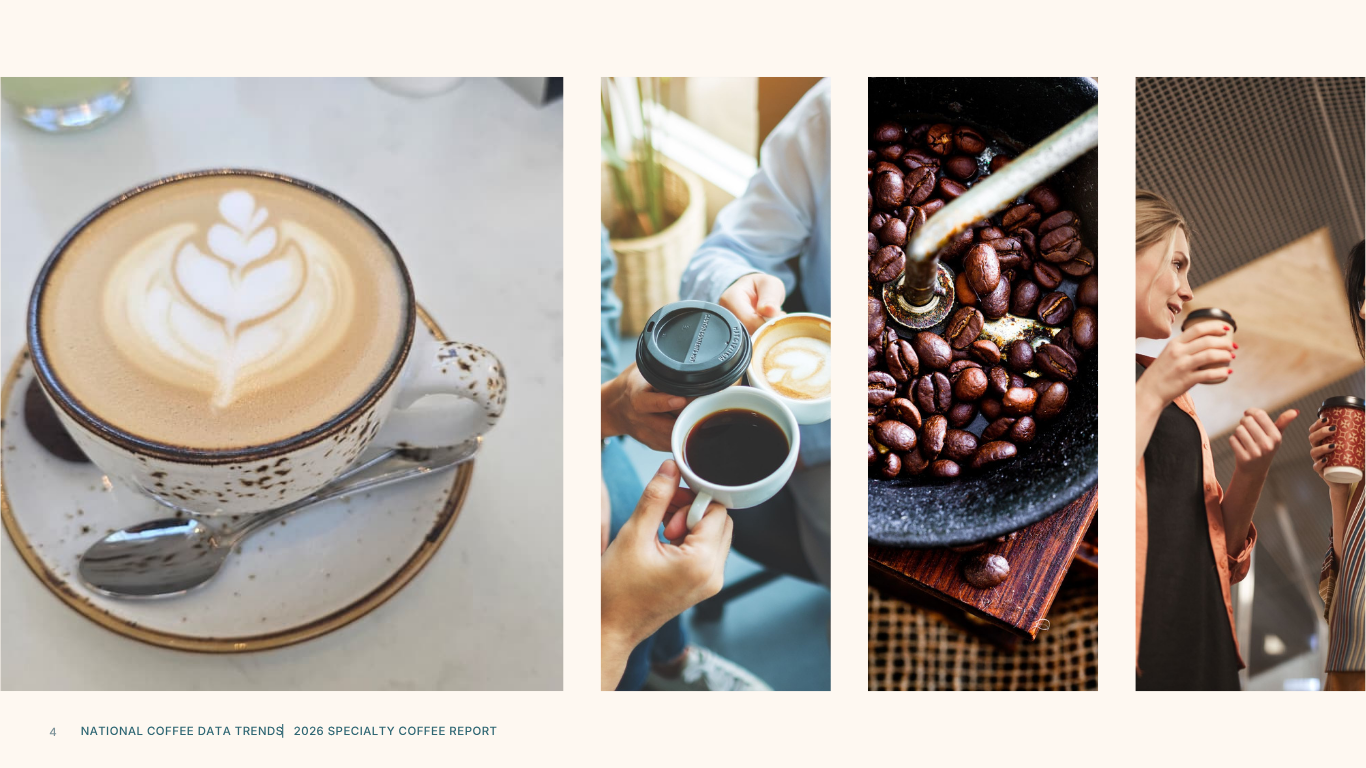
Specialty Coffee in America Hits Record High in 2026

Source: National Coffee Association (NCA) |
Author: Specialty Reports Unit |
Date: June 2, 2026

Specialty Coffee in America Hits Record High in 2026

Key Takeaways:

  • 47% of American adults drank specialty coffee yesterday. This equals the highest level ever recorded.
  • Specialty coffee surpasses traditional coffee daily (47% vs. 42%).
  • 58% of Americans had specialty coffee in the past week. That is a 10 point increase since 2021.
  • The 25 to 39 age group leads consumption. 69% of them drank specialty coffee in the past week.
  • Espresso based beverages (lattes, cappuccinos) reached 45% weekly penetration.
  • Sweet flavors like chocolate and caramel top the preference list for specialty drinkers.
  • 36% of specialty coffee drinkers had their coffee prepared out of home. Only 23% of traditional drinkers did the same.

The National Coffee Association (NCA) released its 2026 National Coffee Data Trends Specialty Coffee Report today. The report shows that specialty coffee continues to achieve record numbers. Specifically, 47% of American adults drank specialty coffee on the day before the survey. This matches the record high set in 2025.

In addition, specialty coffee outperforms traditional coffee, which stood at 42% daily. The data points to a clear shift in consumer behavior toward quality and diverse flavors. Specialty coffee confirms its position as a favorite drink among new age groups.

Record High Consumption for Specialty Coffee

The Spring 2026 NCDT report found that 66% of American adults drank coffee of any type yesterday. This makes coffee the number one beverage in America, ahead of tap or bottled water. However, the real growth happens in the specialty coffee segment. Daily specialty consumption reached 47%, while traditional coffee remained stable at 42%.

Furthermore, weekly specialty coffee consumption has grown steadily. It increased from 48% in 2021 to 58% in January 2026. This represents a 10 percentage point increase over five years. Espresso based beverages (EBBs) are the main driver of this growth.

Coffee Type Daily Penetration (Jan 2026) Weekly Penetration (Jan 2026)
Specialty Coffee 47% 58%
Traditional Coffee 42% 62%
Espresso Based Beverages (EBBs) 29% 45%
Cold Specialty Beverages (N EBBs)* 17% 27%

* Includes cold brew, frozen blended coffee, and nitro coffee.

Age Group 25 39 Drives Growth and Demand for Innovation

The data shows that adults aged 25 to 39 are the main engine of the specialty coffee market. Specifically, 69% of this group drank specialty coffee in the past week. This is the highest percentage among all age groups. In contrast, only 46% of those aged 60 and above did the same.

As a result, younger consumers prefer espresso based drinks and cold beverages. For example, 60% of the 25 39 group had an espresso beverage in the past week. Cold brew consumption among them reached 28%. Among seniors, that number was only 6%.

Moreover, younger adults (18 to 24) showed a stronger preference for specialty coffee over traditional coffee. Their weekly specialty penetration was 50% compared to 40% for traditional. This suggests a lasting shift in consumption habits for future generations.

Age Group Specialty Coffee (Weekly) Espresso Beverages Cold Specialty Drinks
18 24 50% 38% 33%
25 39 69% 60% 40%
40 59 60% 47% 27%
60+ 46% 30% 13%

Flavor Preferences: Sweet Dominates, Specialty Drinkers Seek More

The report revealed that 35% of specialty coffee drinkers consider flavor as part of what makes a coffee “specialty.” Therefore, the study tested 22 flavor descriptions to identify the most preferred ones. Sweet flavors topped the list broadly. Chocolate (cocoa, milk chocolate, malt) scored 85% appeal among specialty drinkers. Caramel and brown sugar came second with 78%, followed by vanilla at 79%.

In contrast, specialty coffee drinkers showed greater openness to less common flavors compared to traditional drinkers. For example, the appeal for citrus notes (orange, lemon) rose to 64% among specialty drinkers versus 52% for traditional drinkers. Likewise, liking for rose and spice notes like cinnamon and cardamom increased significantly.

As a result, the study recommends that coffee shops and brands offer a mix of 4 to 5 core flavors. According to a TUR (Total Unduplicated Reach) analysis, offering chocolate, vanilla, and a tropical fruit can reach more than 70% of specialty coffee drinkers. Adding more flavors does not deliver significant additional reach.

Buying Behavior: Out of Home, Cold Drinks, and Sweeteners

The report noted clear behavioral differences between specialty and traditional coffee drinkers. First, 36% of specialty drinkers bought their coffee ready made from outside the home (cafes, restaurants, gas stations). This compares to only 23% for traditional coffee drinkers. This reflects the importance of out of home channels for the specialty segment.

Second, 32% of Americans consumed cold specialty coffee during the past week. This is a large number compared to traditional coffee, where only 13% was consumed cold. Cold brew and frozen blended drinks are key drivers of this trend, even during winter months.

Third, sweetener use increased among specialty coffee drinkers. Specifically, 59% of them added sweeteners or flavored syrup to their daily coffee. This percentage rises to 70% among the 25 to 39 age group. Hispanic Americans are more likely to add white sugar and honey. Meanwhile, 58% of specialty drinkers used whiteners (milk, cream, or milk alternatives).

Frequently Asked Questions About the 2026 Specialty Coffee Report

Q: What percentage of Americans drink coffee daily overall?

A: According to the Spring 2026 report, 66% of American adults drink coffee daily. This makes coffee the most consumed beverage, ahead of tap or bottled water.

Q: How does the NCA define “specialty coffee”?

A: Specialty coffee includes any espresso based beverage (lattes, cappuccinos), non espresso beverages like cold brew and nitro, plus traditional coffee that consumers believe is made from premium beans.

Q: Which age group consumes the most specialty coffee?

A: The 25 to 39 age group is the highest consumer. 69% of them drank specialty coffee in the past week, the highest among all age groups.

Q: What are the most preferred flavors for specialty coffee drinkers?

A: Sweet flavors lead the list. Chocolate has 85% appeal, followed by caramel and brown sugar at 78%, and vanilla at 79%.

Q: Do Americans prefer hot or cold specialty coffee?

A: 43% of specialty coffee drinkers prefer it hot, while 32% consume it cold. Cold beverages show steady growth even during winter months.

Q: Where do specialty coffee drinkers usually get their coffee?

A: 36% buy their coffee ready made away from home (cafes, restaurants, workplaces). The rest prepare it at home using drip makers or espresso machines.

Author: Specialty Reports Unit – Based on the National Coffee Association (NCA) press release issued June 2, 2026, and the 2026 NCDT Specialty Coffee Report.

All rights reserved. This report may be republished with attribution.

Publication date: June 2, 2026

Puyang Launches Integrated Coffee Production Chain in China

Dubai – Qahwa World

Coffee in China is no longer just an imported commodity or a growing consumer trend. It has become a strategic industrial and trade opportunity, with value chains extending from African production regions to Chinese processing hubs and global export markets. The Puyang County project in Henan Province stands out as a leading example of this transformation.

  • From Import to Deep Processing

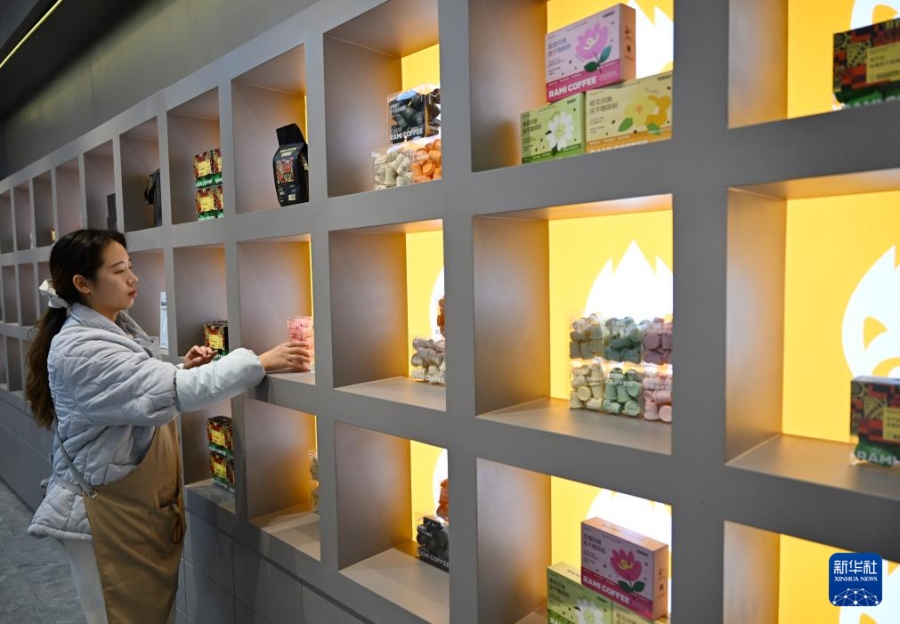
In recent years, Puyang County has actively participated in the Belt and Road Initiative, leveraging its industrial base and logistics infrastructure in central China. Within this framework, the China-Ethiopia Coffee Industrial Demonstration Park was established, relying primarily on coffee beans imported from Ethiopia and Uganda, two of the world’s most prominent coffee origin countries.

What sets Puyang apart is not merely the import of raw beans but the transition to advanced processing within China, which increases the value of the final product and strengthens the competitiveness of Chinese manufacturers in global coffee supply chains.

A Fully Integrated Production Facility

The demonstration park in Puyang features a fully integrated production system, including:

A factory producing freeze-dried instant coffee;

Three roasting lines for coffee beans;

Ten cold brew production lines;

Eight freeze-drying lines.

This integration allows complete control over all processing stages—from roasting and extraction to drying and packaging—ensuring consistent quality, product variety, and the capacity to meet diverse international standards.

  • Puyang at the Heart of China’s Emerging Coffee Value Chains

Puyang’s initiative reflects a broader shift in China: moving from being a final importer of coffee to becoming a regional hub for processing and re-exporting coffee. With growing domestic consumption and the expanding specialty coffee market, models like Puyang’s are increasingly relevant, combining industrial efficiency with trade flexibility.

Exports from Puyang now reach Singapore, the United States, and other countries, demonstrating that integrated production chains can effectively serve both domestic and international markets.

  • Coffee as a Belt and Road Cooperation Tool

On a larger scale, Puyang exemplifies how the Belt and Road Initiative can support agro-industrial value chain development, not only infrastructure and energy projects. By importing beans from African origins and processing them domestically, China creates a shared-value model: raw material sourcing in Africa, industrial processing in China, and global market distribution. This strengthens China’s role in global coffee trade while providing African producers with more stable export channels.

  • Implications for the Specialty Coffee Sector

For the specialty coffee industry, Puyang highlights several key trends:

Increased focus on advanced processing techniques such as freeze-drying and cold brew extraction;

Building industrial capacity capable of handling a wide range of African coffee origins;

A growing orientation toward export-ready, value-added products, not just the domestic market.

These elements make Puyang a case study for China’s evolving coffee value chains, particularly as Belt and Road initiatives continue to expand.

The Puyang project illustrates how coffee can evolve from a simple imported commodity into a high-value industrial product within fully integrated value chains. With ongoing investment and strategic partnerships, coffee is poised to become a new axis of industrial and trade collaboration between China and producing countries, reaching beyond domestic consumption into global markets.

New Study Reveals Shocking Findings on How Hot and Cold Coffee Affect the Body and Mind

Dubai – Qahwa World

A groundbreaking study published in the British Journal of Nutrition has uncovered a surprising link between the temperature of beverages—particularly coffee—and human physical and mental health. The research suggests that the difference between a steaming cup of coffee and an iced drink goes far beyond taste, extending to real effects on mood, digestion, and sleep.

Conducted by researchers from San Diego State University, the University of California San Diego, and Wake Forest University under the direction of Professor Tianying Wu, the study involved more than 400 healthy adults of Asian and White backgrounds between the ages of 18 and 65. The goal was to determine how the temperature of foods and drinks affects emotional and physical well-being. Participants reported how often they consumed cold and hot drinks such as water, coffee, tea, milk, and juice, as well as hot and cold meals during summer and winter. They also recorded symptoms related to anxiety, depression, insomnia, and digestive issues such as gas and abdominal fullness.

The results were striking. Among Asian participants, frequent consumption of cold beverages and foods—especially during the summer—was associated with higher levels of anxiety, sleep disturbance, and digestive discomfort. Those who reported having cold hands, an indicator of poor blood circulation, experienced these negative effects more strongly. The findings suggest that cold consumption in warm months may intensify anxiety and insomnia, while no significant benefit was found from hot consumption within this group.

In contrast, White participants showed the opposite trend. Those who preferred hot drinks, particularly during winter, reported fewer symptoms of depression, insomnia, and gastrointestinal discomfort. Regular consumption of hot coffee or tea during colder months was linked to better mood, improved sleep, and reduced bloating or gas. Meanwhile, higher intake of cold drinks and foods corresponded with higher anxiety and poorer sleep, particularly among those with low body warmth or poor circulation.

The researchers note that these findings align with ancient perspectives in traditional Chinese and Ayurvedic medicine, which warn against consuming cold foods and beverages during winter and emphasize the health benefits of warmth. While Western medicine rarely considers temperature as a health factor, this study offers scientific evidence that thermal effects can influence human physiology.

According to the authors, cold drinks can lower core body temperature, slow gut activity, and disrupt the balance of gut microbiota, all of which may impair digestion and mood. Exposure to cold also constricts blood vessels and reduces oxygen flow to the brain, potentially heightening anxiety and disturbing neurotransmitter balance. Conversely, warm drinks stimulate blood circulation, support healthy digestion, and activate the parasympathetic nervous system—responsible for relaxation—thus improving mood stability and sleep quality.

While the study is observational and does not establish causation, the patterns are consistent enough to warrant attention. The researchers emphasize that individual factors—such as poor circulation or cold extremities—can make some people more vulnerable to the negative effects of cold consumption.

Interestingly, even within the Asian group, the differences were notable. Chinese participants, who reported the lowest intake of cold foods and beverages, also showed the fewest symptoms of anxiety, depression, and digestive issues. Indian participants, on the other hand, displayed stronger associations between cold consumption and adverse health outcomes. The study further observed that Asian immigrants who had lived longer in the United States were more likely to adopt Western dietary habits, including higher consumption of cold drinks.

The authors conclude that the temperature of what we eat and drink is not merely a matter of taste—it may influence our physical and mental balance more than we realize. The findings suggest that warm foods and beverages could promote mental and digestive well-being, particularly during colder months or among individuals sensitive to cold. As Professor Tianying Wu stated, “The temperature of what we consume may matter far more than we think—it can subtly influence our mood and health in unexpected ways.”

Health Differences Between Hot, Cold, and Iced Coffee

Dubai – Qahwa World

A recent study, drawing on data from Free Well Health and scientific research published in the journal Foods (Thomas Jefferson University 2020), revealed clear differences between hot, cold, and iced coffee in terms of health value, flavor profile, and caffeine levels.

The study noted that all three types contain important antioxidants, but choosing the most suitable one depends on individual factors such as caffeine tolerance, preparation method, and additives like sugar and milk, which can increase calorie content and turn coffee into something closer to a liquid dessert.

Acidity and Nutritional Value

The research showed that cold brew coffee is slightly less acidic than hot brew at the same roast level, but the difference did not exceed 0.2 to 0.34 pH units. Darker roasts had the most significant effect in reducing acidity, making them a better choice for those sensitive to acids.

Hot coffee was also found to be richer in antioxidants, with levels remaining stable even with darker roasts. In contrast, antioxidant capacity in cold brew decreased as roast levels darkened. The study also revealed that hot coffee contained higher total dissolved solids (TDS), giving it a fuller body and more pronounced flavors, while cold brew offered a smoother texture and lower acidity, making it gentler on the stomach and teeth. Iced coffee, meanwhile, is essentially hot coffee that has been cooled and served with ice, offering refreshment without major changes in nutritional value.

Caffeine content remained similar across all three types when brewed in the same proportions, with averages of about 205 mg in a large cold brew compared to roughly 165 mg in iced coffee, while hot coffee was closer to the iced version. This indicates that cup size and coffee-to-water ratio play a bigger role in caffeine strength than the brewing method itself.

What Does This Mean for Coffee Lovers?

For those who want less acidity: A medium or dark roast is the best option, with cold brew providing a slightly lower acidity than hot.

For those focused on antioxidants: Hot brewing remains more consistent across roast levels.

For those seeking smoothness and mildness: Cold brew delivers a softer texture and lower acidity but is generally less concentrated.

For those worried about caffeine: There’s no major difference between hot and cold brews; cup size and ratio matter more.

In conclusion: The main differences among hot, cold, and iced coffee lie in acidity, antioxidant content, and texture, while caffeine remains largely unchanged giving consumers the freedom to choose based on taste preference and health needs.

Specialty Coffee Consumption in the United States Reaches Record High

Washington, September 9, 2025 (Qahwa World) – The Fall 2025 National Coffee Data Trends report, published by the National Coffee Association, shows that specialty coffee consumption in the United States has reached its highest level on record. Fifty-seven percent of Americans reported drinking specialty coffee at least once in the past week, a figure that matches the highest level ever recorded and confirms that specialty coffee has become a central part of everyday life across the country.

The report also highlights the strong role of younger generations, with forty-six percent of Americans between the ages of 18 and 24 saying they consumed specialty coffee on the day before the survey was conducted, the highest daily rate since 2020. Analysts attribute this trend to the integration of younger consumers into modern coffee culture, their preference for higher quality and innovative experiences, and the growing popularity of coffee-related social events that encourage sharing and discovery.

The study notes that new preparation methods are fueling this growth. Cold brew consumption rose to seventeen percent, an increase of three percentage points compared with the start of the year, while ready-to-drink coffee beverages reached nineteen percent, up four points. These figures reflect the American consumer’s attraction to options that combine convenience and freshness, particularly during warmer months.

Industry observers say the expansion of specialty coffee consumption opens new opportunities but also presents challenges. Large chains are benefiting from the growth of app-based orders and drive-thru services, while independent cafés and roasters are finding their strength in providing higher quality products, origin transparency, and stories of sustainability. This balance between convenience and authenticity is expected to shape the future of the U.S. coffee market.

The significance of this growth is underscored by the size of the overall industry, valued at 343 billion dollars. Specialty coffee is no longer just a matter of personal taste or social trend but a powerful economic sector in its own right. With rising consumer awareness of origin, production methods, and environmental certifications, specialty coffee is expected to continue strengthening its position both domestically and internationally.

The findings suggest that the United States has moved beyond the so-called third wave of coffee, which focused on artisanal preparation, and is entering a new phase that blends quality with convenience and social experience. For a new generation of consumers, coffee is no longer simply a morning beverage but an evolving lifestyle choice that reflects broader shifts in consumer culture.

Coffee Planet Showcases Innovation and Growth at World of Coffee Dubai 2024

Dubai – Qahwa World

Coffee Planet, part of the Ludlow Coffee Group, made a strong impression at World of Coffee Dubai (21–23 January 2024), held in the city that has been its home since 2005. Following a record-breaking year in 2023 marked by market expansion, product innovation, and a commitment to sustainability, the company presented its largest and most ambitious showcase to date.

The event came during a period of significant growth for Coffee Planet, including the recent opening of a new corporate office, showroom, campus, and café in Abu Dhabi. This expansion reflects the company’s long-standing relationships in the capital and its broader ambition to strengthen its presence across the UAE, the Middle East, and international markets. Supporting this vision is its evolving brand identity and new strapline: “Everyone’s cup of Specialty.”

At World of Coffee Dubai 2024, Coffee Planet unveiled three major product launches:

Ready-to-Drink Cold Brew Range
The company introduced three new cold brew canned beverages: Latte, Caramel Latte (250ml), and Black Nitro (200ml). These products build on the success of its recently launched cold brew concentrate, already gaining traction in key markets, particularly within the HORECA sector. The concentrate offers versatility for cafés, bars, and events, enabling a wide range of beverage creations. The new ready-to-drink cans are expected to expand Coffee Planet’s reach across retail, online, and hospitality channels.

New Single Origin Coffees
Continuing its focus on quality and traceability, Coffee Planet presented a new selection of seasonal single origin coffees. These included three microlots from El Salvador (Santa Ana), Colombia (Hacienda Mallorca), and Guatemala, alongside four new food service single origins sourced from Brazil, Costa Rica, Colombia, and Ethiopia.

Sustainable Wooden Capsules
A key highlight was the launch of single origin coffees in innovative wooden capsules. Designed to be Nespresso-compatible, these capsules are made from natural wood fibres certified by PEFC and sourced from wood industry by-products. Fully plant-based and produced from renewable materials, they represent Coffee Planet’s commitment to sustainability while delivering a premium coffee experience. Customisation options are also available, allowing clients to tailor capsules to their preferred coffee selections.

Beyond product launches, Coffee Planet created an immersive experience at its stand. Visitors explored a main bar serving popular beverages using advanced equipment, a dedicated brew bar hosting workshops, a capsule display area, and a “Coffee Corner” concept designed for workplace environments.

The stand also featured insights into the Ludlow Coffee Group and its recently launched roastery brand, Jigsaw Coffee Company, which provides private label roasting services for global food and beverage brands and produces Coffee Planet’s full range.

Throughout the three-day event, Coffee Planet hosted interactive sessions, demonstrations, and competitions led by its Campus team and industry partners. Renowned baristas and latte art champions participated, adding energy and engagement to the experience. The company also collaborated with key partners across the exhibition, showcasing its coffees on leading equipment brands and hosting masterclasses.

Jamie Brown, CEO of Coffee Planet and Ludlow Coffee Group, said:
“We were proud to showcase our expertise and latest innovations at World of Coffee Dubai. It was a great opportunity to connect with customers and partners, strengthen relationships, and continue our mission to make specialty coffee accessible to all.”