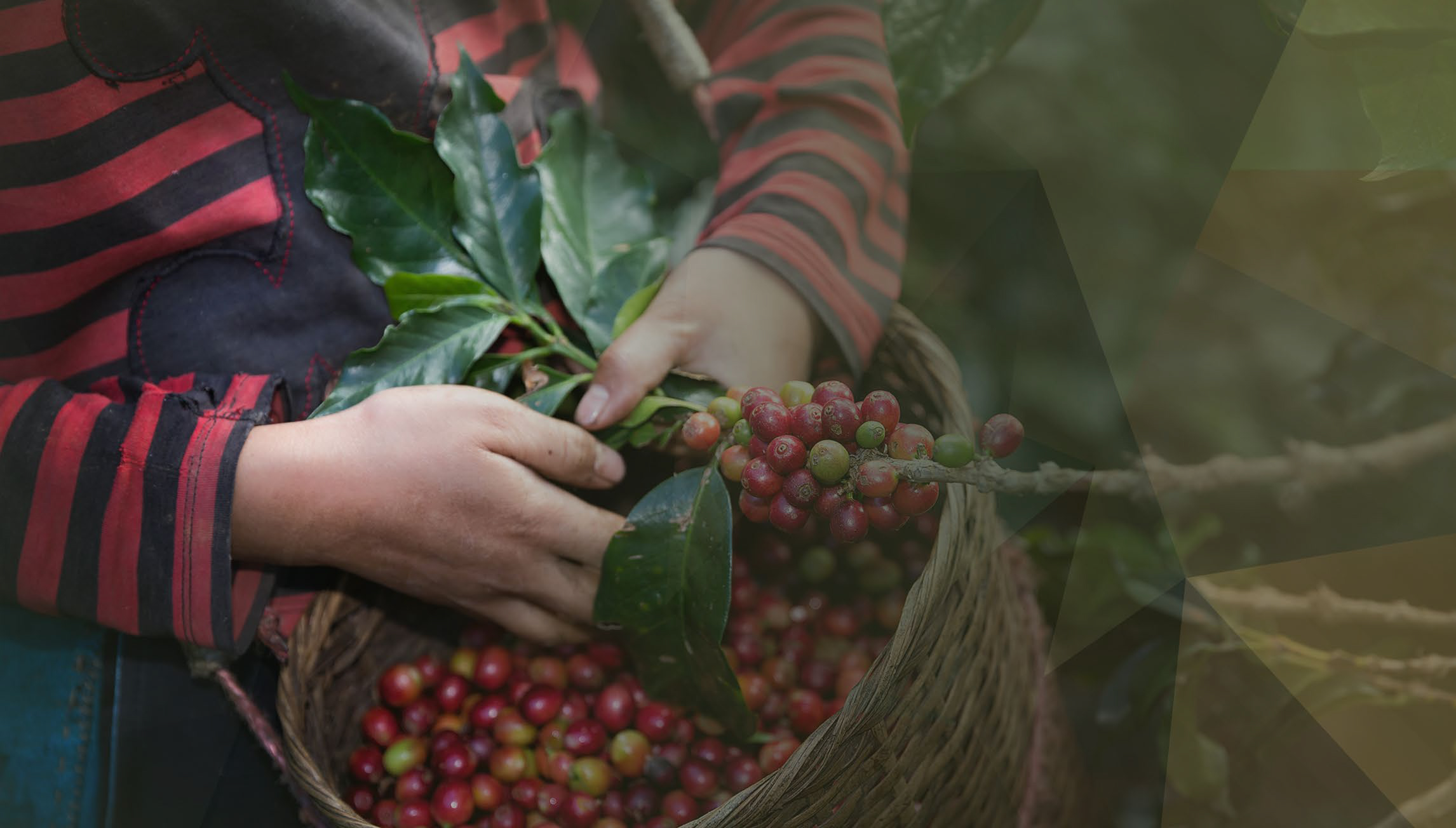
Shocking Discovery: Just One Cup of Coffee May Reduce Donor Blood Quality

Dubai, September 8, 2025 (Qahwa World) – A groundbreaking study published in Haematologica has revealed that caffeine, the world’s most widely consumed stimulant, can significantly reduce the quality of stored donor blood, potentially limiting the benefits of transfusions for patients.

The research, based on data from more than 13,000 blood donors, examined caffeine levels and their impact on red blood cell function during storage. The results showed that blood taken from donors with high caffeine exposure was more fragile and less effective after transfusion. The cells demonstrated depleted energy reserves such as adenosine triphosphate, reduced levels of 2,3-bisphosphoglycerate, and increased oxidative stress markers, making them more prone to breakdown.

The study further revealed that not all donors were affected equally. Negative effects were especially pronounced among individuals carrying variants of the ADORA2b gene, which regulates how red blood cells adapt to low oxygen. When caffeine blocks this receptor, stored blood deteriorates faster, resulting in weaker clinical outcomes for transfusion recipients.

Laboratory experiments confirmed that caffeine’s harm operates on two fronts: first, by blocking ADORA2b signaling, and second, by directly inhibiting glucose-6-phosphate dehydrogenase, a key enzyme responsible for red cell antioxidant defenses. This dual mechanism leaves cells more vulnerable to oxidative stress and shortens their survival after transfusion.

The health implications are significant. With more than twelve million units of blood transfused annually in the United States alone, even small reductions in blood quality can have widespread consequences. Encouragingly, caffeine is a modifiable factor. Because of its short biological half-life, abstaining from coffee or caffeinated drinks for even a single day before donation may improve blood quality. Some European countries already advise donors to avoid caffeine, while in the United States and Italy it is sometimes encouraged to help raise blood pressure temporarily, easing the donation process.

Researchers, led by Professor Angelo D’Alessandro of the University of Colorado, emphasize that these findings highlight the need for a more personalized approach to transfusion medicine. In addition to blood type, factors such as lifestyle and genetic background should be considered to ensure the highest quality units are directed to patients most at risk, such as infants or individuals with severe anemia.

The paradox is striking: the same mechanisms that make caffeine harmful for stored blood may explain its appeal to athletes. A modest increase in oxidative stress can stimulate adaptation in the body, improving endurance. But inside blood banks, this effect translates into weaker units and reduced potential to save lives.

Roasted and Soluble Coffee Exports Decline in July 2025

Dubai, September 6, 2025 (Qahwa World) – The International Coffee Organization’s (ICO) August 2025 report has revealed a significant decline in exports of both roasted and soluble coffee in July, underscoring new challenges facing the global coffee sector as it navigates volatile prices, shifting demand, and rising production costs. The data highlights not only pressure on green coffee but also on finished products that reach consumers directly, raising concerns about structural changes in the industry.

According to the report, roasted coffee exports fell by a dramatic 63%, reaching only 30,000 bags compared to 81,000 bags in July 2024. This steep contraction marks one of the sharpest drops in recent years for a category that reflects direct consumer demand for value-added coffee products. Soluble coffee exports also registered a decline, albeit more modest, down 5% to 1.08 million bags from 1.13 million bags a year earlier. While less severe, the slowdown in soluble exports is significant because this category has long been considered one of the most resilient and widely consumed segments in global markets, particularly in emerging economies.

Analysts attribute the decline in roasted coffee exports to several interlinked factors. The most immediate is the surge in global coffee prices, with the ICO Composite Indicator Price (I-CIP) climbing by 14.6% in August to 297.05 US cents per pound, its highest level since 2024. Such historic price levels have curbed demand for high-cost roasted products, especially in advanced markets such as Europe and North America, where consumers are already grappling with inflation and higher living expenses. At the same time, exporters face mounting challenges from rising production and shipping costs. Energy, labor, and logistics expenses have all increased in recent months, eroding margins and forcing some companies to scale back international shipments in favor of local markets where conditions are more stable.

For soluble coffee, the 5% drop highlights a different dynamic. Traditionally, this segment has thrived in developing and price-sensitive markets due to its affordability and convenience. Yet even here, demand appears to be shifting. In mature markets, growth has slowed as consumers gravitate toward specialty coffee and fresh roasted options, reflecting a broader trend toward quality and experience rather than convenience alone. In competitive producing countries such as Vietnam and India, rising production capacity has intensified rivalry, putting pressure on exporters to maintain prices and market share. Younger generations in many countries are also seeking more diverse coffee experiences, leading to gradual erosion in the dominance of instant coffee.

The decline in both roasted and soluble exports has broader economic implications. It signals that pressure in the coffee sector is not limited to green coffee or raw supply but extends throughout the value chain. Combined with the ICO’s data showing global coffee stocks at their lowest level since April 2024, the contraction in finished product exports adds another layer of vulnerability to a market already characterized by price volatility and supply uncertainty. Experts warn that if these trends persist, the industry could face an extended period of turbulence, with higher prices for consumers and tighter margins for producers.

Still, opportunities remain in certain regions. Demand for soluble coffee continues to expand in parts of Africa and Asia, albeit at a slower pace, offering some relief for exporters. However, regulatory challenges such as the upcoming EU Deforestation Regulation (EUDR), set to take effect at the end of 2025, are expected to add new hurdles for suppliers attempting to maintain access to key European markets. For roasted coffee, niche segments such as specialty blends and locally branded products may offer pathways to sustain growth, but producers will need to adapt quickly to changing consumer preferences.

The ICO emphasized that roasted and soluble coffee exports should be monitored closely as indicators of global consumption trends. If the declines seen in July extend over the coming months, it could mark the beginning of a deeper shift in how coffee is traded and consumed worldwide. In that scenario, volume alone would no longer be the main metric of success; value-added innovation, consumer engagement, and adaptability to regulatory and market changes would become critical to survival. For now, the combined 63% plunge in roasted coffee exports and the 5% drop in soluble shipments serve as a stark reminder that the challenges facing the coffee sector go beyond farms and warehouses and reach all the way to the consumer’s cup.

Global Coffee Stocks Fall to Lowest Level Since April 2024

Dubai, September 4, 2025 (Qahwa World) – The International Coffee Organization’s (ICO) August 2025 report has revealed a sharp decline in global coffee stocks, falling to their lowest level since April 2024. The drop in inventories comes just weeks after prices reached a historic high, highlighting a fragile market caught between soaring demand and tightening supply.

According to the ICO, certified Arabica stocks held at the New York Exchange dropped 7.9% to 0.77 million bags, marking a 16-month low. Robusta inventories at the London Exchange also fell by 4.6%, standing at 1.13 million bags. The simultaneous reduction across both major coffee types signals a broad squeeze on available supply.

Why Stocks Are Falling

Analysts point to several reasons behind the decline:

  • Weaker export flows – Global green coffee exports fell for the sixth consecutive month in July 2025, tightening supplies into key markets.

  • Crop concerns – Brazil, the world’s top producer, reported larger bean sizes but weaker density, which reduced overall yield estimates.

  • Climate risks – A frost in Brazil earlier this year damaged an estimated half a million bags.

  • Regulatory pressure – European roasters have been stockpiling ahead of the EU Deforestation Regulation (EUDR) that comes into force at the end of 2025, drawing beans out of certified warehouses into private storage.

Connection to Soaring Prices

The fall in stocks coincided with a dramatic rise in prices. In August, the ICO Composite Indicator Price (I-CIP) climbed 14.6% to 297.05 US cents per pound, the highest since 2024. With inventories shrinking, the likelihood of further price volatility is increasing, especially if supply disruptions persist.

Regional Dynamics

  • South America posted the steepest decline, with exports down 18.5%, driven by a 28.6% fall in Brazil.

  • Asia & Oceania moved in the opposite direction, growing exports 22.7%, led by Vietnam (+29.4%) and Indonesia (+20.4%).

  • Africa also contributed positively, with exports rising 4.4%, thanks to strong performance in Uganda (+51.4%) and Ethiopia (+12.5%).

  • Mexico & Central America recorded moderate growth of 7.2%, helping to diversify global supply, though not enough to offset South America’s losses.

What It Means for the Market

Industry experts warn that the current drawdown in stocks leaves the coffee market more vulnerable to external shocks. Further weather events in Brazil or Vietnam could deepen the supply gap, while the EUDR may slow exports to Europe. Rising shipping and labor costs add another layer of pressure on the supply chain, feeding into higher costs for roasters and consumers alike.

Outlook

The ICO emphasized that stock levels will remain a critical indicator for the market in the coming months. Any further declines could trigger another round of price surges, prolonging uncertainty for producers, traders, and consumers. With prices already at historic highs and inventories at multi-year lows, coffee is entering one of its most volatile periods in recent memory

ICO: Coffee Prices Hit Historic Surge as Exports Decline

Dubai, September 3, 2025 (Qahwa World) – The International Coffee Organization (ICO) in its August 2025 report revealed unprecedented shifts in the global coffee market, with the ICO Composite Indicator Price (I-CIP) rising by 14.6% to 297.05 US cents per pound – its highest level since 2024 and 24.3% higher year-on-year. At the same time, the report highlighted that global green coffee exports continued to contract for the sixth consecutive month, underscoring the dual pressure of soaring prices and shrinking supplies.

Historic Price Surge
According to the ICO, all coffee groups recorded strong gains. Robusta led the surge with a 19.1% increase to 199.13 US cents per pound, while Colombian Milds, Brazilian Naturals, and Other Milds rose between 12% and 14%. Futures prices also jumped sharply, with New York contracts up 13.6% and London contracts up 18.2%, signaling broad-based upward momentum.

Market Drivers
The report identified multiple factors fueling the rally:

  • The United States’ 50% tariff on Brazilian coffee, slowing down commercialization.

  • Brazil’s government support through the Funcafé fund, allocating BRL 6.8 billion (USD 1.29 billion) to finance the 2025/26 harvest.

  • Reports of lower bean density in Brazil despite large screen size, reducing crop estimates.

  • European roasters stockpiling ahead of the EU’s Deforestation Regulation (EUDR) deadline in December 2025.

  • A minor frost in Brazil damaging up to half a million bags.

  • Roasters increasing long positions in futures markets to hedge against further price hikes.

Export Downturn
The ICO report also showed global green coffee exports reaching 10.3 million bags in July 2025, down 0.7% from July 2024. South America posted the steepest decline (-18.5%), driven by Brazil’s 28.6% fall in shipments.

Regional Contrasts

  • Asia & Oceania exports surged by 22.7%, led by Vietnam (+29.4%) and Indonesia (+20.4%).

  • Africa’s exports rose 4.4%, with Uganda (+51.4%) and Ethiopia (+12.5%) as key contributors.

  • Mexico & Central America posted a moderate increase of 7.2%.

Looking Ahead
The ICO emphasized that the combination of rising prices and falling exports places the global coffee market in a volatile phase. With the EUDR coming into effect by year-end and climate-related risks looming over major producers, coffee is set to remain one of the most vulnerable agricultural commodities to both economic and environmental shocks.

Roasted Arabica Coffee Contains Natural Compounds That Fight Diabetes

Dubai, September 3, 2025 (Qahwa World) – A new scientific study has revealed that roasted Arabica coffee beans contain natural compounds with powerful blood sugar–lowering effects, stronger than the widely used antidiabetic drug acarbose.

Researchers successfully identified three novel diterpene esters, named Caffaldehyde A, B, and C, which showed significant inhibition of the enzyme α-glucosidase, a key factor in blood sugar regulation. In addition, three more diterpenes with similar effects were discovered, reinforcing coffee’s role as a functional food with health benefits beyond basic nutrition.

Coffee as a Functional Food

Functional foods are those that contain biologically active compounds providing added benefits such as antioxidant protection, neuroprotection, lipid regulation, and blood sugar control. Coffee is not only one of the most consumed beverages worldwide but also one of the most economically valuable crops.

More than 70 diterpenes have been documented in coffee so far. Among them, kahweol and cafestol stand out for their anticancer and antidiabetic properties. However, roasted coffee remains chemically complex, making the discovery of new active compounds a challenging yet essential task.

Research Methodology

The research team employed advanced techniques combining Nuclear Magnetic Resonance (NMR) with Liquid Chromatography–Mass Spectrometry (LC-MS/MS). This innovative approach enabled faster detection of bioactive molecules while reducing solvent use, making the process more efficient and eco-friendly.

Findings

The diterpene extract was divided into 19 fractions. Fractions 9–13 exhibited the highest α-glucosidase inhibitory activity, leading to the discovery of three novel compounds – Caffaldehyde A, B, and C. These were structurally confirmed and shown to lower blood sugar effectively.

Additionally, three other compounds were identified: magaric acid, octadecenoic acid, and nonadecanoic acid, which also showed promising inhibitory activity.

Conclusion

This discovery demonstrates that roasted Arabica coffee beans are more than a daily beverage – they are a rich source of natural compounds with strong therapeutic potential. The identification of six novel compounds represents a significant step in understanding coffee’s health role and opens the door for developing innovative nutritional and medical approaches to diabetes management.

As coffee continues to hold its place as a cultural and economic staple, it also reveals itself as a functional food with the potential to support better public health and inspire further natural treatment research.

Nut Milks in Coffee: Healthier, But Do They Match Dairy’s Taste?

August 28, 2025 – (Qahwa World) – The coffee world has long been familiar with debates about dairy versus alternatives, but a groundbreaking study from South Korea has now provided the most detailed comparison yet of how nut-based milks perform in espresso drinks. The findings reveal that while cow’s milk remains the preferred choice for taste and texture, nut milks—particularly when roasted—offer unique health advantages and the potential for future innovation in coffee beverages.

Background: The Rise of Plant-Based Milks

Growing concerns over lactose intolerance, cholesterol, and the environmental footprint of dairy farming have fueled global demand for plant-based milk alternatives. Almond, cashew, hazelnut, and walnut milks have emerged as popular options, often promoted for their nutritional value and lower environmental impact. Yet little scientific research has explored how these nut milks behave when combined with coffee, particularly in terms of sensory appeal and chemical composition.

This new study, conducted by researchers at Dongguk University in Seoul and published in Scientific Reports, set out to fill that gap. The team prepared espresso-based beverages using roasted Brazilian arabica coffee and each of the four nut milks, in both roasted and unroasted forms, then compared them against traditional cow’s milk coffee.

The Science Behind Nut Milks in Coffee

The researchers examined multiple factors:

  • Fatty acid composition

  • Antioxidant activity

  • Volatile compounds (aroma contributors)

  • Particle size and viscosity

  • Color and browning index

  • Sensory evaluation by trained tasters

Roasting nuts before milk preparation had a profound impact. Oleic, linoleic, and linolenic acids—all beneficial unsaturated fatty acids linked to heart health—rose significantly in roasted nut milks. These drinks also exhibited higher antioxidant activity and polyphenol content, key markers associated with reduced oxidative stress in the body.

On the flip side, nut-based coffees tended to have larger particle sizes and higher viscosity compared to cow’s milk, factors that influenced mouthfeel and overall smoothness.

Volatile Compounds and Aroma Profiles

Gas chromatography identified 33 volatile compounds across the samples. Cow’s milk coffee stood out for floral and sweet notes such as furfuryl acetate and 5-methyl furfural, while nut milks contained more aldehydes and pyrroles, compounds characteristic of nutty aromas.

For example, almond milk coffee showed high levels of benzaldehyde, the chemical responsible for the distinct bitter-almond scent. Cashew and walnut-based versions contained other aldehydes linked to roasted and woody notes. These chemical profiles shaped the sensory outcomes, sometimes creating bitterness or lingering aftertastes that reduced preference scores.

Sensory Results: Dairy Still Dominates

Seventeen trained panelists evaluated all beverages for sweetness, bitterness, texture, nuttiness, and overall acceptance. Cow’s milk consistently ranked highest for sweetness, creaminess, and general preference.

Among the nut milks, cashew milk scored the highest, followed by almond and roasted hazelnut. Roasted walnut milk was the least favored. The study attributed the lower ratings of nut milks partly to aldehydes that impart undesirable flavors and to textural differences caused by larger particles.

Despite this, researchers stressed that nut milks still show strong promise:

“Nut-based milk coffee demonstrated potential as a health-promoting beverage owing to its high unsaturated fatty acid content and antioxidant effects,” the authors wrote.

Health and Sustainability Advantages

Nutritionally, nut milks have clear advantages. Compared with cow’s milk, they contained:

  • Lower levels of saturated fat

  • Higher levels of unsaturated fatty acids (linked to cardiovascular benefits)

  • Greater antioxidant activity (especially in roasted versions)

From an environmental perspective, the use of nuts in plant-based beverages reduces reliance on livestock farming, which is resource-intensive in terms of water, land, and greenhouse gas emissions.

The Road Ahead: Improving Flavor and Texture

While health benefits are evident, the researchers acknowledged that consumer acceptance remains limited by flavor and mouthfeel. They recommended further work to:

  • Control aldehyde production during processing to minimize off-flavors

  • Conduct additional physical experiments to refine texture and improve creaminess

  • Explore roasting parameters to optimize antioxidant release without compromising taste

These steps, they argue, could help close the sensory gap between nut milks and cow’s milk, paving the way for a new generation of plant-based coffee beverages that balance health, sustainability, and taste.

A Shift in the Coffee Industry?

The study’s findings come at a time when cafés worldwide are diversifying their menus with oat, soy, and nut milks to cater to vegan and health-conscious consumers. While dairy still dominates, particularly in espresso-based drinks, this research signals that the future of coffee could include more scientifically engineered plant-based options that rival dairy not only in nutrition but also in flavor.

For coffee lovers, that could mean healthier cappuccinos and lattes without sacrificing the sensory experience that makes café culture so irresistible.

Barista Terminology | Episode 14: Coffee Origins and Their Flavour Profiles

Qahwa World continues its “Barista Terminology” series, reaching today the fourteenth installment of this educational journey dedicated to enhancing the professional and cultural knowledge of baristas. In this episode, we examine some of the most prominent coffee-producing countries worldwide, highlighting their pivotal role in shaping the history of coffee and its global cultural and economic impact.

Coffee’s origin is more than just a label—it is the foundation of its identity. Soil, climate, altitude, and processing methods shape each region’s unique character. For baristas and enthusiasts alike, understanding coffee origins means understanding the story behind every cup.

  1. Ethiopia
  • Widely accepted as the birthplace of coffee.
  • Known for floral, fruity, and tea-like flavors.
  • Often features bright acidity and a light, elegant body.
  • Famous growing regions: Yirgacheffe, Sidama, Harrar.
  1. Yemen
  • The first country to cultivate and export coffee.
  • Produces earthy, winey, and spicy coffees with wild complexity.
  • Grown in terraced mountains with minimal irrigation.
  • Traditional dry processing preserves deep, rustic character.
  1. Brazil
  • The world’s largest coffee producer.
  • Known for chocolatey, nutty, and low-acid profiles.
  • Often used in espresso blends for its sweetness and heavy body.
  • Mechanized harvesting and large estates dominate production.
  1. Colombia
  • Offers balanced coffees with caramel, nut, and red fruit notes.
  • Known for clean cup quality and medium body.
  • Coffee is grown across various altitudes and microclimates.
  • A staple for many brewing styles.
  1. Kenya
  • Renowned for vibrant acidity and juicy, wine-like profiles.
  • Notes include blackcurrant, grapefruit, and floral tones.
  • Coffee auctions and grading systems support high quality.
  • Grown on volcanic soil at high elevations.
  1. Guatemala
  • Produces complex coffees with chocolate, spice, and berry notes.
  • Medium to full body and pronounced acidity.
  • Volcanic soils and diverse microclimates offer great variety.
  • Antigua and Huehuetenango are standout regions.
  1. Costa Rica
  • Known for clean, sweet, and bright coffees.
  • Common flavor notes: citrus, stone fruit, brown sugar.
  • Frequently uses honey and washed processes.
  • Strong environmental and quality controls.
  1. Panama
  • Globally recognized for the Geisha variety.
  • Offers floral, jasmine, bergamot, and delicate fruit notes.
  • High-altitude farms like Boquete and Volcán yield prized lots.
  • Among the most expensive coffees in the world.
  1. Indonesia
  • Notable regions: Sumatra, Java, Sulawesi.
  • Produces earthy, bold coffees with heavy body and low acidity.
  • Often processed using traditional wet-hulling.
  • Complex, deep profiles loved in dark roasts.
  1. Honduras
  • Emerging as a high-quality producer.
  • Known for sweet, balanced, sometimes tropical fruit-forward cups.
  • Great for both filter and espresso use.
  • Strong investment in cooperatives and traceability.

Related Stories:

Barista Terminology | Episode 13: Espresso Machine Components Explained

Barista Terminology | Episode 12: Brewing Equipment Maintenance & Hygiene

Barista Terminology | Episode 11: Milk-Based Coffee Drinks

Barista Terminology | Episode 10: Advanced Concepts

Barista Terminology | Episode 9: Sensory Evaluation

Barista Terminology | Episode 8: Customer Service Language in the Café

Barista Terminology | Episode 7: Water & Temperature Control

Barista Terminology | Episode 6: Grind & Extraction Variables

Barista Terminology | Episode 5: Milk Texturing & Latte Art

Barista Terminology | Episode 4: Brew Methods Explained

Barista Terminology | Episode 1: The Coffee Bean – From Seed to Roast

Barista Terminology | Episode 2: Barista Tools & Equipment

Barista Terminology | Episode 3: Espresso Basics


British Study: Hot Drinks Contain the Highest Levels of Microplastics

London – August 28, 2025 (Qahwa World) – A peer-reviewed study from the University of Birmingham has found that everyday hot beverages—especially tea and coffee—contain the highest concentrations of microplastics among popular drinks tested, raising fresh questions about packaging, preparation practices, and real-world exposure. The paper, published in Science of the Total Environment, analysed 155 widely available drinks sold in UK supermarkets and coffee shops and is the first to assess human exposure via total beverage intake rather than water alone.

Researchers reported microplastics in every sample. Hot tea recorded the highest average concentration at 60 ± 21 particles per litre, followed by hot coffee at 43 ± 14 particles per litre. By comparison, iced tea averaged 31 ± 7, iced coffee 37 ± 6, fruit juices 30 ± 11, energy drinks 25 ± 11, and soft drinks 17 ± 4 particles per litre. Detected particle sizes ranged from 10 to 157 μm. The study also found a statistically significant difference between hot and cold beverages, indicating that temperature enhances the leaching of microplastics from packaging into drinks.

Packaging emerged as a critical factor. The authors highlight that higher temperatures increase microplastic release from packaging and that plastic packaging contributes to the contamination observed in beverages. In hot coffee served in disposable paper cups with polypropylene (PP) caps, PP microplastics predominated—strong evidence that cup materials are a primary source. Similar packaging-linked patterns appeared for iced products sold in PET bottles.

Beyond quantifying contamination, the study models realistic exposure by combining laboratory results with a survey of UK adults’ daily drink consumption. The estimated daily intake via total beverage consumption averages 1.6–1.7 microplastic particles per kilogram of body weight per day for men and women, respectively—a materially higher figure than previous estimates based on water alone. The authors conclude that focusing exposure assessments solely on tap or bottled water underestimates total intake because other beverages contribute substantially.

Contextualising these results, the research team notes that prior work by the same group measured broadly similar microplastic levels in UK tap and bottled water, underscoring that the higher counts now seen in hot tea and coffee represent an additional exposure pathway. The paper also synthesises evidence from multiple countries showing packaging and handling as recurring factors—ranging from release from tea bags to particles in soft drinks—while emphasising the novelty of testing a broad range of hot and cold beverages from a single market and pairing those measurements with consumption data.

Mechanistically, the findings are consistent: heat accelerates the transfer of particles from polymer-lined cups and lids, while materials such as PP, PET, polystyrene, polyethylene, and others appear across drink categories, mirroring common packaging choices. The authors cite previous studies that similarly link high temperature to increased microplastic release and demonstrate that both container material and product format (for example, single-use cups or PET bottles) shape the polymer “fingerprint” detected in the drink.

Public-health implications, while still being delineated by the broader scientific community, are clear enough to prompt the study’s call for more comprehensive risk assessments and policy responses. The authors characterise this work as a critical step toward understanding real-life exposure and urge regulators and industry to consider the combined effects of packaging materials, preparation conditions, and consumption habits when setting guidelines to limit human exposure.

The Birmingham team underscores limitations that likely make their exposure estimates conservative. Analytical methods in this study quantified particles ≥10 μm; smaller microplastics and nanoplastics—potentially more bioavailable—were outside detection limits. Nevertheless, with microplastics present across all categories tested and highest in hot beverages integral to daily routines, the evidence base now more firmly indicates that the act of making and serving hot drinks in common packaging can materially influence what ends up in the cup.

For consumers and producers alike, the study’s takeaway is practical: materials and temperature matter. For policymakers, the message is systemic: exposure assessments built solely on drinking water do not reflect the way people actually consume liquids. As the authors conclude, more accurate, comprehensive, and realistic exposure studies are needed to support effective environmental and public-health interventions.

Source: University of Birmingham, “Synthetic microplastics in hot and cold beverages from the UK market: Comprehensive assessment of human exposure via total beverage intake,” Science of the Total Environment 996 (2025) 180188.

3 to 5 Cups of Coffee Daily Extend Life and Reduce Disease Risk

Dubai, 27 August 2025 (Qahwa World) – For centuries, coffee has been more than a drink. It has been a ritual, a social bond, a fuel for intellectual debate, and a daily companion for billions. Now, science is reaffirming that this centuries-old beverage is not only cultural but also profoundly tied to human health. A comprehensive review published this month in Nutrients concludes that moderate coffee consumption, typically three to five cups a day, is consistently linked to longer life and a reduced risk of many of the world’s leading causes of death.

The study, authored by Ryan Emadi and Dr. Farin Kamangar, examined decades of large-scale cohort research involving millions of participants across the United States, Europe, and Asia. Their findings show that people who regularly drink coffee enjoy between 10% and 15% lower overall mortality than non-drinkers. Importantly, both caffeinated and decaffeinated coffee were associated with these benefits, suggesting that the protective effects come not only from caffeine but also from the dozens of bioactive compounds present in coffee.

Evidence is particularly strong when it comes to major chronic diseases. For cardiovascular health, those who consumed three to five cups daily experienced about a 15% reduced risk of heart disease and stroke. Type 2 diabetes, a condition that affects hundreds of millions worldwide, also appears to be strongly influenced by coffee habits. A meta-analysis of more than one million participants found that coffee drinkers had nearly a 30% lower risk of developing type 2 diabetes, and this protection extended to both decaf and regular coffee. Among people already living with diabetes, coffee consumption was linked to fewer cardiovascular events and lower mortality rates.

The benefits extend to neurological health as well. Drinking coffee was associated with up to a 25% lower risk of cognitive disorders such as dementia and Alzheimer’s disease. The protective effect also applied to Parkinson’s disease, where coffee and caffeine intake not only lowered the risk of developing the disease but also slowed its progression among those already diagnosed. Respiratory diseases, another major global killer, also showed an inverse relationship with coffee consumption, while studies reported reduced risks of liver fibrosis, chronic kidney disease, and acute kidney injury among habitual drinkers.

Cancer, once the focus of skepticism about coffee, has now largely been cleared from suspicion. Earlier fears that coffee might contribute to cancer risk have been replaced by evidence suggesting the opposite. Coffee is now associated with reduced risk of several cancers, particularly of the liver, uterus, and endometrium. A pooled analysis of nineteen studies found that women who drank coffee had a 13% lower risk of endometrial cancer, and the relationship was dose-dependent—the more coffee, the lower the risk.

Beyond chronic disease, coffee also appears to play a role in everyday well-being and safety. Studies cited in the review showed that drivers consuming caffeinated coffee were significantly less likely to crash, and older adults had a reduced risk of falls. Researchers attribute this to coffee’s ability to improve alertness, attention, and mobility.

The mechanisms behind these benefits are diverse and interconnected. Coffee has been shown to improve glucose tolerance, enhance daily physical activity, increase fat oxidation during exercise, boost lung function, and reduce inflammation. One trial found that people who drank caffeinated coffee walked an average of 1,000 more steps per day than on days they abstained. Other studies demonstrated that coffee drinkers had lower levels of inflammatory markers, suggesting that coffee helps the body manage the underlying inflammation that fuels many chronic diseases.

Yet not all coffee is created equal. The review stressed that black coffee offers the strongest protection. Adding sugar, in particular, can cancel out or diminish benefits. Some studies have linked sugar-sweetened coffee to higher risks of depression and weight gain, while unsweetened coffee showed the opposite effect. Cream and milk appear less harmful, but excessive amounts of sugar and high-fat additives weaken coffee’s health profile.

There are also caveats. Pregnant women are advised to limit caffeine to below 200 milligrams per day, as higher intake may pose risks. Coffee can interfere with sleep if consumed too late in the day, cutting total sleep time by around 30 to 45 minutes. Excessive consumption may trigger anxiety, palpitations, or panic attacks in sensitive individuals. Despite these concerns, the authors emphasized that for the vast majority of adults, moderate consumption is not only safe but beneficial.

Dr. Farin Kamangar summarized the findings: “The results of several decades of high-quality research on millions of people show that coffee is overall beneficial to health. Moderate coffee consumption, typically three to five cups a day, is linked to increased longevity and reduced risks of many major diseases, including heart disease, stroke, type 2 diabetes, respiratory illnesses, and cognitive decline.”

This new consensus has already begun to reshape official guidelines. The U.S. Food and Drug Administration recently ruled that plain coffee with fewer than five calories per serving can be labeled as “healthy,” reflecting its favorable profile across multiple health outcomes.

In the end, coffee is not a cure-all, but the evidence is clear: consumed in moderation, it is far more friend than foe. For billions who reach for a cup each morning, the comfort of coffee now comes with scientific reassurance that it may also be extending their lives.

New Study Reveals the Secrets of Coffee Price Networks: What Do Quality and America Have to Do with It?

Dubai – August 25, 2025 (Qahwa World) – A groundbreaking academic study titled Quality differences, location, and coffee price return networks: Insights from a high-dimensional CoVaR-copula analysis has shed light on the hidden mechanisms driving coffee price dynamics worldwide. The research highlights that both quality and geographic location play a central role in shaping risk spillovers and market interconnections across the global coffee trade.

The study analyzed daily data spanning twenty years and covering 17 distinct coffee varieties traded in three of the world’s most important markets: the United States, Germany, and France. The data, drawn from the International Coffee Organization (ICO), was not used in aggregated form. Instead, the researchers disaggregated it at the variety level, allowing for a far more detailed and accurate picture of price dynamics and market integration.

The findings suggest that high-quality coffees, such as mild arabicas, form stronger and more stable price linkages within markets, while lower-quality coffees like robusta exhibit more volatility and divergence. Moreover, risk spillovers are found to be stronger among coffees of similar quality, creating distinct clusters in the price network.

One of the study’s most important insights is the role of the United States as the central node of the global coffee risk network. As the world’s largest importer of coffee, the U.S. absorbs spillovers from European markets, particularly Germany and France. This centrality means that disturbances in European markets can quickly reverberate through the U.S., which then amplifies their impact across the rest of the world.

From a methodological standpoint, the study employed a high-dimensional CoVaR-copula framework, a sophisticated statistical approach that focuses on extreme price movements rather than long-term averages. Unlike traditional cointegration methods, which focus on whether prices move together in the long run, this approach looks at how shocks in one market are transmitted during stress periods to other markets.

To address the challenge of handling a large number of variables, the researchers used high-dimensional VAR (Vector Autoregressive) models combined with an Elastic-Net technique, which helps to reduce overfitting and manage what is known as the “curse of dimensionality.” This combination allowed for the creation of clearer, more precise connectedness networks, showing how risk flows between different coffee varieties and across national markets.

In addition to price data, the study incorporated insights from chemical analyses of coffee. Previous research had identified specific chemical compounds that differentiate varieties and contribute to flavor and aroma profiles. By aligning price data with chemical properties and trading locations, the researchers produced heatmaps and connectedness graphs that reveal how both intrinsic quality and geography drive the clustering of coffee markets.

The results demonstrate that geographical proximity facilitates faster transmission of information and market shocks, while chemical and sensory differences create visible separations within networks. In other words, the global coffee market is not just shaped by supply and demand—it is influenced by the interplay of quality, chemistry, taste, and trading location.

Although the study faced limitations, particularly the inability to analyze coffee futures contracts at the variety level due to insufficient data, it still provides valuable insights into the structure of the global coffee trade. By revealing how clusters form and risks spill over, the research helps explain why certain markets are more vulnerable than others during times of stress.

For policymakers, producers, and importers, these findings carry important implications. Monitoring general coffee price indices is no longer sufficient. Instead, stakeholders must consider differences in quality and geographic positioning when evaluating market risks. With global coffee markets under increasing pressure from climate change, supply chain disruptions, and regulatory frameworks such as the European Union’s deforestation regulation, this research offers a timely tool for risk management and strategic planning.

Ultimately, the study underscores how coffee—often seen as just a daily ritual—sits at the center of a complex economic web. Quality and geography act as the hidden levers of price dynamics, and the United States remains at the core of this network, both shaping and being shaped by the flows of risk. What emerges is a portrait of coffee not simply as a commodity, but as a global force whose market behavior reflects the broader challenges of interconnected economies.

Does a Cup of Coffee Weaken Your Treatment? Study Reveals a Surprise About Caffeine

Dubai, 25 August 2025 (Qahwa World) – Coffee has long been celebrated as a daily ritual for millions, a comforting beverage that fuels mornings and punctuates workdays. Yet new scientific findings are shedding light on a potential downside that coffee drinkers might not expect: its ability to interfere with the effectiveness of certain antibiotics. According to a groundbreaking study recently published in the journal PLOS Biology, caffeine can alter how bacteria respond to some widely used antibiotics, raising concerns about the hidden influence of everyday dietary habits on medical treatments.

The study was conducted by an international team of researchers who set out to better understand how chemical substances affect the ability of bacteria to regulate what moves in and out of their cells. The focus was on Escherichia coli (E. coli), a bacterium commonly found in the human gut but also responsible for a range of infections from urinary tract infections to bloodstream infections. The scientists tested ninety-four different chemical substances and tracked their impact on bacterial transport systems, which function like cellular gates. Around a third of these substances were shown to disrupt genetic activity linked to transport, but one stood out more than any other: caffeine. When caffeine was introduced, E. coli absorbed noticeably lower amounts of certain antibiotics, most notably ciprofloxacin and amoxicillin, two drugs frequently prescribed around the world.

The mechanism behind this surprising effect turned out to be more complex than a simple blockage. At the center of the process was a regulatory protein called Rob, which the researchers discovered played a far larger role in bacterial survival than previously understood. Rob controlled about a third of all the transcriptional changes triggered by the different chemicals in the study. When caffeine entered the system, it activated Rob, which in turn stimulated the expression of a small RNA molecule known as MicF. This RNA molecule suppressed the production of OmpF, a porin protein in the outer membrane of E. coli. OmpF normally acts as an open gate, allowing substances, including antibiotics, to flow into the bacterial cell. By shutting down OmpF production, the bacteria effectively reduced the uptake of antibiotics, leaving the drugs less effective.

Researchers confirmed this effect through checkerboard assays, a method of testing drug interactions that involves exposing bacteria to different concentrations of antibiotics in the presence of caffeine. The results showed that the bacteria required higher doses of antibiotics to achieve the same level of inhibition once caffeine was present. This is a classic example of what scientists call low-level antibiotic resistance. It is not the dramatic, full-scale resistance that has become a global health crisis, where bacteria acquire mutations that allow them to permanently survive treatment. Instead, it is a subtler, temporary effect triggered by environmental changes and chemical exposures. These adaptations may not fully defeat antibiotics, but they can weaken their effectiveness and complicate treatment strategies.

Importantly, the weakening effect of caffeine was not observed in all bacteria. When the same experiments were carried out on Salmonella enterica, a pathogen closely related to E. coli, caffeine showed no influence on antibiotic absorption. This suggests that the response is species-specific and highlights how much remains unknown about the interaction between bacteria, antibiotics, and common dietary substances.

The authors of the study caution that these results were obtained under controlled laboratory conditions. At this stage, it is not possible to say how much coffee a person would need to drink to cause noticeable effects while taking antibiotics, or whether these findings translate directly to human patients. However, the researchers argue that the implications are serious enough to warrant further investigation. Even small shifts in antibiotic uptake could make infections harder to treat, particularly at a time when the medical community is racing to address the growing threat of antibiotic resistance worldwide.

Coffee has already been linked in past research to the way the body metabolizes certain medications, including drugs for high blood pressure and depression. The new findings extend this conversation to antibiotics, suggesting that caffeine’s influence reaches beyond human metabolism and into the bacterial world itself. As microbiologist Christoph Binsfeld of the University of Würzburg noted, substances like caffeine can “subtly but systematically” influence bacterial gene regulation, and mapping these mechanisms will be crucial for ensuring that antibiotics remain effective tools in modern medicine.

For coffee lovers, the message is not one of alarm but of awareness. More research will be needed to determine whether drinking coffee while on antibiotics has real-world clinical consequences. Until then, the study serves as a reminder that the foods and drinks we consume can interact with medical treatments in unexpected ways. With antibiotic resistance already recognized by the World Health Organization as one of the most pressing threats to global health, even small lifestyle factors deserve careful attention. The simple act of sipping coffee may seem harmless, but as this study reveals, it could be part of a much more complex story of how microbes adapt, survive, and challenge the medicines designed to fight them.

Shade-Grown Coffee Farms Store More Carbon Than Tree-Planting Projects, Study Finds

Dubai, August 19, 2025 – (Qahwa World) – A landmark study has revealed that carbon markets are overlooking the most effective climate solution in coffee farming: protecting mature shade-grown coffee systems.

The research, led by the Smithsonian’s National Zoo and Conservation Biology Institute (NZCBI) and Smithsonian Tropical Research Institute (STRI), and published in Communications Earth & Environment, concludes that current carbon-payment schemes undervalue shade-grown farms. While farmers are rewarded for planting new trees, they receive no compensation for conserving existing shade trees, even though these trees store more than twice the carbon of new plantings.

Globally, coffee farms cover more than 10 million hectares. Systems range from intensive monocultures in full sun to agroforestry farms where coffee grows under canopies of diverse native trees. These shade trees regulate climate, provide habitat for wildlife, and store vast amounts of carbon. But under current carbon markets, only new tree-planting projects generate tradable credits. Farmers who maintain mature shade systems receive nothing, creating an incentive to cut old trees to plant new ones that qualify for payments.

“There is a lot of money behind planting trees on degraded coffee farms, yet there are basically no financial incentives—outside of Bird Friendly® certification—to protect standing shade trees,” said Dr. Ruth Bennett, ecologist at NZCBI and senior author of the study.

Shade Trees vs. Tree Planting

The team analyzed 67 field-based studies across Latin America, Africa and Asia, then modeled carbon storage across global coffee landscapes. They estimated that coffee farms currently store 481.6 million metric tons of carbon above ground.

Two contrasting scenarios were tested. If all sun-grown farms added shade trees, they would capture 82–87 million additional metric tons of carbon. But if existing shade-grown systems were converted into monocultures, the world could lose 174–221 million metric tons—more than double the potential gains from planting.

This imbalance exposes a fundamental flaw in current climate strategies. Shade-grown systems, which evolved over centuries, already represent vast stores of carbon. Removing them in pursuit of “new” tree-planting credits risks releasing far more carbon than could ever be recaptured.

Shade systems are also vital for biodiversity. Prior studies have shown that shade-grown coffee farms host up to four times more bird species than monocultures. Yet biodiversity outcomes don’t always align with carbon goals. Tree density improves carbon storage, while tree diversity supports wildlife. Carbon-focused projects often emphasize density, planting fast-growing monocultures that fail to deliver ecological benefits.

“If we don’t prioritize biodiversity in carbon projects, it won’t happen by accident,” said Dr. Emily Pappo, lead author and postdoctoral climate fellow at the Smithsonian. “Coffee companies must plant the right mix of trees—not just the most carbon-hungry species.”

Climate and Market Implications

Farmers are caught between climate pressures and market demands. Many remove shade trees in hopes of boosting yields, even though shade has been shown to stabilize production by regulating temperature and soil moisture. Meanwhile, large coffee companies invest heavily in tree-planting projects to meet corporate climate targets. Without incentives to conserve existing shade systems, these investments risk undermining their own objectives.

The economic stakes are significant. Coffee contributes an estimated $200 billion annually to the global economy. With the European Union’s Deforestation Regulation (EUDR) coming into force, companies face new requirements to prove that their supply chains are deforestation-free. Shade-grown systems that conserve habitat and store carbon could become critical to compliance as well as climate resilience.

The study’s authors argue for urgent policy change. They call for carbon markets to evolve by creating “protection credits” that reward conserving existing shade systems, not only planting new trees. They also recommend tree-planting initiatives that emphasize diversity rather than density, ensuring that biodiversity and carbon storage go hand in hand.

To support farmers, the Smithsonian team is developing a “Shade Catalog”, a resource to guide the selection of tree species that balance productivity, biodiversity, and carbon storage. Combined with certification schemes such as Bird Friendly®, these tools can help farmers access premium markets while conserving ecosystems.

Ultimately, the research reframes climate-smart coffee strategies. Planting trees remains a positive step, especially in degraded monoculture regions, but it cannot replace what is lost when mature shade systems are destroyed. Protecting existing forests delivers greater and more immediate benefits for both the planet and the coffee sector.

As Dr. Bennett concluded: “Tree planting has value, but our findings show it cannot make up for what you lose when mature shade trees are removed.”