Some Instant Coffee Types Have Higher Caffeine Content

Dubai – Qahwa World

A recent analysis highlights how widely caffeine levels can vary across instant, ground, and takeaway coffees. In some cases, a large cup can reach or exceed 400 milligrams of caffeine, a level often referenced as the daily upper intake for healthy adults.

Large variation across coffee types

Testing of popular products revealed that caffeine content is not consistent. Differences in roast style, brewing method, and serving size all play a role in how much caffeine ends up in a cup.

Among grocery products, espresso-style ground coffee showed the highest levels. For takeaway drinks, stronger dark roast options ranked among the most concentrated.

Estimated caffeine levels in home brewed coffee

Coffee Brand / Type Small Cup (8 oz) Large Cup (24 oz)
Nescafé Taster’s Choice Instant 42 mg 125 mg
Folgers Classic Roast Instant 57 mg 170 mg
Starbucks Blonde Roast Instant 76 mg 227 mg
Black Rifle Coffee Blackbeard’s Delight 79 mg 236 mg
Starbucks Pike Place Medium Roast 92 mg 277 mg
Peet’s Major Dickason’s Blend Dark Roast 104 mg 311 mg
Maxwell House Breakfast Blend 113 mg 338 mg
Starbucks Veranda Blend Light Roast 120 mg 361 mg
Cameron’s Breakfast Blend 123 mg 368 mg
Dunkin’ Blueberry Muffin Medium Roast 132 mg 397 mg
Good & Gather Caramel Macchiato 133 mg 400 mg
Bones Coffee Highland Grog 135 mg 406 mg
Green Mountain Caramel Vanilla Cream 140 mg 420 mg
Café Bustelo Espresso Ground Coffee 175 mg 524 mg

Takeaway coffee caffeine levels

Coffee Chain Small Cup (12 oz) Large Cup (20 oz)
Dunkin’ Original Blend 175 mg 291 mg
McCafé Premium Roast 177 mg 295 mg
Starbucks Pike Place 248 mg 414 mg
Peet’s Major Dickason’s Blend 281 mg 468 mg

Why caffeine awareness matters

Many coffee products do not clearly display caffeine content. This makes it difficult for consumers to track intake, especially when portion sizes and brewing styles vary.

General guidance suggests that up to 400 milligrams per day is a reasonable limit for most healthy adults. However, a single large cup from some brands can approach or exceed that amount.

Potential benefits of moderate intake

Moderate caffeine consumption is associated with improved alertness, concentration, and physical performance. Some long term research also suggests a possible link between coffee consumption and reduced cognitive decline, though findings are not uniform.

Who should limit caffeine

Some individuals may need to monitor their intake more closely, including those who are pregnant, people with anxiety conditions, individuals with heart related concerns, and those taking medications that interact with caffeine.

Effects of excessive caffeine

High intake can lead to sleep disruption, restlessness, increased heart rate, and digestive discomfort. Regular high consumption may also result in dependence, with withdrawal symptoms such as headaches or fatigue.

Final thoughts

Caffeine levels in coffee are not standardized. Paying attention to serving size and coffee type can help avoid unintentionally consuming more caffeine than expected.


The Best Time to Drink Coffee, According to Experts

Dubai – Qahwa World

For many people, coffee is the first step in starting the day. However, experts suggest that when you drink your coffee may influence how your body responds to it.

After waking up, the body naturally increases production of cortisol, a hormone linked to alertness. This typically peaks within the first 30 to 60 minutes. Some experts suggest that drinking coffee during this period may make caffeine feel less effective, as the body is already in a naturally alert state.

Hydration is another factor to consider. After several hours of sleep without fluids, the body may be slightly dehydrated. Drinking coffee before water may contribute to feelings of fatigue or dryness, particularly in people who are sensitive to caffeine.

Some individuals may also experience stomach discomfort when consuming coffee on an empty stomach, including increased acidity, although responses vary.

A commonly recommended approach is to wait 60 to 90 minutes after waking before having your first cup of coffee. This allows the body’s natural rhythm to settle and may help caffeine provide a more balanced and sustained energy boost.

Other morning habits can also influence energy levels. Diets high in sugar and low in protein may lead to fluctuations in energy, while exercising on an empty stomach may leave some people feeling fatigued. Immediate exposure to emails or screens may also contribute to early mental strain.

A more gradual start to the day may support steadier energy levels. Drinking water first, getting exposure to natural light, and delaying caffeine intake slightly are simple adjustments that [uncertain] may help improve how you feel later in the day.

TIME Opens the File on the Complex Relationship Between the Brain and Coffee

Dubai – Qahwa World 

TIME Magazine has launched an in-depth investigation exploring the complex relationship between the brain and coffee and why that morning cup can sometimes calm, or just as easily, unsettle the mind.

While coffee remains a beloved ritual that energizes millions each day, the report examines why caffeine may trigger anxiety, restlessness, or a racing heart in some people. Drawing on insights from cardiologists, neuroscientists, and functional medicine experts, TIME unpacks how caffeine interacts with the nervous system and why individual responses differ so widely.

Within 1545 minutes of consumption, caffeine enters the bloodstream and reaches the brain. There, it blocks adenosine receptors the neural “brakes” that promote calmness and drowsiness. This triggers a rise in dopamine and norepinephrine, which boost alertness but, in higher doses, can raise blood pressure and activate brain regions responsible for threat perception the same system involved in the stress response.

According to Dr. Amin Yehya, cardiologist at Sentara Health, “Caffeine stimulates the same hormonal pathways that activate during stress.” Dr. John Higgins from UTHealth Houston adds that the physical sensations of alertness can easily be confused with anxiety.

A 2023 study in Clinical Autonomic Research found that caffeine-induced arousal closely mirrors the physiological symptoms of anxiety, blurring the line between “focused” and “uneasy.”

Why Sensitivity Differs

Genetic variations explain much of this difference. Some people metabolize caffeine slowly due to specific gene variants, allowing its stimulating effects to last longer. “The same cup of coffee can feel completely different from one person to another,” says Dr. Higgins.

How Much Coffee Is Too Much?

The U.S. Food and Drug Administration recommends up to 400 mg per day around two to three cups for most healthy adults. But Dr. Ajay Pillai of VCU Health warns that even smaller amounts can raise heart rate and blood pressure, especially among people under stress. “Be moderate and know the caffeine content in your favorite drinks,” advises Dr. Mohanakrishnan Sathyamoorthy of Texas Christian University.

Sleep, Stress, and Hormones

Sleep deprivation, chronic stress, and hormonal fluctuations amplify caffeine’s impact. Dr. Sogol Ash notes that when the body is already stressed, caffeine intensifies that reaction. Women who are pregnant or using hormonal contraceptives metabolize caffeine more slowly, extending its effects.

How to Enjoy Coffee Without Anxiety

Experts agree that there’s no need to give up coffee moderation is key. Two to three cups a day are generally safe. Avoid drinking on an empty stomach, pair coffee with breakfast or milk, and steer clear of late-afternoon caffeine to protect sleep quality.

Dr. Higgins clarifies that cold brew isn’t stronger than hot brew once diluted properly. Kevin Woods of Brain.fm adds that the best time to drink coffee is mid-morning, when cortisol levels naturally dip.

When to Cut Back or See a Doctor

If moderate coffee intake still causes anxiety, palpitations, or insomnia, it may be time to reconsider your caffeine habits. Persistent symptoms might indicate underlying issues such as arrhythmia, thyroid imbalance, or an anxiety disorder.

As TIME’s report concludes: Caffeine isn’t the enemy the key lies in understanding your body.

One Cup Can Prolong Life: Morning Coffee as a Key to Longevity

Dubai – Qahwa World

Coffee is one of the most beloved beverages in the world, and millions of people can’t imagine starting their day without it. But according to a new study by Tulane University and the U.S. National Heart, Lung, and Blood Institute, the health benefits of coffee depend not only on how much you drink — but also on when you drink it. The researchers found that a morning cup of coffee may actually extend your lifespan, while drinking coffee throughout the day could reduce its positive effects.

Coffee and Longevity

The study followed more than 40,000 participants for nearly a decade. Those who drank coffee only in the morning had a 16% lower risk of cardiovascular disease and a 31% lower overall mortality rate compared to people who drank coffee at different times of the day. This benefit remained consistent even after adjusting for factors like diet, exercise, and sleep habits.

Why Morning Coffee Works Best

The secret lies in the body’s biological rhythms. Caffeine affects melatonin — the hormone responsible for sleep. When consumed late in the day, caffeine can disrupt circadian rhythms, cause poor sleep, raise blood pressure, and increase stress.
In contrast, morning coffee works in harmony with the body’s natural rhythm, stimulating the nervous system, boosting metabolism, and improving focus right when the body naturally prepares for activity.

Morning vs. Evening Coffee

  • Morning coffee — boosts alertness, speeds up metabolism, lowers cardiovascular risk.

  • Evening coffee — may disrupt sleep, increase blood pressure, and trigger inflammation.

Chronic sleep deprivation caused by late caffeine intake is one of the leading contributors to premature aging, making timing a key factor in coffee’s health impact.

How to Drink Coffee for Maximum Benefit

  • Have your first cup 30–60 minutes after waking up, when cortisol levels naturally drop.

  • Avoid coffee after 2:00 p.m., especially if you’re prone to insomnia or caffeine sensitivity.

  • Choose medium-roast Arabica, which is smoother and less acidic.

  • Limit sugar and cream — they reduce coffee’s health benefits.

  • Drink a glass of water with each cup to stay hydrated.

Common Mistakes and Healthy Alternatives

  • Mistake: Drinking coffee all day for energy.
    Result: Anxiety and nervous fatigue.
    Alternative: Replace your second cup with herbal tea or lemon water.

  • Mistake: Drinking coffee on an empty stomach.
    Result: Stomach irritation and acidity.
    Alternative: Eat a light breakfast — oatmeal, yogurt, or a banana — before coffee.

  • Mistake: Drinking very strong espresso.
    Result: Blood pressure spikes and rapid heartbeat.
    Alternative: Switch to filter coffee or Americano for a gentler caffeine dose.

Should You Quit Coffee Altogether?

Participants who completely avoided coffee didn’t show better health outcomes. In fact, moderate caffeine consumption enhances the body’s antioxidant defenses. However, if coffee triggers anxiety, heartburn, or insomnia, it’s better to switch to chicory, matcha, or green tea, which gently energize without side effects.

Pros and Cons of Coffee

Pros:

  • Improves focus and alertness.

  • Reduces risk of type II diabetes.

  • Enhances mood and physical performance.

  • Rich in antioxidants that slow cellular aging.

Cons:

  • May disrupt sleep and circadian rhythm.

  • Raises blood pressure with overconsumption.

  • Causes dependence and withdrawal symptoms.

  • Irritates the stomach when consumed on an empty stomach.

FAQs

When is the best time to drink coffee?
Between 9:00 a.m. and 11:00 a.m., when cortisol levels naturally decline.

How many cups per day are safe?
Two to three cups daily (up to 300 mg of caffeine), avoiding consumption after noon.

Coffee with milk or without?
If you tolerate lactose, milk can be added — it softens caffeine’s effect. Avoid sugary syrups and heavy cream.

Myths and Facts

  • Myth: Coffee dehydrates the body.
    Fact: In moderate amounts, coffee doesn’t cause dehydration.

  • Myth: Coffee is bad for the heart.
    Fact: Morning coffee can actually lower the risk of heart disease when consumed moderately.

  • Myth: Coffee prevents weight loss.
    Fact: Caffeine boosts metabolism and helps control appetite.

Fascinating Coffee Facts

  • Coffee is the second most consumed beverage in the world after water.

  • Arabica contains almost half the caffeine of Robusta, but is prized for its smooth flavor.

  • The first coffeehouses appeared in Mecca in the 15th century, and coffee became fashionable in Europe in the 17th century.

Modern science now confirms what coffee lovers have always felt instinctively:
A morning cup of coffee isn’t just a habit — it’s a companion to health and longevity when enjoyed wisely and in tune with your body’s rhythm.

New Study Reveals Shocking Findings on How Hot and Cold Coffee Affect the Body and Mind

Dubai – Qahwa World

A groundbreaking study published in the British Journal of Nutrition has uncovered a surprising link between the temperature of beverages—particularly coffee—and human physical and mental health. The research suggests that the difference between a steaming cup of coffee and an iced drink goes far beyond taste, extending to real effects on mood, digestion, and sleep.

Conducted by researchers from San Diego State University, the University of California San Diego, and Wake Forest University under the direction of Professor Tianying Wu, the study involved more than 400 healthy adults of Asian and White backgrounds between the ages of 18 and 65. The goal was to determine how the temperature of foods and drinks affects emotional and physical well-being. Participants reported how often they consumed cold and hot drinks such as water, coffee, tea, milk, and juice, as well as hot and cold meals during summer and winter. They also recorded symptoms related to anxiety, depression, insomnia, and digestive issues such as gas and abdominal fullness.

The results were striking. Among Asian participants, frequent consumption of cold beverages and foods—especially during the summer—was associated with higher levels of anxiety, sleep disturbance, and digestive discomfort. Those who reported having cold hands, an indicator of poor blood circulation, experienced these negative effects more strongly. The findings suggest that cold consumption in warm months may intensify anxiety and insomnia, while no significant benefit was found from hot consumption within this group.

In contrast, White participants showed the opposite trend. Those who preferred hot drinks, particularly during winter, reported fewer symptoms of depression, insomnia, and gastrointestinal discomfort. Regular consumption of hot coffee or tea during colder months was linked to better mood, improved sleep, and reduced bloating or gas. Meanwhile, higher intake of cold drinks and foods corresponded with higher anxiety and poorer sleep, particularly among those with low body warmth or poor circulation.

The researchers note that these findings align with ancient perspectives in traditional Chinese and Ayurvedic medicine, which warn against consuming cold foods and beverages during winter and emphasize the health benefits of warmth. While Western medicine rarely considers temperature as a health factor, this study offers scientific evidence that thermal effects can influence human physiology.

According to the authors, cold drinks can lower core body temperature, slow gut activity, and disrupt the balance of gut microbiota, all of which may impair digestion and mood. Exposure to cold also constricts blood vessels and reduces oxygen flow to the brain, potentially heightening anxiety and disturbing neurotransmitter balance. Conversely, warm drinks stimulate blood circulation, support healthy digestion, and activate the parasympathetic nervous system—responsible for relaxation—thus improving mood stability and sleep quality.

While the study is observational and does not establish causation, the patterns are consistent enough to warrant attention. The researchers emphasize that individual factors—such as poor circulation or cold extremities—can make some people more vulnerable to the negative effects of cold consumption.

Interestingly, even within the Asian group, the differences were notable. Chinese participants, who reported the lowest intake of cold foods and beverages, also showed the fewest symptoms of anxiety, depression, and digestive issues. Indian participants, on the other hand, displayed stronger associations between cold consumption and adverse health outcomes. The study further observed that Asian immigrants who had lived longer in the United States were more likely to adopt Western dietary habits, including higher consumption of cold drinks.

The authors conclude that the temperature of what we eat and drink is not merely a matter of taste—it may influence our physical and mental balance more than we realize. The findings suggest that warm foods and beverages could promote mental and digestive well-being, particularly during colder months or among individuals sensitive to cold. As Professor Tianying Wu stated, “The temperature of what we consume may matter far more than we think—it can subtly influence our mood and health in unexpected ways.”

Top 16 Fall Coffee Drinks from Healthiest to Unhealthiest

Dubai Qahwa World

As autumn unfolds across the Northern Hemisphere, coffee chains are once again unveiling their most anticipated seasonal creations. While the iconic pumpkin spice latte continues to dominate menus, 2025’s fall offerings reveal a much broader spectrum of flavors from pecan and caramel to cereal-inspired blends and an even wider range of nutritional profiles.

A new analysis by Hers has compared 16 of the season’s most popular fall coffee drinks from major U.S. brands, ranking them from the healthiest to the least healthy based on four key nutrition indicators: calories, sugar, fat, and trans fat. The study included beverages from Starbucks, Dunkin’, McDonald’s, Krispy Kreme, and Einstein Bros., examining each drink’s standard recipe and medium serving size.

The findings highlight major differences between the drinks, reminding coffee lovers that not all cozy fall treats are created equal. Some beverages, particularly cold brews, can offer lower sugar and calorie counts, while others especially blended or cream-based options contain as much sugar and fat as a full meal.

According to the report, two of the five healthiest drinks are cold brews, confirming their reputation as lighter, smoother, and less sugary alternatives to lattes and frappes. Starbucks, unsurprisingly, dominates the list with a wide range of options spanning nearly every position on the ranking from top performers to indulgent desserts in disguise. Pumpkin spice lattes, the hallmark of the season, generally sit in the middle range, offering moderate calorie and sugar levels compared to other festive drinks.

Below is Hers’ full ranking of the Top 16 Fall Coffee Drinks in 2025 from Healthiest to Unhealthiest:

  1. Pecan Oatmilk Cortado Starbucks
  2. Caramel Cream Cold Brew Einstein Bros.
  3. Chai Latte Starbucks
  4. Pumpkin Spice Iced Coffee Krispy Kreme
  5. Pumpkin Cream Cold Brew Starbucks
  6. Pumpkin Spice Latte McCafé (McDonald’s)
  7. Pumpkin Spice Latte Krispy Kreme
  8. Pumpkin Spice Iced Signature Latte Dunkin’
  9. Cereal N’ Milk Iced Latte Dunkin’
  10. Iced Pecan Crunch Oatmilk Latte Starbucks
  11. Iced Pumpkin Spice Latte Starbucks
  12. Pumpkin Spice Crème Frappuccino Blended Beverage Starbucks
  13. Pumpkin Spice Latte Starbucks
  14. Pumpkin Spice Frappuccino Blended Beverage Starbucks
  15. Iced Pumpkin Cream Chai Starbucks
  16. Frozen Pumpkin Spice Latte Krispy Kreme

At the top of the list are the Pecan Oatmilk Cortado and the Caramel Cream Cold Brew, both praised for their balanced flavors and relatively light nutritional footprint. At the bottom sits the Frozen Pumpkin Spice Latte from Krispy Kreme, which packs a hefty 610 calories, 80 grams of sugar, and 25 grams of fat numbers closer to a dessert than a coffee. Similarly, Starbucks’ Iced Pumpkin Cream Chai and Pumpkin Spice Frappuccino also rank among the least healthy, with sugar levels exceeding 60 grams per serving.

In contrast, the cold brews show impressive restraint. Einstein Bros.’ Caramel Cream Cold Brew has just 210 calories and 33 grams of sugar, while Starbucks’ Pecan Oatmilk Cortado contains only 26 grams of sugar the lowest among all drinks reviewed. Even the much-loved Pumpkin Cream Cold Brew from Starbucks performs relatively well, landing in the top five with 250 calories and 31 grams of sugar.

To ensure accurate comparisons, Hers standardized the serving size to 16 ounces for each drink and analyzed them using nutritional data provided by each brand. The study gave trans fat a double weight in the scoring system due to its proven links to cardiovascular disease and inflammation.

Beyond the rankings, the report serves as a timely reminder to enjoy the season’s flavors mindfully. Coffee lovers are encouraged to stay hydrated, balance indulgent drinks with lighter choices, and incorporate fresh fall produce like apples, pumpkins, and squash into their diet for better nutrition and immunity. The study also notes that moderate physical activity even a simple walk with a pumpkin spice latte in hand can significantly reduce the risks of heart disease and diabetes.

Ultimately, the report captures an essential truth of modern coffee culture: fall drinks are as much about experience as flavor. From the first sip of pumpkin spice to the smooth chill of cold brew, the choice now lies not just in taste but in the balance between pleasure and well-being.

Health Differences Between Hot, Cold, and Iced Coffee

Dubai – Qahwa World

A recent study, drawing on data from Free Well Health and scientific research published in the journal Foods (Thomas Jefferson University 2020), revealed clear differences between hot, cold, and iced coffee in terms of health value, flavor profile, and caffeine levels.

The study noted that all three types contain important antioxidants, but choosing the most suitable one depends on individual factors such as caffeine tolerance, preparation method, and additives like sugar and milk, which can increase calorie content and turn coffee into something closer to a liquid dessert.

Acidity and Nutritional Value

The research showed that cold brew coffee is slightly less acidic than hot brew at the same roast level, but the difference did not exceed 0.2 to 0.34 pH units. Darker roasts had the most significant effect in reducing acidity, making them a better choice for those sensitive to acids.

Hot coffee was also found to be richer in antioxidants, with levels remaining stable even with darker roasts. In contrast, antioxidant capacity in cold brew decreased as roast levels darkened. The study also revealed that hot coffee contained higher total dissolved solids (TDS), giving it a fuller body and more pronounced flavors, while cold brew offered a smoother texture and lower acidity, making it gentler on the stomach and teeth. Iced coffee, meanwhile, is essentially hot coffee that has been cooled and served with ice, offering refreshment without major changes in nutritional value.

Caffeine content remained similar across all three types when brewed in the same proportions, with averages of about 205 mg in a large cold brew compared to roughly 165 mg in iced coffee, while hot coffee was closer to the iced version. This indicates that cup size and coffee-to-water ratio play a bigger role in caffeine strength than the brewing method itself.

What Does This Mean for Coffee Lovers?

For those who want less acidity: A medium or dark roast is the best option, with cold brew providing a slightly lower acidity than hot.

For those focused on antioxidants: Hot brewing remains more consistent across roast levels.

For those seeking smoothness and mildness: Cold brew delivers a softer texture and lower acidity but is generally less concentrated.

For those worried about caffeine: There’s no major difference between hot and cold brews; cup size and ratio matter more.

In conclusion: The main differences among hot, cold, and iced coffee lie in acidity, antioxidant content, and texture, while caffeine remains largely unchanged giving consumers the freedom to choose based on taste preference and health needs.

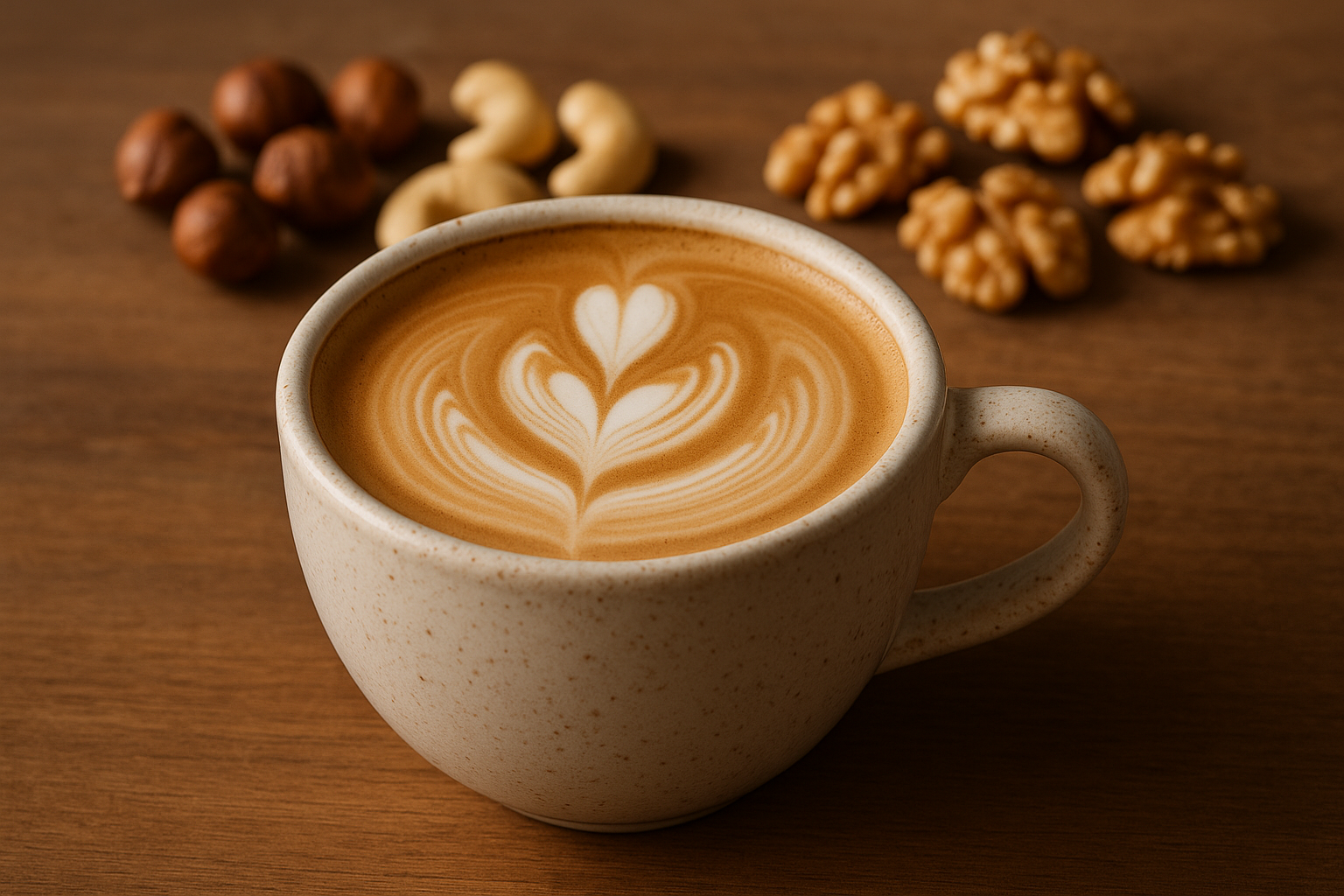
Nut Milks in Coffee: Healthier, But Do They Match Dairy’s Taste?

August 28, 2025 – (Qahwa World) – The coffee world has long been familiar with debates about dairy versus alternatives, but a groundbreaking study from South Korea has now provided the most detailed comparison yet of how nut-based milks perform in espresso drinks. The findings reveal that while cow’s milk remains the preferred choice for taste and texture, nut milks—particularly when roasted—offer unique health advantages and the potential for future innovation in coffee beverages.

Background: The Rise of Plant-Based Milks

Growing concerns over lactose intolerance, cholesterol, and the environmental footprint of dairy farming have fueled global demand for plant-based milk alternatives. Almond, cashew, hazelnut, and walnut milks have emerged as popular options, often promoted for their nutritional value and lower environmental impact. Yet little scientific research has explored how these nut milks behave when combined with coffee, particularly in terms of sensory appeal and chemical composition.

This new study, conducted by researchers at Dongguk University in Seoul and published in Scientific Reports, set out to fill that gap. The team prepared espresso-based beverages using roasted Brazilian arabica coffee and each of the four nut milks, in both roasted and unroasted forms, then compared them against traditional cow’s milk coffee.

The Science Behind Nut Milks in Coffee

The researchers examined multiple factors:

  • Fatty acid composition

  • Antioxidant activity

  • Volatile compounds (aroma contributors)

  • Particle size and viscosity

  • Color and browning index

  • Sensory evaluation by trained tasters

Roasting nuts before milk preparation had a profound impact. Oleic, linoleic, and linolenic acids—all beneficial unsaturated fatty acids linked to heart health—rose significantly in roasted nut milks. These drinks also exhibited higher antioxidant activity and polyphenol content, key markers associated with reduced oxidative stress in the body.

On the flip side, nut-based coffees tended to have larger particle sizes and higher viscosity compared to cow’s milk, factors that influenced mouthfeel and overall smoothness.

Volatile Compounds and Aroma Profiles

Gas chromatography identified 33 volatile compounds across the samples. Cow’s milk coffee stood out for floral and sweet notes such as furfuryl acetate and 5-methyl furfural, while nut milks contained more aldehydes and pyrroles, compounds characteristic of nutty aromas.

For example, almond milk coffee showed high levels of benzaldehyde, the chemical responsible for the distinct bitter-almond scent. Cashew and walnut-based versions contained other aldehydes linked to roasted and woody notes. These chemical profiles shaped the sensory outcomes, sometimes creating bitterness or lingering aftertastes that reduced preference scores.

Sensory Results: Dairy Still Dominates

Seventeen trained panelists evaluated all beverages for sweetness, bitterness, texture, nuttiness, and overall acceptance. Cow’s milk consistently ranked highest for sweetness, creaminess, and general preference.

Among the nut milks, cashew milk scored the highest, followed by almond and roasted hazelnut. Roasted walnut milk was the least favored. The study attributed the lower ratings of nut milks partly to aldehydes that impart undesirable flavors and to textural differences caused by larger particles.

Despite this, researchers stressed that nut milks still show strong promise:

“Nut-based milk coffee demonstrated potential as a health-promoting beverage owing to its high unsaturated fatty acid content and antioxidant effects,” the authors wrote.

Health and Sustainability Advantages

Nutritionally, nut milks have clear advantages. Compared with cow’s milk, they contained:

  • Lower levels of saturated fat

  • Higher levels of unsaturated fatty acids (linked to cardiovascular benefits)

  • Greater antioxidant activity (especially in roasted versions)

From an environmental perspective, the use of nuts in plant-based beverages reduces reliance on livestock farming, which is resource-intensive in terms of water, land, and greenhouse gas emissions.

The Road Ahead: Improving Flavor and Texture

While health benefits are evident, the researchers acknowledged that consumer acceptance remains limited by flavor and mouthfeel. They recommended further work to:

  • Control aldehyde production during processing to minimize off-flavors

  • Conduct additional physical experiments to refine texture and improve creaminess

  • Explore roasting parameters to optimize antioxidant release without compromising taste

These steps, they argue, could help close the sensory gap between nut milks and cow’s milk, paving the way for a new generation of plant-based coffee beverages that balance health, sustainability, and taste.

A Shift in the Coffee Industry?

The study’s findings come at a time when cafés worldwide are diversifying their menus with oat, soy, and nut milks to cater to vegan and health-conscious consumers. While dairy still dominates, particularly in espresso-based drinks, this research signals that the future of coffee could include more scientifically engineered plant-based options that rival dairy not only in nutrition but also in flavor.

For coffee lovers, that could mean healthier cappuccinos and lattes without sacrificing the sensory experience that makes café culture so irresistible.

Coffee May Help You Live Longer—But Only If You Drink It This Way

Dubai, 17 August 2025 (Qahwa World) – Coffee has long been at the center of debate: is it good for your health or not? A new study from Tufts University, published in The Journal of Nutrition, adds weight to the argument that coffee can indeed be beneficial—so long as you drink it the right way.

Researchers analyzed data from 46,332 American adults collected between 1999 and 2018. They discovered that drinking coffee daily is linked to a significant reduction in mortality risk:

  • One cup per day was associated with a 16% lower risk of death from all causes, including cardiovascular disease.

  • Two to three cups daily provided slightly more benefit, with a 17% lower mortality risk.

  • Drinking more than three cups a day, however, did not add further benefits.

While the study highlights the health benefits of coffee, it also emphasizes a major caveat: the way you drink it matters. The protective effects were most evident in those who consumed black coffee or coffee with minimal sugar.

Those who regularly added cream and sugar had similar mortality rates to non-coffee drinkers. Essentially, the more sugar and saturated fat added, the weaker the health benefits.

“Coffee is among the most-consumed beverages in the world, and with nearly half of American adults reporting drinking at least one cup per day, it’s important for us to know what it might mean for health,” said Fang Fang Zhang, senior author of the study and professor at Tufts University.

She explained that the benefits are likely tied to coffee’s bioactive compounds, including antioxidants, which can promote cardiovascular health and reduce inflammation. But the positive effects can be offset when sugar and cream are added in large amounts.

This new study builds on earlier findings that link coffee to better health outcomes. In 2025 alone:

  • A study published earlier this year found morning coffee drinkers had lower rates of premature death.

  • Another study in June reported that coffee supports healthy aging, particularly among women.

Together, these findings suggest that plain coffee—without excessive add-ins—may contribute to longevity and overall well-being.

While coffee trends like collagen creamers, sweetened flavor boosters, and “superfood” additives continue to rise in popularity, the evidence points back to simplicity.

As Zhang summarized: “The health benefits of coffee might be attributable to its bioactive compounds, but our results suggest that the addition of sugar and saturated fat may reduce the mortality benefits.”

So, if you want to raise your mug to better health and a longer life, skip the extra sugar and cream. Black coffee may just be the way to go.

A nutrition expert recommends the best coffee sweeteners for a healthy and distinctive coffee experience

By Samantha Cassetty, RD

In moderation, there is room for coffee creamer in a healthy diet. Here are the 8 healthiest brands to reach for.

Coffee itself is a healthy beverage, but what you add to it might change that. And these days, there are more coffee creamers than ever before. Do you want sweetened or unsweetened? Flavored or plain? Dairy creamer or a plant-based alternative? With all these options, choosing the healthiest coffee creamer can be a difficult task. As a registered dietitian, I dissected dozens of coffee creamer labels to find the healthiest coffee creamers to add to your morning brew.

Is coffee creamer healthy?

In reality, most coffee creamers are heavily processed foods, and diets high in ultra-processed foods are associated with numerous health problems. Coffee creamers may also contain some mix of saturated fats and added sugars. Too much of either is also associated with health issues, so it’s helpful to limit these substances and choose coffee creamers with less added sugar and/or saturated fat.

While coffee creamers can fit within a healthy diet, keep in mind that the information on a food label is tied to a certain serving amount. For coffee creamers, that’s typically a tablespoon. If you stir more into your coffee, you could be getting unhealthy amounts of added sugar, saturated fat and other ingredients in your creamer. This is particularly true if you’re drinking several cups of coffee per day.

Coffee creamer ingredients

The ingredients in coffee creamers depend on which type of creamer you’re choosing. Dairy-based cream is the most natural coffee creamer, with nothing but real milk and cream. Dairy-based flavored creamers may contain milk, cream (or derivatives of them), oils, flavors, sweeteners (whether artificial or natural), preservatives, thickening agents and emulsifiers. Plant-based creamers contain some mix of a plant-based milk (such as almond, oat, or coconut milk or cream), gums to thicken and mimic dairy’s creamy texture, emulsifiers, flavors and sweeteners. Coffee creamer powders may contain dehydrated milk, plant-based milk or a derivative of these ingredients. They may also contain sugars, oils, flavors, sweeteners and other additives.

How to choose the healthiest coffee creamer

When shopping for coffee creamers, consider the saturated fat and added sugars and scan the ingredients for additives. Here are some guidelines used to create the list of healthiest coffee creamers:

  • No more than 2 grams of saturated fat.
  • No more than 4 grams added sugar (the amount in one teaspoon).
  • No carrageenan (a thickening agent that may be particularly harmful).
  • No artificial sweeteners.

No. 1 healthiest coffee creamer

Organic Valley Grassmilk Organic Half and Half

This creamer contains nothing but organic milk and cream from grass-fed cows. While other creamers may have various additives, this one has no added sugar, flavors, thickeners or emulsifiers. Plus, grass-fed milk contains more omega-3 fatty acids than conventional milk, making this a better choice than ordinary half and half.

Worth noting: Half and half has a fair amount of saturated fat, with 2 grams per 2-tablespoon serving. This can certainly fit within a nutritious and balanced diet, but if you use more than the suggested amount (in all the coffee you drink daily) or eat a diet that contains a lot of red meat and other full-fat dairy foods, you may be consuming an unhealthy amount of saturated fat.

Healthiest coffee creamers

  1. Organic Lavender Almond Creamer
  2. Natural Bliss Sweet Cream Flavored Coffee Creamer
  3. Elmhurst Pistachio Creme Oat Creamer
  4. Nutpods Almond and Coconut Creamer
  5. Laird Superfood Tumeric Coffee Creamer
  6. Oatly Sweet & Creamy Oatmilk Creamer
  7. Silk Sweet Oat Latte Oat Creamer

Is coffee creamer powder healthy?

Traditional powdered coffee creamer is a blend of unhealthy ingredients, including corn syrup solids and hydrogenated vegetable oils. If you’re stuck somewhere, like a plane or hotel room, and it’s the only thing you can get your hands on, I wouldn’t worry about it, but I wouldn’t make it a daily habit. Several newer coffee creamers on the market are made with powder derived from coconut milk or cream. These tend to have fewer unhealthy ingredients, but because of their coconut origins, they can contain more than our cap of 2 grams of saturated fat per serving. I found several products that had natural ingredient lists and a reasonable amount of added sugar, but contained more than our upper target for saturated fat, so they were excluded for this reason.

Is non-dairy coffee creamer better for you?

Unfortunately, there isn’t a straightforward answer to this question. Non-dairy creamers may have less saturated fat than traditional half-and-half, but they also tend to have more added sugar and other food additives.

Healthy coffee creamer alternatives

In reality, it’s healthiest to lighten your coffee with low- or reduced-fat milk or unsweetened plant-based milk made with no or few additives. These options avoid or limit unwanted substances, like additives, added sugar and saturated fat. If you love flavored creamers, try adding a sprinkle of cinnamon, unsweetened cocoa or cacao powder or pumpkin pie spice. You can also add a splash of vanilla extract. These additions will trick your tastebuds into thinking you’re having something sweet without adding any sweeteners.

Healthy homemade coffee creamer

If you want to make coffee creamer at home, try this simple idea: Blend ¼ cup hemp seeds, ¼ cup milk, a splash of vanilla extract, and some cinnamon together in a blender. This recipe makes four servings. You can store it in the fridge for up to five days. The mixture may thicken when stored, but you can thin it with some warm water to your desired consistency before stirring it into coffee. Hemp seeds are rich in healthful fats, including the plant-based omega-3 ALA. You can also feel good about the fact that it contains no added sugar and no saturated fat.

Takeaways

There are a lot of coffee creamers on the market and some are healthier than others. In general, it’s healthiest to limit saturated fat and added sugars — substances that may be high in creamers. It’s also a good idea to limit food additives, which are present in heavily processed foods, like plant-based coffee creamers. That’s why the healthiest way to lighten your coffee is plain, low- or reduced-fat milk or unsweetened plant-based milk with the fewest additives. However, if these options don’t provide the creaminess you’re looking for, our list of healthiest creamers is a great guide.


The Lifecycle of Coffee..From Tree to Cup

Dubai – Qahwa World

The coffee tree, belonging to the Coffea genus, thrives in tropical climates between the Tropics of Cancer and Capricorn. Notable species include Coffea arabica (Arabicas) and Coffea canephora (Robustas). Arabica, characterized by large bushy growth, produces cherries with two flat seeds, commonly known as coffee beans. In contrast, Robusta, a robust shrub or small tree, yields smaller oval seeds and is resilient in hotter climates.

Temperature and altitude play crucial roles, with Arabica thriving in 15 to 24ºC conditions and Robusta excelling in 24 to 30ºC temperatures. Rainfall requirements range from 1,500 to 3,000 mm annually, with Arabica being less demanding. While Robusta can grow up to 800 meters above sea level, Arabica thrives at higher altitudes, often cultivated in hilly terrains.

Harvesting the Beans

Hand-picking is the norm for harvesting ripe coffee cherries due to the mountainous landscapes, except in Brazil where machinery finds utility. Pickers, every 8 to 10 days, meticulously select only fully ripe cherries. Arabica’s selective picking, though labor-intensive, is favored for its quality. Harvested cherries yield 2 to 4 kilos, and a skilled picker can harvest 45 to 90 kilos per day, resulting in 9 to 18 kilos of coffee beans.

Processing the Harvest

Post-harvest, the next step involves separating the coffee seeds from the cherries and drying them. Two methods prevail: the dry or ‘natural’ method and the wet method. The dry method, simpler and older, dries whole cherries in the sun for up to four weeks before further processing. The wet method involves pulping, fermenting, washing, and then drying the beans, which takes 8 to 10 days.

Roasting and Grinding

With over 1,000 aroma components identified, roasting conditions determine the final coffee flavor. Green coffee beans undergo roasting at 180ºC to 240ºC for 1.5 to 20 minutes, influencing color and aroma intensity. Roasting occurs in rotating drums or fluidized bed roast chambers, followed by cooling and potential packaging as whole beans.

Brewing and Consumption

Arabica dominates global coffee cultivation, spanning Latin America, Central and East Africa, India, and Indonesia. Robusta thrives in West and Central Africa, Southeast Asia, and Brazil. Different brewing methods, such as filter, plunger, espresso, Swedish, and Turkish, cater to diverse preferences. Instant coffee, made from roasted and ground beans, utilizes either spray-drying or freeze-drying methods.

Understanding Coffee Composition

Caffeine, antioxidants, and diterpenes contribute to coffee’s unique flavor and physiological effects. Caffeine, a mild stimulant, has desirable effects in moderation. Antioxidants, including chlorogenic acids, offer potential health benefits. Diterpenes, like cafestol and kahweol, present in oil, impact cholesterol levels, with brewing methods influencing their concentration.

Exploring Health Considerations

Coffee composition also involves compounds like Ochratoxin A, acrylamide, and furan, which require careful monitoring and adherence to safety regulations. Nutritionally, black coffee is low in macronutrients, providing only 1-2 kcal per 100 ml. Micronutrients like potassium, magnesium, and niacin vary based on preparation methods.

Coffee and Hydration

Black coffee, comprising over 95% water, does not lead to dehydration when consumed in moderation. Studies suggest that caffeine’s diuretic effects are outweighed by the fluid intake from coffee. Moderation, encompassing 3-5 cups per day, aligns with a balanced diet and active lifestyle, providing an enjoyable journey from tree to cup.