World of Coffee Dubai 2026 to Host Over 2,100 Exhibitors from 78 Countries

Countdown Begins for the Region’s Largest Coffee Industry Event

Dubai – Qahwa World

World of Coffee Dubai 2026, the Middle East’s premier specialty coffee trade event, is set to take place from 18 to 20 January at the Dubai World Trade Centre. Now in its fifth edition, the event will bring together more than 2,100 exhibiting companies and brands from 78 countries, representing the full spectrum of the global coffee industry—from producers and roasters to equipment manufacturers, café operators, traders, and hospitality leaders.

Organized by DXB LIVE in partnership with the Specialty Coffee Association (SCA), the event spans 20,000 square metres and offers a dynamic platform for trade, innovation, professional development, and cultural exchange within the specialty coffee sector. Dubai’s strategic location underscores its role as a global hub connecting coffee-producing origins with high-growth consumer markets and international trade centres.

  • A Fully Integrated Experience

World of Coffee Dubai 2026 features immersive experiences across key zones including Roasters Village, Producers’ Village, Cupping Rooms, and the Brew & Espresso Bar. Visitors can engage directly with leading global brands, sample specialty coffees, and participate in hands-on sessions. Dedicated technology zones will highlight innovations in roasting and brewing systems, automation, and sustainability, reflecting the future direction of the specialty coffee industry.

  • Championships Celebrating Expertise and Heritage

The event will host the UAE National Championships, the Roasting Championship, and the Cezve/Ibrik World Championship, showcasing barista artistry, technical precision, and heritage coffee preparation techniques. These competitions spotlight skill, craftsmanship, and the evolving standards of specialty coffee worldwide.

  • Three Live Auctions Over Three Days

The Dubai Coffee Auction programme runs throughout the event, including the Coffee Equipment Auction (18 January), the Microlot Auction (19 January), and the Exhibitors’ Coffee Auction (20 January). These auctions provide transparent platforms for price discovery, connecting international buyers with producers and brands.

  • A Platform for the Global Coffee Economy

“World of Coffee Dubai has evolved into a central platform supporting the global coffee economy,” said Khalid Al Hammadi, Executive Vice President of DXB LIVE. “The 2026 edition highlights the scale and impact of our championship and auction programmes, creating tangible commercial and cultural value for the global coffee community.”

Shouq Bin Redha, Exhibition Director, added: “By bringing together global standards, trade, and education, World of Coffee Dubai strengthens the UAE’s position within the international specialty coffee sector and supports professional growth across the region.”

Shouq Bin Redha, Exhibition Director

Event Details

  • Dates: 18–20 January 2026

  • Venue: Dubai World Trade Centre, Za’abeel Halls 1, 4, 5, and 6

  • Time: 10:00am – 6:00pm daily

  • Registration and Media Accreditation: www.worldofcoffeedubai.com

About World of Coffee Dubai
World of Coffee Dubai is the region’s leading coffee trade exhibition, connecting local, regional, and international professionals. The event features specialty zones, professional competitions, educational sessions, and opportunities for business networking, showcasing the best of coffee innovation and culture.

About SCA
The Specialty Coffee Association is the world’s largest nonprofit membership organization for coffee professionals. It promotes inclusivity, education, and shared knowledge to advance the specialty coffee industry globally.

About DXB LIVE
DXB LIVE, the event management arm of Dubai World Trade Centre, delivers world-class exhibitions, conferences, festivals, and private events. With expertise spanning creative, technical, and operational services, DXB LIVE organizes over 100 major events annually and designs more than 500,000 square feet of exhibition space.
Coffee Quality is not connected to price – IT IS connected to pride

A grower’s first reward is pride in his coffee; the market may follow later.

By: Ramya Mohan

For years, we have been taught—almost subconsciously—that expensive coffee must be good coffee. A higher price, a premium label, or an elegant café setting often convinces us that quality is guaranteed. But coffee does not work that way always.

Coffee quality is not born out of price. It is born out of pride.

I have tasted coffees that sold at very modest prices yet were remarkably clean, sweet, and balanced.

I have also encountered expensive coffees that failed in the cup—flat, harsh, or dull in character. The difference was never the market value. The difference was the intention behind the coffee.

Quality begins at the farm, not at the shelf. It begins when a grower chooses to harvest ripe cherries instead of rushing for volume.

It shows up when fermentation is monitored instead of guessed, when drying is slow and even rather than hurried by weather or impatience. These decisions are rarely rewarded immediately by the market, yet they define the cup.

In India, many growers and processors work under severe constraints—labour shortages, volatile weather, unpredictable prices. Yet some of the cleanest coffees emerge from estates where pride outweighs compromise. These are the producers who cup their own coffees, who learn to identify defects, who correct errors quietly and improve year after year, without waiting for applause or higher prices.

Price is shaped by trends, branding, certifications, logistics, and storytelling. But -Quality is shaped by discipline, consistency, and respect for the bean. The two may intersect, but they are not the same. A low-priced coffee can be honest and well-made. A high-priced coffee can still be careless.

True coffee quality is an attitude. It is the pride of the farmer who refuses to mix underripe cherries. It is the care of the processor who protects the coffee during drying and storage.

It is the integrity of the roaster who roasts for clarity, not camouflage. And it is the sensitivity of the brewer who allows the coffee to speak.

When pride is present, quality follows—sometimes loudly, often quietly, but always truthfully.

With love and Coffee

Fabricio Scocco: A New Way to Read the Coffee Market

Dubai – Qahwa World

Fabricio Scocco: A New Way to Read the Coffee Market

By any measure, the coffee market is drowning in information—and starving for clarity. Charts, headlines, rumors, and price screens move faster than the coffee itself. Fabricio Scocco is attempting something different.

He’s experimenting with a new format designed to cut through the noise: short, structured, and built for decision-making. The result is a three-page Coffee Trade Intelligence brief that focuses less on opinion and more on what actually matters to buyers, sellers, and origin stakeholders in real time.

This first release—focused on Nicaragua, with a 2–4 week time horizon—marks the launch of an ongoing Coffee Trade Intelligence series. Feedback from roasters, traders, importers, and producers is not only welcome, but encouraged.

Coffee Trade Intelligence | Nicaragua

Time Horizon: 2–4 Weeks

Market Snapshot

Early harvest conditions are defining the current landscape.

  • Harvest arrivals are running 15–30% below peak levels

  • Differential holdings sit 5–10% above seasonal norms

  • Early volumes are largely pre-committed

  • Quality dispersion is widening across producing regions

The message is clear: coffee is moving, but not freely—and not evenly.

What’s Driving Price and Risk

Supply Reality

Harvest still ramping up
Picking is underway, but export-ready volumes remain limited. Supply is improving gradually, not surging. For now, there is not enough physical coffee entering the system to materially ease availability.

Producer selling tied to cash flow
Sales decisions are being paced by working capital needs and production costs. This introduces irregularity into supply timing, rather than a steady flow into the market.

Demand Behavior

Specialty buyers absorbing early lots
High-quality early arrivals are being quickly taken up by specialty buyers. This demand is targeted, quality-driven, and relatively price-inelastic.

Bulk buyers still on the sidelines
For now, larger volume buyers are showing limited urgency, likely waiting for clearer signals on price and peak harvest availability.

Market Disconnect

Physical market trailing futures by 2–3 weeks
There is a noticeable lag between futures market expectations and on-the-ground physical conditions. Paper markets are moving faster than coffee.

Prices not yet reflecting peak arrival pressure
Despite expectations of heavier arrivals, prices have not adjusted accordingly—suggesting potential re-pricing once supply is confirmed.

Buying Positioning

Recommended Strategy

Approach

  • Avoid bulk commitments at current levels

  • Accumulate selectively, targeting 25–30% of total needs

  • Scale purchases as mid-harvest volumes begin to flow

Timing Window

  • Late January through February will be critical for observing supply acceleration and adjusting buying pace accordingly

Key Risks to Watch

  • Weather during peak harvest, which could disrupt picking and logistics

  • FX-driven producer selling, where currency movements could unlock—or restrict—short-term liquidity and supply

Bottom Line

Wait for supply confirmation. Pay for quality, not urgency.
Let verified arrivals guide buying decisions. The premium today should be for cup profile and consistency—not speed.

What to Watch Over the Next 2–4 Weeks

  • Arrival acceleration into export channels

  • Differential softening, signaling improved physical availability

  • Producer selling pace, especially if FX movements shift incentives

Confidence Assessment

Overall Market Visibility: Medium

  • Supply clarity depends on how quickly harvest volumes scale

  • Specialty demand is firm, but bulk demand remains hesitant

  • Futures are moving ahead of physical reality, increasing volatility risk

  • Weather and FX remain persistent external variables

Final Take

Maintain a cautious but engaged posture. The coming weeks will be defined by how quickly supply materializes—and how producers choose to sell. Those signals will determine whether today’s market tightness holds, or finally begins to loosen.

The Fragrant Coffee Season in Khe Sanh and Huong Phung

Dubai – Qahwa WORLD

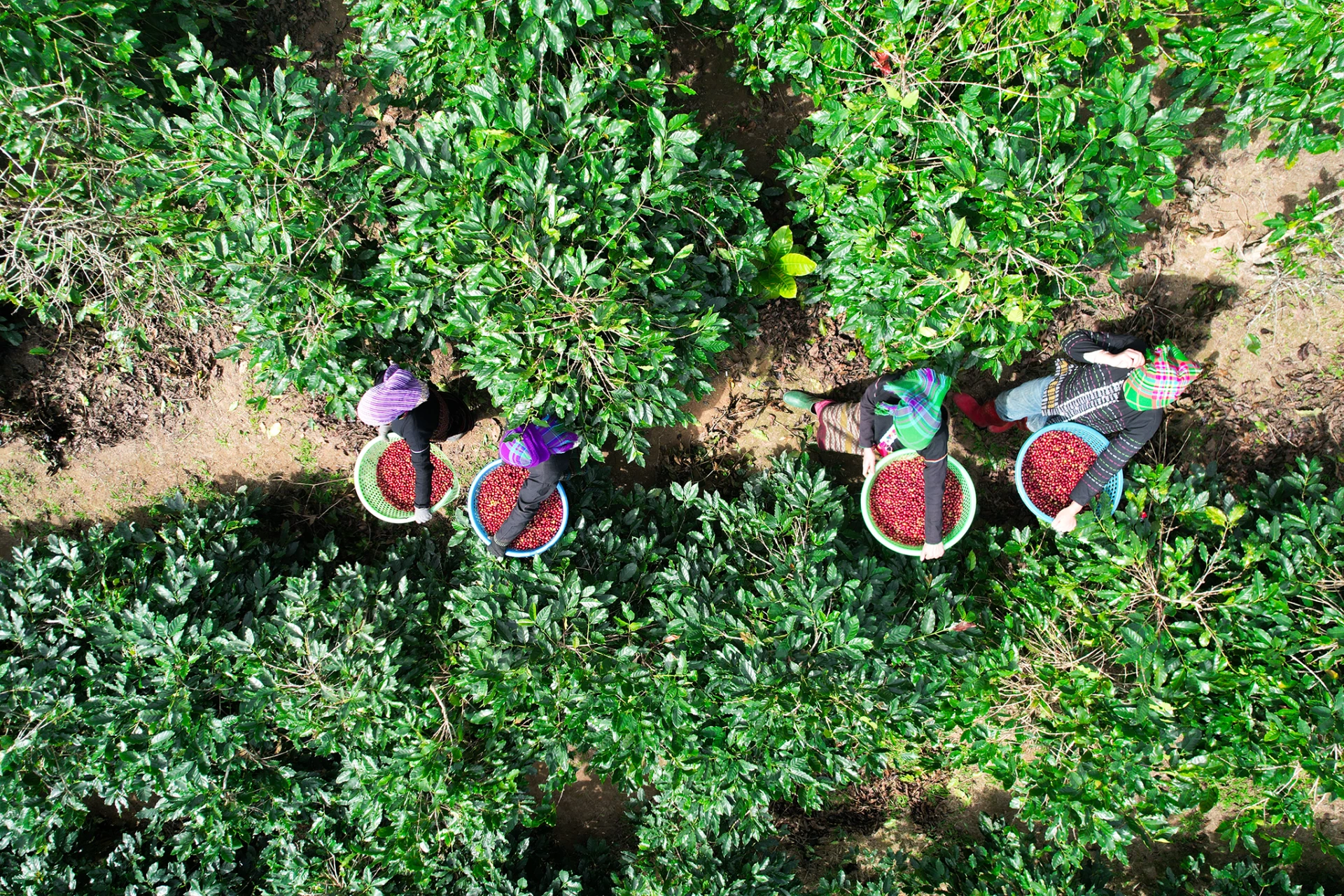
Starting every November, the coffee cherries in Quang Tri’s highlands reach full ripeness. On the rolling hills of Khe Sanh and Huong Phung, bright red Arabica cherries quietly release their rich aroma under the warm sunlight and gentle mountain winds, following the steps of local farmers from their fields to the villages. Each smile of a coffee picker captures a moment of the harvest season, where land, people, and coffee beans come together, telling a gentle story of a region growing stronger through its own fragrant bounty.

Lê Thị Phương Nhi, founder of BruLe Coffee, shared that 2025 was an exceptional year for Khe Sanh and Huong Phung coffee. Harvests were abundant, prices reached record highs, and yields were impressive—some areas produced as much as 25 tons per hectare.

In Xa Ry, coffee is gradually being cultivated organically, transforming from a common crop into a specialty product. This shift has significantly increased farmers’ income, with fresh coffee achieving the highest prices ever recorded, motivating further investments in quality and production expansion.

As the year draws to a close, coffee harvesting becomes a bustling activity across the coffee-growing communes of southwest Quang Tri. Nearly 4,000 hectares of coffee are in full production, and farmers are enthusiastic because this season offers the best yield and prices they have ever seen.

Phan Ngọc Long, Vice Chairman of Huong Phung Commune, reported that the commune has about 2,100 hectares of coffee ready for harvest. Average yields range from 8–10 tons of fresh cherries per hectare, with well-managed farms producing 15–20 tons per hectare. Coffee prices have soared to 24,000–27,000 VND per kilogram, enabling farmers to earn a net profit of 14,000–17,000 VND per kilogram after labor and other costs.

This year’s harvest also provides employment for thousands of seasonal workers, mainly from ethnic minority communities such as Van Kieu and Pa Ko. Daily wages range from 300,000–400,000 VND, giving workers stable income and improving livelihoods, especially at the end of the year.

Local authorities support farmers through marketing partnerships, ensuring transparency in quality and pricing, and preventing fraud. In the fields, the pride of women carefully tending specialty coffee beans is visible in every smile. Coffee cherries are meticulously sorted to ensure premium quality from the very first step.

Huong Phung Arabica is processed through strict procedures: from initial sorting, drying in solar greenhouses, to roasting with modern machinery. Each stage requires precision to preserve the coffee’s elegant aroma, mild acidity, and characteristic sweet finish. Roasted beans emit a captivating fragrance—a harmonious result of earth, climate, and human hands.

This is the unique taste of Huong Phung and Quang Tri, steadily claiming its place on Vietnam’s specialty coffee map.

Khe Sanh and Huong Phung coffee did not reach this success overnight. In previous years, low prices forced many farmers to abandon or replace coffee crops. Between 2010–2015, substantial areas of coffee were cleared for other plants. Today, specialty coffee provides sustainable livelihoods and creates a new path toward green agriculture.

Khe Sanh is no longer just remembered for its turbulent past; it is now recognized as the cradle of Central Vietnam’s Arabica specialty coffee. On hills over 500 meters above sea level, in a year-round mild climate, coffee trees thrive, carrying the aspirations of local highland communities.

Harvesting is done manually with careful selection, ensuring only perfectly ripe cherries are picked—a key factor in producing specialty coffee. According to Lương Thị Ngọc Trâm from Pun Coffee Co., Khe Sanh and Huong Phung’s natural conditions favor Arabica and Catimor varieties. Despite the basin-like terrain not being ideal, the wide day-night temperature difference of 7–9°C allows Arabica to thrive, creating Vietnam’s most distinctive coffee. The tropical monsoon climate, average temperature of 22°C, annual rainfall of 2,262mm, and abundant water resources from lakes, rivers, and streams contribute to high yields and quality.

To promote high-quality Vietnamese coffee globally, the Ministry of Agriculture and Rural Development approved the Vietnam Specialty Coffee Development Project (2021–2030), including Quang Tri. Coffee acreage in the province is projected to expand from 11,500 hectares (2021–2025) to 19,000 hectares (2026–2030), representing a growing share of national production.

During harvest season, the hills of Khe Sanh and Huong Phung come alive with activity. Women in traditional Van Kieu and Pa Ko attire carefully pick the bright red cherries. Handpicking and meticulous selection are crucial steps in producing specialty coffee.

Today, Khe Sanh and Huong Phung coffee is more than an agricultural product—it symbolizes revival, resilience, and the determined spirit of a community rising from a land once scarred by hardship. Among the fragrant hills, Arabica beans narrate a story of Quang Tri: a story of land, people, and a sustainable, hopeful future.

Loay AlHattali Crowned Champion of the 2ed Gulf Coffee Maker competition

Ras Al Khaimah – Qahwa World

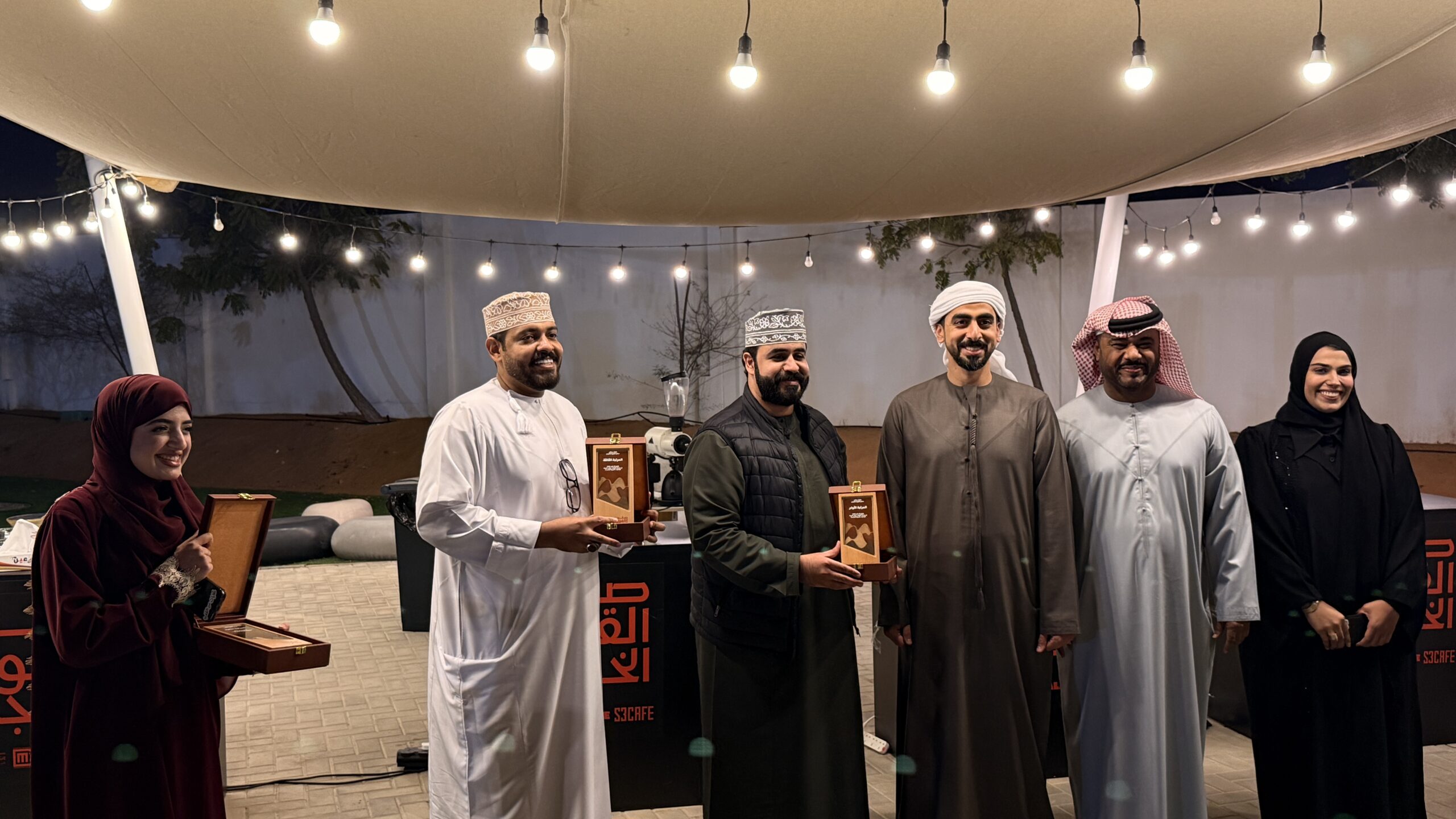
Omani barista Loay AlHattali, representing Historia Roastery from the Sultanate of Oman, was crowned champion of the second edition of the Gulf Coffee Maker Competition 2026, held in Ras Al Khaimah, United Arab Emirates, amid strong and diverse Gulf participation.

The competition witnessed intense competition among 44 skilled baristas from the UAE, Oman, and the Kingdom of Saudi Arabia, all showcasing exceptional technical expertise, creativity, and a deep understanding of specialty coffee, making the judging process highly competitive.

Emirati competitor Aisha AlSuweidi secured second place, while Omani barista Moayed AlHousni claimed third place, reflecting the strong presence and growing professionalism of Gulf coffee talent.

In the Junior Coffee Makers Category, Emirati participant Mohammed AlShumaili won first place in a category introduced for the first time this year to support young home-based coffee makers aged between 15 and 18.

In an exclusive statement to Qahwa World, champion Loay AlHattali expressed his immense happiness with the win, describing it as a starting point rather than a final destination, and emphasizing that the title motivates him to participate in future regional and international championships to achieve further accolades.

For his part, Saeed AlMannaei, founder of S3 Café and organizer of the championship, congratulated all winners and praised the high level of competition displayed throughout the event. Speaking to Qahwa World World, Al-Mannaei highlighted the significant growth of the championship, noting that the number of participants increased from 27 in the first edition to 44 competitors this year. He also announced that the total prize value was doubled from AED 10,000 last year to AED 20,000 in the current edition.

AlMannaei added that the introduction of the Junior Coffee Makers category reflects the organizers’ commitment to discovering and nurturing young talent, providing dedicated trophies and recognition to encourage the next generation of coffee enthusiasts.

The championship attracted a distinguished audience of Gulf coffee professionals and enthusiasts, who enjoyed an energetic and engaging atmosphere further enhanced by the distribution of 100 prizes to attendees, reinforcing the event’s philosophy that everyone is a winner.

The competition was overseen by a highly experienced judging panel consisting of Fatima AlKetbi and Shamma bint Lahij from the United Arab Emirates, and Ahmed AlHabsi from the Sultanate of Oman, ensuring the highest standards of professionalism and evaluation.

The SCA/Q Score Will Probably Disappear

Is This Good News or Bad News?

By Ennio Cantergiani
Owner and Managing Director, L’Académie du Café – Switzerland

For more than twenty years, we have treated a single number as the ultimate truth about coffee quality.

86.25 vs. 87.00 — as if the second coffee were objectively better.

But in sensory science, a score is not a truth. It is a measurement. And every measurement comes with uncertainty, which is almost never communicated.

In sensory science, we use statistics to validate hypotheses. Multiple measurements allow us to calculate an average, a median, and a standard deviation. A score without a standard deviation says nothing.

  • Why the “One-Score” Model Is Reaching Its Limits

1. Reliability Is Often Weaker Than We Admit

Different cuppers, different contexts, different expectations — different numbers.

This is not about “bad cuppers.” It is the nature of human perception:

Anchoring effects (the first sample sets the scale)

Contrast effects (coffee A changes how coffee B is perceived)

Semantic bias (words shape perception)

Fatigue and sensory adaptation

Calibration and alignment drift over time

When the measurement error is larger than the difference you are pricing, the number becomes fragile.

2. We Confuse Measurement with Value

A single score blends multiple dimensions:

Sensory performance (what is in the cup)

Preference (what I like)

Market narratives (what is trendy)

Rarity and social proof (what wins competitions)

Then we pretend this mixture represents one objective axis.

It does not.

  • 3. Scores Influence Money at Origin — Sometimes Unfairly

This is where it becomes uncomfortable.

When price is strongly tied to a number, producers are pushed to optimize for the scoring system, not necessarily for:

Long-term agronomy

Risk management

Climate resilience

Local sensory identity

Realistic processing constraints

  • What Comes Next (and Why It’s Better)

We will not stop evaluating coffee quality. But we should stop pretending that a single number is the best way to do it.

  • The future looks like:

Multi-dimensional assessment (descriptive, affective, and functional)

Confidence ranges, not fake precision (e.g., 86 ± 1)

Clear sensory evidence with traceable data (digital tools and better training loops)

Fit-for-purpose grading (espresso vs. filter vs. blends vs. cold brew)

Contracts combining specifications and sensory profiles, instead of worshipping one score

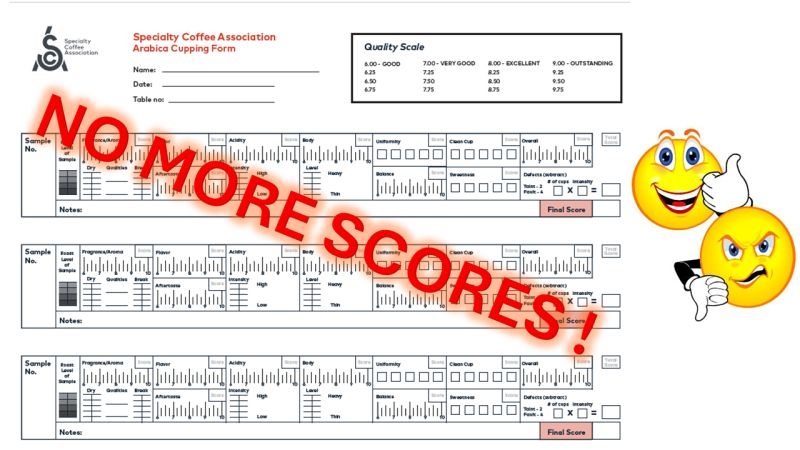
The score will not disappear overnight, but its monopoly will. No one will continue teaching the 2004 Q form indefinitely.

Will CVA replace the scoring system? Probably — but we need one to two years of feedback from major industry players. It will also need adaptation to better reflect the reality of coffee trading.

And honestly, that would be healthier — for producers, traders, roasters, and for sensory science.

  • A Question for the Industry

If tomorrow we removed the 100-point score, what would you use to trade coffee fairly and transparently?

Colombian Specialty Coffee Enters a New Phase of Expansion in the Middle East

Dubai – Qahwa World

Over the past decade, specialty Colombian coffee in the Middle East has largely been defined by small, limited harvests known as microlots. Celebrated for their unique flavors and seasonal character, these microlots helped elevate café culture, introduce consumers to Colombian coffee, and establish the region as one of the fastest-growing specialty coffee markets in the world.

As the market has matured, a major challenge has emerged: consistency. By nature, microlots are small and variable. While they offer distinct sensory experiences, they also create operational challenges. Café owners must continually retrain baristas as flavors change, roasters struggle to maintain consistent roast profiles, and consumers often encounter variability from cup to cup.

With specialty coffee consumption in the Middle East growing at an estimated 8–10% annually, inconsistency has become a barrier to sustainable growth. The market is no longer niche—it now demands scale, reliability, and consistent experiences alongside compelling origin stories.

  • A New Trade Model

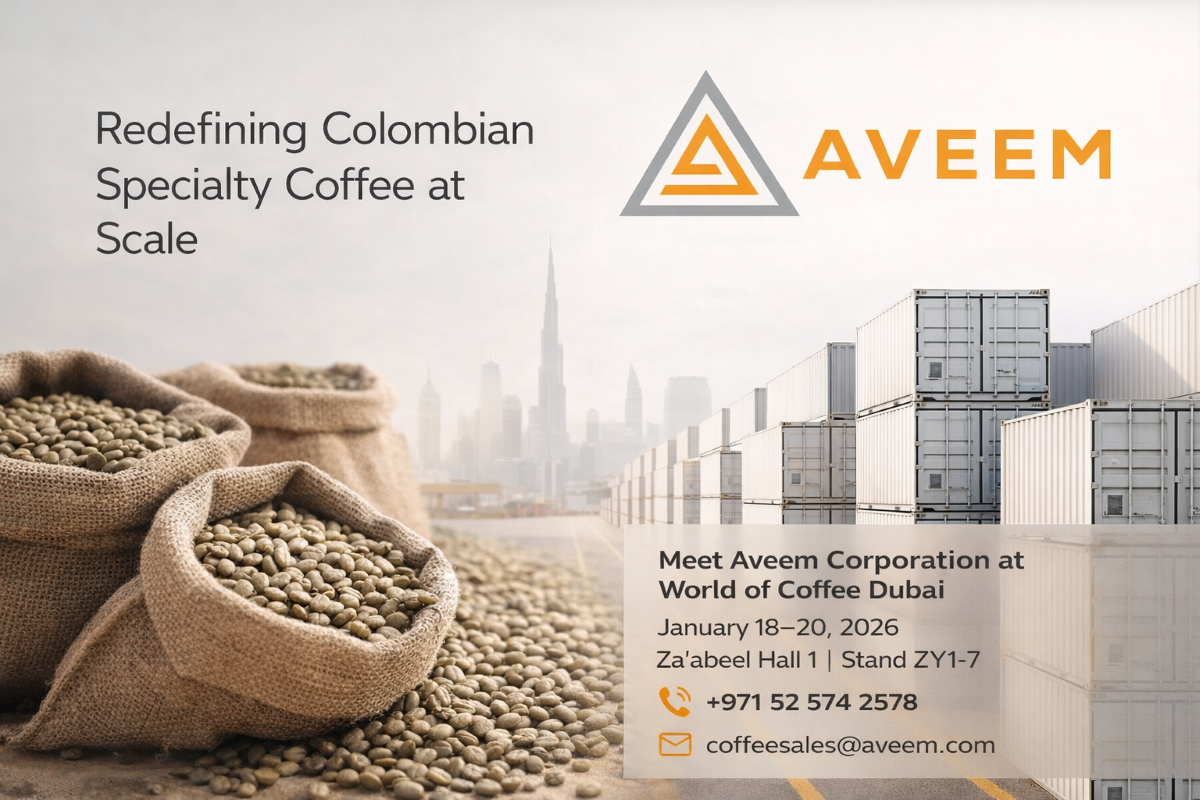
Dubai-based Aveem Corporation is introducing a new model by allocating large volumes of Colombian specialty coffee in standardized, repeatable flavor profiles. This approach bridges the gap between microlot exclusivity and market-wide consistency. Two carefully selected profiles are included:

Ecotopo Cusillo – 85 SCA

Regional Nariño – 84.25 SCA

These coffees retain their specialty credentials while offering predictable sensory profiles. Baristas can work with consistent extraction parameters, roasters can maintain stable roast curves, and cafés can deliver a reliable experience to their customers.

  • Market Implications

Importers: Reduced sourcing volatility and improved supply-chain planning.

Roasters: Consistent brand expression across locations and countries.

Cafés: Lower training costs while maintaining high-quality offerings.

Consumers: Reliable, high-quality coffee without compromise.

Data shows that over 60% of specialty coffee consumers value consistency once they find a preferred flavor profile. By transitioning Colombian specialty coffee from fragmented microlots to structured, scalable allocations, Aveem strengthens the entire ecosystem. The move represents a shift from scarcity and experimentation to sustainability and scale in the Middle East’s specialty coffee market.

How Vietnam Turned Coffee Into a Way of Life?

Dubai – Qahwa World

National Geographic has published an in-depth report examining Vietnam’s coffee culture, describing it as one of the most dynamic and inventive in the world—where a once-colonial crop has evolved into a powerful symbol of identity, community, and creativity.

According to the magazine, coffee in Vietnam is far more than a daily stimulant. While many cultures consume coffee quickly or in passing, Vietnamese coffee is typically enjoyed slowly, in social settings that encourage conversation, reflection, and a shared sense of place.

From Colonial Introduction to Global Powerhouse

As reported by National Geographic, coffee was first introduced to Vietnam in 1857 by French missionaries. Early cultivation focused on Arabica beans, which struggled in the country’s climate. Farmers eventually shifted to Robusta, a hardier variety that thrived in the Central Highlands and southern regions.

Following the Vietnam War, coffee became a cornerstone of the country’s economic recovery. Government investment in the 1980s helped transform Vietnam into a major producer, and today it stands as the world’s second-largest coffee exporter after Brazil, the magazine notes.

Innovation Shaped by Scarcity

The report highlights how periods of scarcity fueled Vietnam’s most distinctive coffee traditions. During the 1940s, when fresh milk was difficult to obtain, condensed milk became a staple ingredient. The same era saw the creation of Vietnam’s iconic egg coffee, made by whisking egg yolks with sugar into a rich, creamy topping.

National Geographic also points to the phin filter—a simple metal brewing device—as a defining feature of Vietnamese coffee culture, producing a bold, concentrated brew that reflects both practicality and craftsmanship. Coconut coffee, meanwhile, emerged from the country’s abundance of tropical resources.

Coffee as a Social Ritual

According to voices cited by National Geographic, coffee in Vietnam functions as a social rhythm rather than a rushed habit. From street-side stools in Ho Chi Minh City to neighborhood cafés in Hanoi, coffee drinking is deeply embedded in everyday life.

The magazine reports that this communal approach has increasingly attracted travelers, while younger generations of Vietnamese entrepreneurs are reshaping the industry—focusing on quality, traceability, and thoughtful café experiences that elevate local beans to global standards.

A New Era of Coffee Experiences

National Geographic notes that cities such as Hanoi, Da Nang, and Hoi An now offer a wide spectrum of coffee experiences. Traditional cafés coexist with specialty shops, luxury hotels, and curated tasting programs that introduce visitors to Vietnam’s diverse coffee terroirs.

The report also highlights the growing presence of coffee-based cocktails and modern mixology, where Vietnamese Robusta beans are used to add depth and structure to innovative drinks, reflecting the country’s evolving culinary creativity.

A Living Cultural Legacy

In conclusion, National Geographic emphasizes that Vietnam’s relationship with coffee mirrors the nation’s broader history—shaped by colonial influence, hardship, and adaptation, yet ultimately defined by ownership and pride.

As the magazine observes, drinking Vietnamese coffee today is not simply about flavor, but about experiencing a collective memory of resilience, reinvention, and hope.

Dubai Leads the Future Dialogue of the Global Coffee Sector

Dubai – Qahwa World

In a move that reinforces Dubai’s position as a global center of gravity in the coffee economy, the city is preparing to host World of Coffee Dubai 2026, an event that seeks to outline a new chapter in the history of the industry, shifting coffee from a traditional commodity trade to a knowledge- and innovation-driven sector.

  • A Journey of Quality Through Time

The exhibition’s vision is grounded in the historical progression that shaped today’s coffee culture, while correcting misconceptions and offering authoritative reference content:

The Era of Mass Production (1890–1960):
This period was dominated by “coffee for the masses,” with the focus placed on volume and ease of preparation at the expense of quality.

The Emergence of Specialization (1960–1990):
The early signs of a shift toward higher quality appeared in the 1960s, a movement that led to the official emergence of the term “specialty coffee” in the 1970s. This era marked a growing global focus on origin, quality, and roasting methods.

The Age of Craft and Sustainability (2000–Present):
Today, the industry has entered a professional and mature phase, where coffee has become a social experience supported by technology, alongside an intensified focus on transparency and sustainability.

  • Figures and Ambitions

The fifth edition of the exhibition will take place from 18 to 20 January 2026 at the Dubai World Trade Centre. What began with just 3,000 visitors has grown into an event attracting more than 17,000 visitors and 450 international exhibitors, positioning it as the primary gateway to the regional coffee market, which is projected to reach revenues of USD 38 billion by 2030.

  • Participation Opportunities and Activities

The exhibition offers a range of opportunities for professionals, including:

Roasters Village: A dedicated area for small roasteries to showcase their products directly (AED 9,000).

Brewing Zone and Cupping Rooms: Professional platforms that enable the tasting and evaluation of rare coffees by industry experts.

Innovation Awards and Coffee Auctions: Activities that celebrate creativity and bring exporters and buyers together in a dynamic setting.

“Be a Speaker” Program: A knowledge-sharing platform that allows experts to present their insights on the future of the industry and the impact of technology and artificial intelligence.

An Invitation to Regional Cafés

The exhibition invites cafés across the region to join the World of Coffee Café Network, benefiting from direct sourcing opportunities and professional networking with more than 1,980 brands from 130 countries.

World of Coffee Dubai 2026 is not merely a trade event; it is a global platform that brings farmers together with roasters, investors with baristas, collectively shaping the future of the global coffee landscape from the heart of Dubai.

Forecast and Outlook for Decaffeinated Coffee Demand in the USA

Dubai – Qahwa World

Demand for decaffeinated coffee in the United States is estimated at USD 8.3 million in 2025 and is forecast to increase to USD 16.0 million by 2035, reflecting a compound annual growth rate of 6.8 percent over the forecast period.

Growth is driven by a rising number of consumers seeking to reduce caffeine intake due to concerns related to anxiety, sleep disturbances, and lifestyle preferences. Coffee roasters are expanding their decaffeinated offerings by adopting improved extraction methods that help preserve aromatic compounds and reduce bitterness.

Organic decaffeinated coffee leads demand, supported by health-oriented consumption patterns and expectations for clean-label products. Producers emphasize chemical-free decaffeination methods, including water-based processing and carbon dioxide extraction.

Regional Demand Structure

Demand is strongest in the western, southern, and northeastern regions of the United States. These areas show higher penetration of specialty cafés and a greater share of consumers purchasing artisanal whole-bean and single-origin products.

Distribution channels include:

  • grocery retail,

  • e-commerce subscription services,

  • direct-to-consumer sales from roasters.

Foodservice operators are also expanding decaffeinated beverage menus to cater to a broader audience sensitive to caffeine.

Key Market Indicators

  • Decaffeinated coffee demand value (2025): USD 8.3 million

  • Forecast demand value (2035): USD 16.0 million

  • Compound annual growth rate (2025–2035): 6.8 percent

  • Leading category: organic decaffeinated coffee

  • Key growth regions: western, southern, and northeastern United States

Demand Structure by Category

By Product Nature

Organic decaffeinated coffee accounts for 65.0 percent of total demand, driven by trust in chemical-free processing, clean-label preferences, and sustainability-oriented purchasing behavior. Conventional decaffeinated coffee represents 35.0 percent, supported by competitive pricing and broad availability in mass retail and foodservice channels.

By Roast Type

  • regular roast: 35.0 percent

  • dark roast: 30.0 percent

  • other roast styles: 20.0 percent

  • medium roast: 15.0 percent

Growth in dark roast demand reflects consumer efforts to offset perceived flavor loss historically associated with decaffeination.

Growth Drivers and Constraints

Key growth drivers include:

  • increasing health awareness,

  • expansion of specialty coffee culture,

  • demand for evening-friendly beverage options,

  • growth of ready-to-drink formats.

Key constraints include:

  • lingering perceptions of inferior flavor compared with caffeinated coffee,

  • limited consumer awareness of modern decaffeination technologies,

  • competition from tea and alternative beverages.

Regional Growth Outlook

The western United States is expected to record the highest growth rate at 7.9 percent, followed by the southern region at 7.0 percent, the northeastern region at 6.3 percent, and the midwestern region at 5.5 percent.

Competitive Landscape

The United States decaffeinated coffee market is characterized by stable consumption across retail and direct-to-consumer channels. Purchasing decisions are primarily influenced by flavor retention, transparency of bean origin, and clarity around decaffeination processes. Leading producers strengthen their positions through chemical-free processing methods, low-acidity offerings, and specialty single-origin products designed for caffeine-sensitive consumers.

Toronto Café Serves $99 Coffee as Part of a Wellness Experience

Toronto – Qahwa World

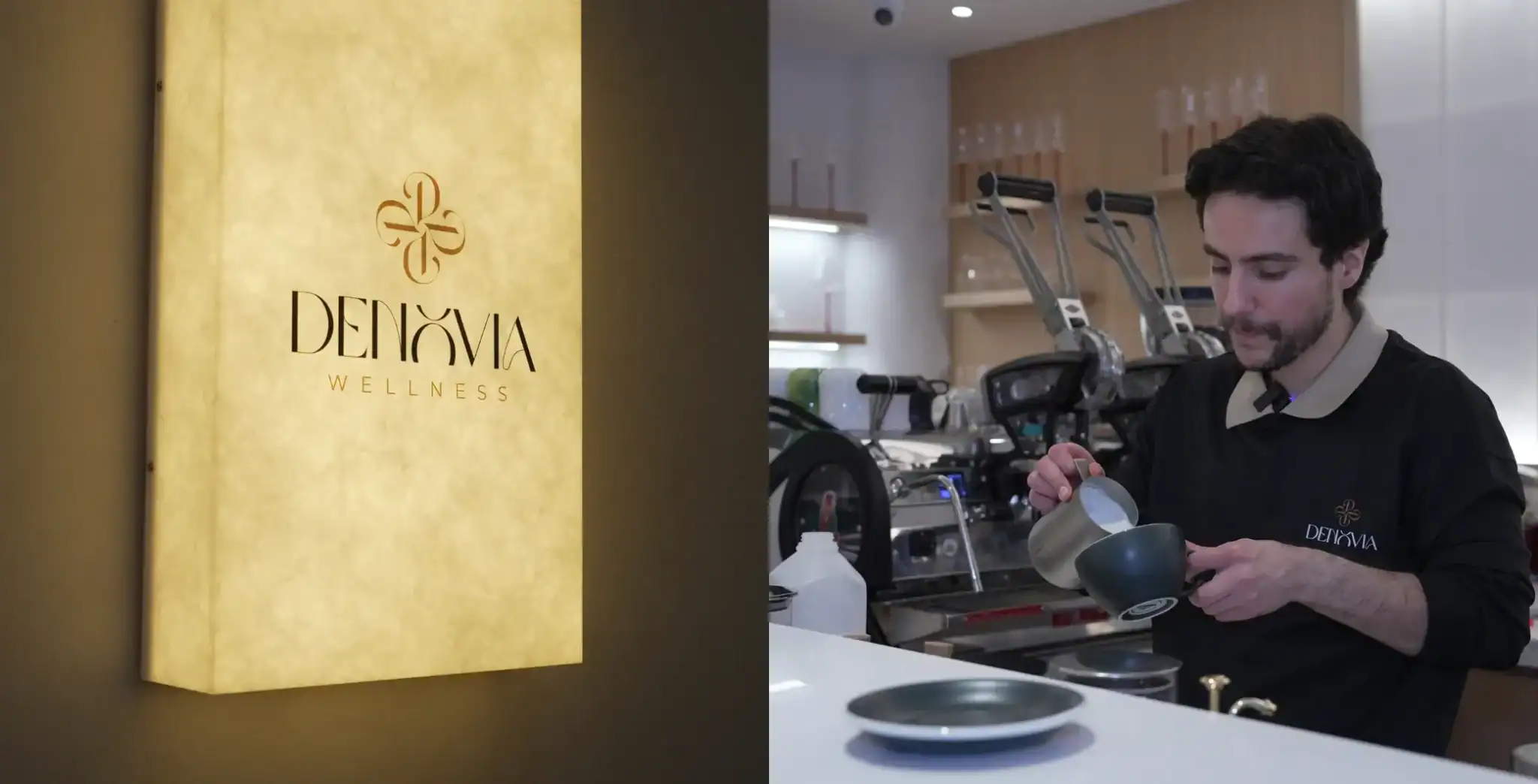
A new café in Toronto’s Midtown is challenging traditional ideas of a coffee break by offering one of the city’s most expensive cups of coffee — alongside yoga sessions, sound therapy, and wellness treatments.

Denovia, a recently opened wellness-focused café, is serving a Panamanian Elida Geisha hand brew priced at $99 per cup. The coffee is produced in extremely limited quantities, with only 50 cups available per supply, positioning it among the most exclusive specialty coffees currently offered in Toronto.

The café’s founder, Nick Wang, describes Denovia as a hybrid space combining specialty coffee with wellness practices. While the ground floor operates as a café serving both rare beans and familiar drinks such as cappuccinos and cold brews, the upper levels are dedicated to wellness services. These include yoga, aromatherapy, sound therapy, sports recovery treatments, and IV drips.

Wang said the concept was shaped by growing post-pandemic stress levels and personal exposure to wellness practices, noting that the space is intended to encourage calm, reflection, and slower consumption rather than rushed routines.

At the center of Denovia’s premium coffee offering is the Elida Geisha, a varietal originally traced to Ethiopia and later refined in Panama. The coffee is widely known for its floral and fruit-forward characteristics, often associated with notes such as jasmine, bergamot, stone fruit, and tea-like sweetness. Its profile contrasts sharply with the heavier, chocolate-driven flavors found in more conventional coffees.

Geisha coffee is also known for its demanding cultivation requirements. It is typically grown at elevations between 1,500 and 2,000 meters, in volcanic soil and highly specific microclimates that include cool temperatures, mist, and stable weather conditions. These constraints significantly limit supply.

According to Wang, beans from the Elida estate have achieved prices of approximately $1,029 per pound at international Best of Panama auctions, attracting buyers from the global specialty coffee market.

Beyond rarity and price, Wang emphasized the experience itself. He said the Geisha is meant to be enjoyed slowly, comparing it to tea culture rather than fast-paced coffee consumption. In his view, the drink is intended to encourage relaxation and creative thinking rather than speed.

While the $99 Geisha attracts the most attention, Denovia’s menu includes other specialty offerings at lower price points. Hand brews and pour-overs sourced from Ethiopia and Colombia begin at $28, including the ALO 74158. Another Geisha option, the Luna Geisha, is priced at $35. Standard menu items such as americanos and matcha lattes start at $6.

Denovia barista Alex Pinzon, who has eight years of experience in the coffee industry, said customers often question the pricing of high-end specialty coffees. He explained that these coffees undergo more careful processing and preparation, resulting in flavor profiles that surprise many first-time drinkers.

Pinzon noted that customers frequently assume fruit has been added to the coffee, only to learn that the flavors come naturally from the beans themselves.

Among the café’s other specialty drinks are the El Pariso Peach hand-brew latte, described as having a tea-like, peach-forward character, and the TOR8NTO — a sparkling coffee mocktail featuring lychee and strawberry notes.

Denovia is currently operating in a soft-opening phase, with its official grand opening scheduled for January 2026.

The 2026 Cup of Excellence Calendar Unveiled

A New Season of Global Coffee Distinction

PORTLAND – QAHWA WORLD

The Alliance for Coffee Excellence (ACE) has officially released the highly anticipated 2026 Cup of Excellence (COE) and National Winner (NW) competition calendar. This upcoming season marks another year of dedication to discovering the finest coffees across the globe, bringing together producers, buyers, and the specialty coffee community to celebrate unparalleled quality and transparency.

Whether you are a roaster planning your bidding strategy, a cupper preparing to join an International Jury, or a coffee enthusiast following the journey of exceptional micro-lots, this calendar serves as your essential guide for the 2026 season.

2026 Competition & Auction Schedule

The 2026 circuit covers key origins from Central America to Asia. Below is the comprehensive schedule of International Jury weeks and their corresponding auction dates:

Country International Jury Week COE Auction Date National Winner Auction
Nicaragua May 11 – 15 June 25
El Salvador May 11 – 15 July 2
Honduras May 19 – 23 July 16
Costa Rica May 25 – 30 July 9
Guatemala June 1 – 4 July 23 July 20 – 24
Mexico June 8 – 12 July 28 July 27 – 31
Thailand June 8 – 12 July 30 July 27 – 31
Taiwan June 15 – 19 August 13 August 10 – 14
Indonesia October 13 – 17 November 26
Brazil (Main) October 19 – 24 December 1 November 23 – 27
Brazil (Naturals) October 26 – 31 December 8 December 1 – 4

Key Opportunities for Professionals

In addition to the auctions, ACE has announced that International Jury applications will officially open on January 1st, 2026. This is a unique opportunity for qualified sensory experts to evaluate the world’s highest-scoring coffees at their origin.

The organization reminds participants that the calendar is subject to continuous updates to align with harvest conditions. For registrations, sample sets, and the latest updates, please visit: AllianceForCoffeeExcellence.org.

Official 2026 Cup of Excellence Calendar: Competition & Auction Dates