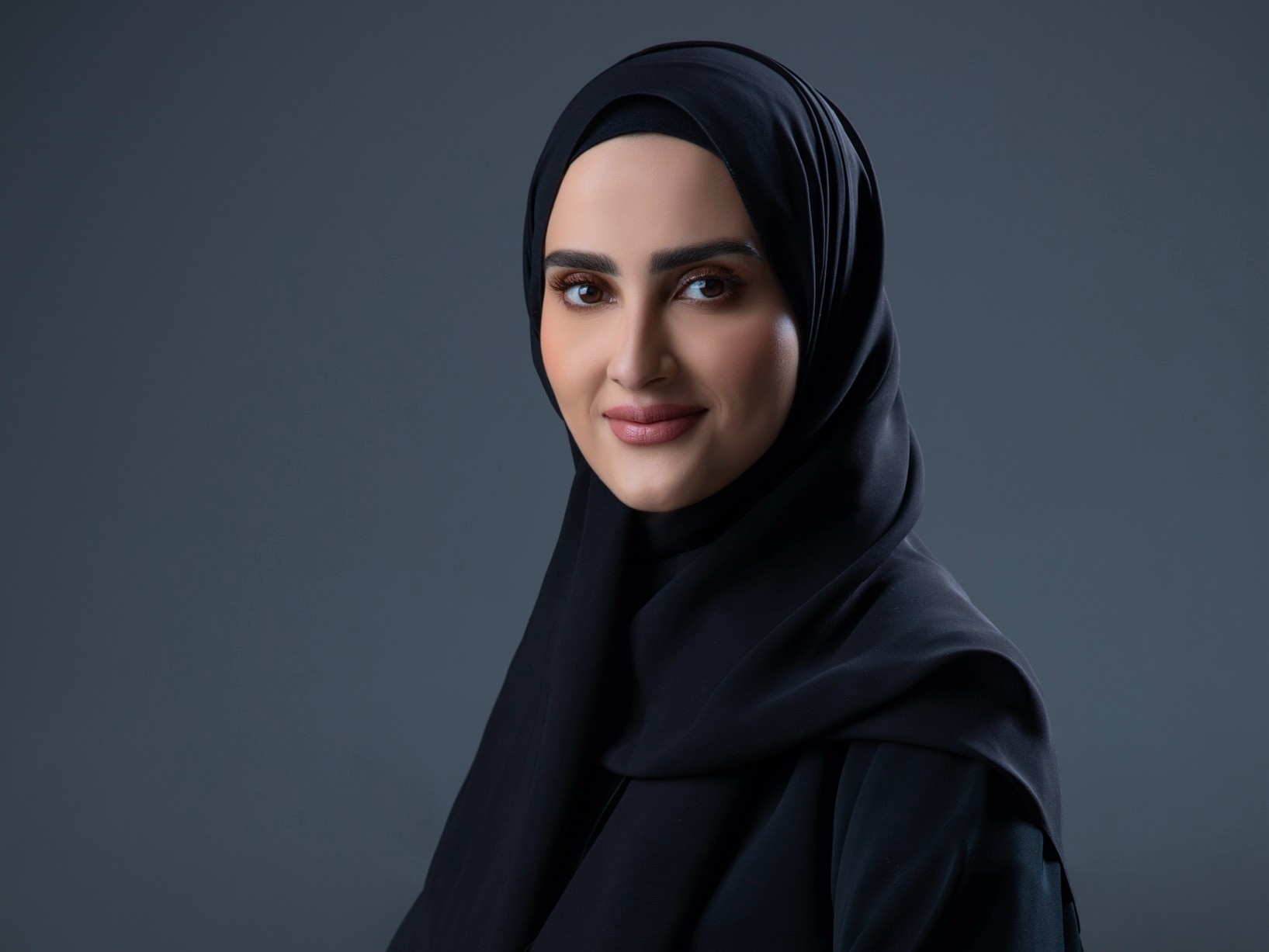
Nizam Pasha Lolowang Crowned UAE Roaster of the Year 2026

Dubai – Qahwa World

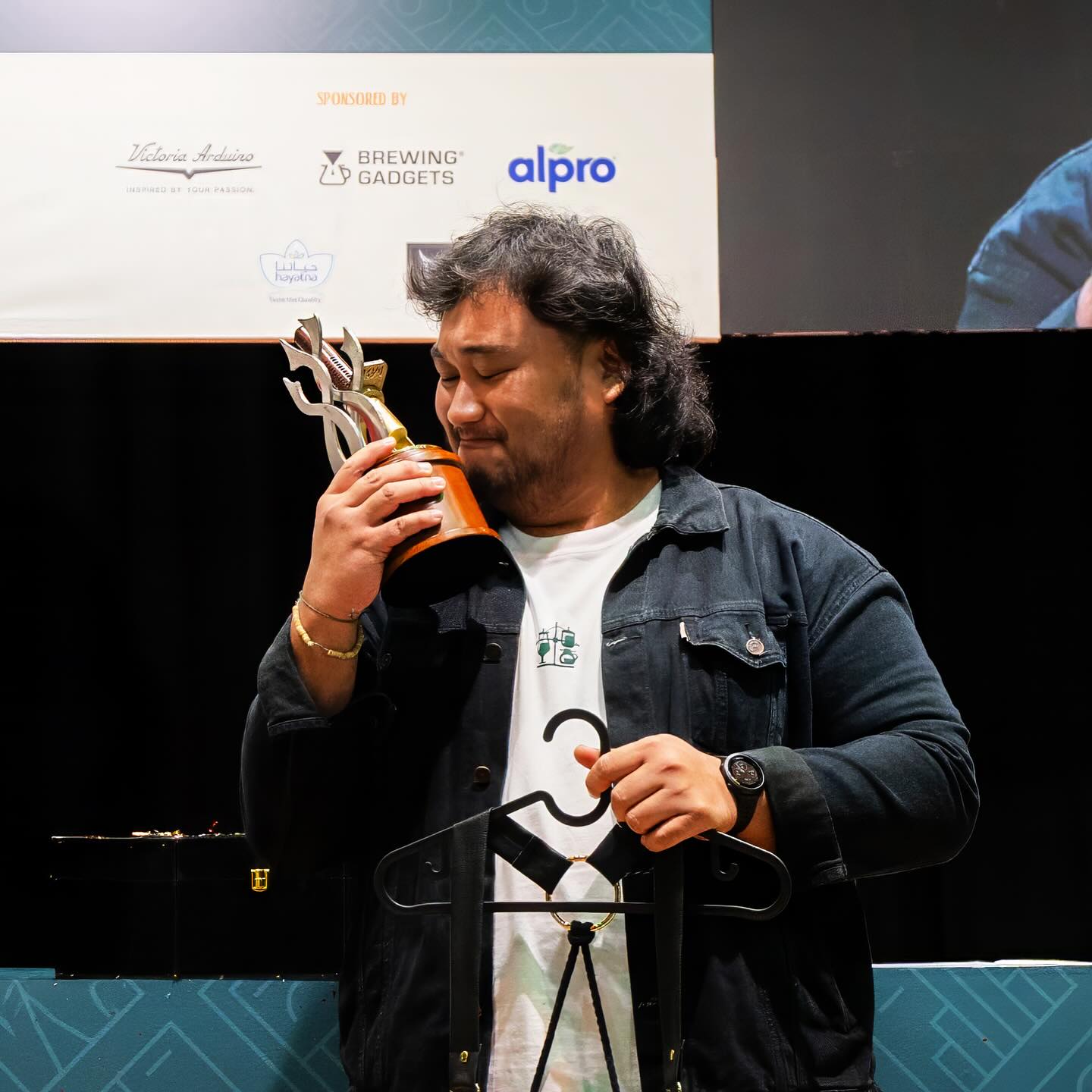
Nizam Pasha Lolowang of Espressi has been crowned Roaster of the Year after winning first place in the UAE National Roasting Championship, held as part of World of Coffee Dubai 2026 at the Dubai World Trade Centre.

The title was awarded in recognition of Luwang’s outstanding performance in roast development, flavour profiling, and consistency, assessed under internationally recognised Specialty Coffee Association (SCA) standards. The championship highlighted technical excellence, precision, and quality across all stages of the roasting process.

Luwang secured first place ahead of Ajeyudu Pathuri of Brewing Gadgets, who finished second, while Raha Shahsavar of Crack Coffee Roastery claimed third place.

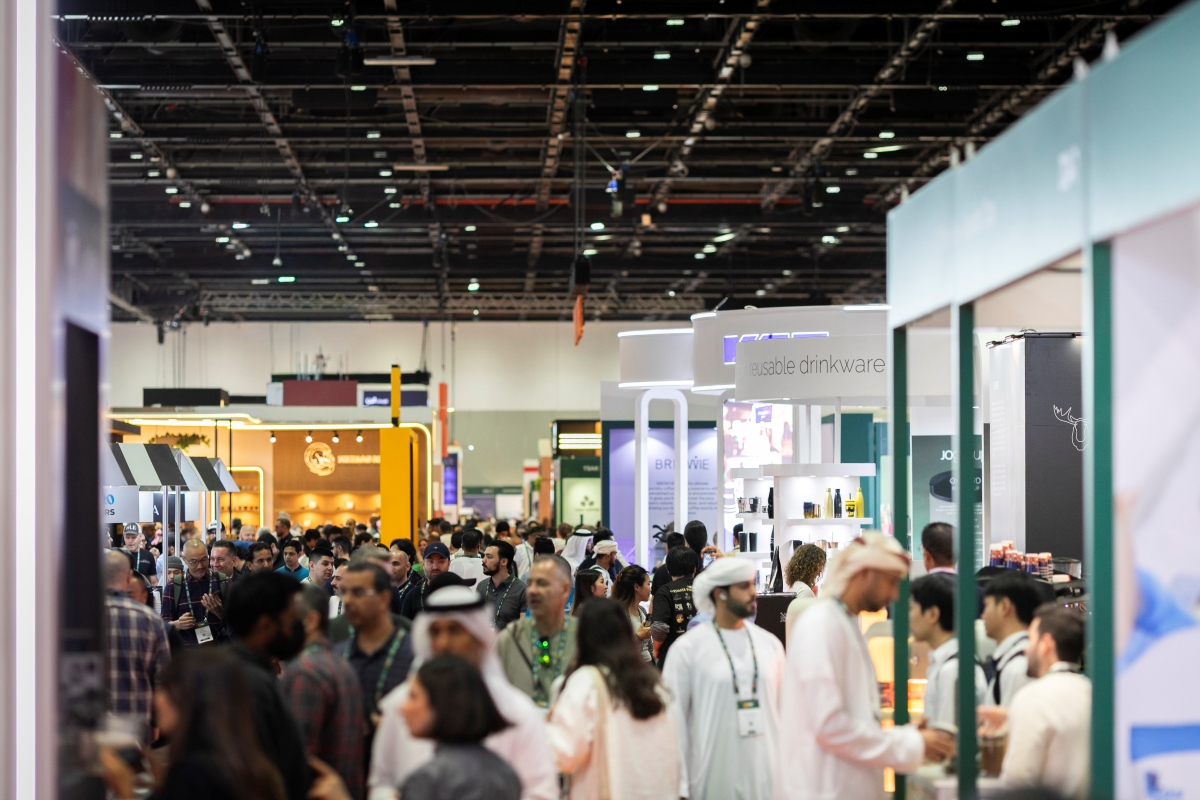
The UAE National Roasting Championship was one of four major local and international competitions concluded during the fifth edition of World of Coffee Dubai, which welcomed more than 20,000 visits from specialty coffee professionals representing over 80 countries, reinforcing Dubai’s position as a leading global hub for specialty coffee.

The championship forms part of World of Coffee Dubai’s commitment to advancing professional standards and celebrating excellence within the specialty coffee industry, providing a competitive platform for emerging and established roasting talent in the region.

World of Coffee Dubai 2026 concluded its most internationally diverse edition to date and will return to the Dubai World Trade Centre from 26–28 January 2027.

World of Coffee Dubai 2026 Concludes with Record Engagement

Dubai – Qahwa World

The fifth edition of World of Coffee Dubai 2026 concluded today at the Dubai World Trade Centre, closing a dynamic three-day programme focused on trade, professional learning, and origin engagement. Organised by DXB LIVE in partnership with the Specialty Coffee Association (SCA), the event reinforced its role as a global hub for the specialty coffee industry.

Following a record-breaking opening day, Day Two sustained high engagement across Za’abeel Halls 1, 4, 5, and 6. Producers, roasters, buyers, and suppliers participated in business meetings, live cuppings, technical demonstrations, and networking sessions throughout the exhibition floor.

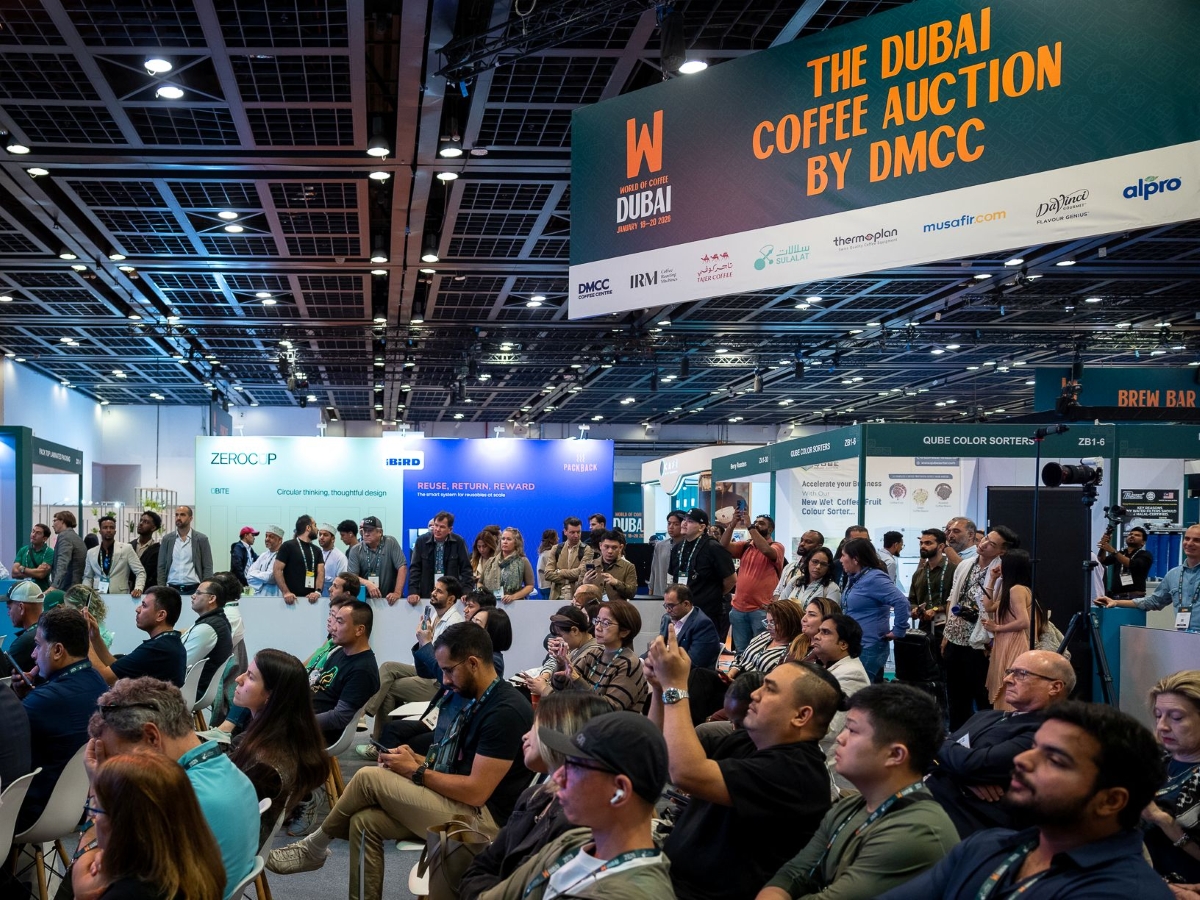
A key highlight was the World Class Auction, part of the Dubai Coffee Auction programme curated with M-Cultivo. Buyers sampled and bid on high-quality, traceable coffees in real-time, with the top lot—a Natural Geisha—selling for $3,075 per kilogram, reflecting the premium placed on exceptional origin coffees.

The Producer Panel showcased dialogues between origin representatives and industry stakeholders, exploring market access, value creation, and evolving producer–buyer relationships. Discussions emphasized sustainability, transparency, and long-term partnerships as central to the specialty coffee value chain.

Competitive programmes also drew attention. The Roasting Championship advanced into its technical evaluation phase, while the Cezve/Ibrik Championships 2026 celebrated traditional brewing methods through a modern specialty coffee lens.

Exhibitors praised the commercial impact of the event. Sanjeev Dinesh Fernando from Alpro said participation generated strong business leads, while Mohamed Alhammadi, Co-Owner of Tajer Coffee, described their first-time presence and sponsorship as exceeding expectations.

Reflecting on the event, Shouq Bin Redha, Exhibition Manager of World of Coffee Dubai, said:
“World of Coffee Dubai functions as a working marketplace for the specialty coffee sector. From live auctions and producer dialogues to championship progression and educational sessions, the programme delivers practical exchange and quality-driven trade outcomes.”

World of Coffee Dubai 2026 concluded with the final Exhibitors’ Coffee Auction, championship awards, and ongoing educational sessions, leaving participants inspired and connected as the region’s premier specialty coffee event.

For more information, registration, and the full programme, visit: www.worldofcoffeedubai.com.

Mohammed bin Rashid visits World of Coffee Dubai 2026

Dubai – Qahwa World

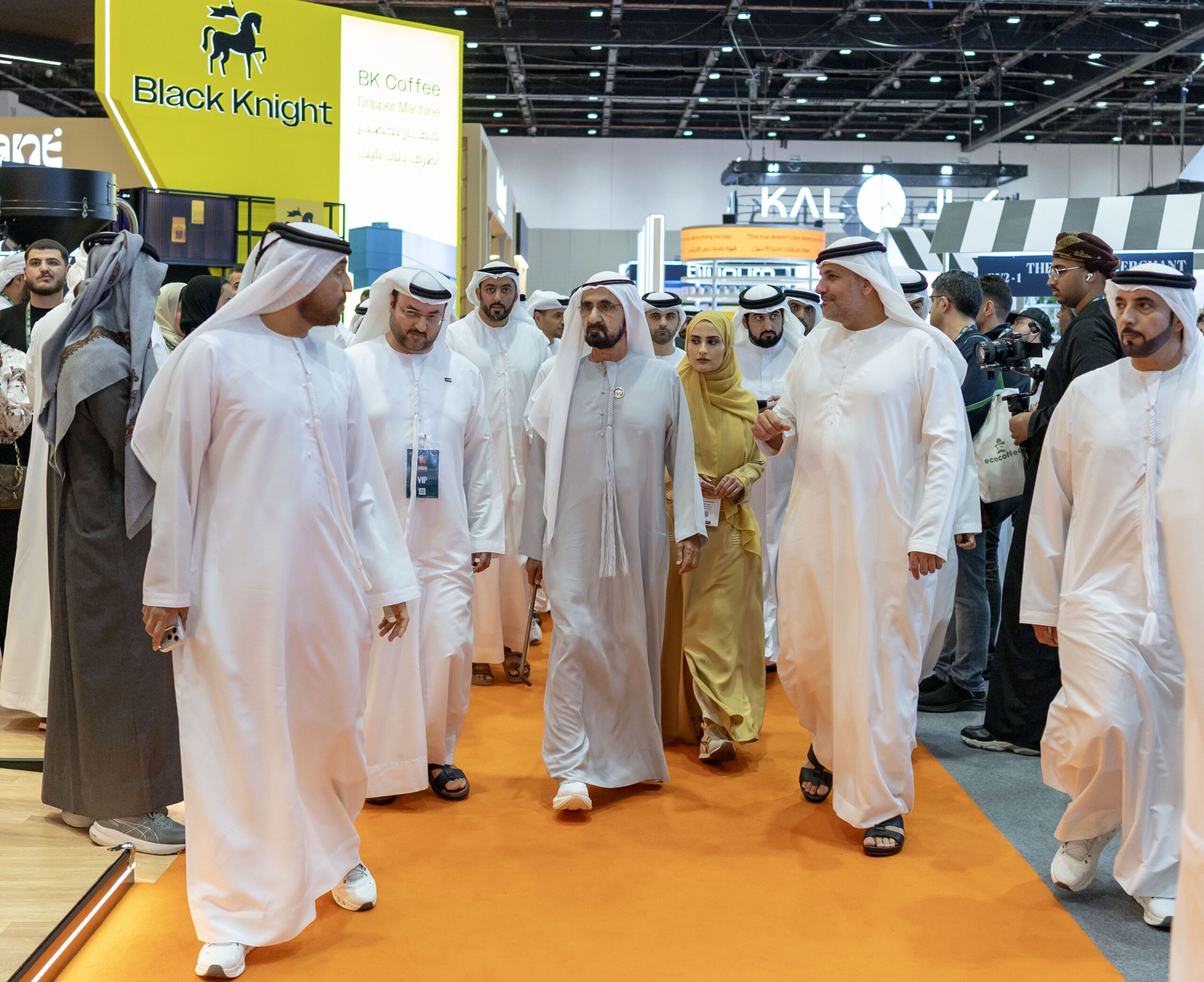
His Highness Sheikh Mohammed bin Rashid Al Maktoum, Vice President, Prime Minister and Ruler of Dubai, today visited the fifth edition of World of Coffee Dubai, which opened at the Dubai World Trade Centre (DWTC) on 18th January and runs until 20th January 2026.

During the visit, H.H. Sheikh Mohammed, accompanied by H.H. Sheikh Ahmed bin Mohammed bin Rashid Al Maktoum, Second Deputy Ruler of Dubai, and H.H. Sheikh Mansoor bin Mohammed bin Rashid Al Maktoum, President of the UAE National Olympic Committee, toured several pavilions displaying a wide range of exhibits.

H.H. Sheikh Mohammed was apprised by Helal Saeed Almarri, Director General of the Dubai World Trade Centre Authority, about the scale and impact of the exhibition. Organised by DXB LIVE, the integrated event management and experiential agency of Dubai World Trade Centre (DWTC), in collaboration with the Specialty Coffee Association (SCA), World of Coffee Dubai 2026 brings together more than 2,100 exhibiting companies and brands from 78 countries, marking the largest and most internationally diverse edition of the exhibition since its launch.

Providing tremendous opportunities for the sustained growth of an economic sector focused on one of the world’s most widely traded products, the coffee industry creates significant economic value and the exhibition is a key platform bringing diverse industry stakeholders together under a common umbrella. An estimate provided by statista.com puts the global coffee sector’s projected revenue for 2026 in the vicinity of $495.70 billion. Spanning various stages of the value chain, from cultivation and production to distribution and consumer markets, the exhibition showcases a wide variety of equipment used in coffee processing, roasting, and brewing.

Significant demand

H.H. Sheikh Mohammed was briefed by Khalid Al Hammadi, Senior Vice President of DXB LIVE, on the continued growth of World of Coffee Dubai over five editions. Since its launch, the exhibition has expanded significantly in scale and international participation, growing from a regional platform into a globally recognised meeting point for the specialty coffee industry. The 2026 edition spans more than 20,000 square metres, reflecting sustained growth driven by rising demand across the Middle East and North Africa.

World of Coffee Dubai 2026 reflects growing global interest in specialty coffee and Dubai’s role as a hub connecting producing countries with international buyers and manufacturers, bringing together leading producers, equipment manufacturers, roasters, and traders from both established brands and emerging markets. The exhibition features three live coffee auctions, international championships, workshops, and educational programmes, alongside extensive trade and networking opportunities for industry professionals.

Dubai Remains the Only Destination for “World of Coffee” in the Middle East

Dubai – Ali Alzakary

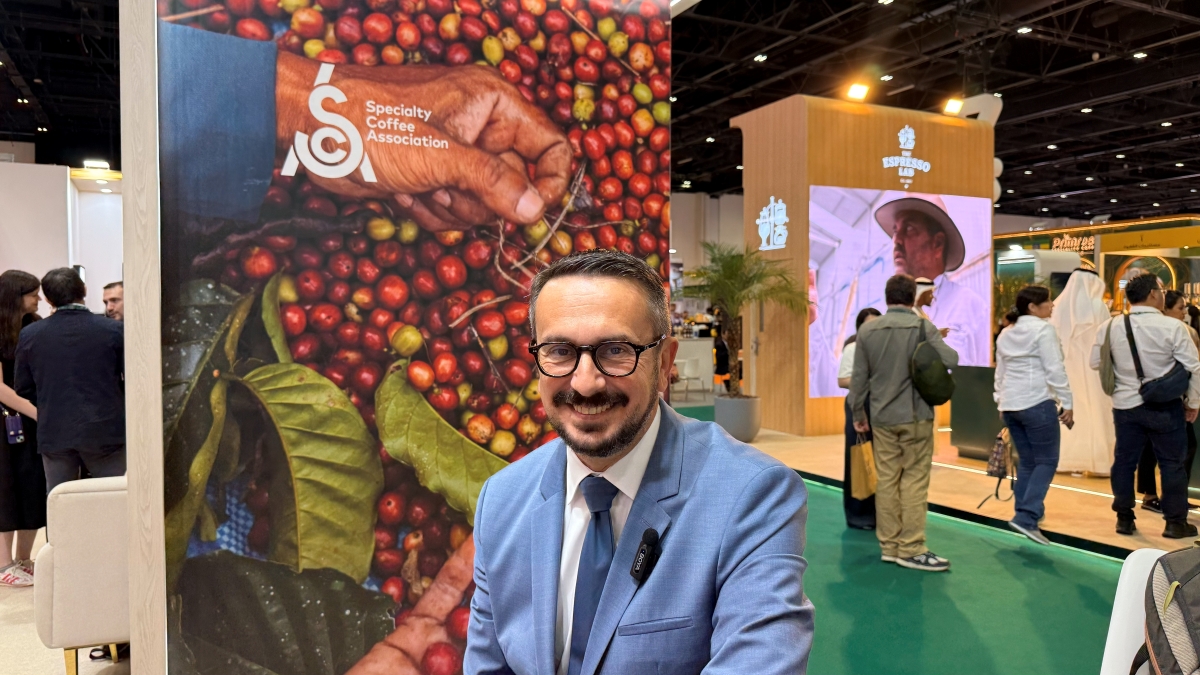
In an exclusive conversation with Qahwa World, Mr. Yannis Apostolopoulos, CEO of the Specialty Coffee Association, shared key insights on the growth and future of the “World of Coffee” exhibition, confirming that Dubai remains the sole destination for the show in the foreseeable future. He also spoke candidly about the transition following the end of the partnership with the Coffee Quality Institute (CQI) and the strong rollout of the Coffee Value Assessment (CVA) system.

Apostolopoulos highlighted that this year marks the fifth edition of the “World of Coffee,” which has grown tremendously. The number of exhibitors and attendees has surpassed any previous year, already 30% higher than before. He emphasized that the exhibition offers a unique opportunity for professionals to meet and conduct business. While it is fundamentally a trade show, it also fosters a sense of community and highlights the booming specialty coffee industry in the region.

“What we bring is a unique opportunity for people to come together and trade. At its core, this is a trade show, but it’s also about fostering a sense of community and showcasing how the specialty coffee industry is booming in the region. The Middle East has become one of the fastest-growing regions for specialty coffee in recent years, and you can feel that energy here at the show,” said Apostolopoulos.

Regarding the possibility of hosting editions in other Middle Eastern countries, Apostolopoulos confirmed that Dubai remains the ideal hub. He noted their ongoing partnership with DXB Live in Dubai, which will be renewed this year. Dubai provides excellent access from across the Middle East and the world, making it ideal for exhibitors and attendees. He added that while other countries may be considered in the future, this is not part of any immediate plans.

“At the moment, we have a partnership with DXB Live for Dubai, which we’re renewing this year. Dubai is a great hub with excellent access from across the Middle East and the world, making it ideal for exhibitors and attendees. Maybe in the future we’ll consider other countries, but not in the immediate plans,” said Apostolopoulos.

Apostolopoulos also discussed developments in the Coffee Value Assessment (CVA) system. He mentioned the transitional phase following the partnership with CQI and confirmed that many participants have already moved to the new program. There are now over 10,000 new Q graders and significantly more instructors, particularly in producing countries such as Colombia, Brazil, Indonesia, and Vietnam, which he recently visited. He stressed that the system allows producers to communicate clearly and objectively about the intrinsic and extrinsic attributes of coffee, while the trade sector explores how best to use the CVA framework to capture the quality of every coffee in everyday transactions.

“There has been some transition after our partnership with CQI, but many people have already moved to the new program. We now have over 10,000 new Q graders and significantly more instructors, especially in producing countries. We’re making targeted efforts to increase instructors in places like Colombia, Brazil, Indonesia, and Vietnam, where I was recently. Producers are seeing the value because you can communicate more clearly and objectively the attributes that are intrinsic and extrinsic to the coffee. The trade is figuring out the next steps of how to use the CVA paradigm and the new evaluation for quality and capturing the picture of every coffee in everyday trade,” said Apostolopoulos.

He affirmed that CVA benefits the industry as a whole, helping capture and share detailed data on coffee with producers and buyers, enabling clearer communication and maximizing coffee value.

“Absolutely. That’s the idea. CVA is part of the evolution of our understanding of coffee. We now care about more aspects of coffee than ever before, and CVA helps capture that information and share it with producers and buyers. This allows everyone to communicate more clearly and find ways to maximize the value of coffees,” said Apostolopoulos.


World of Coffee Dubai 2026 Kicks Off at DWTC

Qahwa World

The fifth edition of World of Coffee Dubai officially opened today at the Dubai World Trade Centre (DWTC), marking a major milestone for the Middle East’s specialty coffee industry. Organised by DXB LIVE, the integrated event management and experiential agency of Dubai World Trade Centre (DWTC), in collaboration with the Specialty Coffee Association (SCA), the event opened with more than 2,100 exhibiting companies and brands from 78 countries, delivering its largest and most internationally diverse edition to date.

A key milestone on day one was the signing of a five-year extension agreement between World of Coffee Dubai and the Specialty Coffee Association, extending the partnership until 2031. The agreement formalises a long-term collaboration to support specialty coffee competitions, education programmes, and professional standards at the event. The MoU was signed by Khalid Al Hammadi, Executive Vice President of DXB LIVE, and Yannis Apostolopoulos, Chief Executive Officer of the Specialty Coffee Association (SCA), reinforcing World of Coffee Dubai’s position as a stable, internationally aligned platform within the global specialty coffee calendar.

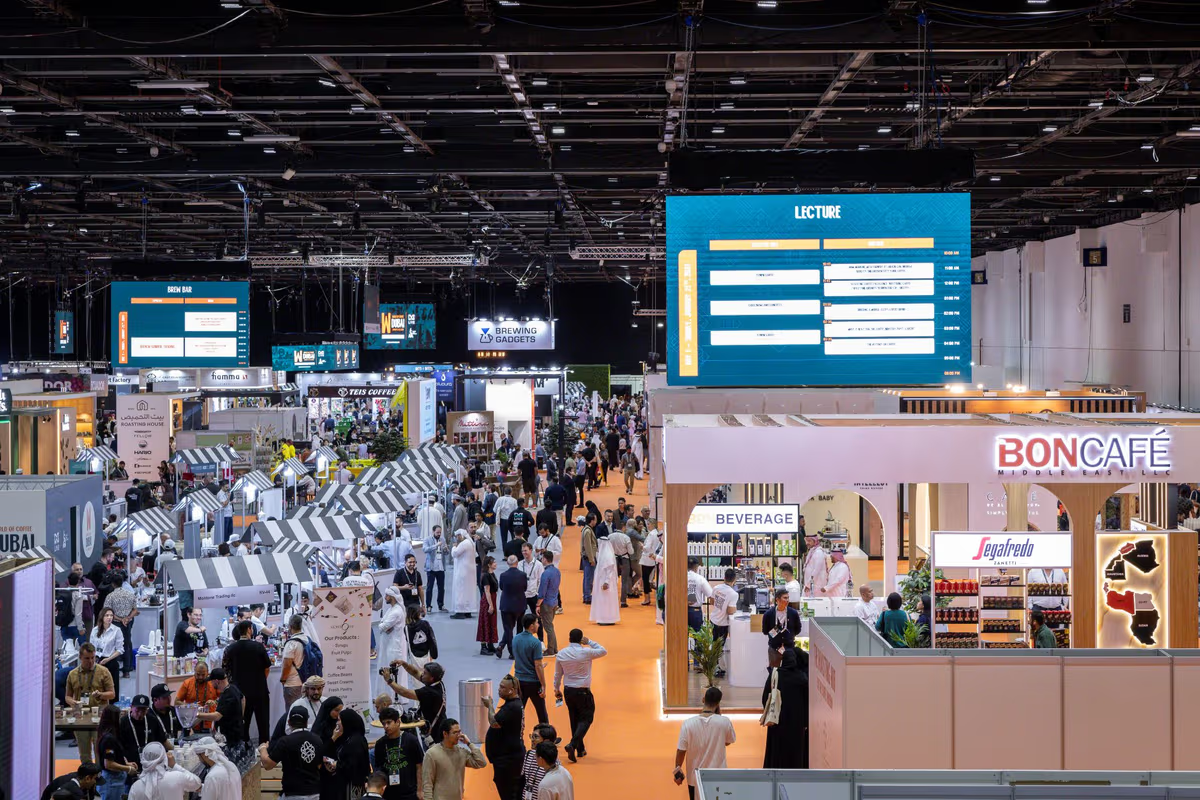
Following the opening programme, activity spread across the exhibition floor, which spans more than 20,000 square metres across Za’abeel Halls 1, 4, 5, and 6. Exhibitors from producing origins and consuming markets showcased green coffee, roasting and brewing technologies, equipment, packaging solutions, and café innovations, representing every stage of the specialty coffee value chain.

Key features activated on day one included the Roasters Village and Producers’ Village, where roasters and origin producers engaged directly with buyers, importers, and industry professionals. The Brew Bar and Cupping Rooms hosted tastings and sensory sessions throughout the day, while the SCA Community Lounge served as a central hub for networking and knowledge exchange. Live activity at the competition stages also drew strong interest from visitors.

The opening day also highlighted the depth of innovation and collaboration across the exhibition. A World of Coffee exclusive collaboration between Oatly and Yaba, a modern Iraqi restaurant based in Al Wasl, introduced a new approach to coffee beverage creation by applying culinary steeping techniques to extract flavour, alongside distinctive elements such as nut crème and saffron-infused bubbles.

Equipment innovation featured prominently, with Coffee Desk, the exclusive Middle East distributor for leading brands including Fellow, unveiling the first global showcase of Fellow’s upgraded Espresso Series 1, ahead of its commercial release later this year. The launch reflected growing demand for high-performance, accessible equipment within the specialty coffee sector.

Commercial activity commenced on day one with the Dubai Coffee Equipment Auction organized by DXB LIVE in collaboration with DMCC, a dedicated one-day auction showcasing specialised and customised coffee equipment from exhibitors at World of Coffee Dubai. Curated in collaboration with M-Cultivo, the auction featured pre-qualified equipment presented through live demonstrations and inspections on the show floor, followed by a live, lot-by-lot auction led by an auctioneer. Designed to connect equipment manufacturers with serious buyers, the auction provided a focused platform for innovation, craftsmanship, and price discovery within the regional specialty coffee market.

Reflecting on the opening day, Khalid Al Hammadi, Executive Vice President at DXB LIVE, said: “World of Coffee Dubai continues to grow in scale, diversity, and international relevance. The strong participation seen on the first day, together with the signing of a five-year partnership agreement with the Specialty Coffee Association, reflects the event’s maturity and its importance as a global platform for trade, education, and professional exchange.”

In a further milestone for the wider coffee events portfolio, Khalid Al Hammadi also signed a three-year Memorandum of Understanding related to the Bahrain Coffee Festival. The agreement covers the organisation of the festival as a curated B2C and B2B experience featuring workshops, live brews, competitions, and immersive activations. The Bahrain Coffee Festival aims to engage the wider community by inviting coffee lovers, families, and the public to explore the diversity of coffee, while spotlighting both local and international brands.

During day one, DXB LIVE also announced plans to expand its coffee-focused event portfolio through the launch of dedicated coffee festivals in Qatar, Oman, and Saudi Arabia. Developed as a separate DXB LIVE IP, the regional festivals will build on the growing momentum of specialty coffee across the GCC while complementing World of Coffee Dubai’s role as the flagship international trade platform.

Exhibitors highlighted the value of the event’s international reach and professional audience. Denkayehu Dessalegn Head Roaster and Quality Control at Roasters, said: “World of Coffee Dubai provides an important platform for regional specialty coffee brands looking to scale internationally. This is our first participation at the event, and it allows us to introduce what we have been developing over the past four years to a global industry audience.”


World of Coffee Dubai 2026 continues through 20 January, with upcoming days featuring the Microlot Coffee Auction, the Exhibitors’ Coffee Auction, championship finals, workshops, and further industry announcements.

For visitor registration, media accreditation, and the full programme, please visit:
www.worldofcoffeedubai.com

 About World of Coffee Dubai

World of Coffee Dubai (WOC Dubai) is the premier coffee trade show for exhibitors and visitors looking to break into the Middle East’s burgeoning coffee industry. The event showcases popular features like the Roaster Village, engaging lectures, the Cupping Room, the SCA UAE National Championships, the Coffee Design Awards, the Best New Display Product Competition, Brew Bar, and the SCA Community Lounge, where buyers and sellers come together to reconnect and establish new business relationships. The exhibition welcomes local, regional, and global professionals in the coffee industry including producers, manufacturers, traders, farmers, international experts, distributors, small and medium companies, coffee shops, roasters, hotels, and coffee enthusiasts from around the world.

About SCA

The Specialty Coffee Association (SCA) is the world’s largest nonprofit, membership-based trade association in the coffee industry. Representing thousands of coffee professionals globally from producers to baristas, the organization is built on foundations of openness, inclusivity, and the power of shared knowledge, fostering an international coffee community to make specialty coffee a thriving, equitable, and sustainable activity for the entire value chain. From coffee farmers to baristas and roasters, our membership spans the globe, encompassing every element of the coffee value chain. The SCA acts as a unifying force within the specialty coffee industry and works to make coffee better by raising standards worldwide through a collaborative and progressive approach.

 About DXB LIVE:

DXB LIVE is the integrated event management and experiential agency of Dubai World Trade Centre. With its creative, technical, and operational expertise, DXB LIVE delivers world-class events of all types, including exhibitions, conferences, festivals, recreational activities, national occasions, major corporate events, as well as high-end and private weddings.zThe agency provides services for more than 100 major events annually, designing and building over 500,000 square feet of exhibition stands and delivering complex live events and conference solutions. DXB LIVE also offers strategic consultancy to associations and international organizations, while organizing large-scale trade exhibitions and public events.

Rapidly expanding its footprint, DXB LIVE is strengthening its position among the world’s leading event companies through strong alliances with top international event organizations. Its combined services create exceptional experiences that connect brands with their audiences across the UAE, GCC, Middle East, Europe, Africa, and the Americas.
Largest Edition of World of Coffee Dubai 2026 Kicks Off Tomorrow

Dubai – Qahwa World

The fifth and largest edition of World of Coffee Dubai 2026 will kick off tomorrow, Sunday, in Dubai. The event is organised by DXB Live, the integrated event management and experiential agency of Dubai World Trade Centre, in partnership with the Specialty Coffee Association (SCA), and will run from 18 to 20 January 2026 at the Dubai World Trade Centre.

Recognised as the region’s leading specialty coffee trade event, the exhibition brings together more than 2,100 exhibiting companies and brands, alongside industry leaders, experts, and professionals from 78 countries, representing every stage of the coffee value chain. Participants include coffee producers, roasters, traders, equipment and machinery manufacturers and distributors, café operators, hospitality leaders, and industry organisations.

Spanning an exhibition space of 20,000 square metres, the event features strong participation from leading global coffee producers, reinforcing Dubai’s growing role as a global hub for coffee trade and a strategic gateway connecting producing countries with fast-growing consumer markets and international trade centres.

World of Coffee Dubai 2026 offers visitors a comprehensive experience covering all aspects of the specialty coffee industry. Key features include the Roasters Village, Producers Village, Cupping Rooms, Brewing and Espresso Zones, and dedicated Technology Areas, showcasing the latest innovations in roasting and brewing systems, automation, and sustainable technologies, reflecting global future trends in the specialty coffee sector.

The exhibition programme also includes a series of professional championships and competitions, such as the UAE National Coffee and Latte Art Championships, the Roasting Championship, as well as the Cezve/Ibrik World Championship, which celebrates one of the world’s oldest coffee preparation methods rooted in Middle Eastern and Turkish coffee culture, evaluated according to modern specialty coffee standards.

On the commercial front, the event hosts three live auctions across the three exhibition days, including a Coffee Equipment Auction on the first day, a Micro-lot Auction featuring top-rated specialty coffee beans on the second day, and an Exhibitors’ Coffee Auction on the third day. These auctions provide a transparent platform for price discovery, enhance international buyer participation, and support global market access for brands and producers.

World of Coffee Dubai 2026 will be open daily from 10:00 a.m. to 6:00 p.m. at Zabeel Halls 1, 4, 5, and 6 of the Dubai World Trade Centre. Registration remains open for visitors, media representatives, and industry professionals, with full programme details and media accreditation available via the event’s official website.

From Milan to Dubai: World Champion Shares His Expertise in Competition Coffee

Dubai – Qahwa World

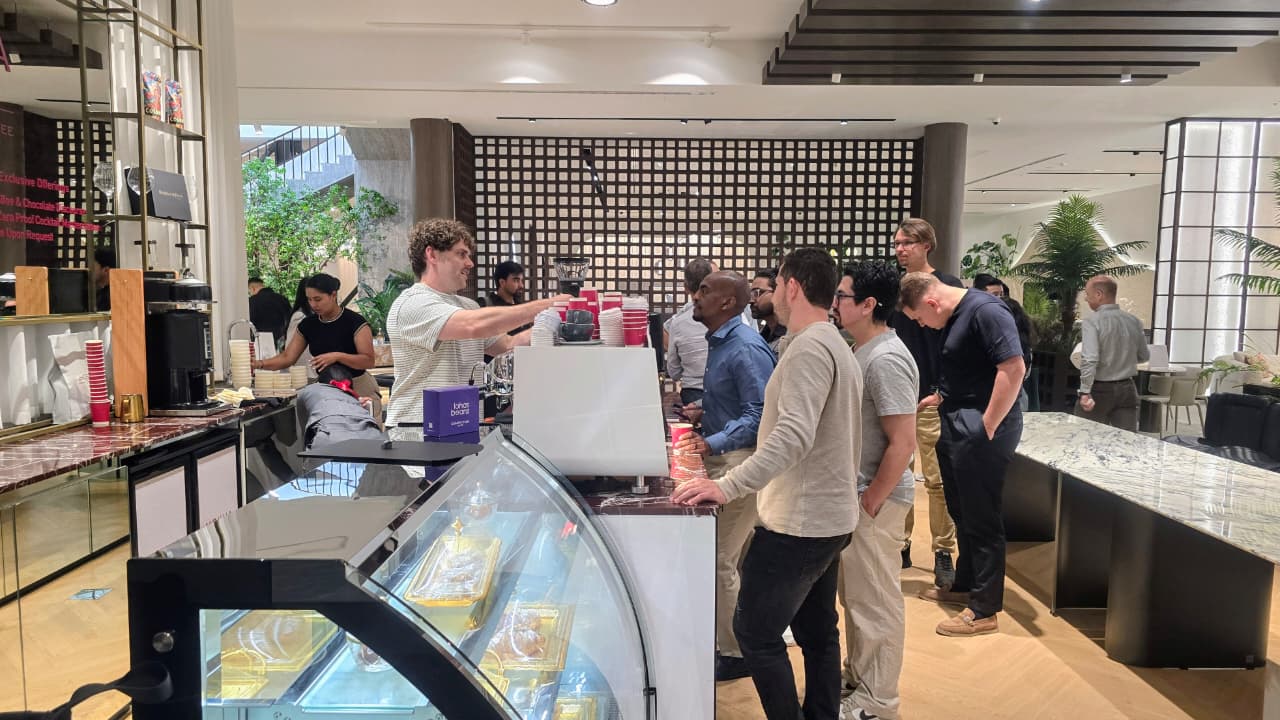
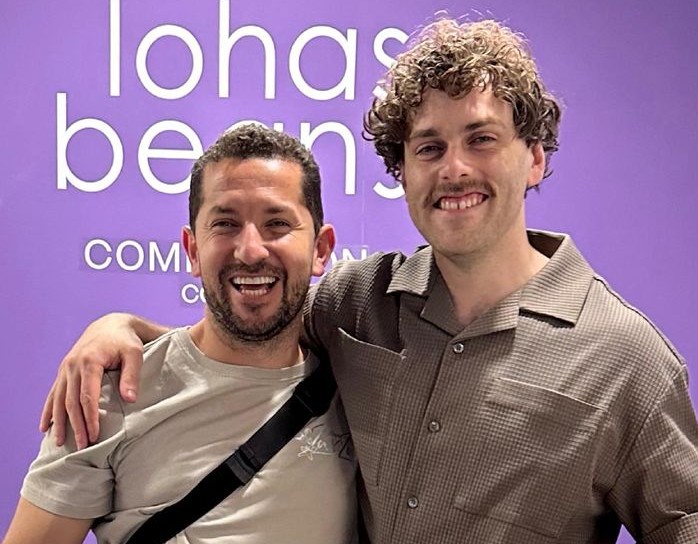
Dubai’s specialty coffee scene witnessed a remarkable moment with an exclusive event titled “What’s Behind a Competition Coffee”, organized by Mokha 1450 Luxury Specialty Coffee in collaboration with Lohas Beans. The event offered an in-depth exploration of the technical and strategic decisions behind competition-grade coffee, bringing together world-class expertise and local enthusiasts.

The highlight of the evening was the presence of Jack Simpson, 2025 World Barista Champion, freshly crowned in Milan, whose appearance drew significant attention from leading baristas, coffee professionals, and aficionados across the region. Simpson was joined by esteemed experts Jhonatan Gasca and Juan Pablo Campos, forming a distinguished panel that guided participants through the subtle complexities of producing world-class competition coffees.

Moving beyond traditional cupping sessions, the event delved into the nuances that make championship coffees exceptional, covering everything from farm-level selection and processing methods to roasting profiles, brewing techniques, and presentation strategies. Attendees had the rare opportunity to taste exclusive limited Papayo lots, demonstrating Mokha 1450’s commitment to quality and innovation.

The program featured three key components: a guided tasting session, a live demonstration of espresso and milk-based beverages by Jack Simpson, and an interactive Q&A session with the panelists, creating a platform for knowledge exchange and dialogue between global champions and the local coffee community.

This event is part of the activities accompanying World of Coffee Dubai 2026, taking place from January 18 to 20, highlighting Dubai’s growing role as a hub for specialty coffee. Under the leadership of Mr. Garfield Kerr, Mokha 1450 continues to advance coffee culture in the UAE by leveraging every opportunity to keep the community informed of the latest developments, while fostering connections between champions, coffee makers, and enthusiasts.

Through initiatives like “What’s Behind a Competition Coffee,” Mokha 1450 strengthens the bridge between global expertise and the local coffee scene, reaffirming its commitment to education, cultural exchange, and the pursuit of excellence in specialty coffee.

Simonelli Group at World of Coffee Dubai with Victoria Arduino and 3TEMP

Dubai – Qahwa World

From January 18 to 20, Simonelli Group will be a key player at World of Coffee Dubai (Stand ZN5-4). During the event, the Group will present a comprehensive vision of coffee evolution — from espresso to brewing — through its brands Victoria Arduino and 3TEMP.

  • Victoria Arduino: Where Aesthetics Meets Taste

The Victoria Arduino space at WOC Dubai is designed as an immersive experience, where aesthetics and cutting-edge technology come together to redefine the contemporary espresso ritual.

  • Not to be missed:

Eagle One – Official Espresso Machine of the UAE Barista Competition
Eagle One will stand alongside the best baristas in the region during one of the world’s most prestigious competitions. Iconic, sustainable, and performance-driven, Eagle One represents a new generation of espresso machines, designed to ensure precision, energy efficiency, and excellence in the cup — even at the highest competitive levels.

Victoria Arduino Exclusive Party: L’Atelier Arrives in Dubai
On January 18 at 7:00 PM, Victoria Arduino invites guests to its Experience Lab in Dubai to discover L’Atelier, a new narrative space dedicated to creativity, craftsmanship, and timeless design.
Inspired by the world of luxury ateliers, this project redefines customization, transforming each coffee machine into not only a professional tool, but a unique design piece.
Subscribe here to reserve your spot at the Exclusive Party in Dubai – Victoria Arduino.

Tasting Experiences with Leading Roasters
At Stand ZN5-4, Victoria Arduino will host a series of tasting sessions featuring some of the most important partners in the coffee world. The program includes roasters such as Peet’s, Dukamo, Goldbox, Base Coffee, and Caffeine Lab.
Partners will rotate in a relay of sensory experiences, supported by the Black Eagle Maverick and E1 Prima PRO espresso machines.

Beyond delivering excellence in the cup, Victoria Arduino coffee machines are true design and communication elements, expressing values of aesthetics, precision, and innovation.

  • 3TEMP: Brewing Culture

Simonelli Group’s journey at WOC Dubai continues with 3TEMP, the brand redefining professional brewing. Born from filter coffee culture and designed to offer extraction freedom — hot, cold, or concentrated — 3TEMP introduces boilerless, cloud-connected brewers defined by a sustainable design approach.

At Stand ZN5-4, 3TEMP will host a series of tasting sessions with leading coffee partners, featuring roasters such as Source Coffee, Julith, Benchmark, Joud, Roots by Earth, and Subko.

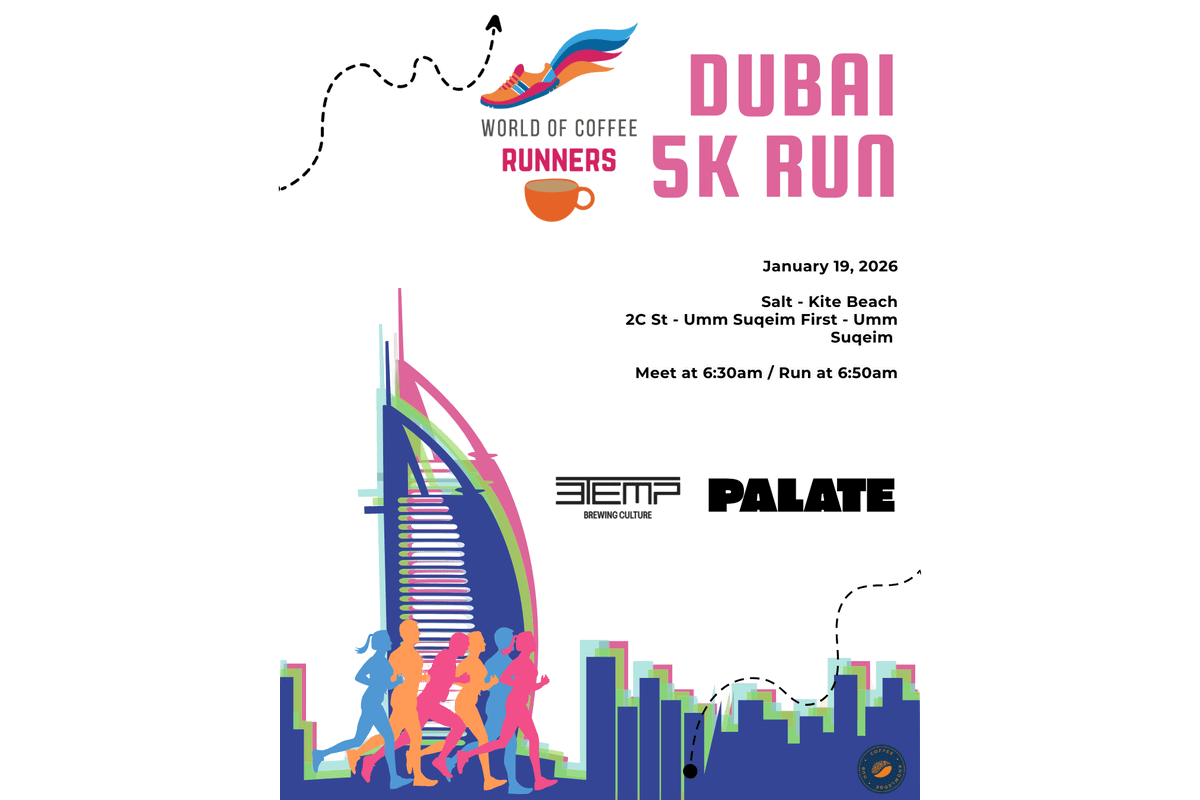
This year at World of Coffee Dubai, 3TEMP accompanies the journey of the WOC Runners, offering unique tastings and cutting-edge coffee experiences. From hot filter coffee to cold or concentrated brews, every extraction becomes a healthy and functional ingredient — ideal for athletes looking to enhance performance.

The first WOC Runners 2026 event will take place on Monday, January 19 at 6:30 AM (Dubai time) at Salt Kite Beach. The 5-kilometer run, open to coffee lovers from around the world, will follow a scenic out-and-back course along Kite Beach.
To participate, sign up here.

3TEMP empowers a new generation of baristas and consumers, promoting a conscious and contemporary approach to coffee.
It’s not just brewing. It’s Brewing Culture.


Coffee Processing Methods in the Americas

Dubai – Qahwa World

Understanding how coffee is processed at origin is essential for buyers, roasters, and importers. While traditional classifications—washed, natural, and honey—still dominate the conversation, the reality is far more nuanced. From mechanized harvesting in Brazil to cooperative-led processing in Peru, each producing country has developed its own post-harvest practices.

This guide breaks down the dominant coffee processing methods across key producing countries in the Americas, drawing on insights from our producer network.

Coffee processing directly affects flavor profile, cup quality, shelf life, pricing, sustainability, and water usage. For green coffee buyers, understanding origin-specific practices is crucial for sourcing the right profiles, managing risk, and building transparent supply chains.

  • Brazil: Mechanized Natural Processing at Scale

Brazil leads the world in natural coffee processing due to its scale and mechanization. Harvesting is largely mechanized, using either large machines that shake entire trees or pole-mounted vibrating devices that target individual branches—sometimes still referred to as manual despite their mechanical nature.

A notable feature is the use of “floaters,” cherries that have partially or fully dried on the tree. These often contribute to desirable cup profiles rather than reflecting poor maturation.

After harvest, coffee is initially dried on patios. Once moisture falls below ~20%, mechanical dryers complete the process efficiently. Dry milling is often done on-farm, with a final cleaning stage handled by exporters. Green coffee is typically rested in wooden silos before shipment.

Dominant Process: Natural (60–70%)
Harvesting: Mechanized (machines or vibrating poles)
Drying: Patios + mechanical dryers
Post-Harvest: Dry milling on-farm; beans rested in wooden silos

  • Colombia: Washed Coffee with Infrastructure Support

Over 95% of Colombian coffee is processed using the washed method, despite a reputation for experimental naturals. Cherries are handpicked selectively, often requiring multiple passes. After pulping, beans are fermented in tanks and dried on patios, raised beds, or mechanical dryers.

Centralized collection centers help maintain quality, receiving coffee in wet, semi-wet, or dried states, each priced accordingly. When drying space is limited, submerging parchment in water preserves quality. These systems, guided by the Colombian Coffee Growers Federation (FNC), ensure consistent, high-quality washed coffees.

Dominant Process: Washed
Harvesting: Manual, selective picking
Drying: Patios, raised beds, vertical dryers (guardiolas)

  • Costa Rica: Washed with Innovation

Approximately 94% of Costa Rican coffee is washed. Cherries are manually picked and delivered to roadside collection points, where wet and dry processing occurs.

Many cooperatives use centrifugal demucilagers, reducing water usage and fermentation defects. Drying occurs on patios, raised beds, or mechanical dryers. Costa Rica also experiments with eco-efficient honey processes (white, yellow, red, and black).

Dominant Process: Washed
Innovation: Centrifugal demucilagers reduce water use
Drying: Patios, raised beds, mechanical dryers
Collection: Cherries delivered to collection centers

  • El Salvador: Traditional Washed with Growing Diversity

Washed processing accounts for ~80% of production, with cherries pulped, fermented, and dried on patios or guardiolas. Natural and honey methods each represent ~10%, catering to specialty buyers seeking unique profiles.

Dominant Process: Washed
Drying: Patios and increasing use of guardiolas
Other Methods: 10% natural, 10% honey

  • Guatemala: High-Altitude Washed Coffees

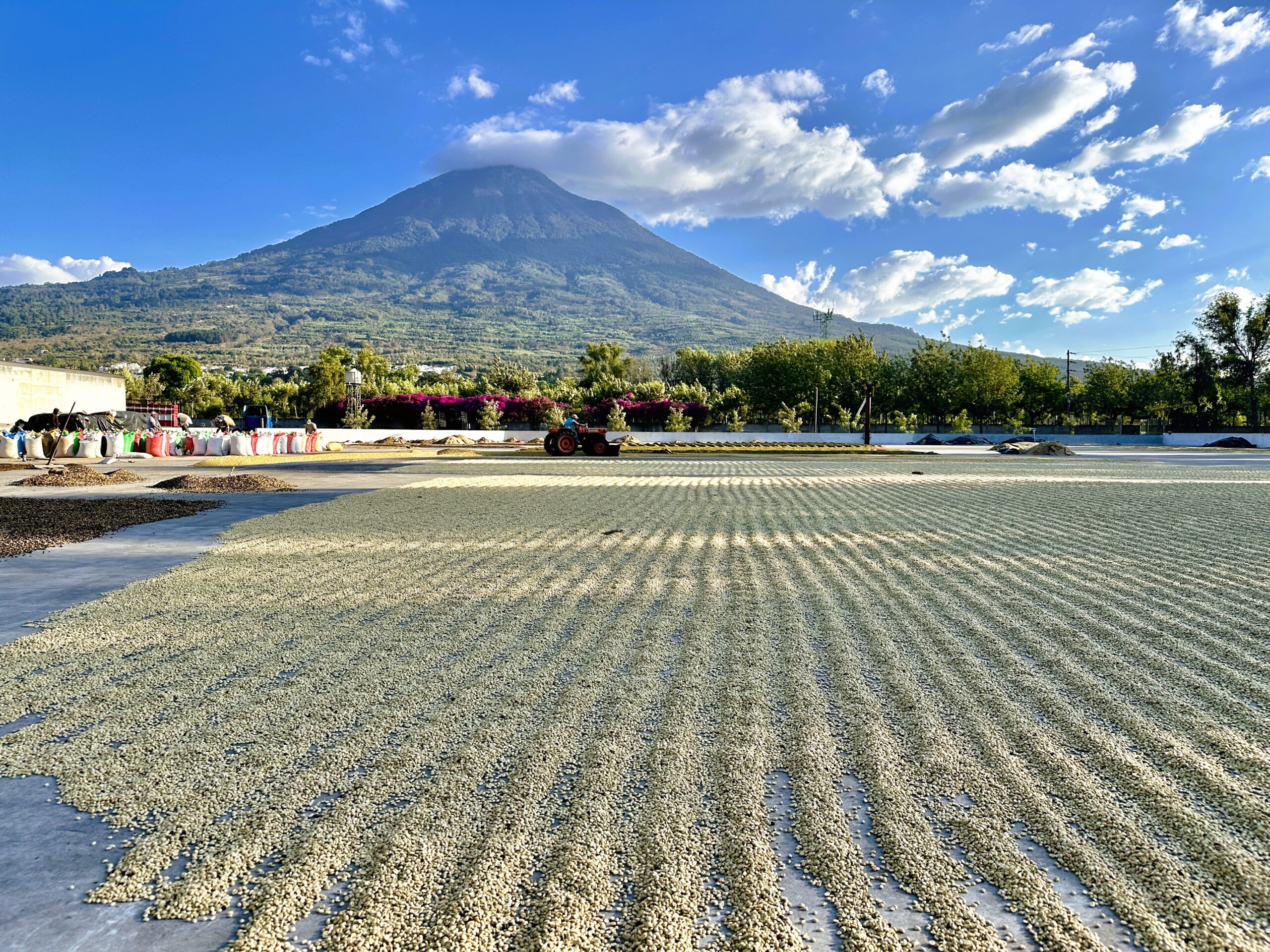
Guatemala primarily produces washed coffee (85–99%). Cherries are pulped, fermented, and dried on patios or rooftops to maximize sun exposure. Honey and natural processes are growing among specialty producers. Mechanical drying is increasingly used in regions with unpredictable weather.

Dominant Process: Washed
Drying: Patios, rooftops
Other Methods: 5–15% honey, 0.5–5% natural

  • Honduras: Cooperative-Driven Washed Production

Honduras favors washed processing, with most coffee handled on-farm and parchment delivered to cooperatives. Some mills experiment with cherry color sorting and centralized reception, but traditional methods prevail. Cooperatives play a key role in quality and market access for smallholders.

Dominant Process: Washed
Processing: On-farm; parchment sent to cooperatives
Innovation: Emerging cherry color sorting
Other Methods: 3% natural, 10–15% honey

  • Mexico: Washed Simplicity

Mexico relies on washed processing, with manual harvesting and patio drying. Practices vary by region, and isolated approaches could benefit from collaborative methods. Increasing Canephora cultivation may impact processing norms.

Dominant Process: Washed
Processing: Mostly on-farm, inherited practices
Drying: Patios

  • Nicaragua: Washed

Washed processing dominates (~97%), with cherries processed on-farm and parchment delivered to central mills. Water channels are used for density sorting, cleaning, and transport. Drying occurs on patios, raised beds, or guardiolas. Honey and natural processes exist but are marginal.

Dominant Process: Washed
Drying: Patios, raised beds, guardiolas
Operations: Water channels for cleaning and sorting

  • Peru: Cooperative-Led Washed Processing

Peru is overwhelmingly washed, with tank fermentation and sun-drying. Drying occurs on patios, lofts, raised beds, or parabolic dryers at cooperative stations. Natural and honey methods are rare but emerging.

Dominant Process: Washed
Fermentation: Tank-based
Drying: Patios, lofts, raised beds, parabolic dryers

  • Key Takeaways for Coffee Buyers
  • Washed processing dominates Latin America; Brazil is the main exception with natural processing.

  • Infrastructure and cooperatives play a crucial role in maintaining quality and consistency.

  • Innovation is rising, particularly in Costa Rica and Colombia, with eco-friendly and hybrid methods.

  • Understanding local practices is key for sourcing, pricing, and building traceable supply chains.

Mokha 1450 Set to Unveil Rare Limited-Edition Cuban Coffee

Dubai — Qahwa World

Mokha 1450, a leader in the luxury specialty coffee sector, is preparing to launch its latest limited-edition offering: the Cuban “Extra Turquino Lavado” coffee, recognized as one of the rarest harvests in the world. This exclusive release will be unveiled during a private reception for industry specialists and partners, designed to deliver a sensory experience that aligns with the brand’s philosophy of transforming coffee into a holistic journey.

The rarity of this harvest is rooted in its origin, the Nipe-Sagua-Baracoa region of Cuba. This area is designated as a “Global Biodiversity Hot Spot” and is protected by UNESCO as part of the “Archaeological Landscape of the First Coffee Plantations in the South-East of Cuba”. Such a prestigious heritage provides this edition with exceptional historical and environmental value, making it a significant addition to the luxury coffee market.

The official unveiling of this new edition will take place at 7:00 P.M. on January 19th, 2026. The event will be hosted at the Mokha 1450 x Modora Showroom, located on Umm Suqeim St in Al Barsha Second, Dubai. Invited guests will have the opportunity to explore the unique characteristics of this historic harvest, reflecting Mokha 1450’s ongoing commitment to sourcing the world’s rarest coffees for its audience in the UAE.

Mokha 1450 Explores the Secrets of Competition Coffee in Dubai

DUBAI—Qahwa World

In a significant move for the region’s specialty coffee scene, Mokha 1450 Luxury Specialty Coffee has announced an exclusive collaboration with lohas beans to host a specialized cupping event titled “What’s Behind a Competition Coffee”. Moving beyond mere scoring, the event is designed to delve into the strategic decision-making and technical expertise required to produce world-class competition-grade lots.

The experience will be led by a distinguished panel of industry experts, including Jack Simpson, Jhonatan Gasca, and Juan Pablo Campos. The program is structured into three distinct segments: a guided cupping session, a demonstration of espresso and milk-based beverages by Jack Simpson, and an interactive Q&A session featuring both Simpson and Jhonatan Gasca.

The event is scheduled to take place on January 15 at 6:00 PM at the Mokha 1450 x Modora Showroom, located on Umm Suqeim St, Al Barsha Second, Dubai. Attendees will also have a rare opportunity to access limited Papayo lots available exclusively during the event. This initiative underscores Mokha 1450’s commitment to fostering coffee education and bringing global expertise to the local community in the UAE.

Why the Middle East Is Emerging as a Defining Force in the Global Coffee Industry

By: Shouq Bin Redha

Exhibition Manager at World of Coffee 2026

  • A Shift the Industry Can No Longer Ignore

The global coffee industry is no stranger to confident predictions. Every few years, a new region is crowned the “next big growth market,” only to plateau as structural limits reveal themselves—income ceilings, demographic stagnation, infrastructure gaps, or cultural preferences that evolve more slowly than expected.

But the transformation taking place across the Middle East today is not another cycle of hype. It represents a fundamental shift in where global influence is coming from. If the industry continues to view the region merely as an emerging market, it will misread the scale and significance of what is unfolding.

The Middle East is not simply consuming more coffee. It is reshaping the conditions under which coffee is produced, traded, and valued. Unless the industry recalibrates its assumptions, it will underestimate a region that is, in several ways, better positioned to shape the next decade of global coffee direction than many of the markets that once dominated the narrative.

  • A New Generation, a New Market Logic

The most misunderstood aspect of this shift is demographic. The region’s youthfulness is often cited as a headline statistic, but rarely interpreted correctly. A young population does not automatically create a high-value coffee market; what does is a young population with access, aspiration, and global exposure.

Across the Gulf—where more than 60% of the population is under 35—and increasingly in North Africa, this is precisely the case. A generation raised with international cultural fluency approaches coffee as an extension of taste, identity, and self-expression, more akin to fashion, music, or design than to a morning utility. They are not inheriting a coffee culture; they are creating one—and doing so with remarkably few of the constraints that shaped earlier consumer markets.

Most Western coffee markets took decades to evolve from commodity to specialty. The Middle East did not. It moved from instant coffee to single-origin pour-overs in what feels like the span of a single generation. This compression of time matters. Behaviours that took other regions twenty years to develop have materialised here almost overnight.

In Saudi Arabia, for example, more than 36 million cups of coffee are consumed daily, and the Kingdom now has over 61,000 licensed cafés—figures that would be extraordinary in any context. In the UAE, more than 90% of coffee spending occurs outside the home, one of the highest café-driven consumption ratios globally. Egypt has nearly doubled its annual coffee consumption in five years, rising from around 36,000 to over 70,000 tonnes, while Morocco recorded a 23% rise in coffee imports in 2024 alone.

This emerging baseline of expectation—quality, provenance, processing style, ethical value chains—is reshaping the industry’s economics. Coffee professionals often speak of “premiumisation” as something that gradually filters from niche cafés into the mainstream. In the Middle East, premiumisation did not filter. It arrived fully formed.

  • Where Demand and Capability Rise Together

The willingness to pay for quality is not a marginal behaviour in the region; it is central to how young, urban Middle Eastern consumers engage with food and beverage culture more broadly. Coffee simply happens to be the category where this shift is most visible because the market is evolving so rapidly.

As a result, influence follows. When premium expectations are normalised at scale, global suppliers take notice. Producers from East Africa, Central America, and Southeast Asia increasingly describe the Middle East as a strategic market rather than a secondary one. Many now tailor fermentation styles, natural profiles, and processing innovations specifically for buyers in Riyadh, Dubai, or Kuwait City.

It is unusual for an emerging region to generate this level of pull so early in its development curve. Yet it is happening now—and quickly.

A second force behind the region’s rising relevance is economic cohesion. Consumption growth is occurring simultaneously across multiple layers of the value chain. Café culture is expanding, but so too are at-home brewing, specialty retail, roasting capacity, green coffee trade, logistics infrastructure, and the professional workforce required to sustain them.

In global coffee markets, it is rare to see demand and capability accelerate together. Often, consumption precedes supply-chain maturity, or vice versa. In the Middle East, both are evolving in parallel.

This is why the region’s impact will extend far beyond its borders. When a market becomes not only a high-value consumer but also a capable participant in sourcing, roasting, and trade, it does more than generate revenue—it shapes direction. It becomes a place where reputations are built, partnerships are formed, and new standards are tested.

Geography further amplifies this influence. The Middle East sits at a critical intersection between producing and consuming nations. For East African producers, the GCC is closer, more accessible, and often more commercially reliable than European destinations. For Asian producers, supply routes to the region are efficient and cost-stable.

Much of the coffee entering North Africa and South Asia already routes through the Gulf, with Dubai serving as a key re-export hub. In recent years, the city’s coffee re-export activity has exceeded AED 3.5 billion in cumulative trade value, with 2024 alone seeing a 20% increase in green coffee re-exports as the UAE strengthens its role as a global logistics and distribution centre.

When a region becomes a corridor—a bridge rather than an endpoint—it naturally assumes a greater role in shaping global trade patterns. That is what is happening now. Much of it has yet to be captured in macroeconomic reporting, but it is visible in behaviour—and behaviour almost always precedes data.

  • A Culture Positioned for Reinvention

The final reason the Middle East is poised to define the next decade of coffee growth has less to do with economics and everything to do with culture. Unlike older markets, where coffee traditions are well-established and often rigid, the Middle East is characterised by cultural fluidity. Tradition and innovation coexist with ease.

A Yemeni jebena ceremony can sit comfortably alongside a carbonic maceration Gesha. Café formats evolve quickly. Entrepreneurs experiment freely. This openness—rare in more mature coffee geographies—creates ideal conditions for reinvention.

By 2030, the global industry may look back on this moment as an inflection point: the period when influence began to shift meaningfully toward a region too often viewed through outdated assumptions. The Middle East does not require validation from legacy markets to shape the global coffee industry. It is already doing so—through the expectations of its consumers, the confidence of its entrepreneurs, the evolution of its supply chain, and the growing attention of producers who recognise where the future lies.

The story of global coffee is not static. It is shifting.
And that shift is taking place here.