Uganda Projects 558,000-Ton Coffee Crop, a 15% Increase for 2025/2026

Kampala — Qahwa World

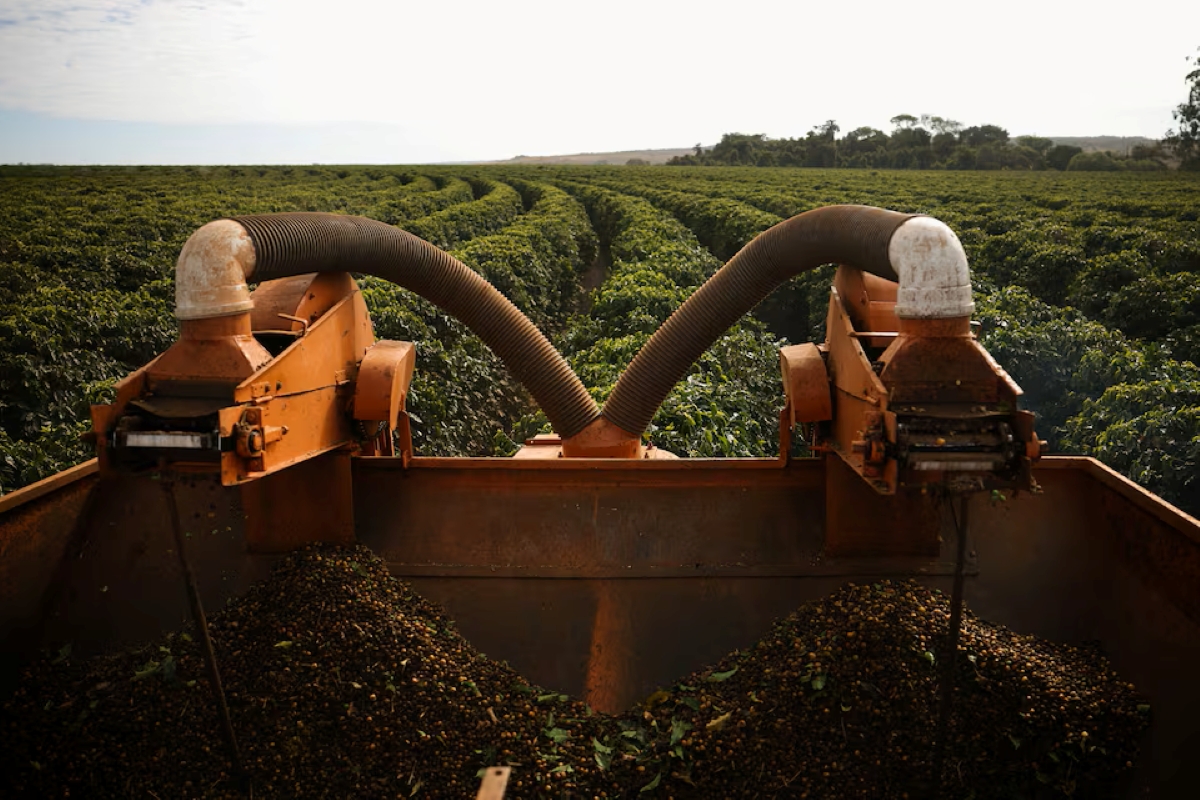
Uganda is forecasting a major rise in coffee production, projecting a 15% increase for the 2025/2026 crop year (October–September), as new coffee plantations begin to yield harvests, according to Gerald Kyalo, Commissioner of the Coffee Department at the Ministry of Agriculture.

The East African country—Africa’s leading coffee exporter—expects to harvest 558,000 metric tons, equivalent to 9.3 million 60-kilogram bags, up from 8.1 million bags in the previous season. The projection represents a 14.8% rise, or 72,000 tons more than last year’s output of 486,000 tons.

“The major reason is increased planting. Many farmers have planted coffee which we anticipate will come into production this year and will inevitably push up exports as well,” Kyalo told Reuters.

Over the past years, the government of President Yoweri Museveni has distributed free coffee seedlings to both new and existing farmers to expand their acreage or open up new farmland. Additionally, the government has been providing free fertilisers to help the country reach its ambitious target of producing 30 million bags annually by 2030.

Uganda predominantly grows the Robusta variety, though Arabica is also cultivated in highland regions. Production and export volumes have been climbing steadily, boosted by global coffee price gains and maturing new trees that have begun producing fruit.

In the 12 months to August 2025, Uganda earned $2.2 billion from coffee exports, up 57% from the previous year—a record performance that underscores the sector’s growing strength. Since the country exports nearly 95% of its coffee, the larger 2025/2026 crop is expected to further boost export revenues and consolidate Uganda’s position as a key player in the global coffee market.

With expanded planting, favourable weather, and strong global demand, Uganda continues to reinforce its status as one of Africa’s fastest-growing coffee producers—well on its path toward becoming a top global coffee powerhouse.

EU’s New Organic Regulation Reshapes Coffee Value Chains Worldwide

Brussels – Qahwa Wolrd

The European Union’s latest update to its organic regulation—Regulation (EU) 2018/848, which took full effect on October 1, 2025—marks a pivotal moment for the global coffee sector. The law replaces the long-standing “equivalency” model for non-EU organic imports, introducing a unified standard that all producers must now meet to access the European organic market.

A Tougher Landscape for Organic Coffee

Coffee producers and roasters are navigating a period of significant disruption. The EU’s new organic legislation joins other major frameworks such as the Deforestation Regulation (EUDR) and mandatory Due Diligence rules, forming part of a broader push for transparency and sustainability across agricultural supply chains.

Globally, organic coffee represents a small but valuable portion of the estimated 11 million metric tons of coffee produced each year. Its importance lies in the specialty and premium markets, where consumers demand traceability and environmentally responsible sourcing. Yet, for thousands of smallholders in Latin America, Africa, and Southeast Asia—many of whom have long relied on local certification systems—the new EU framework introduces new hurdles.

Under the previous equivalence system, non-EU countries could certify organic products according to their own standards, provided they broadly aligned with EU rules. That flexibility has now ended. From October 2025, all organic coffee imported into the EU must fully comply with the EU’s own organic standards, covering soil fertility, crop rotation, certification procedures, and cooperative governance structures.

Key Changes and Their Impacts

1. End of the Equivalence Model
All non-EU organic producers must now adhere directly to EU standards. The change eliminates national variations, enforcing uniform practices such as strict crop rotation, total prohibition of synthetic inputs, and certification of entire farming units as organic.
Impact: The removal of flexibility poses particular challenges for smallholders working in agroforestry or mixed-farming systems, who may now need to alter long-established practices or risk losing access to the EU market.

2. Stricter Group Certification Rules
Only legally recognised cooperatives or producer associations can now hold organic certificates. Private companies can no longer do so on behalf of farmers. Additionally, groups are limited to a maximum of 2,000 producers, and mixed groups—containing both organic and non-organic members—are prohibited.
Farms larger than five hectares or with annual sales above €25,000 must undergo individual audits.
Impact: Compliance and administrative costs are increasing sharply. Many smallholders face the burden of restructuring cooperatives or creating new associations to meet the legal requirements, potentially pushing the smallest players out of the organic sector.

3. Mandatory Three-Year Transition Period
All farms must now complete a minimum three-year conversion process before qualifying for organic certification—regardless of their previous practices or ecological conditions.
Impact: This universal rule raises barriers for newcomers, slows returns on investment, and could reduce the number of regions entering the organic coffee market.

4. Stricter EU Controls and Testing
Certification bodies must now be EU-recognised, and all coffee lots are subject to more frequent laboratory testing for chemical residues. Delays of one to two weeks are common as producers await results before exporting.
Impact: These tighter controls safeguard label integrity but cause certification bottlenecks, increase costs, and delay shipments—particularly harming smallholder-based supply chains that operate on thin margins.

5. Rising Costs and a Shift in Market Dynamics
The cumulative effect of these measures is a rise in certification expenses and operational complexity. The stricter requirements are expected to reduce the supply of certified organic coffee, driving up prices in Europe and possibly pushing exporters to target less-regulated markets.
Impact: European roasters face tighter supplies and higher costs, while producers are forced to balance compliance with commercial viability.

Implications for Coffee Roasters

The new framework compels European roasters to reassess sourcing strategies and brand positioning:

  • Brand Philosophy: Roasters must decide whether to continue carrying the official EU organic label or to highlight broader sustainability credentials instead.

  • Sourcing Viability: Some origins may lose certification, necessitating portfolio diversification to secure reliable supply.

  • Supplier Due Diligence: Strong partnerships with compliant cooperatives and exporters are now crucial to ensure certification integrity and continuity.

EFICO’s Role in Supporting the Transition

Belgium-based EFICO, a major green coffee importer, is assisting roasters and cooperatives through this regulatory transition. The company offers three main sourcing options:

  • Certified Organic Coffee – fully compliant with Regulation (EU) 2018/848.

  • ‘Organic by Nature’ Coffee – produced under sustainable, chemical-free conditions.

  • Conventional Coffee – high-quality, consistently sourced.

EFICO’s Certified Organic Portfolio:

  • Robusta: India

  • Arabica: Central America (Peru, Honduras, Mexico, Nicaragua) and Ethiopia

EFICO continues to guide partners on certification strategies and compliance requirements to help maintain a stable and transparent coffee supply chain amid Europe’s evolving organic landscape.

When Coffee Helps and When It Hurts: What Science Reveals About the World’s Favorite Drink

Dubai – Qahwa World

Why can some people drink espresso like water while others end up sleepless and anxious? Scientists say it all comes down to biology, genetics, and how the body processes caffeine. A growing body of research shows that while coffee brings clear health benefits for many, it can also pose serious risks for others.

Mic the Vegan, a science communicator with a Master’s degree in Public Health, recently reviewed dozens of clinical studies exploring the full spectrum of coffee’s health effects—from heart health and mental well-being to dementia and gene-based metabolism. His analysis paints a nuanced picture of when coffee supports health—and when it does not. “I’m not a coffee hater or a coffee addict,” Mic said. “I just wanted to understand why I react so strongly to coffee, and the science behind it.”

The Stimulant Effect: Energy, Focus, and Anxiety

Caffeine blocks adenosine, the chemical that makes us sleepy, while boosting dopamine and adrenaline levels. This combination explains why coffee is the world’s most consumed stimulant. A randomized crossover trial found that participants walked an average of 1,000 more steps per day when drinking coffee, a behavioral boost that may partly explain why moderate coffee drinkers experience lower cardiovascular mortality. Coffee also improves reaction time, processing speed, and alertness—so much so that even e-sports players perform better after caffeine. Yet overstimulation has a cost. High caffeine doses can trigger anxiety or panic attacks in sensitive individuals. Mic himself admits to “a little spice of anxiety” after several cups. One promising solution is L-theanine, a calming amino acid found in green tea. In studies, combining 100 mg of L-theanine with caffeine reduced anxiety while preserving focus.

Heart Health: A Double-Edged Sword

Across large population studies, moderate coffee intake—typically two to three cups per day—is linked with a 10–20% reduction in overall mortality. Among people who have survived a heart attack, those drinking two or more cups daily saw up to a 40% lower risk of death. Scientists attribute this benefit to coffee’s high antioxidant content, which may reduce arterial inflammation. However, not everyone benefits. Cardiologists at the Cleveland Clinic note that a morning cup can raise blood pressure by up to 10 points, enough to push some hypertensive patients into a danger zone. For individuals with grade 2–3 hypertension, an American Heart Association study found that drinking two or three cups per day doubled cardiovascular mortality risk. Excess caffeine can also constrict blood vessels. A 250 mg dose (about a large café serving) can cut cerebral blood flow by 22–30%, though regular drinkers appear to adapt over time. Interestingly, caffeine withdrawal temporarily increases blood flow, which may explain caffeine-withdrawal headaches.

Mental Health and Brain Function

Coffee’s link with mental health is complex. On one hand, high caffeine intake can heighten anxiety; on the other, moderate consumption is consistently associated with lower rates of depression. Studies suggest that people who drink two or more cups daily have a 32% lower prevalence of depression compared with non-drinkers. When it comes to long-term brain health, the evidence is mixed. A major meta-analysis found no significant change in overall dementia risk, but coffee drinkers showed nearly a 30% lower risk of Alzheimer’s disease. Another study, however, linked six or more cups per day—both caffeinated and decaf—with a 50% higher risk of dementia. Scientists caution that very high consumption may have cumulative vascular effects.


View this post on Instagram


A post shared by قهوة ورلد (@qahwaworld)

Genes That Decide Whether Coffee Helps or Hurts

The liver enzyme gene CYP1A2 determines how quickly the body breaks down caffeine. Slow metabolizers have a two-fold higher risk of heart attack if they drink two or more cups daily. They are also more prone to insomnia and anxiety. Mic analyzed his own DNA and found he is an intermediate metabolizer (AC variant)—not highly tolerant but not overly sensitive. Another gene, ADORA2A, influences how caffeine affects sleep and mood, further explaining why coffee tolerance varies widely among individuals.

Beyond the Cup: Other Health Findings

Despite popular belief, large population studies show no clear association between coffee and acid reflux. Increasing coffee intake by just one cup a day was associated with an 11% lower risk of developing type 2 diabetes. Results are mixed regarding obesity—some trials found coffee improved body composition, while others reported increased cravings for sweets. Adding cream or cow’s milk can reduce coffee’s antioxidant and longevity benefits; black or plant-based coffee maintains them. Early 2025 research observed higher levels of Locinobacter saccharolyticus, a beneficial butyrate-producing bacterium, in coffee drinkers, though findings remain preliminary.

The Verdict: It Depends on You

On average, moderate coffee consumption appears beneficial—boosting cognition, protecting against depression, and supporting longevity. But for people with high blood pressure, slow caffeine metabolism, or heavy daily intake, risks may outweigh rewards. The healthiest approach is simple: keep it black or plant-based, limit intake to two or three cups daily, enjoy it in the morning, and pair it with L-theanine if you’re sensitive to caffeine. “Twice the risk of heart disease if you don’t have the right caffeine metabolism genes—that just blows my mind,” Mic concludes. Coffee, it turns out, is not universally good or bad. It’s a potent, plant-based stimulant—one that rewards moderation, respect, and understanding of your own biology before you pour the next cup.

Brazil’s Timbro Enters Coffee Export Market Amid Sector Shifts

São Paulo — Qahwa World

Brazilian trading company Timbro has officially added coffee to its export portfolio, identifying strong potential for growth in a market reshaped by volatility and record-high prices over the past year.

Timbro, already one of Brazil’s key sugar exporters, also trades a wide range of products including iron ore, cotton, aircraft, cars, and heavy machinery, and manages import operations for Amazon.

“I believe we entered the coffee market at the right time — a very complicated moment for the sector,” said Caio Melles, partner at Timbro, in an interview with Reuters.

The company, which reported 18 billion reais ($3.3 billion) in revenue last year, sees an opportunity to fill the gap left by traditional traders struggling with market volatility. According to Melles, the coffee sector currently lacks players capable of tracking production, pricing, and ensuring delivery, opening new room for agile companies like Timbro.

Although Timbro has long engaged in financial operations with cooperatives and large producers, the 2025 crop year marks its first full physical coffee operation, a move the company had not previously disclosed.

Initially, coffee volumes will remain modest — around 80,000 bags of 60 kg each — as Timbro adopts a cautious entry strategy.

Expansion Beyond Coffee

Founded in 2010 by Jorge Guinle and Bruno Russo, Timbro began as an import-focused firm before rapidly diversifying its portfolio. The company has recorded significant success in sugar, increasing traded volumes from 300,000 tonnes in 2018 to 2 million tonnes in 2024.

In 2025, Timbro expanded its international presence with the opening of an office in Dubai, a strategic hub to strengthen relationships with global clients and enhance efficiency across time zones. It is also extending operations in Asia to “operate on Chinese time,” reflecting China’s importance as a key importer of Brazilian commodities.

Currently, 65–70% of Timbro’s business is export-oriented, while 30–35% focuses on imports.

Diversification into Grains and Minerals

Timbro maintains a smaller footprint in soybean and corn exports, Brazil’s leading agricultural commodities. “We’re doing a few soybean and corn shipments, maybe half a dozen of each this year — still very limited,” Melles said, noting that grain operations require integrated logistics to achieve profitability. The company is now considering logistics partnerships to expand in this segment.

In the steel and minerals division, Timbro expects to export over 1 million tonnes to China and Europe this year and has begun due diligence for new mining assets as part of its expansion strategy.

Exchange rate: $1 = 5.4519 reais

UAE Researchers Turn Coffee and Plastic Waste Into a Powerful Carbon Capture Material

Sharjah – Qahwa World

In a groundbreaking achievement, researchers at the University of Sharjah have developed and patented an innovative carbon capture technology that transforms used coffee grounds and plastic waste into a highly efficient material capable of absorbing carbon dioxide (CO₂) from industrial emissions before they reach the atmosphere.

The patent, filed in March 2025 and published in August, represents a major step forward in the UAE’s scientific contribution to climate innovation, tackling both carbon pollution and solid waste through a single, sustainable solution.

From Coffee Cup to Carbon Capture

The new method combines spent coffee grounds (SCG), polyethylene terephthalate (PET) — a widely used plastic in bottles and packaging — and potassium hydroxide (KOH) as a chemical activator.
Through co-pyrolysis at an eco-friendly activation temperature of 600 °C, the process yields activated carbon with an exceptionally high surface area and fine pore structure, making it highly effective in trapping CO₂ molecules.

“What begins with a Starbucks coffee cup and a discarded plastic water bottle can become a powerful tool in the fight against climate change through the production of activated carbon,”
said Dr. Haif Aljomard, lead inventor of the technology.

Dr. Aljomard emphasized that the process supports both waste valorization and climate change mitigation, turning two abundant waste streams into a high-performance carbon adsorbent that can reduce industrial emissions.

Circular and Cost-Effective

The researchers highlighted that the production cost of this material is remarkably low, thanks to the availability and affordability of its raw ingredients — coffee waste and post-consumer plastic.

Professor Chaouki Ghenai, co-inventor and expert in Sustainable and Renewable Energy at the University of Sharjah, said the invention exemplifies circular economy principles by giving waste a new life.

“Transforming spent coffee grounds and plastic waste into high-quality activated carbon delivers economic, social, and environmental benefits,” he said.
“This innovation not only prevents harmful waste from ending up in landfills but also provides a sustainable resource for carbon reduction technologies.”

Broad Industrial Applications

The patented activated carbon has diverse industrial uses, extending far beyond CO₂ capture. It can be applied in:

Water and air purification

Groundwater and wastewater treatment

Gas and solvent purification

Natural gas processing and emission control

Flue gas cleaning at waste incineration plants

Process and exhaust air filtration systems

According to the inventors, these wide-ranging applications make the material suitable for industries such as energy, steel, cement, petrochemicals, and environmental engineering, all of which are seeking cost-effective carbon reduction technologies.

Toward a Sustainable Future

The patent underscores the urgent need for sustainable carbon capture solutions, noting that CO₂ is one of the main greenhouse gases driving global warming and posing serious risks to both the planet and human health.

“There is an urgent need for effective and sustainable technologies to capture and reduce CO₂ emissions from fossil fuel combustion, industrial processes, and power generation,” the patent states.

By turning two global waste streams — coffee and plastic — into a practical, affordable carbon-capture solution, the University of Sharjah has shown that scientific innovation can transform even a humble coffee cup into a weapon against climate change.


Unprecedented Scientific Discovery: Coffee Reduces the Risk of Head and Neck Cancers

Dubai – Qahwa World

A new global study has revealed that drinking coffee, particularly in higher amounts, may significantly reduce the risk of developing head and neck cancers, one of the most common forms of cancer worldwide. Published in the Cancer journal by the American Cancer Society, the research represents one of the largest analyses ever conducted on this topic and offers new insights into how coffee and tea consumption affect cancer risk.

The study was carried out by an international team of researchers from the International Head and Neck Cancer Epidemiology Consortium (INHANCE), bringing together data from fourteen large-scale case-control studies conducted across Europe, North America, and Latin America. In total, the analysis included 9,548 individuals diagnosed with head and neck cancers and 15,783 individuals without cancer, making it the most comprehensive dataset of its kind. Researchers used advanced statistical models to assess associations between beverage consumption and cancer risk, taking into account known influencing factors such as age, smoking, alcohol intake, diet, and education level.

According to the results, people who drank more than four cups of caffeinated coffee per day had a 17 percent lower risk of developing any form of head and neck cancer compared to non-coffee drinkers. The protective effect was even stronger for certain cancers: the risk of oral cavity cancer was 30 percent lower, and the risk of oropharyngeal cancerthe type that develops in the area behind the mouthwas 22 percent lower among heavy coffee drinkers. The study also found that drinking three to four cups of coffee daily was associated with a 41 percent reduction in hypopharyngeal cancer, which affects the lower part of the throat. These findings suggest a clear dose-response relationship, where higher coffee consumption corresponds to a lower likelihood of developing these cancers.

Interestingly, the study also observed that decaffeinated coffee showed similar protective trends, particularly against oral cavity cancer. Individuals who consumed even small amounts of decaffeinated coffee had a significantly reduced risk, suggesting that the beneficial compounds in coffee are not limited to caffeine. Researchers highlighted that coffee contains a complex mix of bioactive substances, including polyphenols, chlorogenic acids, trigonelline, cafestol, and kahweolcompounds that have demonstrated antioxidant and anti-inflammatory properties known to inhibit cancer cell growth and reduce oxidative stress.

Tea, on the other hand, showed a more complex relationship. Moderate tea consumption of up to one cup per day was linked to a small protective effect, reducing overall head and neck cancer risk by around 9 percent and hypopharyngeal cancer risk by 27 percent. However, participants who drank more than one cup of tea daily appeared to have a 38 percent higher risk of developing laryngeal cancer, which affects the voice box. The authors of the study suggested that this could be due to tea’s content of theophylline, a compound known to relax the lower esophageal sphincter and potentially increase acid reflux, a condition associated with a higher risk of laryngeal cancer.

Head and neck cancer encompasses malignancies of the oral cavity, oropharynx, hypopharynx, and larynx, and remains a serious global health concern. According to global cancer statistics, these cancers accounted for approximately 745,000 new cases and 364,000 deaths in 2020. Although incidence rates have declined in some high-income countries, oropharyngeal cancers have increased, largely linked to human papillomavirus (HPV) infections. Meanwhile, low- and middle-income nations continue to bear a growing burden due to limited access to early diagnosis and treatment. Given this backdrop, the discovery of potential protective lifestyle factors such as coffee consumption could have important implications for prevention efforts worldwide.

The research team, led by Dr. Yuan-Chin Amy Lee from the University of Utah School of Medicine and the Huntsman Cancer Institute, emphasized that while the study establishes strong associations, it does not prove direct causation. The findings are observational and should be interpreted with caution, as factors such as the type of coffee, brewing method, and geographic differences in beverage habits could influence results. Nonetheless, the consistency of the associations across multiple populations and cancer subsites strengthens the evidence that coffee may play a beneficial role in reducing cancer risk.

The authors also pointed out that coffee’s health benefits are not limited to its caffeine content. Laboratory studies have shown that the natural compounds found in both caffeinated and decaffeinated coffee can inhibit cancer cell proliferation, trigger apoptosis (cell death), and reduce inflammation, all of which are key mechanisms in preventing tumor growth. They noted that these effects were evident regardless of participants’ age, gender, or smoking and drinking habits. Even after controlling for major risk factors such as tobacco and alcohol useboth of which are strongly linked to head and neck cancersthe protective pattern of coffee consumption remained.

However, the researchers called for more in-depth investigations to understand regional differences, especially in countries where coffee and tea types and preparation methods vary significantly. For instance, green tea, widely consumed in Asia, has shown different biological properties compared to black tea, which is more common in Europe and North America. The oxidation process used in black tea production lowers its catechin content, potentially diminishing its antioxidant capacity. Future studies, they added, should explore these nuances and include populations from underrepresented regions such as South America, Africa, and Asia.

Despite the need for further research, the study adds substantial weight to the growing body of scientific evidence suggesting that coffee, when consumed in moderation or more, may be one of the most health-promoting beverages available. Its combination of antioxidants, polyphenols, and other natural compounds appears to contribute not only to energy and alertness but also to long-term health protection. For millions of coffee drinkers around the world, the morning ritual of brewing a cup may now carry even greater significanceoffering comfort, focus, and perhaps a measure of protection against one of the world’s most challenging diseases.

Top 16 Fall Coffee Drinks from Healthiest to Unhealthiest

Dubai Qahwa World

As autumn unfolds across the Northern Hemisphere, coffee chains are once again unveiling their most anticipated seasonal creations. While the iconic pumpkin spice latte continues to dominate menus, 2025’s fall offerings reveal a much broader spectrum of flavors from pecan and caramel to cereal-inspired blends and an even wider range of nutritional profiles.

A new analysis by Hers has compared 16 of the season’s most popular fall coffee drinks from major U.S. brands, ranking them from the healthiest to the least healthy based on four key nutrition indicators: calories, sugar, fat, and trans fat. The study included beverages from Starbucks, Dunkin’, McDonald’s, Krispy Kreme, and Einstein Bros., examining each drink’s standard recipe and medium serving size.

The findings highlight major differences between the drinks, reminding coffee lovers that not all cozy fall treats are created equal. Some beverages, particularly cold brews, can offer lower sugar and calorie counts, while others especially blended or cream-based options contain as much sugar and fat as a full meal.

According to the report, two of the five healthiest drinks are cold brews, confirming their reputation as lighter, smoother, and less sugary alternatives to lattes and frappes. Starbucks, unsurprisingly, dominates the list with a wide range of options spanning nearly every position on the ranking from top performers to indulgent desserts in disguise. Pumpkin spice lattes, the hallmark of the season, generally sit in the middle range, offering moderate calorie and sugar levels compared to other festive drinks.

Below is Hers’ full ranking of the Top 16 Fall Coffee Drinks in 2025 from Healthiest to Unhealthiest:

  1. Pecan Oatmilk Cortado Starbucks
  2. Caramel Cream Cold Brew Einstein Bros.
  3. Chai Latte Starbucks
  4. Pumpkin Spice Iced Coffee Krispy Kreme
  5. Pumpkin Cream Cold Brew Starbucks
  6. Pumpkin Spice Latte McCafé (McDonald’s)
  7. Pumpkin Spice Latte Krispy Kreme
  8. Pumpkin Spice Iced Signature Latte Dunkin’
  9. Cereal N’ Milk Iced Latte Dunkin’
  10. Iced Pecan Crunch Oatmilk Latte Starbucks
  11. Iced Pumpkin Spice Latte Starbucks
  12. Pumpkin Spice Crème Frappuccino Blended Beverage Starbucks
  13. Pumpkin Spice Latte Starbucks
  14. Pumpkin Spice Frappuccino Blended Beverage Starbucks
  15. Iced Pumpkin Cream Chai Starbucks
  16. Frozen Pumpkin Spice Latte Krispy Kreme

At the top of the list are the Pecan Oatmilk Cortado and the Caramel Cream Cold Brew, both praised for their balanced flavors and relatively light nutritional footprint. At the bottom sits the Frozen Pumpkin Spice Latte from Krispy Kreme, which packs a hefty 610 calories, 80 grams of sugar, and 25 grams of fat numbers closer to a dessert than a coffee. Similarly, Starbucks’ Iced Pumpkin Cream Chai and Pumpkin Spice Frappuccino also rank among the least healthy, with sugar levels exceeding 60 grams per serving.

In contrast, the cold brews show impressive restraint. Einstein Bros.’ Caramel Cream Cold Brew has just 210 calories and 33 grams of sugar, while Starbucks’ Pecan Oatmilk Cortado contains only 26 grams of sugar the lowest among all drinks reviewed. Even the much-loved Pumpkin Cream Cold Brew from Starbucks performs relatively well, landing in the top five with 250 calories and 31 grams of sugar.

To ensure accurate comparisons, Hers standardized the serving size to 16 ounces for each drink and analyzed them using nutritional data provided by each brand. The study gave trans fat a double weight in the scoring system due to its proven links to cardiovascular disease and inflammation.

Beyond the rankings, the report serves as a timely reminder to enjoy the season’s flavors mindfully. Coffee lovers are encouraged to stay hydrated, balance indulgent drinks with lighter choices, and incorporate fresh fall produce like apples, pumpkins, and squash into their diet for better nutrition and immunity. The study also notes that moderate physical activity even a simple walk with a pumpkin spice latte in hand can significantly reduce the risks of heart disease and diabetes.

Ultimately, the report captures an essential truth of modern coffee culture: fall drinks are as much about experience as flavor. From the first sip of pumpkin spice to the smooth chill of cold brew, the choice now lies not just in taste but in the balance between pleasure and well-being.

Top 10 U.S. Cities Thriving in Coffee Culture

Dubai – Qahwa World

Portland, Oregon, alongside several cities in Florida and California, has been named among the top destinations for coffee enthusiasts, according to new research by WalletHub. The study, released ahead of National Coffee Day on September 29, compared the 100 largest U.S. cities across 12 key metrics, from the number of cafés and coffee shops per capita to household spending and average coffee prices.

Coffee remains the most popular beverage among American adults after bottled water. A recent report from the National Coffee Association (NCA) revealed that 66% of U.S. adults drink coffee daily, consuming nearly three cups per person on average.

Portland Leads the Nation

Portland ranked first overall, thanks to what WalletHub described as “an extremely high number of affordable coffee shops rated at least 4.5 out of 5 stars.” The city also placed eighth for coffee shops per capita offering free Wi-Fi. On average, Portland households spend $192 annually on coffee, ranking 20th nationwide. Nearly a quarter of residents own an electric grinder, while 27% have single-cup brewing machines.

Orlando, Long Beach, Miami, and Seattle in the Top Five

Orlando, Florida, claimed second place with households spending more than $154 annually on coffee and a vibrant schedule of coffee events. The city also has the highest number of donut shops per capita, reinforcing its reputation as a hub for caffeine and sweet pairings.

Long Beach, California, came in third, driven by an active café scene and strong consumer interest in coffee searches online. Residents spend about $171 per year on coffee, and the city ranks high in ownership of espresso machines and grinders.

Miami, Florida, and Seattle, Washington, rounded out the top five, highlighting the diversity of coffee cultures across different regions of the country.

Broader Coffee Trends Across the U.S.

Pittsburgh, Pennsylvania, was noted for having the most cafés per capita, while New York City had the fewest. Other cities including Las Vegas, Honolulu, San Diego, and San Francisco tied for first in terms of affordable, highly rated coffee shops per capita.

Industry experts said the findings reflect not just availability but also deeper cultural shifts. John Surdyk, director at the Wisconsin School of Business, highlighted how higher quality beans, improved roasting, and drink customization have transformed coffee into a premium cultural product. He also pointed to the influence of social media and the pandemic in reinforcing at-home coffee habits.

Erick P.C. Chang, associate professor at Arkansas State University, added that younger generations increasingly view coffee and tea as healthier alternatives to sugary soft drinks, with lower alcohol consumption trends further driving demand. He noted that the rise of Starbucks, ready-to-drink products, and single-serve machines like Keurig and Nespresso has brought café-quality coffee into homes nationwide.

Top 10 U.S. Cities for Coffee Lovers

  • Portland, Oregon
  • Orlando, Florida
  • Long Beach, California
  • Miami, Florida
  • Seattle, Washington
  • Tampa, Florida
  • San Francisco, California
  • Austin, Texas
  • Oakland, California
  • Pittsburgh, Pennsylvania

Source: WalletHub study of the 100 largest U.S. cities across 12 coffee-related metrics.

EU Confirms Delay to Deforestation Regulation

Brussels – Qahwa World

The European Commission has confirmed a further one-year delay to the European Union Deforestation Regulation (EUDR), citing IT system capacity issues and risks of disruption to supply chains.

The regulation, which entered into force in June 2023, sets strict due diligence requirements for commodities including palm oil, cattle, soy, coffee, cocoa, timber, rubber, and derived products such as beef, furniture, and chocolate. Originally scheduled for application from December 30, 2024, implementation was already postponed once to December 2025. The new proposal extends the deadline by an additional 12 months.

“While our simplification efforts have been substantial, we have concluded that we cannot meet the original deadline without causing disruptions to our businesses and supply chains,” said European Commission trade spokesperson Olof Gill. He added that the IT platform designed to handle compliance documentation faces “serious capacity concerns given the projected load.”

Environment Commissioner Jessika Roswall stressed that the delay provides “the necessary time to get the IT system capacity that we need.” She also rejected suggestions that the decision was linked to ongoing trade talks with the United States or Indonesia, noting that the U.S. has already been recognized as posing “negligible risk” to global deforestation.

The proposal must now be approved by EU member states and the European Parliament.

The delay was welcomed by the European People’s Party (EPP), parliament’s largest group, which has long argued the regulation placed disproportionate burdens on small and medium-sized businesses, including coffee roasters, foresters, and farmers. “If the deforestation regulation had entered into force unchanged on 1 January, it would have caused unsolvable problems,” said EPP environment spokesperson Peter Liese.

Christine Schneider, the parliament’s lead negotiator on EUDR, called for a “zero-risk category” to exempt commodities and regions with no deforestation link from additional documentation requirements.

However, environmental organizations sharply criticized the move. The WWF described the delay as “a massive embarrassment for President von der Leyen and her Commission,” warning it reflects a lack of political will to ensure timely enforcement. The Greens’ agriculture coordinator Thomas Waitz called it “a dark day for global forest protection,” accusing the Commission of bowing to pressure from the agricultural and sawmill lobbies.

The Commission’s decision underscores a broader trend of prioritizing industrial competitiveness over environmental regulation. Earlier this year, a majority of EU members had already urged postponement. Critics fear that repeated delays undermine the EU’s credibility as a leader in global climate and forest protection efforts.

The debate also resonates with global commodity markets, from agriculture and biofuels to biomass and petrochemicals, where compliance costs, supply chain transparency, and IT readiness remain pressing concerns.

Coffee Helps You Stay Persistent Under Stress

Dubai – Qahwa World

Coffee is already famous for keeping people awake and alert, but new research suggests it may do more than that. A study published in the journal Human Psychopharmacology: Clinical and Experimental reveals that caffeine can boost persistence in the face of complex or even unsolvable tasks, particularly when individuals are under stress.

The experiments, conducted by researchers at Amherst College in the United States, involved 329 student participants. Each was asked to perform tasks deliberately designed with unsolvable elements. In the first experiment, a low dose of caffeine amounting to 40 milligrams, roughly half a cup of coffee, had no measurable effect. In the second, a higher dose of 100 milligrams — about the same as a standard cup of coffee — encouraged participants to continue longer in a visual search task, although the effect did not carry over to a verbal task.

The strongest outcome came in the third experiment, which introduced mild stress through a cold-water immersion test. Students who experienced stress and consumed 100 milligrams of caffeine persisted significantly longer than the control group. By contrast, participants who had not been exposed to stress showed a slight decline in persistence after drinking caffeine.

Researchers believe the effect may be linked to the way caffeine stimulates neurotransmitters such as dopamine, norepinephrine, and adenosine, which are tied to motivation and attention. Stress hormones, particularly cortisol, appear to amplify this response, enhancing the brain’s receptivity to stimulants. A summary of the findings published by PsyPost noted that persistence in the visual task rose from 38 percent to 52 percent of the allotted time when caffeine was combined with stress, underlining the importance of context in determining the outcome.

The authors of the study caution that these findings are preliminary and highlight several limitations. Some participants reached the maximum time limit for the tasks, potentially affecting the results, and differences in regular caffeine use among individuals were not fully accounted for. They recommend further studies using physiological measures and brain imaging techniques to clarify the mechanisms behind the effect.

Caffeine is the most widely consumed psychoactive substance in the world, and billions rely on it every day to stay focused and productive. This study suggests its benefits may go beyond alertness, potentially helping people push through challenges in stressful situations. While more evidence is needed, the research adds to the growing body of knowledge about how coffee shapes not only our energy but also our resilience.

BBC: Cutting Back on Coffee Could Lead to More Vivid Dreams

Dubai – Qahwa World

Many people who reduce their caffeine intake report a curious side effect within just a few days: their dreams become unusually vivid, detailed, and sometimes unsettling. While cutting down on caffeine is known to bring health benefits such as whiter teeth and fewer bathroom visits, one unexpected outcome that continues to draw attention is the sudden surge of memorable, often strange dreams.

The science behind caffeine and sleep

Caffeine is a powerful stimulant that disrupts the function of adenosine, a natural brain chemical that accumulates throughout the day and signals the body to rest. Normally, adenosine builds up as we stay awake, creating pressure for sleep by night. During sleep, the body clears adenosine, allowing us to wake feeling refreshed.

When caffeine enters the system, it blocks adenosine’s effect, keeping us awake and alert. However, since caffeine has a half-life of three to six hours, it can linger in the body for much of the day. A late afternoon coffee, for instance, may still be active well into the night, disrupting the ability to fall asleep.

Research consistently shows that caffeine reduces deep, restorative non-REM sleep and increases night-time awakenings. The more caffeine consumed—and the later in the day it is taken—the greater the disruption to overall sleep quality.

How does this affect dreams?

There is little direct research proving that cutting caffeine leads to more vivid dreams. Most studies focus on caffeine’s influence on sleep rather than dream content. But since sleep and dreaming are tightly connected, the link is plausible.

Reducing caffeine allows the body to rebound by spending more time in rapid eye movement (REM) sleep—the stage of sleep most closely tied to dreaming. REM sleep is when the brain is highly active, producing emotionally rich and visually detailed dream experiences. The more REM sleep we get, the greater the chances of having vivid dreams and remembering them clearly.

Some studies, including research on veterans, suggest that a higher percentage of REM sleep correlates with more frequent reports of vivid dreams. Waking up directly from REM sleep also makes dream recall more likely, as the content is still fresh in memory.

What exactly are vivid dreams?

Vivid dreams feel real and immersive. They are marked by strong imagery, detailed storylines, and intense emotions—sometimes positive, sometimes frightening. These dreams often linger long after waking, making them especially memorable compared to ordinary ones.

Timing is everything

Caffeine isn’t limited to coffee and energy drinks. It is also present in tea, chocolate, soft drinks, certain supplements, and even some medications. Sleep researchers recommend avoiding caffeine for at least eight hours before bedtime to reduce sleep disruption, and steering clear of large doses within 12 hours of sleep for maximum effect.

The double-edged nature of caffeine

While caffeine can interfere with sleep, it also offers well-documented benefits. Studies have linked regular coffee consumption to a reduced risk of depression and neurodegenerative diseases such as Parkinson’s. Coffee is also rich in B vitamins and antioxidants that contribute to a healthy diet. For many, especially night-shift workers, caffeine remains an essential tool to combat fatigue and maintain alertness.

The bottom line

There is no definitive scientific proof that reducing caffeine directly causes vivid dreams. However, the connection is clear: caffeine influences sleep, and sleep shapes our dreams. By lowering caffeine intake, the body may gain more restorative sleep and longer REM phases, giving the brain more opportunity to generate—and remember—dreams that are strikingly vivid.

Coffee Varietals: From Genetic Roots to Your Daily Cup

Dubai – Qahwa World


When we explore the diversity of flavors in coffee cups from different corners of the world, we find a hidden yet decisive factor at play: coffee varietals. These are the genetic roots that define coffee’s identity, much like grape varieties shape the character of wine. Through these variations, we experience the difference between a Kenyan cup bursting with blackcurrant and wine-like acidity, and an Ethiopian cup laced with jasmine and bergamot. Each varietal carries a story — historical, agricultural, and sensory — that deserves to be told.

Arabica coffee, which originated in East Africa and spread through Yemen to the world, forms the foundation of most commercial varietals today. Typica stands at the forefront as the classic Arabica archetype, renowned for its clean sweetness and balance despite low yields and high disease susceptibility. From Typica emerged mutations such as Maragogipe in Brazil with its giant beans, Mundo Novo, a natural cross between Typica and Bourbon that became a cornerstone in Brazilian plantations, and Pacamara, a Salvadoran hybrid famous for its complex floral and fruity character.

Bourbon, a natural mutation of Typica discovered on Réunion Island, grew into one of specialty coffee’s pillars with its rich, smooth, chocolatey and fruity notes. From Bourbon arose varietals such as Caturra with its compact growth and bright acidity, Pacas from El Salvador, and Catuai, a hybrid balancing adaptability with mild cup quality. In Kenya, Scott Agricultural Laboratories introduced SL28 and SL34, now synonymous with winey acidity and blackcurrant flavors, cementing Kenya’s global reputation. Meanwhile, Laurina (Bourbon Pointu) from Réunion stands out for its naturally low caffeine content and delicate, tea-like qualities.

If Typica and Bourbon laid the foundation, Ethiopian landraces represent coffee’s treasure trove of genetic diversity. From Ethiopia’s highlands came varietals that became global icons: Gesha (Geisha), which found fame in Panama for its jasmine and bergamot notes; Yirgacheffe, prized for its lemony, floral clarity; Sidamo, known for its fruity, wine-like complexity; and Harrar, bold with blueberry and chocolate tones.

The 20th century brought new challenges such as coffee leaf rust, prompting the creation of resistant hybrids. Varietals like Catimor and Sarchimor gained traction for their high yields and resilience, while Castillo became a strategic crop in Colombia. In Kenya, Ruiru 11 and Batian were developed to balance disease resistance with cup quality. Brazil contributed with Obata and Icatu, robust hybrids designed for resilience in harsher climates.

Other important varietals include Villa Sarchi and Villalobos from Costa Rica, Typica Mejorado from Ecuador (with Gesha-like floral complexity), and even the wild species Eugenioides, not grown commercially but crucial as one of Arabica’s parents, offering unique insights into coffee’s evolution.

Varietals are not just agricultural classifications — they are a language spoken by producers, roasters, and consumers. They define farm identity, influence auction prices, and shape how coffee is perceived in global markets. More importantly, they are a tool for tackling the future, as climate change and disease reshape the landscape. Understanding varietals is not a luxury but a necessity for anyone seeking to truly understand coffee — from seed to cup.

Lineage Maps: Families of Coffee Varietals

  • Typica lineage: the classic foundation; gave rise to Maragogipe, Mundo Novo, Pacamara.

  • Bourbon lineage: rich and versatile; produced Caturra, Pacas, Catuai, SL28, SL34, Laurina.

  • Ethiopian landraces: unmatched diversity; Gesha, Yirgacheffe, Sidamo, Harrar.

  • Modern hybrids: bred for resistance and productivity; Catimor, Sarchimor, Castillo, Ruiru 11, Batian, Obata, Icatu.

  • Other notable varietals: Villa Sarchi, Villalobos, Typica Mejorado, Mocha, Liberica, Eugenioides.

Encyclopedic List of Varietals

Typica Lineage

  • Typica: East Africa → Yemen → Asia → Americas; sweet, clean, balanced, low yields.

  • Maragogipe: Brazil; giant beans, delicate flavors, lighter body.

  • Mundo Novo: Typica × Bourbon (Brazil); high yield, nutty, full-bodied.

  • Pacamara: Pacas × Maragogipe (El Salvador); complex, floral, fruity, large beans.

Bourbon Lineage

  • Bourbon: Réunion Island; rich, smooth, fruity, often chocolatey.

  • Caturra: Brazil, dwarf Bourbon mutation; bright acidity, lighter body.

  • Pacas: El Salvador; sweet, balanced, citrus notes.

  • Catuai: Caturra × Mundo Novo (Brazil); mild, adaptable, easy-drinking.

  • SL28: Kenya; winey acidity, blackcurrant notes.

  • SL34: Kenya; full-bodied, fruity, excellent in wet conditions.

  • Laurina (Bourbon Pointu): Réunion; naturally low caffeine, delicate, tea-like.

Ethiopian Landraces

  • Gesha/Geisha: Ethiopia → Panama; floral, tea-like, jasmine, bergamot.

  • Yirgacheffe: Ethiopia; lemony, floral, clean.

  • Sidamo: Ethiopia; fruity, wine-like, complex.

  • Harrar: Ethiopia; bold, blueberry, chocolate.

Modern Hybrids

  • Catimor: Caturra × Timor Hybrid; high yield, rust-resistant, variable cup quality.

  • Sarchimor: Villa Sarchi × Timor Hybrid; adaptable, mild cup.

  • Castillo: Colombia; rust-resistant, clean, balanced.

  • Ruiru 11: Kenya; disease-resistant, blackcurrant notes.

  • Batian: Kenya; recent hybrid, balanced, bright acidity.

  • Obata: Brazil; resistant, fruity, mild.

  • Icatu: Brazil (Arabica × Robusta backcross); sweet, nutty, resilient.

  • Colombia (varietal): Colombia; good body, clean citrus notes.

Other Notable Varietals

  • Villa Sarchi: Costa Rica; sweet, citrusy, bright.

  • Villalobos: Costa Rica; aromatic, balanced.

  • Typica Mejorado: Ecuador; intensely floral, Gesha-like complexity.

  • Mocha: small, round beans; strong chocolate notes.

  • Liberica: West Africa → Asia; woody, aromatic, bold.

  • Eugenioides: wild species; low caffeine, sweet, mild flavors.

Factors That Change a Varietal’s “Voice” in the Cup

  1. Altitude: slower maturation, denser beans, higher acidity and complexity.

  2. Soil & Climate: minerals, rainfall, and microclimates shape flavor nuances.

  3. Processing:

    • Washed: clean, bright acidity.

    • Natural: fruity, wine-like.

    • Honey/anaerobic: sweet, tropical, experimental flavors.

  4. Harvest & Sorting: selective picking enhances uniform quality.

  5. Roasting: reveals varietal distinctions, from floral notes to chocolate tones.

Diseases and Climate Adaptation

  • Coffee leaf rust: the biggest threat; spurred hybrids like Catimor and Castillo.

  • Heat & drought: push demand for hardier hybrids and modern agroforestry.

  • Farm strategy: planting multiple varietals reduces risk and ensures resilience.

Conclusion

Varietals are the backbone of the coffee world. They carry history, define flavor, and shape the future of farming. For drinkers, they deepen appreciation of the cup. For farmers, they provide tools to survive climate and market pressures. To understand coffee in its essence, one must understand its varietals — the living genetic stories in every bean.