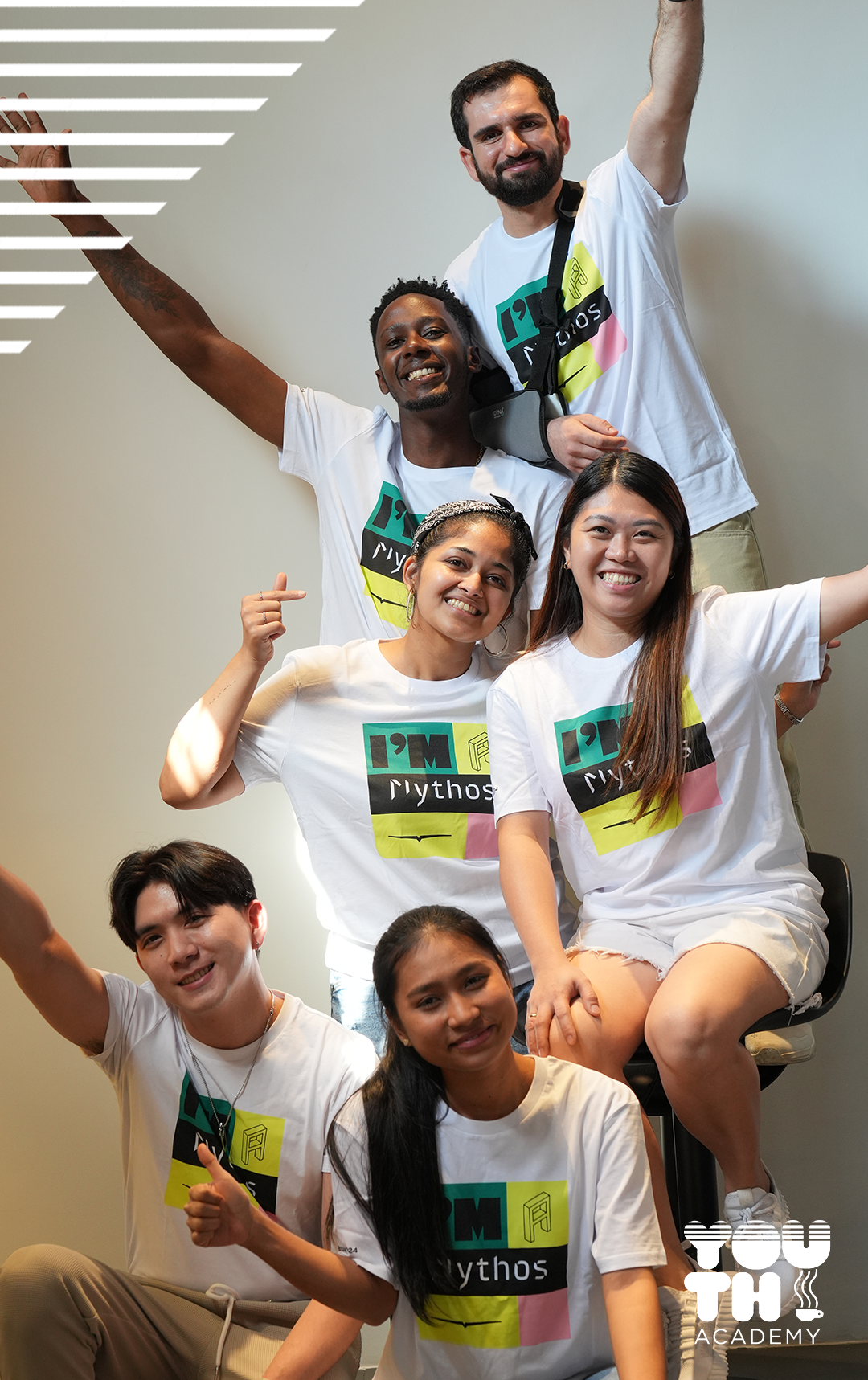
Dreams and Ambitions: Youth Academy Middle East Launches in Dubai

Dubai – Qahwa World

The Middle East has welcomed a new chapter in coffee education with the launch of the first edition of Youth Academy Middle East 2025, held in Dubai and organized by Simonelli Group. This pioneering program provides six young coffee talents with full scholarships to attend the prestigious SCA Coffee Skills Program, giving them the opportunity to build professional careers in the global coffee industry.

The inaugural edition began at the Simonelli Group Middle East Experience Lab, where participants embarked on their training under the guidance of SCA-certified trainers. The program blends theory with practice, offering young baristas and coffee enthusiasts a chance to deepen their knowledge and discover new perspectives on coffee.

The Scholarship Winners

Among the six winners are young professionals whose passion and dreams reflect the diverse paths coffee can inspire:

  • Hnin Kha Nady (22 years old), a barista who hopes to inspire others through her craft: “Eventually I want to share my passion by creating unique coffee experiences for others.”

  • Mark Mwangi Mungai, a Kenyan barista, fascinated by both tradition and innovation: “The slowly emerging trends with AI and modern technology show how coffee, which has been here for ages, is adapting to new times.”

  • Amritha Varsha PR, an engineer-turned-coffee explorer: “For me, learning is exciting, but re-learning is like a second brew—often richer and clearer.”

  • Brenzen Labarete, Senior Barista, Brand Ambassador, and Middle East Barista of the Year 2023: “I look forward to connecting with people who share the same passion, exchange ideas, and be inspired to take my craft to the next level.”

  • Mohamed Alameeri, who describes himself as a “normal coffee guy” driven by curiosity: “The endless amount of information in the coffee world fascinates me. No matter how much you know, there is always more to learn.”

  • Donna Santianez, a passionate barista dreaming of opening her own café: “My dream is to become a professional barista and, one day, to have my own coffee shop.”

A Future Built on Passion

With their unique stories, ambitions, and dedication, these six young talents embody the essence of the Youth Academy—transforming passion into knowledge and knowledge into opportunity. Their journey marks not only a personal milestone but also a promising step for the future of coffee in the Middle East.

As the Youth Academy Middle East continues, the energy, curiosity, and commitment of its first participants highlight the growing importance of education and innovation in shaping the next generation of coffee professionals.

Shocking Discovery: Just One Cup of Coffee May Reduce Donor Blood Quality

Dubai, September 8, 2025 (Qahwa World) – A groundbreaking study published in Haematologica has revealed that caffeine, the world’s most widely consumed stimulant, can significantly reduce the quality of stored donor blood, potentially limiting the benefits of transfusions for patients.

The research, based on data from more than 13,000 blood donors, examined caffeine levels and their impact on red blood cell function during storage. The results showed that blood taken from donors with high caffeine exposure was more fragile and less effective after transfusion. The cells demonstrated depleted energy reserves such as adenosine triphosphate, reduced levels of 2,3-bisphosphoglycerate, and increased oxidative stress markers, making them more prone to breakdown.

The study further revealed that not all donors were affected equally. Negative effects were especially pronounced among individuals carrying variants of the ADORA2b gene, which regulates how red blood cells adapt to low oxygen. When caffeine blocks this receptor, stored blood deteriorates faster, resulting in weaker clinical outcomes for transfusion recipients.

Laboratory experiments confirmed that caffeine’s harm operates on two fronts: first, by blocking ADORA2b signaling, and second, by directly inhibiting glucose-6-phosphate dehydrogenase, a key enzyme responsible for red cell antioxidant defenses. This dual mechanism leaves cells more vulnerable to oxidative stress and shortens their survival after transfusion.

The health implications are significant. With more than twelve million units of blood transfused annually in the United States alone, even small reductions in blood quality can have widespread consequences. Encouragingly, caffeine is a modifiable factor. Because of its short biological half-life, abstaining from coffee or caffeinated drinks for even a single day before donation may improve blood quality. Some European countries already advise donors to avoid caffeine, while in the United States and Italy it is sometimes encouraged to help raise blood pressure temporarily, easing the donation process.

Researchers, led by Professor Angelo D’Alessandro of the University of Colorado, emphasize that these findings highlight the need for a more personalized approach to transfusion medicine. In addition to blood type, factors such as lifestyle and genetic background should be considered to ensure the highest quality units are directed to patients most at risk, such as infants or individuals with severe anemia.

The paradox is striking: the same mechanisms that make caffeine harmful for stored blood may explain its appeal to athletes. A modest increase in oxidative stress can stimulate adaptation in the body, improving endurance. But inside blood banks, this effect translates into weaker units and reduced potential to save lives.

Roasted Arabica Coffee Contains Natural Compounds That Fight Diabetes

Dubai, September 3, 2025 (Qahwa World) – A new scientific study has revealed that roasted Arabica coffee beans contain natural compounds with powerful blood sugar–lowering effects, stronger than the widely used antidiabetic drug acarbose.

Researchers successfully identified three novel diterpene esters, named Caffaldehyde A, B, and C, which showed significant inhibition of the enzyme α-glucosidase, a key factor in blood sugar regulation. In addition, three more diterpenes with similar effects were discovered, reinforcing coffee’s role as a functional food with health benefits beyond basic nutrition.

Coffee as a Functional Food

Functional foods are those that contain biologically active compounds providing added benefits such as antioxidant protection, neuroprotection, lipid regulation, and blood sugar control. Coffee is not only one of the most consumed beverages worldwide but also one of the most economically valuable crops.

More than 70 diterpenes have been documented in coffee so far. Among them, kahweol and cafestol stand out for their anticancer and antidiabetic properties. However, roasted coffee remains chemically complex, making the discovery of new active compounds a challenging yet essential task.

Research Methodology

The research team employed advanced techniques combining Nuclear Magnetic Resonance (NMR) with Liquid Chromatography–Mass Spectrometry (LC-MS/MS). This innovative approach enabled faster detection of bioactive molecules while reducing solvent use, making the process more efficient and eco-friendly.

Findings

The diterpene extract was divided into 19 fractions. Fractions 9–13 exhibited the highest α-glucosidase inhibitory activity, leading to the discovery of three novel compounds – Caffaldehyde A, B, and C. These were structurally confirmed and shown to lower blood sugar effectively.

Additionally, three other compounds were identified: magaric acid, octadecenoic acid, and nonadecanoic acid, which also showed promising inhibitory activity.

Conclusion

This discovery demonstrates that roasted Arabica coffee beans are more than a daily beverage – they are a rich source of natural compounds with strong therapeutic potential. The identification of six novel compounds represents a significant step in understanding coffee’s health role and opens the door for developing innovative nutritional and medical approaches to diabetes management.

As coffee continues to hold its place as a cultural and economic staple, it also reveals itself as a functional food with the potential to support better public health and inspire further natural treatment research.

British Study: Hot Drinks Contain the Highest Levels of Microplastics

London – August 28, 2025 (Qahwa World) – A peer-reviewed study from the University of Birmingham has found that everyday hot beverages—especially tea and coffee—contain the highest concentrations of microplastics among popular drinks tested, raising fresh questions about packaging, preparation practices, and real-world exposure. The paper, published in Science of the Total Environment, analysed 155 widely available drinks sold in UK supermarkets and coffee shops and is the first to assess human exposure via total beverage intake rather than water alone.

Researchers reported microplastics in every sample. Hot tea recorded the highest average concentration at 60 ± 21 particles per litre, followed by hot coffee at 43 ± 14 particles per litre. By comparison, iced tea averaged 31 ± 7, iced coffee 37 ± 6, fruit juices 30 ± 11, energy drinks 25 ± 11, and soft drinks 17 ± 4 particles per litre. Detected particle sizes ranged from 10 to 157 μm. The study also found a statistically significant difference between hot and cold beverages, indicating that temperature enhances the leaching of microplastics from packaging into drinks.

Packaging emerged as a critical factor. The authors highlight that higher temperatures increase microplastic release from packaging and that plastic packaging contributes to the contamination observed in beverages. In hot coffee served in disposable paper cups with polypropylene (PP) caps, PP microplastics predominated—strong evidence that cup materials are a primary source. Similar packaging-linked patterns appeared for iced products sold in PET bottles.

Beyond quantifying contamination, the study models realistic exposure by combining laboratory results with a survey of UK adults’ daily drink consumption. The estimated daily intake via total beverage consumption averages 1.6–1.7 microplastic particles per kilogram of body weight per day for men and women, respectively—a materially higher figure than previous estimates based on water alone. The authors conclude that focusing exposure assessments solely on tap or bottled water underestimates total intake because other beverages contribute substantially.

Contextualising these results, the research team notes that prior work by the same group measured broadly similar microplastic levels in UK tap and bottled water, underscoring that the higher counts now seen in hot tea and coffee represent an additional exposure pathway. The paper also synthesises evidence from multiple countries showing packaging and handling as recurring factors—ranging from release from tea bags to particles in soft drinks—while emphasising the novelty of testing a broad range of hot and cold beverages from a single market and pairing those measurements with consumption data.

Mechanistically, the findings are consistent: heat accelerates the transfer of particles from polymer-lined cups and lids, while materials such as PP, PET, polystyrene, polyethylene, and others appear across drink categories, mirroring common packaging choices. The authors cite previous studies that similarly link high temperature to increased microplastic release and demonstrate that both container material and product format (for example, single-use cups or PET bottles) shape the polymer “fingerprint” detected in the drink.

Public-health implications, while still being delineated by the broader scientific community, are clear enough to prompt the study’s call for more comprehensive risk assessments and policy responses. The authors characterise this work as a critical step toward understanding real-life exposure and urge regulators and industry to consider the combined effects of packaging materials, preparation conditions, and consumption habits when setting guidelines to limit human exposure.

The Birmingham team underscores limitations that likely make their exposure estimates conservative. Analytical methods in this study quantified particles ≥10 μm; smaller microplastics and nanoplastics—potentially more bioavailable—were outside detection limits. Nevertheless, with microplastics present across all categories tested and highest in hot beverages integral to daily routines, the evidence base now more firmly indicates that the act of making and serving hot drinks in common packaging can materially influence what ends up in the cup.

For consumers and producers alike, the study’s takeaway is practical: materials and temperature matter. For policymakers, the message is systemic: exposure assessments built solely on drinking water do not reflect the way people actually consume liquids. As the authors conclude, more accurate, comprehensive, and realistic exposure studies are needed to support effective environmental and public-health interventions.

Source: University of Birmingham, “Synthetic microplastics in hot and cold beverages from the UK market: Comprehensive assessment of human exposure via total beverage intake,” Science of the Total Environment 996 (2025) 180188.

3 to 5 Cups of Coffee Daily Extend Life and Reduce Disease Risk

Dubai, 27 August 2025 (Qahwa World) – For centuries, coffee has been more than a drink. It has been a ritual, a social bond, a fuel for intellectual debate, and a daily companion for billions. Now, science is reaffirming that this centuries-old beverage is not only cultural but also profoundly tied to human health. A comprehensive review published this month in Nutrients concludes that moderate coffee consumption, typically three to five cups a day, is consistently linked to longer life and a reduced risk of many of the world’s leading causes of death.

The study, authored by Ryan Emadi and Dr. Farin Kamangar, examined decades of large-scale cohort research involving millions of participants across the United States, Europe, and Asia. Their findings show that people who regularly drink coffee enjoy between 10% and 15% lower overall mortality than non-drinkers. Importantly, both caffeinated and decaffeinated coffee were associated with these benefits, suggesting that the protective effects come not only from caffeine but also from the dozens of bioactive compounds present in coffee.

Evidence is particularly strong when it comes to major chronic diseases. For cardiovascular health, those who consumed three to five cups daily experienced about a 15% reduced risk of heart disease and stroke. Type 2 diabetes, a condition that affects hundreds of millions worldwide, also appears to be strongly influenced by coffee habits. A meta-analysis of more than one million participants found that coffee drinkers had nearly a 30% lower risk of developing type 2 diabetes, and this protection extended to both decaf and regular coffee. Among people already living with diabetes, coffee consumption was linked to fewer cardiovascular events and lower mortality rates.

The benefits extend to neurological health as well. Drinking coffee was associated with up to a 25% lower risk of cognitive disorders such as dementia and Alzheimer’s disease. The protective effect also applied to Parkinson’s disease, where coffee and caffeine intake not only lowered the risk of developing the disease but also slowed its progression among those already diagnosed. Respiratory diseases, another major global killer, also showed an inverse relationship with coffee consumption, while studies reported reduced risks of liver fibrosis, chronic kidney disease, and acute kidney injury among habitual drinkers.

Cancer, once the focus of skepticism about coffee, has now largely been cleared from suspicion. Earlier fears that coffee might contribute to cancer risk have been replaced by evidence suggesting the opposite. Coffee is now associated with reduced risk of several cancers, particularly of the liver, uterus, and endometrium. A pooled analysis of nineteen studies found that women who drank coffee had a 13% lower risk of endometrial cancer, and the relationship was dose-dependent—the more coffee, the lower the risk.

Beyond chronic disease, coffee also appears to play a role in everyday well-being and safety. Studies cited in the review showed that drivers consuming caffeinated coffee were significantly less likely to crash, and older adults had a reduced risk of falls. Researchers attribute this to coffee’s ability to improve alertness, attention, and mobility.

The mechanisms behind these benefits are diverse and interconnected. Coffee has been shown to improve glucose tolerance, enhance daily physical activity, increase fat oxidation during exercise, boost lung function, and reduce inflammation. One trial found that people who drank caffeinated coffee walked an average of 1,000 more steps per day than on days they abstained. Other studies demonstrated that coffee drinkers had lower levels of inflammatory markers, suggesting that coffee helps the body manage the underlying inflammation that fuels many chronic diseases.

Yet not all coffee is created equal. The review stressed that black coffee offers the strongest protection. Adding sugar, in particular, can cancel out or diminish benefits. Some studies have linked sugar-sweetened coffee to higher risks of depression and weight gain, while unsweetened coffee showed the opposite effect. Cream and milk appear less harmful, but excessive amounts of sugar and high-fat additives weaken coffee’s health profile.

There are also caveats. Pregnant women are advised to limit caffeine to below 200 milligrams per day, as higher intake may pose risks. Coffee can interfere with sleep if consumed too late in the day, cutting total sleep time by around 30 to 45 minutes. Excessive consumption may trigger anxiety, palpitations, or panic attacks in sensitive individuals. Despite these concerns, the authors emphasized that for the vast majority of adults, moderate consumption is not only safe but beneficial.

Dr. Farin Kamangar summarized the findings: “The results of several decades of high-quality research on millions of people show that coffee is overall beneficial to health. Moderate coffee consumption, typically three to five cups a day, is linked to increased longevity and reduced risks of many major diseases, including heart disease, stroke, type 2 diabetes, respiratory illnesses, and cognitive decline.”

This new consensus has already begun to reshape official guidelines. The U.S. Food and Drug Administration recently ruled that plain coffee with fewer than five calories per serving can be labeled as “healthy,” reflecting its favorable profile across multiple health outcomes.

In the end, coffee is not a cure-all, but the evidence is clear: consumed in moderation, it is far more friend than foe. For billions who reach for a cup each morning, the comfort of coffee now comes with scientific reassurance that it may also be extending their lives.

Does a Cup of Coffee Weaken Your Treatment? Study Reveals a Surprise About Caffeine

Dubai, 25 August 2025 (Qahwa World) – Coffee has long been celebrated as a daily ritual for millions, a comforting beverage that fuels mornings and punctuates workdays. Yet new scientific findings are shedding light on a potential downside that coffee drinkers might not expect: its ability to interfere with the effectiveness of certain antibiotics. According to a groundbreaking study recently published in the journal PLOS Biology, caffeine can alter how bacteria respond to some widely used antibiotics, raising concerns about the hidden influence of everyday dietary habits on medical treatments.

The study was conducted by an international team of researchers who set out to better understand how chemical substances affect the ability of bacteria to regulate what moves in and out of their cells. The focus was on Escherichia coli (E. coli), a bacterium commonly found in the human gut but also responsible for a range of infections from urinary tract infections to bloodstream infections. The scientists tested ninety-four different chemical substances and tracked their impact on bacterial transport systems, which function like cellular gates. Around a third of these substances were shown to disrupt genetic activity linked to transport, but one stood out more than any other: caffeine. When caffeine was introduced, E. coli absorbed noticeably lower amounts of certain antibiotics, most notably ciprofloxacin and amoxicillin, two drugs frequently prescribed around the world.

The mechanism behind this surprising effect turned out to be more complex than a simple blockage. At the center of the process was a regulatory protein called Rob, which the researchers discovered played a far larger role in bacterial survival than previously understood. Rob controlled about a third of all the transcriptional changes triggered by the different chemicals in the study. When caffeine entered the system, it activated Rob, which in turn stimulated the expression of a small RNA molecule known as MicF. This RNA molecule suppressed the production of OmpF, a porin protein in the outer membrane of E. coli. OmpF normally acts as an open gate, allowing substances, including antibiotics, to flow into the bacterial cell. By shutting down OmpF production, the bacteria effectively reduced the uptake of antibiotics, leaving the drugs less effective.

Researchers confirmed this effect through checkerboard assays, a method of testing drug interactions that involves exposing bacteria to different concentrations of antibiotics in the presence of caffeine. The results showed that the bacteria required higher doses of antibiotics to achieve the same level of inhibition once caffeine was present. This is a classic example of what scientists call low-level antibiotic resistance. It is not the dramatic, full-scale resistance that has become a global health crisis, where bacteria acquire mutations that allow them to permanently survive treatment. Instead, it is a subtler, temporary effect triggered by environmental changes and chemical exposures. These adaptations may not fully defeat antibiotics, but they can weaken their effectiveness and complicate treatment strategies.

Importantly, the weakening effect of caffeine was not observed in all bacteria. When the same experiments were carried out on Salmonella enterica, a pathogen closely related to E. coli, caffeine showed no influence on antibiotic absorption. This suggests that the response is species-specific and highlights how much remains unknown about the interaction between bacteria, antibiotics, and common dietary substances.

The authors of the study caution that these results were obtained under controlled laboratory conditions. At this stage, it is not possible to say how much coffee a person would need to drink to cause noticeable effects while taking antibiotics, or whether these findings translate directly to human patients. However, the researchers argue that the implications are serious enough to warrant further investigation. Even small shifts in antibiotic uptake could make infections harder to treat, particularly at a time when the medical community is racing to address the growing threat of antibiotic resistance worldwide.

Coffee has already been linked in past research to the way the body metabolizes certain medications, including drugs for high blood pressure and depression. The new findings extend this conversation to antibiotics, suggesting that caffeine’s influence reaches beyond human metabolism and into the bacterial world itself. As microbiologist Christoph Binsfeld of the University of Würzburg noted, substances like caffeine can “subtly but systematically” influence bacterial gene regulation, and mapping these mechanisms will be crucial for ensuring that antibiotics remain effective tools in modern medicine.

For coffee lovers, the message is not one of alarm but of awareness. More research will be needed to determine whether drinking coffee while on antibiotics has real-world clinical consequences. Until then, the study serves as a reminder that the foods and drinks we consume can interact with medical treatments in unexpected ways. With antibiotic resistance already recognized by the World Health Organization as one of the most pressing threats to global health, even small lifestyle factors deserve careful attention. The simple act of sipping coffee may seem harmless, but as this study reveals, it could be part of a much more complex story of how microbes adapt, survive, and challenge the medicines designed to fight them.

China Simplifies Registration for Imported Roasted Coffee

Beijing – August 21, 2025 (Qahwa World) – A report released by the United States Department of Agriculture (USDA) titled China: Trade Alert – GACC Amends CIFER Self-Registration Process on August 20, 2025, revealed that the General Administration of Customs of China (GACC) has introduced new adjustments to the self-registration system for overseas food production enterprises. Among the product categories affected is roasted coffee, a key commodity for exporters targeting the rapidly growing Chinese market.

According to the USDA report, the changes took effect on August 14, 2025, when the Bureau of Import and Export Food Safety under GACC announced functional adjustments to the China Import Food Enterprise Registration (CIFER) system. The new requirements apply to manufacturers of products such as vegetables and their processed forms, grain-based products, tea, nuts and seeds, alcoholic beverages, beverages and frozen drinks, biscuits, pastries, bread, sugars including raw and edible sugar, lactose and syrups, candies, chocolates including cocoa butter substitutes, seasonings, roasted coffee beans, cocoa beans and their products, fruit-based products, and other miscellaneous food items.

The main adjustment is the removal of the requirement for self-registered enterprises to identify Harmonized System (HS) codes and China Inspection and Quarantine (CIQ) codes for the products they intend to export. Previously, exporters of roasted coffee beans and similar products risked rejection of applications if the codes were incorrectly entered. Under the new system, HS and CIQ codes are no longer required for self-registration of roasted coffee beans, cocoa beans, and a wide range of processed foods. However, some categories such as vegetables, vegetable products, grain products, and tea still require HS and CIQ code selection.

At the same time, the revised CIFER system introduces a mandatory page of enterprise commitments, which overseas manufacturers must complete before proceeding with registration. These commitments require applicants to confirm they are genuine manufacturers or operators of processing or cold storage facilities, explicitly excluding trading companies from applying. Applicants must be approved by, and under the effective supervision of, the food safety authority in the country of origin, and must upload valid production licenses issued by that authority. They are also required to maintain effective food safety and hygiene systems, ensure products comply with Chinese food safety laws and standards, and guarantee that the information submitted matches supporting documents in both content and authenticity.

The USDA report highlights that false declarations or inconsistencies can result in serious consequences, including revocation of Chinese registration, rejection or destruction of products, and potential investigation by the competent food safety authority in the exporting country. Enterprises must also pledge cooperation with GACC during food safety reviews, including providing additional verification materials or facilitating cross-checks with their national food safety authorities. Furthermore, registered enterprises are required to proactively assume responsibility for food safety, suspending exports to China and taking corrective measures if risks or non-compliance are detected.

The adjustments also cover additional reporting content such as production type and actual production or processing capacity, which must be provided within the CIFER system. Enterprises that have already been registered can view their specific approved products through the “Comprehensive Query – Registered in China” section of the system.

The USDA clarified that these changes do not apply to U.S. exporters of meat, poultry, dairy, infant formula, and seafood products, which remain subject to procedures established by FSIS and FDA. The new self-registration requirements are also not relevant for exporters whose products fall under the review of the GACC Department of Animal and Plant Quarantine (DAPQ) or other Chinese regulatory agencies.

By removing the need to provide HS and CIQ codes, the registration process for roasted coffee beans and other products is expected to become faster and less prone to administrative errors. However, the introduction of strict enterprise commitments underscores China’s emphasis on food safety, regulatory compliance, and accountability from overseas manufacturers. For coffee exporters, this combination of simplified technical requirements and strengthened legal obligations could reshape access to one of the world’s most dynamic and fast-growing coffee markets.

Shade-Grown Coffee Farms Store More Carbon Than Tree-Planting Projects, Study Finds

Dubai, August 19, 2025 – (Qahwa World) – A landmark study has revealed that carbon markets are overlooking the most effective climate solution in coffee farming: protecting mature shade-grown coffee systems.

The research, led by the Smithsonian’s National Zoo and Conservation Biology Institute (NZCBI) and Smithsonian Tropical Research Institute (STRI), and published in Communications Earth & Environment, concludes that current carbon-payment schemes undervalue shade-grown farms. While farmers are rewarded for planting new trees, they receive no compensation for conserving existing shade trees, even though these trees store more than twice the carbon of new plantings.

Globally, coffee farms cover more than 10 million hectares. Systems range from intensive monocultures in full sun to agroforestry farms where coffee grows under canopies of diverse native trees. These shade trees regulate climate, provide habitat for wildlife, and store vast amounts of carbon. But under current carbon markets, only new tree-planting projects generate tradable credits. Farmers who maintain mature shade systems receive nothing, creating an incentive to cut old trees to plant new ones that qualify for payments.

“There is a lot of money behind planting trees on degraded coffee farms, yet there are basically no financial incentives—outside of Bird Friendly® certification—to protect standing shade trees,” said Dr. Ruth Bennett, ecologist at NZCBI and senior author of the study.

Shade Trees vs. Tree Planting

The team analyzed 67 field-based studies across Latin America, Africa and Asia, then modeled carbon storage across global coffee landscapes. They estimated that coffee farms currently store 481.6 million metric tons of carbon above ground.

Two contrasting scenarios were tested. If all sun-grown farms added shade trees, they would capture 82–87 million additional metric tons of carbon. But if existing shade-grown systems were converted into monocultures, the world could lose 174–221 million metric tons—more than double the potential gains from planting.

This imbalance exposes a fundamental flaw in current climate strategies. Shade-grown systems, which evolved over centuries, already represent vast stores of carbon. Removing them in pursuit of “new” tree-planting credits risks releasing far more carbon than could ever be recaptured.

Shade systems are also vital for biodiversity. Prior studies have shown that shade-grown coffee farms host up to four times more bird species than monocultures. Yet biodiversity outcomes don’t always align with carbon goals. Tree density improves carbon storage, while tree diversity supports wildlife. Carbon-focused projects often emphasize density, planting fast-growing monocultures that fail to deliver ecological benefits.

“If we don’t prioritize biodiversity in carbon projects, it won’t happen by accident,” said Dr. Emily Pappo, lead author and postdoctoral climate fellow at the Smithsonian. “Coffee companies must plant the right mix of trees—not just the most carbon-hungry species.”

Climate and Market Implications

Farmers are caught between climate pressures and market demands. Many remove shade trees in hopes of boosting yields, even though shade has been shown to stabilize production by regulating temperature and soil moisture. Meanwhile, large coffee companies invest heavily in tree-planting projects to meet corporate climate targets. Without incentives to conserve existing shade systems, these investments risk undermining their own objectives.

The economic stakes are significant. Coffee contributes an estimated $200 billion annually to the global economy. With the European Union’s Deforestation Regulation (EUDR) coming into force, companies face new requirements to prove that their supply chains are deforestation-free. Shade-grown systems that conserve habitat and store carbon could become critical to compliance as well as climate resilience.

The study’s authors argue for urgent policy change. They call for carbon markets to evolve by creating “protection credits” that reward conserving existing shade systems, not only planting new trees. They also recommend tree-planting initiatives that emphasize diversity rather than density, ensuring that biodiversity and carbon storage go hand in hand.

To support farmers, the Smithsonian team is developing a “Shade Catalog”, a resource to guide the selection of tree species that balance productivity, biodiversity, and carbon storage. Combined with certification schemes such as Bird Friendly®, these tools can help farmers access premium markets while conserving ecosystems.

Ultimately, the research reframes climate-smart coffee strategies. Planting trees remains a positive step, especially in degraded monoculture regions, but it cannot replace what is lost when mature shade systems are destroyed. Protecting existing forests delivers greater and more immediate benefits for both the planet and the coffee sector.

As Dr. Bennett concluded: “Tree planting has value, but our findings show it cannot make up for what you lose when mature shade trees are removed.”

Coffee Etiquette: 11 Tips for Café Visitors

The 1960s and 1970s marked the rise of the “specialty coffee era,” where values of quality and excellence in coffee preparation came to the forefront, along with diverse flavors and aromas. Lattes, espressos, and cappuccinos are among the popular beverages, and their fame extends across thousands of modern cafés equipped with advanced techniques for roasting and brewing coffee worldwide.

In these contemporary cafés, professional coffee makers, known as “baristas,” stand out for their expertise, warmth, and unique coffee presentations. They constantly innovate to enhance coffee quality. When visiting a café, it’s essential to adhere to certain etiquettes or “coffee etiquette” to ensure an enjoyable experience for everyone. Polite customers are always preferred by coffee makers.

Here are 11 guidelines for refined behavior in cafés:

  1. Check the Menu: Upon arriving at the café, review the menu to avoid surprises if your favorite drink isn’t available.
  2. Eye Contact: When ordering coffee, remember that you’re interacting with a real person. Speak clearly and respectfully, avoiding distractions from your phone.
  3. Specify Preferences: Be clear about your order, including details like milk type, drink size, and temperature.
  4. Avoid Changing Your Order at the Wrong Time: Try not to alter your order after it’s been placed, especially during peak hours.
  5. Trust Matters: Have confidence in the barista’s skills and avoid asking about decaffeinated options if you’re not interested, as it may be considered bothersome.
  6. Respect Time: Don’t linger at a table; leave promptly after finishing your coffee to allow others a chance to sit.
  7. Moderate Jokes: Refrain from making repetitive jokes during busy hours; the barista might be occupied.
  8. No Coffee Lectures: Avoid showcasing your coffee knowledge to a barista who may not be interested.
  9. Kindness Pays: Remember that tips contribute significantly to a barista’s income, so be generous.
  10. Avoid Selfish Behavior: Don’t monopolize large tables with your devices or loud conversations.
  11. Dispose of Coffee Waste Thoughtfully: Hand over coffee remnants to café staff instead of tossing them in the trash.

By following these tips, you can enjoy a coffee experience in cafés with courteous and considerate behavior, ensuring the comfort and happiness of both customers and coffee makers.

Coffee Etiquette: 11 Tips for Café Visitors

“% Arabica” café chain Prepares to Inaugurate its Global Headquarters in Dubai

“% Arabica” café chain is planning to open its global headquarters in the vibrant city of Dubai in the United Arab Emirates this year.

The luxury café chain is known for its unparalleled quality and stylish atmosphere, currently comprising 189 stores across 24 countries. While its current headquarters are located in Kyoto, Japan, where the first flagship store was opened in 2014, this move towards opening a global headquarters in Dubai indicates a strategic shift in focus.

“% Arabica” recognizes that its global headquarters in Dubai will be a more effective hub for future international expansion.

With the Middle East and North Africa as key target areas, the brand has been steadily increasing its presence. Over the past 12 months, 45 stores have successfully opened across Bahrain, Jordan, Kuwait, Morocco, Oman, Qatar, Saudi Arabia, and the United Arab Emirates.

These locations have become renowned destinations for coffee enthusiasts seeking a sophisticated experience.

While “% Arabica” currently operates 134 stores in Asia, with a strong presence in mainland China, it has strategically shifted its strategy towards the Middle East and North Africa.

The allure of these markets lies in the growing coffee culture and discerning clientele.

By establishing a global headquarters in Dubai, “% Arabica” aims to streamline operations and enhance its ability to support current and future stores.

Looking ahead to the future, “% Arabica” has identified Europe as its primary growth market for the next 12 to 24 months.

The diverse coffee scene and penchant for specialty coffee make Europe an ideal destination for brand expansion. Soon,”% Arabica” will introduce its unique experience to European coffee lovers.

The company plans to open stores in several countries, including: • France, famous for its rich coffee culture and appreciation for coffee quality. • Hungary, with its emerging coffee scene blending traditional and modern cafés. • Spain, a country that celebrates coffee as an integral part of daily life. • Turkey, a historical center of coffee culture where tradition meets innovation.

Through franchise agreements and direct store openings, “% Arabica” affirms that it has secured franchise agreements to expand its reach throughout Europe.

The brand’s website has revealed plans to launch in several countries: • Germany: The country distinguished by its strong coffee traditions and love for specialty coffee. • Italy: Home to espresso culture, where coffee is considered an art. • Netherlands: A thriving coffee scene focusing on sustainability. • Portugal: A country that values traditions and innovation alike. • Russia: A market witnessing growing interest in specialty coffee.

“% Arabica” reaffirms its commitment to quality, design, and community engagement as driving forces for its global expansion. While coffee enthusiasts eagerly await the opening of new stores, the headquarters in Dubai stands as a symbol of the brand’s ambition and dedication to delivering exceptional coffee experiences worldwide.

Here’s a look at some key details about Arabica coffee:

  1. Flavor Characteristics and Attributes: • Arabica coffee is characterized by its smooth, complex flavor and floral aroma, offering a sweet taste with minimal bitterness. • Carefully roasted Arabica beans deliver complex flavors ranging from fruits and chocolate to wine. • Its natural sweetness makes Arabica coffee a focal point for enthusiasts seeking diverse flavor experiences.
  2. Bean Shape and Appearance: • Arabica coffee beans typically have an elongated shape with a distinctive “crevice” on one side. • The fruits containing Arabica beans are smaller and more oval compared to robusta coffee beans. • Arabica fruits ripen slowly, displaying a deep red or purple hue when ripe.
  3. Growing Conditions: • Arabica coffee thrives at elevations ranging from 3,000 to 6,000 feet above sea level, requiring ample rainfall and nutrient-rich volcanic soil, with temperatures ranging from 64° to 70° Fahrenheit for optimal growth.


Puja Thapaliya: A Journey of Passion and Persistence in the Coffee Industry

In the bustling world of coffee, Puja Thapaliya stands as a beacon of inspiration, seamlessly blending her expertise from the beauty industry with her unwavering passion for all things coffee. As a Coffee Consultant, she brings a unique perspective to the table, crafting a narrative of innovation, dedication, and relentless pursuit of excellence. In this exclusive interview, Puja shares her remarkable journey, from transitioning from beauty to brews, competing on national stages, to organizing enriching workshops. Her story is a testament to the boundless opportunities within the coffee industry and the transformative power of following one’s heart.

Follow Puja’s inspiring journey in this entertaining conversation:

What inspired you to transition from the beauty industry to the coffee industry?

coffee industry always motivates me to awake curiously, I find a its a suitable platform to innovate and connect with diverse people. It’s an arena where we can blend different cultures, share knowledge, and continuously learn. The journey in coffee is never-ending, offering endless opportunities to engage, create, and evolve together.

  • Could you share more about your journey from being a barista cum cashier to competing in national Brewer’s Championships?

I started as a barista and cashier in coffee industry, by the time,  I always wanted to explore new things. Despite the belief that women should focus on house stuffs, I pursued my passion for coffee and competition, which allows me to continue learning. I am exploring every possible way to make coffee better. Competing in the National Brewer’s Championships was my dream from past years, I was so excited to demonstrate my passion and dedication for coffee in National Stage. I hope my journey inspires others to go after what they love, no matter what people expect

  • How did your perception of coffee change after experiencing different origins and flavors during cupping sessions?

Experiencing different origins and flavors during cupping sessions opened my eyes to the incredible diversity within the world of coffee. Before, I saw coffee as just a morning pick-me-up with lots of sugar,but now I see it as a complex and fascinating beverage with endless possibilities of learning . Each origin has its own unique characteristics and story, from the fruity notes of Ethiopian coffees to the chocolatey richness of brazil beans. Cupping sessions taught me to appreciate the nuances of flavor, aroma, and body, and to understand how factors like altitude, soil, and processing methods influence the final cup. It’s like exploring a whole new world with every sip, and it’s made me even more passionate about coffee and its cultural significance.

  • What were the biggest challenges you faced during your intensive 15-day training program as a barista?

During my intensive 15-day training program as a barista, one of the biggest challenges I faced was the huge volume of information and skills to absorb in a short amount of time. From mastering various brewing techniques to understanding the nuances of coffee origins and flavors, there was a lot to learn and practice. The funny part during my first cupping experience, I couldn’t sleep whole night and got sick from too much caffeine. However,instead of giving up, it made me even more curious to learn.

  • Can you describe your experience competing in the UAE National Brewer Championship in 2022?

Wow,Competing in the UAE National Brewer Championship in 2022 was both thrilling and nerve-wracking, especially since it was my first time. Despite the challenge of balancing long workdays with intense practice, my determination to excel kept me going.

Even though I ended up as the 1st runner-up, it only fueled my motivation further. It inspired me to analyze my performance, find any errors, and bounce back even stronger. For me, the competition wasn’t just about winning; it was about continuous improvement and pushing myself to new heights.

  • How do you balance your passion for coffee with the demands of your profession?

Working in a roastery allows me to seamlessly blend my passion for coffee with my profession. I approach each day with structured planning, dedicating specific hours to ensure quality standards while nurturing my love for coffee through exploration, experimentation, and staying updated on industry trends. By integrating my passion into my professional duties, I contribute to the growth of the specialty coffee industry while thriving in my role.

  • What advice would you give to women who aspire to pursue a career in the coffee industry?

To women aspiring to join the coffee industry, I offer this advice: Embrace your passion and don’t be afraid to pursue your dreams. Take every opportunity to learn and grow, whether through formal training or hands-on experience. Be resilient in the face of challenges and always strive for excellence. Remember that your voice and perspective are valuable assets in shaping the future of the industry. Surround yourself with supportive mentors and colleagues, and never underestimate the power of networking. So , go ahead and, chase your dreams .the world is waiting for your unique contribution.

  • What role do you think networking and community engagement played in your journey?

It  played pivotal roles in my journey in the coffee industry. By actively participating in coffee-related events, joining online forums, and connecting with fellow coffee enthusiasts, I’ve been able to expand my knowledge, forge valuable relationships, and stay updated on industry trends.

Networking has opened doors to new opportunities, whether it’s discovering job openings, collaborating on projects . Engaging with the coffee community has provided me with a supportive network of like-minded individuals who share my passion and enthusiasm for coffee.

Moreover, community engagement has allowed me to give back to the industry by sharing insights, volunteering at events, and mentoring aspiring coffee professionals. It’s a two-way street – as I contribute to the community, I also benefit from the collective knowledge and support of my peers. Overall, networking and community engagement have been instrumental in shaping my journey in the coffee industry, helping me grow professionally and personally.

  • Could you share a memorable moment or achievement that stands out to you in your coffee career?

One standout moment in my coffee career was competing in the national Brewers Cup Championship. It was a amazing experience where I showcased my skills and passion for brewing coffee , and pushing myself continuously learning and experimenting.

Another memorable experience was organizing a workshop in Darjeeling with Sonam. First year we just organized cupping sessions, which brought together producers, roasters, and cafe owners and baristas and even normal people eager to learn about coffee. This things didn’t end up here;we went back again for next event. We managed to do 2 days of event.During this two-day event, we conducted cuppings of over 15 different coffee origins and even organized a latte art throw-down at second day. The enthusiasm and eagerness to learn from everyone involved made it a super enjoyable event. Yes; we did it at our vacation time but it was so worth it. The success of the workshop has inspired us to go back again, and we’re already planning our next event. It’s moments like these that remind me of the impact we can have by sharing our knowledge and passion for coffee with others.

  • How do you continue to evolve and grow within the coffee community?

To continue evolving and growing within the coffee community, especially for women, it’s crucial to actively engage with other women in the industry. By connecting with supportive networks, attending workshops tailored to our needs, and participating in women-led initiatives, we empower each other and foster growth. Embracing our unique perspectives and sharing experiences further fuels our evolution within the coffee world. Through continuous learning, collaboration, and support, we contribute to a more inclusive and diverse coffee community, where everyone can thrive. I hope my story inspires other women to join me on this journey of growth and empowerment within the coffee industry.

Finnish Coffee Roastery Unveils Surprising AI-Generated Blend

An artisan roastery in the Finnish capital has recently introduced a groundbreaking coffee blend crafted entirely by artificial intelligence. The trial aims to explore how technology can alleviate the workload in an industry that traditionally prides itself on manual craftsmanship.

The Helsinki-based Kaffa Roastery proudly presents its “AI-conic” blend, which debuted this week in Finland. As a nation that consumes a staggering 12 kilograms of coffee per capita annually, Finland is the world’s coffee aficionado, according to the International Coffee Organization.

The blend, meticulously curated by AI, combines four distinct types of beans, with Brazil’s velvety Fazenda Pinhal taking center stage. This innovative creation emerged from a collaborative effort between Kaffa, Finland’s third-largest coffee roastery, and local AI consultancy Elev.

Kaffa Roastery hopes that this trial sparks meaningful conversations among coffee professionals about the future of the industry in Finland. The country boasts a rich coffee culture and a fervor for technology, as evidenced by its thriving startup ecosystem.

Hampf, a representative from Kaffa, expressed optimism about AI’s potential impact: “This trial marks our initial exploration of how AI can assist us moving forward. We’re particularly impressed by the nuanced coffee taste descriptions it has generated.”