South Korea Tightens Regulations on Decaffeinated Coffee

Dubai – Qahwa World

South Korea’s Ministry of Food and Drug Safety has announced stricter regulations for decaffeinated coffee products, stating that products will only be allowed to carry the “decaffeinated” label if they contain no more than 0.1% residual caffeine in the coffee beans.

The new labeling standards are set to take effect on January 1, 2028.

Under the current rules, at least 90% of the caffeine must be removed from coffee for it to be classified as decaffeinated. However, existing regulations do not specify the final amount of caffeine that may remain in the product. The term “decaffeinated” also does not necessarily mean that the coffee is completely caffeine-free, which can lead to consumer misunderstanding.

The ministry explained that some decaffeinated coffee products may still contain relatively high levels of residual caffeine, especially when made from naturally high-caffeine coffee beans. This, officials said, conflicts with consumer expectations that decaffeinated coffee should contain little to no caffeine.

To reduce confusion, the updated standards will focus on the amount of caffeine remaining in the beans, aligning South Korea’s regulations more closely with international standards, including those used in the United States.

In a related move, the ministry also strengthened labeling requirements for alcoholic beverages amid a rise in collaborative products featuring alcohol brands packaged in designs resembling ordinary food products.

Vietnam Suspends Decree 46, Easing Coffee Trade

Dubai – Qahwa World

Vietnam’s suspension of Decree 46, a new food safety regulation governing all imported food and ingredients, has brought temporary relief to the coffee industry after weeks of disruption to supply chains.

Introduced at the end of January, Decree 46 tightened how food imports are managed at Vietnam’s borders. It replaced a more flexible framework with stricter approval procedures, including additional certification, registration, and physical inspections before products could enter the market. For many import-reliant sectors, including coffee, the impact was immediate.

Coffee businesses were hit on multiple fronts. Shipments of high‑quality green coffee, roasted products, and key processing inputs began to slow as importers adjusted to the new documentation and inspection requirements. Clearance times that previously took only a few days stretched to several weeks, creating bottlenecks at major ports as containers waited for checks and approvals. For an industry built on tight delivery schedules and thin margins, these delays quickly translated into operational and financial pressure.

Vietnam plays a central role in global coffee flows, not only as the world’s largest robusta producer but also as a processing and re‑export hub. Coffee is imported into the country for blending and processing before being shipped back out to international markets. That system depends heavily on efficiency and predictability at the border. By imposing full food‑safety compliance procedures on a wide range of imports, Decree 46 disrupted both.

One of the most sensitive areas was raw materials imported for re‑export. Under the previous rules, such shipments often benefited from simplified procedures because they were not intended for domestic consumption. Decree 46 removed much of that flexibility, requiring full compliance even for goods destined for re‑export. This added time, cost, and administrative complexity for coffee traders who route beans and semi‑finished products through Vietnam as part of global supply chains.

The specialty coffee segment also felt the strain. Imports of premium green coffee, small‑batch roasted products, flavorings, and other inputs used in high‑value offerings faced additional testing and approval steps. Smaller businesses, which typically operate with lean inventories, reported immediate pressure as delays threatened their ability to meet contracts and serve customers on time. Packaging materials and additives used in roasting, processing, and manufacturing coffee products were similarly drawn into the stricter regime, forcing companies to contend with more extensive compliance demands across their operations.

Industry reaction was swift. Business associations and trade groups representing food and beverage importers warned that the abrupt shift had created serious bottlenecks, with large numbers of shipments held at ports and border gates. They raised concerns about rising storage costs, the risk of contractual penalties, and knock‑on effects on domestic production that depends on imported inputs, including those used in coffee manufacturing and export.

In response, the government moved to stabilize the situation. On 4 February, authorities suspended the effectiveness of Decree 46 and temporarily reinstated the previous regulatory framework. This decision effectively returned import procedures to the more familiar rules that had been in place before the decree, allowing stuck shipments to begin moving again and easing congestion at key ports. For coffee traders and processors, the suspension has provided short‑term relief and a chance to clear backlogs.

However, the issue is far from settled. Officials have framed the suspension as a temporary measure while they review implementation challenges and consider adjustments to the regulation. Trading partners and industry groups have called for clearer guidance, more transparency, and adequate transition periods before any new rules take effect. The government has indicated that tighter control over food imports remains a strategic goal, suggesting that some form of stricter regime will likely return once technical and procedural issues are addressed.

For the coffee sector, this pause is being treated as a preparation window rather than a return to business as usual. Companies are reassessing their documentation workflows, compliance systems, and supply chain structures in anticipation that more demanding requirements will come back in some form. Import‑dependent roasters and exporters are also exploring options to diversify logistics routes, adjust contract terms, or build greater buffer stocks to cope with potential future disruptions.

The recent experience has highlighted just how sensitive the coffee trade is to regulatory shifts at key origin and transit points. Delays at Vietnam’s ports can quickly cascade into late deliveries, contract disputes, and price volatility along the supply chain. While the suspension of Decree 46 has eased immediate pressure, it has also sent a clear message: the operating environment for food and coffee imports in Vietnam is changing, and adaptation will be essential to maintain a smooth flow of trade.

You can adjust this text by shortening the background on regulation if your audience already knows Decree 46, or by expanding the “industry reaction” and adding quotes if you have direct sources from coffee companies or associations.

Fecal Bacteria Found in Tap Water Disrupts Coffee Service in Utrecht, Netherlands

Utrecht – Qahwa World
Coffee and tea service has been temporarily suspended in many cafés, restaurants, universities, and hospitals across the Dutch city of Utrecht after the discovery of Enterococcus bacteria in the tap water — a sign of possible fecal contamination. The incident has raised public concern and disrupted daily routines across the city.

The water company Vitens has advised residents to boil water for at least three minutes before drinking or cooking with it. The restrictions are expected to remain in place until at least Tuesday, November 4, pending confirmation that the water is safe. As a result, getting a cup of coffee or tea has become difficult in public institutions, including Utrecht University and the University Medical Center.

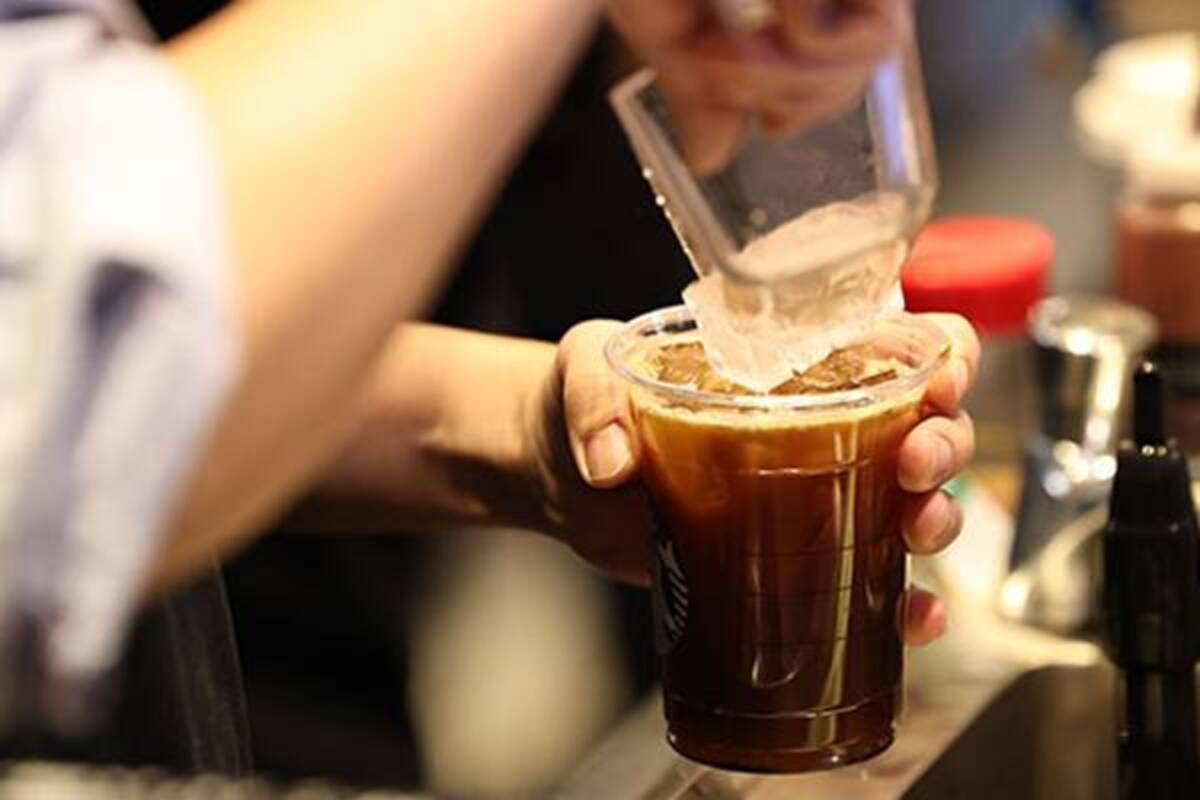
Hospitality businesses have had to adapt quickly to the emergency. Jan Hagenouw, head of the Utrecht branch of Koninklijke Horeca Nederland (KHN), said the sector is showing “remarkable flexibility.” Some establishments have begun rinsing glasses with Spa Rood mineral water, while others have stopped serving dishes like salads that require washing with tap water. Customers may also notice the absence of ice cubes in cold drinks — existing ice stocks are being reserved for select beverages such as whisky.

Cultural venues have also been affected. The Stadsschouwburg Theater is now using coffee machines filled only with boiled water and has advised visitors to bring bottled water. The TivoliVredenburg concert hall has temporarily reduced coffee and tea service as well.

At Utrecht University, all coffee machines in campus buildings have been shut down, although lectures and exams continue as planned. The university has urged students and staff not to drink tap water or use electric kettles and to bring boiled water and ready-made meals from home, since campus cafeterias may be closed.

Meanwhile, coffee producer Douwe Egberts, headquartered in Utrecht and owned by JDE Peet’s, confirmed that its production “remains completely safe and operational.” The company said it has implemented additional measures, including disabling cold-water dispensers and setting up dedicated water stations, while continuing to follow Vitens’ guidance closely.

The water contamination has also triggered a rush on bottled water in local supermarkets. Shelves at Aldi, Jumbo, and Albert Heijn were emptied quickly as customers stocked up. Jumbo reported delivering 7,500 liters of water to regional stores in a single day, while Albert Heijn urged customers to stay calm and “avoid panic buying.”

Within the city’s hospitality community, the water crisis has become a dominant topic of conversation — particularly about washing, rinsing, and water management. As KHN’s Hagenouw noted, “In hospitality, creativity is always essential. But we hope clean water will return soon — people’s patience won’t last forever.”

China Simplifies Registration for Imported Roasted Coffee

Beijing – August 21, 2025 (Qahwa World) – A report released by the United States Department of Agriculture (USDA) titled China: Trade Alert – GACC Amends CIFER Self-Registration Process on August 20, 2025, revealed that the General Administration of Customs of China (GACC) has introduced new adjustments to the self-registration system for overseas food production enterprises. Among the product categories affected is roasted coffee, a key commodity for exporters targeting the rapidly growing Chinese market.

According to the USDA report, the changes took effect on August 14, 2025, when the Bureau of Import and Export Food Safety under GACC announced functional adjustments to the China Import Food Enterprise Registration (CIFER) system. The new requirements apply to manufacturers of products such as vegetables and their processed forms, grain-based products, tea, nuts and seeds, alcoholic beverages, beverages and frozen drinks, biscuits, pastries, bread, sugars including raw and edible sugar, lactose and syrups, candies, chocolates including cocoa butter substitutes, seasonings, roasted coffee beans, cocoa beans and their products, fruit-based products, and other miscellaneous food items.

The main adjustment is the removal of the requirement for self-registered enterprises to identify Harmonized System (HS) codes and China Inspection and Quarantine (CIQ) codes for the products they intend to export. Previously, exporters of roasted coffee beans and similar products risked rejection of applications if the codes were incorrectly entered. Under the new system, HS and CIQ codes are no longer required for self-registration of roasted coffee beans, cocoa beans, and a wide range of processed foods. However, some categories such as vegetables, vegetable products, grain products, and tea still require HS and CIQ code selection.

At the same time, the revised CIFER system introduces a mandatory page of enterprise commitments, which overseas manufacturers must complete before proceeding with registration. These commitments require applicants to confirm they are genuine manufacturers or operators of processing or cold storage facilities, explicitly excluding trading companies from applying. Applicants must be approved by, and under the effective supervision of, the food safety authority in the country of origin, and must upload valid production licenses issued by that authority. They are also required to maintain effective food safety and hygiene systems, ensure products comply with Chinese food safety laws and standards, and guarantee that the information submitted matches supporting documents in both content and authenticity.

The USDA report highlights that false declarations or inconsistencies can result in serious consequences, including revocation of Chinese registration, rejection or destruction of products, and potential investigation by the competent food safety authority in the exporting country. Enterprises must also pledge cooperation with GACC during food safety reviews, including providing additional verification materials or facilitating cross-checks with their national food safety authorities. Furthermore, registered enterprises are required to proactively assume responsibility for food safety, suspending exports to China and taking corrective measures if risks or non-compliance are detected.

The adjustments also cover additional reporting content such as production type and actual production or processing capacity, which must be provided within the CIFER system. Enterprises that have already been registered can view their specific approved products through the “Comprehensive Query – Registered in China” section of the system.

The USDA clarified that these changes do not apply to U.S. exporters of meat, poultry, dairy, infant formula, and seafood products, which remain subject to procedures established by FSIS and FDA. The new self-registration requirements are also not relevant for exporters whose products fall under the review of the GACC Department of Animal and Plant Quarantine (DAPQ) or other Chinese regulatory agencies.

By removing the need to provide HS and CIQ codes, the registration process for roasted coffee beans and other products is expected to become faster and less prone to administrative errors. However, the introduction of strict enterprise commitments underscores China’s emphasis on food safety, regulatory compliance, and accountability from overseas manufacturers. For coffee exporters, this combination of simplified technical requirements and strengthened legal obligations could reshape access to one of the world’s most dynamic and fast-growing coffee markets.