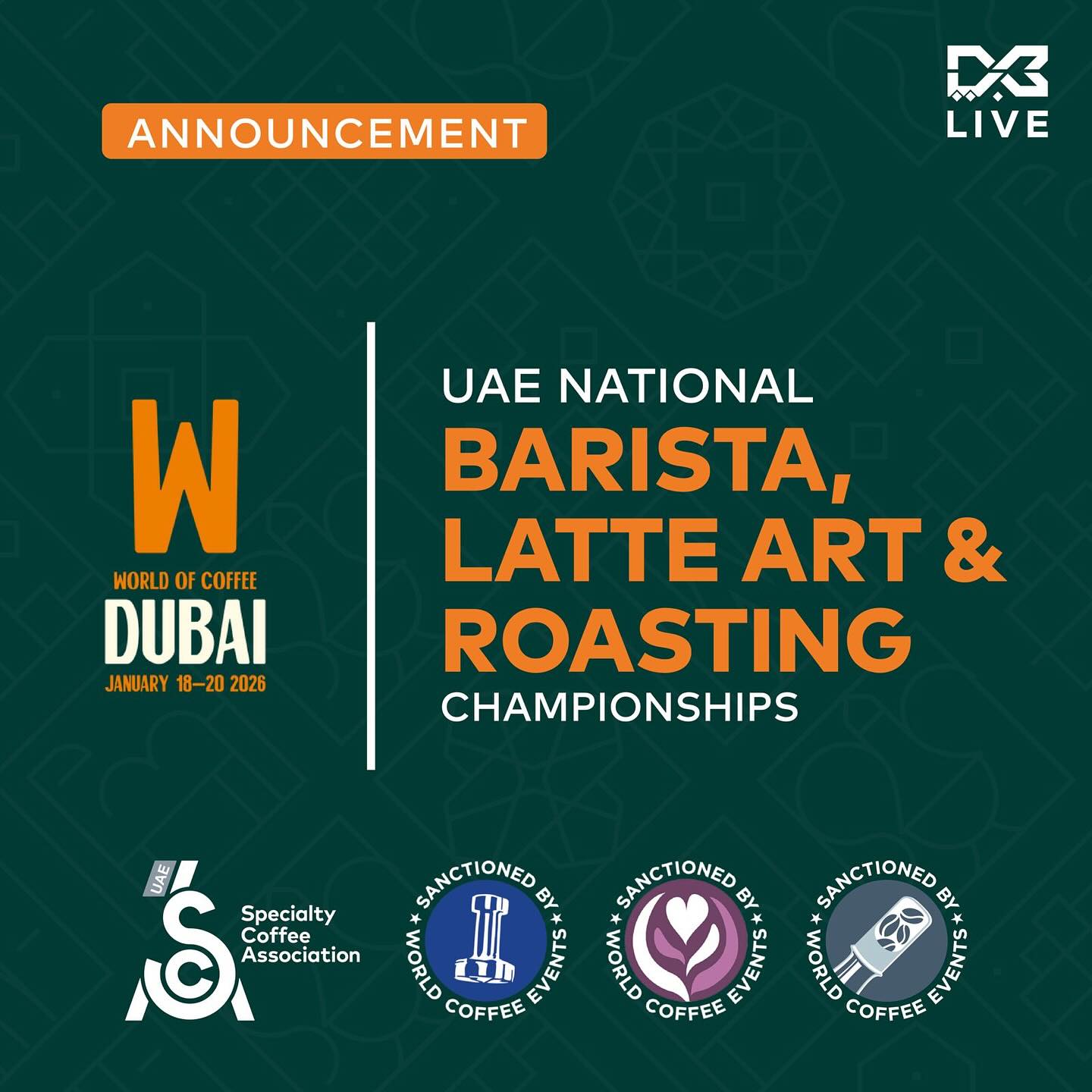
Registration Opens for the UAE National Barista, Latte Art, and Roasting Championships 2026

Dubai – Qahwa World

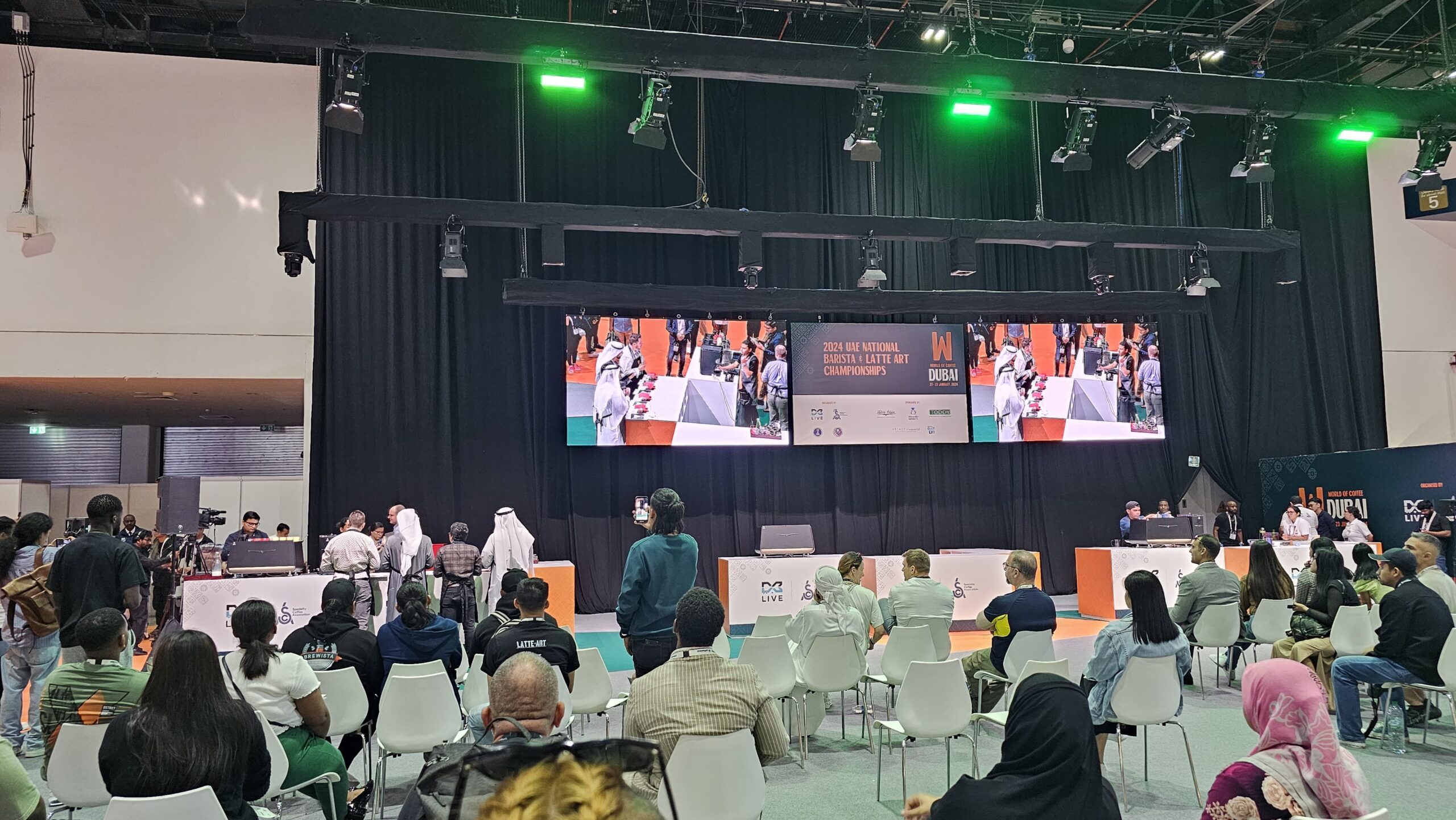
The Specialty Coffee Association of the UAE (SCA UAE) has officially announced the opening of registration for the UAE National Barista, Latte Art, and Roasting Championships 2026, which will take place as part of World of Coffee Dubai, hosted at the Dubai World Trade Centre (DWTC) from January 18 to 20, 2026.

These championships are among the most anticipated events in the UAE and regional coffee scene, bringing together top professionals and skilled enthusiasts to showcase their mastery in coffee brewing, latte art presentation, and coffee roasting according to the global standards set by the Specialty Coffee Association (SCA).

The national championships serve as a gateway for UAE-based baristas and roasters to qualify for international competitions, providing a platform for cafés and roasteries to highlight their expertise and creativity before an audience of industry professionals and coffee lovers.

Participation Requirements:

  • Participants must have resided in the UAE for at least two years and hold a valid residence visa.

  • Participants must be individual members of the Specialty Coffee Association.

Registration Fee: 
AED 1,500 per competitor.

Official Sponsors:

  • Roasting Championship: Sponsored by IRM Coffee Roasters.

  • Barista and Latte Art Championships: Sponsored by Victoria Arduino Middle East.

The SCA UAE emphasized that these championships reflect its commitment to developing the specialty coffee industry in the country and nurturing local talent capable of competing on regional and global stages.

For registration details or inquiries, participants can contact:
[email protected]

Part of a Global Coffee Celebration

The championships will take place within the fifth edition of World of Coffee Dubai 2026, organized by DXB LIVE, the event management arm of the Dubai World Trade Centre, in collaboration with the Specialty Coffee Association (SCA).

Since its launch in 2022, World of Coffee Dubai has rapidly grown to become the leading coffee event in the Middle East and one of the most influential gatherings in the global coffee industry. It brings together producers, roasters, traders, suppliers, and innovators from around the world.

The 2026 edition is expected to be the largest yet, with 77% of exhibitors coming from outside the UAE, a clear reflection of Dubai’s growing status as a global hub for coffee trade, culture, and innovation.

A Booming Coffee Market

The UAE’s coffee sector continues to flourish, currently valued at over USD 3.2 billion (approximately AED 12 billion) and projected to grow by 8.4% annually, reaching USD 4.5 billion (around AED 16.5 billion) by 2029.

Across the Middle East and North Africa (MENA), the coffee market is expected to exceed USD 11 billion (more than AED 40 billion) within the same period, fueled by rising demand for specialty coffee, evolving consumer tastes, and growing investments in quality, sustainability, and innovation.

According to Khalid Al Mulla, CEO of the UAE chapter of the Specialty Coffee Association, the upcoming championships underscore Dubai’s vision to be a global leader in specialty coffee culture.

“Through these competitions, we aim to empower local talent and give them the opportunity to compete on the world stage,” said Al Mulla. “We are committed to advancing coffee knowledge, craftsmanship, and appreciation across every link in the value chain — from the bean to the cup.”

He added that the collaboration between SCA UAE and DXB LIVE has created a dynamic platform that blends education, innovation, and trade, making World of Coffee Dubai a global meeting point for the entire coffee community.

Invitation to Participate

The UAE National Barista, Latte Art, and Roasting Championships 2026 will be held during World of Coffee Dubai, from January 18 to 20, 2026, at the Dubai World Trade Centre.

Coffee professionals, competitors, and enthusiasts are invited to join the celebration of craftsmanship and excellence. Exhibitors and visitors can now secure their spaces and early-bird tickets through the official website:
dubai.worldofcoffee.org/home
7 Scientifically Proven Tips to Make Your Daily Coffee Healthier

Dubai – Qahwa World

For millions, coffee is more than just a morning ritual—it’s the spark that starts the day. Yet few realize that the way coffee is brewed, sweetened, or even timed can make a big difference to one’s overall health. Drawing on scientific research and expert insights, here are seven proven ways to enjoy your coffee while maximizing its benefits and minimizing its drawbacks.

1. Keep the Sugar Minimal

Adding too much sugar can undermine coffee’s natural health advantages. Research suggests that limiting sweeteners to one small teaspoon per cup helps retain the drink’s antioxidant and heart-friendly effects.

2. Skip Artificial Sweeteners

While marketed as low-calorie options, artificial sweeteners may interfere with the body’s natural metabolism and gut health. Studies indicate they could reduce coffee’s beneficial impact on longevity and overall wellness.

3. Choose Natural Additions

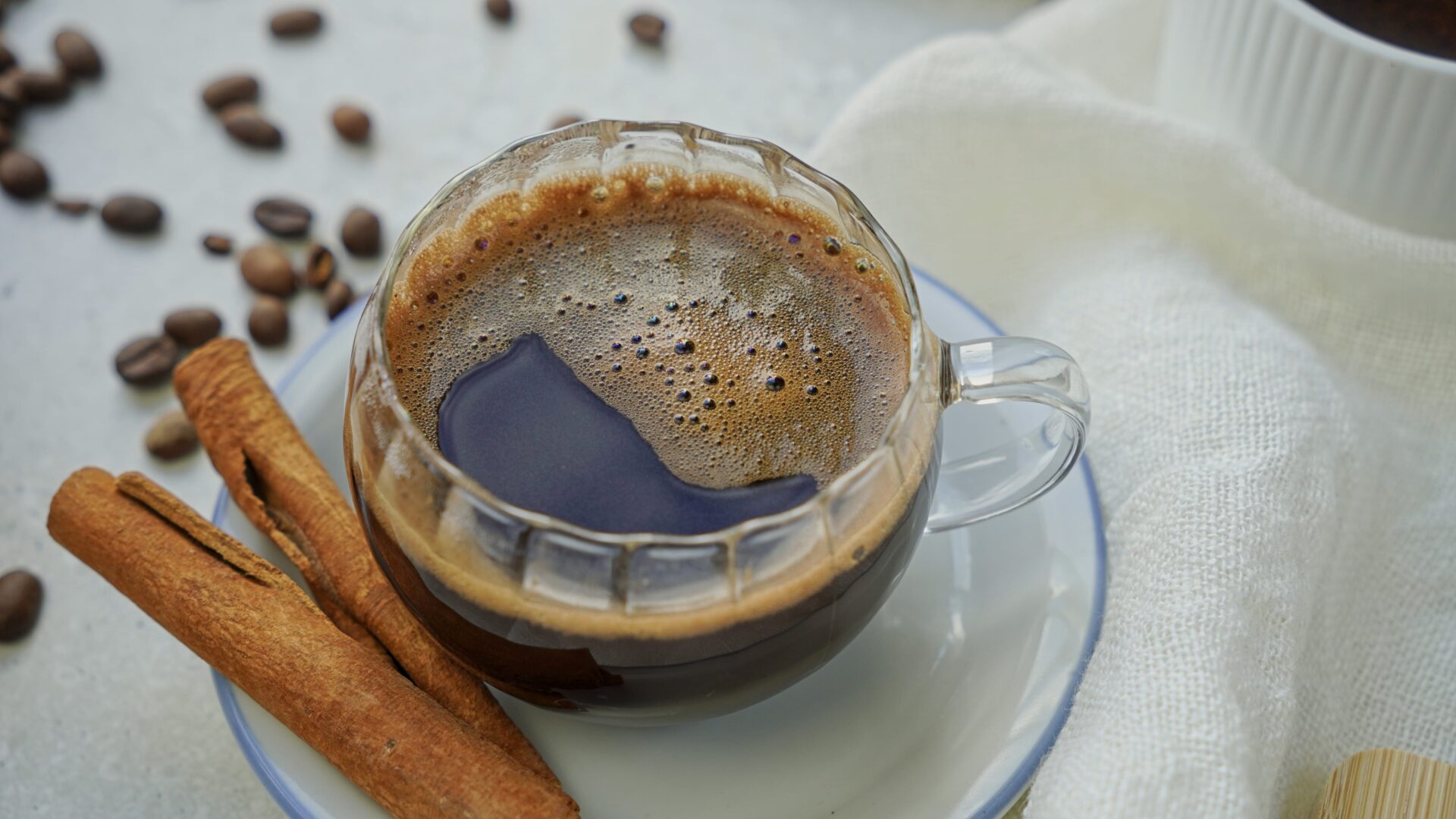
Most commercial creamers are packed with vegetable oils and added sugars, which can raise cholesterol and contribute to weight gain. A healthier alternative? Use milk in moderation or add spices like cinnamon or cocoa powder for flavor without the extra calories.

4. Filter Your Coffee

Coffee brewed through a paper filter is generally healthier than unfiltered methods like the French press. Paper traps compounds known as diterpenes, which have been linked to increased cholesterol levels when consumed in excess.

5. Don’t Dismiss Instant or Decaf

Whether it’s ground, instant, or decaffeinated, coffee can still provide similar antioxidant and anti-inflammatory benefits. The process used to produce instant coffee typically preserves most of the natural compounds that make coffee good for you.

6. Drink It Earlier in the Day

Caffeine affects the body’s internal clock. Studies show that drinking coffee before noon helps avoid sleep disruption and reduces inflammation associated with circadian rhythm disturbances. Late-night cups, by contrast, can suppress melatonin and affect sleep quality.

7. Let Coffee Work with Your Digestive System

Coffee naturally stimulates the digestive tract—a reaction known as the gastrocolic reflex. That’s why many people feel the urge to visit the restroom shortly after drinking it. Far from being harmful, this effect is part of a healthy digestive process.

Moderation, timing, and small adjustments can make your daily brew a powerful ally for well-being. By rethinking what you add to your cup—and when you drink it—coffee can remain both a pleasure and a healthy habit.

Disclaimer:

This article is intended for general information purposes only and should not replace medical advice. Always consult a qualified healthcare provider regarding personal health concerns.

Brazilian Company Launches First Sustainable Coffee Export Journey via Zero-Emission Sailboat Sailboat

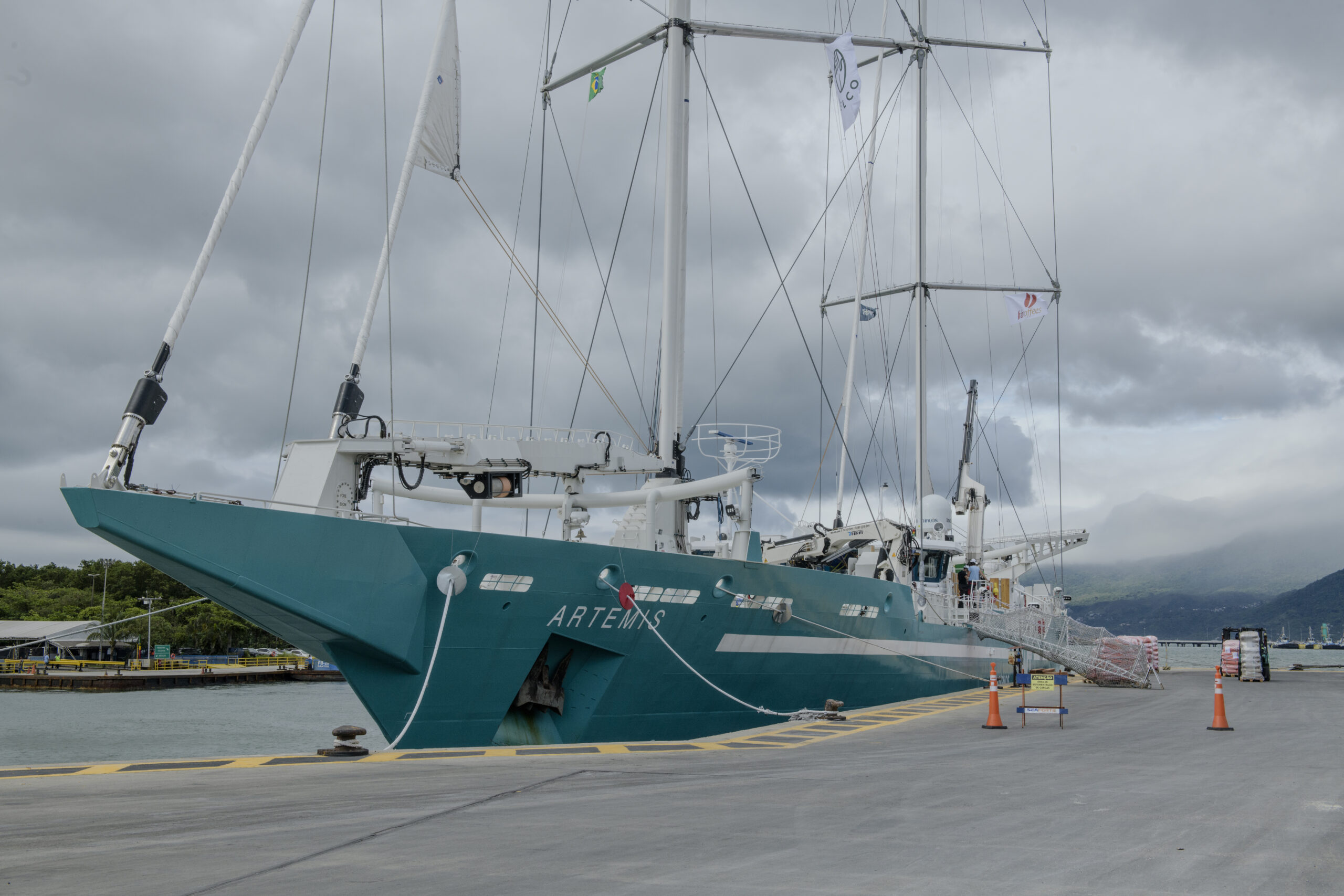
Director of FAF Coffees Felipe Croce, a prominent figure in Brazil’s coffee industry as an exporter and farmer at his Fazenda Ambiental Fortaleza, shared exciting news about a groundbreaking initiative in sustainable coffee transportation. The company is partnering with the French organization TOWT to export coffee via a state-of-the-art sailboat designed for zero-emission cargo transport.

A Revolutionary Step in Eco-Friendly Transportation

“This is our first export using a sailboat with practically zero emissions,” Croce stated in an exclusive statement to QahwaWorld website. The sailboat employs cutting-edge French technology, utilizing hydro-generated power from its propellers to generate electricity. Equipped with three motors—fully electric, hybrid, and diesel—it minimizes the use of diesel to only specific situations, such as navigating ports. This innovative design reduces carbon emissions by approximately 95%.

Unlike traditional cargo ships that burn vast amounts of diesel and produce significant noise pollution harmful to marine ecosystems, TOWT’s sailboats offer a quiet and clean alternative. “Noise pollution is a serious problem in the ocean,” Croce emphasized. By 2027, TOWT plans to expand its fleet from the current two sailboats to eight, marking a significant step forward in sustainable logistics.

A Partnership for a Greener Future

This project, led by French coffee importer Belco, has already completed a similar shipment from Colombia. Belco, with offices in Ethiopia, Colombia, Guatemala, and France, is partnering with FAFCoffees to promote sustainability in coffee exports. “We’re always striving to improve our sustainable mission,” said Croce.

This year, approximately 27% of FAFCoffees’ exports will feature reduced carbon emissions. The current voyage, which will depart from São Sebastião Port in Brazil on Monday November 17th, carries 700 tons of coffee, with 400 tons originating from FAFCoffees. The shipment includes contributions from 80 smallholder producers across São Paulo, Minas Gerais, and Espírito Santo. These farms emphasize regenerative farming and agroforestry, aligning with the company’s dedication to sustainable agriculture.

Expanding the Vision

The sailboat, originally constructed in Vietnam, is capable of carrying up to 1,000 tons of cargo and includes items such as electronics and cacao in addition to coffee. Croce revealed that the shipment is destined for 15 roasters, showcasing growing interest among coffee buyers in eco-friendly transportation.

Looking to the future, Croce expressed confidence in the scalability of this sustainable transportation model. “We fully believe this is going to be a mode of transportation that’s only going to grow,” he said, highlighting plans to expand routes to other parts of the world for roasters seeking cleaner shipping options.

This initiative reflects the growing trend among coffee producers and exporters to reduce their environmental impact. By embracing innovative solutions such as sailboat shipping, FAFCoffees is setting a benchmark for sustainability in the global coffee industry.

All You Need to Know About World of Coffee Dubai 2025

Dubai – Qahwa World

Mark your calendars for World of Coffee Dubai 2025, the Middle East’s largest coffee trade show, returning for its fourth edition from February 10–12, 2025, at the iconic Dubai World Trade Centre. Organized by the Specialty Coffee Association (SCA), this premier event promises a vibrant celebration of coffee culture, attracting professionals, enthusiasts, and businesses from across the globe. With an extensive lineup of features, exhibits, and activities, it’s a must-attend for anyone in the coffee industry.

An Unmatched Coffee Experience

World of Coffee Dubai has grown significantly since its launch, with visitor numbers jumping from 3,000 in its early years to over 13,500 attendees in 2024, and 400 international exhibitors expected in 2025. The event offers a dynamic platform for education, innovation, and global coffee commerce, making it the ultimate meeting place for the coffee community.

Event Highlights and Features

  1. Special Zones:
    • Roasters Village: A dedicated space for micro-roasters to showcase their techniques and interact with customers. Visitors can explore trends in coffee sourcing, roasting, brewing, and distribution while enjoying tastings.
    • Brew & Espresso Bar: Guests can experience expertly crafted coffee beverages by skilled baristas.
    • Cupping Rooms: These vibrant spaces allow companies to share and promote their latest coffee harvests through tasting sessions using the latest brewing equipment.
    • Coffee Design Awards: Celebrating excellence in coffee spaces, branding, vessels, and packaging, these awards highlight creative achievements in the specialty coffee industry.
    • Best New Product Competition: A showcase of the latest innovations, judged for their impact on specialty coffee, with winners announced during the event.
  2. Educational Opportunities:
    • SCA lectures and training programs delivered by industry leaders to inspire and educate attendees.
    • The SCA Lounge & Store, featuring the latest coffee research and resources.
  3. Competitions:
    • The SCA UAE Coffee Championships, highlighting barista skills and brewing artistry.

Why Dubai is the Ideal Host

Dubai has positioned itself as a global hub for coffee businesses. With a cosmopolitan population exceeding 3.5 million and annual specialty coffee consumption per capita reaching 1.36 kg, the city boasts a thriving market. Additionally, its tourism sector attracted over 16 million visitors in 2023, increasing the demand for premium coffee experiences.

The Dubai World Trade Centre, a leading business venue, enhances the event’s prestige. In 2022, the center hosted 1.98 million delegates and over 244 major events, proving its status as a premier destination for global business.

The UAE’s Thriving Coffee Market

The UAE coffee industry is projected to generate $309.6 million in 2024, with a robust annual growth rate of 3.6%. By 2028, the market volume is expected to reach 14.8 million kilograms, showcasing the country’s rising demand for specialty coffee. The MENA coffee market is projected to grow to $1.33 billion by 2030, positioning the region as a strategic hub for investment.

Opportunities for Exhibitors and Sponsors

Exhibition Packages:
Exhibitors can choose from tailored packages to suit their needs:

  • Space-Only Booths: Customizable spaces starting at AED 2,000 per square meter.
  • Hybrid Stands: Premium setups featuring storage rooms, furniture, and lighting, starting at AED 1,800 per square meter.
  • Roasters Village: A complete setup including counters, power connections, and water facilities for AED 9,000.
  • Brew Bar Slots: Fully equipped spaces for showcasing brewing techniques, available at AED 2,000 per 3 hours.
  • Cupping Rooms: Exclusive spaces for cupping sessions, priced at AED 1,000 per hour.

Sponsorship Opportunities:
The event offers extensive sponsorship options, including:

  • Platinum, Gold, and Silver Sponsorships
  • Networking Gala Sponsorship
  • Targeted sponsorships such as Pop-Up Cafes, Roasters Village, and Brew Bars.

Visitor and Exhibitor Profiles

Visitors:
The event attracts a diverse audience, including café owners, roasters, baristas, coffee growers, green coffee importers/exporters, and coffee enthusiasts.

Exhibitors:
Exhibitors include top-tier brands in coffee brewing equipment, roasting tools, café décor, dairy and plant-based milk suppliers, and industry trade publications.

Legacy and Vision

Now in its 11th year globally, World of Coffee continues to strengthen its position as the leading trade show for coffee professionals. With its vibrant atmosphere, rich opportunities for networking, and focus on the future of coffee, the 2025 edition promises to be the most exciting yet.

For more details, visit the official website at dubai.worldofcoffee.org.

Coffee, Tea, and Cocoa Costs Drive Global Food Import Bill to Exceed $2 Trillion in 2024

The global food import bill is forecasted to surpass $2 trillion in 2024, driven by soaring costs of staple hot beverages like coffee, tea, and cocoa, according to the latest Food Outlook report by the Food and Agriculture Organization (FAO).

Key Drivers of Rising Costs

The biannual FAO report reveals that cocoa prices have quadrupled compared to their 10-year average, coffee prices have nearly doubled, and tea prices have risen by 15% above long-term levels. These three commodities alone account for over half of the projected increase in global food import expenditures, which are expected to rise by 23% in 2024.

Disparities in National Import Bills

High-income countries, which represent two-thirds of the global food import bill, will see a moderate 4.4% increase in expenditures. However, middle- and low-income countries are expected to experience a decline in import bills, primarily due to lower costs for cereals and oilseeds.

Despite this, FAO warns that per capita consumption of wheat and coarse grains is expected to decline in lower-income regions, although rice consumption is anticipated to rise by 1.5%.

The report underscores the importance of food exports in balancing import costs for some economies. For example:

  • Coffee exports cover nearly 40% of food import costs in Burundi and Ethiopia.
  • Côte d’Ivoire’s cocoa exports fully offset its food import bill.
  • Tea exports account for more than half of Sri Lanka’s import expenditures.

A Mixed Outlook for Global Food Production

FAO forecasts reveal contrasting trends in global food production and trade for 2024:

  • Wheat and Coarse Grains: Production is expected to decline but remain above consumption levels.
  • Rice: A record-breaking harvest is anticipated, enabling increased consumption, reserves, and trade.
  • Meat and Dairy: Moderate growth is forecasted.
  • Fisheries: Output is set to grow by 2.2%, driven by aquaculture.
  • Vegetable Oils: Consumption may outpace production for a second consecutive season, leading to stock drawdowns.

The report warns that extreme weather, geopolitical tensions, and policy shifts could disrupt production systems and exacerbate food security challenges.

Spotlight on Olive Oil Prices

The report also highlights a dramatic increase in olive oil prices due to climate-related production declines. In Spain, wholesale prices for cold-pressed extra virgin olive oil nearly tripled, reaching $10,000 per tonne in early 2024.

High temperatures have reduced olive yields for two consecutive years, cutting production by nearly 50%. While Spain’s next harvest is expected to exceed the 10-year average, high prices may continue to suppress global consumption.

FAO urges governments to support olive growers through sustainable water and soil management practices, insurance schemes, and disease control measures to capitalize on export potential.

Fertilizer Prices Decline, with Exceptions

The report notes a 50% drop in fertilizer prices since their 2022 peak, attributed to lower natural gas prices and reduced trade barriers. However, phosphate fertilizers remain expensive due to ongoing trade restrictions and geopolitical tensions, especially in Latin America and Asia.

FAO highlights low-carbon ammonia as a sustainable alternative for nitrogen-based fertilizers, though scaling up production will require financial incentives to offset higher costs and encourage adoption by farmers.

Conclusion

FAO’s Food Outlook paints a complex picture of global food markets, underscoring the critical need for sustainable practices, policy support, and international cooperation to address rising costs and ensure food security for all.

This comprehensive report provides vital insights into the economic pressures and opportunities shaping the future of global food systems.

Revolutionizing Decaffeination: The Natural Power of Microorganisms

Once seen as a necessary compromise, the decaffeination process is undergoing a transformation, thanks to nature’s own resources. Instead of relying on chemical solvents and intense heat, scientists are now turning to microbial fermentation—a process that uses microorganisms to gently remove caffeine while preserving the essential qualities of the bean. This breakthrough could redefine how we enjoy coffee without caffeine, creating a more authentic decaf experience.

A Cleaner Solution for Preserving Coffee’s Essence

Traditional decaffeination methods often strip caffeine from coffee beans at the cost of altering their complex flavors. Now, however, researchers have embraced nature’s own toolkit, utilizing select microorganisms like Lactobacillus and Streptomyces to naturally break down caffeine molecules without disturbing the delicate oils and acids responsible for coffee’s unique character. This natural fermentation method allows the coffee to retain its rich aroma and nuanced taste, marking a major step forward in decaffeination.

The Science Behind Microbial Decaffeination

Microbial decaffeination involves immersing green coffee beans—whether Arabica or Canephora—in a starter solution enriched with beneficial bacteria and yeasts. In this controlled environment, the microorganisms get to work, breaking down caffeine molecules and even boosting the beans’ antioxidant properties. By adjusting the concentration of the starter solution, researchers have found they can reduce caffeine levels without diminishing the beans’ healthful qualities, resulting in a decaf coffee that may actually offer an antioxidant boost.

One fascinating aspect of this method is its versatility. Canephora beans, which are naturally higher in caffeine than Arabica, respond particularly well to microbial decaffeination, allowing producers to tailor the process to specific coffee profiles and cater to a wider range of tastes. This opens the door to decaf coffees that closely mirror the taste and aroma of their caffeinated counterparts, elevating decaf beyond a mere alternative.

Redefining Decaf: The Future of Coffee, Naturally

Imagine a future where decaf coffee is as cherished as its caffeinated counterpart, free from compromise and imbued with quality and sustainability. Microbial decaffeination not only promises a richer coffee experience without caffeine’s side effects but also promotes an environmentally friendly approach to coffee production. As industry innovators continue to explore and refine this technique, they are pioneering a movement that prioritizes nature, quality, and environmental stewardship, reshaping the future of decaffeination for coffee lovers worldwide.

Ernesto Illy International Coffee Award 2024: Shaping the Future of Coffee at the United Nations

  • Global Experts Rally in New York to Address Coffee’s Climate Crisis and Drive Investment in Regenerative Agriculture through Public-Private Partnerships

Amid rising climate challenges, the future of coffee faces profound risks, from droughts sweeping Brazil to intensifying storms in Vietnam. Over 12.5 million coffee growers worldwide, primarily smallholders, are on the frontline of these environmental shifts, bearing the brunt of coffee’s fragile relationship with a warming planet. The Ernesto Illy International Coffee Award 2024 gathered top industry leaders at the United Nations Headquarters to confront a pressing question: How can coffee’s future be secured amidst these socio-environmental threats?

The roundtable event, orchestrated by illycaffè under the banner of the Ernesto Illy International Coffee Award, was led by Clare Reichenbach, CEO of the James Beard Foundation. The distinguished panel included Andrea Illy, Chairman of illycaffè and co-Chair of the Regenerative Society Foundation; Massimo Bottura, celebrated chef and UN Goodwill Ambassador; Jamil Ahmad, Director of the UNEP New York Office; Andrea De Marco, Project Manager at UNIDO; Raina Lang, Senior Director of Sustainable Coffee at Conservation International; and Vanusia Nogueira, Executive Director of the International Coffee Organization.

A central theme emerged: the necessity of a regenerative approach in coffee cultivation, designed to boost resilience, support farmers, and reduce environmental impact. Key to this initiative is the establishment of a $10 billion public-private fund over the next decade, aimed at bolstering smallholder coffee farmers in climate-vulnerable tropical regions.

Andrea Illy emphasized the urgency, stating, “Since Expo 2015, we have tirelessly worked to build a protective framework for coffee. Regenerative agriculture has proven it can yield high-quality crops while replenishing our natural resources. To meet these challenges globally, we must act quickly to scale regenerative solutions. We know they work and deliver positive outcomes.”

Throughout the discussion, panelists stressed the importance of uniting stakeholders from governments, international organizations, and the private sector to drive impactful and lasting change in coffee-growing communities. Reichenbach underscored the role of consumer awareness in supporting the industry’s sustainability journey.

Chef Massimo Bottura, who also serves as UNEP Goodwill Ambassador, added his unique perspective: “Coffee is about emotion, heritage, and enjoyment. We must transform drinking coffee from a routine act into a conscious choice. This shift directly impacts the livelihoods of those cultivating it, laying the foundation for a sustainable future for coffee-growing communities.”

Vanusia Nogueira, Executive Director of the International Coffee Organization, highlighted the challenges facing coffee-producing communities. “Smallholder farmers are bearing the weight of climate change, endangering both their way of life and their cultural heritage. This fund is a critical step toward resilience and sustainable livelihoods. Through public-private partnerships and global commitment, we can empower these communities to adapt and thrive.”

Clare Reichenbach closed the roundtable with a call to action: “As leaders in food and sustainability, we are responsible for championing models that can secure vital systems like coffee. It was an honor to moderate this discussion and witness the dedication of thought-leaders in sustainability.”

The roundtable concluded with a resounding message to the coffee community, financial institutions, and consumers: substantial investment and cooperation are essential to cultivate scalable, sustainable agricultural practices. This envisioned fund aims to support coffee farmers in the transition to regenerative methods, paving the way for a resilient, economically viable, and climate-conscious future for the coffee industry.

Moamen Abady: From a Sip of Coffee to a Global Quality Expert

With a distinguished journey in the world of coffee and an impressive career spanning more than 17 years, Moamen Abady, an Egyptian coffee expert, consultant in the coffee sector, trainer, quality grader, and certified competition judge from the Specialty Coffee Association, Barista Hustle, the Coffee Quality Institute, and the World Coffee Championships Organization, shares his story. It began with a sip of “Rakwa” coffee and culminated in rich expertise and high-level skills in quality assessment and sensory judging. Driven by boundless ambition and a passion that led him to global challenges, we delve into the details of Abady’s journey in this interview, an inspiring story for anyone dreaming of joining the world of “Q Grader.”

To start, we would like to get to know you a bit more. How did your journey in the world of coffee begin, and what inspired you to specialize in quality assessment?

Hello, I’m Moamen Abady from Egypt, and I’ve been working in the coffee industry for over 17 years. My story began at a young age when I took my first sips of rakwa coffee (Turkish coffee) at a café where I worked during the summer break from school. There, I tasted coffee, felt a unique connection to it, and coffee quickly became not only my favorite drink but also my passion, career, and life. This was how the first chapter of my journey in the world of coffee was written.

I continued my path by learning and working with local coffee brands. I started as a barista and barista trainer for an Italian coffee company in Egypt. Later, in 2016, I moved to Saudi Arabia to seek more knowledge and explore what the Saudi coffee market had to offer. This experience allowed me to delve deeper into the coffee industry, participate in numerous coffee competitions, learn from some, and win titles in others, thanks to patience, effort, and sacrifice.

Tell us briefly and simply about “Q Grader.” What does it mean, and what does it offer to those who attain it?

“Q Grader” is a term that means “quality grader” and is focused on assessing coffee quality from seed to cup. The program is affiliated with the Coffee Quality Institute and includes specialized training in green coffee grading, roasting, and sensory evaluation, along with other factors that influence quality. This certification allows its holder to apply quality evaluation protocols and determine the quality level of coffee crops according to the standards of the Coffee Quality Institute, making their assessment a reference in certain situations, like purchasing coffee crops.

You mentioned that renewing the “Q Grader” license was one of the toughest challenges you’ve faced. What made this test so difficult, and how did you prepare for it?

The difficulty lies in the challenges faced by the grader when it’s time to renew the license, as it requires taking a calibration test to ensure competence. Sometimes, it’s hard to find local trainers who provide this kind of training, which forces us to travel to the nearest country where the calibration course is held. This requires adapting to new environments and understanding the preferences of local Q Graders, where time and the ability to harmonize play a big role in achieving success.

After years of experience and renewing the license for the second time, how do you view your personal and professional growth as a “Q Grader”?

The experience has significantly contributed to developing my knowledge, skills, and sensory abilities. However, these skills remain sharp as long as you’re in the right environment, as maintaining strong and developed skills relies heavily on one’s professional environment as a Q Grader. Without consistent opportunities to apply, practice, and guide your knowledge regularly, skills and knowledge may gradually fade over time.

As a quality expert and sensory judge, how do you see the impact of “Q Graders” on the specialty coffee market, especially in emerging markets like the Middle East and Asia?

Thank you for this very important question. The value of Q Graders lies in their ability to understand the local market’s requirements and provide options that meet different sensory preferences. They play a key role in elevating the quality standards and the concept of quality itself, overcoming challenges to reach certain quality levels, and enhancing the quality of life for those involved in the coffee value chain, from farming to production, thus promoting sustainability.

Screenshot

You participated in the renewal process with “Q Graders” from various regions in China. What did you learn from this experience?

Yes, of course. When moving to a new environment, especially for the first time, it’s similar to blindness. You may have read about it, but reality is quite different. The distance, travel, and navigating various transport methods all build a picture of what lies ahead. Everything around is literally different—the people, food, streets, timing of sleep and wakefulness, and more. One needs extra time to adapt and merge with the surroundings. The biggest challenge was not having enough time to experience and understand the culture, lifestyle, and how people perceive coffee and their sensory preferences. There are major differences in preferences and the interpretation and analysis of attributes and quality.

In calibration, we simulate certain aspects of the tests to be taken, allowing all graders to participate. This is my one chance to analyze their approach to quality and how they describe cup attributes. It’s essential in calibration to build a shared language among graders, enabling effective use in sensory analysis during quality assessments.

What is the future of quality assessment and sensory evaluation in coffee? How do you plan to adapt or contribute to this field with future developments?

I believe technology will play a large role in enhancing quality assessment and sensory evaluation, supporting rather than replacing human graders. We now see some AI-based devices used in the grading process, providing detailed reports on the physical nature of coffee beans and predicting sensory attributes. Some may see it as unreliable or as competition, but really, it’s about how we use this technology to improve consistency, accuracy, speed, productivity, and efficiency. Here, we will learn how to adapt to these advancements and make use of this advanced technology.

What advice would you give to those aspiring to become a “Q Grader,” especially given the difficulty of the tests and renewal requirements?

This is a common question, especially after someone announces that they’ve received certification or passed calibration tests or in discussions on green coffee and evaluation protocols. I’d say anyone who wishes to become a quality grader can take this course, but in truth, from my personal point of view, the course is best suited for those whose work requires quality evaluation practices. This includes individuals in green coffee trade, quality labs, roasters, and quality managers at coffee chains—anyone who needs to improve their knowledge and apply their skills in ways that bring genuine value and benefit to their performance and the quality of their company’s products.

How has your experience as a coffee expert and quality grader shaped your personality and outlook on life?

In truth, every chapter in the story of coffee, every step on this path, had a profound impact on shaping my personality through various stages of my life. These experiences taught me resilience and persistence and gave me insights that go beyond just a hobby, career, or accolade. They instilled in me a firm belief that hard work, perseverance, and pushing oneself to discover what lies beyond one’s own capabilities will bear fruit, even if delayed. The stories I’ve written, and the steps I’ve taken are a source of pride to me above all.

Kutubna Cultural Center Launches “A Journey Through the Five Senses” to Celebrate Emirati Heritage

In celebration of the UAE’s rich cultural heritage and just ahead of National Day, Kutubna Cultural Center, Dubai’s newest independent bookstore and cultural hub, introduces its latest immersive program, “A Journey Through the Five Senses: Exploring Emirati Culture.” Running from November 21 to December 19, 2024, this hands-on experience engages expats and locals alike, offering a multi-sensory exploration of Emirati arts, music, coffee, fragrance, and storytelling.

Each of the program’s five sessions is carefully curated to activate one of the senses—taste, sound, sight, smell, and touch—allowing participants to connect deeply with Emirati traditions. From savoring authentic flavors to experiencing the aromatic allure of bukhoor, the program promises an intimate and interactive experience, transforming the cultural understanding of participants beyond conventional exhibitions or lectures.

Throughout the program, participants will learn from Emirati experts, including award-winning artists, storytellers, and cultural practitioners, each bringing unique insights into Emirati heritage. These guided sessions offer vibrant narratives, live demonstrations, and visual storytelling, fostering a more meaningful connection with the UAE’s cultural identity.

Session Highlights:

  1. Touch: The Timeless Craft of Theatre with Naji Al HaiNovember 21, 7:30 PM
    Esteemed playwright and theater director Naji Al Hai will share the depth of Emirati theater, guiding participants through emotional storytelling rooted in local folklore. This session highlights the role of theater in preserving and passing down Emirati culture.
  2. Sound: The Voices of UAE with Al Anood BukhammasNovember 28, 7:30 PM
    Graphic design instructor Al Anood Bukhammas merges her visual arts expertise with her love for traditional Emirati music. Her session will present a journey through the rhythms and narratives of Emirati heritage, providing a visually rich exploration of UAE’s musical traditions.
  3. Taste: The Art of Hospitality with Medina IlyasDecember 5, 7:30 PM
    Arabic coffee expert Medina Ilyas will lead a session on the cultural significance of Arabic coffee, weaving together history, tradition, and storytelling to illustrate the beverage’s place as a symbol of Arab hospitality.
  4. Sight: Capturing the Beauty of UAE with Hussain AlMoosawiDecember 12, 7:30 PM
    Designer and photographer Hussain AlMoosawi offers his perspective on UAE’s architectural beauty, sharing insights on how urban spaces shape Emirati identity. Through his visual journey, he explores the evolving narratives found within the UAE’s landscapes.
  5. Smell: The Art of Fragrance with Mike MetzgerDecember 19, 7:30 PM
    Bukhoor expert Mike Metzger will immerse attendees in the art of traditional Emirati fragrance, guiding them through a hands-on session in mixing these iconic scents, symbolic of warmth and hospitality in Emirati homes.

Building Bridges Through Shared Cultural Experiences

Shatha Almutawa, the founder and director of Kutubna Cultural Center, envisions “The Five Senses” as a powerful platform for intercultural dialogue. “This program is not just about experiencing Emirati heritage—it’s about building a community that values and understands it on a deeper level,” she explained. “Our goal is to create lasting connections through impactful experiences that resonate with Dubai’s diverse residents and visitors. By activating all five senses, we offer an experience that moves beyond passive observation to active engagement.”

For additional information, visit www.kutubna.ae and join the conversation with #Kutubna5Senses.

The Coffee Club Begins Its African Journey with a Flagship Restaurant in Kenya

Liwa Minor Food & Beverages LLC, the franchise hub for The Coffee Club in the Middle East, Africa and Eastern Europe, has entered into a key partnership with Luqman Petroleum LTD to bring The Coffee Club – Australia’s favourite café experience, to East Africa. This exclusive franchise agreement grants Luqman Petroleum the rights to expand The Coffee Club brand across Kenya, Tanzania and Uganda, marking the brand’s first entry into the African continent.

The partnership highlights The Coffee Club’s commitment to establishing a lasting presence in East Africa’s dynamic Food & Beverage sector. The inaugural store is set to open in Nairobi by mid-2025, underscoring the brand’s dedication to growth and community connection in this promising region.

A Strategic Collaboration for Regional Growth

The Coffee Club’s partnership with Luqman Petroleum, a trusted leader with extensive expertise in East Africa, strategically paves the way for success as it enters this promising market. With a deep understanding of local consumer preferences and market dynamics, Luqman Petroleum will ensure smooth operations and respond effectively to local needs. This partnership aligns with The Coffee Club’s commitment to sustainability and community engagement, laying a strong foundation for meaningful impact across the region. Over the next decade, The Coffee Club plans to establish 25 stores across Kenya, Tanzania and Uganda, creating local jobs, supporting economic growth and enhancing the Food & Beverage landscape.

“We are thrilled to announce our partnership with Luqman Petroleum as we bring The Coffee Club to East Africa. This marks a significant milestone in The Coffee Club’s expansion journey, and we couldn’t envision a better partner to lead the way in Kenya, Tanzania and Uganda. Luqman Petroleum’s deep local expertise and our shared commitment to quality and service excellence align perfectly with our vision to bring exceptional Food & Beverages experiences to the communities we serve,” said Charl Badenhorst, CEO at Liwa Minor Food & Beverages LLC.

A New Era for Café Culture in Nairobi

The first African outlet of The Coffee Club will launch in Nairobi in early 2025, offering a unique café experience that blends the brand’s Australian heritage with local flavours. With a menu that highlights locally sourced ingredients and a warm, welcoming atmosphere, the new store will serve as a community hub for coffee lovers and families alike. It will underline The Coffee Club’s vision to become a go-to destination across East Africa, where guests can enjoy a blend of quality, comfort and connection.

“For us it is a lot more than opening a café—it’s about creating a place where people feel they belong,” said Abdullahi A. Mohamed, Managing Director of Luqman Petroleum. “We’re thrilled to introduce a fresh take on café culture to East Africa, inspired by the region’s vibrant energy and sense of community. This partnership marks a strategic step in redefining the coffee experience here in Nairobi and beyond. By focusing on quality, local ingredients, and a welcoming environment, we’re not just serving coffee, we’re building a space for connection.”

As The Coffee Club takes its first step into Africa, this partnership signifies a long-term commitment to supporting local suppliers, generating employment and providing high-quality hospitality experiences. Together with Luqman Petroleum, The Coffee Club aims to foster a thriving café culture across East Africa, inviting communities to share in the brand’s hallmark experiences of good food, great service and excellent coffee.

World of Coffee Dubai 2025 Returns with New Features and Exciting Opportunities

World of Coffee Dubai 2025, the largest and most significant event for the coffee industry in the Middle East, is returning from February 10 to 12, 2025, at the Dubai World Trade Centre, in Za’abeel Halls 1, 4, 5, and 6. In its fourth edition, the event promises three days of networking, championships, educational sessions, and a grand celebration of specialty coffee.

Introducing Green Coffee Connect

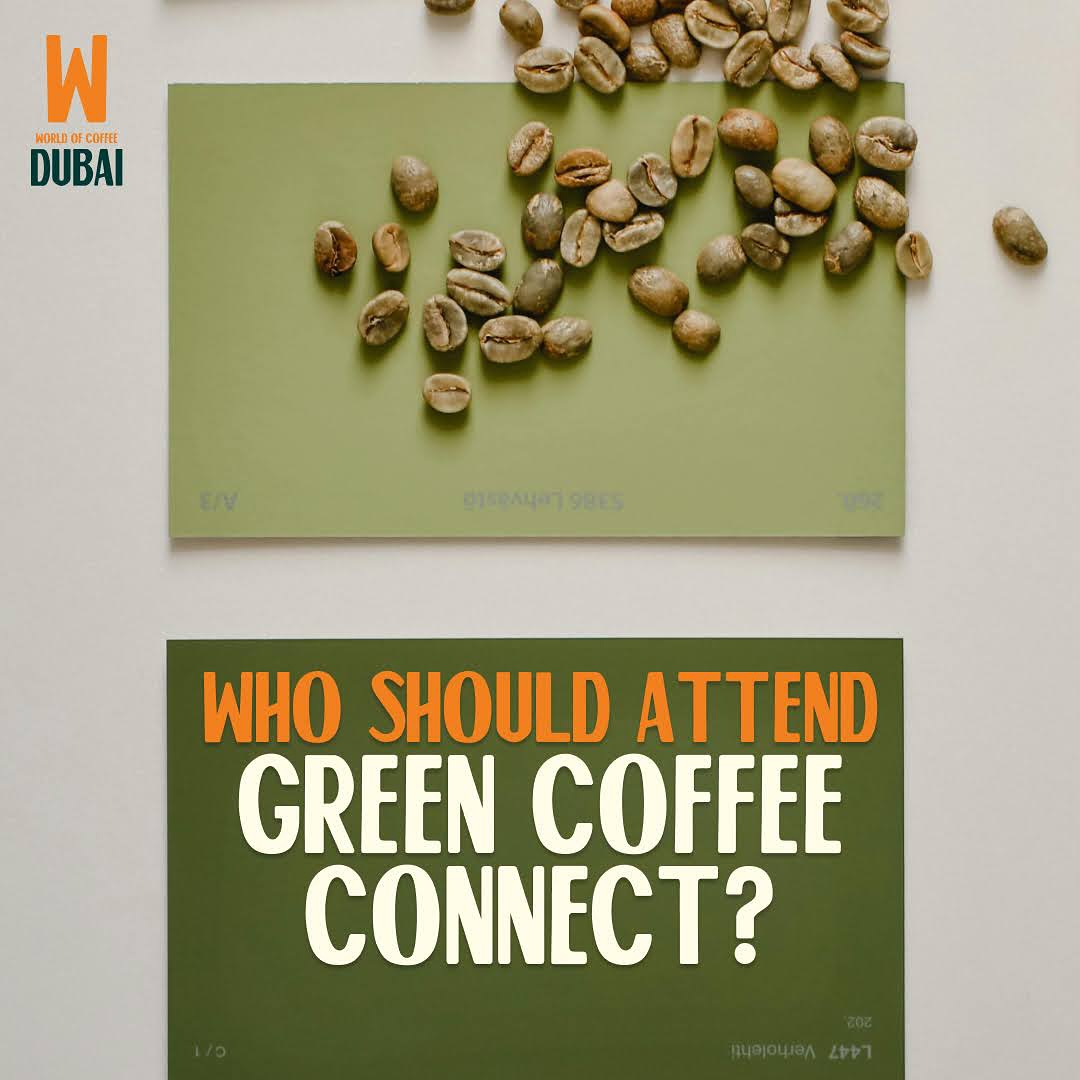
A major highlight this year is Green Coffee Connect, a dedicated space for green coffee enthusiasts, farmers, processors, traders, and experts to connect, exchange ideas, and explore the latest trends in sourcing strategies. This platform offers the perfect opportunity for those interested in sustainable and inclusive business practices to forge partnerships and share knowledge with industry leaders, helping shape the future of green coffee.

Diverse Exhibition Options for All Participants

This year, World of Coffee Dubai 2025 offers a variety of participation options tailored to suit different needs:

  • Space Only: Starting at AED 2,000 per square meter for standard locations, exhibitors can customize their booths with a minimum area of 12 sqm.
  • Standard Package: Priced at AED 300 per square meter (minimum 9 sqm), this package includes essential items such as tables, chairs, lighting, and power.
  • Hybrid Stands: Starting at AED 780 per square meter, exhibitors can combine custom designs with the standard package.

All options include exhibitor badges, public liability insurance, and a 15% discount on stands constructed by the exhibition’s exclusive partner, DXB LIVE.

Unique Experiences in Tasting, Roasting, and Cupping Rooms

The exhibition also offers unique opportunities for tasting and roasting. The Brew Bar allows brands and baristas to showcase their coffee, offering tastings to visitors. The cost is AED 2,000 for a 3-hour slot.

The Roaster Village is a hub for micro-roasters to demonstrate their roasting techniques and offer tastings. The cost is AED 9,000, including a counter, bar stool, power, drainage, and water supply.

The Cupping Rooms remain a key feature of the exhibition, providing space for exclusive tastings for a select group of participants at AED 1,600 per hour. All necessary equipment will be provided.

Visitor Registration & Early Bird Discounts

For those looking to attend, single-day tickets start at AED 75 for SCA members and AED 80 for non-members, while three-day tickets are available for AED 200 for SCA members and AED 220 for non-members with early registration until January 19, 2025. Onsite tickets will also be available during the event.

Book Your Spot Now!

From green coffee trading to micro-roasting, World of Coffee Dubai 2025 offers unlimited opportunities for learning, networking, and discovering the latest trends in specialty coffee. Don’t miss your chance to be part of this key regional event—book your stand, get your tickets, and join us in Dubai for the coffee celebration of the year!

Coffee Prices Decline as Global Supply Surges

Coffee prices took a dip on Friday as signs of increasing global supply influenced the market. December Arabica coffee futures (KCZ24) closed down -7.05 (-2.71%), while January ICE Robusta coffee (RMF25) fell by -110 (-2.45%).

Following a sharp rally on Thursday, coffee prices receded significantly, driven by an uptick in global supply. The International Coffee Organization (ICO) reported a substantial increase in coffee exports, with September figures showing a 25% year-over-year rise, totaling 10.76 million bags. The coffee year, running from October to September, saw total exports reach 137.27 million bags—a rise of 11.7% compared to the previous year. These figures are placing downward pressure on prices.

Although prices fell, underlying support stems from ongoing climate concerns in key coffee-producing countries. In Brazil, unusually dry conditions threaten to impact coffee yield. Minas Gerais, the nation’s largest Arabica-producing region, reported only 64% of its typical rainfall levels last week, according to Somar Meteorologia. These continued dry spells have damaged coffee trees during the crucial flowering stage, potentially reducing Brazil’s 2025/26 Arabica output.

Meanwhile, robusta prices remain buoyed by reports of heavy rainfall in Vietnam’s Central Highlands, raising fears of potential flooding. The region, currently entering harvest season, faces challenges from excessive rain that could impact production in Vietnam, the world’s largest robusta coffee producer.

Coffee inventories monitored by the ICE highlight a tightening supply environment. Although Arabica inventories earlier recovered from last year’s 24-year low, robusta stocks have recently reached a six-month low, adding further support to prices.

Despite short-term supply fluctuations, longer-term projections indicate a potential surplus. The ICO anticipates a 5.8% increase in global coffee production for the 2023/24 season, reaching a record 178 million bags. The USDA’s Foreign Agriculture Service (FAS) projects world coffee production in 2024/25 to rise by 4.2%, with increases in both Arabica and Robusta. This growth is anticipated to lead to a 7.7% rise in global ending stocks.

Brazil’s crop forecasting agency, Conab, reduced its production forecast for 2024 from 58.8 million bags to 54.8 million due to climate conditions. However, USDA estimates show Brazil’s Arabica production could see a 7.3% increase in 2024/25, with improved yields and expanded acreage.

In sum, coffee prices face a tug-of-war between immediate supply pressures and longer-term production growth, influenced by weather patterns and regional yields. These dynamics suggest that market volatility may persist as traders navigate these global trends.