Record Brazil Crop Expectations Weigh on Coffee Prices Despite Supply Tightness

Dubai – Qahwa World

Coffee markets are drifting lower, weighed down by mounting expectations of a very large crop in Brazil, even as supply-side tensions prevent sharper declines.

Arabica futures have slipped to their weakest levels in several weeks, reflecting growing confidence among analysts that Brazil’s next harvest could reach record territory. Forecasts from firms such as Marex Group, Sucafina, and StoneX all point toward a historically large 2026/27 crop clustered in the mid-70 million bag range. If realized, that would mark a significant year-on-year increase and help expand the global coffee surplus.

The supply outlook is also being shaped by developments in Vietnam, the world’s leading robusta producer. Export volumes have surged, with early-year shipments showing strong annual growth. Production is likewise expected to rise, potentially reaching a multi-year high, adding further pressure on prices.

Yet the market narrative is not entirely bearish. Tight inventories are offering some support, particularly for robusta, where exchange-monitored stockpiles have dropped to their lowest level in over a year, highlighting ongoing short-term supply constraints.

Geopolitical tensions are adding another layer of complexity. Disruptions linked to the Strait of Hormuz have pushed up freight and insurance costs, complicating global trade flows and increasing expenses for coffee importers and roasters.

Meanwhile, export data from Cecafé and Brazil’s trade authorities show a decline in March shipments compared to last year, lending some support to prices. Weather concerns also persist in key regions such as Minas Gerais, where below-average rainfall could still impact yields.

Global institutions, including the International Coffee Organization and the USDA Foreign Agricultural Service, continue to point to a nuanced outlook: overall production may rise, but with diverging trends between arabica and robusta, and tightening stock levels.

Taken together, the coffee market is navigating a delicate balance between expectations of abundant future supply and the realities of present-day constraints.

Coffee Prices Rise Amid Supply Concerns and Shipping Disruptions

Dubai – Qahwa World

Coffee futures moved higher, supported by growing concerns over global supply disruptions and tightening inventories. Arabica and robusta contracts both posted gains, with robusta showing stronger momentum.

A key driver behind the price increase is rising tension around the Strait of Hormuz. Reports of shipping disruptions have heightened concerns about global trade flows, leading to increased freight costs, insurance premiums, and fuel expenses. These factors are adding pressure on coffee importers and roasters, contributing to upward price movement.

Robusta prices are receiving additional support from declining exchange inventories, which have dropped to their lowest level in over a year. This signals tighter short-term availability in the market.

However, expectations of a large upcoming harvest in Brazil are limiting stronger price rallies. Several industry forecasts point to a record crop for the 2026/27 season, with projections consistently above 75 million bags. At the same time, estimates suggest a significant global surplus could emerge in 2026, potentially the largest in several years.

Vietnam’s export performance is also weighing on the market, particularly for robusta. Shipments have increased notably in early 2026, following strong export growth in the previous year. Production in Vietnam is also expected to rise, reaching multi-year highs, which could further ease supply constraints.

On the other hand, reduced exports from Brazil are offering some support to prices. Recent data shows a decline in shipments compared to last year, tightening near-term availability in the global market.

Weather conditions in Brazil remain another important factor. Below-average rainfall in key growing regions, particularly Minas Gerais, has raised concerns about crop yields, adding a bullish element to price outlooks.

Looking at the broader picture, global export volumes have shown slight weakness, while production forecasts indicate modest overall growth. Arabica output is expected to decline, while robusta production is projected to increase significantly. Meanwhile, global coffee inventories are forecast to shrink, suggesting that supply pressures may persist despite higher production in some regions.

Brazil’s Coffee Reality: When Climate Pressure Collides With Market Demand

Dubai – Qahwa World

This analysis is based on reporting first published by Dialogue Earth and written by Kevin Damasio. It has been adapted and republished by Qahwa World.

In the hills of Minas Gerais, where much of the world’s Arabica coffee is grown, a quiet transformation is underway. What was once a cycle of seasonal uncertainty has become a continuous struggle shaped by climate instability and shifting global demand.

This is no longer just a farming challenge. It is a defining moment for the future of coffee.

From Climate Variability to Climate Disruption

For generations, Brazilian coffee farmers adapted to occasional droughts, frosts, and irregular rains. Today, those events are no longer exceptions. They are part of a persistent pattern.

Longer dry periods, rising temperatures, and unpredictable rainfall are disrupting the biological rhythm of coffee itself. Flowering cycles are affected. Bean development becomes uneven. Yields lose consistency.

In regions like southern Minas Gerais, farmers are not asking if the weather will affect production. They are asking how severe the impact will be each year.

Scientific projections reinforce what farmers already experience on the ground. A significant share of Brazil’s Arabica-growing land faces the risk of becoming economically unviable in the coming decades if warming trends continue.

High Prices, Fragile Foundations

At the global level, coffee prices have surged as supply tightens. Brazil continues to generate record export revenues, even as shipment volumes fluctuate.

But this apparent strength hides a more fragile reality.

Higher prices are not translating into long-term security for producers. The cost of keeping coffee trees productive is rising. Irrigation systems, soil management, and climate-resistant varieties require investment. Losses from extreme weather events reduce financial resilience.

For many farmers, especially smallholders, the margin between survival and loss is narrowing.

The market is rewarding scarcity, but the conditions behind that scarcity are weakening the system that produces coffee.

The Retreat From Organic

One of the most telling shifts is happening in the field. Organic coffee production, once a growing segment, is under pressure.

Organic methods demand more labor, stricter management, and often higher costs. Under stable conditions, these systems can deliver value through quality and certification premiums. Under climate stress, they become harder to sustain.

As a result, some farmers are returning to conventional practices to secure more predictable yields. Even when they continue to limit chemical use, the shift reflects a deeper tension between sustainability and economic survival.

This raises an important question for the global coffee industry. Can sustainability commitments hold when producers face increasing climate risk and financial pressure?

Adaptation Becomes a Daily Practice

Across Minas Gerais, adaptation is no longer a long-term strategy. It is part of daily decision-making.

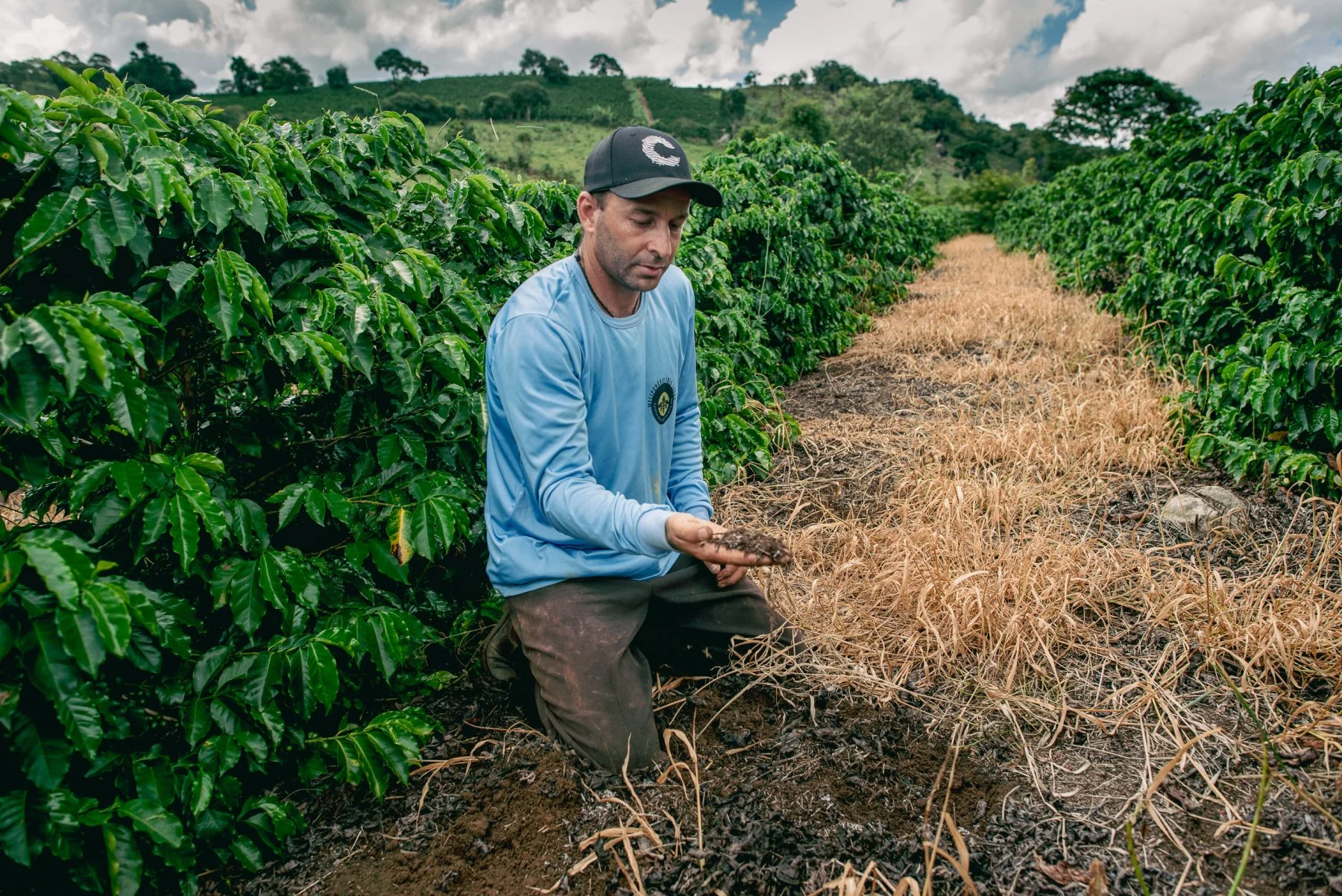
Farmers are replanting with more resilient Arabica varieties. They are improving soil cover to retain moisture. They are installing protective systems against hail and excessive sun.

Tree planting is gaining ground as a practical response. Shade reduces heat stress, stabilizes production, and creates microclimates that are more forgiving under extreme conditions.

Yet adaptation comes at a cost. Not every producer has equal access to credit, technical knowledge, or time to experiment. This creates a widening gap between those who can adjust and those who struggle to keep up.

Agroforestry and the Search for Balance

Among the emerging approaches, agroforestry stands out as both a return to coffee’s origins and a potential path forward.

By integrating trees, crops, and ecological processes, agroforestry systems aim to recreate the natural environment in which Arabica evolved. These systems can improve soil health, regulate water cycles, and reduce exposure to extreme weather.

Early results suggest strong potential in terms of resilience and quality. However, productivity gains are not always immediate, and management is more complex.

For many farmers, the question is not whether agroforestry works, but whether it is economically viable in the short term.

Without stronger institutional support, technical guidance, and market incentives, adoption is likely to remain limited.

A Changing Demand Landscape

While production faces mounting pressure, demand continues to expand.

Asia is becoming an increasingly influential force in global coffee consumption. Countries such as China, India, Indonesia, and Vietnam are reshaping how coffee is consumed, marketed, and valued.

For Brazilian producers and cooperatives, this shift offers new opportunities. It also introduces new expectations around volume, consistency, and price competitiveness.

This creates a delicate balance. Expanding into new markets may require scaling production, while climate realities are pushing toward more cautious and diversified farming systems.

The Future Is Being Rewritten in the Field

What is happening in Minas Gerais reflects a broader transformation across the global coffee sector.

Climate change is no longer a distant threat. It is actively redefining how coffee is grown. At the same time, market dynamics continue to evolve, creating both opportunity and pressure.

Farmers are responding with a mix of resilience, experimentation, and compromise. Some invest in new technologies. Others return to conventional methods. A few explore more complex ecological systems.

There is no single path forward.

What is clear is that the future of coffee will not be shaped by price alone. It will depend on how well the industry supports those at its foundation, the farmers who are adapting in real time to an increasingly uncertain environment.

For coffee, this is not just a moment of challenge. It is a moment of redefinition.
March 2026 Coffee Market Report: Global Prices Rebound Amid Geopolitical Tension

Global Coffee Market Report: March 2026

An In-Depth Expert Analysis by an Independent Journalist – Based on the Official ICO Coffee Market Report

Dubai – Qahwa World

The global coffee market experienced one of its most dramatic and multifaceted months in recent memory during March 2026. After three consecutive months of steady price erosion, the ICO Composite Indicator Price (I-CIP) staged a decisive rebound, averaging 273.70 US cents/lb, a solid 2.3% increase from February’s 267.57 US cents/lb. This recovery was not driven by traditional supply fundamentals alone. Instead, it was propelled by an abrupt and powerful geopolitical shock that temporarily overrode the market’s otherwise bearish supply outlook. The result was a case study in how external macro forces can intersect with coffee-specific dynamics to create extreme short-term volatility while leaving longer-term questions unresolved.

The Strait of Hormuz Crisis: A Geopolitical Black Swan for Commodities

The catalyst arrived on 4 March when the Strait of Hormuz was declared closed to vessels allied with the United States amid escalating conflict in the Middle East. Few waterways are as strategically vital: roughly 25% of the world’s seaborne oil trade and nearly 20% of global liquefied natural gas exports transit this narrow passage. The immediate consequences rippled far beyond energy markets. Brent crude prices breached $100 per barrel within days. Bunker fuel, container freight rates, and marine insurance premiums spiked simultaneously. Coffee traders, already navigating a complex supply picture, responded with aggressive risk-on buying.

You may read : ICO February 2026 Report: Has the Inflationary Wave Receded?

The ICO report highlights the dual impact on the sector. In the short term, higher shipping costs and energy expenses added upward pressure on physical coffee premiums. In the longer term, the disruption threatened fertilizer supply chains. The Gulf region is a major global fertilizer producer, and between one-quarter and one-third of the entire global fertilizer trade, including up to one-third of nitrogen fertilizers such as urea, passes through the strait. While the current 2025/26 crop cycle was largely insulated as most fertilizers had already been applied, any prolongation of the blockade would create risks for the 2026/27 season. This layered uncertainty injected a significant risk premium into coffee futures and physical markets.

March in Four Distinct Phases: A Masterclass in Market Psychology

Phase 1 – Geopolitical Rally (2–9 March): The month opened with the I-CIP at 267.40 US cents/lb. Within five trading days of the blockade announcement, risk-premium buying propelled prices to 278.77 US cents/lb, a 4.3% surge. The rally reflected surging energy costs, freight rates, and insurance premiums, which created a cost-push narrative embraced by coffee bulls.

Phase 2 – Sharp Correction (10–13 March): The market reversed sharply. On 10–11 March the I-CIP fell from 276.01 to 267.19 US cents/lb. The trigger was fundamentals. Leading brokerages Marex Group Plc and Sucafina released forecasts for Brazil’s 2026/27 crop at 75.9 million bags and 75.4 million bags respectively. By 13 March the I-CIP reached its monthly low of 265.50 US cents/lb. Risk appetite weakened further as broader financial markets rotated toward safe-haven assets.

Phase 3 – Stabilization and New Rally (14–24 March): Prices stabilized in the 269–271 US cents/lb range. Mixed signals emerged, including reports of limited vessel traffic through the Strait and persistent backwardation in the futures curve, indicating continued tightness in nearby supply.

Phase 4 – Late-Month Spike and Selloff (25–30 March): The rally faded as bearish catalysts returned. Rabobank reiterated its forecast of an 8.64 million-bag global surplus for 2026/27. Selling pressure intensified, and the month closed weaker despite the overall monthly gain.

This four-phase structure highlights a market shaped by competing forces: geopolitical risk provided temporary support, while expectations of record production capped upside momentum.

Divergent Performance Across Coffee Groups

  • Colombian Milds: +2.0% to 337.45 US cents/lb
  • Other Milds: +4.0% to 334.34 US cents/lb
  • Brazilian Naturals: +3.9% to 320.51 US cents/lb
  • Robustas: –1.6% to 176.77 US cents/lb

The London Robusta contract fell 2.5% to 161.91 US cents/lb, while New York Arabica futures rose 0.5% to 290.18 US cents/lb. Differentials reflected this divergence. The Colombian Milds–Other Milds gap narrowed from 9.54 to 3.12 US cents/lb. The Brazilian Naturals–Robustas gap widened to 143.74 US cents/lb, and the Other Milds–Robustas gap expanded to 157.57 US cents/lb. The arbitrage between London and New York futures increased to 128.27 US cents/lb.

You may also read: Global Coffee Market Roadmap—January 2026

Intra-day volatility eased slightly, with the I-CIP volatility falling to 9.8%. Robustas volatility rose to 10.9%. Certified stocks showed contrasting trends: London Robusta stocks contracted 10.7% to 0.66 million bags, while New York Arabica stocks increased 17.7% to 0.61 million bags.

February 2026 Export Data: The Underlying Supply Reality

While March prices reacted to geopolitics, February trade data revealed structural supply pressure. Global green-bean exports fell 9.0% year-on-year to 9.79 million bags. Total exports of all forms of coffee declined 5.7% to 11.46 million bags.

Regional Breakdown (All Forms of Coffee)

  • Asia & Oceania: –4.7% to 4.45 million bags. Vietnam’s exports fell 14.9% to 2.76 million bags due to the timing of Tết (Vietnamese Lunar New Year), which reduced working days. India partially offset this with a 38.5% increase.
  • South America: –21.8% to 3.61 million bags. Brazil and Colombia recorded significant declines in both exports and production.
  • Caribbean, Mexico & Central America: +30.0% to 1.98 million bags. Honduras led gains due to harvest timing shifts caused by previous weather disruptions.
  • Africa: +5.9% to 1.43 million bags, driven by Côte d’Ivoire.

Arabica’s share of total green-bean exports for the first five months of coffee year 2025/26 declined to 60.9% from 65.1% a year earlier.

Processed coffee exports showed strength, with soluble coffee rising 18.0% to 1.6 million bags and roasted exports increasing 85.1% from a low base.

Supply-Demand Balance: A Surplus on the Horizon

The ICO supply-demand balance for the coffee year beginning October 2024 shows world production at 177.51 million bags, up 5.2% year-on-year. Consumption rose 1.4% to 175.07 million bags. This results in a surplus of 2.44 million bags, marking a shift toward oversupply conditions.

Expert Perspective: What This Means for the Industry

March 2026 demonstrated the coffee market’s sensitivity to external shocks even in a structurally supply-heavy environment. Geopolitical developments provided temporary price support, but underlying fundamentals continued to reflect expectations of abundant supply, particularly from Brazil’s projected 2026/27 crop.

Input costs remain a key variable, particularly fertilizer supply chains linked to the Strait of Hormuz. Any prolonged disruption could influence production costs and future output. Meanwhile, widening Arabica–Robusta differentials and inter-market arbitrage opportunities reflect shifting trade dynamics across futures markets.

Conclusion

The March 2026 coffee market absorbed a significant geopolitical shock while maintaining its broader supply-driven trajectory. The ICO Composite Indicator Price rose 2.3%, halting a three-month decline. However, volatility and late-month weakness reinforced the dominance of supply expectations in shaping market direction. Attention now turns to developments affecting logistics, input costs, and the 2026/27 production cycle.

All data, figures, and phase descriptions are drawn directly and exclusively from the International Coffee Organization’s official Coffee Market Report – March 2026. Analysis and contextual commentary are the independent assessment of the author.


Strength in the Brazilian Real Boosts Coffee Prices

Dubai – Qahwa World

Coffee futures moved higher on Friday, supported by currency strength and supply dynamics. May arabica coffee (KCK26) rose by +6.40 points (+2.18%), while May ICE robusta coffee (RMK26) gained +14 points (+0.42%).

Arabica prices reached a one-week high, while robusta rebounded from its lowest level in 8.5 months in nearby futures. The rally was largely driven by the appreciation of the Brazilian real, which climbed to a two-year high against the US dollar. A stronger real tends to discourage export selling by Brazilian producers, tightening global supply.

Supply Trends and Inventory Movements

Tight robusta supplies continue to support prices. ICE-monitored robusta inventories declined to 3,977 lots, marking a 1.25-year low. In contrast, arabica inventories have increased, limiting price gains. ICE arabica stocks rose to 585,621 bags on March 18, the highest level in more than six months.

Shipping Disruptions Impact Global Trade

The closure of the Strait of Hormuz has disrupted global shipping routes, tightening coffee supplies worldwide. The disruption has increased freight rates, insurance costs, and fuel expenses, raising overall costs for coffee importers and roasters.

Weather Conditions in Brazil Support Prices

Weather conditions in Brazil are also providing support. Somar Meteorologia reported that Minas Gerais, the country’s largest arabica-growing region, received 11.7 mm of rainfall last week, representing only 47% of the historical average. Below-normal rainfall may affect crop development and support prices.

Record Crop Expectations Weigh on Market Sentiment

Despite current support factors, expectations of a record Brazilian coffee crop continue to pressure the market. On March 19, Marex Group Plc projected Brazil’s 2026/27 coffee production at 75.9 million bags, exceeding Sucafina’s estimate of 75.4 million bags and marking a 15.5% year-on-year increase.

On March 12, StoneX raised its forecast to 75.3 million bags, up from a previous estimate of 70.7 million bags. The firm also expects the global coffee surplus to expand to 10 million bags in 2026, compared to 1.8 million bags in 2025, representing the largest surplus in six years.

Vietnam Export Growth Pressures Robusta

Rising exports from Vietnam, the world’s largest robusta producer, are weighing on prices. Vietnam’s National Statistics Office reported that coffee exports in the first quarter of 2026 increased by 14% year-on-year to 585,000 metric tons.

In 2025, exports rose by 17.5% to 1.58 million metric tons. Production for the 2025/26 season is expected to increase by 6% to 1.76 million metric tons (29.4 million bags), reaching a four-year high.

Decline in Brazilian Exports Offers Support

Recent export data from Brazil provided additional support to prices. Cecafe reported that green coffee exports in February fell by 27% year-on-year to 2.3 million bags. Meanwhile, Brazil’s Trade Ministry reported a 31% decline in March exports to 151,000 metric tons.

Recent Price Trends and Global Outlook

Coffee prices declined sharply in February, with arabica falling to a 16.75-month low on February 24 due to expectations of strong Brazilian supply.

Brazil’s crop agency Conab projected on February 5 that 2026 coffee production would rise by 17.2% year-on-year to a record 66.2 million bags. Arabica output is expected to increase by 23.2% to 44.1 million bags, while robusta production is forecast to grow by 6.3% to 22.1 million bags.

Rabobank reported on March 4 that global coffee production for the 2026/27 season is expected to reach a record 180 million bags, about 8 million bags higher than the previous year.

Global Trade and Production Forecasts

The International Coffee Organization (ICO) reported on November 7 that global coffee exports for the current marketing year (October to September) declined by 0.3% year-on-year to 138.658 million bags.

The USDA’s Foreign Agriculture Service (FAS) projected in its December 18 report that global coffee production for 2025/26 will increase by 2.0% to a record 178.848 million bags. Arabica production is expected to decline by 4.7% to 95.515 million bags, while robusta output is forecast to rise by 10.9% to 83.333 million bags.

FAS also estimates that Brazil’s 2025/26 coffee production will fall by 3.1% to 63 million bags, while Vietnam’s production will increase by 6.2% to 30.8 million bags. Ending stocks for the 2025/26 season are projected to decline by 5.4% to 20.148 million bags, down from 21.307 million bags in 2024/25.

Brazil Crop Expectations Weigh on Coffee Prices

Dubai – Qahwa World

Coffee prices remain under pressure as the market continues to digest expectations of a large upcoming crop in Brazil. May arabica coffee declined by 0.65%, while May robusta slipped 0.69%, extending recent losses.

Arabica futures recently touched a three-week low, while robusta fell to its weakest nearby level in eight months. The downward trend is largely driven by forecasts pointing to record production in Brazil. Estimates from multiple analysts suggest the 2026/27 crop could reach between 75.3 and 75.9 million bags, representing a significant year-on-year increase.

At the same time, projections indicate a widening global coffee surplus. Estimates suggest the surplus could expand to 10 million bags in 2026, up sharply from 1.8 million bags in 2025, marking the largest surplus in six years.

Additional pressure is coming from Vietnam, the world’s leading robusta producer. Coffee exports from Vietnam rose 14% year-on-year in the first quarter, reaching 585,000 metric tons. Full-year exports in 2025 increased by 17.5%, while production for the 2025/26 season is expected to rise 6% to a four-year high.

Despite these bearish factors, some elements are offering support to prices. Weather conditions in Brazil remain a concern, with below-average rainfall in key growing regions such as Minas Gerais. Recent data shows rainfall at just 47% of the historical average, raising questions about crop development.

Supply dynamics are also mixed. Robusta inventories have tightened, with exchange-monitored stocks falling to a 15-month low. In contrast, arabica inventories have increased, reaching their highest level in over six months, adding further pressure to that segment of the market.

Export data from Brazil has provided some price support. Green coffee exports fell 27% year-on-year in February, while March exports dropped 31%, indicating a slowdown in shipments.

Looking back, coffee prices already experienced a sharp selloff in February, when arabica dropped to a 16.75-month low amid early signs of a strong Brazilian crop. Brazil’s official crop agency has projected a substantial increase in production, while global output is also expected to reach record levels in the 2026/27 season.

On a broader scale, global coffee production is forecast to rise modestly in 2025/26, driven by strong growth in robusta output, particularly from Vietnam. However, ending stocks are expected to decline, suggesting that supply tightness could still emerge in certain segments of the market.

Top Coffee Producers 2026

Dubai Qahwa World

As of April 2026, the global coffee market is undergoing a pivotal shift. Data from the International Coffee Organization (ICO) and the USDA show that the 2025/26 coffee year (October 2025–September 2026) has delivered record global supply, easing the extreme price pressures seen in 2024 and early 2025. World production is forecast at 178.8 million 60-kg bags (up 2% or +3.5 million bags year-on-year), while consumption reaches a record 173.9 million bags (+1.3%). Ending stocks remain tight at approximately 20.1 million bags, marking the fifth consecutive decline. Nevertheless, improved supply has caused ICO Composite Indicator Prices to drop sharply in early 2026 (February average: 267.57 US cents/lb, -9.9% month-on-month).

This supply surplus is driven by strong recoveries in Vietnam and Indonesia, record Ethiopian output, and steady performance in Brazil, despite drought impacts on key Arabica regions. National updates, including Brazil’s Conab first survey in February 2026, indicate an even stronger 2026 harvest, which could push global supply higher for 2026/27.

Top 10 Coffee-Producing Countries (2025/26 Forecast)

Data primarily from USDA December 2025 report, cross-verified with national sources and market analyses. Figures are green coffee equivalents. Percentages approximate global share.

Rank Country Production (M bags) % Global Main Variety YoY Change Key Notes
1 Brazil 63.0 ~35% Arabica (60%), Robusta/Conilon (40%) -2.0M (drought offset by Robusta gains) Record Robusta; Arabica hit by weather
2 Vietnam 30.8 ~17% Robusta (~95%) Recovery (+ higher yields) Fertilizer investment boosted output
3 Colombia 13.8 ~8% Arabica (100%, washed) -1.0M (excess rain/rust risk) Disease-resistant varieties helped
4 Indonesia ~12.5 ~7% Robusta (dominant) +1.7M (Robusta) Smallholder-dominated; favorable weather
5 Ethiopia 11.6 ~6.5% Arabica (specialty) Record (+0.5M) New varieties and pruning
6 Uganda ~6.9 ~3.9% Robusta Steady growth African Robusta leader
7 Honduras ~5.5–6.0 ~3% Arabica Part of Central America rebound Strong regional contributor
8 India ~5–6 ~3% Robusta (65%), Arabica (35%) Stable Specialty and organic focus
9 Peru ~4.2–5 ~2.5% Arabica (specialty/organic) Steady Premium export growth
10 Mexico / Guatemala ~3.8 each ~2% each Arabica Modest Central America/Mexico rebound

Total top 5: ~131.7M bags (~74% of world production). Latin America dominates Arabica; Asia leads Robusta.

Country Profiles: Drivers, Challenges, and 2026 Outlook

Brazil – World Leader (~35% of Global Supply)

Brazil remains the top producer. The 2025/26 crop saw Arabica decline to ~38M bags due to drought and high temperatures in Minas Gerais and São Paulo. Robusta surged to a record ~25M bags in Espírito Santo and Bahia thanks to better rainfall. Exports are forecast at ~37M bags.

  • Trends: Biennial cycle plus large-scale production with technology and irrigation. Funcafé funding supports the sector.
  • Challenges: Climate volatility, water stress, and EU Deforestation Regulation (EUDR) compliance.
  • 2026 Outlook: Conab’s February 2026 survey projects a record 66.2M bags (+17.1% YoY): Arabica +23.3% to 44.1M, Robusta +6.4% to 22.1M. This would surpass the 2020/21 record harvest.

Vietnam – Robusta Powerhouse

Nearly all output is Robusta, used in instant coffee and blends. Production rebounded due to favorable weather and higher input spending. Exports projected at 24.6M bags (+2.3M).

  • Trends: Export-oriented, rapid post-1990s expansion.
  • Challenges: Climate vulnerability in highlands; past dry spells.
  • 2026 Outlook: Continued recovery expected; early 2026 data shows strong export growth.

Colombia – Premium Arabica Specialist

100% washed Arabica. 2025/26 saw a modest decline due to excessive rains and cloud cover affecting flowering and rust risk. Disease-resistant varieties, such as Castillo, mitigated losses. Exports ~11.5M bags.

  • Trends: Focus on quality; yield improvements ongoing.
  • Challenges: Weather cycles, labor costs, altitude sensitivity.
  • 2026 Outlook: Rebound likely under normal conditions; key supplier to specialty markets.

Indonesia – Diverse Robusta and Specialty

Robusta dominates Sumatra and Java; small Arabica areas in the north. Production rose due to favorable weather and labor availability. Smallholder plots average 1 ha. Exports: green coffee +1.7M to 7.8M bags.

  • Trends: Stable land area (~1.2M ha), significant soluble coffee exports.
  • Challenges: Minimal fertilizer use, climate extremes.
  • 2026 Outlook: Stable supply to EU, US, and emerging markets expected.

Ethiopia – Africa’s Specialty Arabica Leader

Record 11.6M bags driven by adoption of higher-yielding varieties and pruning. Exports ~7.8M bags.

  • Trends: Natural and semi-washed processing; heirloom varieties remain globally sought.
  • Challenges: Smallholder fragmentation, highland climate variability, infrastructure limits.
  • 2026 Outlook: Growth likely if variety upgrades continue; specialty segment driver.

Emerging/Other Notable Producers

Uganda, Honduras, India, Peru, Mexico, and Guatemala produce the remaining ~25%. They are critical for Robusta (Uganda) and specialty/organic Arabica (Peru, India, Honduras). Central America/Mexico region rebounded +1.1M bags. India emphasizes premium niches (Monsoon Malabar, organic). All face smallholder and climate challenges but benefit from growing specialty demand.

Broader Trends Shaping 2026 and Beyond

  • Climate Change & Resilience: Droughts and excessive rains highlight vulnerability. By 2050, suitable coffee land may shrink significantly without adaptation.
  • Sustainability & Regulation: EUDR deadlines pressure exporters on traceability. Certifications (Fairtrade, organic, Rainforest Alliance) are growing, especially in Ethiopia, Colombia, and Peru.
  • Market Dynamics: High prices in 2024–25 spurred investment and supply recovery. Robusta exports surged in early 2025/26. Specialty demand remains robust.
  • Economic Impact: Coffee supports ~12.5 million farming households. Brazil and Vietnam dominate exports. Smallholders remain most vulnerable to volatility.
  • 2026/27 Outlook: Early forecasts indicate potential production above 180M bags if Brazil’s record harvest occurs and recoveries hold. Emerging markets will continue driving consumption growth.

Summary

2026 marks a transition from shortage-driven high prices to a more balanced, though still tight-stocks, market. Brazil’s dominance is set to strengthen, while Vietnam, Indonesia, and Ethiopia solidify their positions in Robusta and specialty segments. Long-term success depends on climate adaptation, sustainability, and innovation in varieties and processing. Opportunities abound in premium positioning and supply-chain resilience amid record availability.

This report draws on official forecasts as of early 2026. Data may be refined with subsequent national surveys, including Conab updates. Customized analysis, including by variety, export flows, or price scenarios, can be provided upon request.


Coffee Prices Fall as Supply Outlook Improves

Dubai – Qahwa World

Coffee futures declined sharply on Tuesday, with both arabica and robusta posting significant losses. Arabica reached its lowest level in about three weeks, while robusta dropped to its weakest nearby level in roughly eight months.

The recent downward trend is mainly linked to expectations of a large coffee harvest in Brazil. Updated projections for the 2026 to 2027 season indicate production exceeding 75 million bags, marking a strong increase compared to earlier estimates and last year’s output.

Global supply expectations are also shifting. Forecasts indicate a widening surplus in 2026, with estimates rising sharply from the previous year and pointing to the largest surplus in several years.

Vietnam, the world’s leading robusta producer, is adding further pressure on prices. Export volumes have increased notably, including strong growth in the first quarter of 2026 compared to the same period last year. Annual export data for 2025 also showed solid gains. Production is expected to rise as well, reaching the highest level in about four years.

Shipping disruptions linked to the Strait of Hormuz have created additional challenges for the market. Higher freight costs, insurance expenses, and fuel prices are raising costs for importers and roasters despite the overall improvement in supply expectations.

Weather conditions in Brazil are providing some support to prices. Key growing regions such as Minas Gerais have received less rainfall than usual, which may affect crop development if dry conditions continue.

Inventory data shows mixed signals. Robusta stock levels have declined to multi month lows, suggesting tighter short term availability. In contrast, arabica inventories have increased, adding pressure on prices.

Brazil’s export performance has also shown some weakness. Shipments of green coffee fell significantly in February compared to the previous year, and total exports also recorded a noticeable decline.

Earlier in the year, coffee prices had already come under pressure. Arabica dropped sharply in February, reaching its lowest level in more than a year as expectations for strong production increased. Official forecasts in Brazil indicate higher output for both arabica and robusta.

At the global level, production is expected to reach a record in the 2026 to 2027 season, increasing by several million bags compared to the previous year.

Despite the overall bearish outlook, some tightening factors remain. Global export data shows a slight decline during the current marketing year, while ending stocks are expected to decrease modestly by the end of the 2025 to 2026 season.

The coffee market remains driven by the balance between strong supply expectations and localized constraints, with attention focused on weather conditions, export trends, and inventory levels.

Brazilian Real Boosts Arabica Coffee Prices

Dubai – Qahwa World

Arabica coffee prices rose on Monday, supported by a stronger Brazilian real, while expectations of a growing global surplus continued to limit gains.

Futures posted modest increases, while robusta trading remained inactive due to a market holiday in the United Kingdom.

The main support came from the Brazilian currency, which climbed to its highest level in several weeks against the US dollar. A stronger real typically reduces export incentives for Brazilian producers, the world’s largest coffee growers, tightening supply in international markets.

However, price gains remained capped by projections pointing to a widening global coffee surplus, expected to reach around 10 million bags in 2026, significantly higher than the previous year and marking the largest surplus in several years.

At the same time, expectations of a strong crop in Brazil continued to weigh on the market, with estimates suggesting production could exceed 75 million bags in the upcoming season, reinforcing global supply.

Despite these pressures, prices found some support from disruptions in global supply chains following the closure of a key maritime route, which led to higher shipping and insurance costs.

Weather conditions in Brazil also contributed to market support, as key arabica-growing regions recorded below-average rainfall, raising concerns about potential impacts on crop development.

Meanwhile, inventory data showed mixed signals, with robusta stocks declining while arabica inventories increased, reflecting an uneven balance in the market.

Brazil’s coffee exports also declined on a yearly basis, providing additional support to prices.

Overall, expectations of rising global production, along with increasing robusta output and higher exports from major producers such as Vietnam, continue to act as key downward pressures on the market in the period ahead.


Vietnam Sets the Stage for a Record-Breaking Coffee Export Year

Dubai – Qahwa World

Vietnam has entered 2026 with remarkable momentum, signaling a potential record year for coffee exports. Early data from Vietnam Customs points to a rapid acceleration in shipments of green coffee, processed products, and various bean varieties, surpassing activity from the same period last year. Export values have also climbed sharply, solidifying coffee as one of Vietnam’s top agricultural earners and highlighting the country’s growing influence in the global coffee market.

The surge is driven not only by higher volumes but also by expanding international demand. Key markets, including Germany, Spain, Italy, Algeria, and Japan, have reported stronger imports in the early weeks of the year. Vietnam’s coffee is increasingly recognized across Europe, North Africa, and Asia as an essential supplier, with both import value and volume showing steady growth.

Within Vietnam’s export portfolio, robusta remains the backbone of the trade, generating substantial earnings. Arabica, though a smaller portion of production, has seen notable gains due to rising global interest in specialty origins and Vietnam’s strategic focus on diversifying its offerings. Meanwhile, processed coffee products are showing strong performance, reflecting a shift toward value-added exports. Industry experts view this as evidence that Vietnam is moving beyond commodity-based trade toward a more vertically integrated model capable of competing in premium markets.

You mat read this: Vietnam Suspends Decree 46, Easing Coffee Trade

The strong start to 2026 builds on an already exceptional 2025, when Vietnam achieved its highest-ever coffee export volumes and revenues. The Vietnam Coffee and Cocoa Association predicts that the current harvest could exceed these records, aided by improved growing conditions, increased investment in farm inputs, and higher market prices—all contributing to stronger yields and production potential.

International observers echo this optimism. The U.S. Department of Agriculture (USDA) projects substantial growth in Vietnam’s coffee production, citing farmers’ responsiveness to global price increases and enhanced crop management practices. USDA forecasts also point to rising exports across multiple categories, including roasted and soluble coffee, with Asian markets expected to drive significant demand.

According to the USDA’s December revision, Vietnam’s 2025/26 coffee exports are expected to reach 27.3 million bags GBE, up 8% from the previous year. Early customs data indicate actual shipments of green beans, roasted, and soluble coffee may already be higher, supported by increased sales to international tourists.

You may like: Vietnam’s Coffee Crisis Could Disrupt Global Supply Chains

Global trends, however, are shaping a more competitive landscape. Analysts warn that supply may increase across traditional coffee-producing regions, potentially pressuring prices. Vietnam’s efficiency, productivity, and diversified product offerings, along with investments in quality control and traceability, position its coffee sector to navigate these shifts with resilience.

Taken together, the early 2026 developments suggest Vietnam is entering a defining phase in its coffee-export story. Strong demand, recognition in global markets, expansion into processed coffee, and robust domestic and international support all point to a landmark year ahead. If these trends continue, Vietnam is poised to reinforce its position as a global coffee powerhouse while setting new benchmarks for high-volume, value-added exports.

Dollar Strength and Brazil Crop Pressure Coffee Prices

Dubai – Qahwa World

Coffee prices moved lower as a stronger dollar and expectations of a record Brazilian crop continued to weigh on the market, while a mix of supply, weather, and trade factors shaped overall sentiment.

May arabica coffee fell by 0.95 points, or 0.32%, while May robusta declined by 48 points, or 1.36%, reflecting pressure linked to currency strength and improving supply expectations.

The outlook for Brazil’s next crop remains a central driver. Marex Group projected the country’s 2026 and 2027 coffee production at a record 75.9 million bags, exceeding Sucafina’s estimate of 75.4 million bags, which represents a 15.5% increase year on year. Earlier in the month, StoneX raised its forecast to 75.3 million bags, up from a previous estimate of 70.7 million bags.

Despite this pressure, tight supplies of robusta coffee provided some support. Inventories monitored by the exchange fell to 4,093 lots, the lowest level in three and a half months. In contrast, arabica inventories rose to 585,621 bags, marking a six and a quarter month high and adding further downward pressure on prices.

Global logistics disruptions added complexity to the market. The closure of the Strait of Hormuz has affected shipping flows, increasing freight rates, insurance costs, and fuel expenses, raising costs for importers and roasters while tightening supply chains.

Weather conditions in Brazil also played a role. Rainfall in Minas Gerais, the country’s largest arabica-producing region, reached 11.7 millimeters last week, or 47% of the historical average, according to Somar Meteorologia. Below-normal rainfall typically supports prices, though this effect has been offset by broader supply expectations.

Trade data provided mixed signals. Brazil’s green coffee exports in February fell by 27% year on year to 2.3 million bags, according to Cecafe. Meanwhile, the country’s Trade Ministry reported that total coffee exports declined by 17.4% over the same period to 142,000 metric tons, offering some underlying support.

Earlier this year, coffee prices had already faced significant pressure. In February, arabica dropped to a 16.25-month low as expectations of a large Brazilian crop strengthened the global supply outlook. Brazil’s crop agency Conab said production in 2026 is expected to rise by 17.2% year on year to a record 66.2 million bags, including a 23.2% increase in arabica to 44.1 million bags and a 6.3% rise in robusta to 22.1 million bags.

At the global level, Rabobank projected that coffee production will reach a record 180 million bags in the 2026 and 2027 season, up by about 8 million bags from the previous year.

Vietnam, the world’s largest producer of robusta coffee, added to bearish sentiment. The country reported a 14% increase in exports during the first two months of 2026 to 366,000 metric tons. Exports for 2025 rose by 17.5% to 1.58 million metric tons, while production for the 2025 and 2026 season is expected to increase by 6% to a four-year high of 29.4 million bags.

Additional data from the International Coffee Organization showed that global coffee exports for the current marketing year edged down by 0.3% to 138.658 million bags.

Meanwhile, the U.S. Department of Agriculture’s Foreign Agriculture Service projected that global coffee production for the 2025 and 2026 season will increase by 2% to a record 178.848 million bags. The report also indicated a 4.7% decline in arabica production to 95.515 million bags and a 10.9% increase in robusta output to 83.333 million bags.

The agency expects Brazil’s production for the same season to fall by 3.1% to 63 million bags, while Vietnam’s output is forecast to rise by 6.2% to 30.8 million bags. Ending stocks are projected to decline by 5.4% to 20.148 million bags, down from 21.307 million bags in the previous season.

Together, these factors highlight a market caught between rising global supply expectations and ongoing logistical disruptions, weather concerns, and shifting inventory levels, leaving coffee prices under continued pressure.

Brazil Breeds New Coffee to Face Climate Threat

Campinas – Qahwa World

A recent report published by Reuters highlights growing efforts by Brazilian researchers to safeguard the future of arabica coffee as climate pressures intensify worldwide.

At the Campinas Agronomy Institute in southeastern Brazil, agronomist Oliveiro Guerreiro Filho is working among a diverse collection of coffee plants that differs sharply from the uniform rows seen across most commercial farms. The site brings together a wide range of species, including 15 rare and non-commercial varieties such as racemosa, liberica and stenophylla.

Researchers believe these lesser-known species may hold the genetic traits needed to strengthen arabica, which remains the most widely consumed coffee in the world.

You may like: Brazilian farmer aims to sell rare coffee for nearly $20,000 per bag

Scientists warn that arabica is increasingly vulnerable to rising temperatures and shifting weather patterns. Production in key countries, including Brazil, is expected to face mounting pressure in the coming decades.

According to a report by Rabobank, up to 20 percent of current arabica-growing areas could become unsuitable for cultivation by 2050.

In response, researchers are working to introduce genetic material from more resilient species into arabica plants. The goal is to develop new varieties that can better tolerate heat, drought and disease.

Liberica has attracted particular attention due to its ability to withstand hotter and drier conditions. Farmers in Southeast Asia, especially in Indonesia and Malaysia, have already begun testing the species on a small scale.

Jason Liew, founder of a coffee plantation in Malaysia’s Johor state, said liberica performs well in high temperatures and shows strong resistance to disease.

Brazilian researchers are focusing on transferring such traits into arabica, given its dominant position in global markets.

Guerreiro Filho said the institute has spent years working to transfer drought-tolerance genes from racemosa into arabica in an effort to produce more resilient plants.

The process is long and complex. It involves cross-breeding and exposing new hybrids to harsh conditions to identify the strongest varieties. This work can take between 20 and 30 years.

You may like to read: Coffee Pulp in Brazil: When the Coffee Cherry Refuses to Be Waste

Beyond climate resilience, researchers are also testing hybrids for improved resistance to pests and diseases while maintaining quality. Some crosses have shown stronger resistance to coffee rust, while others perform better against leaf miner larvae.

Rodolfo Oliveira of Brazil’s agricultural research agency emphasized that working with alternative coffee species is essential, noting that arabica has a very narrow genetic base, which increases its vulnerability to environmental threats.

As climate challenges continue to grow, efforts like those underway in Campinas may play a critical role in securing the future of coffee production.