ICO and ITC Expand Training Programme to Strengthen Links Between Origin and Specialty Coffee Markets

Dubai – Qahwa World

The International Coffee Organization highlights a strategic direction focused on building stronger connections between origin and specialty markets, emphasizing that stronger links between origin and specialty markets mean stronger opportunities for coffee producers.

The organization expresses pride in its partnership with the International Trade Centre in supporting initiatives designed to bridge this gap, connect producers more directly with high value markets, promote value addition at origin, and strengthen knowledge across the coffee value chain. The shared objective is clearly defined as working towards a coffee sector that is more inclusive, transparent and sustainable for everyone.

This vision is further reflected in the initiative titled Bridging the gap between origin and specialty coffee markets, which brings together Ethiopia, Honduras and other producing countries through a structured training partnership.

The programme demonstrates how coffee producers and cooperatives are being guided to understand specialty markets, build skills to connect with the right buyers, and communicate their identity with confidence. The central idea is a shift in role, expressed in the objective to evolve from simply delivering their coffee to actively selling it.

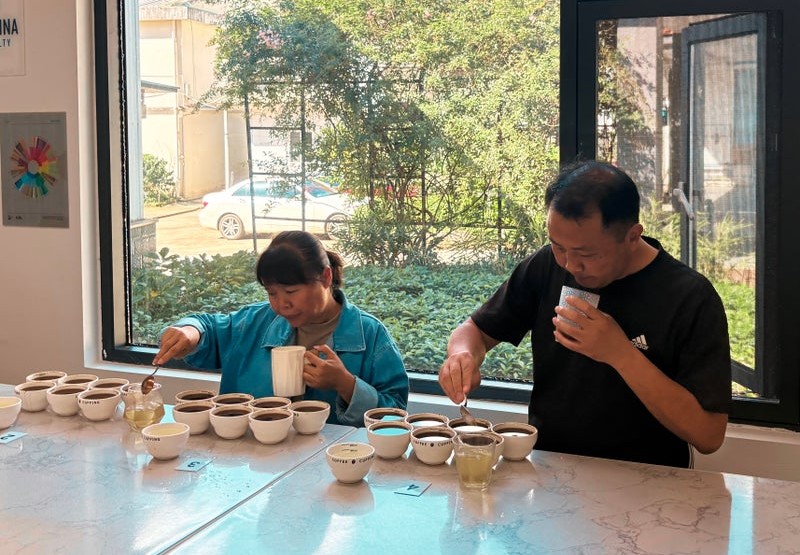
The International Trade Centre has partnered with the Specialty Coffee Association and the International Coffee Organization to deliver a series of practical workshops under the banner Introduction to Specialty Coffee Markets. These workshops are implemented through ITC’s ACP Business-Friendly and CLEAR Supply Chains projects, and are designed to strengthen market readiness and commercial positioning for coffee producers across origin countries.

The training structure is consistent across sessions and focuses on three core areas. It begins with understanding what makes a coffee specialty and how farm level decisions shape quality. It continues with identifying the right market segment for a given coffee profile. It concludes with learning how to communicate effectively with buyers and telling the cooperative’s story in a way that resonates across cultures and commercial contexts.

The first edition took place on 3 February 2026 in Addis Ababa, Ethiopia, bringing together 21 participants including cooperative representatives from Uganda. The session was delivered by Sara Yirga, a certified specialty coffee trainer and ITC consultant based in Ethiopia. A second edition followed on 19 March in San Pedro Sula, Honduras, with 32 participants consisting of 17 men and 15 women from cooperatives and producer organizations across the country, led by Andrés Montenegro, Specialty Coffee Association Sustainability Director. A third edition is planned ahead of World of Coffee Brussels which takes place on 24 June this year, with further editions planned across producing countries before year’s end.

The Honduras session brought together stakeholders from across the value chain including cooperatives, roasters and exporters. Participants described the training as a turning point in how they understand their position in the global specialty market. In Ethiopia, feedback highlighted immediate practical changes, including plans to approach different markets with greater specificity, tailor farm stories to buyer profiles, and engage more actively in the wider coffee world through events and social media.

  • Participant reflections illustrate the impact of the programme.

Karla María Cartagena from Cafico stated: “Participating in this workshop was a very enriching experience. It allowed us to strengthen our knowledge about specialty coffee markets and reaffirm the value of the work we do as an organization to position our coffee internationally.”

Orlin Alvarado from Proexo noted: “The training provided key tools for improving decision-making across the coffee value chain, from understanding intrinsic and extrinsic coffee attributes to learning how to strategically position our coffee in the specialty segment.”

Kristy Matamoros from Olanch Café said: “For Olanch Café, participating in this workshop reaffirms our commitment to excellence. A practical, dynamic, and enriching experience that broadened our strategic vision and motivates us to continue elevating our role within specialty coffee.”

Maira Lizzeth Gómez from COMIPRONIL Cooperative in Honduras shared: “It was our first time participating in a training on this topic. This learning motivates us to continue improving our processes and to identify new opportunities in the specialty coffee market. I am deeply grateful for these opportunities that strengthen our capabilities and contribute to the growth of our cooperative.”

From Ethiopia, Degaga Wakahum of Yedesta Buna Trading PLC said: “The introduction to the specialty marketing pilot programme was really good. It put everything in simple terms and made it easy to understand. Now I can easily compile information and put it in a way that the market can easily understand and aligned with the value attributes they want to focus on.”

Horom Teshome from Buunni Coffee added: “This training focused on three main areas: knowing the product, the market, and the right fit. It was a very insightful training. Especially for someone like me who’s very new to the coffee industry. It was practical, engaging, and experimental.”

The broader project framework is anchored in two major development initiatives. The ACP Business-Friendly Programme is funded by the European Union and the Organisation of African, Caribbean and Pacific States and jointly implemented by ITC’s Alliances for Action, the World Bank and UNIDO. It aims to improve the ability of agribusiness firms in ACP countries to compete, grow and prosper in domestic, regional, and international markets through inclusive and sustainable agricultural value chains that value all stakeholders from farm to shelf.

The CLEAR Supply Chains project, funded by the European Union, brings together the International Trade Centre, the International Labour Organization as the leading UN agency, the Food and Agricultural Organization, and the United Nations Children’s Fund. It focuses on addressing the root causes of child labour in supply chains, with a primary focus on coffee, while supporting farmer organizations, micro, small and medium enterprises, and value chain actors in strengthening commercial value, sustainability, Human Rights and Environmental Diligence alignment, and incomes for smallholder farmers in coffee producing countries including Uganda, Honduras, DRC and Vietnam.

Together, these efforts reflect a coordinated approach to strengthening origin capacity, improving market access, and building a more transparent and sustainable global coffee sector.

India’s Coffee Market Gains Momentum as Specialty Segment and Café Chains Expand

Dubai – Qahwa World

The Cimbali Group has shared new insights on its LinkedIn account highlighting the ongoing transformation of India’s coffee market, driven by the rise of specialty coffee and the rapid expansion of café chains.

Traditionally a tea-dominated country, India is witnessing a steady increase in coffee consumption, particularly among younger, urban consumers. Changing lifestyles, rising disposable incomes, and greater exposure to global coffee trends are contributing to this shift. According to industry estimates referenced in the report, the Indian coffee market is expected to grow at an annual rate of around 9–10 percent through 2030.

The report points to the growing influence of specialty coffee across major cities such as Bangalore, Mumbai, and Delhi, as well as emerging urban centers including Ahmedabad, Surat, and Jaipur. Independent cafés and local roasters are introducing single-origin coffees, alternative brewing methods, and a stronger focus on traceability, reflecting a shift in consumer preferences toward quality and transparency.

At the same time, organized coffee chains are accelerating the development of café culture across the country. Brands such as Starbucks, Blue Tokai, Third Wave Coffee, and Café Coffee Day continue to expand in both metropolitan and tier-two cities, contributing to the normalization of coffee as a daily habit and social experience. The coffee retail chain segment in India was valued at over $500 million in 2023 and is projected to grow steadily.

The LinkedIn post also includes industry perspectives from Arun, Chief Operating Officer at Fresh & Honest Café Ltd, who notes that the entry of new international players is expected to further reshape the market. He highlights emerging formats such as grab-and-go outlets, app-based ordering, and compact kiosks, alongside beverage innovation tailored to local tastes.

As the market evolves, the focus is increasingly shifting toward consistency and quality. The report emphasizes that scaling high-quality coffee requires not only premium beans but also reliable equipment, precise extraction, and well-trained professionals. Investment in barista training and operational standards is becoming essential for businesses aiming to maintain consistency across multiple locations.

The Cimbali Group concludes that the next phase of growth in India’s coffee industry will depend on the ability of operators to combine quality, technology, and skilled workforce development, as coffee continues to transition from a growing trend into a well-established culture.

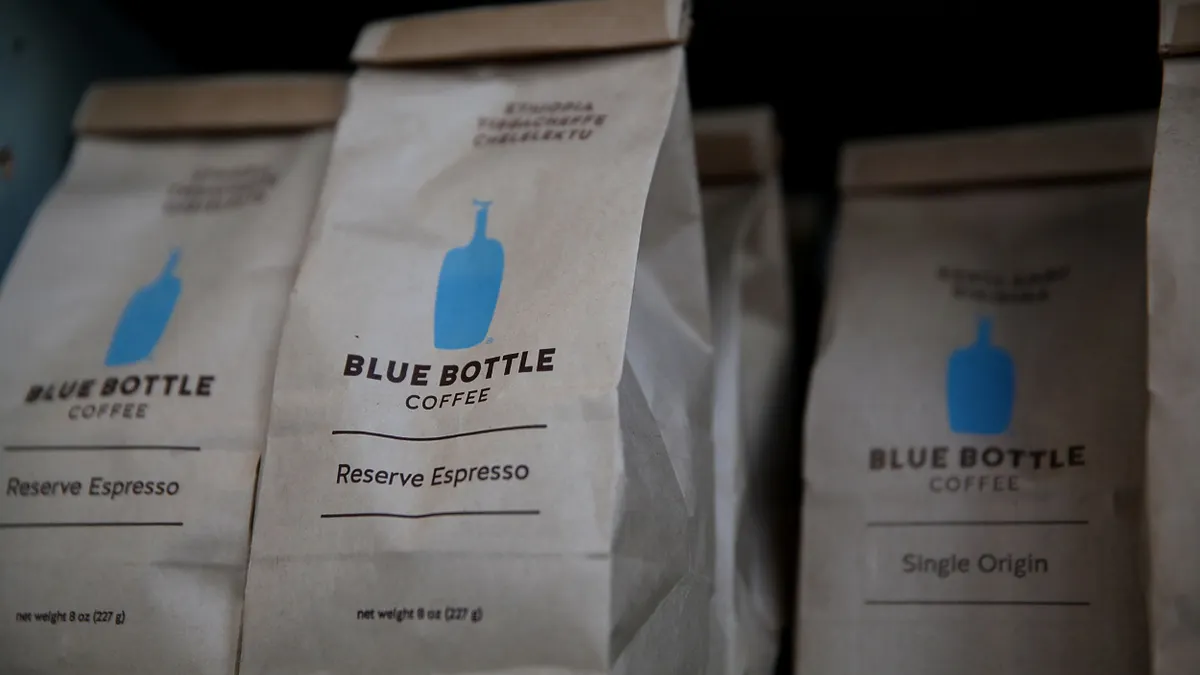
Nestlé Officially Confirms Sale of Blue Bottle Coffee to Owner of China’s Luckin Coffee

VEVEY, Switzerland – Qahwa World

In a decisive move reshaping the global coffee landscape, Nestlé has officially confirmed the sale of its majority stake in the renowned brand “Blue Bottle Coffee” to Centurium Capital, the private equity firm that is the largest shareholder in China’s Luckin Coffee.

This announcement, made in conjunction with the company’s first-quarter 2026 earnings report, marks the conclusion of the Swiss giant’s nearly decade-long venture into the high-end specialty coffee retail sector.

Centurium Capital is the primary investment power behind Luckin, which is currently the largest coffee chain in China.

Under this agreement, Centurium will acquire Blue Bottle’s entire global retail network of approximately 140 luxury locations, as well as the majority of the consumer packaged goods business associated with the brand.

While this sale signals Nestlé’s retreat from managing physical storefronts, the company has not entirely abandoned the brand’s marketing power. In a strategic move aimed at boosting profitability and focusing on high-growth segments, Nestlé will retain the exclusive rights to produce and market Blue Bottle-branded coffee capsules designed for the Nespresso system.

This strategic separation allows Nestlé to shed the high operational costs linked to property management and labor in physical cafes while retaining the most profitable and expandable segment: the at-home and packaged coffee sector.

Philipp Navratil, CEO of Nestlé, stated that this step is part of a comprehensive portfolio review to strengthen core brands and achieve sustainable growth.

Financial details of the deal were not officially disclosed by either party, but industry sources and reports circulating since March 2026 suggest the transaction value is approximately $400 million. If these figures are accurate, they represent a notable decline from the brand’s $700 million valuation in 2017, when Nestlé originally purchased its 68 percent stake for roughly $425 million.

According to experts, this valuation reflects the significant challenges large corporations face in scaling “artisanal” brands without losing their distinct identity. When Nestlé first acquired Blue Bottle, the bet was on the possibility of maintaining the brand’s soul while expanding globally. However, the operational complexities of maintaining high quality standards across 140 different locations proved to be a major challenge against Nestlé’s efficiency goals.

For Centurium Capital, adding Blue Bottle to its portfolio provides a luxury pillar to complement the massive dominance of Luckin Coffee in the general consumer market. Luckin Coffee currently operates more than 31,000 locations and is following an unprecedented global expansion path.

Through the acquisition of Blue Bottle, Centurium will gain immediate entry into the ultra-premium specialty coffee segment without compromising Luckin Coffee’s reputation based on speed and technology.

Sources indicate that Centurium intends to keep the two brands completely separate, with Blue Bottle serving as a “prestige” offering for the group, particularly in high-end Asian shopping malls where demand for luxury brands is steadily increasing.

From a specialized coffee journalism perspective, this deal represents a pivotal moment in the industry’s history.

It suggests that the era of large global companies buying artisanal roasters has begun to shift toward more specialized ownership models. It also highlights the ongoing migration of global coffee trade centers toward Asian markets.

The presence of a Chinese-backed private equity firm at the head of a leading American brand like Blue Bottle reflects the new geopolitical reality of the coffee industry.

With the deal expected to finalize in the first half of 2026, specialty coffee experts are waiting to see if Blue Bottle can maintain its artisanal identity, born in Oakland, under the management of one of the most aggressive growth machines in the world.

Mokha 1450 Immersive Coffee Experience Redefines Tasting in Dubai

Dubai – Qahwa World

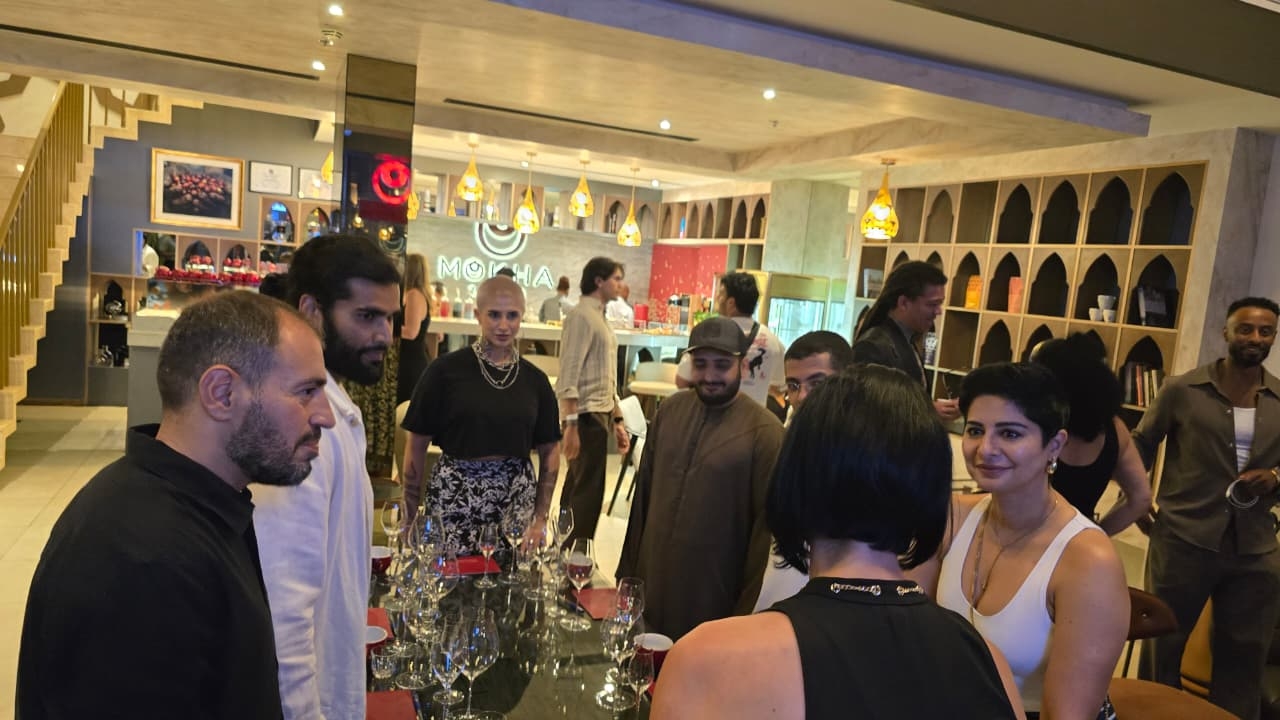
By invitation from Mr. Garfield Kerr, CEO of Mokha 1450, I attended yesterday evening a truly exceptional event held at Mokha 1450 Café in Golden Mile, Palm Jumeirah, Dubai, as part of an immersive experience that reintroduced coffee as a multi-sensory art combining science, innovation, and culture.

Honestly, when I first read about the event and learned that attendance required prior registration and an entry fee, I expected the turnout to be limited, perhaps only a small number of participants. However, I was genuinely surprised by the remarkable and distinguished attendance, as the venue was filled with guests who either registered in advance or joined directly on site, in a scene that reflected genuine interest in this unique experience.

As I observed the interaction inside the venue, I had a clear feeling that what I was witnessing was a direct reflection of the spirit of Dubai, a city that never stops embracing new experiences and creating momentum around innovative ideas. This is also what Mokha 1450 represents, embodying the same spirit: elegance in concept, boldness in execution, and innovation in experience.

The atmosphere throughout the evening was almost like a dreamlike scene, as guests were immersed in an extraordinary journey through the world of coffee in all its details. Visitors moved between different tasting stations offering coffees from various origins, prepared using innovative methods that reflect the philosophy of the team led by Sigrid Ballard and her specialized staff.

What truly stood out was the way the experience was presented. It was not merely a tasting session, but a complete sensory journey blending aroma, taste, and knowledge, revealing how coffee can evolve into a full cognitive experience.

As part of the program, participants experienced an olfactory and tasting journey that highlighted the scientific relationship between the senses of smell and taste, and how sensory signals converge in the brain to form the perception of flavor.

The event also featured several curated stations, including cold brew coffee prepared using a slow steeping method for eighteen hours with carefully selected beans graded above ninety points, revealing rich and complex notes ranging from tropical fruits and berries to honey and exotic spices.

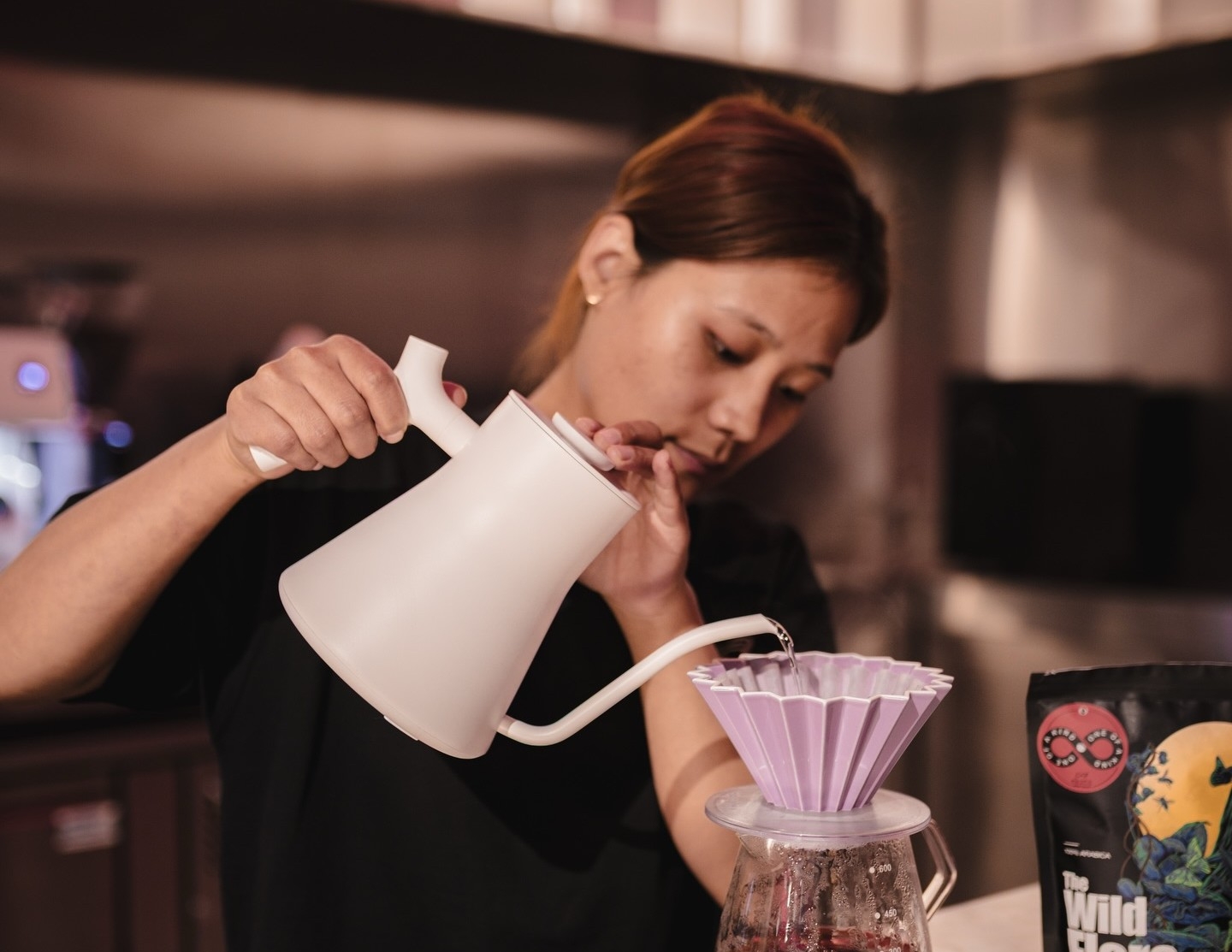
In another station, the pour over brewing method was demonstrated, relying on precise manual pouring, where technique, timing, and extraction ratio directly influence clarity and balance in the cup.

One of the most remarkable highlights of the evening was the psychology of glassware experience, which demonstrated how the shape, weight, and balance of a cup can influence flavor perception, not only aesthetically, but also in terms of sensation, taste, and overall impression.

Throughout the evening, the Mokha 1450 team also presented innovative creations such as the smoky signature drink and the Desert Flower experience, alongside live brewing sessions in front of guests, adding an interactive dimension that brought the audience closer to the craft of coffee making.

The experience was accompanied by a curated musical journey inspired by coffee producing countries such as Yemen, Ethiopia, Colombia, Jamaica, and Cuba, giving the event a global dimension that reflects the journey of coffee across continents.

In conclusion, this was not merely a tasting evening, but a complete experience that redefined the relationship between humans and coffee, and reinforced Mokha 1450’s position as one of the leading concepts in experiential specialty coffee in Dubai and the region.

From Vilnius to the World: The Story Behind Huracán Coffee’s Historic Win

An exclusive interview with Vytautas Kratulis, founder of the World’s Best Coffee Roaster 2026

Dubai – Ali Alzakary

When Huracán Coffee was crowned World’s Best Coffee Roaster 2026 at the Global Coffee Awards in San Salvador, it was more than a victory. It marked a defining moment for the global coffee industry. For the first time, a roaster from the Baltic region reached the top, standing alongside and above long-established coffee markets in Europe and North America.

This achievement reflects years of work, consistency, and a deep understanding of coffee that goes far beyond roasting alone. Behind it is Vytautas Kratulis, a figure whose journey is closely tied to the transformation of Lithuania itself. From the uncertainty that followed independence in the early 1990s to building one of the most respected specialty coffee companies in the world, his path mirrors the rise of a new coffee culture in an emerging region.

In this exclusive conversation with Qahwa World, Kratulis shares his story, his philosophy, and his perspective on what it truly means to produce great coffee today.

Read the full interview below.

  • To start, could you briefly introduce yourself and share the story behind Huracán Coffee?

When the Soviet Union collapsed, everything changed. Lithuania became independent in 1991, just as I turned seventeen. It was a complete reset. There were no clear rules, no stable systems, only a strong sense that we had to build a country from the ground up, including its economy, institutions, and businesses.

There was chaos, many crises, very little money, and almost no legal framework. But for a young person, it also meant freedom and possibility. Many of us wanted to travel, to see the world, and at the same time take part in building something new in a country that was just taking shape.

I started working in a distribution company handling commercial coffee brands from Sweden, Austria, Poland, and Germany. My job was simple, placing products on shelves. But the deeper I got into it, the more questions I had. I began to notice that people cared about good coffee. They were looking for it.

It also connected to my personal experience. In my family, coffee had meaning. My mother suffered from migraines, and coffee helped her. At that time, truly good coffee was rare, and because of that, its value felt higher than it does today. When something good appeared, people noticed. I kept seeing this pattern. People appreciated quality, even if they did not always have the words to describe it.

Then one day I tasted freshly roasted coffee for the first time. It was presented by a Polish entrepreneur selling drum roasting machines. That moment changed everything for me. I bought a roaster.

At that time, there was no concept of specialty coffee as we understand it today. There was no internet as we know it, no structured information, and I had no awareness of the specialty coffee movement until 2004.

In 2004, I attended an exhibition in Athens, where I met key figures from what was then the Specialty Coffee Association of Europe. That experience gave me a completely new perspective.

After returning to Vilnius, I opened the first dedicated specialty coffee shop in Lithuania, established a local SCA chapter, and organized the first national championship under international rules. We also sent our first national champion to the World Barista Championship in Seattle. That was how the Baltic region began connecting with the global specialty coffee community.

A major turning point in my career came in 2005, when I was invited to judge at the Cup of Excellence in Nicaragua. That was my first visit to a coffee origin. There, I met many of the people who shaped the specialty coffee movement. It was also my first time sitting at a Cup of Excellence cupping table. Since then, I have served as a judge in competitions in nearly every producing country that participates in the program.

  • How did you feel when you heard you had won World’s Best Coffee Roaster?

It is hard to put into words. Even if we had received silver or bronze, the feeling would have been very strong. But when you are ranked number one, you begin to reflect and look for the reasons behind it.

Looking back now, it is clear that this did not happen by chance. The result follows the work. But in that moment, the only thought was that you are simply lucky to be there.

When we received a bronze medal in the filter category in Europe and qualified for the final, we already celebrated it as the highest point in our journey. Going into the world final, we did not expect this kind of recognition, especially considering the level of markets like the United States, Canada, the United Kingdom, and Scandinavia.

Today, access to great coffee is relatively equal. Roasters can find and buy exceptional lots, visit producers, and operate within well-established logistics. We all see each other’s work.

The difference lies in the market itself. In more developed markets, demand for quality is stronger and more consistent. People can pursue quality without compromise, and good coffee becomes part of everyday life.

In my local market, I am still shaped by a less mature consumer. Expectations are different, and that naturally defines certain limits.

  • What do you think made the biggest difference in this competition?

We received a strong number of medals across different categories and subcategories, close to a fifth of all awards. That range made a difference.

Beyond filter coffee, which we understand well, we also have long experience preparing roasts for milk-based drinks. We have had six national barista champions come through our team.

In areas like omni roasting, which is not something we do every day, it was a new challenge. Still, we performed well and received recognition.

Timing also played a role. It was a moment when many of our carefully sourced lots had just arrived. Every year, we make a point of buying something special, competition-level coffees. This allowed us to present strong coffees across many categories.

We prepared seriously. We had a plan for what to present, when to roast, and how to approach the competition.

We did not expect to win. But we knew how to present ourselves with respect at the highest level.

  • How would you describe your approach to roasting in simple terms?

We believe roasting should be adapted to purpose.

For milk-based drinks, we adjust the coffee to work well with milk. For filter coffee, we roast light so the coffee can express its natural character, including origin and variety.

Espresso is different. We prefer sweetness and balance, with more roundness in the cup, not just strong acidity. Our style sits somewhere between Italian and Scandinavian approaches.

Acidity is important, but we do not push it to the front. We value origin, freshness, precision, and preparation. At the same time, we do not follow trends blindly.

  • How important are your relationships with coffee farmers?

They are very important.

It is always a special feeling to know that a farmer is waiting for your order, expecting your visit, and welcoming you.

These relationships take years to build. It is about understanding each other. In the end, what a farmer chooses to sell you becomes how that country is experienced in your market.

For example, we have worked with the Pacas family in El Salvador since 2008. It is not only about rare varieties, but also about everyday coffees that truly represent a country.

I try to visit producing countries regularly to see progress and changes.

  • What is your view on blind tasting competitions?

From my perspective, they can reflect quality if the system is well structured.

Consistency, standardized preparation, and experienced judges are essential. These factors allow for objective evaluation.

I still consider Cup of Excellence the most advanced system. At the same time, Global Coffee Awards offers something valuable by comparing coffees from different countries without bias.

  • What does this win mean for the Baltic region?

It is a significant result for our region.

Our customers are part of this achievement. They trusted us for many years. I hope it gives confidence to other roasters.

At the same time, the market is still developing. Awareness and consistency are improving, but there is still a gap compared to more mature markets.

  • What are your plans after this win?

This result confirmed that what we do resonates globally.

We will continue focusing on coffee. We have expanded into products like cold brew concentrate and specialty instant coffee, as well as collaborations with other industries.

Looking ahead, I would like to be more present in the Arab coffee scene. I believe we have something meaningful to contribute there.

  • What advice would you give to roasters who want to reach this level?

Do not focus too much on others. Follow your own path.

Take part and do not let fear of losing stop you. Many strong players never even try.

This interview reflects a journey built over decades, shaped by curiosity, persistence, and a deep respect for coffee at every stage of its value chain. Huracán Coffee’s achievement is not only a win, but a signal that the global coffee map continues to evolve, opening space for new regions and new voices.
Asia-Pacific Coffee Consumption Trends Report

Dubai – Qahwa World

Sucafina published an important report today titled “Inside Asia Pacific’s Evolving Coffee Consumption Landscape.” Due to its relevance for understanding shifting global coffee demand, Coffee World is republishing the findings to help raise awareness of the key trends shaping the region’s coffee markets.

Coffee consumption across the Asia-Pacific region is undergoing rapid transformation, shaped by premiumization, evolving lifestyles, and the parallel growth of convenience-driven and specialty coffee segments. Markets including Taiwan, South Korea, Australia and New Zealand, China, and Japan are each following distinct development paths while sharing broader regional dynamics.

  • Taiwan: A Dual-Track Consumption Market

Taiwan’s coffee market is strongly influenced by young urban consumers and fast-paced city lifestyles. Convenience-store chains such as 7-ELEVEN (CITY CAFÉ and CITY PRIMA) and FamilyMart (Let’s Café) dominate daily consumption, offering consistent quality and accessible pricing.
At the same time, specialty cafés are expanding, driven by consumer interest in origin, processing methods, and brewing techniques. Domestic specialty production is also emerging, particularly in regions such as Alishan, though limited supply and high prices remain constraints.
The result is a dual-market structure where convenience-driven and experience-focused consumption coexist. Taiwan imported around 726,000 bags in 2025, reflecting steady growth supported by premiumization and stable commercial demand.

  • South Korea: A Highly Polarized “Barbell” Market

South Korea remains one of the highest per-capita coffee-consuming markets in Asia, with annual consumption estimated at 400–420 cups per person. The market is increasingly polarized between low-cost franchise chains and high-end specialty cafés, with limited space for mid-tier operators.
Industry standards have risen significantly, with many chains now avoiding lower-scoring commercial beans and instead emphasizing higher-quality offerings. Specialty cafés are differentiating through rare origins, unique varieties, and enhanced in-store experiences.
Ready-to-drink coffee continues to grow at a steady rate, supported by office workers and home café culture. Decaf consumption has also expanded consistently over the long term, while demand for African and Latin American specialty coffees continues to rise.

  • Australia & New Zealand: Shift Toward At-Home Consumption

In Australia and New Zealand, rising living costs are reshaping coffee consumption patterns. While overall demand remains strong, more consumers are shifting away from cafés toward supermarkets, e-commerce, subscription services, and ready-to-drink formats.
The market is becoming increasingly polarized between value-driven private label products and premium, traceable specialty offerings, particularly in New Zealand. Fresh coffee is showing strong supermarket growth, while instant coffee and pods are stabilizing.
New trends include iced and infused coffee formats, as well as growing demand for premium decaf and alternative beverages. Despite cost pressures across the supply chain, daily coffee consumption remains high across both markets.

  • China: Rapid Expansion Driven by Low Prices and Scale

China continues to be one of the fastest-growing coffee markets globally, supported by rapid consumer adoption and highly efficient supply chains. Large coffee chains dominate the market through extensive store networks and price-competitive offerings.
Average cup prices remain low, contributing to strong mass-market accessibility but also increasing pressure on premium positioning. Consumer preferences continue to lean toward milk-based and blended beverages, driving continuous menu innovation.
Import demand remains strong and evolving, with shifts in sourcing origins reflecting the market’s rapid development.

  • Japan: Mature and Stable Consumption Market

Japan’s coffee market is highly mature, with long-established consumption habits and relatively stable demand. While demographic aging has contributed to slight declines, overall consumption remains steady.
The country imports significant volumes of green coffee and soluble coffee annually. A strong ready-to-drink culture persists, supported by widespread vending machine distribution and convenience store expansion.
Specialty coffee remains a smaller segment but continues to grow through curated and experiential offerings. One emerging format is the “coffee omakase,” a highly curated tasting experience that emphasizes exclusivity and craftsmanship.

  • Regional Outlook: Fragmentation and Innovation

Across Asia-Pacific, coffee demand remains structurally strong, with continued expansion in both commercial and specialty segments. However, markets are increasingly fragmented, with clear separation between value-driven and premium consumer behavior.
Innovation in both product development and café concepts is becoming a defining factor in competitiveness. Across the region, operators are adapting to increasingly distinct local demand patterns, reinforcing Asia-Pacific’s role as a key driver of global coffee market evolution.

Yemeni Coffee Shops Expand Across Ann Arbor

Ann Arbor – Qahwa World

Ann Arbor has seen a steady rise in Yemeni coffee shops over the past few years, reflecting a growing interest in the style and culture behind this type of coffee. Several cafés have opened across the city, including Bun Chai Yemeni Coffee & Tea, Bayt Almocha, Qahwah House, Socotra Coffee House, and Jabal. Another concept, Caffeena, is expected to take over a former bubble tea location on East Liberty Street, though no opening date has been confirmed.

Coffee is widely linked to Yemen, where it is believed to have played an early role in the development of global coffee culture. It spread internationally through the port of Mocha, which became closely associated with the beverage. Yemeni coffee is often recognized for its strong use of spices such as cardamom, cinnamon, and ginger, giving it a distinct flavor compared to more common Western styles.

Jabal first opened in Dearborn in late 2023 before expanding to Ann Arbor in early 2024. Its founders say the success of the first location helped drive the decision to enter the Ann Arbor market, where demand for specialty coffee continues to grow. The shop focuses on more than just coffee, aiming to create a space centered on hospitality and community.

Bayt Almocha, which opened in Kerrytown in 2025, follows a similar approach and is part of a larger national expansion. One of its goals is to introduce Yemeni food and coffee culture to new audiences while maintaining ties to its origins.

A key feature of many Yemeni coffee shops in Ann Arbor is their late operating hours. These spaces often serve as social hubs where people gather in the evening to study, meet friends, or spend time in a relaxed environment. This has made them especially popular among students at the University of Michigan, where finding late-night study spaces can be challenging.

Customers often describe these cafés as more welcoming and community-focused than traditional chains. Rather than offering quick service and takeaway drinks, Yemeni coffee shops encourage customers to stay, socialize, and enjoy the atmosphere.

As more locations open, Ann Arbor is becoming part of a broader trend that is bringing Yemeni coffee culture into mainstream café life across the United States.

Yemeni Coffee Craze Reaches Visalia with Bold Flavors and Slow Brews

Visalia – Qahwa World

A growing wave of Yemeni coffee culture is making its way into Visalia, reflecting a broader trend already gaining momentum across nearby cities like Fresno.

Originating from Yemen, coffee from this region has long held a significant place in global trade, especially through the historic port of Al Mokha—a name widely associated with the term “mocha.”

A new café, Siraj Coffee House, is preparing to open its doors in Visalia, introducing customers to the distinctive character of Yemeni coffee. The drinks are known for their slow brewing methods and rich aromatic profiles, often enhanced with spices such as cardamom, cloves, saffron, and nutmeg.

In addition to traditional Yemeni offerings, the café plans to serve Italian-style coffee and a range of beverages with little or no caffeine, including teas, fresh juices, and drinks like Brazilian lemonade. The menu will also feature house-made pastries, highlighting Middle Eastern sweets such as sabaya—a layered honey cake—and a soft, pull-apart bread filled with cream cheese.

The business is the result of a partnership between local entrepreneurs, including one also associated with Smash Town Burgers. While expansion plans are being considered, the immediate focus remains on launching the first location.

Set to open at 2145 W. Whitendale Avenue, the café occupies a space previously used by another bakery, marking a fresh chapter for the site.

This opening reflects a wider national surge in interest around Yemeni coffee. Establishments like Bab al-Yemen Cafe helped introduce the concept to the Central Valley, while brands such as Qamaria Yemeni Coffee have expanded the presence of Yemeni-style cafés across multiple states.

As the trend continues, Visalia joins a growing list of cities embracing this centuries-old coffee tradition with a modern twist.

Coffee Break: A Strategic Dialogue on Sector Resilience in the Face of Global Changes

DUBAI – Qahwa World

It is no longer a secret that the global coffee sector is facing unprecedented pressures, starting from supply chain challenges and climate volatility in production regions, leading to new regulatory standards imposed by major markets, and other major challenges facing the sector that directly affect both farmers and consumers alike.

In light of these challenges, there is an emergence for the need for dialogue platforms that go beyond the language of numbers to focus on “institutional resilience.” From the heart of Dubai, which has strengthened its position as a logistical and intellectual hub for reshaping modern trade concepts, the “Coffee Break” event launches in its first edition on April 23, 2026.

The event is organized by Mokha 1450, the leading chain in the specialty coffee sector, in cooperation with Modora, to be a platform that brings together a group of creative minds and influential figures in the sector to discuss ways to turn challenges into opportunities, inspired by Dubai’s exceptional experience in crisis management.

This event is not just a social gathering, but a professional necessity in the context of “change management,” where expertise from private sector leaders meets with pioneers of specialty coffee culture to discuss the pressing question: How can Dubai’s model of resilience in the face of global crises inspire those active in the coffee industry to move beyond the “crisis response” stage to the “anticipating change” stage?

Speakers List

The session, held at Modora Home in Al Barsha, includes a distinguished list of speakers who combine deep corporate experience with specialized practical knowledge in the coffee world:

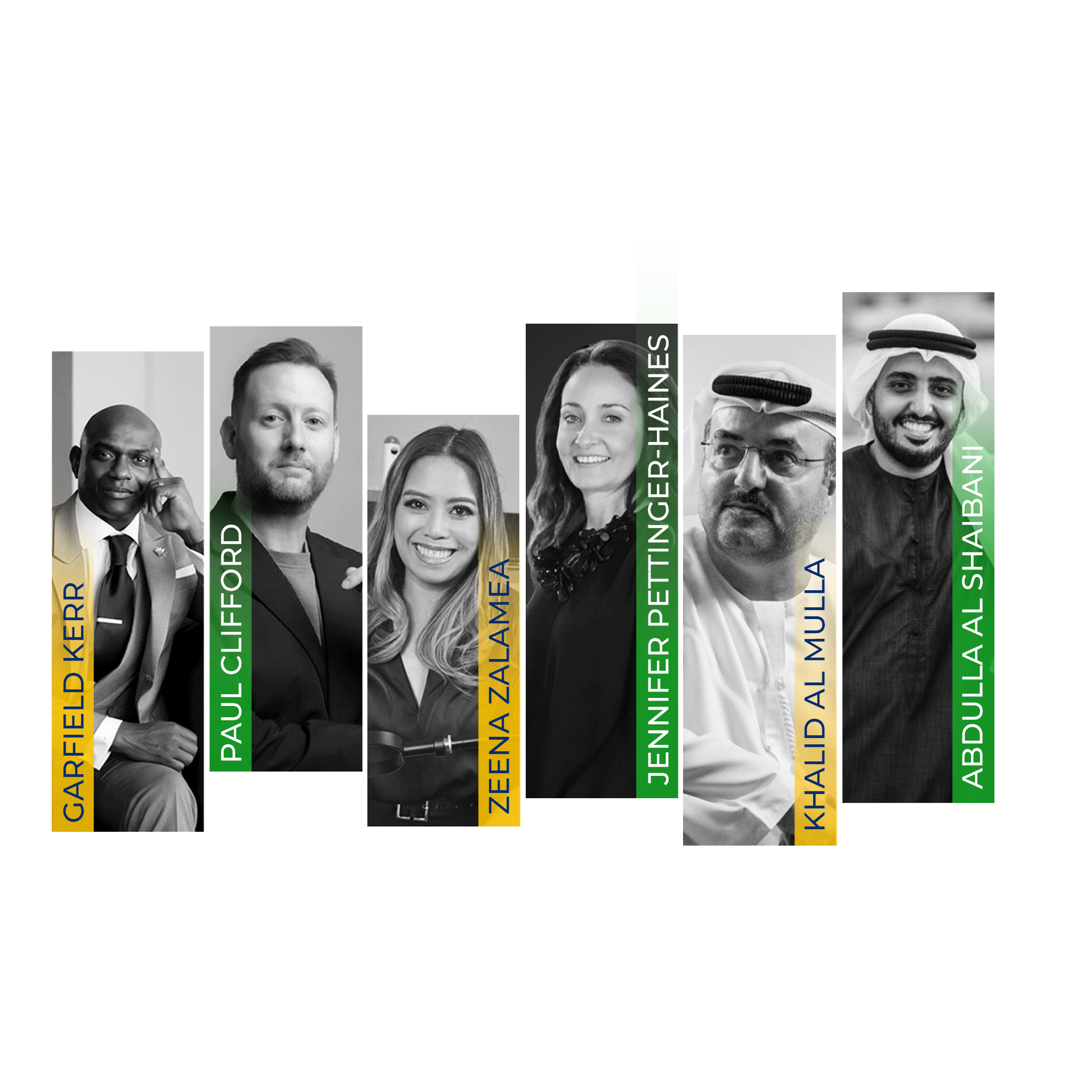
  • Abdulla Al Shaibani: Group CEO of Axeed LLC, who will present a strategic vision on leadership in times of change.

  • Garfield Kerr: CEO of Mokha 1450 and Former President of the Specialty Coffee Association, highlighting industry developments globally.

  • Khalid Al Mulla: CEO of Dubai Coffee Museum, who will connect the present with the historical and cultural roots of the profession.

  • Jennifer Pettinger-Haines: Founder and CEO of The GRIF Collective.

  • Paul Clifford: Editorial Leader and industry commentator.

The dialogue will be moderated by broadcaster and entrepreneur Zeena Zalamea, to ensure the creation of “real conversations and genuine connections” that move beyond traditional networking toward building shared visions.

Coffee as a Catalyst for Change

The organizers believe that coffee is not just a beverage, but a historical catalyst for new ideas. The forum will tackle a core question: How does Dubai’s strong record of successfully managing global crises inform our approach to overcoming current challenges?

Event Details

  • Date: April 23, 2026

  • Time: 3:00 PM

  • Location: Modora Home, Umm Suqeim St – Al Barsha Second, Dubai.

  • Tickets: AED 59 (Inclusive of coffee and snacks).

Roatán Coffee Experience Named Among Top 100 in the Americas

Honduras – Qahwa World

A specialty coffee concept in Roatán, Honduras, known as Spirit Origin Coffee, has been included in the 2026 list of the Top 100 Coffee Shops across North America, Central America, and the Caribbean. The selection process evaluated thousands of coffee shops using a mix of expert assessment and public participation.

Located on the island of Roatán, the concept goes beyond the traditional café model by focusing on coffee experiences at the place of production. Its signature offering is a curated “coffee omakase” session, where small groups of guests are guided through a multi-step tasting of different coffee preparations, often paired with food, in an intimate setting overlooking the Caribbean Sea. Each session is designed to highlight the origin, processing, and characteristics of Honduran coffee.

A key aspect of the project is its emphasis on serving coffee at the source rather than exporting all value-added stages abroad. The experience features Honduran specialty lots, including coffees that have received recognition in quality competitions such as Cup of Excellence, presented directly in the environment where they are grown and processed.

According to the founder, the initiative reflects a shift in how coffee-producing regions can retain more value locally while offering visitors a deeper connection to the product and its origins. The recognition places Roatán on the broader specialty coffee map alongside established destinations in the region.

Beyond its on-site tasting program, the company also distributes freshly roasted coffee internationally, shipping to customers in numerous countries and expanding access to coffee roasted at origin.

As global interest in immersive travel experiences continues to grow, the project positions itself at the intersection of specialty coffee, hospitality, and origin-based tourism, offering visitors a closer look at the journey from farm to cup.

The Program Built to Give Coffee Talent a Real Shot

By: Naveed Syed

The first edition of Youth Academy Middle East officially came to an end last week.

If you haven’t heard of it, here’s the short version: it’s an initiative by the Simonelli Group, announced a year ago, built specifically for young people who want to build a real career in coffee. Six scholarships, fully paid, covering SCA-certified courses across Barista Skills, Sensory, Green Coffee, Roasting, and Brewing.

How the Program Works

Applicants between 18 and 30 years old complete an online application and answer a set of questions. If the Simonelli Group team feels they’re the right fit, they are invited for a face-to-face interview.

The six selected participants receive the full Specialty Coffee Association Skills Program. They are grouped together and trained by SCA-certified trainers based in the UAE, with some sessions held at the Victoria Arduino Experience Lab.

The SCA Coffee Skills Program is made up of five specialist modules, each focused on a different professional role in the coffee industry. The Youth Academy Middle East cohort completed all of them.

The Modules

Barista Skills is where most people begin. It covers essential practical skills behind the espresso bar—from grinder calibration and espresso extraction to milk texturing, latte art, health and safety, customer service, and basic business practices.

Brewing focuses on the science behind the cup. It explores grind size, water temperature, brew time, different brewing methods, strength measurement, and extraction analysis.

Sensory Skills trains the palate to recognize and articulate flavour. Students learn to identify core coffee attributes and master professional cupping techniques—essential for leading tasting sessions and quality evaluation.

Green Coffee looks at coffee before roasting. It covers evaluation of green coffee quality, processing methods, grading, and the basics of coffee market dynamics. It’s a part of the industry most consumers never see, yet it shapes everything in the cup.

Roasting is the technical core of the craft. Students learn to control roast profiles, manage colour development, operate roasting equipment, and handle production workflows. Understanding how heat transforms coffee—and when to stop the roast—is a skill that takes years to refine.

Each module runs across three levels: Foundation, Intermediate, and Professional. The Youth Academy students completed the Foundation level across all modules, building a structured base for their future careers.

Meet the Six

What made this edition special wasn’t just the program—it was the people in it.

Hnin Kha Nady is focused on growth. Recently joined Archers, she entered the program with a clear goal: to create more memorable coffee experiences. The skills she gained are already being applied in her work.

Mark Mwangi is well known in the community, especially for his matcha creations. As lead consultant behind Mihbash in Jumeirah, he has already contributed to one of the region’s successful café openings. He’s now applying his learning to mentor his own team.

Amritha Varsha transitioned from engineering into coffee, following a stronger personal calling. Now at Cartel Coffee Roasters, she continues to build her presence in the community, recently competing in the Polpanorte AeroPress competition.

Mohamed Alameeri, founder and head roaster of Palate Coffee Roastery and the first Emirati AeroPress Champion, joined a foundation course despite his experience. It reflects a simple principle: learning never stops.

Brenzen Labarete is a Senior Barista, Brand Ambassador for Davinci Gourmet Arabia, and Middle East Barista of the Year 2023. He joined not for credentials, but for depth—an indication of his continued commitment to craft.

Donna Santianez is working toward her long-term goal of opening her own coffee shop. She is steadily building toward it, one course at a time.

Six individuals, six different journeys, one shared vision: to master their craft.

The Trainers

The team behind the program brought serious experience to the table.

Antonio Orria, Simonelli’s Coffee and Beverages Community Expert, led foundational classes, introducing students to the broader specialty coffee landscape before they moved into specialist modules.

Raha Shahsavar, UAE National Roasting Champion 2025, handled Green Coffee and Roasting. Students learned how coffee is processed and graded before roasting, and how heat development, roast profiling, colour control, and production workflows are managed.

Dave Peralta, co-founder of Archers and head of its Coffee Academy, taught Brewing Foundation. Students explored grind size, water temperature, brew time, extraction, and how to measure and adjust coffee strength across brewing methods.

Irina Sharipova, a coffee educator with over a decade of experience, led the Sensory module. She focused on developing structured tasting skills—flavour identification, mouthfeel analysis, cupping, and sensory vocabulary.

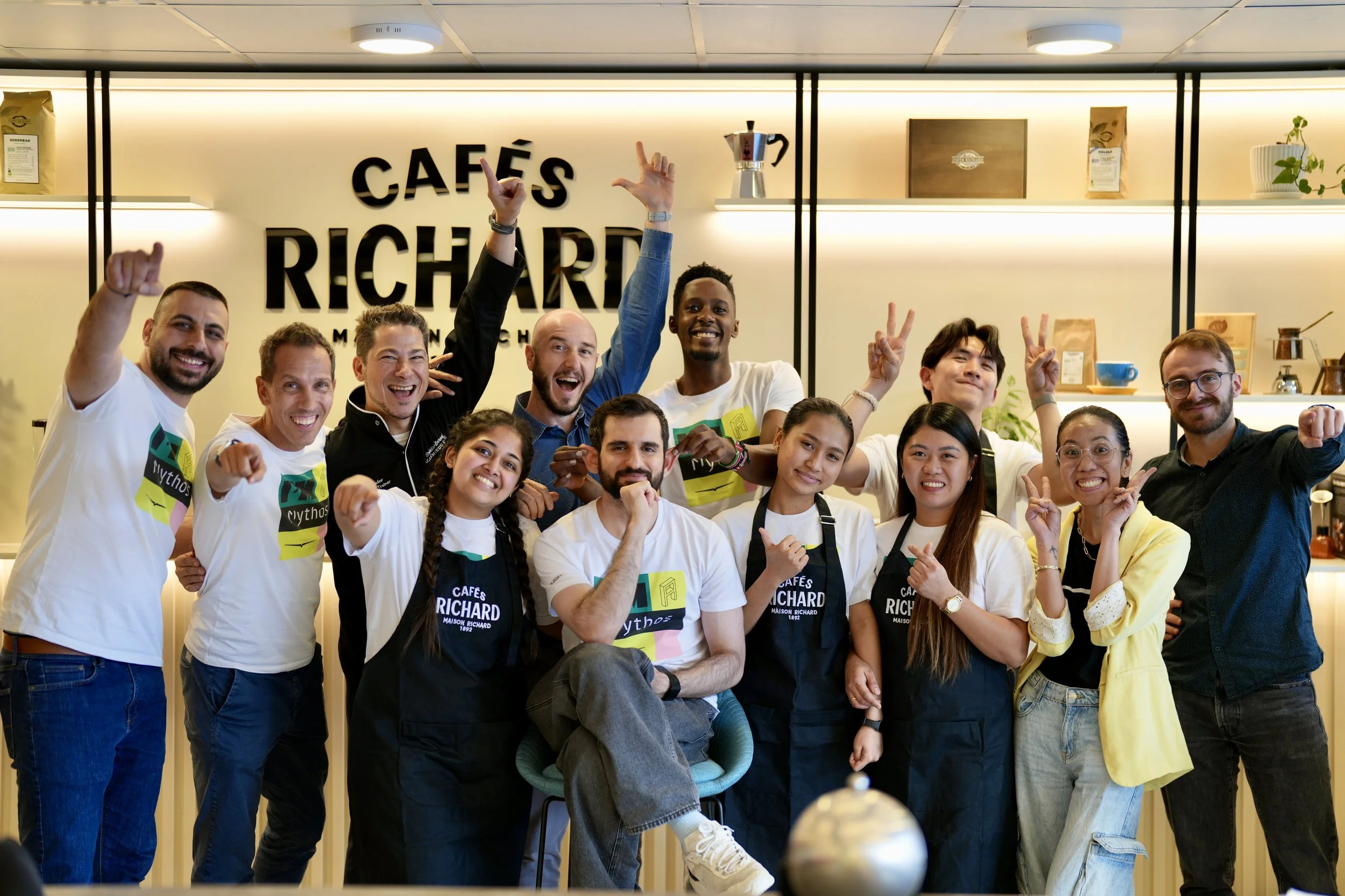
Branislav Beronja, Brand and Training Manager for Cafes Richard, delivered Barista Skills training. His sessions covered grinder setup, espresso extraction, milk handling, machine maintenance, customer service, and workflow management.

These trainers are among the most respected professionals in the UAE specialty coffee scene and are widely regarded as mentors in the industry.

What Comes Next

With the first edition complete, Simonelli Group is already preparing the next one. No dates have been confirmed yet.

If you are between 18 and 30 and considering a serious path in coffee, this is a program worth watching.

When applications open again, it will be worth paying attention.

click here to Read the main article

Mokha 1450 presents an immersive coffee Experience at the Palm Jumeirah

Step into an evening of aroma, flavour, and craft, centered around connection

Dubai, UAE  – Qahwa World

Mokha 1450, the UAE-based luxury specialty coffee brand, invites guests to discover coffee through a new lens with an immersive, multi-sensory experience on Saturday, 25 April 2026, at its Coffee Lounge in Golden Mile, The Palm Jumeirah. Created as a space for connection as much as discovery, the evening brings people together over coffee, encouraging conversation, curiosity, and a deeper appreciation for craft.

Designed as a journey through flavor and aroma, the evening unfolds across curated stations, each exploring a different expression of coffee.  From refined zero-proof cocktails to personalized brewing rituals, the experience blends heritage with innovation, offering a deeper understanding of coffee as both a science and an art form, while creating space to pause, connect, and engage.

At the heart of the evening is The Coffee Olfactory Experience, a guided, interactive session that explores the relationship between aroma and taste.  Led by Specialty Coffee Association (SCA)-certified experts, guests will discover the nuances of single-origin beans, the impact of brewing techniques, and the role of glassware in shaping flavor perception.

Across the space, three distinct coffee experiences will be unveiled:

Smoke & Diamonds presents a refined, zero-proof coffee cocktail layered with delicate smoky notes, served over crystal-clear diamond-shaped ice for a striking sensory experience.

The Desert Flower reimagines traditional Arabic coffee into a chilled, modern composition, infused with saffron, honey, and rose water, and served over an ice sphere encasing the UAE’s national flower, the Tribulus Omanense.

Table-Side Brewing offers a more intimate encounter, with baristas preparing coffee directly at the table, allowing guests to engage with the process and explore how technique shapes flavor.

Guests will also experience a curated music journey inspired by the origins of Mokha 1450’s coffee beans, spanning Jamaica, Ethiopia, Cuba, Colombia, and Yemen, creating an atmosphere that reflects the global story behind each cup.

Event Details

Date: Saturday, 25 April 2026

Time: 5:00 PM – 10:00 PM (entertainment from 7:00 PM)

Location: Mokha 1450 Coffee Lounge, Golden Mile Galleria, Building 8, Palm Jumeirah, Dubai

Ticketing

Tier 1

AED 200

Enjoy a 30-minute olfactory experience, followed by canapés and three signature drinks from the stations.

Tier 2

AED 100

Includes three signature drinks from the stations, offering a shorter introduction to the experience.

Booking:

BOOKING LINK

 Venue details:

Mokha 1450 Coffee Lounge

Golden Mile Galleria, Building 8, Palm Jumeirah, Dubai

+971 4 425 4067

With a focus on ethically sourced, single-origin coffees, primarily from women-owned and operated farms, Mokha 1450 continues to push the boundaries of specialty coffee in the region. This latest experience reflects the brand’s commitment to sustainability, craftsmanship, and redefining how coffee is perceived and enjoyed.

Mokha 1450 Coffee Lounge

Golden Mile Galleria, Building 8, Palm Jumeirah, Dubai, UAE

+971 4 425 4067

Mokha 1450 Coffee Boutique

Boutique No.8, Aswaaq Centre, Al Badaa, Al Wasl Road, Dubai, UAE

+971 4 321 6455

Mokha 1450 Coffee Priorists

Emirates Towers, Trade Centre, Dubai, UAE

+971 50 201 4552

Mokha 1450 x Modora

Umm Suqeim Street, Al Barsha Second, Dubai, UAE

+971 56 492 3100

Website: www.mokha1450.com

Instagram: @mokha1450

Tel: +971 4 425 4067

WhatsApp: +971 55 904 5089

Email: [email protected]

Media Inquiry:

WhatsApp: +971 52 794 1117

Email: [email protected]

About Mokha 1450

Mokha 1450 is a UAE-based luxury specialty coffee brand known for ethically sourcing coffee from some of the world’s finest farms, with a particular focus on women producers. Rooted in quality, sustainability, and innovation, Mokha 1450 offers a refined coffee experience across its locations in the Palm Jumeirah, Al Wasl Road, Emirates Towers, and select partner venues across the UAE.