Specialty Coffee Pricing in Dubai: Fair or Overpriced?

Focus Keyphrase specialty coffee pricing Dubai
Slug specialty-coffee-pricing-dubai
SEO Title Specialty Coffee Pricing in Dubai: Fair or Overpriced?
Meta Description (141 chars) Dubai coffee experts clash over pricing. Some say costs justify the price. Others call it greed. A full investigation.
Tags specialty coffee, Dubai coffee, coffee pricing, cafés, Dragoslav Džudović, Sigrid Ballard, Sarah Sahwan, Qussay Al Jabal, Albina Khamidullina

Executive Summary

  • Specialty coffee prices in Dubai have risen significantly, sparking debate among industry experts.
  • Dragoslav Džudović breaks down the real cost of a cup: between AED 15 and AED 35 before profit.
  • Sarah Sahwan argues that some cafés add a “greed” margin, with markups exceeding 200%.
  • Qusai Al Jabal insists that high prices are only fair for rare, exceptional beans.
  • Albina Khamidullina finds prices reasonable from an industry perspective, but admits specialty coffee is a luxury for most consumers.
  • Most experts agree that there is a noticeable gap between price and quality in many cafés.
  • No single business model fits all. Low‑price high‑volume and high‑price curated experiences can both work.

Specialty Coffee Pricing in Dubai: Fair or Overpriced?

Dubai’s specialty coffee scene has expanded rapidly in recent years. Prices have risen just as fast, especially for manual brews like V60 and filter coffee. This growth has opened a wider debate. Is specialty coffee still an everyday product? Or has it become an exclusive, luxury experience?

Qahwa World asked nine leading experts for their views. Their answers range from defending prices as a true reflection of operational costs to condemning them as unjustified. This investigation presents their full responses.

The Cost Reality: A Detailed Breakdown

Dragoslav Džudović, a well‑known barista and coffee consultant, offers a rare numerical breakdown. He insists that most consumers do not understand the real cost of a single cup.

“The real cost of one take‑away cup of coffee with milk, depending on the location in the UAE, ranges from AED 15‑25 to AED 25‑35+. Yes, you are reading that correctly. That is the cost. Let’s break it down per cup: Cost of goods – AED 4‑7 (beans, milk, packaging). Labour – 40% of the cost, which is AED 5‑15 (time to make the drink, service, salary, visa, gratuity, accommodation, insurance, and other benefits). Operating costs – AED 4‑10 (rent, utilities, AC, coffee machine, ice makers, chillers, freezers, etc.). Do not forget license, permits, marketing, insurance, fit‑out, POS, and bank fees.”

Therefore, when a café charges AED 35 for a cup, it may not be excessive. Many cafés, however, set their prices based on competition, not on real costs. Dragoslav warns that this approach is not sustainable. He adds that most small cafés fail in their first year because of miscalculations.

Sigrid Ballard, a specialty coffee expert, supports this view. She explains that Dubai’s pricing is higher than many global markets, but it reflects the city’s operational reality.

“In Dubai, rent and operational costs are the biggest drivers, especially in prime hospitality and lifestyle locations. While green coffee quality matters, the final retail price is more heavily influenced by location costs, staffing, fit‑out investments, and overall brand positioning.”

Samson Kibunja, a seasoned barista, adds that price should never be seen in isolation. He argues that a cup of coffee is the result of a long chain.

“The price of coffee is shaped by an entire ecosystem. Dubai is a market where high operational standards and premium locations significantly affect pricing. A cup of coffee is ultimately the result of a long chain – from farm to roasting, training, equipment, hospitality, and final service.”

Albina Khamidullina, from drinkit, offers a nuanced perspective. She agrees that costs justify prices, but she also acknowledges the consumer’s reality.

“I think specialty coffee is priced pretty reasonably, given the cost of beans, labor, and rent. But I say this as an industry worker, and I understand all the costs that go into the final price of the product. It is reasonably priced, but to the final consumer, it still might be too expensive.

Specialty coffee, unfortunately, is a luxury in most places. The biggest factor is rent, then labor (not only salaries, but visas, insurance, etc.), and of course, the CAPEX, and the coffee shop’s need to get its return on investment. At most specialty coffee places, a V60 cup costs 50‑60 dirhams.

I consider it more of a luxury than an everyday product, given that you can get a decent cup of coffee for 15‑20 dirhams. (We at DrinkIt serve only specialty beans, and you can get an americano for 15 dirhams, a filter for 17, and a V60 for 25 dirhams, which is a very good price considering market benchmarks.)

The current market lacks a consistent place where you get the same great product and service every time. There are a lot of amazing places in Dubai, but no two visits are the same in terms of quality. For sure, there is a big gap between the price and the product’s quality.

But in this case, the surroundings need to be taken into consideration: what’s the interior like, how many people work there, is it a prime location, and do they use loud marketing? It’s all included in the price of the final product. It depends on the business model and the brand’s goals. Both ways have their benefits, so I cannot answer this question without knowing the goals. We at DrinkIt try to find the gold standard between them.”

The Counterview: Overpricing and the “Greed” Factor

Sarah Sahwan, founder of The Optimist café, is blunt. She believes that some cafés charge far more than necessary.

“I believe the two biggest factors are rent, and greed. A coffee cup costs range  5 – 10  dirhams and that’s excluding the cost of labor and other expenses such as the rent, utilities and inflation  , which means there is room to mark up the price – but not by 200%. In malls, a cup of coffee now ranges between AED 25 and AED 50, and not all of them offer good quality.”

Hassa bint Ghuwaifa, an Emirati journalist and coffee enthusiast, also finds prices too high. She compares Dubai to other Gulf markets and sees a clear gap.

“Prices are high, especially compared to the Gulf region. It has become normal for a single cup to exceed AED 45. Specialty coffee is still a daily product for many, but at an abnormally high price. There is a clear gap between price and quality. I have paid over AED 70 for a cup that was worth every dirham. But I have also paid half that price for cups I regretted drinking.”

Stefan Kica, an industry observer, summarises his position even more sharply.

“As a regular consumer, prices are very high. As a B2B user, they are very affordable. That difference is the problem. Specialty coffee has become a luxury product. The market misses affordable coffee for everyone. There is a gap between price and quality – overpriced with no reason.”

A Conditional View: Quality and Rarity as Justification

Qusai Al Jabal, co‑founder of JabalBon Coffee Farm in Yemen and founder of Mokha Roots in Dubai, offers a more nuanced perspective. He does not reject high prices outright. Instead, he ties them to quality.

“It depends on the quality. It is too expensive if a café serves average coffee but charges a premium price. However, the high price is fair when you are drinking rare, high‑quality beans that are hard to grow, harvest, and ship. The biggest factors in Dubai are high rent in prime locations and luxury shop fit‑outs. Specialty coffee is moving fast toward luxury. It has become a luxury ritual.”

Qussai also warns about the gap between appearance and substance. “If coffee is expensive, the quality in the cup must match the price. It is wrong to buy cheap, low‑grade coffee, mark up the price ten times just because the shop is trendy.”

Syed Naveed, a well‑known coffee blogger and photographer, takes a middle position. He finds pricing fair compared to commercial coffee. But he admits that some extremes are hard to defend.

“Against commercial coffee, I find it fair. The quality in the cup, the sourcing story, the experience inside a specialty café – all of it adds up. But pricing can get out of hand fast when you move into micro‑lots and nano‑lots. The most extreme example recently has to be the Nido 7, priced at a thousand dollars. That is not a cup of coffee anymore. That is a statement.”

Syed also notes that green coffee prices have been climbing, and roasters can no longer absorb the increase. Rent, electricity, water, logistics, and labour have all gone up. As a result, a cappuccino can easily hit AED 30 or more in some places.

Where Do the Experts Stand? A Quick Summary

Expert Stance on Pricing Most Sustainable Model
Dragoslav Džudović High, but reflects real costs (AED 15‑35 cost) Low price with high volume after correct cost calculation
Sigrid Ballard High but justified by rent and operations Balanced: quality + efficiency + repeatable price
Samson Kibunja Fair when seen as part of a whole ecosystem Both models can work with integrity
Albina Khamidullina Reasonable from industry side, but luxury for consumers Depends on brand goals; drinkit seeks middle ground
Sarah Sahwan Unreasonable; greed is a major factor Lower pricing with higher volume
Hassa bint Ghuwaifa Too high compared to Gulf neighbours Lower prices with special higher‑priced options
Stefan Kica Very high as a consumer Low price with high volume
Qusai Al Jabal Fair only for rare, high‑quality beans Higher pricing with curated experience
Syed Naveed Fair vs commercial, but extreme micro‑lots overpriced Both work if the concept is strong

Frequently Asked Questions

Q: Why is specialty coffee in Dubai so expensive compared to other cities?
A: According to experts, the main reasons are high commercial rents, operational costs, staffing expenses, imported beans, and business models that focus on premium experiences. Dragoslav’s breakdown shows that the real cost per cup can reach AED 35 before any profit.
Q: Do all experts agree that prices are unfair?
A: No. Opinions are divided. Some, like Dragoslav and Sigrid, say prices reflect a high‑cost environment. Others, like Sarah and Stefan, call them excessive. Qussay and Albina argue that high prices can be fair if the coffee quality is exceptional, but Albina adds that for consumers it remains a luxury.
Q: What does Sarah Sahwan mean by “greed” as a factor?
A: She believes some cafés mark up prices by more than 200% without a corresponding increase in quality. In her view, a cup that costs AED 5 – 10 excluding the cost of labor, other expenses such as the rent utilities and inflation, to make should not be sold for AED 45 unless there is a real reason, such as rare beans or a unique experience.
Q: Is specialty coffee in Dubai an everyday product or a luxury?
A: It is both, depending on the café and the customer. Some experts say it remains accessible through various price points. Albina notes that while industry workers see reasonable pricing, for most consumers it is a luxury, especially when V60 costs 50‑60 dirhams at many places.
Q: Which business model is most sustainable according to the investigation?
A: There is no single answer. Dragoslav and Sarah favour lower prices with higher volume. Qusai prefers higher prices with a curated experience. Albina says it depends on brand goals, and DrinkIt tries to find a middle ground.
Q: What is missing from the current Dubai coffee market?
A: Experts point to a lack of transparency, consumer education, and a real connection to coffee farms. Albina adds that consistency is lacking: no two visits to the same café guarantee the same quality.

Yemeni Coffee Shops Expand Across Ann Arbor

Ann Arbor – Qahwa World

Ann Arbor has seen a steady rise in Yemeni coffee shops over the past few years, reflecting a growing interest in the style and culture behind this type of coffee. Several cafés have opened across the city, including Bun Chai Yemeni Coffee & Tea, Bayt Almocha, Qahwah House, Socotra Coffee House, and Jabal. Another concept, Caffeena, is expected to take over a former bubble tea location on East Liberty Street, though no opening date has been confirmed.

Coffee is widely linked to Yemen, where it is believed to have played an early role in the development of global coffee culture. It spread internationally through the port of Mocha, which became closely associated with the beverage. Yemeni coffee is often recognized for its strong use of spices such as cardamom, cinnamon, and ginger, giving it a distinct flavor compared to more common Western styles.

Jabal first opened in Dearborn in late 2023 before expanding to Ann Arbor in early 2024. Its founders say the success of the first location helped drive the decision to enter the Ann Arbor market, where demand for specialty coffee continues to grow. The shop focuses on more than just coffee, aiming to create a space centered on hospitality and community.

Bayt Almocha, which opened in Kerrytown in 2025, follows a similar approach and is part of a larger national expansion. One of its goals is to introduce Yemeni food and coffee culture to new audiences while maintaining ties to its origins.

A key feature of many Yemeni coffee shops in Ann Arbor is their late operating hours. These spaces often serve as social hubs where people gather in the evening to study, meet friends, or spend time in a relaxed environment. This has made them especially popular among students at the University of Michigan, where finding late-night study spaces can be challenging.

Customers often describe these cafés as more welcoming and community-focused than traditional chains. Rather than offering quick service and takeaway drinks, Yemeni coffee shops encourage customers to stay, socialize, and enjoy the atmosphere.

As more locations open, Ann Arbor is becoming part of a broader trend that is bringing Yemeni coffee culture into mainstream café life across the United States.

Yemeni Coffee Craze Reaches Visalia with Bold Flavors and Slow Brews

Visalia – Qahwa World

A growing wave of Yemeni coffee culture is making its way into Visalia, reflecting a broader trend already gaining momentum across nearby cities like Fresno.

Originating from Yemen, coffee from this region has long held a significant place in global trade, especially through the historic port of Al Mokha—a name widely associated with the term “mocha.”

A new café, Siraj Coffee House, is preparing to open its doors in Visalia, introducing customers to the distinctive character of Yemeni coffee. The drinks are known for their slow brewing methods and rich aromatic profiles, often enhanced with spices such as cardamom, cloves, saffron, and nutmeg.

In addition to traditional Yemeni offerings, the café plans to serve Italian-style coffee and a range of beverages with little or no caffeine, including teas, fresh juices, and drinks like Brazilian lemonade. The menu will also feature house-made pastries, highlighting Middle Eastern sweets such as sabaya—a layered honey cake—and a soft, pull-apart bread filled with cream cheese.

The business is the result of a partnership between local entrepreneurs, including one also associated with Smash Town Burgers. While expansion plans are being considered, the immediate focus remains on launching the first location.

Set to open at 2145 W. Whitendale Avenue, the café occupies a space previously used by another bakery, marking a fresh chapter for the site.

This opening reflects a wider national surge in interest around Yemeni coffee. Establishments like Bab al-Yemen Cafe helped introduce the concept to the Central Valley, while brands such as Qamaria Yemeni Coffee have expanded the presence of Yemeni-style cafés across multiple states.

As the trend continues, Visalia joins a growing list of cities embracing this centuries-old coffee tradition with a modern twist.

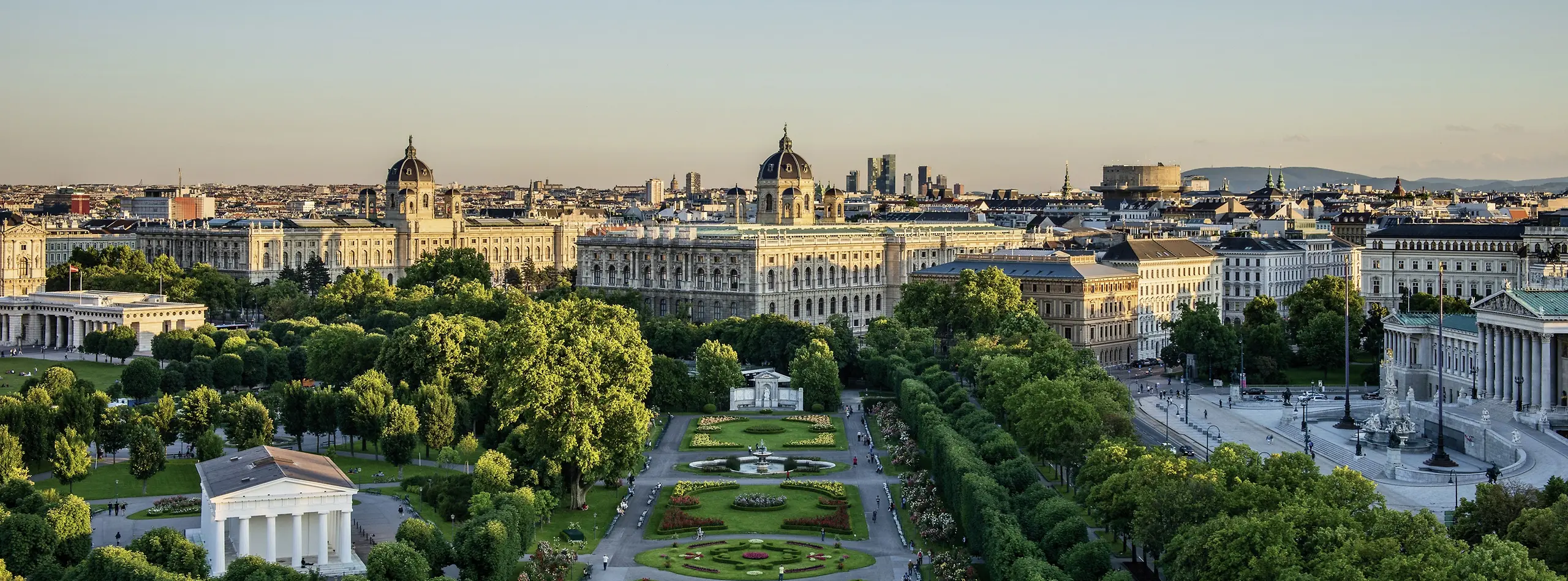
Vienna Coffee Culture: A Blend of Tradition and Modernity

Vienna – Qahwa World

Vienna’s coffeehouse culture stands at the core of the city’s identity, functioning not just as places to drink coffee, but as long-established social and cultural spaces that define the rhythm of urban life. In 2026, this tradition becomes a primary gateway for discovering the city, especially for travelers from the Gulf Cooperation Council seeking calm, authenticity, and culturally rich experiences.

At the heart of this heritage is the Frauenhuber Coffeehouse, one of Vienna’s most historic cafés. Located in a centuries-old building, it reflects the deep connection between coffee, music, and culture, and has long been associated with classical artistic traditions and performances.

In contrast, Jonas Reindl Coffee Roasters represents the modern evolution of Vienna’s coffee scene, focusing on specialty roasting and minimalist spaces that prioritize quality, precision, and a refined contemporary coffee experience.

Meanwhile, the Café Schwarzenberg embodies the classic Viennese coffeehouse tradition, where coffee is part of a daily ritual accompanied by pastries and breakfast in an elegant historic setting dating back to the nineteenth century.

This diversity extends to contemporary cafés such as Café Candelifi, Café Rosy Bizzl, and Central Roses Bar Café, which reflect the evolving café landscape—from plant-based concepts to seasonal menus and modern Central and Eastern European influences.

Beyond coffee culture, Vienna reveals a renewed culinary scene that blends tradition and innovation, presenting the city in a new light for Gulf travelers beyond its conventional association with a limited set of traditional dishes.

Within this framework, Glasing at the Amaryos offers a modern interpretation of Austrian cuisine in an artistic environment, while Herzig, a Michelin-starred restaurant, delivers a precise and innovative dining experience defined by creativity, attention to detail, and a quiet location away from the city center.

At the same time, Gmuckler preserves traditional Austrian culinary heritage through authentic local dishes that reflect the city’s gastronomic identity.

In hospitality, the Mandarin Oriental Vienna combines luxury design with fine dining inside a historic Art Nouveau building, while Schöteck Palace is set to expand Vienna’s hotel landscape with its upcoming opening in a restored historic palace.

Overall, Vienna in 2026 offers Gulf travelers a layered experience that begins in its coffeehouses and extends into dining and hospitality, presenting a city best understood through its lived cultural and sensory experiences rather than its traditional image alone.

Traditional Cafés Decline in Russia

Moscow – Qahwa World

Russia’s coffee landscape is undergoing a noticeable shift. While coffee consumption in the country remains relatively stable, the number of traditional coffee shops has been shrinking as consumer habits evolve and competition intensifies.

Data from 2GIS shows that the number of classic cafés across Russia declined by 13% over the past year, reaching approximately 7,700 locations by February 2026.

The decline has been especially visible in the country’s largest urban centers. In Moscow, the number of cafés fell by 12% to about 2,600, while Saint Petersburg experienced an even sharper drop of 23%, leaving roughly 1,600 establishments.

You may read: Russia Updates Instant Coffee Standards for the First Time in 32 Years

At the same time, other coffee formats are expanding. The number of takeaway coffee points increased by about 4%, reaching around 9,300 locations, indicating that faster and more convenient service models are gaining ground among consumers.

  • Changing daily routines

Coffee culture in Russia has grown rapidly over the past decade, reflecting a broader global expansion of café culture. However, recent consumer behavior suggests that some daily habits are shifting.

  • According to Ramaz Chanturia, director general of Roschaikofe, many consumers have begun practicing what he describes as “reasonable savings.” Some customers who once bought coffee on the way to work now prepare their drinks at home more frequently.
  • More than just the price of beans

The price of a cup of coffee in a café reflects more than the cost of raw coffee. Customers are also paying for a range of services and operational expenses, including rent, equipment, utilities, staff salaries, and the atmosphere that cafés provide.

Read also: Russia’s Imports of Brazilian Coffee Fall to Six-Month Low

These costs can place pressure on independent coffee shops, particularly when competition from lower-priced alternatives increases.

  • Retail becomes a coffee competitor

Another factor reshaping the market is the growing role of retail chains in coffee sales. Large supermarket operators are expanding ready-to-drink coffee offerings and installing coffee stations or café-style corners inside their stores.

According to Stanislav Bogdanov, chairman of the presidium of the Association of Retail Companies, demand for ready-made coffee in retail continues to grow steadily.

Industry estimates suggest that hot beverages account for up to 3% of the fast-moving consumer goods market, with coffee becoming one of the category’s key growth drivers in recent years.

Read also: Russian Instant Coffee Exports Rise 28% to $366 Million

Retailers benefit from high customer traffic, competitive prices, and convenient locations. For many consumers, buying a cup of coffee during a grocery trip is becoming an easy alternative to visiting a traditional café.

A changing coffee ecosystem

The decline in traditional cafés does not necessarily indicate a fall in coffee drinking in Russia. Instead, it highlights a transformation in how and where people consume coffee.

As takeaway formats, home brewing, and retail coffee points continue to expand, the country’s coffee market is gradually shifting toward convenience-driven models—reshaping the role of the traditional café within Russia’s evolving coffee culture.

Espresso Prices in Ukraine: Regional Trends and Cost Changes

Kiev – Qahwa World

The price of a single cup of espresso in Ukraine continues to rise, reflecting broader shifts in the country’s coffee market. As espresso forms the base of most coffee drinks, changes in its cost directly influence café pricing nationwide.

Data published by Opendatabot shows that in December 2025, the average price of an espresso reached 41 hryvnias. This marks a 17% increase compared to the same period last year, while prices have almost doubled since the beginning of the full-scale war.

Price differences between regions remain noticeable. The Lviv region currently records the highest average price, with a cup of espresso costing 47 hryvnias, up 19% year on year. This is the first time in several years that the region has topped the national price ranking.

The Odesa region follows closely, where espresso is sold for an average of 45 hryvnias per cup.

At the opposite end of the scale, the Khmelnytskyi region offers the lowest prices, with espresso costing around 33 hryvnias, despite an 18% annual increase. Prices remain relatively moderate in the Zaporizhzhia and Kirovohrad regions, where a cup averages 35 hryvnias.

The sharpest annual rise was recorded in the Sumy region, located near the frontline. There, espresso prices increased by 26% over the year, bringing the average cost to approximately 36 hryvnias.

The Espresso Index is commonly used as an economic benchmark, tracking the price of a standard espresso to compare living costs, purchasing power, and inflation trends across different regions and countries.

In related commodity news, global cocoa prices previously hit a record high, with New York futures reaching USD 11,578 per metric ton. By the end of April, however, cocoa bean prices fell by 26% within just two days.

Matcha Gains Momentum as Hospitality Embraces Ritual and Wellness

Dubai, August 27, 2025 (Qahwa World) – Matcha is fast emerging as one of the most influential beverages in the global hospitality industry. Once rooted in the centuries-old tea traditions of Japan, it has now been adopted worldwide as a drink that symbolizes wellness, sustainability, and cultural sophistication. For hotels, cafés, and specialty bars, it is no longer just an alternative to coffee, but a statement of values that align with modern consumer expectations.

In recent years, the pace of change in beverage menus has accelerated. Consumers are increasingly seeking options that provide not only refreshment but also meaning. Matcha, with its history and ritualized preparation, has stepped into that space. It is being served not only in traditional bowls but also as lattes, iced beverages, and innovative cocktails, offering versatility that fits seamlessly into contemporary hospitality.

“Matcha speaks to a deeper need, the desire to slow down and reconnect, even in the midst of a busy day,” said Fabiola Ruggiero, Founder of Cose di Tè. “Its preparation is a quiet ritual. Its flavor is bold, complex, vegetal. It engages the senses — and invites a moment of presence.”

Unlike conventional teas, which are steeped and discarded, matcha is consumed in its entirety. Finely ground from shade-grown leaves, it is rich in antioxidants, amino acids, and slow-release caffeine. This makes it especially appealing to younger generations and professionals seeking calm focus and sustained energy without the spikes often associated with coffee. Nutrition experts also point to its role in supporting wellness trends that emphasize balance and mindfulness.

Ruggiero underlined that matcha is more than a healthy beverage. “It’s rare to find a product that unites health benefits, aesthetic appeal, and storytelling potential. Matcha does all three. That is why it resonates so deeply with today’s guest.”

The storytelling element is particularly relevant for the hospitality sector. By presenting matcha as part of an intentional ritual — where preparation tools are visible, tasting notes are offered, and pairings such as mochi or shortbread are served — operators can elevate the guest experience. Small details, such as presenting matcha with a focus on authenticity and care, are increasingly being recognized as defining aspects of modern luxury.

For venues, the commercial logic is clear. Matcha introduces new revenue streams during off-peak hours, appeals to customers seeking non-coffee options, and positions businesses as forward-thinking. The drink’s vibrant green color and striking presentation also add visual impact in an era where social media presence influences customer decisions. “Matcha is where ancient tradition meets future-conscious living,” Ruggiero said. “It is an invitation to pause, to reconnect, to choose differently.”

Technology is also playing a role in ensuring consistency and quality in matcha-based beverages. The Eagle One machine by Victoria Arduino has been engineered with Steam-by-Wire technology to guarantee precise temperature stability, energy efficiency, and responsive steam control. For baristas, this ensures that milk-based matcha drinks achieve the silky microfoam and balance that complement, rather than overpower, the delicate tea. Such precision has become increasingly important as venues adapt to growing demand for plant-based alternatives such as oat or almond milk.

The integration of matcha into menus reflects a broader shift in hospitality, where tradition and innovation work hand in hand. On one side, the centuries-old ritual of whisking green tea powder into water continues to carry cultural significance. On the other, modern design, technology, and hospitality concepts are helping to reintroduce matcha to new audiences in ways that feel relevant and accessible.

As the global beverage industry adapts to rapid change, matcha has moved far beyond being a temporary trend. Its combination of heritage, health benefits, versatility, and cultural narrative places it firmly at the intersection of wellness and hospitality innovation. For operators seeking to meet evolving consumer expectations, it represents not just another option on the menu, but a strategic choice that signals purpose and progress.