A Record-Breaking Auction in Ecuador Reveals Shifts in the Coffee Market

Dubai – Qahwa World

The global coffee industry continues to evolve at a striking pace, shaped by a mix of record-breaking achievements, scientific discoveries, corporate expansion, and structural challenges. Recent developments from different parts of the world offer a revealing snapshot of where coffee stands today—and where it may be heading.

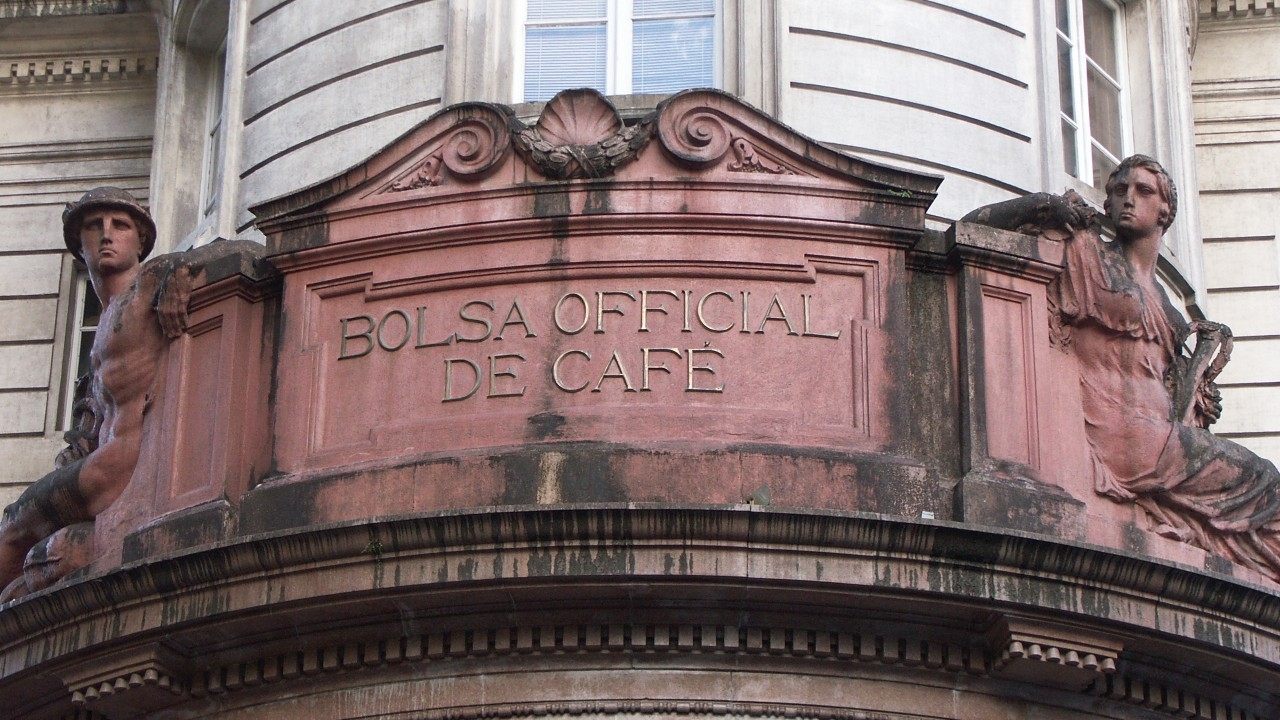
A defining moment came from Ecuador, where a specialty coffee auction set a new national benchmark. A Gesha lot reached 318 dollars per kilogram, signaling not just a headline-grabbing price, but a broader shift in how emerging origins are positioning themselves in the high-value segment of the market. Ecuador, long overshadowed by more established producers, is increasingly demonstrating its potential to compete in the ultra-premium category, where traceability, processing precision, and storytelling drive value as much as cup quality.

This upward movement in prices at the top end reflects a wider transformation. Specialty coffee is no longer a niche; it is becoming a strategic pathway for producing countries seeking to escape the volatility of commodity markets. However, such success stories also highlight a growing divide between high-end micro-lots and the broader base of producers who remain exposed to fluctuating global prices and rising production costs.

At the same time, science continues to deepen our understanding of coffee ecosystems. The identification of new fungal species on arabica plants may seem like a small discovery, yet it underscores the complexity of the biological systems surrounding coffee cultivation. These organisms play a quiet but essential role in nutrient cycling and soil regeneration, reminding the industry that long-term sustainability depends not only on climate and economics, but also on the invisible ecological networks within farms.

On the institutional front, changes in trade governance signal a push toward modernization. Updated arbitration systems and the development of remote training platforms suggest an industry adapting to new realities, where digital access and standardized procedures are becoming increasingly important. As global trade grows more complex, the ability to resolve disputes efficiently and train professionals across borders is no longer optional.

Meanwhile, major coffee companies continue to expand, reporting strong financial growth and reinforcing their global presence. This reflects steady demand in consumption markets, even as the industry faces mounting pressures. New investment discussions and franchise expansion strategies, particularly in the United States, point to a continued belief in coffee as a resilient business model, capable of attracting capital even in uncertain economic conditions.

Yet beneath this growth lies a layer of vulnerability. Legal disputes linked to product safety, as well as incidents involving equipment failure, highlight operational risks that can have significant reputational and financial consequences. In parallel, cases of illegal activity tied to coffee retail spaces, though isolated, raise questions about oversight and the integrity of supply chains at the local level.

In emerging producing regions, entrepreneurial initiatives continue to take shape. New farm projects in Southeast Asia reflect both optimism and necessity, as the next generation of producers seeks to build sustainable models from the ground up. These efforts often rely on direct support, transparency, and storytelling to connect with global audiences and secure funding.

Taken together, these developments reveal an industry defined by contrasts. Record auction prices coexist with structural inequality. Scientific progress advances alongside environmental uncertainty. Corporate growth moves in parallel with operational and regulatory challenges.

Coffee today is not just a beverage or a commodity. It is a complex global system, where climate, biology, economics, and culture intersect. Understanding its future requires looking beyond individual headlines and recognizing the deeper forces reshaping the industry from farm to cup.

Rising Heat Threatens the Future of Coffee

New York – Qahwa World

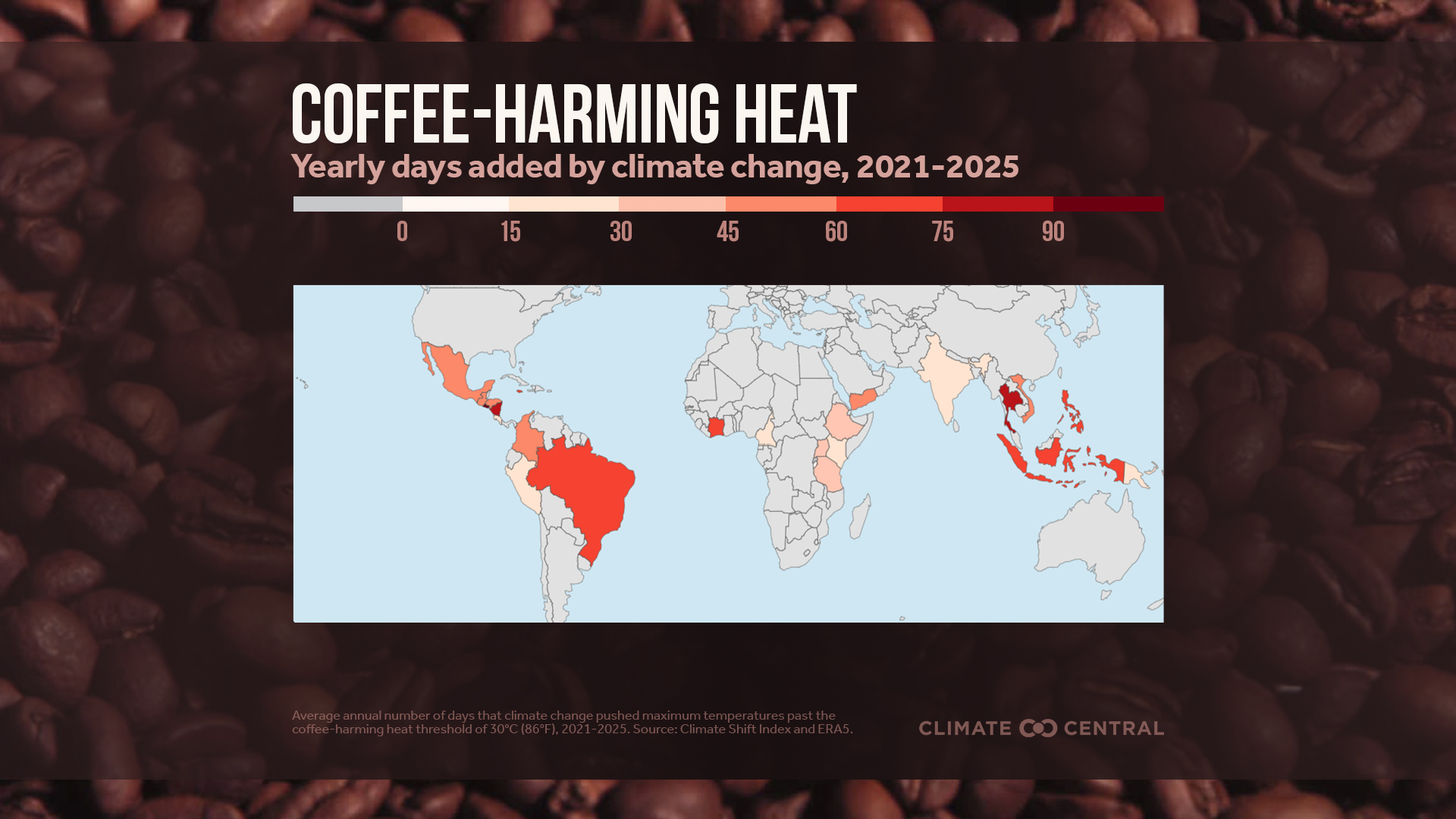
A new analysis by Climate Central (an independent group of scientists and communicators that studies and reports on climate change and its impacts on people’s lives, operating as a policy-neutral nonprofit) is raising a clear warning for the global coffee industry.

Data shows that coffee-growing regions across Latin America, Africa, and Southeast Asia are experiencing rising temperatures at an accelerated pace, faster than at any time in the modern agricultural era. An analysis of daily temperatures across coffee-producing areas reveals that plants are increasingly exposed to heat levels beyond their natural limits, placing significant pressure on yields, bean quality, and farm sustainability.

The findings indicate that extreme heat events exceeding critical thresholds for coffee plants are becoming more frequent in major producing countries such as Brazil, Colombia, Vietnam, Ethiopia, and Indonesia. These conditions are negatively affecting both major types of coffee, including those known for higher quality and those considered more resilient, impacting both quantity and quality of production.

This trend is occurring alongside broader climate instability, including irregular rainfall patterns and longer periods of drought. Farmers are reporting noticeable disruptions in flowering seasons, faster development cycles, and sudden weather shifts that damage flowers and coffee cherries. These changes make it increasingly difficult to predict key production stages and raise the risks of lower yields and soil stress.


View this post on Instagram


A post shared by Coffee Qahwa (@qahwaworld)

The impact is not limited to farms. It is also affecting global markets, where reduced harvests have led to sharp price volatility. These conditions have contributed to elevated coffee prices in recent periods, driven by tighter supply and growing uncertainty in the market.

The analysis also points to a possible shift in coffee-growing geography, with production gradually moving toward higher elevations or areas previously considered unsuitable. While this may create new economic opportunities, it also poses environmental risks, particularly deforestation as farming expands into cooler and ecologically sensitive regions.

At the same time, experts stress the importance of adaptation. Proposed solutions include the use of shade trees, improving soil health, adjusting farming practices, and supporting smallholder farmers to strengthen their resilience to rising temperatures. There is also a strong emphasis on adopting long-term strategies rather than short-term fixes.

The message is clear. Coffee-growing regions around the world are entering a period of profound climate change. Adaptation is no longer optional. It is becoming a decisive factor in determining the future of coffee production and its sustainability in the years ahead.

Sharp Rise in Coffee Prices in Russia

Moscow – Qahwa World

A cup of coffee in Russia is no longer just a simple daily habit, it has become a growing expense that consumers are clearly beginning to feel. Within just one year, the equation has changed: the same amount of money that once covered five cups of coffee now barely pays for four.

Data indicates a noticeable increase in coffee prices across all categories. Ground coffee has risen by around 20%, while coffee beans have increased by approximately 16%. Instant coffee has also gone up, with the price of a small jar climbing from about 350 to 400 rubles.

This surge is not driven by local factors alone, but reflects broader global shifts. Unstable weather conditions in major producing countries such as Brazil and Vietnam have reduced output, as droughts and frost have negatively impacted harvests.

At the same time, supply chains are under pressure due to higher transportation costs and ongoing geopolitical tensions, directly affecting the cost of coffee imports. In Russia, these pressures are compounded by the weakening of the local currency, making imports even more expensive.

You may read: 70% of Russians drink coffee daily

Additionally, businesses are facing rising operational costs, including taxes, energy prices, rent, and transportation. All of these factors ultimately feed into the final price paid by consumers.

Meanwhile, global demand for coffee continues to grow. [conclusion] Market estimates suggest that coffee consumption could increase by about one-third over the current decade, adding further pressure on supply and keeping prices elevated.

Given these conditions, analysts do not expect a significant decline in prices in the near term. Instead, prices are likely to continue rising at a moderate pace, potentially increasing by an additional 10–20% depending on the type and quality of coffee.

In the end, coffee is no longer just a stable, everyday commodity. it has become a reflection of broader changes in the global economy, from climate challenges to shifting supply chains and trade dynamics.

70% of Russians drink coffee daily

Moscow – Qahwa World

The Russian coffee market in 2026 is hitting record milestones, with nearly 70% of the population consuming the beverage every day. Recent analytical data confirms that coffee has firmly established itself as the primary national drink, shaping a new and sophisticated culture of consumption across the country.

Consumption Statistics and Habits

A detailed breakdown of daily rituals among Russians reveals a clear hierarchy:

  • Daily Consistency: 68.4% of respondents cannot imagine their day without a cup of coffee.

  • The Golden Mean: Nearly half of those surveyed (49.5%) limit themselves to 1–2 cups per day.

  • High Intensity: Approximately 12% consume 3–4 cups, while 6.9% exceed this limit.

  • Alternative Choices: Only 31.6% of citizens prefer other beverages or decaffeinated options.

You may like to read: Russian Instant Coffee Exports Rise 28% to $366 Million

2026 Market Transformation: Logistics and Specialty

In 2026, import structures have undergone significant shifts. Russia has expanded direct supply chains from Latin America and East Africa, bypassing traditional European intermediaries. This strategic pivot has maintained access to high-quality specialty coffee despite global price volatility.

Analysts note a surge in interest for “micro-lots”—beans from specific individual farms. This indicates a maturing Russian consumer who now values terroir and unique flavor profiles over generic commercial branding.

2026 Trends: The Home Barista and AI Technology

The headline trend of the industry is the massive shift toward professional-grade brewing at home. With a projected 20% increase in the cost of imported raw green coffee, consumers are rapidly changing their habits:

  1. Economic Advantage: Home brewing costs an average of 5–6 times less than a purchase at a high-end coffee chain.

  2. AI Integration: 2026 has seen the rise of AI-powered espresso machines that automatically adjust extraction parameters based on specific bean density and water hardness.

  3. Sustainability: There is a growing demand for biodegradable packaging and reusable capsules, which has become a decisive factor for the younger demographic (ages 18–35).

Experts predict that by the end of 2026, the home consumption segment will grow by another 15%, turning the morning cup from a simple habit into a conscious, high-tech, and premium ritual.

You me also like to read: Russian Coffee and Roasted Coffee Market 2026

April 1st Instant Coffee Day.. What Do We Know About It?

Dubai – Qahwa World

On April 1st, while many are busy with April Fools’ pranks, coffee lovers celebrate a more grounded occasion: Instant Coffee Day. The date is no coincidence,it marks the launch of Nescafé in 1938, a breakthrough that turned a luxury ritual into a global household staple.

The Evolution of a Quick Cup

While the first patents for “coffee essence” date back to Britain in 1771, the modern history of the drink began in earnest in 1901 when Japanese-American chemist Satori Kato invented the first stable soluble powder.

However, the real turning point came during the Great Depression. The Brazilian government had a massive surplus of coffee beans and asked Nestlé to find a way to preserve them. Chemist Max Morgenthaler spent years perfecting the method, eventually creating a product that dissolved instantly while retaining the beans’ natural oils. Today, whether through spray-drying or the premium freeze-drying method, instant coffee has evolved from a wartime ration into a versatile tool for modern baristas and home cooks alike.

Pro Tip: The “Golden Temperature”

To avoid the bitterness often associated with instant coffee, never use boiling water.

The Secret: Let your water cool for a minute to about 80–85°C. This prevents the coffee crystals from “scorching,” resulting in a much smoother, creamier profile.

Two Cozy Recipes for Your Coffee Break

1. Salted Caramel Cloud Latte

A decadent, layered drink that balances sweetness with a sophisticated savory finish.

  • Ingredients:

    • 2 tsp instant coffee

    • 1 tsp brown sugar

    • 150 ml milk (dairy or oat works best)

    • A pinch of sea salt

    • Caramel syrup

  • Instructions: In your favourite mug, dissolve the coffee, sugar, and salt in 2 tablespoons of hot water. Stir until fully smooth. Steam or froth your milk until it has a light, velvety foam. Pour the milk into the coffee base and finish with a drizzle of caramel. The salt acts as a flavour enhancer, making the coffee taste richer and the caramel more intense.

2. Spiced Orange Iced Mocha

A refreshing, dessert-like drink that pairs the acidity of citrus with the depth of cocoa.

  • Ingredients:

    • 1.5 tsp instant coffee

    • 1 tsp cocoa powder

    • 100 ml cold milk

    • Orange zest and a slice of orange

    • Ice cubes

  • Instructions: Mix the coffee and cocoa with a tiny splash of hot water to create a thick paste. Add cold milk and whisk until combined. Fill a glass with ice, pour the mixture over it, and garnish with fresh orange zest. The citrus oils brighten the coffee, creating a sophisticated “Jaffa” chocolate flavour profile.

Why We Love It

Instant coffee is no longer just a “quick fix”. It is a culinary multitasker, essential for baking (perfect for tiramisu or chocolate cakes) and a reliable companion for travellers. This April 1st, take a moment to appreciate the simplicity of the soluble bean proof that great pleasure can often be found in the smallest, fastest things.

Dunkin’ Gives Away Over 1 Million Free Coffees for April Fools’

Dubai – Qahwa World

Dunkin’ launched its annual April Fools’ Day promotion on Wednesday, April 1, 2026, offering more than 1,000,001 free coffees to members of its Rewards program across the United States, one more than last year’s giveaway to prove that the promotion was not a prank.

According to the official announcement on Dunkin’s blog, last year the chain distributed one million free coffees, which some customers doubted. To address this, Dunkin’ increased the giveaway by one coffee this year to demonstrate the offer’s authenticity.

Rewards members could claim any size hot or iced brewed coffee (excluding cold brew and extra-large hot coffee in most descriptions) by entering the promo code StillNotAJoke in the Dunkin’ app on April 1 only. The offer was limited to the first 1,000,001 members to enter the code.

The free coffee certificate could be redeemed within seven days after entering the code, approximately until April 8. Each member could redeem one coffee only, and no purchase was required. The offer remained valid while supplies lasted.

The promotion received widespread media attention, as it returned after last year’s successful but heavily doubted giveaway. Marketing experts note that initiatives like this strengthen customer engagement and loyalty to the brand.

With this campaign, Dunkin’ turned April Fools’ Day into a real celebration for coffee lovers, proving that the promotion was genuine and not a joke for members of its Rewards program.

Arabica Drops, Robusta Rises Amid Global Coffee Supply

Dubai – Qahwa World

Global coffee prices showed mixed trends this week. Arabica coffee declined to a one-and-a-half-week low, while Robusta coffee gained support from tight supply conditions.

The main pressure on Arabica prices comes from forecasts of a record Brazil coffee crop, the world’s largest coffee producer. Several international agencies raised estimates for the 2026/27 season to around 75 million bags, a strong year-on-year increase boosting the global supply outlook.

Despite climatic challenges, such as below-average rainfall in key regions like Minas Gerais, Brazilian production continues to rise.

The strength of the Brazilian real limited Arabica losses by reaching a three-week high against the U.S. dollar, reducing exporters’ incentives to sell.

Meanwhile, Robusta coffee prices were supported by falling ICE-certified inventories to a 3.5-month low, reflecting tight supply amid strong demand, especially for instant coffee production.

Global logistics disruptions, including the closure of the Strait of Hormuz, increased shipping, insurance, and fuel costs, affecting importers and roasters worldwide.

Market pressures persist due to rising Arabica inventories and declining Brazilian green coffee exports, reflecting fluctuations in the global coffee market.

Globally, coffee production is expected to reach record levels in 2026/27, driven mainly by Robusta growth. Vietnam, the largest Robusta producer, continues to expand exports and output, adding downward pressure on prices.

Overall, the global coffee market reflects a delicate balance between abundant Arabica supplies and relatively tight Robusta stocks, along with climate effects, currency fluctuations, and logistical challenges, keeping prices volatile in the near term.

IHOP revamps coffee program with new exclusive blend

Dubai – Qahwa World

United States-based casual dining chain IHOP has unveiled a major update to its coffee offering, marking the first change to its program in nearly 20 years with the launch of a new proprietary blend across its locations.

Known for its focus on American breakfast cuisine, the brand operates more than 1,300 restaurants globally, with the majority based in the United States.

The newly introduced coffee, branded as the IHOP Coffee Blend, is made from 100% sustainably sourced Arabica beans from Brazil. Alongside the new blend, the company has expanded its iced coffee range with additional flavours including dulce de leche, vanilla, and chocolate.

According to Lawrence Kim, president of Dine Brands Global, the update was driven by customer feedback and evolving consumer preferences.

He noted that the company continues to monitor guest input and market trends, adding that the new coffee is intended to complement IHOP’s value offerings while reinforcing its focus on delivering a high-quality breakfast experience.

Nestlé, ILO launch two-year coffee labour rights project

Dubai – Qahwa World

Nestlé and the International Labour Organization (ILO) are expanding their long-standing partnership by launching a new, two-year project, “From fair recruitment to worker protection in coffee supply chains,” focused on promoting labour rights in the coffee supply chains of three key sourcing countries: Brazil, Colombia and Mexico.

Building on its standard-setting role and convening power, the ILO will facilitate social dialogue among governments, employers’ and workers’ organizations to identify and address key drivers of decent work deficits and labour-related risks in coffee supply chains. Based on these insights, the project will implement targeted country-level interventions to promote fair recruitment practices and labour rights. Interventions at the country level will also support global knowledge-sharing across the coffee sector.

You may also be interested in: Nestlé Considers Selling Blue Bottle Coffee Stake

Dan Rees, Director, ILO Priority Action Programme on Decent Work in Supply Chains, said: “Coffee production sustains the livelihoods of approximately 20–25 million families worldwide, generating vital income and employment. However, decent work deficits in coffee supply chains persist, particularly among seasonal and migrant workers. Through this project, we aim to advance labour rights and promote decent work and contribute to more sustainable supply chains.”

Antje Shaw, Head of Sustainability for Coffee at Nestlé, said: “Our partnership with the ILO represents a significant step to advancing and promoting human rights in coffee supply chains. By working together, we can progress faster in creating more resilient and inclusive coffee value chains, where workers are treated with dignity.”

You may also be interested in: Nestlé to Reduce Workforce as Part of Cost-Saving Drive

The project is supported by the Nescafé Plan, Nestlé’s global sustainability programme for the brand, and will contribute to the ILO Fair Recruitment Initiative, which supports the promotion and implementation of fair recruitment principles worldwide, as well as to the ILO flagship programme Safety + Health for All, particularly its Vision Zero Fund, which promotes the fundamental right to a safe and healthy working environment in supply chains.

Nestlé is a founding member of the Child Labour Platform (CLP) convened by the ILO and a partner in projects aimed at promoting decent work in agricultural supply chains.

EFICO GROUP: A Century of Responsible Coffee – 2025 Report

Brussels – Qahwa World

EFICO GROUP has officially published its 2025 Communication on Progress (CoP), reaffirming its commitment to the ten principles of the United Nations Global Compact. The report highlights how the company integrates human rights, labour standards, environmental responsibility, and anti-corruption practices into operations, partnerships, and decision-making across the global coffee value chain.

  • Sustainability at the Core

For EFICO, sustainability is central to its identity. As a specialist in green coffee since 1926, the company embeds responsible practices at every stage — from sourcing and supplier engagement to efficient internal operations. EFICO ensures a consistent supply of high-quality, fully traceable coffee while creating lasting positive impact for producers, communities, and stakeholders.

You may Like: EU’s New Organic Regulation Reshapes Coffee Value Chains Worldwide

In 2025, EFICO strengthened its focus on traceable and sustainable sourcing, collaborating directly with farmers, cooperatives, and local exporters to promote economic resilience and environmental stewardship. By prioritising verified and certified coffees, the group supports practices that protect biodiversity, conserve natural resources, and improve livelihoods in coffee-growing regions.

  • Transparency: The Foundation of Trust

Transparency guides EFICO’s operations. The 2025 CoP provides clear insights into practices, measurable progress, ongoing initiatives, and areas targeted for improvement. By openly sharing successes and challenges, the company ensures decisions are informed, accountable, and aligned with the expectations of partners, clients, and civil society.

You may like: Brazil Coffee Harvest 2025/2026: A Decent Crop Amid Market Volatility

  • The Power of Partnerships

Meaningful change requires collaboration. EFICO maintains long-term relationships with coffee producers, cooperatives, roasters, traders, institutional partners, and civil society organisations. These partnerships deliver practical solutions that empower communities, strengthen the coffee sector, and support environmental protection. Joint projects, knowledge sharing, and co-developed programmes help address challenges like climate change, market volatility, and social inequalities in coffee-growing regions.

  • Walking the Talk: Action and Impact

EFICO emphasises measurable action. The 2025 CoP highlights the company’s approach to monitoring outcomes, reviewing performance indicators, and adapting strategies based on results. This cycle drives improvements in product quality, service excellence, operational efficiency, and sustainability performance. Through transparent reporting, EFICO ensures commitments translate into tangible benefits — from better farming practices and reduced environmental footprints to stronger community development.

  • Celebrating 100 Years and Looking Ahead

2026 marks 100 years of EFICO GROUP in the coffee industry. A century of experience, trusted partnerships, and deep market knowledge has enabled EFICO to consistently deliver high-quality, traceable coffee while supporting producers and communities.

Read Also: Harvesting Coffee and Carbon: A New Chapter in Sustainable Coffee Production

Entering its second century, EFICO remains committed to responsible sourcing, ethical trading, and long-term positive impact. Lessons from the past, combined with forward-looking innovation, position the company to navigate future challenges and opportunities in the evolving coffee landscape.

The full EFICO Group 2025 Communication on Progress is available in English, French, and Spanish. Stakeholders worldwide can access the detailed report to explore the company’s sustainability, transparency, and partnership-driven initiatives.

🔗 Access the report: EFICO 2025 Communication on Progress

  • About EFICO Group

EFICO, along with CUPRIMA, the EFICO Foundation, and SEABRIDGE, forms a dynamic group dedicated to responsible practices in the global coffee industry. Quality, sustainability, and meaningful long-term impact define every aspect of its operations — from green coffee trading and roasting solutions to community-focused projects and efficient logistics.

By combining nearly a century of heritage with a progressive vision, EFICO Group strives to build a sustainable, equitable, and resilient coffee sector for generations to come.

Coffee Sector Adopts Procurement Principles to Strengthen Farmer Livelihoods

BONN – Qahwa World

Leading players in the global coffee sector have announced two new procurement principles aimed at supporting the long-term economic sustainability of coffee farmers. The principles, developed over nine months by the Global Coffee Platform (GCP), IDH, and Solidaridad, focus on building strategic partnerships and promoting sustainable coffee production, marking a coordinated effort to encourage more responsible sourcing practices across the industry.

The initiative involved 14 major coffee companies, including Caravela, ECOM, illycaffè, JDE Peet’s, Louis Dreyfus Company, Neumann Kaffee Gruppe, Taylors of Harrogate, UCC, and Volcafe. The principles build on insights from the 2024 report The Grounds for Sharing, which examined the challenges and opportunities for farmer resilience in global coffee supply chains.

You may Like: Launch of Global Platform for Coffee Industry to Transform 40 Million Tons of Biowaste into Business Opportunities

  • Shifting Toward Long-Term Collaboration

The first principle, strategic partnerships, emphasizes moving away from short-term transactions and toward longer-term, trust-based collaborations between farmers, traders, roasters, and retailers. According to Annette Pensel, Executive Director of GCP, “Ensuring the long-term economic viability of sustainable coffee farming and overall farmer prosperity is essential for a resilient supply and competitive coffee sector. This requires shared responsibility and a more coordinated approach across the industry.”

The second principle, Sustainable Coffee Production, encourages conditions that allow farmers to recover their costs and invest in long-term improvements to both their livelihoods and farming systems. Mette-Marie Hansen of IDH said, “By embedding longer-term partnerships and sustainable production conditions, companies can contribute to more resilient supply chains and improved economic viability for farmers. At IDH, this work is seen as a foundation for scaling more responsible purchasing practices across the sector.”

You may read: ICO Launches 2026 Global Campaign: Coffee is Part of the Solution

Andrea Olivar from Solidaridad added that the principles are intended to create a framework where all stakeholders in coffee supply chains—farmers, traders, and retailers—benefit from their efforts. “These principles are fundamental to promoting the prosperity of coffee producers while securing supply for the global market,” she said.

The release of the principles highlights the critical role of procurement in shaping the conditions in which farmers operate. While procurement alone cannot solve all challenges facing coffee producers, when combined with supportive public policies, inclusive finance, and improved farm practices, it can significantly enhance farmer resilience and economic outcomes.

Read also: ICO Relaunches Global Coffee Sustainability Platform with Enhanced Tools

The publication Identifying Common Procurement Principles Specific to Coffee is now available, signaling a growing industry commitment to responsible sourcing and long-term sustainability in coffee production.

Ethiopia Bolsters Global Coffee Competitiveness with Landmark Digital Handover

ADDIS ABABA – Qahwa World

The Ethiopian coffee industry achieved a significant digital milestone on 27 March 2026, as the Ethiopian Coffee and Tea Authority (ECTA) officially concluded the technical handover of the Ethiopian Coffee Traceability and Management System (ECTMS).

Developed in collaboration with the Deutsche Gesellschaft für Internationale Zusammenarbeit (GIZ) through its SUVASE project, and with technical implementation by the Ethiopian software firm Vulcan ICT, the ECTMS represents a state-of-the-art digital platform. It aims to deliver end-to-end transparency and traceability for the world’s most iconic coffee origin—home to the ancient forests that gave birth to Arabica coffee.

You may read: Ethiopia Strengthens Coffee Ties with China

  • A Digital Shield Against Stringent Global Regulations

As international sustainability requirements tighten—especially the EU Deforestation Regulation (EUDR)—the ECTMS equips Ethiopia with a critical technological advantage. The system addresses the EUDR’s core demands for geolocation data, proof of deforestation-free production (post-31 December 2020 cutoff), and full supply chain traceability.

The system features three core functionalities:

Precision Geodata Collection: A dedicated mobile application enables field agents and farmers to capture exact GPS coordinates and plot-level details from coffee farms across the country.

Seamless Logistics Tracking: Real-time digital documentation of the entire goods flow, from farm to export, replacing outdated paper-based processes.

Read Also: Chinese Firm Huichuan to Invest in Ethiopia Coffee Processing

Advanced Deforestation Risk Analysis: Integrated mapping tools assess cultivation areas against deforestation risks, helping ensure compliance with global sustainability standards.

By generating verifiable, auditable data, the ECTMS helps European importers fulfill their due diligence obligations, safeguarding continued access for Ethiopian coffee to one of its largest and most lucrative markets.

  • Efficiency, Trust, and Farmer Empowerment

At the handover workshop, ECTA Director General H.E. Dr. Adugna Debela emphasized the evolving demands of the global coffee market.

“Trustworthy traceability is no longer optional; it is the backbone of Ethiopia’s global competitiveness,” Dr. Adugna stated. “We are committed to leveraging technology to enhance sustainability, ensuring better market access and, ultimately, increased revenue for our farmers. We extend our sincere gratitude to GIZ and Vulcan ICT for their partnership in developing this essential trust mechanism.”

Read Also: Ethiopia and China Strengthen Coffee Sector Cooperation

The ECTMS shifts Ethiopia from traditional paper-based certifications to a modern, user-friendly digital ecosystem. For the millions of smallholder farmers who form the backbone of the sector, this means their coffee’s origin, ethical production, and environmental footprint can now be reliably documented and promoted.

  • Strategic Importance in a Booming Sector

This initiative comes as Ethiopia’s coffee sector continues to post impressive gains. In the 2024/25 fiscal year, the country achieved record exports of approximately 470,000 tons, generating over USD 2.6 billion in revenue. Early performance in 2025/26 has also been strong, with ambitions targeting up to USD 3 billion in coffee earnings for the full year.

Projections for the 2025/26 marketing year estimate production at around 11.6 million 60-kg bags, with exports potentially reaching 7.8 million bags, supported by favorable conditions, tree rejuvenation programs, and policy reforms. By aligning with global expectations, the ECTMS positions Ethiopian coffee—prized for unique flavor profiles from regions like Yirgacheffe, Sidama, and Guji—to command premium prices in both specialty and mainstream segments.

  • Looking Ahead

While the system marks major progress, full-scale adoption remains a challenge due to the fragmented nature of Ethiopia’s roughly four million smallholder farms. ECTA has indicated plans to issue directives for centralizing geolocation data to avoid fragmentation.

As the EUDR enforcement deadline approaches (December 2026 for large operators), full implementation and widespread adoption across cooperatives, exporters, and regional authorities will be key to translating this technological milestone into tangible benefits for farmers and sustained growth for the national economy.