China’s €1 Coffee Is Shaking Europe

Dubai – Qahwa World

A cup of coffee for less than one euro is no longer a rare promotion. It is becoming a daily reality in some of Europe’s busiest cities, and it is starting to change how people think about their coffee.

Step off a crowded morning train in Berlin or London and the difference is clear. Instead of waiting in line at a traditional café and paying several euros, you open an app, place your order in seconds, and pick up your drink almost immediately from a compact kiosk nearby.

No long wait. No extra cost. Just fast, affordable coffee.

This shift began to take shape in early 2026, when Chinese coffee chains expanded into major European markets. Their arrival introduced a new model that is already influencing the industry from Paris to Madrid.

A New Model Takes Shape

One of the key players is Cotti Coffee, a fast-growing brand founded in 2022. It has rapidly expanded across international markets and recently opened stores in cities such as Paris, Berlin, Madrid, and London, with more locations planned.

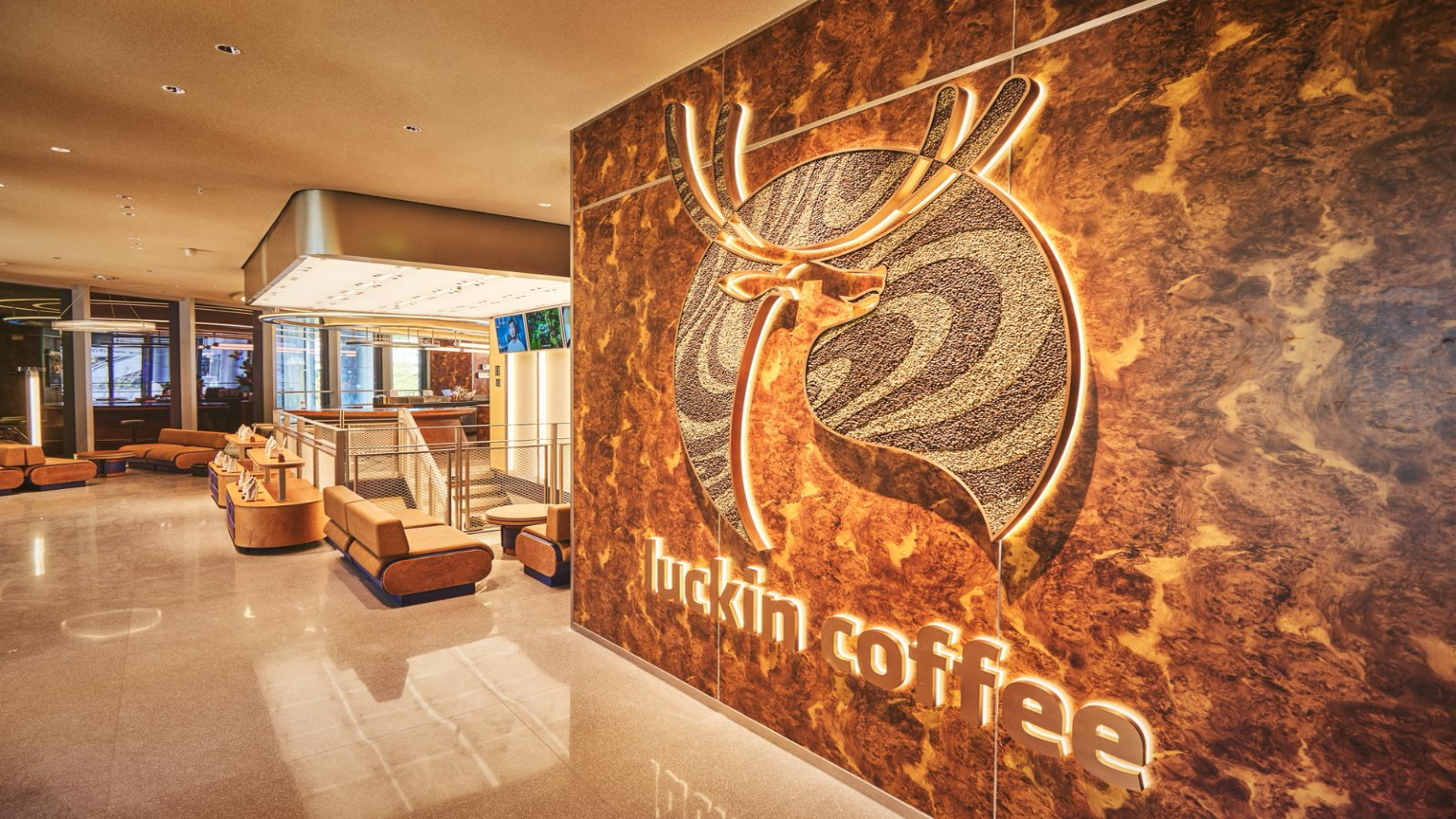
Another major name is Luckin Coffee, which operates tens of thousands of stores globally and continues to explore expansion beyond Asia.

Their approach is built on a simple formula:

Small stores in high-traffic areas
Ordering through mobile apps
Very fast service
Lower prices than traditional cafés

In some locations, espresso is offered for less than one euro, far below typical European prices.

Why Europe Is Ready

Europe has one of the strongest coffee cultures in the world. Coffee is part of everyday life, tied to routines and social moments. However, rising costs have made it more expensive in recent years.

This has created two distinct needs:

Coffee as an experience, where people sit and enjoy the atmosphere
Coffee as a daily necessity, where speed and price matter most

Chinese coffee chains are focused on the second need. They are not replacing traditional cafés but offering an alternative for quick and affordable consumption.

Tradition Still Holds

European cafés remain deeply rooted in culture and identity. Many people still value quality, ambiance, and human interaction.

Because of this, traditional and specialty cafés are expected to remain strong. They may even become more defined by focusing on craftsmanship and local character.

The market is moving toward coexistence rather than replacement.

Changing Expectations

Even without dominating the market, these new entrants are already influencing customer expectations.

They are pushing for:

Lower prices
Faster service
Greater reliance on mobile ordering
More frequent promotions

This is encouraging both independent cafés and large chains to rethink how they operate.

Two Different Approaches

For years, companies like Starbucks have focused on creating comfortable spaces where people can relax, work, or meet.

Chinese chains take a different approach. They prioritize speed, efficiency, and accessibility over atmosphere.

This creates a more diverse coffee landscape, where different models serve different needs.

A Market in Transition

Chinese coffee chains are unlikely to change the core of Europe’s coffee culture, which has developed over generations.

However, the market is clearly evolving. It is becoming more competitive, more flexible, and more responsive to changing consumer habits.

By the end of 2026, Europe’s coffee scene will likely be more diverse, offering both rich experiences and fast, affordable options.

East Asia’s Coffee Shop Landscape Surges as China Alone Adds 20,000 Stores in One Year

Dubai – Qahwa World

A new edition of Project Café East Asia 2026 by World Coffee Portal reveals an exceptional year for the branded coffee chain sector across East Asia, with the region’s total number of outlets jumping 18.4% to reach 180,268 stores. The strongest momentum came from China, Thailand, Indonesia, Vietnam, and the Philippines, all of which posted double-digit expansion in store counts.

  • China Leads the Region with Record-Breaking Growth

China registered the fastest acceleration, expanding its branded coffee shop network by 31.5% over the past year to reach 87,505 outlets—nearly half of all branded cafés in East Asia and almost double the size of the U.S. market. It also became the first national market ever to add more than 20,000 net new stores within a single calendar year.

The main force behind this surge came from domestic champions Luckin Coffee and Cotti Coffee, which together contributed over 12,000 new locations, representing half of the country’s entire branded segment.

China’s competitive landscape is being shaped heavily by pricing battles, most notably the RMB 9.9 (US$1.40) rivalry between Luckin and Cotti. This emphasis on affordability has also propelled the rise of budget-forward chains such as Lucky Cup, operated by Mixue, and KCOFFEE under Yum China.

As local operators increasingly dominate, several international brands have been pushed to reconsider their strategies. A striking example is Starbucks’ agreement to sell a majority stake in its 8,000-store Chinese business to Hong Kong–based Boyu Capital in a deal valued at $4 billion.

  • China Emerges as a Global Lab for Beverage Innovation

While 80% of surveyed Chinese consumers drink hot coffee at least once a week and a quarter consume it daily, operators are aggressively expanding their cold, flavored, and fruit-infused offerings—turning China into a leading testing ground for new flavors.

Matcha, palm sugar, and coconut were rated among the most appealing additions by consumers. Luckin Coffee’s Coconut Latte, introduced in 2017, continues to dominate its sales charts. The brand is known for launching experimental drinks weekly, resulting in items like jelly lattes and cheese lattes.

KCOFFEE has taken novelty even further, releasing products such as Egg Tart Dirty Coffee, a fried-chicken-inspired latte, and even a sparkling black vinegar Americano.

  • Homegrown Chains Strengthen Positions Across East Asia

East Asia’s coffee chain ecosystem is increasingly being shaped by domestic players that emphasize local traditions, accessible pricing, and menus tailored to national tastes. According to World Coffee Portal’s consumer survey, 57% of Chinese respondents prefer homegrown chains over international brands—a trend replicated across the region.

Key examples include:

Jinji Jawa in Indonesia,

ZUS Coffee in Malaysia,

Pickup Coffee in the Philippines, and

Milano Coffee in Vietnam—

each of which added hundreds of new stores in the last year. Their rapid expansion outpaced Western competitors like Starbucks, Costa Coffee, and Dunkin’.

Thailand showed similar dynamics: Café Amazon and PunThai Coffee accounted for 80% of all new cafés opened in the country this year, highlighting the region’s increasing focus on localization, digital engagement, and culturally relevant branding.

  • Industry Leaders Expect Continued Growth

The majority of operators surveyed remain optimistic about the sector’s direction:

71% reported higher sales over the past year.

68% expect trading conditions to further improve in the next 12 months.

World Coffee Portal forecasts that East Asia will become the first region to surpass 200,000 branded coffee shops by the end of 2026. By November 2030, the regional market is projected to exceed 263,000 outlets, reflecting a five-year compound annual growth rate of 7.9%.

  • China is expected to maintain strong momentum with:

20% outlet growth in 2026, and

10.3% average annual growth over the following five years,
bringing its store count to over 142,500 outlets by 2030.

Other markets—including Cambodia, Indonesia, Malaysia, the Philippines, and Vietnam—are also predicted to achieve double-digit outlet expansion over the next year.

  • Expert Insight

Commenting on the findings, Jeffrey Young, Founder and CEO of Allegra Group, highlighted East Asia’s rising global influence. He described China’s addition of more than 20,000 stores in a single year as “astonishing” and emphasized that the region is poised to drive the majority of global coffee market growth in the coming decades. Young added that the entry of East Asian chains into Western markets—along with their distinctive approaches to technology and product innovation—could reshape international trends.