Rached Dabdob: When Media Strategies are Brewed with the Aroma of Coffee

Dubai – Qahwa World

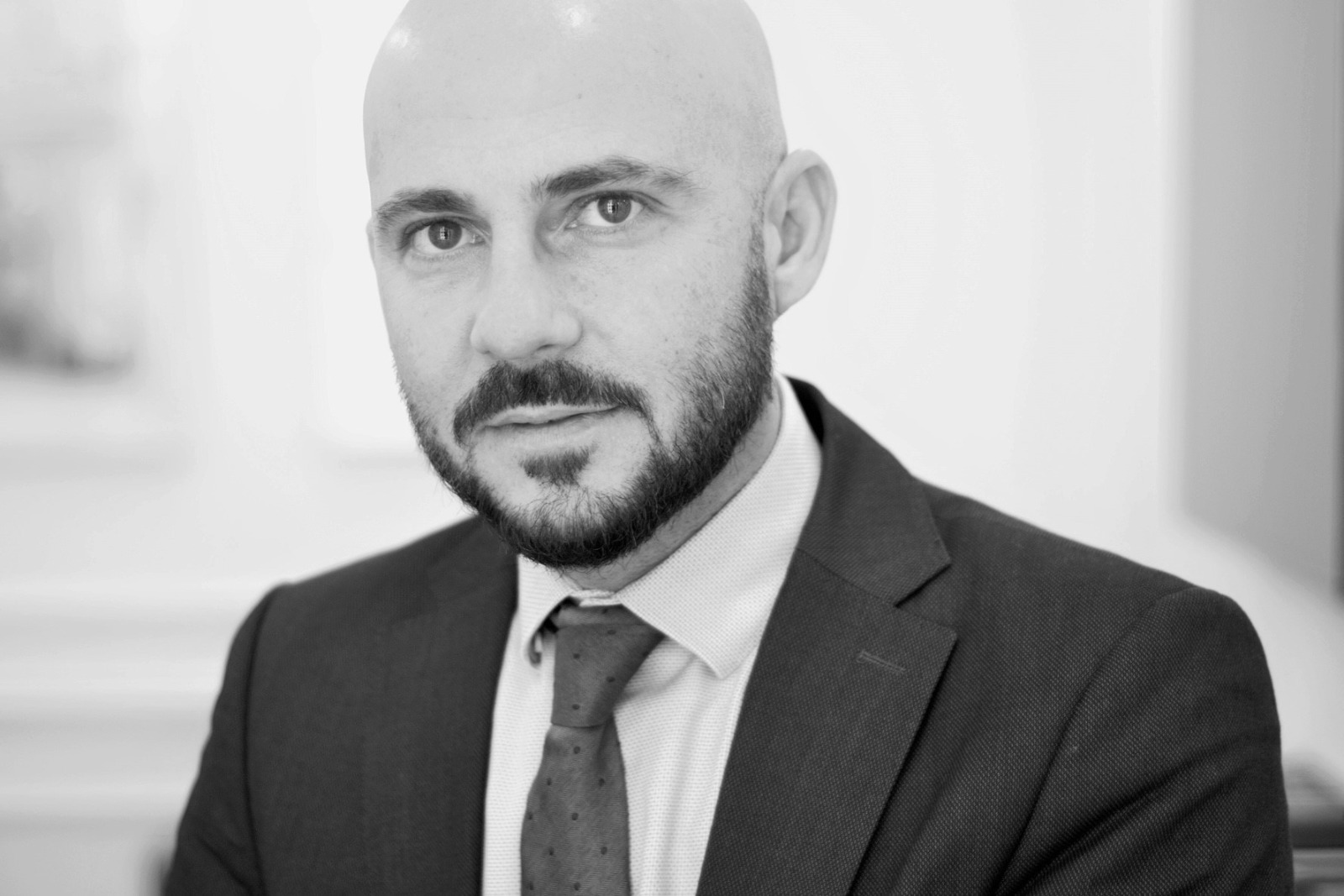
For journalist and communications expert Rached Dabdob, drinking coffee is more than a daily habit; it is a mental ritual that accompanies his creative journey through the world of strategic communication. Since the launch of his career in Dubai in 2001, through to leading economic departments and building media content for major global events like Expo 2020 Dubai, coffee has remained the “silent engine” helping him transform complex visions into inspiring stories and impactful narratives.

  • From the Banks of the Orontes to the Shores of Dubai

At the heart of this journey lies the city of Homs—his birthplace and primary source of inspiration. Despite years of living abroad and achieving success in Dubai, Rached carries an exceptional love for this ancient city, its minarets, its scholars, and the endless tales of its people. Rached believes that Homs is not just a geographical location, but a school of patience, humor, and the art of simplification. It is from there that he derived his passion for documenting memory and his love for the Arabic language, which he polished in its alleys to become his most powerful tool for addressing the world today from international platforms.

  • The National Pavilion UAE in Venice: A Global Cultural Bridge

Today, Rached Dabdob is deeply involved in crafting the media narrative for the National Pavilion UAE at the Venice Biennale. He leverages his expertise to provide specialized consultancy in Arabic communications, supporting strategic outreach to ensure the nation’s cultural message is delivered with precision and influence.

The Pavilion stands as one of the UAE’s most prominent global cultural initiatives, acting as a bridge that connects Emirati creators with the world’s most prestigious art circles. It presents visual and philosophical narratives that reflect the depth of the human experience in the United Arab Emirates. The Pavilion enjoys continuous support and patronage from the UAE Ministry of Culture, while the Salama bint Hamdan Al Nahyan Foundation serves as its permanent commissioner—a testament to the unified institutional efforts to showcase the nation’s cultural identity in its finest form to a global audience.

  • Rituals of Focus: Three Cups of “Lavazza”

From his comfortable sofa, while planning these major national projects, Rached adheres to a precise regimen: he drinks two to three cups of Lavazza coffee daily before noon. This specific choice provides him with the mental clarity necessary to draft high-level correspondence and official speeches—tasks that require extreme linguistic precision and meanings that leave no room for ambiguity. Meanwhile, the aroma of the coffee reminds him of morning dialogues in his hometown and the verses of its legendary poet, “Dik al-Jinn.”

  • From Al Bayan to Venice

Following a successful 12-year tenure at Al Bayan newspaper, where he led a team of 26 editors and translators, through the spectacular journey of Expo 2020 Dubai and subsequently Expo City Dubai—the “heart of Dubai’s future”—Rached now carries his expertise to international arenas. At every stage, a cup of coffee has been the witness to the birth of ideas that bridge the UAE’s rich heritage, the deep roots of Homs, and the future ambitions of Emirati society as told in the heart of historic Venice.

The creative “whisper” that Rached seeks to instill in the world’s mind through his media plans always begins with the scent of brewed coffee, transforming moments of contemplation into robust action plans that place the United Arab Emirates at the forefront of the global cultural and economic scene.


Vienna Coffee Culture: A Blend of Tradition and Modernity

Vienna – Qahwa World

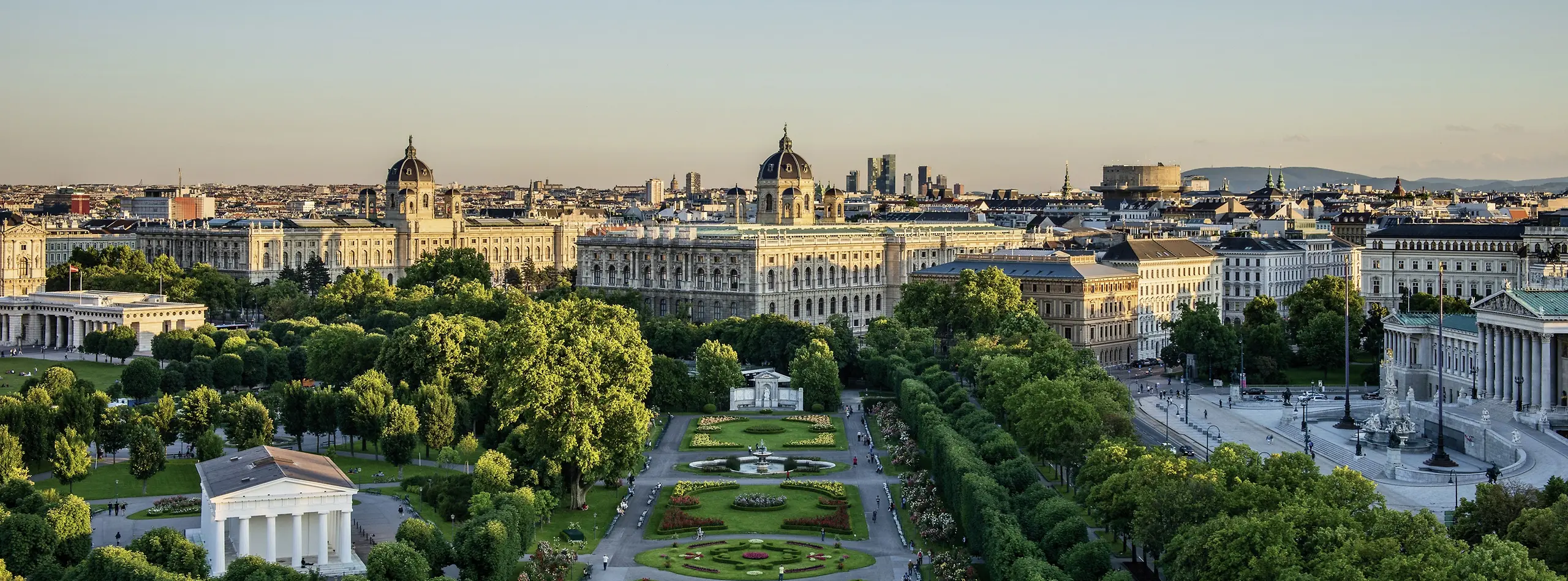
Vienna’s coffeehouse culture stands at the core of the city’s identity, functioning not just as places to drink coffee, but as long-established social and cultural spaces that define the rhythm of urban life. In 2026, this tradition becomes a primary gateway for discovering the city, especially for travelers from the Gulf Cooperation Council seeking calm, authenticity, and culturally rich experiences.

At the heart of this heritage is the Frauenhuber Coffeehouse, one of Vienna’s most historic cafés. Located in a centuries-old building, it reflects the deep connection between coffee, music, and culture, and has long been associated with classical artistic traditions and performances.

In contrast, Jonas Reindl Coffee Roasters represents the modern evolution of Vienna’s coffee scene, focusing on specialty roasting and minimalist spaces that prioritize quality, precision, and a refined contemporary coffee experience.

Meanwhile, the Café Schwarzenberg embodies the classic Viennese coffeehouse tradition, where coffee is part of a daily ritual accompanied by pastries and breakfast in an elegant historic setting dating back to the nineteenth century.

This diversity extends to contemporary cafés such as Café Candelifi, Café Rosy Bizzl, and Central Roses Bar Café, which reflect the evolving café landscape—from plant-based concepts to seasonal menus and modern Central and Eastern European influences.

Beyond coffee culture, Vienna reveals a renewed culinary scene that blends tradition and innovation, presenting the city in a new light for Gulf travelers beyond its conventional association with a limited set of traditional dishes.

Within this framework, Glasing at the Amaryos offers a modern interpretation of Austrian cuisine in an artistic environment, while Herzig, a Michelin-starred restaurant, delivers a precise and innovative dining experience defined by creativity, attention to detail, and a quiet location away from the city center.

At the same time, Gmuckler preserves traditional Austrian culinary heritage through authentic local dishes that reflect the city’s gastronomic identity.

In hospitality, the Mandarin Oriental Vienna combines luxury design with fine dining inside a historic Art Nouveau building, while Schöteck Palace is set to expand Vienna’s hotel landscape with its upcoming opening in a restored historic palace.

Overall, Vienna in 2026 offers Gulf travelers a layered experience that begins in its coffeehouses and extends into dining and hospitality, presenting a city best understood through its lived cultural and sensory experiences rather than its traditional image alone.

Bala Shao-Sing Crowned 2026 World Latte Art Champion

San Diego – Qahwa World

The 2026 World Latte Art Championship concluded in spectacular fashion as part of the World of Coffee San Diego exhibition,

bringing together some of the finest specialty coffee artists from around the globe in a highly competitive and visually stunning final.

This year’s championship featured 33 competitors from various national competition bodies, with six finalists advancing to the final round.
The finalists delivered performances that blended technical precision, artistic expression, and storytelling through intricate latte designs.

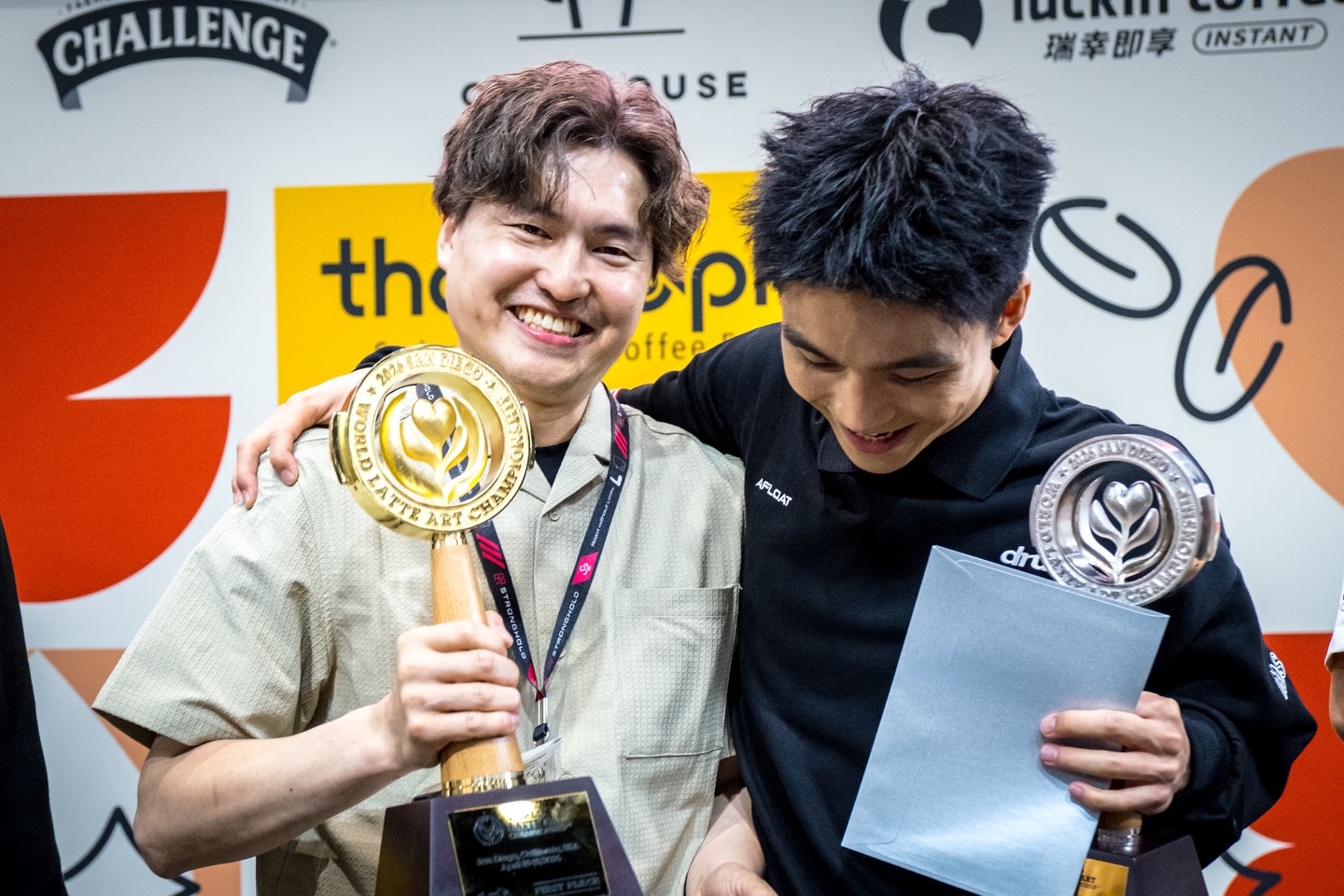
At the end of the competition, the World Coffee Championships organization crowned
林紹興🇹🇼Bala, Shao-Sing representing Taiwan as the 2026 World Latte Art Champion,
following a performance praised for its consistency, precision, and artistic complexity in cup presentation.

Final Standings – Top Six

  • 1st Place: 林紹興🇹🇼Bala, Shao-Sing – Taiwan
  • 2nd Place: Jacky Chang – Malaysia
  • 3rd Place: Zhang Yuanyi (Zking) – China
  • 4th Place: Bank Sarawut – Thailand
  • 5th Place: Jay Kim – South Korea
  • 6th Place: Tatsuya Ishibashi – Japan

The World Coffee Championships organizers noted that this edition delivered an exceptionally high level of latte art craftsmanship,
reflecting the continued evolution of specialty coffee culture and the growing global standards in competitive coffee arts.

The event concluded with strong appreciation from audiences and industry professionals, highlighting the championship’s role as a global platform
for creativity, technical excellence, and cultural exchange within the coffee community.

Bala Shao-Sing Crowned 2026 World Latte Art Champion


A Quiet Craft: Kaffa Oslo’s Discipline, Cupping, and Roasting

Dubai – Ali Alzakary
In the quiet precision of Nordic coffee culture, Kaffa Oslo has built a reputation shaped by patience, sensory discipline, and a deep respect for detail. From its roastery in Ryen, Oslo, the team continues to refine how coffee is selected, roasted, and experienced.After a standout year marked by recognition at “Nordics Best Roaster 2026,” we speak with head roaster Trude Skjold Løken about the journey behind the achievement, the realities of global coffee logistics, and the philosophy that guides Kaffa Oslo’s approach to roasting.

What follows is a conversation about craft, competition, and connection across the world of specialty coffee.

We invite you to read the full interview below.

Introduction to Kaffa Oslo

Could you introduce yourself and the story behind Kaffa Oslo to our audience? What are the core values that define the roastery’s identity in the Norwegian coffee scene?

Hello there! My name is Trude and I`ve worked with specialty coffee since 2012, starting of as a barista before getting a job as a production roaster in 2016. Worked my way up to a position as head roaster with quality control some years down the line. Learned with time, stubbornness and patience how to be a good cupper for roasting purposes and this is what made me who I am today. If I could give everyone that`s considering becoming a roaster just one tip: learn how to cup for roasting purposes and never stop cupping!

KAFFA is a small specialty roastery based in Ryen, Oslo. Born from the legacy of the iconic Oslo coffee bars JAVA and MOCCA. Founded by Robert W. Thoresen, the first World Barista Champion, our mission has always been to create meaningful experiences through exceptional coffee.

We work directly with dedicated producers around the world to source the finest green coffee through our owner and his sourcing company Collaborative Coffee Source. This work allows us to ensure sustainability and quality at every step of the journey. We use a light roasting style developed to highlight the unique character of each coffee while ensuring it remains easy to brew.

Since 2005, we have focused on making specialty coffee approachable and inclusive. Whether for home brewing or professional brewing, our goal is to provide a touch of everyday luxury through traceable, high quality coffee.

The Winning Moment

Congratulations again on winning “Nordics Best Roaster 2026.” Looking back at the competition, what do you think was the defining element in your roasting profile that set Kaffa Oslo apart this year?

Answer: There were many amazing coffees on the competition table, but maybe the florality and sparkling acidity of our sourced coffee made it stand out. We were extremely lucky to source a geisha like that. One of the best geishas I`ve ever tasted and I`ve had quite a few! The mandatory coffee had quite a similar approach/profile as the sourced, I approached it like a geisha. Roasted in a nordic light style but with enough development to give them body to make them both stand out.

The Competition Experience

In the “Mandatory Coffee” category, everyone roasts the same beans. How did you manage to imprint your signature style on those beans to impress the judges?

Answer: My first sampleroast (on a ROEST sample roaster) reminded me of a geisha-I found the coffee to be very light, sweet and delicate, so I took that approach when roasting the first batch on our smallest production roaster (a Probat UG15). Trying my best to bring forward the notes the coffee was inhabiting: red berries, the florality of black tea, sweet and elegant.

Global Supply Chains

With the current tensions in the Middle East affecting global shipping routes, how do you see these logistics challenges impacting the arrival and cost of green coffee in Norway?

Answer: The current challenge the last few years is that our East African coffee can`t take the shortcut through the Suez Canal, so it`s detouring all the way around the Cape of Good Hope. This adds about two to three weeks to our wait times and significantly increases freight costs. On top of that, the jump in global fuel prices means it`s costing more to power the ships and the trucks delivering to us here in Norway. It`s not always easy logistically to be located so far up in the northern hemisphere, but we`re doing our best to keep everything moving.

Adaptability

Have these regional disruptions prompted Kaffa Oslo to reconsider shipping methods or explore different sourcing strategies to ensure consistency?

Answer: We won`t change any of our buying strategies or move coffee in a different way. We will just have to wait a bit longer for the coffee to arrive in Norway.

Future Ambitions

After reaching the top in the Nordics for 2026, what is the next milestone for you? Are there plans for more international competitions or new projects within the roastery?

Answer: We will continue to compete in Nordics Best Roaster in the coming years as it`s a very fun, challenging, teambuilding and educational competition. On a personal note I will continue to compete in national cupping- and roasting championships as I am a very competitive person and I learn so much from it.

A Message to the Arab World

What message would you like to share with the specialty coffee community in the Arab world who are following your success?

Answer: I would really like to visit one day-never been to your side of the world. If I plan a visit; please invite me to your roastery and lets exchange coffees and set up a cupping!

Source: Dubai – Ali Alzakary


Italian-Style Coffee Linked to Lower Risk of Common Liver Disease

Dubai – Qahwa World

A recent Italian study published on 19 March 2026 in a scientific journal has found an association between traditional Italian-style coffee consumption and a reduced risk of metabolically dysfunctional-associated steatotic liver disease (MASLD).

The research was conducted by scientists at the National Institute of Gastroenterology in Bari, Italy, and focused specifically on coffee prepared using traditional Italian methods such as espresso and moka, which rely on pressure extraction.

MASLD is currently one of the most widespread chronic liver diseases globally, affecting more than 30% of adults. It is strongly associated with obesity, insulin resistance, type 2 diabetes, dyslipidemia, and hypertension, and can progress to more severe liver conditions, including cirrhosis and liver cancer.

The study analyzed data from a long-term research project in Southern Italy. A total of 1,079 coffee-drinking participants were included in the final analysis. Liver conditions were assessed using ultrasound examinations, while coffee consumption was evaluated through a validated dietary questionnaire.

The findings showed that, after adjusting for various health and lifestyle factors, higher coffee consumption was associated with a lower risk of MASLD. The risk was 52.1% lower among those who consumed one cup per day, 53.2% lower for two cups, and 55.1% lower for three cups. The greatest reduction, 59.3%, was observed among individuals who consumed four to six cups daily.

In addition, each extra cup of coffee per day was associated with an approximate 15.7% reduction in risk.

Researchers attributed these findings to the high levels of bioactive compounds retained in Italian-style coffee, particularly in unfiltered preparations. These include chlorogenic acids, diterpenes, trigonelline, and melanoidins, which are believed to play a role in reducing inflammation, improving insulin sensitivity, and limiting fat accumulation in the liver.

Despite the findings, the researchers emphasized that the study is observational and does not establish a direct cause-and-effect relationship. Coffee consumption was also self-reported by participants.

The study noted that coffee is a central part of daily life in Italy, with most consumers preferring espresso or moka preparation methods.

According to European health guidance, up to 400 mg of caffeine per day is considered safe for healthy adults, though certain groups such as pregnant women or individuals sensitive to caffeine are advised to limit intake.

The study concludes that moderate consumption of Italian-style coffee may be associated with potential liver health benefits, while further research is needed to confirm these findings.

Kazakhstanis Are Drinking More Coffee Despite Rising Prices

Kazakhstan – Qahwa World

In 2025, people in Kazakhstan bought coffee 24% more often on average in the morning. Demand continued to grow despite higher prices. The average price of a cup increased by 8% to 1,310 tenge.

The data comes from Poster, a company that provides automation systems for cafes and restaurants.

Classic Drinks Still Lead

Cappuccino remains the most popular choice. Latte ranks second, followed by Americano.

At the same time, coffee culture in Kazakhstan continues to evolve. Alternative brewing methods and drinks such as bumble, an espresso-based drink with orange juice often served cold, are still less popular than classic options but are growing rapidly.

In 2025:

  • filter coffee sales increased by 65%
  • bumble sales tripled

These categories also show the fastest price growth, yet demand continues to rise.

According to Asylzhan Kazi, founder of the Espresso Day coffee chain, classic drinks account for the majority of sales, while seasonal offerings, especially cold drinks in summer, provide additional growth.

Average Coffee Prices in Kazakhstan

Drink Average Price (₸) Price Growth in 2025
Alternative (pour-over, Chemex, AeroPress, etc.) 2180 ₸ ↑ 5%
Filter coffee 1210 ₸ ↑ 14%
Latte 1200 ₸ ↑ 10.5%
Cappuccino 1160 ₸ ↑ 9.6%
Flat white 1050 ₸ ↑ 7.3%
Americano 880 ₸ ↑ 10.5%

Based on aggregated and anonymized sales data from Poster.

Cities with the Highest Coffee Consumption

Astana led in coffee consumption in 2025, with sales growing by about one third compared to the previous year.

Almaty also saw growth, though more moderate at around 16% with already strong demand.

A Morning Habit

Coffee is most often purchased before the start of the workday. About a quarter of daily revenue is generated between 8:00 and 10:00, with a peak at 9:00.

Around half of daily revenue is made before 13:00. This shows that starting the day with coffee is becoming an increasingly common habit.

The Economics of a Cup

Earlier reports showed that coffee shop profitability in Almaty does not exceed 16%, based on calculations by coffee shop owner Osmanzhan Iminzhanov, who analyzed the cost structure of a single cup.

Brazilian Real Boosts Arabica Coffee Prices

Dubai – Qahwa World

Arabica coffee prices rose on Monday, supported by a stronger Brazilian real, while expectations of a growing global surplus continued to limit gains.

Futures posted modest increases, while robusta trading remained inactive due to a market holiday in the United Kingdom.

The main support came from the Brazilian currency, which climbed to its highest level in several weeks against the US dollar. A stronger real typically reduces export incentives for Brazilian producers, the world’s largest coffee growers, tightening supply in international markets.

However, price gains remained capped by projections pointing to a widening global coffee surplus, expected to reach around 10 million bags in 2026, significantly higher than the previous year and marking the largest surplus in several years.

At the same time, expectations of a strong crop in Brazil continued to weigh on the market, with estimates suggesting production could exceed 75 million bags in the upcoming season, reinforcing global supply.

Despite these pressures, prices found some support from disruptions in global supply chains following the closure of a key maritime route, which led to higher shipping and insurance costs.

Weather conditions in Brazil also contributed to market support, as key arabica-growing regions recorded below-average rainfall, raising concerns about potential impacts on crop development.

Meanwhile, inventory data showed mixed signals, with robusta stocks declining while arabica inventories increased, reflecting an uneven balance in the market.

Brazil’s coffee exports also declined on a yearly basis, providing additional support to prices.

Overall, expectations of rising global production, along with increasing robusta output and higher exports from major producers such as Vietnam, continue to act as key downward pressures on the market in the period ahead.


Coffee Etiquette in 2026

 12 Rules for an Elegant and Mindful Café Experience

Dubai – Qahwa Word

In 2026, coffee is no longer just a morning drink. It reflects modern life: digital speed, environmental awareness, remote work, and the human need for genuine connection in a fast-paced world.

From London and Berlin streets to traditional cafés in Dubai, cafés have become spaces combining comfort and productivity, speed and reflection, technology and human warmth. Baristas are now partners in a daily experience blending craftsmanship, smart ordering techniques, and human warmth.

Twelve Rules for Coffee Etiquette in 2026

1. Choose Before You Arrive

Browse the menu in advance to save time and make a mindful choice for your health and the environment.

2. Smile and Make Eye Contact

Even with digital orders, greet the barista to keep the café warm and welcoming.

3. Be Clear and Polite

Specify milk type, temperature, and additions with a friendly smile to reduce stress and improve quality.

4. Respect the Café’s Rhythm

Use pre-ordering during peak hours to avoid disrupting workflow and other guests’ experience.

5. Trust the Barista’s Expertise

Ask for seasonal or sustainable recommendations for a unique coffee experience. Baristas may introduce you to drinks better than what you initially planned.

6. Value Time Like Coffee

After finishing, free the table for other guests, especially in fast-turnover cafés. The café is not a private office, and everyone deserves access.

7. Maintain a Quiet Atmosphere

Use headphones for calls or music, and keep your voice low. Psychological calm is now an essential part of the café experience.

8. Keep Interactions Balanced

Friendly conversation is welcome, but lengthy discussions are best outside busy hours. Don’t turn the barista into a platform for lectures.

9. Show Appreciation

Tipping demonstrates respect for the human effort behind every cup, even in budget-friendly chains.

10. Share Space Mindfully

Do not occupy large tables with devices if the café is crowded. The café is a shared space, not a temporary office.

11. Be a Sustainability Partner

Return reusable cups or leftover coffee to the barista. Sustainability in 2026 is no longer optional but a shared value.

12. Balance Technology and Humanity

Apps and kiosks are great for speed, but do not ignore the barista completely. Say thank you when receiving your order and avoid lingering at the counter. The balance between speed and warmth is key to a successful experience.

In Conclusion

Following these rules not only makes your coffee taste better, but also contributes to creating an elegant, respectful, and sustainable café culture. The café in 2026 is more than a place—it is a mirror reflecting our community values.

  • Related story:

Coffee Etiquette: 11 Tips for Café Visitors

When Coffee Enters the Age of Rules

By: Dr. Steffen Schwarz, Coffee Consulate

The future of circular coffee will not be determined by innovation alone, but by whether standards, policies and institutions recognise what coffee is becoming before the market moves on.

For many years, the coffee industry focused on taste, trade and technology, while policy was mostly background noise through customs, export paperwork, food safety, waste rules, or occasional certifications. Coffee seemed too sensory and culturally nimble to be governed like steel, energy or chemicals. That illusion is fading. Coffee now enters a new age, shaped by what institutions are ready to recognise, reward, regulate and scale.

This requires attention to standards, policy frameworks, trade rules, public-private programmes and the governance around circular coffee. The Coffee Development Report 2022–23 places coffee in a global context, linking it to European circular economy policy, ISO standards, initiatives in Brazil, Africa, India, Indonesia, and even the G7 political process supporting circular and regenerative coffee value chains.

Coffee is appearing in the language of industrial transformation, climate governance and systems design. Concepts like circular economy gain force when embedded in standards, procurement, customs codes, infrastructure, regulatory adaptation, financing and political communiqués. Coffee is approaching that threshold, and the question is whether the sector understands what is at stake.

You may like: Coffee Pulp in Brazil: When the Coffee Cherry Refuses to Be Waste

The European Circular Economy Action Plan illustrates how circularity moves from aspiration to administration. Updated monitoring frameworks include material footprint, resource productivity and consumption footprint. Supply chains are scrutinised in packaging, transport, waste systems, by-product valorisation and end-of-life pathways. Circularity becomes part of ordinary business expectations, not just a niche innovation topic.

The European Union Circular Economy Resource Centre will mobilise expertise, policies, standards, technologies, business models and learning exchange globally. Circularity is projected outward as an industrial transition and international cooperation model, placing coffee directly in its path. The sector can shape this global exchange or have standards imposed externally.

Circularity is not only a Northern invention. Brazil integrates circular economy into its 2024 G20 presidency and national strategy, redefining resource use, production chains and nature regeneration. Africa, through the Africa Circular Economy Facility, builds institutional capacity, supports private sectors, promotes circular policies and strengthens alliances. India and Indonesia embed circularity into development plans, linking coffee to bioeconomy, rural communities and women’s empowerment.

The G7 Summit 2024 included coffee in its communiqué, supporting multi-stakeholder programmes, public-private funds, and resilient circular coffee value chains. ISO standards 59004, 59010, and 59020 now guide circular economy principles, defining vocabulary, guidance and performance metrics, translating global concepts into sector-specific action.

Standards and policy frameworks are vital for fragmented coffee supply chains. Harmonised customs codes, certifications, and regulations make circular coffee legible to trade and finance, while education, training, and collaborative platforms enable practical implementation across farms, mills, roasteries, and municipalities.

For coffee businesses, value increasingly depends on compliance, circular performance, traceability, packaging, and alignment with governance infrastructure. Power in the circular age is defined by the ability to set categories, metrics, and pathways. Standards, regulations and monitoring frameworks shape coffee’s material, environmental and economic reality.

The future of coffee belongs not just to innovators, but to those who help write the rules that make innovation ordinary, trusted and scalable. Coffee has entered the age of rules, and the key question is whether the sector will arrive ready to shape them.

China’s €1 Coffee Is Shaking Europe

Dubai – Qahwa World

A cup of coffee for less than one euro is no longer a rare promotion. It is becoming a daily reality in some of Europe’s busiest cities, and it is starting to change how people think about their coffee.

Step off a crowded morning train in Berlin or London and the difference is clear. Instead of waiting in line at a traditional café and paying several euros, you open an app, place your order in seconds, and pick up your drink almost immediately from a compact kiosk nearby.

No long wait. No extra cost. Just fast, affordable coffee.

This shift began to take shape in early 2026, when Chinese coffee chains expanded into major European markets. Their arrival introduced a new model that is already influencing the industry from Paris to Madrid.

A New Model Takes Shape

One of the key players is Cotti Coffee, a fast-growing brand founded in 2022. It has rapidly expanded across international markets and recently opened stores in cities such as Paris, Berlin, Madrid, and London, with more locations planned.

Another major name is Luckin Coffee, which operates tens of thousands of stores globally and continues to explore expansion beyond Asia.

Their approach is built on a simple formula:

Small stores in high-traffic areas
Ordering through mobile apps
Very fast service
Lower prices than traditional cafés

In some locations, espresso is offered for less than one euro, far below typical European prices.

Why Europe Is Ready

Europe has one of the strongest coffee cultures in the world. Coffee is part of everyday life, tied to routines and social moments. However, rising costs have made it more expensive in recent years.

This has created two distinct needs:

Coffee as an experience, where people sit and enjoy the atmosphere
Coffee as a daily necessity, where speed and price matter most

Chinese coffee chains are focused on the second need. They are not replacing traditional cafés but offering an alternative for quick and affordable consumption.

Tradition Still Holds

European cafés remain deeply rooted in culture and identity. Many people still value quality, ambiance, and human interaction.

Because of this, traditional and specialty cafés are expected to remain strong. They may even become more defined by focusing on craftsmanship and local character.

The market is moving toward coexistence rather than replacement.

Changing Expectations

Even without dominating the market, these new entrants are already influencing customer expectations.

They are pushing for:

Lower prices
Faster service
Greater reliance on mobile ordering
More frequent promotions

This is encouraging both independent cafés and large chains to rethink how they operate.

Two Different Approaches

For years, companies like Starbucks have focused on creating comfortable spaces where people can relax, work, or meet.

Chinese chains take a different approach. They prioritize speed, efficiency, and accessibility over atmosphere.

This creates a more diverse coffee landscape, where different models serve different needs.

A Market in Transition

Chinese coffee chains are unlikely to change the core of Europe’s coffee culture, which has developed over generations.

However, the market is clearly evolving. It is becoming more competitive, more flexible, and more responsive to changing consumer habits.

By the end of 2026, Europe’s coffee scene will likely be more diverse, offering both rich experiences and fast, affordable options.

Moderate Coffee Consumption May Reduce Dementia Risk

Dubai – Qahwa World

A comprehensive new study suggests that regular consumption of caffeinated coffee and tea may help protect against dementia and support cognitive health over the long term.

The research, published in JAMA on February 9, 2026, analyzed data from over 131,000 participants followed for up to 43 years. The study included women from the Nurses’ Health Study and men from the Health Professionals Follow-up Study, excluding individuals who had cancer, Parkinson’s disease, or dementia at the start. During the follow-up period, 11,033 cases of dementia were documented.

The study found that higher intake of caffeinated coffee was linked to a significantly lower risk of developing dementia. Participants in the highest consumption group—roughly two to three cups per day—experienced about an 18% lower risk compared with those in the lowest intake group. Similarly, moderate tea consumption—one to two cups per day—was associated with comparable benefits. Decaffeinated coffee, however, showed no significant impact on dementia risk or cognitive function.

You may like: Black coffee without sugar reduces chronic inflammation

Researchers also observed improvements in cognitive performance among caffeinated coffee and tea drinkers. In the Nurses’ Health Study cohort, higher coffee intake correlated with slightly higher scores on the Telephone Interview for Cognitive Status and global cognition assessments. Subjective cognitive decline was also less common among those with moderate caffeinated beverage intake.

Dr. Dylan Wint, a neurologist at Cleveland Clinic, who was not involved in the study, noted that these findings reinforce the potential role of caffeine in brain health. “Caffeine may help reduce the accumulation of amyloid-beta, a protein implicated in Alzheimer’s disease, and it may also have other neuroprotective effects,” he explained.

While the study highlights promising associations, researchers and experts caution that more work is needed to confirm causality. Dr. Wint emphasized that maintaining brain health also requires a holistic approach, including a balanced diet, regular exercise, and mental engagement.

The study adds to a growing body of evidence that moderate consumption of caffeinated coffee and tea could be a simple, enjoyable strategy to support long-term cognitive health.

A Coffee Journey Across Europe’s Best Cities

Dubai – Qahwa World

In its latest issue, National Geographic published a beautiful report on Europe’s best cafés, titled: “Sip your way across Europe’s best cities for coffee.”

The magazine begins its report by saying: “From Turin’s distinctively named coffees to Vienna’s historic salons, Europe offers a rich experience for coffee lovers, blending long-standing traditions with modern brewing techniques.”

According to the magazine, coffee may have originated in Ethiopia, but Europe is where it matured culturally. It traveled from Africa to Yemen during the Middle Ages, reached Turkey in the 16th century, and spread across the continent in the 17th century through Ottoman diplomats and merchants coming to Venice. Cafés soon flourished, becoming social hubs for artists and thinkers.

The magazine emphasizes that coffee remains an essential part of European life today, where historic cafés coexist with modern specialty coffee roasters, creating a diverse and ever-evolving scene.
It then highlights seven cities where coffee lovers can explore this world, as follows:

  • 1. Vienna

Vienna is one of Europe’s foremost coffee cities, known for its opulent cafés dating back to the 19th century, designed in architectural styles such as Neo-Renaissance and Neo-Baroque. The city’s café culture has been inscribed on UNESCO’s Intangible Cultural Heritage list.

Start with a Wiener Melange at Café Frauenhuber, Vienna’s oldest café. Then head to Café Central to try an Einspänner, an espresso topped with whipped cream, in surroundings of marble columns and vaulted ceilings.

For dessert lovers, Café Demel offers a variety of pastries and Kaiserschmarrn served with flavored coffee. Café Landtmann, once frequented by Sigmund Freud, is famous for its apple strudel served with a Brauner—espresso with milk on the side. For a modern experience, coffee experts offer workshops and serve cold brews and coffee cocktails.

  • 2. Copenhagen

Copenhagen is known for its light roasting style common in Nordic countries, where beans are roasted at lower temperatures for shorter durations, preserving fruity flavors and natural acidity.

Visitors can learn about these techniques in local coffee roastery workshops. Specialty cafés offer a wide range of coffee types and brewing methods.

In cafés that combine bakery and roastery, pastries are a key part of the experience. Try an almond croissant or custard-filled pastry with drinks such as espresso tonics or cold brews.

  • 3. Paris

Paris would be unimaginable without its cafés, which are integral to its cultural and literary history.

Left Bank cafés are among the most famous destinations, frequented by renowned writers and philosophers. Here, you can order a café au lait, a traditional coffee made with brewed coffee instead of espresso.

The city’s oldest cafés evoke the Enlightenment era and are associated with major thinkers. Modern specialty cafés offer high-quality, locally roasted beans for coffee enthusiasts.

  • 4. Istanbul

Coffee culture in Istanbul dates back to the 16th century when the Ottoman Sultan embraced it and established the office of the Chief Coffee Maker. This tradition has been listed on UNESCO’s Intangible Cultural Heritage list.

Turkish coffee is made from very finely ground beans and slowly brewed in a small pot, giving it a thick and rich texture. It is served unfiltered, leaving grounds that are later used for fortune-telling.

For a traditional experience, visit historic cafés serving coffee with Eastern sweets. Modern cafés offer innovative drinks, including cold brews and spiced coffee beverages.

  • 5. Madrid

Café con leche is Madrid’s defining coffee drink, a 50/50 mix of espresso and hot milk.

Historic cafés dating back to the 19th century coexist with artistic venues reflecting the city’s past.

A distinctive feature of Spanish coffee is the torrefacto roasting method, where sugar is added during roasting, producing dark beans with a smoky, caramelized flavor. For purer coffee, specialty cafés offer beans roasted using modern methods.

  • 6. Stockholm

In Stockholm, coffee is part of a daily tradition known as fika, a social coffee and cake break.

Popular options include cinnamon rolls, cardamom buns, and sponge cakes filled with cream and jam. The rise of specialty coffee has refined the fika experience, with cafés sourcing carefully selected beans and roasting them in small batches.

Some roasters provide detailed brewing guides, while bakeries offer fresh bread ideal for breakfast.

  • 7. Trieste

Trieste is one of Italy’s most important coffee cities. As a major port in the Austro-Hungarian Empire, coffee trade thrived after taxes were abolished in the 18th century.

Its historic cafés feature luxurious décor and classic atmospheres reflecting the city’s heritage.

Trieste also has its own coffee terminology: espresso served in a small glass with frothed milk is called “Capo in B,” while a simple espresso is known as “Nero.” Coffee is often paired with traditional local pastries to complete the experience.