Date: May 21, 2026
- A green coffee defect is not an object but a trace. It is the visible end of an invisible process that may begin with overripe cherries, drought stress, insect damage, poor drying, or inadequate storage.
- Defects have families: extrinsic (stones, sticks, husks) cause physical damage to machinery, while intrinsic (black, sour, immature, fungus-damaged, aged) change the cup profile significantly.
- Fermentation is not the enemy; uncontrolled fermentation is. The same microbial routes that produce desirable fruit complexity can also produce sour, phenolic, or acetic defects.
- The Rio defect, associated with 2,4,6-trichloroanisole (TCA), is a powerful example of how a chemically tiny compound can be commercially enormous, and how cultural preference determines whether it is rejected or accepted.
- Defect recognition requires six layers: physical grading, density and moisture, green bean olfaction, sample roasting, blind cupping, and chemical analysis.
- The most dangerous sentences in coffee quality are “I like it, therefore it is good” and “I dislike it, therefore it is defective.”
A defect in green coffee is a small event that has survived an entire supply chain. It may have begun as a cherry left too long on the branch, a drought stressed seed, an insect puncture, a heap that warmed during the night, a drying table loaded too thickly before the rain, a bag that reabsorbed moisture in a warehouse, or a fragment of stone travelling with the lot.
By the time we see it on the sorting table, the event has already been translated into colour, density, smell, chemistry, and commercial consequence. The black bean is not black because colour is its essence; it is black because respiration, microbial activity, oxidation, tissue collapse, and time have written a story into the seed.
The sour bean is not sour because it has decided to offend the cup; it is the fossil of an uncontrolled fermentation. A green coffee defect is therefore not an object but a trace. It is the visible end of an invisible process.
This is why the old habit of treating defects as a counting exercise is useful but insufficient. Counting gives trade a language. It allows a buyer in Hamburg, a dry mill in Brazil, a cooperative in Ethiopia, and a roaster in Seoul to negotiate the same bag without each needing to invent vocabulary anew. Yet the count itself does not explain the mechanism.
One full black bean may be a primary defect in a classification system; scientifically, it is also a collapsed biological archive. A stone may carry no flavour, yet it can destroy a grinder. The defect table tells us what to remove. Applied science tells us why it had to be removed, and when, surprisingly, a market may decide not to remove it at all.
Families of Defects
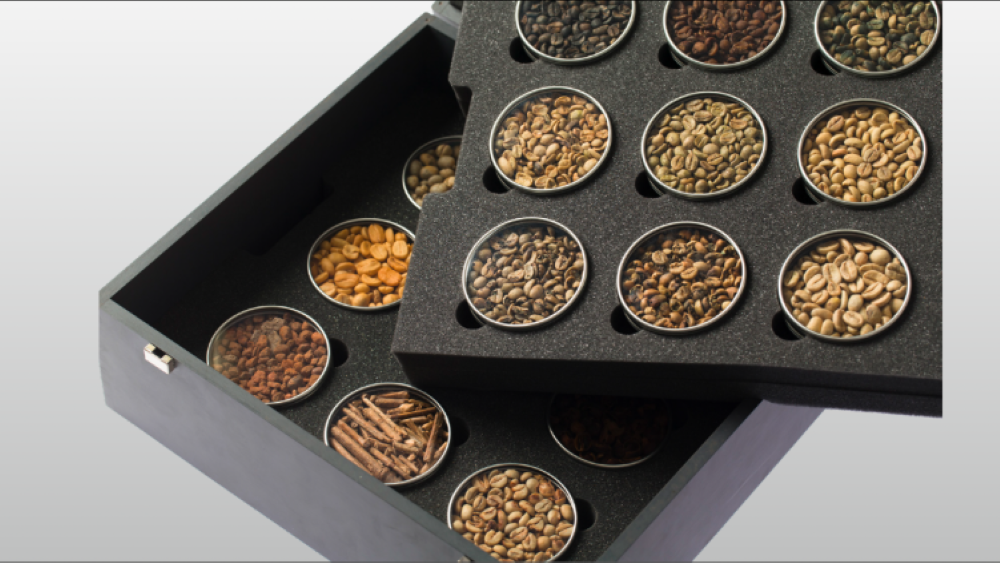
Some defects are extrinsic: stones, sticks, husks, parchment, pods, and foreign matter. They tell us about harvesting, separation, hulling, cleaning, and dry mill discipline. Their danger is often physical before it is sensory, because they damage machinery. Others are intrinsic: full black, partial black, full sour, partial sour, immature, withered, floater, insect damaged, fungus damaged, broken, shell, chipped, crushed, faded, and aged beans. These belong to the seed itself and have far greater potential to change the cup.
An immature bean can bring astringency, grassy bitterness, and harshness because its biochemical reserves have not reached balance. A sour bean can bring vinegar, ferment, rotten fruit, or sharp lactic acetic notes because microbial metabolism has moved into uncontrolled transformation. A black bean often carries the memory of overripeness, fallen fruit, soil contact, or severe stress. A floater, light and porous, is often underdeveloped, and its low density changes heat transfer in roasting. A broken bean is a high surface area wound, vulnerable to oxidation and contamination.
Harvest, Processing, and the Cultural Layer
At farm level, many defects begin with uneven ripeness. Coffee is not a factory product that arrives at maturity in one moment. On the same tree, green, half ripe, ripe, overripe, and dried fruit may coexist. Selective picking is chemical sorting before chemistry becomes irreversible. Processing then becomes decisive. Fermentation is not the enemy. Uncontrolled fermentation is.
The Rio defect is the perfect case study. In classical descriptions, Rio appears as medicinal, phenolic, iodine like, harsh, musty, or cellar like. It is associated with 2,4,6 trichloroanisole (TCA). A Rio note may be rejected by many specialty buyers yet expected or even loved in certain traditional markets. Science can say what is there. Culture decides what it means.
Storage Defects and Six Layers of Recognition
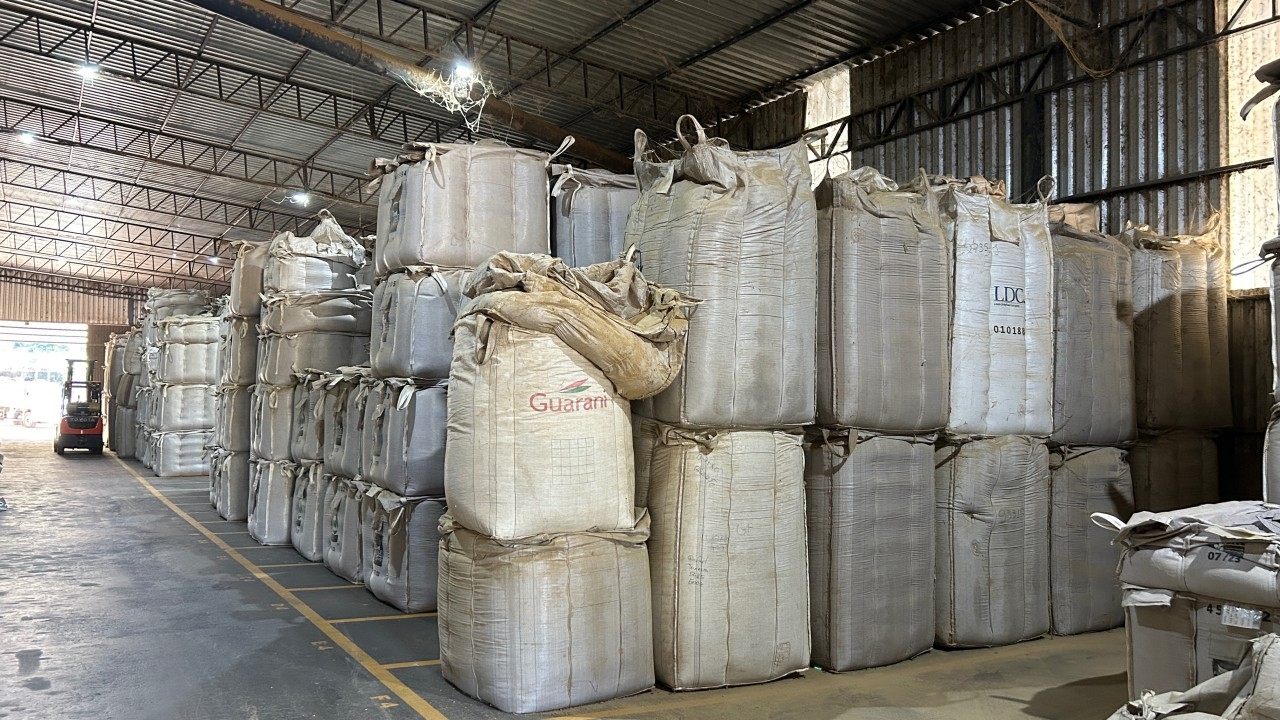
Storage defects are quieter and more dangerous. A coffee can pass visual inspection but still move chemically in the wrong direction. Moisture, oxygen, temperature, and time determine whether the seed preserves its aromatic potential. Good storage is not passive warehousing. It is slow chemistry management.
Recognition requires six layers: physical grading, density and moisture, green bean olfaction, sample roasting, blind cupping, and chemical analysis. The final layer remains human interpretation. Instruments detect compounds. Professionals decide risk, suitability, and value.
Frequently Asked Questions (FAQ)
1. What is a green coffee defect?
A trace of an invisible process ending in colour, density, smell, and chemistry changes.
2. What are extrinsic vs intrinsic defects?
Extrinsic are foreign materials (stones, sticks). Intrinsic are seed defects (black, sour, immature).
3. Can roasting remove defects?
No. Roasting translates defects into different sensory notes but cannot erase them.
4. What is the Rio defect?
A medicinal, phenolic off flavour linked to TCA. It is rejected by some markets but traditional in others.
5. Why are storage defects dangerous?
They are latent. Coffee can pass visual inspection but later develop papery, woody, or flat notes.
6. What is the most dangerous sentence in coffee quality?
“I like it, therefore it is good” and “I dislike it, therefore it is defective.”
Published on Qahwa World: May 21, 2026