Historic Sale at Cerrado Mineiro: Coffee Bag Fetches $38,500

Patrocínio, Brazil – Qahwa World

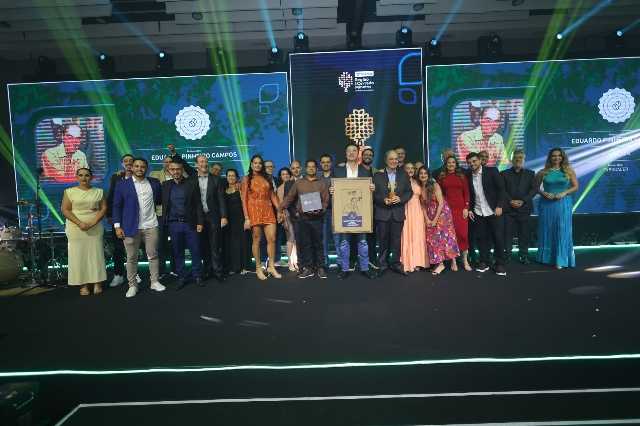
A bag of specialty coffee from Brazil’s Cerrado Mineiro region has reached a record price of US$38,500 at the 13th Cerrado Mineiro Regional Award in Uberlândia, Minas Gerais. The lot, winning the Pulped Cherry category, was cultivated by Eduardo Pinheiro Campos of Fazenda Dona Nenem in Presidente Olegário and purchased by a consortium led by Expocacer, in collaboration with Veloso Green Coffee, Marex, and Nucoffee.

The runner-up bid of US$19,250 went to Louis Dreyfus Company for the champion of the Natural category. The strong competition reflects growing worldwide interest in Cerrado Mineiro coffees.

The Cerrado Mineiro Coffee Growers Federation confirmed that this is the highest amount ever paid for a coffee bag at an auction in Brazil. The auction raised a total of US$108,500 across nine lots, averaging US$12,000 per bag.

Eduardo Pinheiro Campos commented: “This achievement honors our hardworking team. It reflects years of dedication, awards, and excellence. Over the thirteen editions of this competition, we have reached the podium eleven times, showing consistent quality and commitment.”

Simão Pedro, President of Expocacer, added: “When buyers compete at this level, it demonstrates the global recognition of our quality, sustainability, and innovation. Expocacer is proud to lead Brazil’s coffee sector, proving that our specialty coffee sets benchmarks internationally.”

The 13th Cerrado Mineiro Regional Award showcased the best coffees of the 2025–2026 harvest in four categories: Natural, Pulped Cherry, Fermented, and Sweet Cerrado Mineiro. Expocacer members won first place in Pulped Cherry and shared first place in Sweet Cerrado Mineiro.

Forty percent of the auction proceeds (US$43,400) will benefit the Escola de Atitude project, which supports youth education and personal development in coffee-growing communities.

Highlights of Expocacer at the 13th Cerrado Mineiro Regional Award

Eduardo Pinheiro Campos – First place, Pulped Cherry (90.59 points)

Maria Soraia Guimarães – Third place, Pulped Cherry (89.18 points)

Guima Café – First place (shared), Sweet Cerrado Mineiro

About Expocacer
Founded in 1993 in Patrocínio, Minas Gerais, Expocacer is a cooperative of coffee producers supporting over 740 members. With modern facilities, including warehouses holding over one million coffee bags, the cooperative exports specialty coffee to more than 35 countries while promoting social and environmental initiatives.

CQI Launches Global Survey to Shape the Future of Coffee Quality

Dubai – Qahwa World

The Coffee Quality Institute (CQI) has announced the launch of its Global Priorities Assessment Survey, an open invitation to coffee professionals worldwide to help shape the organization’s future direction. The survey seeks insights from across the coffee value chain to identify the most pressing challenges and the most promising opportunities facing the global coffee sector today.

This new initiative follows CQI’s recent transition of the Q Program to the Specialty Coffee Association (SCA) earlier this month — a milestone that marks the beginning of a new chapter for the institute. As CQI redefines its mission for the years ahead, it is turning to the very community it serves to guide its next steps.

“CQI is entering a new phase in its work, and we would like to ask for your help in identifying the most pressing challenges and most promising opportunities we face as a sector,” the organization stated in its official announcement.

A Collaborative Effort for the Coffee Community

The Global Priorities Assessment Survey invites producers, traders, roasters, educators, donors, and project partners to evaluate various aspects of CQI’s work — including its technical expertise, educational offerings, credibility, affordability, and project outcomes. Participants are also encouraged to share their perspectives on how CQI can continue improving the quality of coffee globally and supporting the livelihoods of those who produce it.

Through this initiative, CQI aims to gain a deeper understanding of community priorities and use the results to inform future educational programs, research initiatives, and international partnerships. The collected insights will serve as a roadmap for how CQI continues pursuing its mission of improving coffee quality and the lives of those who make it possible.

Available in Nine Languages

To ensure inclusivity, the survey is available in English, Spanish, French, Portuguese, Chinese, Korean, Vietnamese, Swahili, and Indonesian, enabling broad participation from coffee professionals around the world.

Questions in the survey cover topics such as:

The quality and accessibility of CQI’s education programs

Affordability and value of CQI courses

The organization’s credibility and trustworthiness

The quality of its project work overseas

How CQI could better serve businesses and producers

Respondents can also provide open feedback on what they like most about CQI, what the organization could do more or less of, and what areas have the most room for improvement.

Shaping the Next Chapter

The CQI Global Priorities Assessment Survey will remain open until October 31, 2025, and all members of the global coffee community are encouraged to participate. The results will help guide CQI’s strategic planning and long-term development as it continues to promote excellence, transparency, and sustainability across the coffee sector.

By contributing to this global consultation, participants will help define the priorities that shape CQI’s next decade of work — ensuring that the organization’s efforts reflect the real challenges and ambitions of the worldwide coffee community.

Call to Action:
Take the CQI Global Priorities Assessment Survey before October 31, 2025, and share your perspective to help shape the future of coffee quality.

Click here 


SCA Officially Launches New Q Grader Program with Coffee Value Assessment

Dubai – Qahwa World

The Specialty Coffee Association (SCA) has officially launched enrollment for its updated Q Grader program, marking the start of a new era for one of the most respected certifications in the global coffee industry.

The move follows the association’s acquisition of the program earlier this year from the Coffee Quality Institute (CQI), a historic shift that positions the SCA as the sole operator of a license long considered the gold standard for coffee evaluation. From October 1, 2025, all Q Grader courses worldwide will be delivered under the new system, aligned with the Coffee Value Assessment (CVA).

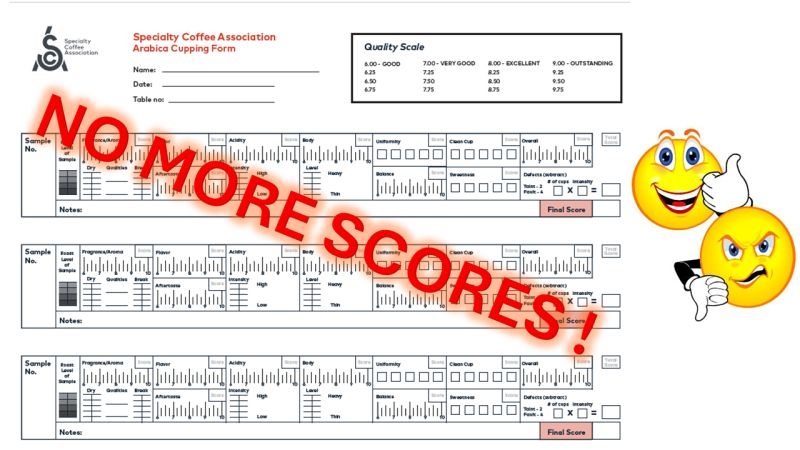
For years, the Q Grader license has been globally recognized as the highest credential in sensory evaluation, cupping, and green coffee grading. Graduates of the program have carried a certification that is not only respected but also vital to trade, communication, and quality assurance across the coffee value chain. The revamped program now integrates the CVA, a scientifically rigorous framework developed by the SCA and adopted in 2024 after years of research. Unlike the traditional cupping form it replaces, the CVA provides a broader picture of coffee’s qualities, considering not only intrinsic sensory characteristics but also extrinsic factors such as processing methods and certifications that influence market value.

The decision to integrate the CVA into the Q Grader curriculum represents the SCA’s commitment to driving progress in specialty coffee evaluation. Participants in the new program will undergo six days of intensive training and testing, designed to challenge their ability to detect differences and defects, describe sensory profiles, and apply the CVA in real-world contexts. The program has been tailored for experienced coffee professionals, enhancing their sensory acuity and preparing them to communicate coffee’s value with clarity and confidence. The result is a global network of modern Q Graders whose training reflects the latest advancements in sensory science and the continued evolution of the specialty coffee sector.

The SCA has emphasized accessibility as a central pillar of the new launch. Recognizing that the Q Grader license is critical for professionals worldwide, the association has introduced a new country-specific pricing model. By dividing the world into five tiers based on economic conditions, the program ensures that participants in lower-income regions are not excluded from pursuing certification. This model makes the license more affordable, while an expanded network of Q Instructors opens new opportunities for education across diverse markets. From producers and exporters to roasters and importers, coffee professionals in every corner of the globe will have greater access to one of the industry’s most influential programs.

The updated program offers multiple pathways to certification. New entrants can register for the full Q Grader course, while experienced professionals may pursue fast-track options to upgrade or renew their credentials. Arabica and Robusta Q Graders, holders of the SCA Sensory Skills Professional Certificate, and Cup of Excellence judges are among those eligible for accelerated pathways, provided they complete the CVA for Cuppers course by December 31, 2025. A fast track is also available for those seeking to become Q Instructors, with eligibility extended to educators and evaluators including CVA Trainers, Q Instructors, Cup of Excellence Head Judges, and SCA Sensory Skills Authorized Trainers. After the fast-track window closes at the end of 2025, the SCA will require candidates to follow a more extensive pathway that includes both Q Grader certification and instructor onboarding.

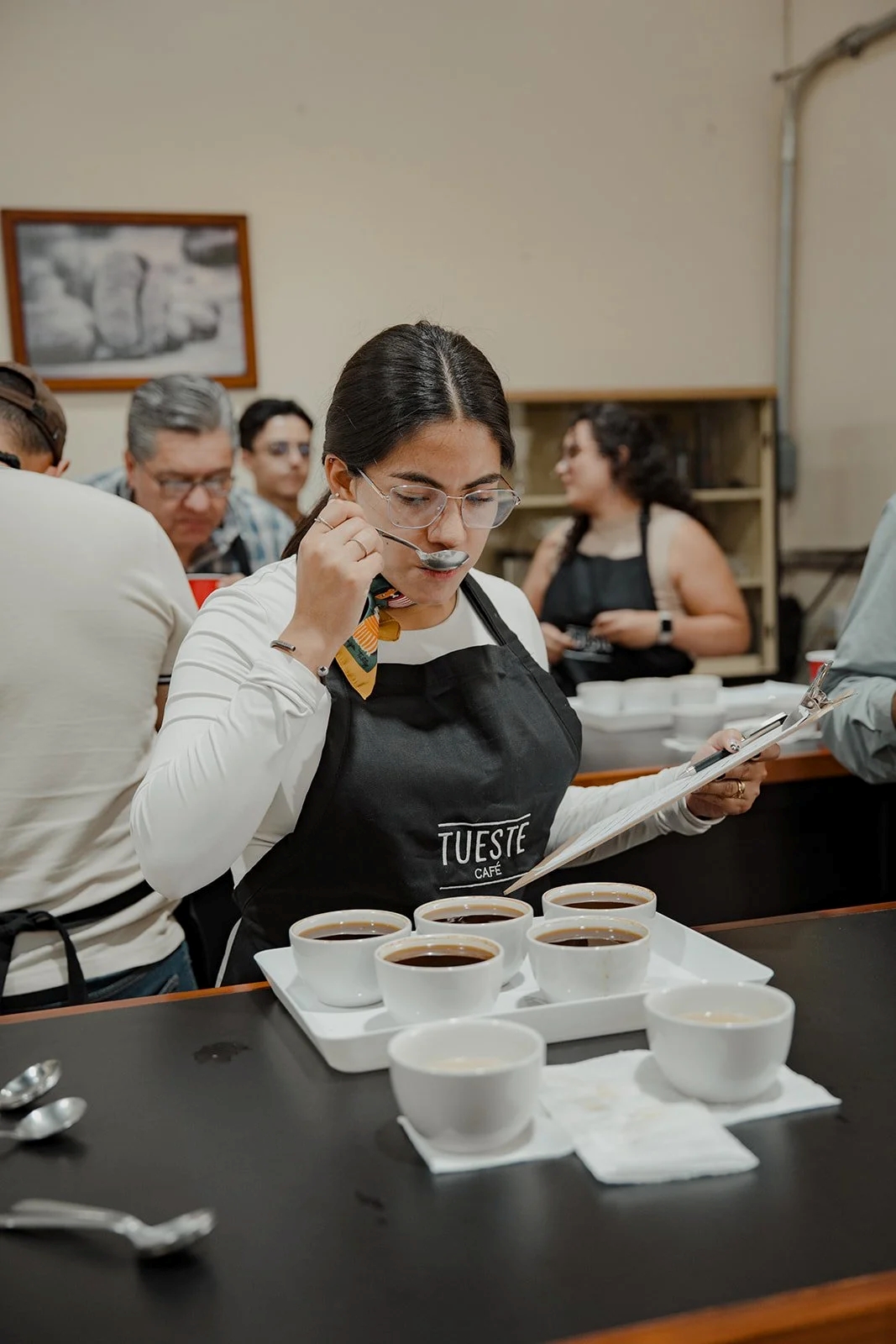
The program is not only academically rigorous but also deeply practical. Learners will be evaluated through cupping sessions, sensory exercises, and green coffee assessments, testing their knowledge across physical, descriptive, affective, and extrinsic categories. Those who successfully complete the course will earn the globally respected Q Grader license, recognized across the coffee value chain as a mark of excellence. The SCA has positioned this as a crucial step toward building a more unified global language of quality, one that connects producers, traders, roasters, and consumers with a shared framework for evaluating coffee.

The launch of the new Q Grader program also reflects the strategic partnership between the SCA and CQI, which was first announced in April 2025. Under the terms of the agreement, the SCA will license the program for ten years, paying CQI $250,000 annually. While CQI is no longer involved in administering the program, the collaboration ensures that its original missionsupporting producers and enhancing coffee qualityremains central to the program’s future.

As the transition takes effect, questions remain about how quickly the new system will be embraced across the industry. Some professionals have expressed skepticism about the CVA’s necessity, while others have applauded its potential to capture the complexity of modern coffee markets. Regardless of these debates, the SCA is moving forward with confidence, positioning the new Q Grader program as a scientifically robust and globally inclusive certification.

The association has also committed to supporting learners with preparatory resources. For those new to coffee evaluation, the SCA recommends starting with its Intro to Cupping workshop, a foundational course designed to build skills in sensory analysis and cupping practices. For more advanced professionals, recommended reading lists and preparation activities are available to ensure readiness for the intensive Q Grader assessments.

With enrollment now open and courses already available in select regions, the SCA is calling on coffee professionals worldwide to take part in what it describes as a new era in coffee evaluation. The updated program is expected to strengthen professional standards, support communication and collaboration across the global value chain, and expand the very definition of specialty coffee. For those who pass, the Q Grader license remains not just a certificate but a symbol of credibility, expertise, and leadership in the evolving world of coffee.

CQI Marks International Coffee Day with New Chapter in Coffee Quality Journey

Dubai – Qahwa World

On International Coffee Day 2025, the Coffee Quality Institute (CQI) announced a historic transition: the conclusion of its Quality Evaluation Program after more than two decades and the launch of a new chapter focused on advancing coffee quality and sustainability.

Michael Sheridan, Chief Executive Officer of CQI, emphasized the milestone: “As we turn the page, I want to honor the nearly 20,000 people who have earned Q Grader Certification since the inception of the program: you are the vanguard in a global movement for coffee quality. And I want to specially recognize the Q Instructors who have trained and certified all those Q Graders: you are pioneers who have held a light to the darkness, and your work helped to catalyze a revolution in coffee quality in the span of a single generation.”

A Fresh Look for a New Era

To mark this transition, CQI unveiled a refreshed logo and website, designed to evoke coffee’s origins. The institute underlined that while its visual identity has evolved, its mission remains constant: improving the quality of coffee and the lives of the people who produce it.

Focus on Post-Harvest Processing

Sheridan highlighted the growing importance of CQI’s Post-Harvest Processing (PHP) Program. In September alone, CQI welcomed 14 new instructors for the PHP Generalist Course, expanded its training pool, and set a course for releasing an all-new PHP Professional Course by the end of 2025. Preparations are also underway for the PHP Expert Course in 2026, with students, instructors, mentors, and guest lecturers already engaged.

“Innovation in post-harvest processing has never been more important in the coffee market,” Sheridan noted. “Our PHP Program is helping reduce risk and expand opportunity for everyone in coffee supply streams.”

Global Partnerships and Impact

CQI also announced new partnerships to expand its global reach. In collaboration with Peet’s Coffee in the U.S., CQI will deliver post-harvest processing education to suppliers, while a partnership with Sinar in the U.K. will enhance access to advanced processing technology.

Additionally, the CQI Global Coffee Fund has awarded support for several initiatives:

Let’s Talk Coffee in Peru

Scholarships for participants in the Women-Powered Coffee Summit (WPCS) in Mexico

Staffing for the Taste of Harvest in Burundi

Engaging the Coffee Community

As CQI transitions beyond the Q program, Sheridan underscored the importance of dialogue with the global coffee community. CQI will convene producer-focused discussions at major events, including the WPCS in Mexico and Sintercafé in Costa Rica, and will launch a global survey in October to gather input from stakeholders worldwide.

“I hope you will take time to respond and make your voice heard,” Sheridan said. “Coffee needs your leadership.”

With this transition, CQI signals a future shaped by collaboration, innovation, and a continued commitment to quality at every stage of the coffee value chain.

New Study Reveals the Secrets of Coffee Price Networks: What Do Quality and America Have to Do with It?

Dubai – August 25, 2025 (Qahwa World) – A groundbreaking academic study titled Quality differences, location, and coffee price return networks: Insights from a high-dimensional CoVaR-copula analysis has shed light on the hidden mechanisms driving coffee price dynamics worldwide. The research highlights that both quality and geographic location play a central role in shaping risk spillovers and market interconnections across the global coffee trade.

The study analyzed daily data spanning twenty years and covering 17 distinct coffee varieties traded in three of the world’s most important markets: the United States, Germany, and France. The data, drawn from the International Coffee Organization (ICO), was not used in aggregated form. Instead, the researchers disaggregated it at the variety level, allowing for a far more detailed and accurate picture of price dynamics and market integration.

The findings suggest that high-quality coffees, such as mild arabicas, form stronger and more stable price linkages within markets, while lower-quality coffees like robusta exhibit more volatility and divergence. Moreover, risk spillovers are found to be stronger among coffees of similar quality, creating distinct clusters in the price network.

One of the study’s most important insights is the role of the United States as the central node of the global coffee risk network. As the world’s largest importer of coffee, the U.S. absorbs spillovers from European markets, particularly Germany and France. This centrality means that disturbances in European markets can quickly reverberate through the U.S., which then amplifies their impact across the rest of the world.

From a methodological standpoint, the study employed a high-dimensional CoVaR-copula framework, a sophisticated statistical approach that focuses on extreme price movements rather than long-term averages. Unlike traditional cointegration methods, which focus on whether prices move together in the long run, this approach looks at how shocks in one market are transmitted during stress periods to other markets.

To address the challenge of handling a large number of variables, the researchers used high-dimensional VAR (Vector Autoregressive) models combined with an Elastic-Net technique, which helps to reduce overfitting and manage what is known as the “curse of dimensionality.” This combination allowed for the creation of clearer, more precise connectedness networks, showing how risk flows between different coffee varieties and across national markets.

In addition to price data, the study incorporated insights from chemical analyses of coffee. Previous research had identified specific chemical compounds that differentiate varieties and contribute to flavor and aroma profiles. By aligning price data with chemical properties and trading locations, the researchers produced heatmaps and connectedness graphs that reveal how both intrinsic quality and geography drive the clustering of coffee markets.

The results demonstrate that geographical proximity facilitates faster transmission of information and market shocks, while chemical and sensory differences create visible separations within networks. In other words, the global coffee market is not just shaped by supply and demand—it is influenced by the interplay of quality, chemistry, taste, and trading location.

Although the study faced limitations, particularly the inability to analyze coffee futures contracts at the variety level due to insufficient data, it still provides valuable insights into the structure of the global coffee trade. By revealing how clusters form and risks spill over, the research helps explain why certain markets are more vulnerable than others during times of stress.

For policymakers, producers, and importers, these findings carry important implications. Monitoring general coffee price indices is no longer sufficient. Instead, stakeholders must consider differences in quality and geographic positioning when evaluating market risks. With global coffee markets under increasing pressure from climate change, supply chain disruptions, and regulatory frameworks such as the European Union’s deforestation regulation, this research offers a timely tool for risk management and strategic planning.

Ultimately, the study underscores how coffee—often seen as just a daily ritual—sits at the center of a complex economic web. Quality and geography act as the hidden levers of price dynamics, and the United States remains at the core of this network, both shaping and being shaped by the flows of risk. What emerges is a portrait of coffee not simply as a commodity, but as a global force whose market behavior reflects the broader challenges of interconnected economies.