Ahmed Bin Sulayem Highlights Expansion Plans at DMCC Coffee Centre

Dubai — Qahwa World

Ahmed Bin Sulayem, Executive Chairman and Chief Executive Officer of DMCC, announced new initiatives aimed at strengthening the regional coffee ecosystem and supporting emerging coffee entrepreneurs through the DMCC Coffee Centre.

Speaking about the Centre’s future plans, Bin Sulayem said the organization is exploring the launch of a community co-roasting space designed to support the next generation of coffee entrepreneurs. At the same time, plans are underway to develop a coffee wholesale facility that would further improve market access for the diverse network of producers and traders operating within the DMCC Coffee Centre.

You may like: DMCC Coffee Centre: Specialty Coffee Redefines the Global Market

According to Bin Sulayem, the DMCC Coffee Centre has handled more than 30,000 metric tonnes of green coffee since its establishment, working with over 30 coffee origins worldwide. In addition, the facility has completed more than 1,000 metric tonnes of value-added processing, serving both the United Arab Emirates’ growing domestic market and over 50 major re-export destinations.

As the coffee sector in the UAE and the wider region continues to expand, the Centre has maintained close engagement with the local coffee community. Through partnerships and industry collaboration, DMCC has supported several major regional events, including World of Coffee Dubai.

DMCC has also launched a number of initiatives aimed at strengthening the specialty coffee sector. These include the Dubai Coffee Auction by DMCC, organized in collaboration with M-Cultivo, an initiative focused on supporting next-generation coffee farmers. The organization also introduced the UAE AeroPress Championship, which forms part of the global World AeroPress Championship.

Read Also: DMCC Coffee Centre: Supply Chain Pressures and Tariffs Threaten Global Coffee Trade

Bin Sulayem added that, in support of growing coffee brands, DMCC has introduced a JLT collection point, enabling members of the Coffee Centre and their customers to conveniently collect roasted coffee.

These initiatives reflect the Centre’s ongoing role in developing Dubai’s position as a growing hub for the global coffee trade and specialty coffee community.

Smallholder Farmers at the Heart of the Global Coffee Crisis

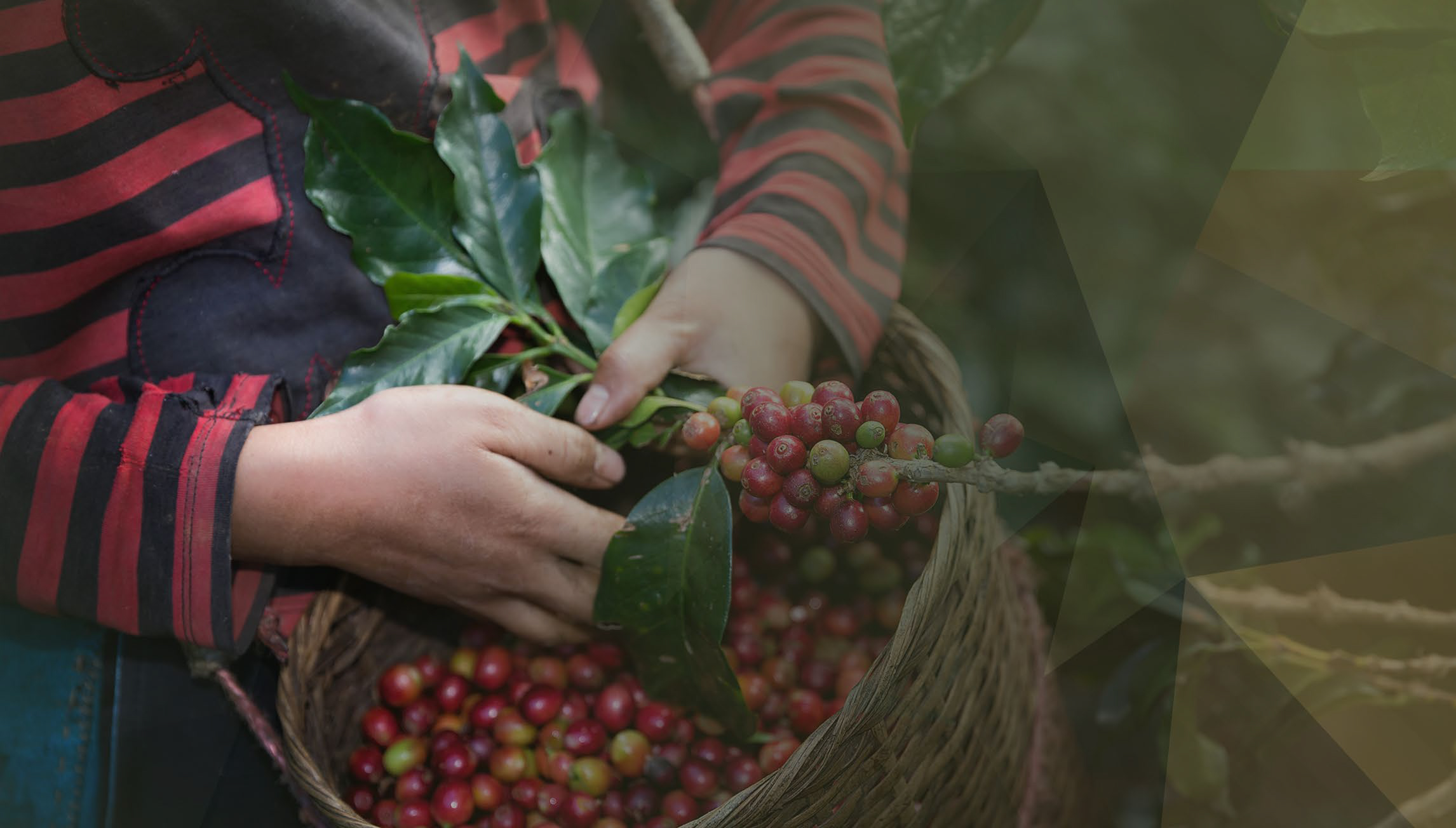
Dubai, 18 September 2025 (Qahwa World) – Coffee, consumed in more than two billion cups every day, is more than a morning ritual. It is a global industry worth over $200 billion and a lifeline for more than 25 million smallholder farmers worldwide. Yet, according to a new report by the DMCC Coffee Centre, part of the Dubai Multi Commodities Centre, these farmers—responsible for about 80% of global coffee supplies—are facing unprecedented challenges that put the future of the crop at risk.

The report highlights the extreme vulnerability of coffee to climate change. Unlike many other agricultural commodities, coffee depends on very specific geographic and climatic conditions. Minor shifts in temperature or rainfall patterns can devastate entire harvests.

By 2050, up to half of the land currently used for coffee cultivation could become unsuitable. Arabica, which accounts for 60–70% of global production and is prized for its high quality, is the most at risk. It requires a delicate balance of cool temperatures and clearly defined wet and dry seasons. Even robusta, known for its heat tolerance, may not escape the impact of intensifying climate shocks.

Recent years have already provided glimpses of this looming reality. In Vietnam, prolonged drought in the 2023/24 season cut output by 20% and exports by 10%. In Brazil, the world’s largest coffee producer, one of the worst droughts in its history caused arabica prices to surge by more than 80% in 2024.

Broken Pricing Systems

Beyond the climate, smallholder farmers are caught in an unequal trading system. The report warns that global price-setting mechanisms, once seen as reliable, have grown increasingly speculative and disconnected from actual production costs.

While coffee sells at high prices in consumer markets, farmers often receive only a fraction—barely enough to cover basic expenses. With little access to financial safety nets, crop failures or market shocks quickly translate into crises for farming households, undermining food security, education, and healthcare for millions.

To counter these pressures, smallholders are turning to collective solutions. In Rwanda, cooperatives such as COOCAMU have helped farmers adopt sustainable practices and gain better market access. Across Kenya, Uganda, and Ethiopia, governments and NGOs are supporting similar cooperative models that enhance bargaining power and provide training.

The report cites the ARABIKA project, which brings together over 30,000 farmers from 21 cooperatives in East Africa. By offering income management training and tools to improve yields, the project has boosted resilience against both climate and market volatility.

Coffee Value Assessment

The Coffee Value Assessment, developed by the Specialty Coffee Association, also emerges as a significant tool for empowering smallholders. Unlike traditional systems that focus narrowly on physical or sensory attributes, this framework integrates quality metrics with market preferences.

Garfield Kerr, President of the Specialty Coffee Association, explains: “Coffee may be sold several times before reaching the consumer, and the farmer often has no idea of its true value. If we can equip farmers with scientific tools for assessment, they will be able to exert greater influence over its journey to market.”

By helping producers better understand the unique qualities of their harvests, the system opens doors to more accurate pricing and targeted market opportunities.

The DMCC Coffee Centre report points to a range of promising adaptation strategies. Agroforestry—growing coffee alongside trees and diverse crops—offers shade, soil protection, water conservation, and alternative income streams. Breeding drought- and disease-resistant varieties is another urgent frontier.

On a global scale, institutions such as the International Coffee Organization and the International Trade Centre are supporting a sustainability database covering more than 400 climate-focused initiatives. These range from training programs on organic fertilization to cooperative-led climate adaptation projects.

At its core, the report stresses, the future of coffee is inseparable from the fate of its smallholder farmers. Without them, the industry cannot sustain itself, and the daily flow of billions of cups of coffee around the world could falter.

While blockchain, artificial intelligence, and other innovations are reshaping coffee trade, the most urgent priority remains ensuring farmers have the tools, financing, and fair policies to continue producing. The real battle for coffee’s survival is not fought in cafés or trading floors, but in remote fields where smallholders cultivate the beans that unite cultures and economies across continents.

The DMCC Coffee Centre concludes that urgent investment and global collaboration are essential. Supporting smallholder farmers is not only a matter of preserving a crop but of safeguarding livelihoods, communities, and an irreplaceable cultural heritage.

From Blockchain to Artificial Intelligence: Technology Reshapes the Future of Coffee

Dubai, 17 September 2025 (Qahwa World) –The DMCC Coffee Centre, part of Dubai Multi Commodities Centre, has stressed in its latest Future of Trade Agri Series report that technological innovation is becoming a decisive force in reshaping the global coffee industry. At a time when the sector is grappling with climate change, market volatility, and fragile supply chains, tools such as blockchain, artificial intelligence (AI), and circular economy models are no longer optional experiments but essential solutions that can secure coffee’s future.

For decades, the industry has struggled with a lack of transparency. Coffee beans often move through complex trade routes, making it difficult for consumers to know their origin or production conditions, while smallholder farmers rarely capture the full value of their work. The report highlights blockchain as a game-changer, offering tamper-proof digital records that track beans “from farm to cup.” Every shipment can be linked to certified data on origin, processing, and storage. This level of transparency not only builds consumer trust but also allows farmers to earn fairer prices by showcasing quality and differentiation, narrowing the gap between farmgate prices and final retail value.

The digital transformation extends to trade and finance. The DMCC Coffee Centre emphasizes the role of infrastructure like the Tradeflow platform, where coffee ownership is transferred only after arrival, inspection, and storage under controlled conditions. This system reduces informational risks and enhances trust between buyers and sellers. It also enables the use of digitally tokenized products that provide greater security and clarity of ownership, paving the way for smoother inventory financing and working capital solutions in a sector long plagued by data gaps. In short, Dubai’s coffee hub combines reliable digital records with physical oversight to reduce friction and empower smaller players.

Artificial intelligence is another pillar of this transformation. On the farm, predictive algorithms analyze climate, soil, and humidity data to guide planting and harvesting schedules, mitigating the effects of droughts and erratic seasons while improving yields. At the market level, AI-powered demand forecasting helps roasters and traders anticipate shifting consumer preferences, particularly the rise of specialty coffee among millennials and Gen Z. This allows for better inventory management, targeted product development, and even the creation of blends tailored to specific taste profiles.

The report also points to the rapid shift toward direct-to-consumer channels. Coffee brands are increasingly bypassing traditional retail by building digital platforms, offering subscription models, virtual tasting experiences, and loyalty programs. These innovations shorten the distance between roaster and consumer, while giving small businesses tools to tell the “story of coffee”—origin, processing, and roast profile—in ways that translate into real economic value.

Meanwhile, the circular economy is redefining coffee’s environmental footprint. Millions of tons of coffee waste once treated as byproducts are now being converted into new resources. Startups are turning spent coffee grounds into biofuels, fertilizers, and even textile materials. Packaging innovation is also gaining traction, with compostable capsules, recyclable materials, and structured collection programs that reduce waste and lower carbon emissions. These efforts, the report argues, are not only about image but also about cutting costs and meeting stricter sustainability criteria in key markets.

At the heart of this transformation remains the human factor. Coffee depends on more than 25 million smallholder farmers worldwide, and digital adoption must ultimately improve their livelihoods, not just introduce high-tech systems. The DMCC Coffee Centre underscores the importance of affordable tools—such as low-cost sensors and mobile advisory apps—combined with fair contracts that reflect the quality of specialty coffee. When digital transparency is paired with equitable pricing, the weakest link in the chain becomes stronger, and smallholders can withstand climate and market shocks more effectively.

The report also draws attention to rising compliance demands, including deforestation regulations and origin tracking requirements, which are pushing the industry toward standardized data systems. By providing exporters with shared verification platforms and importers with unified benchmarks, compliance becomes less of a burden and more of an opportunity to unlock premium markets. With Dubai evolving into a logistics and cultural hub for coffee—offering shared roasting, packaging, and storage facilities—the emirate demonstrates how producers in Africa and Latin America can connect to demanding consumers in Asia and the Gulf through clearer traceability, faster access, and reduced risk.

In conclusion, the DMCC Coffee Centre makes clear that coffee’s survival will not depend on wishful thinking but on the adoption of a responsible digital transformation. Blockchain provides transparency, AI enhances precision, direct digital channels strengthen relationships, and circular economy solutions turn waste into resources. Yet the true value of these tools lies in translating them into better farmer incomes, greater consumer confidence, and a more resilient industry. Far from replacing the cultural essence of coffee, technology is extending it: knowledge accumulated through centuries, now reinforced by intelligent systems that give the sector a realistic path to endure and thrive in an era of uncertainty.