World of Coffee Dubai 2026 Kicks Off at DWTC

Qahwa World

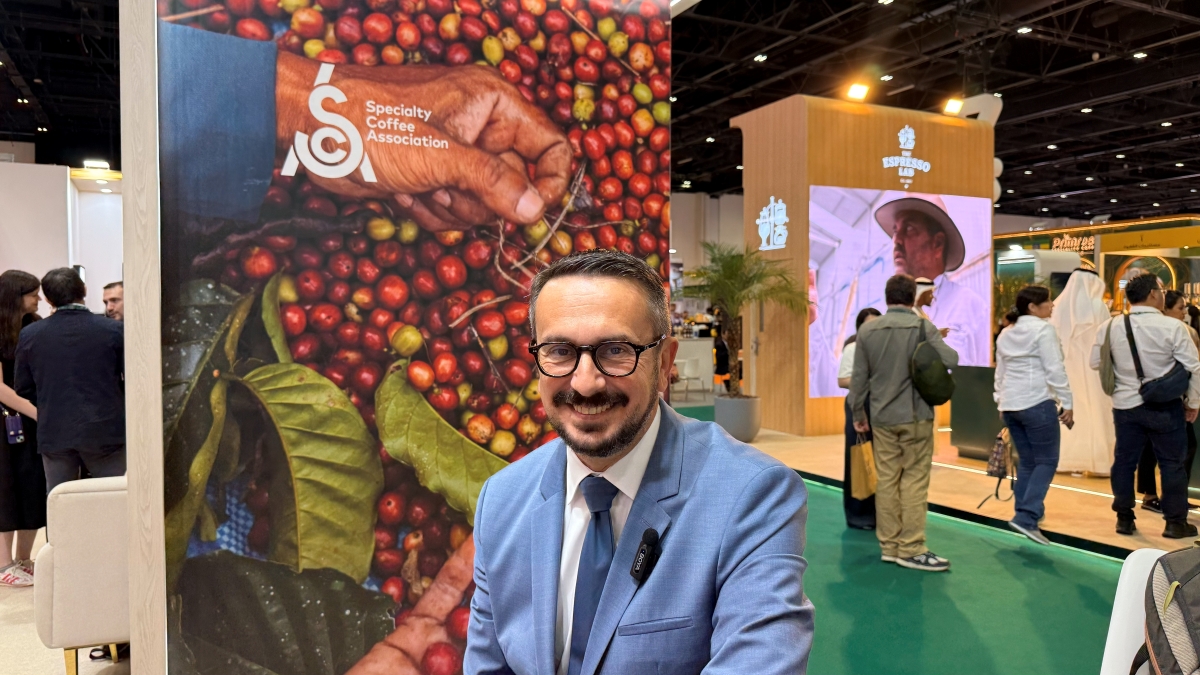
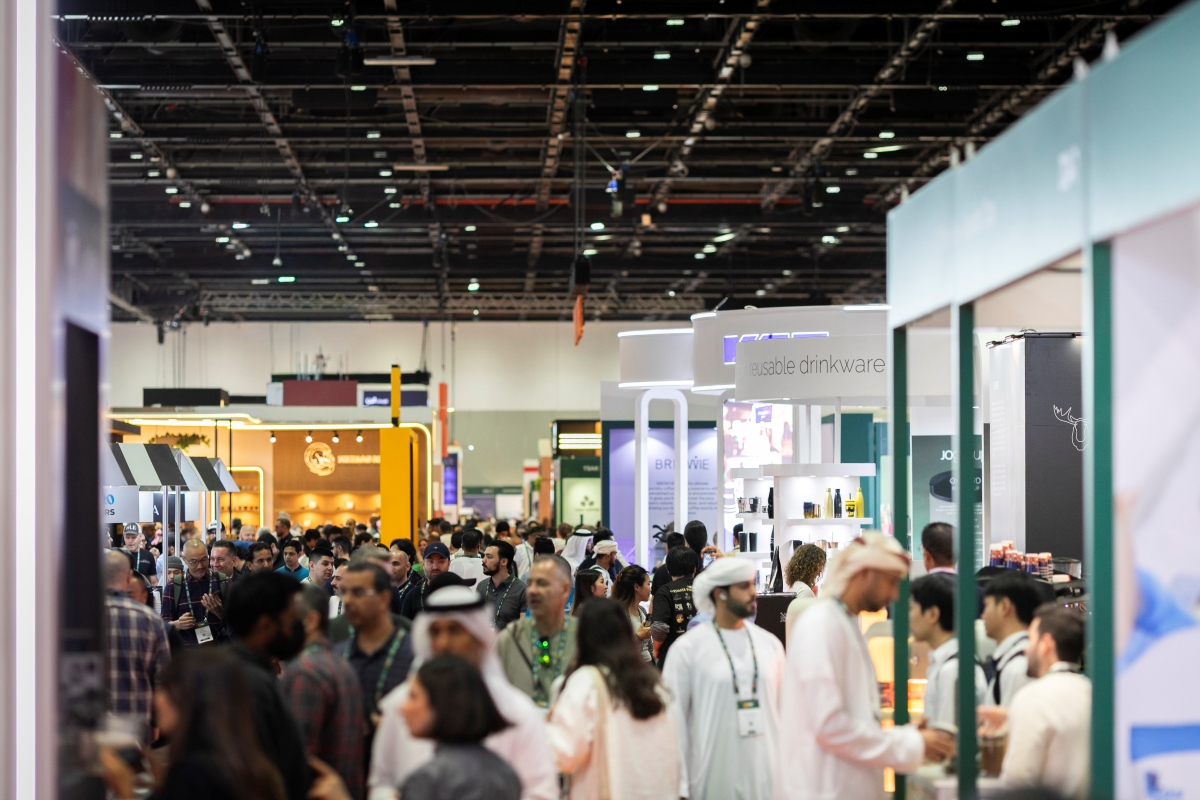
The fifth edition of World of Coffee Dubai officially opened today at the Dubai World Trade Centre (DWTC), marking a major milestone for the Middle East’s specialty coffee industry. Organised by DXB LIVE, the integrated event management and experiential agency of Dubai World Trade Centre (DWTC), in collaboration with the Specialty Coffee Association (SCA), the event opened with more than 2,100 exhibiting companies and brands from 78 countries, delivering its largest and most internationally diverse edition to date.

A key milestone on day one was the signing of a five-year extension agreement between World of Coffee Dubai and the Specialty Coffee Association, extending the partnership until 2031. The agreement formalises a long-term collaboration to support specialty coffee competitions, education programmes, and professional standards at the event. The MoU was signed by Khalid Al Hammadi, Executive Vice President of DXB LIVE, and Yannis Apostolopoulos, Chief Executive Officer of the Specialty Coffee Association (SCA), reinforcing World of Coffee Dubai’s position as a stable, internationally aligned platform within the global specialty coffee calendar.

Following the opening programme, activity spread across the exhibition floor, which spans more than 20,000 square metres across Za’abeel Halls 1, 4, 5, and 6. Exhibitors from producing origins and consuming markets showcased green coffee, roasting and brewing technologies, equipment, packaging solutions, and café innovations, representing every stage of the specialty coffee value chain.

Key features activated on day one included the Roasters Village and Producers’ Village, where roasters and origin producers engaged directly with buyers, importers, and industry professionals. The Brew Bar and Cupping Rooms hosted tastings and sensory sessions throughout the day, while the SCA Community Lounge served as a central hub for networking and knowledge exchange. Live activity at the competition stages also drew strong interest from visitors.

The opening day also highlighted the depth of innovation and collaboration across the exhibition. A World of Coffee exclusive collaboration between Oatly and Yaba, a modern Iraqi restaurant based in Al Wasl, introduced a new approach to coffee beverage creation by applying culinary steeping techniques to extract flavour, alongside distinctive elements such as nut crème and saffron-infused bubbles.

Equipment innovation featured prominently, with Coffee Desk, the exclusive Middle East distributor for leading brands including Fellow, unveiling the first global showcase of Fellow’s upgraded Espresso Series 1, ahead of its commercial release later this year. The launch reflected growing demand for high-performance, accessible equipment within the specialty coffee sector.

Commercial activity commenced on day one with the Dubai Coffee Equipment Auction organized by DXB LIVE in collaboration with DMCC, a dedicated one-day auction showcasing specialised and customised coffee equipment from exhibitors at World of Coffee Dubai. Curated in collaboration with M-Cultivo, the auction featured pre-qualified equipment presented through live demonstrations and inspections on the show floor, followed by a live, lot-by-lot auction led by an auctioneer. Designed to connect equipment manufacturers with serious buyers, the auction provided a focused platform for innovation, craftsmanship, and price discovery within the regional specialty coffee market.

Reflecting on the opening day, Khalid Al Hammadi, Executive Vice President at DXB LIVE, said: “World of Coffee Dubai continues to grow in scale, diversity, and international relevance. The strong participation seen on the first day, together with the signing of a five-year partnership agreement with the Specialty Coffee Association, reflects the event’s maturity and its importance as a global platform for trade, education, and professional exchange.”

In a further milestone for the wider coffee events portfolio, Khalid Al Hammadi also signed a three-year Memorandum of Understanding related to the Bahrain Coffee Festival. The agreement covers the organisation of the festival as a curated B2C and B2B experience featuring workshops, live brews, competitions, and immersive activations. The Bahrain Coffee Festival aims to engage the wider community by inviting coffee lovers, families, and the public to explore the diversity of coffee, while spotlighting both local and international brands.

During day one, DXB LIVE also announced plans to expand its coffee-focused event portfolio through the launch of dedicated coffee festivals in Qatar, Oman, and Saudi Arabia. Developed as a separate DXB LIVE IP, the regional festivals will build on the growing momentum of specialty coffee across the GCC while complementing World of Coffee Dubai’s role as the flagship international trade platform.

Exhibitors highlighted the value of the event’s international reach and professional audience. Denkayehu Dessalegn Head Roaster and Quality Control at Roasters, said: “World of Coffee Dubai provides an important platform for regional specialty coffee brands looking to scale internationally. This is our first participation at the event, and it allows us to introduce what we have been developing over the past four years to a global industry audience.”


World of Coffee Dubai 2026 continues through 20 January, with upcoming days featuring the Microlot Coffee Auction, the Exhibitors’ Coffee Auction, championship finals, workshops, and further industry announcements.

For visitor registration, media accreditation, and the full programme, please visit:
www.worldofcoffeedubai.com

 About World of Coffee Dubai

World of Coffee Dubai (WOC Dubai) is the premier coffee trade show for exhibitors and visitors looking to break into the Middle East’s burgeoning coffee industry. The event showcases popular features like the Roaster Village, engaging lectures, the Cupping Room, the SCA UAE National Championships, the Coffee Design Awards, the Best New Display Product Competition, Brew Bar, and the SCA Community Lounge, where buyers and sellers come together to reconnect and establish new business relationships. The exhibition welcomes local, regional, and global professionals in the coffee industry including producers, manufacturers, traders, farmers, international experts, distributors, small and medium companies, coffee shops, roasters, hotels, and coffee enthusiasts from around the world.

About SCA

The Specialty Coffee Association (SCA) is the world’s largest nonprofit, membership-based trade association in the coffee industry. Representing thousands of coffee professionals globally from producers to baristas, the organization is built on foundations of openness, inclusivity, and the power of shared knowledge, fostering an international coffee community to make specialty coffee a thriving, equitable, and sustainable activity for the entire value chain. From coffee farmers to baristas and roasters, our membership spans the globe, encompassing every element of the coffee value chain. The SCA acts as a unifying force within the specialty coffee industry and works to make coffee better by raising standards worldwide through a collaborative and progressive approach.

 About DXB LIVE:

DXB LIVE is the integrated event management and experiential agency of Dubai World Trade Centre. With its creative, technical, and operational expertise, DXB LIVE delivers world-class events of all types, including exhibitions, conferences, festivals, recreational activities, national occasions, major corporate events, as well as high-end and private weddings.zThe agency provides services for more than 100 major events annually, designing and building over 500,000 square feet of exhibition stands and delivering complex live events and conference solutions. DXB LIVE also offers strategic consultancy to associations and international organizations, while organizing large-scale trade exhibitions and public events.

Rapidly expanding its footprint, DXB LIVE is strengthening its position among the world’s leading event companies through strong alliances with top international event organizations. Its combined services create exceptional experiences that connect brands with their audiences across the UAE, GCC, Middle East, Europe, Africa, and the Americas.
Keurig Dr Pepper Launches €31.85-Per-Share Offer for JDE Peet’s

Dubai —Qahwa World

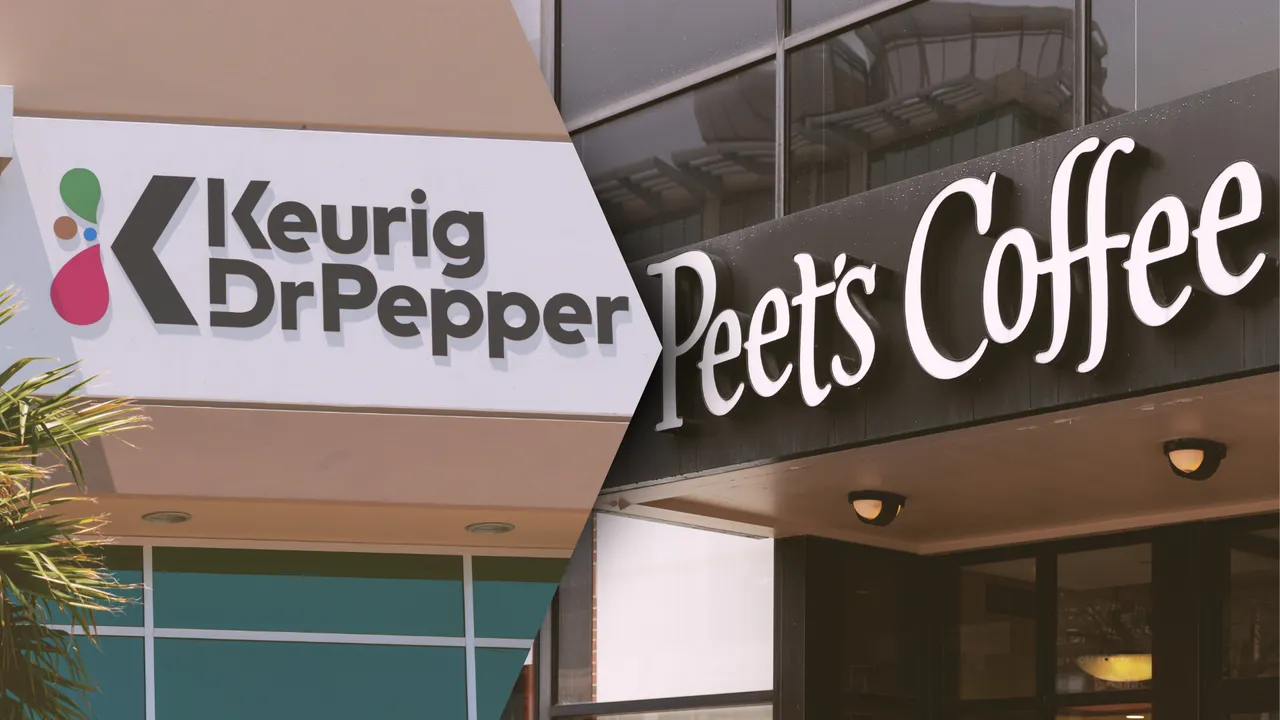
Keurig Dr Pepper Inc. has launched a recommended public cash offer to acquire all outstanding shares of Dutch coffee company JDE Peet’s N.V., valuing the company at €31.85 per share in cash.

The offer is being made through Kodiak BidCo B.V. and follows regulatory approval of the offer memorandum by the Dutch Authority for the Financial Markets. JDE Peet’s shareholders will also receive a previously announced €0.36 cash dividend per share on January 23, 2026, which will not affect the offer price.

The boards of both companies said the transaction remains on the same terms announced in August 2025 and is expected to close in early second quarter of 2026, subject to remaining conditions.

  • Board Support and Shareholder Commitments

JDE Peet’s board of directors has unanimously recommended the offer. Acorn Holdings B.V. and all members of JDE Peet’s board—together representing approximately 69% of the company’s outstanding shares—have irrevocably committed to tender their shares.

The offer period will run from January 16 to March 27, 2026, unless extended.

Keurig Dr Pepper has set a minimum acceptance threshold of 95% of JDE Peet’s shares. This threshold may be reduced to 80% if shareholders approve certain post-closing restructuring measures at an extraordinary general meeting scheduled for March 2, 2026.

  • Post-Closing Structure

If Keurig Dr Pepper secures at least 95% of the shares, it intends to initiate statutory buy-out proceedings and may proceed with a post-closing demerger. If acceptance reaches between 80% and 95%, the company plans to complete a post-closing merger to obtain full ownership of JDE Peet’s.

All required competition clearances for the transaction have already been obtained, and both the Dutch Works Council and European Works Council have been consulted in line with regulatory requirements.

  • Strategic Rationale

Following the acquisition, Keurig Dr Pepper plans to separate into two independent, U.S.-listed publicly traded companies. One would focus on North America’s non-alcoholic refreshment beverages market, while the other would operate as a global pure-play coffee business serving more than 100 countries.

JDE Peet’s is the world’s largest pure-play coffee company, selling approximately 4,400 cups of coffee per second globally. In 2024, the company reported sales of €8.8 billion.

Keurig Dr Pepper, which reported annual revenue of more than $15 billion, owns brands including Dr Pepper, Keurig, Canada Dry, Snapple and Green Mountain Coffee Roasters.

Coffee Quality is not connected to price – IT IS connected to pride

A grower’s first reward is pride in his coffee; the market may follow later.

By: Ramya Mohan

For years, we have been taught—almost subconsciously—that expensive coffee must be good coffee. A higher price, a premium label, or an elegant café setting often convinces us that quality is guaranteed. But coffee does not work that way always.

Coffee quality is not born out of price. It is born out of pride.

I have tasted coffees that sold at very modest prices yet were remarkably clean, sweet, and balanced.

I have also encountered expensive coffees that failed in the cup—flat, harsh, or dull in character. The difference was never the market value. The difference was the intention behind the coffee.

Quality begins at the farm, not at the shelf. It begins when a grower chooses to harvest ripe cherries instead of rushing for volume.

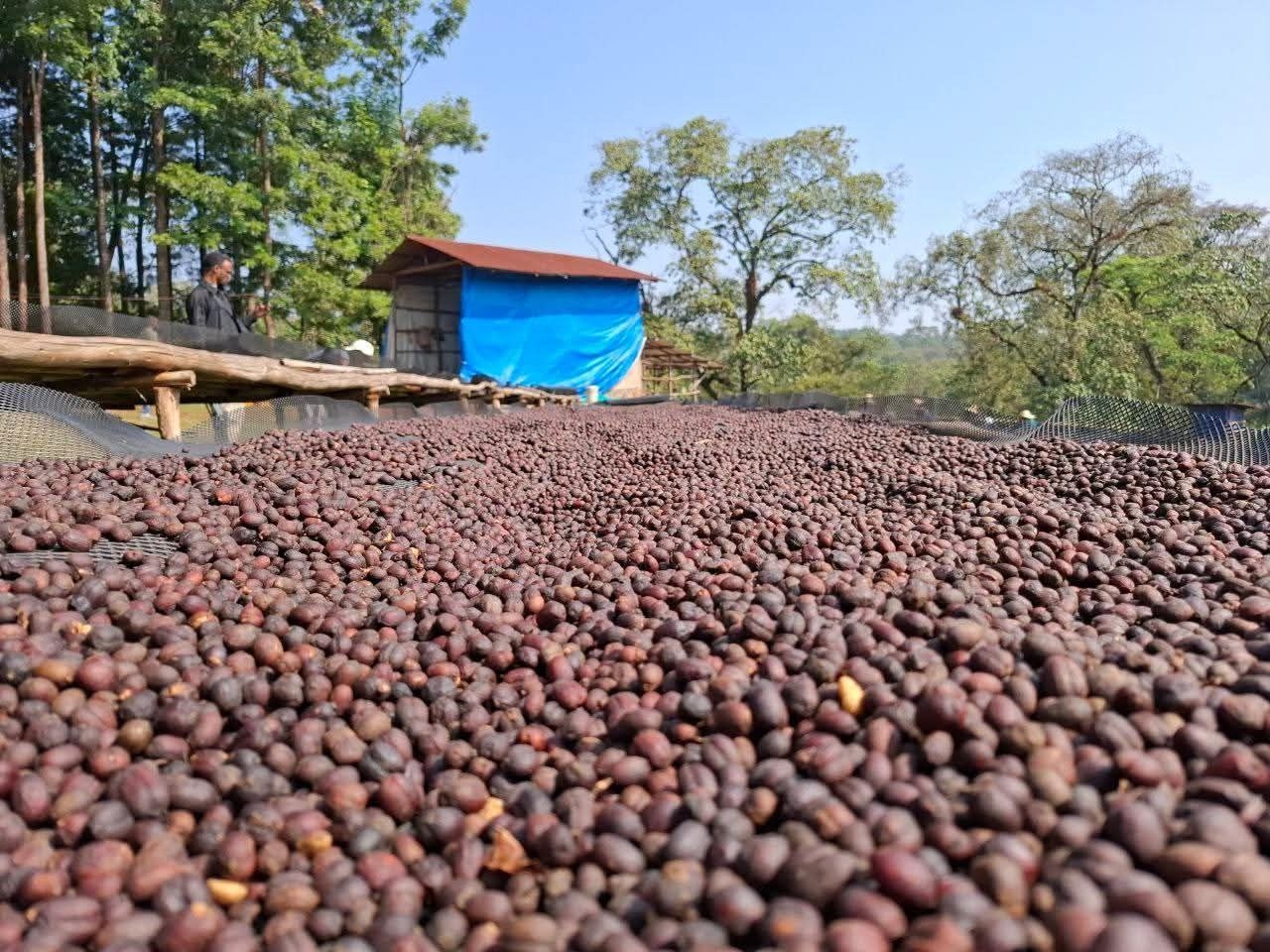
It shows up when fermentation is monitored instead of guessed, when drying is slow and even rather than hurried by weather or impatience. These decisions are rarely rewarded immediately by the market, yet they define the cup.

In India, many growers and processors work under severe constraints—labour shortages, volatile weather, unpredictable prices. Yet some of the cleanest coffees emerge from estates where pride outweighs compromise. These are the producers who cup their own coffees, who learn to identify defects, who correct errors quietly and improve year after year, without waiting for applause or higher prices.

Price is shaped by trends, branding, certifications, logistics, and storytelling. But -Quality is shaped by discipline, consistency, and respect for the bean. The two may intersect, but they are not the same. A low-priced coffee can be honest and well-made. A high-priced coffee can still be careless.

True coffee quality is an attitude. It is the pride of the farmer who refuses to mix underripe cherries. It is the care of the processor who protects the coffee during drying and storage.

It is the integrity of the roaster who roasts for clarity, not camouflage. And it is the sensitivity of the brewer who allows the coffee to speak.

When pride is present, quality follows—sometimes loudly, often quietly, but always truthfully.

With love and Coffee

ICO Releases Global Coffee Market Report – December 2025

Dubai – Coffee World

The global coffee market closed 2025 amid sharp volatility, leaving industry stakeholders facing an uncertain outlook at the start of 2026, according to the latest report issued by the International Coffee Organization (ICO). The report highlights a dramatic shift in market dynamics during December, as prices declined significantly following changes in international policy and a temporary easing of supply chain constraints in Asia.

Price Decline: Market Correction or Calm Before the Storm?

The ICO Composite Indicator Price (I-CIP) averaged 304.68 US cents per pound in December, representing a 7.8% decline from November levels. This downturn ended a historic upward trend, with prices falling from a peak of 343.92 cents to a mid-month low of 283.21 cents, before closing the year at 293.09 cents per pound.

According to the report, the decline was driven by three key factors:

  • Improved supply expectations, as major international institutions revised global production estimates for 2025 upward, easing speculative pressure.

  • Reduced regulatory uncertainty, following the European Union’s decision to delay implementation of the EU Deforestation Regulation (EUDR), which curtailed panic buying.

  • Currency effects, as the depreciation of the Brazilian real encouraged producers to accelerate dollar-denominated sales to maximize local currency returns.

Group Performance: Robusta Suffers the Sharpest Losses

All coffee groups recorded price declines in December, with Robusta experiencing the steepest drop. Robusta prices fell 11.3% to 190.53 cents per pound.

In contrast, Arabica prices declined more moderately. Both Colombian Milds and Brazilian Naturals fell by 6.5%, reflecting continued underlying demand for higher-quality coffees despite broader market volatility.

Global Exports: Asia and Africa Lead Growth

Global green coffee exports increased by 4.8% in November 2025, reaching 8.95 million bags, according to ICO data.

  • Asia and Oceania recorded exceptional growth of 47%, driven by Vietnam’s strong return to the market, with exports rising by 60%.

  • Africa continued its positive trajectory, posting a 7.7% increase, led by Uganda, whose exports surged by 72%.

  • South America was the only region to register a decline, with exports falling 14.9%, reflecting a normalization after record shipments earlier in the year and a 25.8% drop in Brazilian Robusta exports.

Supply–Demand Balance: Structural Deficit Persists

Despite the recent price correction, the report underscores ongoing structural imbalances in the global coffee market. The cumulative supply deficit over recent years has reached 17.91 million bags, while inventories in Europe and the United States have fallen to historically low levels.

Certified stocks at the New York exchange declined to just 0.48 million bags, leaving the market with limited buffers against potential future supply shocks.

2026 Outlook: Climate Risks Shape the Path Ahead

As 2026 begins, attention is firmly focused on weather conditions across the world’s major coffee-growing regions. The report warns of below-average rainfall in Brazil’s key producing areas, including Minas Gerais, where precipitation reached only 76% of normal levels. Meanwhile, flooding in Indonesia could reduce exports by up to 15% in the first quarter of the new year.

Conclusion

The global coffee market ended 2025 with a price correction that may suggest temporary stability. However, a deeper analysis of the data points to a fragile equilibrium. Low global inventories and escalating climate risks indicate that 2026 is likely to be a year of significant challenges for both producers and consumers across the coffee value chain.

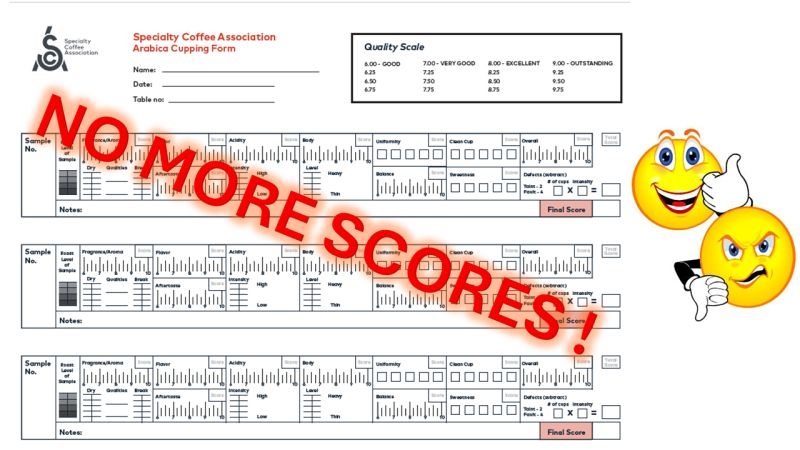
The SCA/Q Score Will Probably Disappear

Is This Good News or Bad News?

By Ennio Cantergiani
Owner and Managing Director, L’Académie du Café – Switzerland

For more than twenty years, we have treated a single number as the ultimate truth about coffee quality.

86.25 vs. 87.00 — as if the second coffee were objectively better.

But in sensory science, a score is not a truth. It is a measurement. And every measurement comes with uncertainty, which is almost never communicated.

In sensory science, we use statistics to validate hypotheses. Multiple measurements allow us to calculate an average, a median, and a standard deviation. A score without a standard deviation says nothing.

  • Why the “One-Score” Model Is Reaching Its Limits

1. Reliability Is Often Weaker Than We Admit

Different cuppers, different contexts, different expectations — different numbers.

This is not about “bad cuppers.” It is the nature of human perception:

Anchoring effects (the first sample sets the scale)

Contrast effects (coffee A changes how coffee B is perceived)

Semantic bias (words shape perception)

Fatigue and sensory adaptation

Calibration and alignment drift over time

When the measurement error is larger than the difference you are pricing, the number becomes fragile.

2. We Confuse Measurement with Value

A single score blends multiple dimensions:

Sensory performance (what is in the cup)

Preference (what I like)

Market narratives (what is trendy)

Rarity and social proof (what wins competitions)

Then we pretend this mixture represents one objective axis.

It does not.

  • 3. Scores Influence Money at Origin — Sometimes Unfairly

This is where it becomes uncomfortable.

When price is strongly tied to a number, producers are pushed to optimize for the scoring system, not necessarily for:

Long-term agronomy

Risk management

Climate resilience

Local sensory identity

Realistic processing constraints

  • What Comes Next (and Why It’s Better)

We will not stop evaluating coffee quality. But we should stop pretending that a single number is the best way to do it.

  • The future looks like:

Multi-dimensional assessment (descriptive, affective, and functional)

Confidence ranges, not fake precision (e.g., 86 ± 1)

Clear sensory evidence with traceable data (digital tools and better training loops)

Fit-for-purpose grading (espresso vs. filter vs. blends vs. cold brew)

Contracts combining specifications and sensory profiles, instead of worshipping one score

The score will not disappear overnight, but its monopoly will. No one will continue teaching the 2004 Q form indefinitely.

Will CVA replace the scoring system? Probably — but we need one to two years of feedback from major industry players. It will also need adaptation to better reflect the reality of coffee trading.

And honestly, that would be healthier — for producers, traders, roasters, and for sensory science.

  • A Question for the Industry

If tomorrow we removed the 100-point score, what would you use to trade coffee fairly and transparently?

Colombian Specialty Coffee Enters a New Phase of Expansion in the Middle East

Dubai – Qahwa World

Over the past decade, specialty Colombian coffee in the Middle East has largely been defined by small, limited harvests known as microlots. Celebrated for their unique flavors and seasonal character, these microlots helped elevate café culture, introduce consumers to Colombian coffee, and establish the region as one of the fastest-growing specialty coffee markets in the world.

As the market has matured, a major challenge has emerged: consistency. By nature, microlots are small and variable. While they offer distinct sensory experiences, they also create operational challenges. Café owners must continually retrain baristas as flavors change, roasters struggle to maintain consistent roast profiles, and consumers often encounter variability from cup to cup.

With specialty coffee consumption in the Middle East growing at an estimated 8–10% annually, inconsistency has become a barrier to sustainable growth. The market is no longer niche—it now demands scale, reliability, and consistent experiences alongside compelling origin stories.

  • A New Trade Model

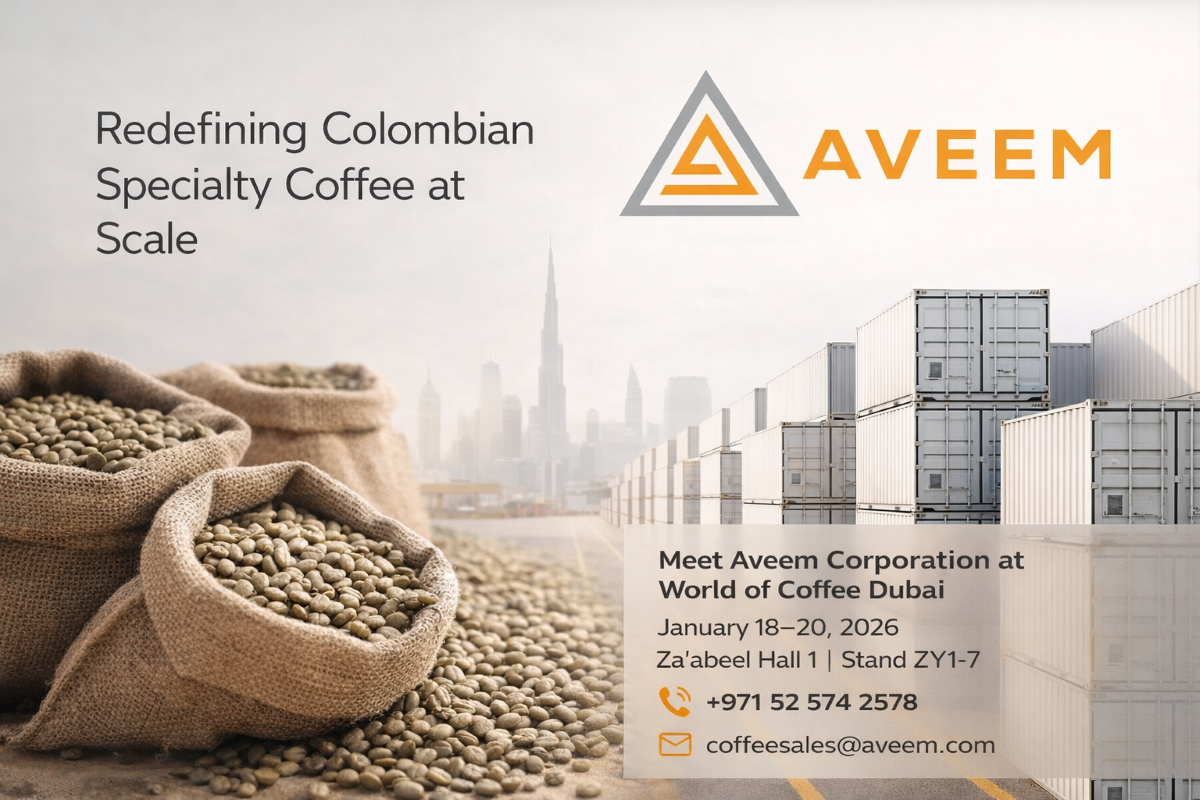
Dubai-based Aveem Corporation is introducing a new model by allocating large volumes of Colombian specialty coffee in standardized, repeatable flavor profiles. This approach bridges the gap between microlot exclusivity and market-wide consistency. Two carefully selected profiles are included:

Ecotopo Cusillo – 85 SCA

Regional Nariño – 84.25 SCA

These coffees retain their specialty credentials while offering predictable sensory profiles. Baristas can work with consistent extraction parameters, roasters can maintain stable roast curves, and cafés can deliver a reliable experience to their customers.

  • Market Implications

Importers: Reduced sourcing volatility and improved supply-chain planning.

Roasters: Consistent brand expression across locations and countries.

Cafés: Lower training costs while maintaining high-quality offerings.

Consumers: Reliable, high-quality coffee without compromise.

Data shows that over 60% of specialty coffee consumers value consistency once they find a preferred flavor profile. By transitioning Colombian specialty coffee from fragmented microlots to structured, scalable allocations, Aveem strengthens the entire ecosystem. The move represents a shift from scarcity and experimentation to sustainability and scale in the Middle East’s specialty coffee market.

CNN: Starbucks Scales Back Its Presence in Major U.S. Cities

Dubai – Qahwa World

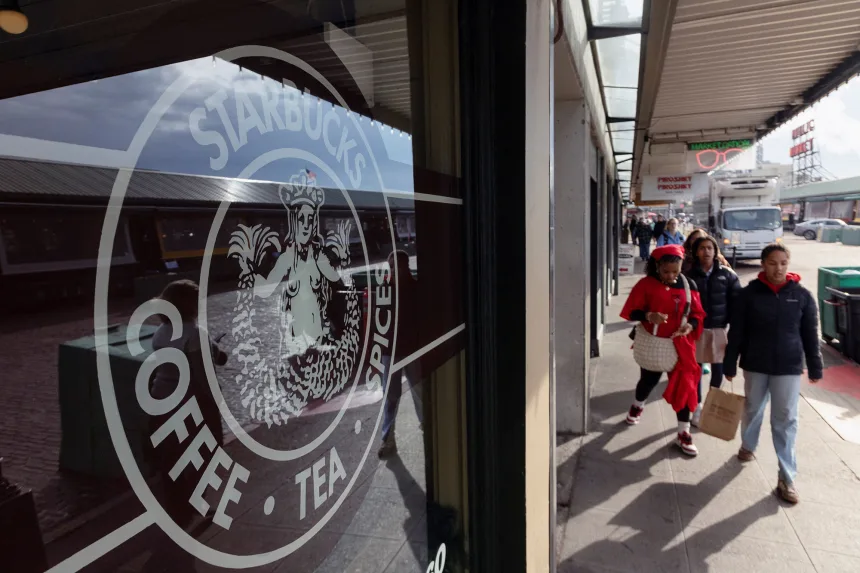
CNN reported that Starbucks is pulling back from its long-standing strategy of saturating major U.S. cities such as New York and Los Angeles, marking a significant shift in the company’s expansion approach.

In a report published on its official website, CNN explained that Starbucks had spent decades trying to become an unavoidable presence on city streets, particularly in large metropolitan areas. However, that era is now coming to an end as the company grapples with increased competition, rising operating costs, and lasting changes in work patterns following the pandemic.

According to CNN, Starbucks is closing hundreds of stores across the United States this year, with a heavy concentration in major cities. The move is part of a broader restructuring plan valued at approximately $1 billion and is being led by CEO Brian Niccol, who joined the company last year from Chipotle with a mandate to revive growth and improve performance.

CNN noted that Starbucks closed 42 locations in New York City alone, representing around 12% of its total stores there. The closures caused Starbucks to lose its position as the largest coffee chain in Manhattan, a title now held by Dunkin’, according to data cited by the network from the Center for an Urban Future. The report added that the company has also shut down more than 20 stores in Los Angeles, 15 in Chicago, seven in San Francisco, six in Minneapolis, five in Baltimore, and dozens of others nationwide.

The report highlighted that Niccol is seeking to reduce store overlap and reposition Starbucks as a “third place” between home and work. CNN quoted a Starbucks spokesperson as saying that the company reviewed more than 18,000 stores in the United States and Canada and closed locations that were underperforming or unable to meet brand standards. Starbucks plans to open new stores and remodel existing ones starting in 2026, including in major cities, featuring updated designs and enhanced customer experiences.

CNN also pointed out that Starbucks is facing intense competition from independent cafés, regional coffee chains, and a growing number of beverage-focused brands offering smoothies, bubble tea, and other specialty drinks. Industry experts cited by CNN said the surge in urban coffee shop openings has eroded store traffic and sales volumes.

The network added that remote work has had a lasting impact on Starbucks’ urban locations, particularly those in central business districts that once relied on large numbers of daily commuters. CNN reported that Starbucks has closed several stores located in downtown office buildings as a result of these structural changes.

In addition, CNN reported that the company has struggled with operational challenges in dense urban markets, including safety concerns and the use of stores as public restrooms. As part of its response, Starbucks recently ended its open-access policy and introduced new in-store rules.

According to CNN, the store closures are part of a broader effort by Niccol to turn around the company after several years of weak sales and strategic missteps. Starbucks plans to renovate around 1,000 U.S. stores over the next year, adding seating and amenities aimed at encouraging customers to stay longer.

However, CNN concluded that the turnaround is proving more difficult than expected. The network noted that Starbucks’ share price has declined this year, and analysts remain cautious, warning that balancing fast service with a comfortable café experience continues to be a major challenge for the company.

Vietnam Launches First Global Coffee Heritage Festival

Vietnam – Qahwa World

Vietnam continues to strengthen its presence in the global coffee market, standing as the world’s second-largest coffee exporter. This status is supported not only by production volume but also by a rich cultural heritage and a unique identity in the coffee world. In this context, the country has launched its first-ever Global Coffee Heritage Festival, aiming to highlight Vietnamese coffee as both a cultural and economic product, far beyond a simple agricultural commodity.

From December 21, 2025, to January 2, 2026, Lam Vien Square in the Xuan Huong Ward of Da Lat hosted the inaugural “Global Coffee Heritage Festival 2025,” attracting large crowds of local residents and visitors from Vietnam and abroad. The festival aimed to document the journey of coffee in Vietnam over nearly two centuries, from the first plantations in the Central Highlands to the development of a distinct coffee culture that has become a national identity.

A Platform to Celebrate Coffee Culture

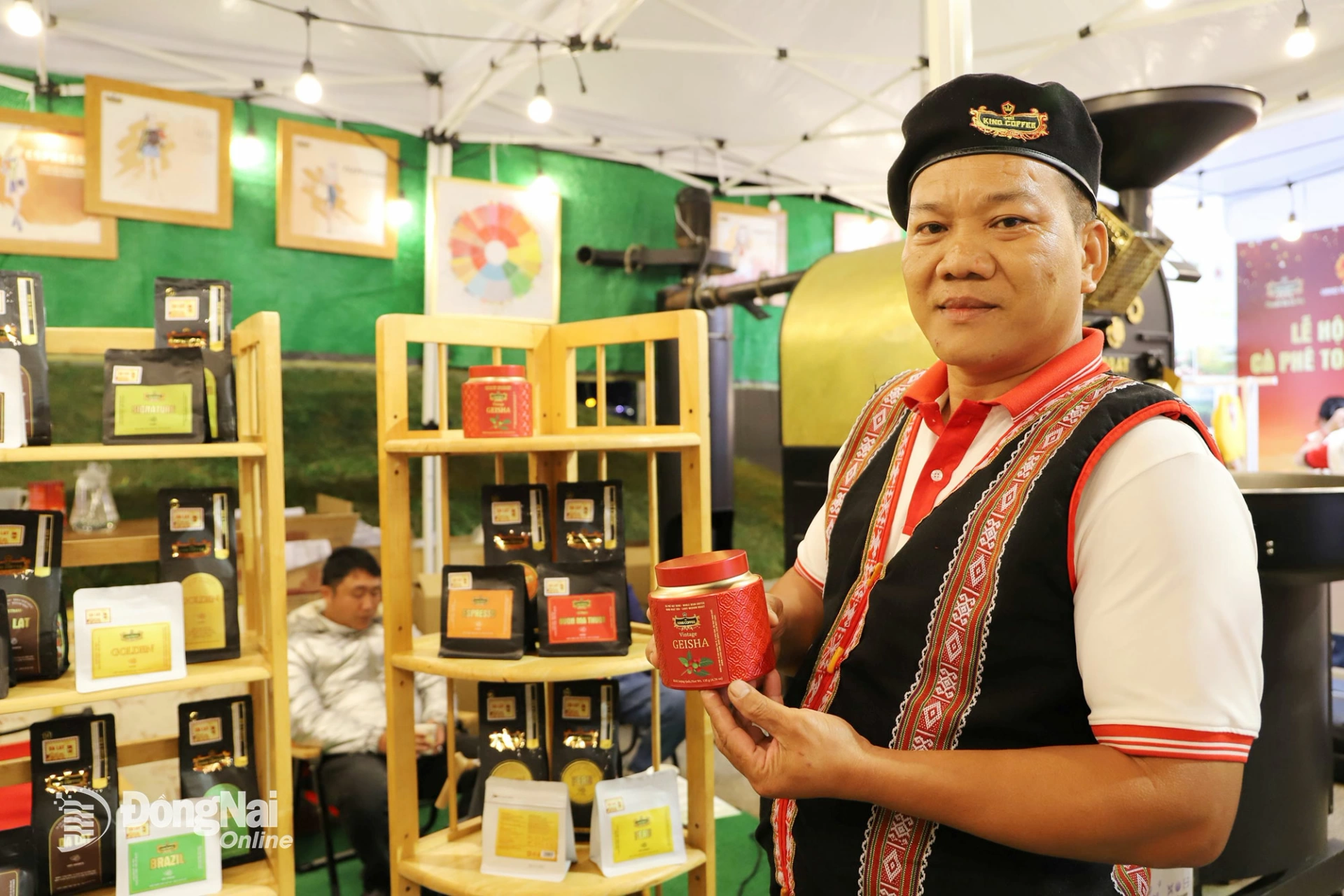
The festival was organized by TNI King Coffee Co., Ltd. (Ho Chi Minh City) and featured 34 exhibition booths showcasing coffee products, culinary offerings, and a comprehensive program of cultural, artistic, experiential, and interactive activities throughout the festival.

Highlights included live roasting and manual brewing demonstrations linked to global coffee culture experiences, exhibitions of historical coffee beans, a record-setting artwork made from robusta coffee beans, and a display of a giant coffee cup. These activities became prominent attractions for visitors and coffee enthusiasts.

  • Records and Heritage Values

The World Records Alliance, in collaboration with Vietnam Records Association, recognized Vietnam as the largest global producer and exporter of robusta coffee in terms of volume and yield. The festival also documented Vietnam’s unique coffee preparation heritage, including Ê-đê coffee, traditional cloth-filtered coffee, and drip coffee.

Vietnamese coffee culture is also distinguished by its diverse and creative approaches to blending and serving coffee, with signature drinks and dishes such as egg coffee and iced milk coffee reflecting the country’s ability to innovate while preserving tradition.

  • Coffee and Art: A Visual Narrative

One of the festival’s highlights was the artwork “Vietnamese Robusta Coffee Aspiration,” the first of its kind created from Buon Ma Thuot robusta beans, combined with natural Vietnamese materials such as coffee powder, burlap, bamboo, rattan, and coffee ink. The artwork draws inspiration from Central Highlands culture, merging art with agricultural heritage.

  • A Window to Global Coffee Cultures

Festival visitors explored manual brewing methods linked to international coffee traditions, including the Moka Pot (Italy, 1933), Aeropress (USA, 2005), and Cold Drip, a method originating in 17th-century Netherlands when sailors sought to preserve coffee flavor during long voyages. Cold Drip involves slow dripping of cold water through coffee over extended periods, resulting in a smoother cup with lower acidity and bitterness. In the 20th century, it became popular in Japan for its artistic and precise brewing style.

  • Filter Coffee: A Symbol of Local Identity

Filter coffee remains a hallmark of Vietnamese coffee culture since the 19th century, when coffee was first introduced by the French. Over time, the small metal drip filter became a staple in homes and cafes, promoting slow, mindful consumption characterized by strong flavors and a sweet finish—an embodiment of the Vietnamese way of enjoying coffee. Today, filter coffee remains the most widespread brewing method, representing the nation’s coffee identity.

  • Coffee as a Human and Economic Journey

Through these diverse experiences, visitors gain a holistic understanding of Vietnamese coffee, from the labor of farmers in the fields to roasting and preparation techniques, resulting in cups infused with the aroma of time and personal experience.

  • Coffee Train: A Unique Heritage Experience

The “Coffee on the Train – Heritage Journey” space at Da Lat station was a standout feature, recreating a historic train carriage dedicated to coffee experiences. The Da Lat Coffee Train was organized in partnership with the Saigon Railway Transport Branch, Vietnam Railway Transport Joint Stock Company, and TNI King Coffee Co., Ltd.

Visitors enjoyed coffee while listening to soothing music performed on violins and saxophones inside the train carriages, combining heritage, taste, and art in one immersive experience.

  • Building the Vietnamese Coffee Brand

In 2024, Vietnamese coffee exports reached USD 5.48 billion. During the first half of 2025, exports nearly matched the total of 2024 at USD 5.45 billion. The Global Coffee Heritage Festival 2025 is expected to drive the coffee sector toward a creative industry model and open new opportunities for investment, cooperation, and exports.

The festival also aims to bring together leading experts, artisans, and companies worldwide to reshape the future of Vietnamese coffee sustainably and innovatively, enhancing its international profile and paving the way for global collaboration initiatives, including the establishment of the Vietnam-Global Coffee Alliance.

  • Coffee from Vietnam and the World

The festival featured not only Vietnamese coffee varieties but also coffees from major producing countries such as Colombia, Ethiopia, and Brazil, including rare specialty coffees. A notable highlight was Geisha coffee from Ethiopia’s Geisha region, one of the world’s rarest and most expensive coffees, auctioning for up to VND 700 million per kilogram. Geisha coffee is distinguished by complex flavors, including citrus fruits, floral notes, and a hint of jasmine, offering a market value far above other high-quality coffees.

  • Decades of Expertise and Passion

Mr. Do Tan Truong, Roasting and Product Development Manager at TNI King Coffee, emphasized that creating high-quality coffee requires a complete story—from selecting beans, processing, to understanding consumer tastes in different regions. Each coffee variety has its own characteristics and roasting techniques, and learning in this field is continuous regardless of years of experience.

  • Coffee Beyond Numbers

At the festival opening, Ms. Le Hoang Diep Thao, Founder and CEO of TNI King Coffee, highlighted that coffee has been present in Vietnam for over 150 years. Today, more than 600,000 hectares of coffee plantations sustain millions of households. Vietnamese coffee is exported to over 100 countries and territories, contributing billions of dollars to the national economy.

She added that the value of Vietnamese coffee lies not only in volume or numbers but also in identity, perseverance, and pride encapsulated in every coffee bean. The festival represents a long-term journey to preserve, elevate, and promote sustainable values of Vietnamese coffee, particularly robusta heritage, within the global coffee landscape.

Coca-Cola Makes Last-Minute Effort to Revive Costa Coffee Sale Talks

London – Qahwa World

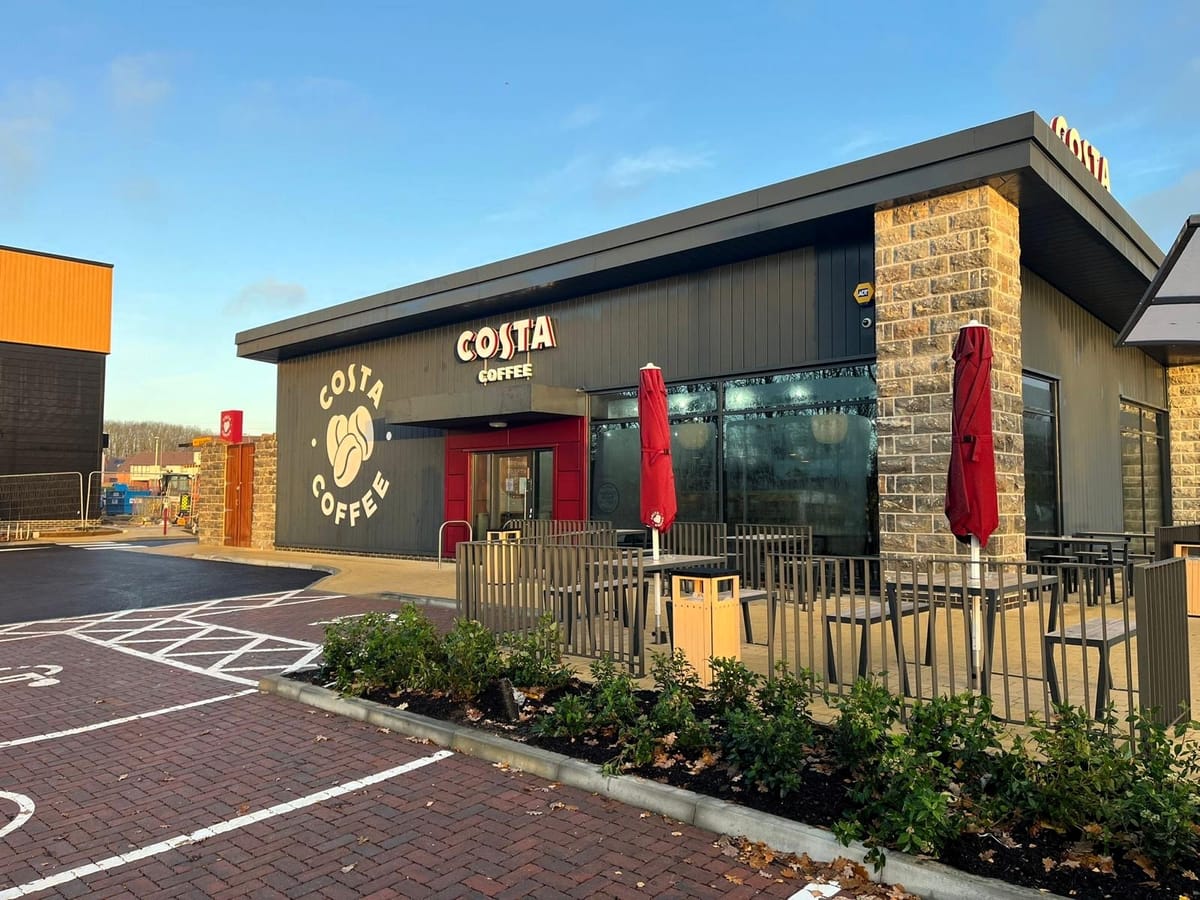
Coca-Cola is reportedly making a final attempt to keep negotiations alive over the potential sale of Costa Coffee, as discussions with its preferred buyer have slowed due to disagreements on valuation.

According to international media reports, talks between the US beverage group and London-based private equity firm TDR Capital have reached an impasse. TDR, the owner of UK supermarket chain Asda, was recently named the leading contender to acquire Costa Coffee. The proposed transaction would reportedly cover Costa’s UK and global operations, while excluding its approximately 300 stores in China.

Sources familiar with the matter indicate that Coca-Cola is seeking a valuation close to $2 billion for the 4,200-store coffee chain. This figure represents a significant reduction from the $4.9 billion the company paid when it acquired Costa Coffee in early 2019. A final decision on the future of the brand is expected before December 21, 2025.

In an effort to secure an agreement, Coca-Cola is said to be open to alternative deal structures, including the sale of a controlling stake rather than a complete exit.

The company began formally reviewing strategic options for Costa Coffee in August 2025. The move followed comments from outgoing Chief Executive James Quincey, who acknowledged to investors that the performance of the coffee business had fallen short of expectations and had not delivered the returns initially anticipated.

Several investment groups have previously expressed interest in Costa Coffee. These include US-based Bain Capital and China’s Centurium Capital, which owns Luckin Coffee. Other major private equity firms, including Apollo and KKR, are understood to have withdrawn from the process in recent months.

Bloomberg… Colombian Women Push Against Coffee’s Patriarchy

Dubai – Qahwa World

Bloomberg published an investigation titled “From Bean to Cup, Colombian Women Push Against Coffee’s Patriarchy”, which stated:

The mist-covered hills of Colombia’s Huila region, lined with dense coffee trees, are witnessing a gradual but determined shift. Women across the country’s renowned coffee sector are stepping into roles once dominated almost entirely by men. They are running farms, forming cooperatives, and launching their own brands, yet deep-rooted gender barriers continue to limit their economic participation—despite historically high coffee prices.

Industry Boom and Leadership Barriers

Colombia’s coffee industry is experiencing one of its strongest periods in decades. Arabica prices reached record levels in October after US tariffs on Brazilian coffee coincided with weak global harvests. Even after the tariffs were reversed, prices remained high, with buyers scrambling to rebuild inventories.

In the twelve months through October, Colombia produced nearly 15 million 60-kg bags of coffee—up 14% from the previous year and the highest level for this time period since 1992, according to the National Federation of Coffee Growers.

Exports rose more than 11% to 13.4 million bags, with roughly 40% headed to the United States.

Women are slowly benefiting from this boom. For the first time in almost a century, they now lead two of the federation’s 15 regional committees. They also represent nearly one-third of Colombia’s 525,000 registered coffee farmers, a rise of more than ten percentage points since the late 1990s. Still, their visibility has not translated into equal access to leadership roles, decision-making power, or financial resources.

  • Daily Realities in the Coffee Heartland

In Huila, gender inequality often begins at home. Nery Muñoz, 47, leads a small coffee-growers association in the town of Palestina. Like thousands of women in the region, she manages household responsibilities while working long hours in the fields. “When I have to attend a training session or a meeting, I make sure breakfast, lunch and dinner are ready,” she says. “I also take care of my grandson when my son is working.”

The region also faces the long-term impact of Colombia’s internal conflict and the pressures of illicit crop economies. President Gustavo Petro has encouraged farmers to replace coca with crops such as coffee, but insecurity still affects daily life for many women trying to build sustainable livelihoods.

Cultural Barriers and Financing Challenges

In nearby Pitalito, ten women—including 34-year-old Yineth Sánchez—spent almost a year registering their cooperative, Asoproca. Their goal is to produce and sell coffee under their own brand, but limited legal and technical knowledge slowed progress.

According to adviser Andrea Cano, who works with women entrepreneurs in Huila, deep-rooted gender norms continue to block women from equal participation. “It’s not seen well for a woman to leave her household duties to attend meetings or training,” she says. Many also lack the formal education needed to write proposals or manage projects.

  • The Credit Challenge

While 51% of Colombians have access to formal credit, the figure drops to 17–20% in rural areas. The gender gap itself is small (18% of rural men versus 16% of rural women have access), but hidden biases and structural barriers make loans harder to secure.

Loan officers often perceive women as riskier borrowers, especially when they lack property titles or appear less confident, says Jaime Rincón of Asobancaria. Yet data shows women have lower delinquency rates on 90-day loans.

Women manage 26% of Colombia’s planted coffee area and produce roughly 25% of national output.

Their farms also tend to be smaller: 59% cultivate under one hectare, compared with 51.2% of male farmers.

  • A Year of High Prices—and High Costs

In San Agustín, 44-year-old Edmy Yojana Correa farms 1.5 hectares with her husband, raising 7,450 coffee trees across four varieties. While she avoided chemical fertilizers and earned Rainforest Alliance certification, enabling her to secure higher prices, rising costs for organic fertilizer and labor are squeezing profits.

Edmy sought a private bank loan this year but was rejected. She later secured a small loan from Banco Agrario—about $2,000—after an official from the coffee federation informed her about a financing program she had never heard of. The loan, backed by Finagro, is just enough to fertilize her crops and prepare for next year.

Most women-led cooperatives still struggle to sell their coffee at competitive rates, especially compared with farmers who rely on the federation’s strong logistics and marketing networks.

“Our goal is to export our coffee at a fair price that compensates for all the processing and effort we invest,” says Asmuer leader Blanca Elcy Ome. Yet barriers persist. As global demand for Colombian coffee grows, many women who sustain the industry are still waiting to see the full benefits.

“We do need more support,” Edmy says ahead of a coffee fair in Bogotá. “I know there’s a customer for my coffee. I just have to look for them.”

Paris Hilton Shares Her Morning Coffee Routine That She Says Is ‘Anything but Boring’

Dubai – Q ahwa World

Paris Hilton is stepping into the coffee world with a fresh collaboration that introduces a limited series of flavored creamers and cold foam scheduled for release in January 2026. The new lineup is crafted to bring a richer, more playful touch to daily coffee moments, reflecting Hilton’s well-known love for bold aesthetics and distinctive taste.

The collection includes two creamers and a cold foam, each offering a different experience. One delivers a lively fruity profile, another mixes sweetness with a hint of heat inspired by Hilton’s famous persona, and a third brings a fluffy, candy-like finish in a vibrant shade that mirrors her signature style.

Hilton says her morning coffee is one of her favorite quiet rituals. She prepares it in a pink French press of her own design, adding her new creamers or cold foam to create a drink that matches her upbeat personality. She prefers her coffee to feel fun and expressive—never plain or predictable.

Alongside this partnership, Hilton has been opening a window into her personal and artistic life. A teaser for her upcoming documentary, Infinite Icon: A Visual Memoir, shows her preparing for her first full-length concert and looking back at the key moments that shaped her rise to global recognition.

The new coffee collection will arrive at major retailers across the country in early 2026 for a limited time.

UK Coffee Leader Summit Returns March 2026: Early Registration Now Open

Dubai – Qahwa World

Early registration has opened for one of the most prominent gatherings in the British coffee and hospitality scene, scheduled to take place on 26 March 2026 at The Langham in London.

The event returns at a time when the UK market is undergoing one of its most significant shifts in ten years, with operators facing rising costs, tougher competition, and increasing expectations for quality. The summit is organised by World Coffee Portal in collaboration with Coffee Ventures Europe and will bring together key industry players for a full day dedicated to strategic discussions and business development.

The gathering will unite 60 major buyers from café groups, retail chains, quick-service brands, contract catering companies, and hotel groups with an equal number of selected suppliers and emerging brands. Its format focuses on actionable market insights and structured one-to-one meetings aimed at building partnerships that normally require months of negotiation.

The day will open with an exclusive presentation by Jeffrey Young, Founder and CEO of World Coffee Portal, offering a preview of new market data for Project Café UK 2026. Participants will then explore the most pressing themes shaping the sector, including future directions for branded coffee chains, the rise of automation, beverage innovation, shifts between home and workplace consumption, and broader expectations for the UK hospitality landscape.

Throughout the event, attendees will take part in a series of pre-arranged meetings tailored to their business priorities for 2026, replacing the typical trade-show format with a more focused and productive environment. According to the organisers, the aim is not to maximise numbers but to ensure that each conversation has strategic value.

Major chains, foodservice operators, and retailers have already confirmed their participation, alongside well-known equipment and service providers and new brands representing the evolving “fifth wave” of coffee. Organisers highlight that attendees will gain early access to insights and partnerships that could influence their strategic direction for the year ahead.

Priority applications are open until 19 December 2025, with limited places available for both buyers and suppliers.