‘No Contract, No Coffee’: Bloomington Starbucks Workers Join National Strike

Dubai – Qahwa World

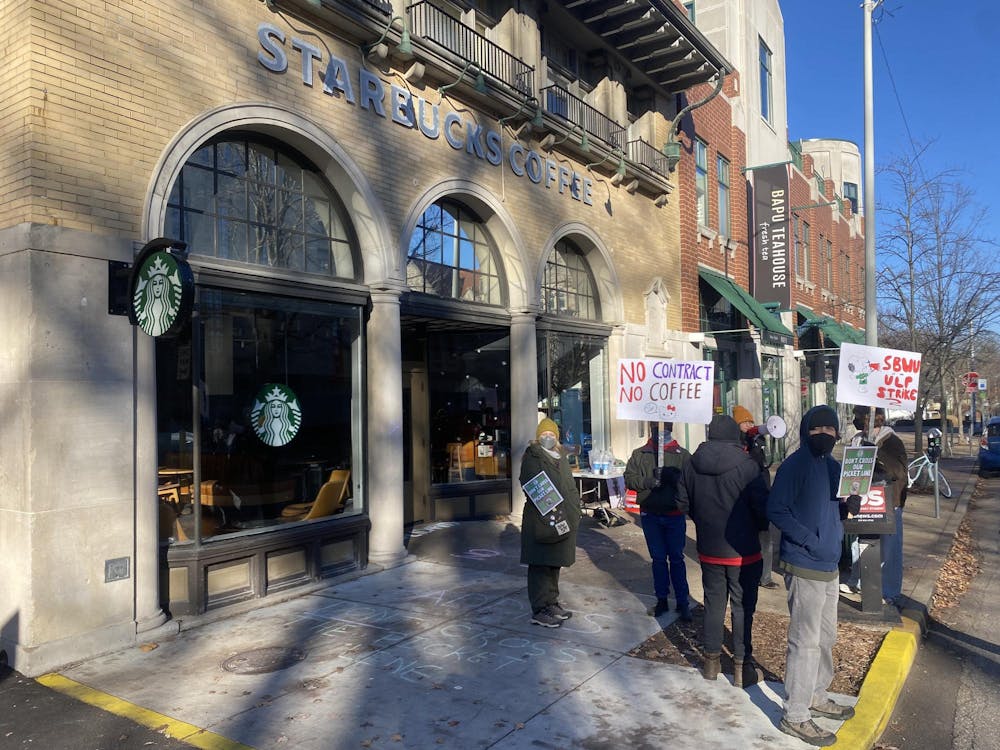
The Starbucks on Indiana Avenue in Bloomington closed for most of Friday as workers joined a nationwide strike protesting the lack of a contract and stalled wage negotiations between Starbucks CEO Brian Niccol and the labor union Starbucks Workers United.

Barista and union member Eliza Ortiz said employees decided to strike after monitoring early national walkouts to see if management would return to the bargaining table. “If they wanted to come back to the bargaining table, our strike would have ended. But they haven’t, so we are escalating,” she said.

Starbucks Workers United, founded in 2021, now represents over 11,000 baristas in 550 stores nationwide. The Indiana Avenue store joined 120 other locations in the strike, which began with a nationwide walkout on Nov. 13 during Starbucks’ seasonal “Red Cup Day.” Bloomington’s other unionized Starbucks on State Road 46 did not participate, according to barista Annabelle Purkey.

National framework bargaining began in April 2024, but negotiations stalled after Starbucks rejected the union’s economic proposals in December 2024. The union criticized Starbucks’ counteroffer for failing to raise wages in the first year or address key issues. They subsequently filed a national unfair labor practice charge, accusing the company of failing to bargain in good faith.

About seven picketers arrived at Indiana Avenue at 8 a.m. Friday with signs reading “No Contract, No Coffee” and “Baristas on Strike!” Ortiz used a bullhorn to engage passing drivers, while members of the Bloomington chapter of the Democratic Socialists of America joined to support the protest.

The store closed roughly four hours after opening when employees did not show up. A sign on the door directed customers to other locations without mentioning the strike.

Starbucks spokesperson Jaci Anderson said the Nov. 13 walkout affected less than 1% of stores. “Partner engagement is up, turnover is nearly half the industry average, and we get more than 1 million job applications a year. Any agreement needs to reflect the reality that Starbucks offers the best job in retail,” she said.

Indiana Avenue employees filed a petition to unionize in June 2024 due to inconsistent scheduling and low wages. Ortiz said employees often faced reduced hours and struggled to cover rent, groceries, and medications. She added that after organizing locally with Workers United, the group plans to picket daily until management addresses their demands.

Saudi Arabia Aims to Increase Coffee Production Tenfold Through “Saudi Rural” Program

Dubai – Qahwa World

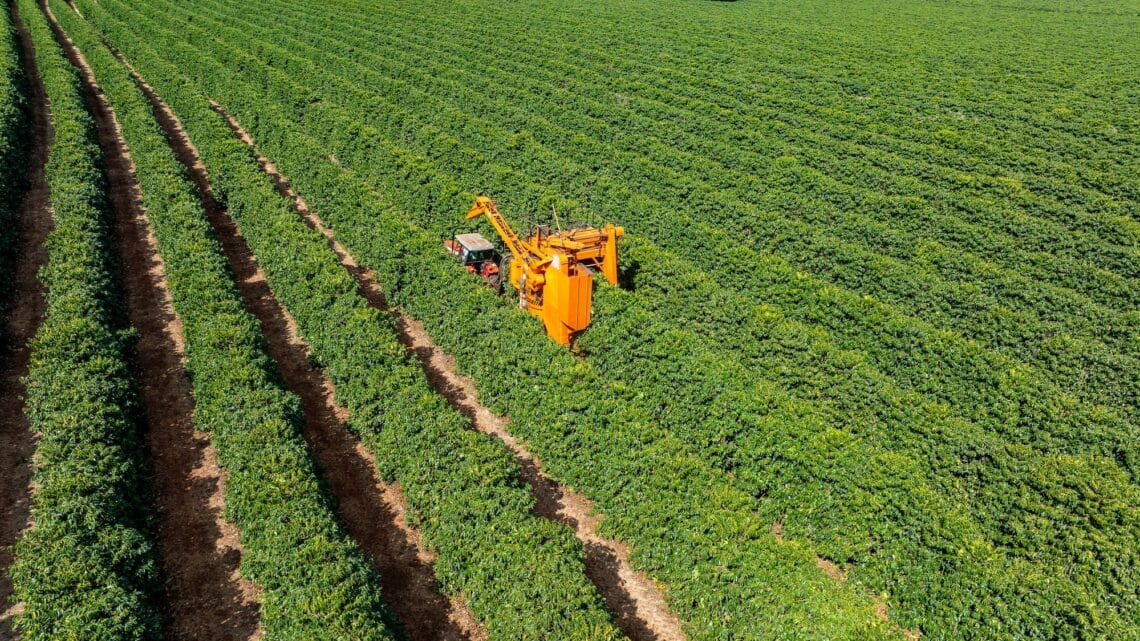
Saudi Arabia is set to significantly boost its domestic coffee industry through the launch of the first subprogram focused on transforming coffee into a major cash crop, under the Sustainable Rural Agricultural Development initiative known as “Saudi Rural.”

The program is being implemented in collaboration with the Food and Agriculture Organization of the United Nations (FAO), aiming to develop all stages of the coffee value chain in the Kingdom — from production to processing and marketing.

Coffee is one of eight agricultural programs supported by Saudi Rural, which seeks to enhance food security, diversify crops, and improve livelihoods for farmers and small producers in rural areas.

The program targets an increase in annual coffee production from 800 tons to 7,000 tons by year-end — nearly a tenfold rise — while raising the self-sufficiency rate from 0.5% to 4.4%, in line with Saudi Vision 2030 goals.

Majid Al-Buraikan, the official spokesperson for Saudi Rural, highlighted that the program aims to integrate coffee into the agricultural crop structure as a key cash crop and to enhance production diversity. The initiative also seeks to reduce coffee imports, increase value addition through diversified processing and marketing, improve incomes for small farmers, and create job opportunities for youth in production areas and along the coffee value chain.

Previously, Saudi Rural set targets to plant 50,000 coffee seedlings and increase the productivity of existing crops by 30% by the end of 2025.

The New Global Coffee Order: Major Transformations Shaping the Industry’s Future

Dubai – Qahwa World

The coffee industry is witnessing an unprecedented transformation, reshaping itself under pressures that span climate, economics, trade, and consumer behavior. The World Coffee Portal’s recent two-part analytical study, titled “Coffee’s New World Order”, provides a deep dive into these sweeping changes, offering a comprehensive view of how the global coffee system is evolving before our eyes.

Climate Pressures and Production Volatility

Global coffee production is now more vulnerable than ever. In 2025, Brazil, the world’s largest arabica producer, faced severe heatwaves and erratic rainfall, pushing arabica prices to historic highs. Meanwhile, Vietnam, a key robusta supplier, suffered prolonged droughts that impacted yields, raising the cost of instant coffee ingredients to levels unseen in nearly half a century.

These climate challenges are compounding existing market pressures. Futures markets, historically driven by stable inventory practices, are now in backwardation, discouraging stockpiling and amplifying shortages. As a result, the world is seeing unprecedented fluctuations in both commodity prices and availability, affecting roasters, exporters, and consumers alike.

Trade Policies and Global Ripple Effects

Recent trade developments have intensified the industry’s volatility. When the United States imposed significant tariffs on Brazilian coffee, supply chains were forced to adapt quickly. European and Asian markets absorbed redirected volumes, leading Germany to surpass the US as Brazil’s largest export destination. Meanwhile, China has actively expanded imports to secure long-term supply for its growing domestic chains, including large-scale deals by regional players to stock thousands of stores.

These developments illustrate that coffee is no longer a commodity confined to traditional trade patterns. Instead, it is part of a dynamic, multi-polar market, where emerging economies increasingly influence global flows, pricing, and strategies.

Consumer Trends and Emerging Markets

The World Coffee Portal study emphasizes that consumption patterns are shifting globally. Asia, the Middle East, and Latin America are no longer passive markets. Local brands are rapidly innovating, offering products tailored to regional tastes, from fruit-infused coffee drinks to digital-first ordering experiences. These trends challenge legacy Western models of expansion, demonstrating that global dominance in coffee is no longer guaranteed by scale alone.

Specialty Coffee Under Pressure

Specialty coffee, long seen as insulated from commodity pressures, now faces both opportunities and risks. Automation and technological advances can reduce operational costs, but the premium coffee segment must balance quality, exclusivity, and affordability. Experts highlight that consumer expectations remain high; price increases must be justified by superior flavor, traceability, and experience. The premium market’s future will hinge on its ability to navigate these competing demands.

Sustainability and Climate Resilience

With 70% of global coffee produced by smallholders, sustainability is central to industry stability. Climate resilience, yield improvements, and farmer support are critical to safeguarding the coffee supply chain. While development aid has declined, private sector initiatives and collaborative programs—such as G7-backed funds and proposed levies on green coffee—are emerging as essential mechanisms to ensure long-term sustainability.

The End of Cheap Coffee?

The era of inexpensive, untraceable coffee is drawing to a close. Rising costs, climate impacts, and supply chain disruptions are driving prices upward, even as global demand remains robust. Consumers may pay more, but the industry is evolving toward efficiency, transparency, and collaboration, creating a new paradigm for how coffee is grown, traded, and consumed worldwide.

The World Coffee Portal’s study offers a rare and detailed glimpse into this evolving global landscape, providing essential insights for industry leaders, traders, and enthusiasts alike. The global coffee order is changing—and those who adapt quickly will define the next era of the industry.

Global Coffee Giants Face Slower Growth and Rising Costs

Dubai – Qahwa World

Leading coffee companies are encountering a slowdown in consumer demand. Poor harvests, trade tariffs, and rising costs have weakened coffee consumption in Western markets, slowing sales growth and putting pressure on company valuations in the $400 billion industry. Expansion into emerging markets like China is seen as the next step, but it will likely be a costly and complex effort.

The modern coffee surge began in the late 1990s, peaking just before the pandemic. Major chains like Starbucks spread rapidly through Western cities, followed by the emergence of numerous specialty coffee shops. Companies such as Nestlé expanded their coffee lines to capitalize on growing demand for a high-margin beverage.

In 2018, Nestlé acquired the rights to sell Starbucks-branded products outside the U.S. for $7 billion. That same year, JAB, owner of JDE Peets, invested $2 billion to acquire a controlling stake in Pret A Manger. Coca-Cola also purchased Costa for $5 billion, describing the chain as a platform to broaden coffee sales from supermarkets to automated vending.

Yet, recent years have seen challenges mount. Coffee prices have surged, making popular drinks like cappuccinos and lattes more expensive for consumers, particularly in inflation-affected regions. In the U.S., ground coffee reached a record $9 per pound, double the price from 2021, and coffee prices increased 9% in the past year, well above overall inflation.

Future production faces risks from extreme weather events—droughts, floods, and frost—in key coffee-growing countries such as Brazil, Indonesia, and Vietnam. Rising labor costs and other operational expenses now make up roughly 90% of the cost of a cup of coffee. Tariffs on countries producing coffee pods, including Switzerland and Brazil, further strain margins, though recent U.S. agreements with Argentina, Ecuador, Guatemala, and El Salvador may ease some pressures.

The sector is seeing major shifts. Starbucks, valued at $100 billion, has faced profit warnings and is closing about 1% of its stores under CEO Brian Niccol. Keurig Dr Pepper’s $18 billion purchase of JDE Peets is designed to separate higher-margin beverage sales from lower-margin coffee operations. Pret A Manger also recorded a significant write-down, and Coca-Cola has considered divesting Costa due to underperformance.

Nestlé, whose at-home coffee products tend to be smaller and lower in caffeine content, appears better positioned against inflation. Still, the bigger challenge is sustaining growth in already crowded markets. In the U.S., Starbucks and Dunkin’ Donuts operate nearly 30,000 stores combined, while in the U.K., 98 million cups of coffee are consumed daily, with almost one in five people visiting a coffee shop each day.

To find growth, companies are increasingly turning to China and Latin America. Nestlé’s new CEO, Philipp Navratil, plans to introduce products in these regions, and Starbucks recently announced 145 new stores across Latin America and the Caribbean. However, income levels remain modest in these markets, competition is intense, and marketing costs will likely rise, limiting profitability. Starbucks’ experience in China demonstrates the difficulty of competing with local operators and imitations.

Expanding beyond saturated Western markets is logical, but the path forward may mean slower growth and smaller margins for the coffee industry.

Trump Administration Considers Coffee Tariff Reduction

Dubai – Qahwa World

President Donald Trump indicated in a televised interview that his administration is preparing a policy shift aimed at reducing tariffs on coffee imports, a move expected to influence one of the most widely consumed commodities in the United States. His comments, though brief, come at a moment when households across the country are facing increased pressure from rising food and beverage prices.

In the interview, Trump noted that the upcoming steps will include lowering certain tariffs on coffee, framing the measure as part of a wider initiative to ease living costs for American families. Coffee, which the United States does not produce domestically in commercially viable quantities, remains heavily dependent on global supply chains and import regulations, making it sensitive to trade decisions and tariff schedules.

The president’s statement has drawn significant interest among economic analysts and industry observers who view the potential tariff reduction as a meaningful intervention in a market shaped by fluctuations in global supply, shipping disruptions, and heightened consumer demand. Within Washington, discussions have reportedly been underway regarding adjustments to tariffs on essential goods that form part of Americans’ daily consumption patterns, including coffee.

Reports suggest that the Treasury Department has explored possible frameworks for easing import duties on coffee shipments entering U.S. ports. Supporters of the proposed change argue that reducing these duties could contribute to lower retail prices, provided that broader logistical pressuressuch as freight costs and delivery bottlenecksdo not counteract the effect. Businesses operating in the coffee sector, particularly roasters, cafés, and national chains, have long highlighted tariff costs as a contributing factor in pricing decisions.

In parallel to the domestic policy review, the administration is described as engaging in trade dialogues with key coffee-producing countries such as Argentina, Guatemala, El Salvador, and Ecuador. These discussions reportedly address streamlining import procedures and reducing barriers that have complicated the movement of coffee into the U.S. market. Strengthening these trade channels could not only benefit exporting nations but also help stabilize supply routes that have experienced strain in recent seasons.

The U.S. coffee market has faced sustained price pressures driven by global climate challenges affecting crop yields, elevated transportation costs, and persistent shifts in consumption patterns. Retail prices have climbed steadily, prompting questions from consumers and businesses alike about the underlying factors contributing to the upward trend. Given that the United States relies almost entirely on imported green coffee beans, the sector remains highly exposed to external shocks.

From a political standpoint, the potential tariff reduction may signal an effort by the administration to respond to public concerns about inflation and household affordability. Coffee holds a unique place in daily American life, making any decline in its price particularly visible to voters. Policies that directly influence the cost of essential consumer goods can carry notable political implications.

Internationally, a U.S. decision to ease coffee tariffs could reshape commercial relationships between the United States and producing countries seeking reliable high-volume markets. Depending on the scale and timing of the policy, the move might also influence global coffee price dynamics, especially if exporters adjust their strategies in anticipation of changing demand from American buyers.

As the industry awaits more concrete details, companies across the supply chainimporters, roasters, distributors, and retailersare assessing how the potential adjustment might affect their operations. Lower tariffs could relieve some of the financial pressure that has accumulated due to higher operating costs, enabling businesses to revisit pricing models and long-term procurement strategies.

Although the president’s remarks did not include a timeline or formal policy outline, they represent the clearest indication to date that the administration is preparing to intervene directly in coffee-related import costs. The statement has already prompted expectations of a forthcoming announcement, as market participants and consumers closely watch Washington for the next development. The outcome of this initiative could have substantial implications for the future of coffee prices and availability across the United States.

Mexican Coffee to Make History in Dubai 2026

Coatepec, Veracruz – Qahwa World

Mexican coffee is set to leave a historic mark at one of the Middle East’s premier coffee events. Casa Tostadora Briones has announced its participation in the upcoming exhibition from January 18 to 20, 2026, at the Dubai World Trade Centre, representing all coffee-producing regions of Mexico in a first-of-its-kind national initiative.

“This is an unprecedented moment,” said José Manuel Hernández García, CEO of Casa Tostadora Briones. “For the first time, all producing states, institutions, and growers are moving forward together. In Dubai, we will present not only our coffee but the story of every hand and every mountain that shapes our harvests.”

The initiative brings together multiple official and civil partners, including: Veracruz Secretariat of Economic Development

  • Chiapas Ministry of Economy and Labor and the Coffee Institute of Chiapas

  • Guerrero Secretariat of Economic Development

  • Mexican Ministry of Tourism

  • Asociación Civil Ayuda Productores Veracruzanos

In addition to promoting Mexican coffee internationally, the project highlights the cultural, natural, and touristic richness of Mexico’s coffee-growing regions and aims to encourage origin-based tourism, showcasing the deep connections between coffee, history, and local communities.

Casa Tostadora Briones has also pioneered new export routes from Mexico to the Middle East, ensuring that every batch maintains its origin identity and high-quality standards.

The company is inviting coffee producers, cooperatives, and associations from across Mexico to join this historic national representation.

The Dubai exhibition will take place January 18–20, 2026, at the Dubai World Trade Centre, Main Halls, bringing together leading figures in the global coffee industry.

Luckin Coffee Eyes Fresh U.S. Listing Five Years After Accounting Scandal

The Chinese coffee giant moves to regain investor confidence and global credibility following a dramatic turnaround that made it China’s largest coffee chain.

Dubai – Qahwa World

China’s Luckin Coffee is reportedly preparing to return to Wall Street, five years after its dramatic delisting from the Nasdaq amid one of the country’s most notorious corporate accounting scandals.

Speaking at a government-hosted event in Xiamen on 2 November 2025, CEO Jinyi Guo said the company was “actively pushing the process of relisting on a U.S. main board,” though he declined to specify a timeline. Market observers believe the relisting could take place either on the New York Stock Exchange or Nasdaq, marking a significant milestone in the company’s comeback story.

Founded in Beijing in 2017, Luckin first listed in the United States in May 2019, raising $561 million to fund its breakneck expansion to 4,500 stores across China. But by April 2020, revelations emerged that the company had fabricated roughly $340 million in sales, triggering a collapse in its stock price, the dismissal of its senior management, bankruptcy filings in the U.S., and a $180 million fine by the U.S. Securities and Exchange Commission.

Under new ownership by Beijing-based private-equity firm Centurium Capital, Luckin launched a sweeping turnaround plan focused on profitable growth, tech-driven operations, and stricter financial oversight. The strategy began paying off in 2022, when the company reported its first quarterly net profit and emerged from bankruptcy shortly thereafter — a milestone that paved the way for its first annual operating profit later that year.

By 2023, Luckin Coffee had overtaken Starbucks in China’s fiercely competitive coffee market, fueled by rapid franchise expansion and affordable pricing. As of mid-2025, the brand operates over 26,000 stores across China and continues to extend its international presence with outlets in Singapore, Malaysia, and its first U.S. location.

A potential U.S. relisting, analysts say, could provide Luckin with fresh access to capital markets, boost brand visibility, and restore investor confidence still clouded by its past misconduct. Yet the move will not be simple: any overseas listing by a Chinese firm now requires filing with the China Securities Regulatory Commission (CSRC), part of Beijing’s tightened oversight of foreign capital operations.

As of March 2025, 286 Chinese companies were listed on U.S. exchanges with a combined market capitalization of around $1.1 trillion, according to the U.S.–China Economic and Security Review Commission. Luckin’s move, therefore, would mark one of the most high-profile returns of a Chinese consumer brand to U.S. markets since the scandal-scarred delistings of 2020.

Earlier this year, Chinese tea brand Chagee raised $411 million in its Nasdaq IPO — a sign that global appetite for Chinese beverage players may be returning. Whether Luckin Coffee can brew up a similar success story on Wall Street remains one of the most closely watched comebacks in the coffee industry.

Researchers Warn of Hidden Microplastic Threat in Coffee Pods

Dubai – Qahwa World

As awareness of microplastic pollution continues to rise, new research is drawing attention to an unexpected source—coffee pods. Despite efforts to reduce plastic waste through reusable cups and eco-friendly alternatives, experts warn that the daily coffee ritual may be exposing millions to microscopic contaminants.

A Hidden Risk in Convenience

Coffee pod machines, used by roughly one-third of American coffee drinkers, offer undeniable convenience—just insert a pod, press a button, and brew. But researchers say that convenience comes with a cost.

A recent TIME Magazine report posed a critical question: What happens to the plastic in single-serve coffee pods? The concern lies in microplastics, particles less than five millimeters in size that are shed as plastic breaks down or when it is exposed to heat.

Evidence from Hot Beverages

In a study published in Science of the Total Environment, British environmental chemist Professor Mohamed Abdallah and his team found that every hot beverage sample tested contained microplastics, with higher levels in hot drinks compared to cold ones. While coffee pods weren’t specifically tested, the findings suggest that heat exposure during brewing may accelerate plastic particle release.

“Our understanding of the toxicity of microplastics remains in its infancy,” Abdallah said, noting that these particles have only been studied since 2004.

Inside the Human Body

Microplastics have been found nearly everywhere — from the deepest ocean trenches to human blood, lungs, and even the brain. Their small size allows them to travel through the environment and the human body unnoticed.

Environmental engineer Justin Boucher from the Food Packaging Forum added: “We already have evidence that many plastics and related microplastics contain hazardous chemicals that can cause harm.”

According to TIME, even the water in coffee machines can contain microplastics — and the brewed coffee may have nearly two-thirds more contaminants than the water used to make it.

What Can Be Done

Despite growing evidence, no specific government regulations currently address microplastic exposure. Researcher Tracey Woodruff from the University of California told TIME that meaningful change depends on both policymakers and industry leaders.

Still, experts advise individuals to reduce plastic use where possible, opt for metal or glass alternatives, and avoid single-use plastics when practical. “Don’t aim for perfection,” Woodruff said. “Every small step matters, and the bigger shift will come from collective action.”

Dutch Bros Surges After Strong Q3 Earnings and Upgraded Outlook

Dubai – Qahwa World

Dutch Bros (NASDAQ: BROS) reported impressive third-quarter results, surpassing Wall Street expectations for both earnings and revenue. The drive-thru coffee chain posted adjusted earnings of $0.19 per share, topping forecasts of $0.17, on revenue of $423.6 million versus the expected $413.6 million.

Revenue jumped 25.2 percent year-on-year, rising from $338.2 million in Q3 2024, while net income more than doubled to $27.3 million from $12.6 million. Same-store sales advanced 7.4 percent at company-operated shops and 5.7 percent system-wide. Dutch Bros also opened 38 new locations across 17 states, expanding its total footprint to 1,081 stores.

Chief Executive Officer Christine Barone highlighted the company’s resilience, stating that strong momentum through October prompted management to raise full-year guidance for both total revenue and same-store sales growth.

Despite the surge in sales, gross profit fell 8.5 percent year-over-year to $82.4 million, signaling higher costs for labor, commodities, or logistics. Nonetheless, operating income grew 27.6 percent to $41.5 million, and adjusted EBITDA rose 22.3 percent to $78 million, suggesting that scale and operational efficiency continue to buffer inflationary headwinds.

Key Financial Highlights

Revenue: $423.6 M (+25.2 % YoY)

Adjusted EPS: $0.19 (+11.8 % YoY)

Net Income: $27.3 M (+115.8 % YoY)

Operating Income: $41.5 M (+27.6 % YoY)

Adjusted EBITDA: $78 M (+22.3 % YoY)

Company-operated same-store sales: +7.4 %

System-wide same-store sales: +5.7 %

The raised guidance underscores management’s confidence in the brand’s growth trajectory. However, investors will closely watch gross-margin trends and the sustainability of same-store sales as Dutch Bros continues its aggressive expansion. Persistent cost pressures may require future pricing or operational adjustments, but the company’s accelerating profitability suggests its strategy is gaining traction.

Typhoon Kalmaegi Hits Vietnam, Disrupting the Global Coffee Market

Dubai – Qahwa World

The global coffee industry faces a new challenge as tropical typhoon Kalmaegi struck the Philippine archipelago earlier this week and is now moving toward Vietnam, threatening one of the world’s most important coffee-producing regions. According to a report by Bloomberg, the storm could disrupt global coffee supply chains and trigger potential price increases in the coming weeks.

Nguyen Ngoc Khai, a meteorologist at the Dak Lak Weather Center—the heart of Vietnam’s coffee-growing region—warned that “strong winds may uproot coffee trees, while heavy rains could knock the cherries off the branches before they ripen.” He added that the scale of the damage could widen if the severe weather persists.

Darren Stetzel, Senior Vice President for Agricultural Affairs in Asia at New York–based StoneX, noted that “even minor production disruptions can raise market concerns about supply stability and push coffee futures prices higher.” He also cautioned that “intense rainfall poses a threat not only to plantations but also to the quality of coffee beans harvested during the 2025/2026 season.”

Vietnam, the world’s second-largest coffee exporter after Brazil, has already achieved its full-year export target in the first half of 2025, reaching USD 5.5 billion in coffee exports, according to the Ministry of Agriculture.

The National Center for Meteorological Forecasting reported that Kalmaegi is the 13th typhoon to enter the South China Sea this year and is expected to bring heavy rainfall across Vietnam’s central regions. In the Philippines, where the storm previously made landfall, more than 140 people have died and over 400,000 residents were evacuated.

Experts warn that this natural disaster could further strain coffee shipments to global markets—including Russia and Europe—at a time when global coffee prices remain volatile amid ongoing climate and logistical challenges.

Starbucks Renews Its Trademark in Russia as Coca-Cola Follows Suit

Moscow — November 5, 2025.

Starbucks has officially renewed its trademark rights in Russia, despite having fully exited the Russian market in 2022.

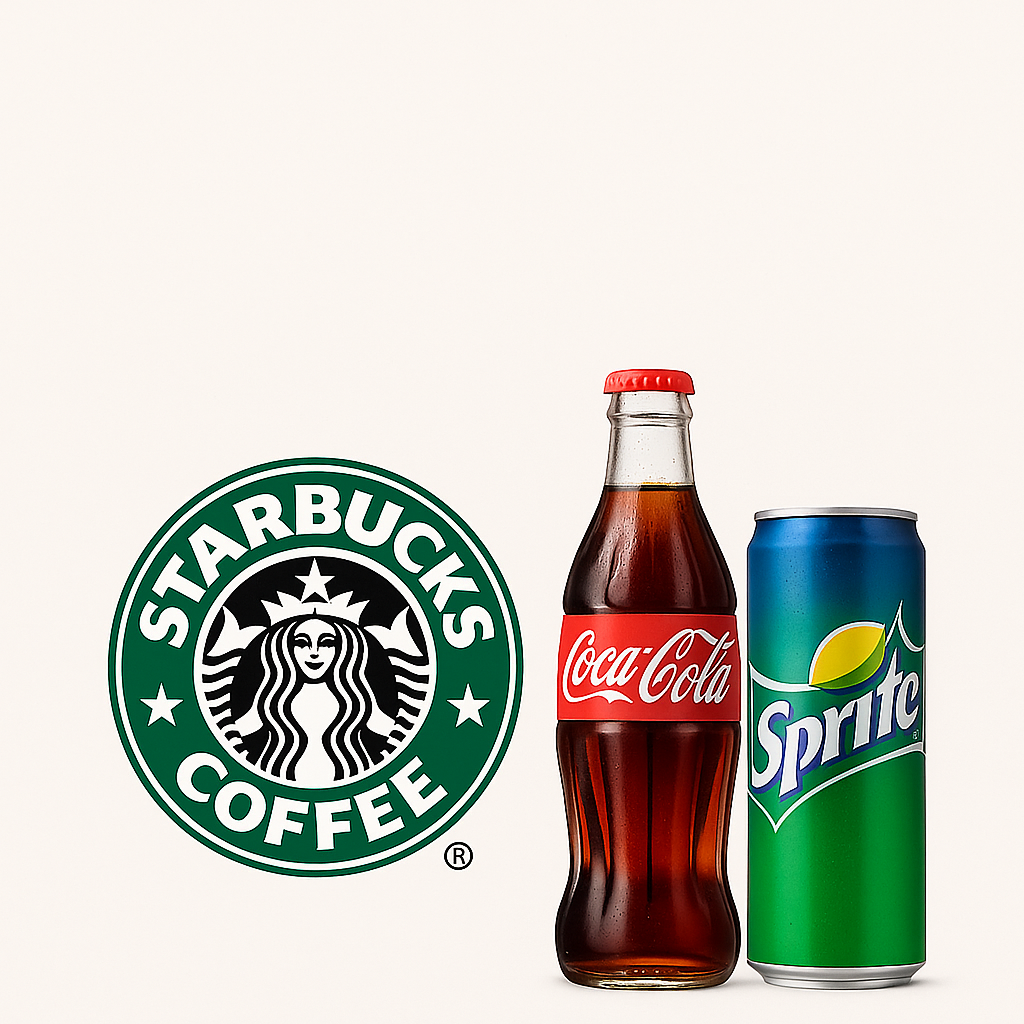
According to RIA Novosti, the Russian Federal Service for Intellectual Property (Rospatent) registered the company’s iconic siren logo under Class 21 of the International Classification of Goods and Services, which covers coffee makers, tableware, coffee filters, and related accessories. The registration grants Starbucks exclusive rights for 9.5 years — until May 2034 — allowing the company to legally provide coffee services, sell beverages, and manage loyalty programs.

At the same time, Coca-Cola renewed its trademarks for “Coca-Cola” and “Sprite” under Class 32 (non-alcoholic beverages). The application, initially filed on April 23, 2025, ensures protection of the brands in Russia until 2035.

Experts note that these actions do not necessarily indicate a return to the Russian market. Rospatent head Yuri Zubov stated that such registrations are aimed at “maintaining reputation, brand resilience, and ensuring legal protection.” Legal expert Yuri Fedyukin added that companies are securing their rights to prevent unauthorized use of their trademarks within Russia.

Following the 2022 events in Ukraine, both Starbucks and Coca-Cola, along with many other Western corporations, suspended their operations in Russia. Coca-Cola’s production facilities were repurposed to manufacture drinks under the “Dobry” brand, while Starbucks cafés were rebranded and reopened as Stars Coffee, managed by Russian entrepreneurs Timati and Anton Pinsky.

JDE Peet’s Transfers Shares to Employees Amid Keurig Dr Pepper Takeover Offer

Amsterdam – Qahwa World

JDE Peet’s N.V. announced the transfer of shares under its employee incentive programs in accordance with Dutch takeover regulations, as part of ongoing disclosure obligations linked to the recommended public offer by Keurig Dr Pepper Inc. for all issued and outstanding shares in the company.

According to the statement issued under section 5, paragraph 4 of the Dutch Decree on Public Takeover Bids (Besluit openbare biedingen Wft), JDE Peet’s transferred a total of 265,951 shares to four participants in its incentive plan for no consideration, and an additional 47,262 shares to one participant as part of the settlement of 277,777 options exercised at a price of € 20.94 per share.

Following the transfers, the total issued share capital of JDE Peet’s remains unchanged at 488,178,642 shares, of which 3,228,542 shares are held as treasury stock. The nominal value of each share is € 0.01.

The company clarified that JDE Peet’s does not hold any shares in Keurig Dr Pepper, and it is not aware of the Offeror holding any shares in JDE Peet’s.

The announcement forms part of mandatory transparency requirements as the company proceeds through the formal offer process, which will ultimately be subject to approval by the Dutch Authority for the Financial Markets (Autoriteit Financiële Markten).