Madrid celebrates Valentine’s weekend with CoffeeFest 2026

Madrid brews love, business and global coffee energy

Madrid – Qahwa World & Buna Kurs: Media Partners

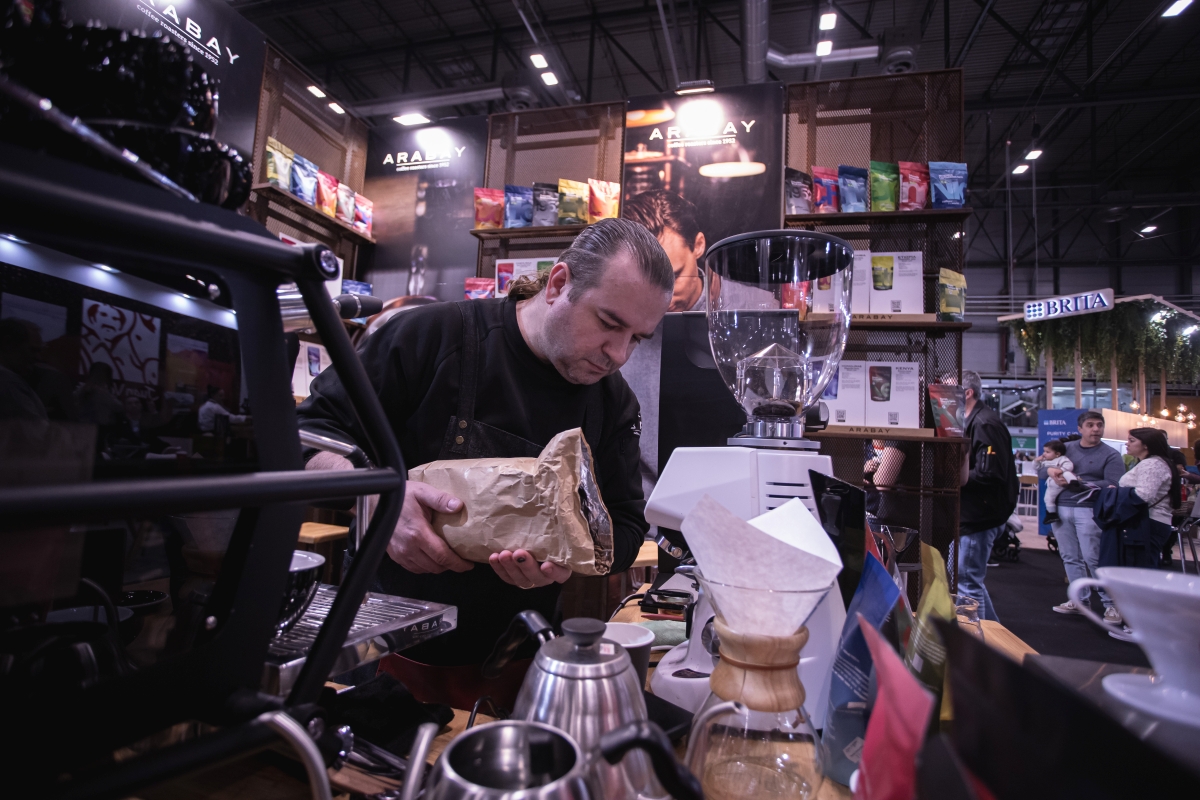
Madrid is celebrating Valentine’s weekend with more than flowers and romance this year. From February 14–16, the Spanish capital has transformed into Europe’s beating heart of specialty coffee as CoffeeFest Madrid 2026 takes over IFEMA Madrid.

With more than 250 brands, a 40% expansion in exhibition space, and thousands of professionals and enthusiasts gathering under one roof, CoffeeFest has once again positioned Madrid as a continental capital of quality coffee and hospitality trends.

While couples filled the city’s streets on February 14, inside Hall 14 it was clear: coffee was the real love story.

  • A European hub with global reach

Founded and directed by César Ramírez of NEO Drinks, CoffeeFest Madrid has rapidly evolved into one of Europe’s most influential coffee gatherings. The 2026 edition reflects a sector that is more professionalized, more innovative, and more connected to gastronomy and sustainability than ever before.

This year’s program features internationally recognized voices, including World Barista Champion Jack Simpson and educator and roaster Kat Melheim (RoasterKat), alongside a strong lineup of European and global experts shaping the future of coffee.

Beyond specialty coffee, the festival expands into tea, matcha, cacao, bean-to-bar chocolate, and boutique pastry—reinforcing how coffee culture is increasingly interwoven with broader premium hospitality experiences.

  • The World’s 100 Best Coffee Shops gala returns

One of the most anticipated moments of the weekend is the second edition of The World’s 100 Best Coffee Shops international gala, taking place on February 16.

The ranking has quickly become a benchmark for global coffee excellence, celebrating cafés that combine quality, service, design, innovation, and community impact. The Madrid stage once again becomes the epicenter of global recognition in the coffee world.

  • Competition, origin and industry momentum

CoffeeFest also hosts Spain’s Specialty Coffee Association (SCA) championships, including the Spanish Barista Championship, Brewers Cup, and Coffee Roasting Championship—platforms that spotlight technical precision, creativity, and craft at the highest level.

A major highlight remains the international green coffee auction, showcasing exceptional lots from producing countries and emphasizing traceability, direct trade, and social responsibility. The auction reinforces a growing commitment within the European market to origin transparency and long-term producer relationships.

  • CoffeeFest as a trend thermometer

More than a trade show, CoffeeFest has become a living laboratory of emerging coffee trends—from sustainability innovation to digitalization, new brewing formats, and evolving consumer behavior.

On Valentine’s weekend, Madrid is not just celebrating romance. It is celebrating a global industry built on connection, culture, and craft.

As coffee professionals, roasters, producers, and brands gather from across Europe and beyond, one message is clear:

Coffee is not just in the cup. It is in the air.

Invisible Gravity in Coffee

By Dr. Steffen Schwarz

If you stand at the edge of a coffee farm at dawn, the industry looks almost impossibly fragmented. It is a mosaic of small plots and a patchwork of varieties where thousands of decisions are made by hand: when to prune, when to fertilize, and when to pick. Multiply that landscape by the number of farms worldwide, and the picture becomes geological in scale.

Yet, the moment the coffee cherry leaves the farm gate, a different geography takes over—not of soil and altitude, but of finance, logistics, risk, and ownership. While often described as “complex,” the sector hides a simpler truth: most of the value chain is governed by a small number of capital-intensive control points. Whoever owns these points sets the tempo for the entire industry.

The Five-Part Series: An Overview

This article serves as the “overview lens” for a five-part series designed for decision-makers. Over the coming weeks, we will dive deep into:

  1. Green Coffee: The industrialization of uncertainty.

  2. Roasted Coffee & Brand Ownership: The architecture of portfolios.

  3. Coffee Technology & Manufacturing: The power of installed bases.

  4. Coffee Service: The economics of high-frequency traffic.

To map this landscape, I use a “triangulation” approach: public filings, official acquisition reports, and corporate self-descriptions. While private groups remain opaque, that very opacity allows capital to concentrate through information arbitrage.

YOU MAY LIKE THIS: Steffen Schwarz: A Silent Shift Towards Canephora is Redefining Europe’s Coffee Preferences

1. Green Coffee: Managing the Industrial Flow

Coffee is biologically diverse but industrially standardized. To turn variable seeds into repeatable contract specifications, the system requires massive infrastructure.

Supply is heavily concentrated at the source: a handful of countries represent the bulk of global supply. At the demand end, the EU and the US act as regulatory gatekeepers; their decisions effectively become global requirements.

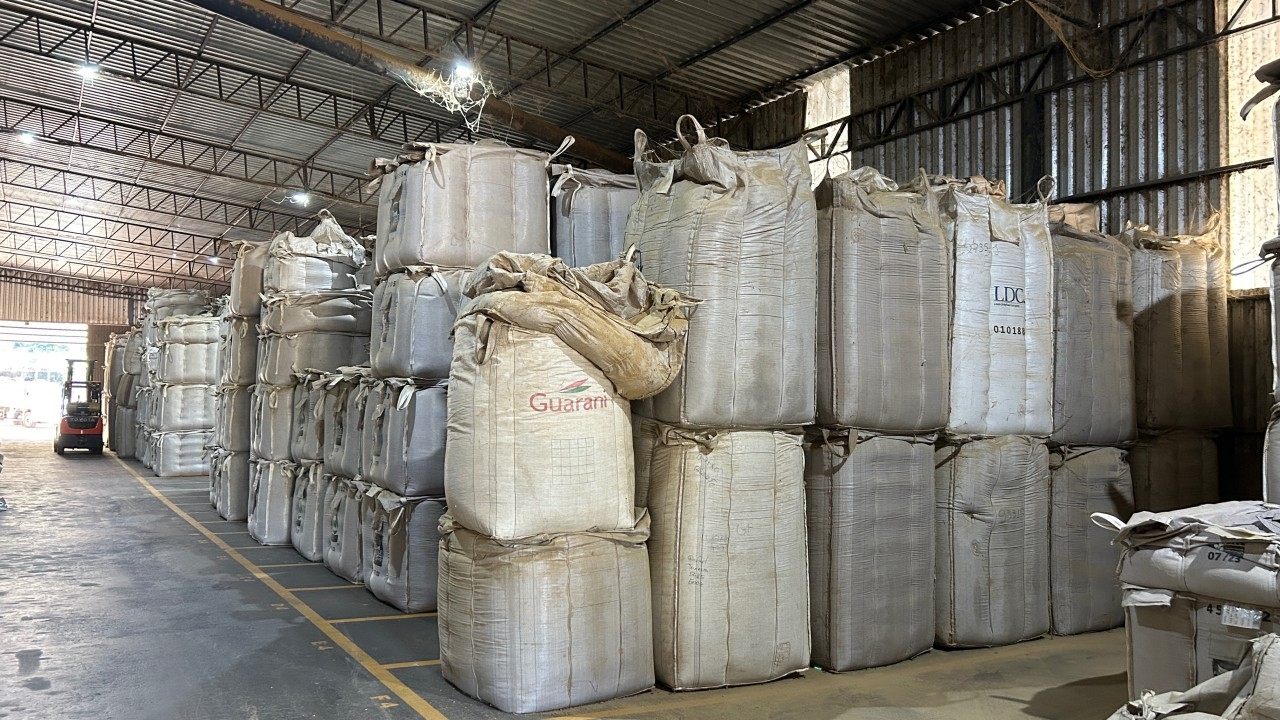
The Power of Working Capital Coffee moves through time before it moves through taste. Financing harvests and managing long ocean lead times requires immense balance sheets. Major merchant houses do not just trade; they process, insure, and provide credit.

  • ECOM Agroindustrial: Integrated from procurement to primary processing.

  • Sucafina: A “farm to roaster” footprint across multiple continents.

  • COFCO International: Connecting China’s state-linked system to global supply, signaling coffee’s role in geopolitics.

  • Volcafe (Hartree Partners): The 2025 acquisition of Volcafe by Hartree Partners signals that coffee is increasingly attractive to energy and commodity-scale capital.

2. Roasted Coffee: The Illusion of Plurality

In the roasting segment, concentration is often masked by brand diversity. A single group may own dozens of brands, appearing as “competitors” on a shelf while negotiating as a single entity.

  • The Nestlé-Starbucks Alliance: The Global Coffee Alliance allows Nestlé to leverage Starbucks’ brand power with its own industrial scale.

  • The “Coffee Champion” Logic: In August 2025, Keurig Dr Pepper announced the acquisition of JDE Peet’s. This move consolidates single-serve systems and global brand portfolios, reducing the number of global negotiating counterparts.

3. Technology: The Lever of Structural Power

Machinery is where chemistry meets economics. Equipment determines labor deployment, consistency, and data harvesting.

Platform Strategy Industrial holdings are building “professional coffee hubs.”

  • De’Longhi Group: By combining Eversys (super-automatic) and La Marzocco (traditional heritage), they control both high-volume convenience and premium café credibility.

  • Ali Group & Artemis Holding: Brands like Rancilio and Franke Coffee Systems are now part of massive foodservice portfolios that prioritize service ecosystems and connectivity over mere “engineering.”

4. Coffee Service: Real Estate and Routine

On the street, coffee looks diverse. On the balance sheet, it is a game of infrastructure.

  • Starbucks: With over 40,000 stores globally as of late 2024, it is less a retailer and more a global infrastructure.

  • Coca-Cola (Costa Coffee): Coffee is used as a strategic complement to a broader beverage empire, appearing in offices, petrol stations, and micro-markets.

  • Private Equity: Roark Capital (Dunkin’) and JAB (Panera/Pret) treat coffee as a high-frequency traffic driver within franchised systems.

Conclusion: Becoming Competent in Concentration

The coffee industry remains plural at the creative frontier—independent roasters still set sensory trends. However, this “long tail” lives within an environment shaped by capital-heavy platforms.

Strategy for the modern manager is not about resisting this gravity, but understanding it. Only by separating the physics of these four interlocking systems—finance, branding, engineering, and operations—can one make intelligent decisions about the future.

Spill the Bean: The Blueprint for Dubai’s Specialty Coffee Evolution

DUBAI – ALI ALZAKARY

On the sidelines of World of Coffee Dubai 2026, amidst the latest industry innovations, we met with the team from Spill the Bean to capture their unique perspective on this grand event. As a brand that has grown alongside Dubai’s specialty coffee scene since its earliest days, the founders offer a seasoned look at how consumer tastes and industry standards have evolved in the region.

In this conversation, we step away from the hum of the machines to speak with Hannad Abi Haydar about the history of the exhibition through the eyes of a long-time participant. We explore his views on the future of sustainability and ethical sourcing in a market now surging with billion-dirham investments.

We invite you to read this balanced dialogue exploring the reality and the future of coffee in Dubai.

  • Spill the Bean has been attending World of Coffee for many years — why is this event still important for you today?

We’ve been attending the event since before it was called World of Coffee – back in 2011 when it was a convention hosted in Meydan. It’s really nice to see how things have tectonically changed over the years. World of Coffee contributes to the positioning of Dubai on the world’s coffee map. I’d encourage anyone who is interested in coffee – not only the professionals – to attend. You’ll get to try some wonderful coffees which you otherwise wouldn’t have the chance to, while also making valuable connections in the coffee and hospitality sector. Plus, attendees have the opportunity to witness new tools, gadgets, and packaging solutions in the sector.

  • How has World of Coffee Dubai evolved since you first attended, and what does that say about Dubai’s coffee scene?

We can assume that World of Coffee’s predecessor was the Coffee and Tea Convention, which served its purpose at the time. But now – the scale of exhibitors and event attendance, the quality of products offered, and the caliber of local, regional, and international exhibitors and innovations come together to form an accurate reflection of Dubai’s coffee scene.

  • What stood out to you most at World of Coffee Dubai 2026?

The packaging solutions, new equipment (tools, gadgets, filtration systems), as well the showmanship of presenting and serving some non-caffeinated products was really impressive, and I encourage those visiting the 2027 edition to pay attention to these.

  • Looking back, what inspired you to start Spill the Bean, and what gap were you trying to fill in Dubai?

Spill the Bean was born out of spotting a large gap in the local coffee market, back in 2012. Co-founder Ola and I disliked the local coffee scene at the time – it was either mainstream franchises or smaller players offering low-quality coffee. In the summer of 2011, Ola and I visited London and Rome, and that’s where we realized that coffee doesn’t have to taste bad.

Armed with fresh knowledge of how good coffee can actually be, Ola and I immersed ourselves in all the coffee literature and training we could find, and launched Spill the Bean. It presented a good “first mover” advantage into the local specialty coffee market, and I’m thankful the market was forgiving – and competition was virtually non-existent – back then.

Spill the Bean: Insightful Reflections on the Coffee Market from the Heart of World of Coffee Dubai

  • How has the brand evolved from its early days to becoming one of Dubai’s recognised specialty coffee shops?

Back in 2012 and 2013, the coffee scene was nascent – not only in the UAE, but even globally. While specialty coffee has been around in the likes of NYC and San Francisco for a couple of decades – and in London and Berlin for several years – that was considered esoteric knowledge.

I remember when latte art would make a senior barista beam with pride, and now it’s considered an entry-level skill for baristas. At Spill the Bean, we witnessed this evolution of the coffee scene, and we evolved with it – getting better alongside it.

A few years ago, we reflected on the extensive damage that we humans cause to the environment with our everyday activities – including our coffee routines. So we revisited the metrics, quantified the impact our business is making, and have launched numerous initiatives to minimize the footprint of our coffee consumption.

We’re somewhat content with what we’ve achieved on these fronts, and we’re now ready to tackle our next challenge – the most important “node” in the coffee business: the impact on coffee farmers. We want to ensure traceability, so we can collectively be aware of how much farmers toil for months to produce the coffee berries that we so happily consume, and for a handsome sum. But unfortunately, the farmers only receive a tiny fraction of this sum.

  • Sustainability and conscious consumption are central to Spill the Bean — why were these values important from the start?

The data reflecting the current state of our planet is clear. At Spill the Bean, most of the sustainability measures we’ve undertaken are also financially viable. Most of them have always led to either a decrease in costs, or an increase in profit margins or revenue. Conscious consumption is the other side of the coin, where the consumer does their duty of reducing the impact of their “actions” on the environment by either adopting more eco-friendly approaches or pressuring their coffee providers to adopt sustainable practices that will not overburden them financially as a business.

  • How do you see the current state of the speciality coffee scene in the UAE?

The UAE specialty coffee market was valued at roughly AED 2.5B in 2025, driven by a strong café culture, high disposable income, and insatiable appetite for specialty coffee.

The specialty coffee market is expected to grow at a CAGR of roughly 10% through 2030 (far exceeding that of the commodity coffee market – which is expected to have half this growth), with out-of-home consumption accounting for the majority of revenue increase. We will also see more coffeeshops and roasteries sourcing and providing better beans, roasting techniques, and brewing skills. What we hope is that these are done more “consciously” and sustainably.

  • What role do independent coffee shops play in shaping Dubai as a global coffee destination?

There’s a lot that independent coffee shops can do. The fact that they tend to be small businesses helps keep them “ahead” in the game – they can keep innovating and inspiring others. They can – and should – also lead the way in sustainable practices and ethical sourcing.

20 years ago, when there were just a handful of independent coffee shops in town, the chains didn’t need to offer a better experience. But a decade ago, when small independent businesses started opening up around town and offering a better experience, the chains responded by improving the customer experience they offered too.

In a nutshell – independent coffee shops serve better coffee, give customers a better overall experience, lead on improvement and innovation, are better for the coffee community (farmers, roasters, baristas), and they also push chains to try and emulate them.

  • What’s next for Spill the Bean—should we expect growth, new concepts, or a deeper focus on what you already do?

We hope to keep up with our growth. We’re working on ideas and concepts that are deeply related to coffee as we’re independent, so we’re lean and nimble. At the moment, we’re focused on increasing our roasting volumes. We’re also planning a bakery, because what’s better than fresh bread (made with ancestral grains) alongside a fresh brew?

  • Finally, what would you like people to understand about Spill the Bean beyond just the coffee?

I would always want customers – and the general public – to see Spill the Bean as a pioneer that trailblazed in the specialty coffee scene, with limited resources.

We managed to survive and blossom in a very challenging market for independent businesses, while maintaining our neighborhood-feel and ethos. We take pride in doing the right thing (for the environment, for the farmer, for our customers). We’ve also led the way for customers to now know what to expect, and what to demand from their retailers. In short, we’re doing what a neighborhood enterprise is meant to do.

Ethiopian Coffee Lifts Russia Trade to $435m in 2025 Surge

DUBAI – QAHWA WORLD

Trade between Russia and Ethiopia climbed to more than $435 million in 2025, nearly tripling from the previous year, reflecting a rapidly strengthening economic relationship anchored by commodities, agriculture, and expanding technology ties.

The figures were disclosed by Russia’s Ambassador to Ethiopia, Evgeny Terekhin, in comments to Russian state media. He attributed the growth to rising Russian exports of fertilisers, agricultural machinery, and energy equipment, alongside increased Ethiopian exports of coffee, flowers, and textiles.

Coffee has emerged as the standout driver of the trade surge. Ethiopian beans—particularly the Sidamo and Harar varieties—have seen growing demand among Russian consumers.

According to the ambassador, Ethiopia’s coffee exports to Russia rose from about $46 million in 2024 to an inflation-adjusted $123 million in 2025. Import volumes more than doubled over the same period, increasing from 8,300 tonnes to approximately 18,300 tonnes.

“Traditional export items are acting as growth drivers,” Terekhin said, pointing to sustained demand on both sides.

Beyond agricultural trade, cooperation is expanding into digital commerce. Ethiopian authorities have granted Russian online marketplaces a regulatory “green corridor,” easing market entry requirements. Wildberries and Russ—now operating under the merged entity RWB—are preparing to begin operations in Ethiopia after adapting their platforms to local market conditions.

“The entry of Russian tech companies into the Ethiopian market is no longer theoretical,” Terekhin said, noting that technical integration and product localisation are already underway.

The strengthening trade relationship also includes industrial ambitions. At a bilateral intergovernmental commission meeting in November 2025, Russian aluminium producer Rusal signed agreements with Ethiopian Investment Holdings to explore the construction of an aluminium plant in Ethiopia.

If realised, the project could deepen industrial cooperation and expand Russia’s footprint in East Africa, further broadening a partnership that is increasingly being shaped by coffee-led trade growth.

Kauai Coffee’s Future in Question as Land Lease Nears End

Dubai – Qahwa World

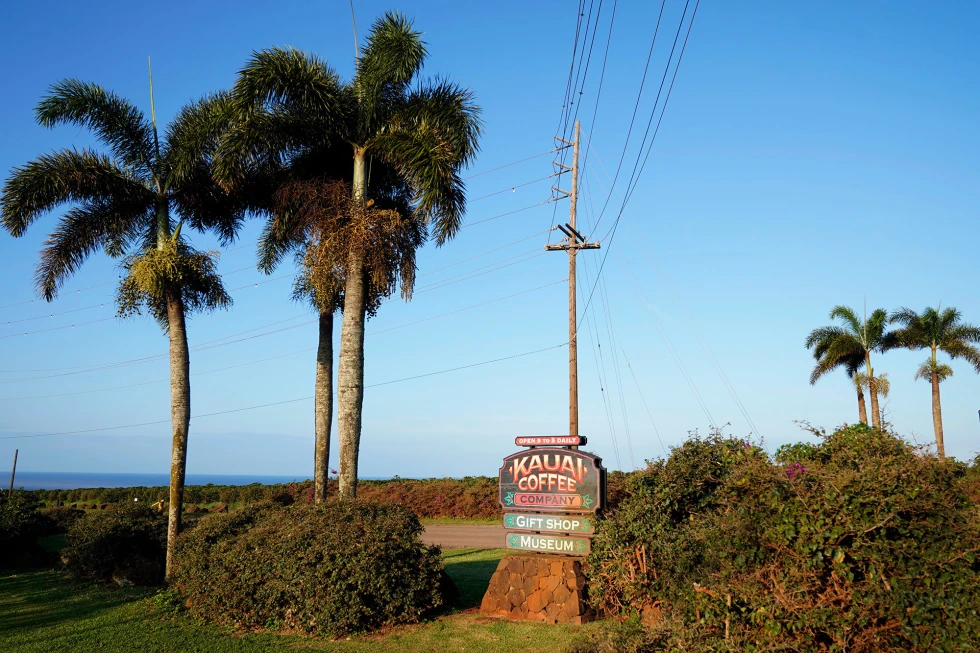
Kauai Coffee Company, a staple on Hawaii’s Westside since the late 1980s, oversees around 4 million coffee trees across 3,100 acres and employs approximately 140 workers, making it the largest coffee producer in the United States.

The company faces uncertainty as its lease, held by parent company Massimo Zanetti Beverage Group since 2011, is set to expire at the end of March. The property is owned by Brue Baukol Capital Partners (BBCP), a Colorado-based investment firm that acquired it in 2022. Lease renewal talks have been ongoing for nearly two years.

Earlier this month, Kauai Coffee informed state and local authorities that it plans to close permanently and lay off 136 employees between March 14 and March 28, citing the inability to continue operations under current conditions.

BBCP, however, stated that it intends to keep employees on the land who wish to continue working and that the company’s 3,700 acres designated as Important Agricultural Lands will remain devoted to farming indefinitely. To manage the transition, BBCP has created a Kauai Coffee Transition Task Force to coordinate with community, operational, and regulatory stakeholders.

Local leaders have voiced concern for employees and the surrounding community. Kauai County Council Chair Mel Rapozo emphasized that protecting workers is a priority and expressed hope for a resolution. Many employees have long tenures, with some having worked at the company for over a decade and a few for as long as 50 years.

Kauai Coffee is not certified organic, but its products carry certifications from Fair Trade USA, Rainforest Alliance, and the Non-GMO Project. The company employs environmentally conscious farming practices, conserving water, minimizing herbicide use, and supporting sustainable livelihoods. Its Fair Trade Committee has returned $373,000 to the island community since 2023.

Private equity ownership and the potential for real estate development on agricultural land have raised concerns among workers and the community. About half of Kauai Coffee’s staff are members of the International Longshore and Warehouse Union Local 142, whose leadership has highlighted the risks that redevelopment could pose to working families.

BBCP owns over 18,500 acres on Kauai, including nearly 4,700 acres of Kauai Coffee land that were listed for sale in 2024. While some parcels include oceanfront and areas previously considered for urban development, the company says its priority remains long-term agricultural stewardship and alignment with county regulations.

Ahmed Alhabsi Reveals the Secrets of Specialty Coffee in Oman

Coffee’s Roots Are Arabic… and I Don’t Mind Modern History Blogs

Dubai – Ali Alzakary

Coffee is more than just a drink for Ahmed Alhabsi; it’s a cultural journey that connects Oman’s heritage with the global coffee scene. As the founder of Historia Roastery and a certified coffee assessor, Alhabsi has built a career bridging tradition and innovation. From founding the Omani Coffee Championships to judging national and international competitions in Aeropress, Barista, Latte Art, and Roasting, his work emphasizes coffee as knowledge before it is a commodity. In this engaging interview, Ahmed Alhabsi shares his journey, philosophy on judging, and the secrets behind combining expertise with passion, inviting readers to explore his world of coffee.

  • Who is Ahmed Alhabsi, and how did your journey with coffee begin?

I am Ahmed bin Amer bin Said Alhabsi, owner of Historia Roastery and a certified coffee assessor. I founded the Omani Coffee Championships and have served as a judge in Arab and international competitions in Aeropress, Barista, Latte Art, and Roasting. My interest extends to Omani coffee heritage, and I aim to elevate coffee as knowledge before it is merely a drink. My journey began with cultural curiosity: how did coffee move from social gatherings to become a global industry? That understanding led me to initiatives, assessment, and judging as tools to organize knowledge and maintain quality in coffee culture.

  • What are the key standards for evaluating coffee quality?

Evaluation is an integrated process starting from origin, environment, and processing, through roasting, and culminating in balance in the cup. Flavor is important, but it is not everything; good coffee honestly expresses its source, without exaggeration or masking flaws. This is the standard I apply in all my assessments, whether at the roastery or while judging competitions.

  • Does the Gulf palate tend toward fruity coffee?

Traditional tastes remain present, but they are part of a broader spectrum of flavors, reflecting greater consumer awareness. The problem only arises when this diversity is framed as a conflict between old and new, whereas it is truly a natural extension of earlier practices.

  • How important is the “Certified Assessor” credential for a roastery owner?

The certification moves the roastery owner from individual effort to a standardized approach, allowing precise decisions in purchasing and roasting, which reduces quality fluctuations and builds consumer trust. Experience alone is not enough; methodology is what ensures consistency over the long term.

  • What do judging panels look for?

Awareness is more important than skill. A person who knows their coffee and can clearly explain their choices delivers a complete experience. Technique is important, but without understanding, it becomes mere mechanical repetition without knowledge value.

  • Has your practical experience, certifications, and participation in coffee competitions helped you as a judge?

Absolutely. It gave me a deeper understanding of the competitor’s experience under pressure, making judging more balanced and focused on the full experience rather than just the result. This experience allows me to appreciate the small details that make the difference between ordinary and exceptional performance.

  • What are the most common mistakes among young coffee makers?

Relying on enthusiasm without solid knowledge. Enthusiasm is a positive factor, but it needs to be supported by continuous learning and precise practice, or decisions become unstable.

  • How do you balance quality and economic viability at Historia?

Quality must be clear and understandable to the customer, without complexity or elitism. When consumers understand what they are getting, supporting the project becomes natural and sustainable. This is the secret to balancing quality with economic feasibility.

  • What is your message through the media?

Coffee is a space for learning and dialogue, not a measure of superiority or a means of showing off. The goal is to raise consumer awareness and empower them to make independent and informed decisions.

  • How can local roasteries enhance Oman and the Gulf’s global presence?

By building authentic knowledge content that connects the product to local identity and culture, presented with confidence and honesty. The world values the true quality of the product more than marketing or appearance alone.

  • What is the golden rule for coffee lovers at home?

Focus on the quality of the beans and understand their characteristics before worrying about tools. This simple knowledge makes a big difference in the daily cup.

  • How do you see the future of specialty coffee in the region by 2030?

I expect a more mature and aware phase, with projects continuing that treat coffee as a knowledge endeavor before a business, and the disappearance of projects that rely on appearance rather than substance.

Specialty Coffee Trends Shaping Australia’s Café Scene in 2026

By Abdullah Ramay

As Australia moves into 2026, the specialty coffee sector is entering a new phase of transformation. Rising operating costs, changing consumer behaviour, and rapid innovation are reshaping how cafés operate, serve their customers, and define their identities.

Rather than slowing demand, these pressures are accelerating evolution across the industry. Cafés that successfully combine creativity, operational intelligence, and genuine hospitality are positioning themselves for long-term resilience in an increasingly competitive market.

The following is a comprehensive overview of the key coffee, hospitality, and equipment trends shaping Australia’s specialty café landscape in 2026.

Coffee and Beverage Trends

Signature drinks and curated menus define identity

Signature beverages have moved beyond being secondary menu items. In 2026, they stand alongside house blends as central expressions of a café’s brand and personality. These drinks support stronger margins, encourage repeat visits, and allow cafés to showcase creativity through layered flavours, textures, and seasonal ingredients.

Menus themselves are evolving into storytelling tools. Digital formats enhanced with imagery, tasting notes, and visual cues help shape customer expectations before the drink is served, allowing baristas to focus more on hospitality and engagement.

Increasingly, the café menu functions as a visual narrative rather than a simple list of offerings.

Coffee pricing trends toward global parity

Australia’s long-discussed coffee pricing imbalance continues to narrow. The gradual rise of the flat white toward the seven-dollar range reflects sustained pressures from wages, rent, utilities, and volatility in green coffee prices.

This shift is not solely about higher prices, but about reframing value. Tiered menus, premium-origin offerings, and greater transparency are helping customers understand what sits behind the cup. Many cafés are using signature drinks as anchor pricing, protecting margins on standard espresso beverages while elevating perceived value.

After years of being undervalued, Australian coffee culture is undergoing a positive correction.

Cold coffee becomes a permanent category

Cold coffee is no longer seasonal. Younger consumers increasingly choose iced beverages throughout the year, including during winter months. This change is influencing café design, workflow planning, and equipment investment.

Cold taps now extend beyond traditional cold brew to include coffee tonics, cascara sodas, and sparkling matcha. At the same time, cafés are developing small-scale ready-to-drink programs, offering canned iced lattes, flavoured cold brews, and matcha-based sodas.

Cold beverages have become as structurally important to menus as espresso.

Matcha shortages drive tea-led innovation

With global demand for matcha continuing to outpace supply, cafés are responding by expanding tea-based beverage offerings. In 2026, tea is becoming a key area of experimentation and creativity.

Drinks such as hojicha lattes, genmaicha shakes, strawberry sencha spritzes, and botanical infusions with citrus, rose, or yuzu notes are gaining prominence. These beverages allow cafés to explore colour, texture, and visual presentation.

Cross-category innovation is also accelerating, with coffee–tea hybrids, nitro-style matcha, layered tonics, and fruit-driven sparkling teas inspired by cocktail and mixology techniques.

Functional and wellness-focused drinks go mainstream

Health-led beverages are moving from niche to standard menu offerings. Cafés are increasingly introducing drinks designed to support focus, energy, and overall wellbeing.

Protein-enhanced lattes, blends combining caffeine and L-theanine, adaptogen-based hot chocolates, low-sugar cold brews, and fermented beverages are attracting customers who want the café experience without excessive sugar or heavy dairy.

The trend reflects a broader shift toward drinks that contribute to how customers feel, not just how they taste.

Broader Café and Hospitality Trends

The barista role expands beyond the machine

The role of the barista continues to evolve into a high-impact, customer-facing position. Less time is spent exclusively behind equipment, and more time is dedicated to guiding customers, introducing signature drinks, and explaining flavour profiles.

In many cafés, baristas now operate in roles similar to sommeliers, influencing beverage selection and shaping the overall experience. They also contribute to menu design, workflow efficiency, and commercial performance. As automation improves, human value increasingly centres on hospitality, taste, and storytelling.

Cafés strengthen their role as community spaces

Australian cafés are reinforcing their place as neighbourhood hubs. Workshops with local creatives, cuppings with roasters, micro-events, and seasonal launch nights are becoming more common.

Some venues rotate signature drink menus based on seasonal produce, climate, or origin stories. With hybrid and remote work continuing, cafés are increasingly used as informal “third spaces,” where a strong sense of connection becomes a key competitive advantage.

Automation becomes intentional and refined

Automation in 2026 is no longer reactive. It is strategic. Super-automatic machines are reaching new levels of consistency, while milk systems are now precise enough to meet specialty standards.

Used thoughtfully, automation helps teams manage peak periods efficiently while preserving warm, human service. Rather than replacing craft, technology is increasingly seen as a tool to protect it.

Reusable systems become operational priorities

Sustainability is shifting from aspiration to implementation. Reusable cup programs are expanding as waste regulations tighten. Refill systems for beans, beverage concentrates, and customer-provided containers are gaining traction.

Cafés are beginning to measure environmental impact as a performance indicator, not merely a branding message.

Innovation becomes essential, not optional

With margins remaining tight, innovation has become a survival strategy. Seasonal menus, rare coffee offerings, distinctive branding, interactive tastings, and elevated hospitality help cafés stand out in saturated markets.

Customers increasingly seek experiences worth sharing—both in person and online. Simply meeting expectations is no longer sufficient.

Hospitality returns to the forefront

Human service is emerging as a defining advantage. Greeting customers warmly, remembering preferences, delivering food with care, and checking in during visits build loyalty more effectively than discounts.

Leading cafés are training hospitality with the same seriousness traditionally given to technical coffee skills. Proactive hosting is becoming a core driver of success.

Equipment and Technology Trends

Consistency and speed through automation

Modern espresso machines now self-adjust, grinders maintain precise dosing, and milk systems handle multiple milk types efficiently. These technologies help reduce pressure during peak service while maintaining consistent quality.

Grind-by-weight and pre-grind workflows expand

Batch brewing continues to grow alongside cold coffee demand. Pre-grind workflows help manage queues during high-volume periods, while grind-by-weight systems are becoming essential for consistency across teams and shifts.

Energy efficiency gains importance

As energy costs rise, cafés are prioritising equipment with sleep modes, low-energy boilers, and eco-focused controls. Manufacturers across roasting, grinding, and brewing are placing greater emphasis on sustainable design.

Next-generation milk systems reshape service

Milk remains one of the highest labour and cost centres in cafés. Systems capable of steaming multiple milk types and textures efficiently are increasingly valuable. High-volume venues are adopting milk taps, automated frothers, and milk banks to improve speed and reduce waste.

Looking Ahead

In 2026, Australia’s specialty café industry is defined by clearer identities, smarter tools, and deeper customer engagement. Cafés that invest in people, sustainability, innovation, and distinctive flavours are best positioned to stand out.

Quality still matters. Experience matters more.

Coffee Prices in Russia Keep Climbing: How Much Does a Cup Cost Now?

Prices in retail and cafés continue to climb as the market braces for further increases in 2026

Moscow – Qahwa World

Russia’s coffee market experienced a sharp rise in prices throughout 2025, a trend that has become clearly visible to consumers both in retail stores and in cafés. As 2026 begins, prices for instant coffee and coffee beans remain at elevated levels, reinforcing concerns that a daily cup of coffee is becoming an increasingly expensive habit.

  • Sustained Growth Over Three Years

Over the past three years, coffee prices in Russia have followed a steady upward trajectory. According to data from Rosstat, the average price of one kilogram of instant coffee stood at 2,638 rubles in January 2022. By the end of that year, the price had risen by approximately 25%. Although a brief decline was recorded in 2023, it proved short-lived.

From January 2024 onward, prices resumed their upward movement, reaching 3,500 rubles per kilogram by December. In November 2025, instant coffee hit a new record high of 4,152 rubles per kilogram. Overall, instant coffee prices increased by nearly 60% over three years.

Coffee beans followed a more gradual but largely uninterrupted upward path. In January 2022, one kilogram cost 1,136 rubles, rising to 1,490 rubles by the end of that year. Prices remained relatively stable throughout 2023 before entering a new growth phase in 2024. By November 2025, the price of coffee beans reached 2,061 rubles per kilogram—an increase of roughly 80% over three years.

Industry experts note that official statistics reflect average market dynamics, which may underestimate the real financial impact felt by consumers in day-to-day purchases.

  • Key Drivers Behind the Price Increase

At the beginning of 2025, market forecasts suggested coffee prices could rise by 30–40%. In practice, price increases in several segments exceeded those expectations.

Market participants report that over the past two to three years, prices for many popular brands of ground and whole-bean coffee in retail stores have risen by 50–100% compared to 2021 levels.

The primary drivers of this trend include Russia’s near-total reliance on imported coffee, elevated global prices for coffee raw materials, and fluctuations in the ruble exchange rate. Additional pressure has come from higher costs associated with international payments, logistics, and packaging materials, all of which increase production costs before roasting even begins.

  • Impact on Cafés

Rising raw material costs have also affected the foodservice sector. During 2025, prices for coffee-based beverages increased by an average of 15–30% year-on-year. In certain formats—particularly 100% arabica and specialty coffee—the increase reached 35–45%.

In many cases, cafés implemented price increases gradually, introducing several small adjustments over the course of the year rather than a single sharp hike.

At the same time, industry representatives emphasize that profit margins remain limited. The cost of coffee itself accounts for only a small portion of the final price of a cup, while operating expenses—such as rent, wages, and taxes—make up the bulk of costs.

  • Price Outlook for 2026

Forecasting coffee prices for 2026 remains challenging due to multiple external variables, including weather conditions in producing countries, exchange rate movements, and the stability of global supply chains. Potential changes in tax policy could also add further pressure.

Current expectations point to continued price growth, though at a more moderate pace. Under a baseline scenario, prices could rise by 8–15% over the year if currency and logistics conditions remain relatively stable. In the event of renewed volatility, increases could be higher, particularly in higher-quality coffee segments.

Despite rising prices, demand for coffee in Russia remains resilient. Strong consumer attachment to the product has allowed the market to adapt to higher price levels without a significant decline in consumption.

  • A New Phase for the Coffee Market

Experts broadly agree that Russia’s coffee market is entering a new phase. While the period of sharp and sudden price shocks may be easing, a return to previously low price levels appears unlikely in the near term.

Instead, the market is expected to settle into a phase of relative price stabilization at higher levels, with future pricing shaped by currency dynamics, competition, and consumers’ ability to adjust to the evolving market environment.

Top Coffee-Producing Countries in 2025

A Full Analytical Reading of the Global Production Landscape in Early 2026

Dubai – Qahwa Word

As January 2026 begins, the global coffee sector is closely monitoring the completion of data for the 2025/2026 season, amid an increasingly complex interaction between climate variability, logistical disruptions, and new environmental regulations. Estimates available at this stage suggest that global coffee production is trending toward approximately 178.8 million 60-kg bags.

These figures do not represent final season results, but rather an early analytical snapshot based on field assessments and reports from international organizations as of early 2026. The focus extends beyond volume alone, highlighting deeper structural shifts that are reshaping global coffee production, trade flows, and varietal balance.

1. Top Ten Coffee-Producing Countries

(Estimates as of January 2026)

Available data confirm the continued dominance of Brazil and Vietnam in global coffee supply, while several African and Latin American origins show notable developments in both volume and crop structure.

Rank Country Production (million bags) Dominant variety Production status – Jan 2026
1 Brazil 64.2 – 65.0 Arabica / Robusta Peak export phase; strong Conilon growth amid Arabica volatility
2 Vietnam 30.8 – 31.0 Robusta Production recovery supported by improved irrigation practices
3 Colombia 14.8 Arabica Stable washed coffee output due to regular rainfall
4 Ethiopia 11.6 Arabica Strong crop supported by long-term tree-renewal programs
5 Indonesia 11.2 Robusta / Arabica Visible recovery restoring competitive positioning
6 Uganda 6.9 Robusta Continued rise as Africa’s leading Robusta supplier
7 India 6.2 Robusta / Arabica Stable production serving both export and domestic markets
8 Honduras 5.5 Arabica Gradual recovery despite rising production and labor costs
9 Peru 4.2 Arabica Expansion in planted area and growing organic orientation
10 Mexico 3.9 Arabica Relative stability aimed at meeting regional demand

2. Land Efficiency and Yield Performance

Early 2026 data highlight a clear divergence in production efficiency among leading coffee origins:

  • Vietnam and Brazil continue to record the highest yields globally, with Vietnam reaching an estimated 2.5–3 tons per hectare, driven by intensive farming models, improved plant material, and higher input use.

  • By contrast, Ethiopia and Colombia, despite their premium quality profiles, maintain lower average yields due to mountainous terrain, fragmented landholdings, and reliance on traditional farming systems. This has become a focal point for research discussions around productivity gains without compromising origin identity or biodiversity.

3. Arabica–Robusta Balance: A Structural Shift

Indicators from January 2026 suggest that Robusta now accounts for nearly 42% of global coffee production, reflecting a structural realignment shaped by multiple converging forces:

  1. Climate resilience: Robusta has demonstrated stronger tolerance to rising temperatures and irregular rainfall compared to climate-sensitive Arabica.

  2. Premium Robusta development: An increasing number of roasters are incorporating higher-quality Robusta into blends to manage costs while preserving cup structure.

  3. Price divergence: Persistently elevated Arabica prices continue to accelerate the market’s gradual rebalancing toward Robusta, particularly in commercial segments.

4. Logistics and Shipping Constraints

At the start of 2026, coffee supply chains remain under pressure from logistical disruptions:

  • Rising freight costs, linked to instability in key maritime corridors, have reduced the competitiveness of Asian-origin coffee in European spot markets.

  • Low global inventories, relative to recent multi-year averages, leave prices highly sensitive to weather events, geopolitical developments, and supply-side news.

5. Regulatory Pressure and Environmental Compliance (EUDR)

With the effective implementation of the European Union Deforestation Regulation (EUDR) in 2026, environmental compliance has become a defining factor in global coffee trade:

  • European buyers increasingly require digital traceability systems and precise geospatial coordinates to demonstrate deforestation-free supply chains.

  • Brazil and Vietnam appear comparatively well positioned in terms of technical readiness, while origins dominated by smallholder farming face significant challenges in meeting traceability requirements—potentially redirecting exports toward non-European markets.

Conclusion

The global coffee production landscape in early 2026 reflects a period of transition and anticipation. Competitive advantage is no longer defined solely by production volume, but increasingly by environmental compliance, climate adaptability, and logistical efficiency. As the 2025/2026 harvest reaches completion in the coming months, clearer signals will emerge from a season likely to play a pivotal role in reshaping the global coffee market.

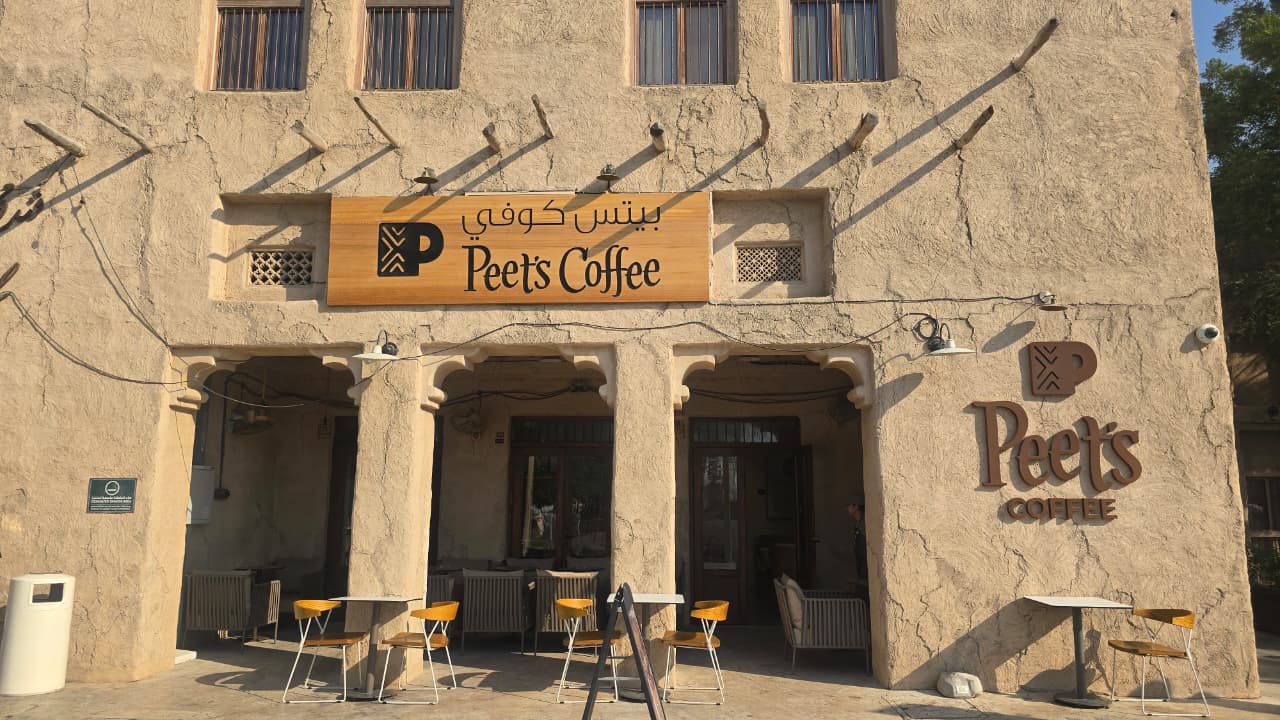
Peet’s Coffee to Close Several San Francisco Locations

Dubai – Qahwa World

Peet’s Coffee is set to close multiple San Francisco locations, including its Polk Street café at 2139 C Polk St., as part of a broader restructuring expected to take effect by the end of January 2026.

A spokesperson for Peet’s confirmed the closures, emphasizing that the company is adjusting its operations to align with long-term growth strategies and current market conditions. Specific details regarding the total number of affected stores or their exact locations were not disclosed.

“These decisions reflect our ongoing commitment to sustainable growth while honoring the quality and heritage that have defined Peet’s for more than 60 years,” the spokesperson said. “We are deeply grateful to our employees and loyal customers and remain focused on innovation and excellence in every cup.”

Peet’s opened its Polk Street location in 1993 and currently operates more than 20 stores throughout San Francisco. Reports indicate that additional locations, including those at 919 Cole St. and 2257 Market St., are also expected to close this month.

The closures coincide with an $18 billion acquisition of Peet’s parent company, JDE Peet’s, by Keurig Dr Pepper, a deal slated to finalize later this year.

This wave of store reductions reflects broader shifts in the coffee industry as chains adapt to evolving market conditions and corporate restructuring plans.

World of Coffee Dubai 2026 Concludes with Record Engagement

Dubai – Qahwa World

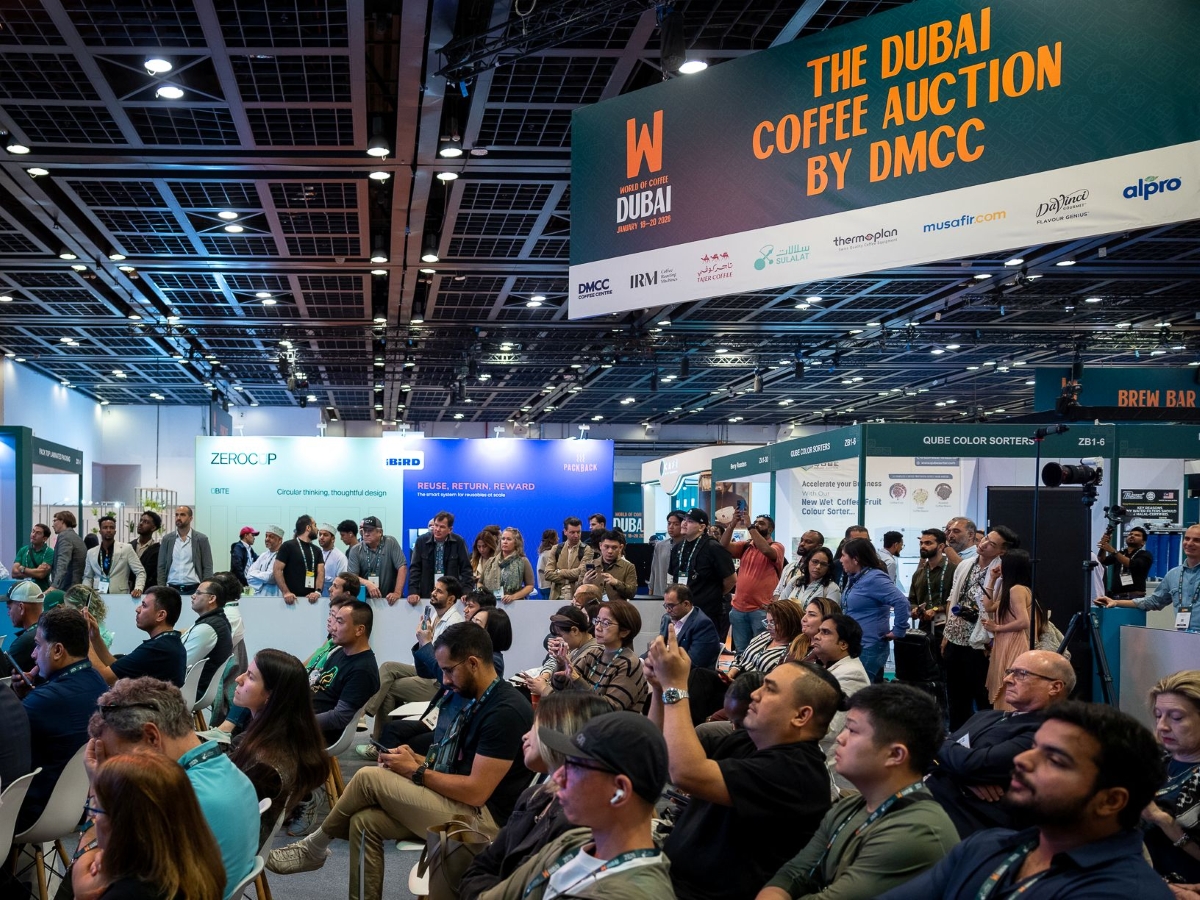
The fifth edition of World of Coffee Dubai 2026 concluded today at the Dubai World Trade Centre, closing a dynamic three-day programme focused on trade, professional learning, and origin engagement. Organised by DXB LIVE in partnership with the Specialty Coffee Association (SCA), the event reinforced its role as a global hub for the specialty coffee industry.

Following a record-breaking opening day, Day Two sustained high engagement across Za’abeel Halls 1, 4, 5, and 6. Producers, roasters, buyers, and suppliers participated in business meetings, live cuppings, technical demonstrations, and networking sessions throughout the exhibition floor.

A key highlight was the World Class Auction, part of the Dubai Coffee Auction programme curated with M-Cultivo. Buyers sampled and bid on high-quality, traceable coffees in real-time, with the top lot—a Natural Geisha—selling for $3,075 per kilogram, reflecting the premium placed on exceptional origin coffees.

The Producer Panel showcased dialogues between origin representatives and industry stakeholders, exploring market access, value creation, and evolving producer–buyer relationships. Discussions emphasized sustainability, transparency, and long-term partnerships as central to the specialty coffee value chain.

Competitive programmes also drew attention. The Roasting Championship advanced into its technical evaluation phase, while the Cezve/Ibrik Championships 2026 celebrated traditional brewing methods through a modern specialty coffee lens.

Exhibitors praised the commercial impact of the event. Sanjeev Dinesh Fernando from Alpro said participation generated strong business leads, while Mohamed Alhammadi, Co-Owner of Tajer Coffee, described their first-time presence and sponsorship as exceeding expectations.

Reflecting on the event, Shouq Bin Redha, Exhibition Manager of World of Coffee Dubai, said:
“World of Coffee Dubai functions as a working marketplace for the specialty coffee sector. From live auctions and producer dialogues to championship progression and educational sessions, the programme delivers practical exchange and quality-driven trade outcomes.”

World of Coffee Dubai 2026 concluded with the final Exhibitors’ Coffee Auction, championship awards, and ongoing educational sessions, leaving participants inspired and connected as the region’s premier specialty coffee event.

For more information, registration, and the full programme, visit: www.worldofcoffeedubai.com.

Dubai Remains the Only Destination for “World of Coffee” in the Middle East

Dubai – Ali Alzakary

In an exclusive conversation with Qahwa World, Mr. Yannis Apostolopoulos, CEO of the Specialty Coffee Association, shared key insights on the growth and future of the “World of Coffee” exhibition, confirming that Dubai remains the sole destination for the show in the foreseeable future. He also spoke candidly about the transition following the end of the partnership with the Coffee Quality Institute (CQI) and the strong rollout of the Coffee Value Assessment (CVA) system.

Apostolopoulos highlighted that this year marks the fifth edition of the “World of Coffee,” which has grown tremendously. The number of exhibitors and attendees has surpassed any previous year, already 30% higher than before. He emphasized that the exhibition offers a unique opportunity for professionals to meet and conduct business. While it is fundamentally a trade show, it also fosters a sense of community and highlights the booming specialty coffee industry in the region.

“What we bring is a unique opportunity for people to come together and trade. At its core, this is a trade show, but it’s also about fostering a sense of community and showcasing how the specialty coffee industry is booming in the region. The Middle East has become one of the fastest-growing regions for specialty coffee in recent years, and you can feel that energy here at the show,” said Apostolopoulos.

Regarding the possibility of hosting editions in other Middle Eastern countries, Apostolopoulos confirmed that Dubai remains the ideal hub. He noted their ongoing partnership with DXB Live in Dubai, which will be renewed this year. Dubai provides excellent access from across the Middle East and the world, making it ideal for exhibitors and attendees. He added that while other countries may be considered in the future, this is not part of any immediate plans.

“At the moment, we have a partnership with DXB Live for Dubai, which we’re renewing this year. Dubai is a great hub with excellent access from across the Middle East and the world, making it ideal for exhibitors and attendees. Maybe in the future we’ll consider other countries, but not in the immediate plans,” said Apostolopoulos.

Apostolopoulos also discussed developments in the Coffee Value Assessment (CVA) system. He mentioned the transitional phase following the partnership with CQI and confirmed that many participants have already moved to the new program. There are now over 10,000 new Q graders and significantly more instructors, particularly in producing countries such as Colombia, Brazil, Indonesia, and Vietnam, which he recently visited. He stressed that the system allows producers to communicate clearly and objectively about the intrinsic and extrinsic attributes of coffee, while the trade sector explores how best to use the CVA framework to capture the quality of every coffee in everyday transactions.

“There has been some transition after our partnership with CQI, but many people have already moved to the new program. We now have over 10,000 new Q graders and significantly more instructors, especially in producing countries. We’re making targeted efforts to increase instructors in places like Colombia, Brazil, Indonesia, and Vietnam, where I was recently. Producers are seeing the value because you can communicate more clearly and objectively the attributes that are intrinsic and extrinsic to the coffee. The trade is figuring out the next steps of how to use the CVA paradigm and the new evaluation for quality and capturing the picture of every coffee in everyday trade,” said Apostolopoulos.

He affirmed that CVA benefits the industry as a whole, helping capture and share detailed data on coffee with producers and buyers, enabling clearer communication and maximizing coffee value.

“Absolutely. That’s the idea. CVA is part of the evolution of our understanding of coffee. We now care about more aspects of coffee than ever before, and CVA helps capture that information and share it with producers and buyers. This allows everyone to communicate more clearly and find ways to maximize the value of coffees,” said Apostolopoulos.