Dubai – Qahwa World
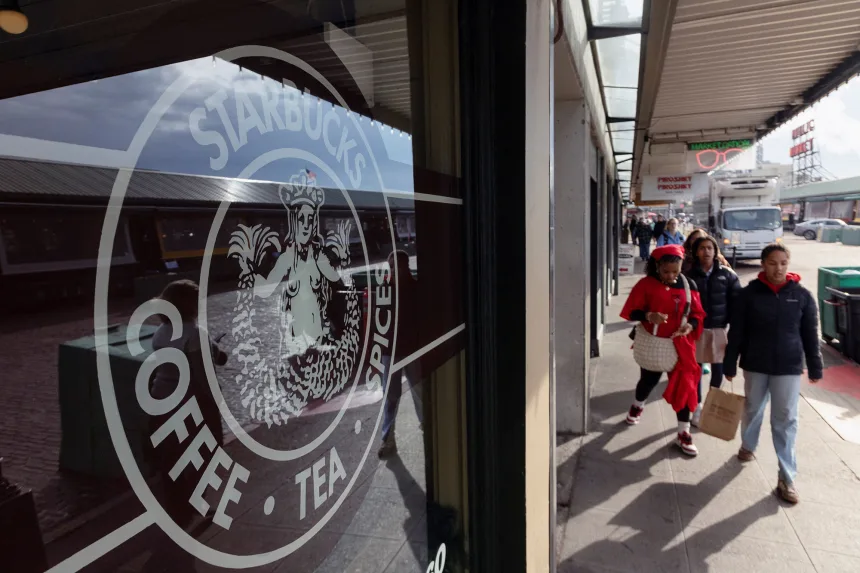
CNN reported that Starbucks is pulling back from its long-standing strategy of saturating major U.S. cities such as New York and Los Angeles, marking a significant shift in the company’s expansion approach.
In a report published on its official website, CNN explained that Starbucks had spent decades trying to become an unavoidable presence on city streets, particularly in large metropolitan areas. However, that era is now coming to an end as the company grapples with increased competition, rising operating costs, and lasting changes in work patterns following the pandemic.
According to CNN, Starbucks is closing hundreds of stores across the United States this year, with a heavy concentration in major cities. The move is part of a broader restructuring plan valued at approximately $1 billion and is being led by CEO Brian Niccol, who joined the company last year from Chipotle with a mandate to revive growth and improve performance.
CNN noted that Starbucks closed 42 locations in New York City alone, representing around 12% of its total stores there. The closures caused Starbucks to lose its position as the largest coffee chain in Manhattan, a title now held by Dunkin’, according to data cited by the network from the Center for an Urban Future. The report added that the company has also shut down more than 20 stores in Los Angeles, 15 in Chicago, seven in San Francisco, six in Minneapolis, five in Baltimore, and dozens of others nationwide.
The report highlighted that Niccol is seeking to reduce store overlap and reposition Starbucks as a “third place” between home and work. CNN quoted a Starbucks spokesperson as saying that the company reviewed more than 18,000 stores in the United States and Canada and closed locations that were underperforming or unable to meet brand standards. Starbucks plans to open new stores and remodel existing ones starting in 2026, including in major cities, featuring updated designs and enhanced customer experiences.
CNN also pointed out that Starbucks is facing intense competition from independent cafés, regional coffee chains, and a growing number of beverage-focused brands offering smoothies, bubble tea, and other specialty drinks. Industry experts cited by CNN said the surge in urban coffee shop openings has eroded store traffic and sales volumes.
The network added that remote work has had a lasting impact on Starbucks’ urban locations, particularly those in central business districts that once relied on large numbers of daily commuters. CNN reported that Starbucks has closed several stores located in downtown office buildings as a result of these structural changes.
In addition, CNN reported that the company has struggled with operational challenges in dense urban markets, including safety concerns and the use of stores as public restrooms. As part of its response, Starbucks recently ended its open-access policy and introduced new in-store rules.
According to CNN, the store closures are part of a broader effort by Niccol to turn around the company after several years of weak sales and strategic missteps. Starbucks plans to renovate around 1,000 U.S. stores over the next year, adding seating and amenities aimed at encouraging customers to stay longer.
However, CNN concluded that the turnaround is proving more difficult than expected. The network noted that Starbucks’ share price has declined this year, and analysts remain cautious, warning that balancing fast service with a comfortable café experience continues to be a major challenge for the company.

