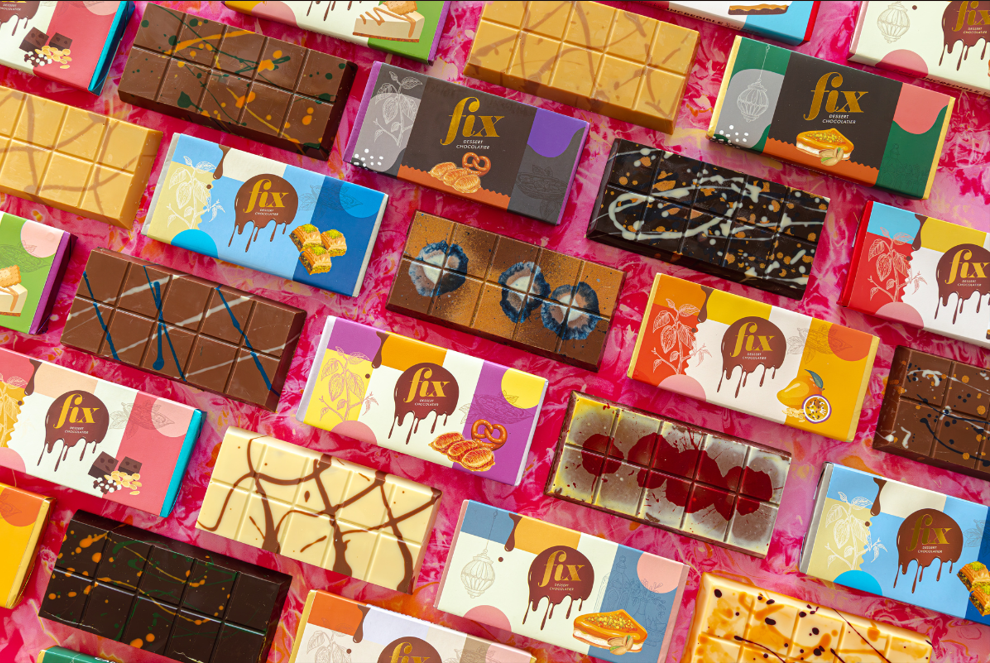
DMCC to Launch Cacao Centre to Accelerate USD 26.2 Billion Global Cocoa Trade Through Dubai

Dubai – Qahwa World

DMCC announces Cacao Centre to accelerate the global cocoa market projected to reach USD 26.2 billion by 2035
New centre to launch with strategic partners Kumbi Cocoa and Ribezzi Group
DMCC hosts 88 companies active across cocoa trading, chocolate manufacturing and confectionary
Builds on DMCC’s proven agri-food cluster model, expanding into cacao trading, processing and innovation
Integration with DMCC FinX will connect global cocoa trade with access to capital, financing, and wealth structuring through a single platform
DMCC – the leading international business district that drives the flow of global trade through Dubai – has announced its intention to launch a Cacao Centre, a new trade platform designed to establish an integrated cacao trading, processing and innovation ecosystem that will further position Dubai as a global hub for agri commodities trade.

The launch forms part of DMCC’s broader expansion of its agri-food commodities offering, leveraging its proven cluster model that has already reshaped global trade flows in coffee and tea. DMCC currently hosts 88 companies active across cocoa trading, chocolate manufacturing and confectionery. The new Cacao Centre will bring this activity together within a more structured platform spanning the full value chain – from sourcing and processing through to branding, distribution and access to finance.

The Centre will be launched in partnership with Kumbi Cocoa, which is focused on building direct, equitable relationships with farming cooperatives, and Ribezzi Group, a diversified conglomerate headquartered in Dubai, which will lead development and execution. Together, the parties will evaluate the feasibility of establishing integrated infrastructure in Dubai capable of storing, trading and processing cacao beans into semi-finished products such as cocoa liquor, cocoa butter, and cocoa powder. This will ultimately serve global markets while enhancing efficiency, transparency and value creation across the cocoa supply chain.

Building on the success of the DMCC Coffee Centre and DMCC Tea Centre, the new platform reflects a growing shift in global agri commodities, where value creation is increasingly driven by integrated market platforms that combine logistics, processing and access to capital. The Cacao Centre will offer state-of-the-art infrastructure and services, including grading, storage, blending, branding and packaging. These capabilities will be directly linked to trade finance solutions for cocoa boards, cooperatives and farmers through DMCC’s FinX platform, providing critical tools in a market defined by price volatility and liquidity constraints.

Ahmed Bin Sulayem, Executive Chairman and Chief Executive Officer, DMCC, said: “Cocoa today is not only about production, but about how value is structured, financed and distributed across the supply chain. With the DMCC Cacao Centre, we are building a platform around that reality. By bringing together producers, traders, manufacturers and capital within a single platform, we are creating the conditions for more value to be captured closer to origin while strengthening Dubai’s role as a global hub for agri-commodities trade. This is a natural extension of our cluster model and the next step in positioning Dubai at the centre of global food and commodities flows.”

Kwadwo Boachie-Adjei, Founder and CEO, Kumbi Cocoa, said: “Kumbi Cocoa’s mission has always been to build transparent and equitable supply chains that directly connect farmers with global markets. As a strategic partner to DMCC, we are proud to support the development of infrastructure that benefits growers while delivering high-quality, traceable cocoa to international markets.”

Mauro Ribezzi, Founder, Ribezzi Group, said: “The global cocoa market is evolving rapidly, and this initiative reflects a forward-looking approach to commodity infrastructure. By integrating sourcing, logistics, trading and processing across continents, the Cacao Centre has the potential to become a new benchmark and a catalyst for the industry.”

Globally, the cocoa market was valued at approximately USD 16.6 billion in 2025 and is projected to reach USD 26.2 billion by 2035. At the same time, the premium chocolate segment – driven by single-origin products, artisanal offerings and health-conscious formats – is expected to grow from USD 31.9 billion in 2024 to USD 40.6 billion by 2030.

Dubai’s role in the cocoa trade remains emergent but is supported by clear growth indicators. In 2023, the UAE imported USD 17.3 million in raw cocoa beans and USD 65.3 million in finished chocolate and cocoa products. Exports of raw beans reached USD 16.4 million, positioning the UAE as the 28th-largest exporter globally. While still nascent, these figures reflect accelerating trade flows across both upstream raw materials and downstream finished goods through Dubai.

Structural imbalances continue to define the global cocoa trade, with West African producers accounting for roughly three-quarters of output yet capturing only a fraction of end-market value. The DMCC Cacao Centre is designed to bridge this gap by directly connecting producers with global buyers, capital and value-added services. In parallel, Dubai’s strength in warehousing, blending and structured trade finance will act as a trade stabiliser, supported by investments in temperature-controlled logistics to safeguard quality and reduce loss. This integrated model brings infrastructure, services and capital into a single platform, enabling a more resilient, transparent and inclusive global cocoa trade.


Coffee Break: A Strategic Dialogue on Sector Resilience in the Face of Global Changes

DUBAI – Qahwa World

It is no longer a secret that the global coffee sector is facing unprecedented pressures, starting from supply chain challenges and climate volatility in production regions, leading to new regulatory standards imposed by major markets, and other major challenges facing the sector that directly affect both farmers and consumers alike.

In light of these challenges, there is an emergence for the need for dialogue platforms that go beyond the language of numbers to focus on “institutional resilience.” From the heart of Dubai, which has strengthened its position as a logistical and intellectual hub for reshaping modern trade concepts, the “Coffee Break” event launches in its first edition on April 23, 2026.

The event is organized by Mokha 1450, the leading chain in the specialty coffee sector, in cooperation with Modora, to be a platform that brings together a group of creative minds and influential figures in the sector to discuss ways to turn challenges into opportunities, inspired by Dubai’s exceptional experience in crisis management.

This event is not just a social gathering, but a professional necessity in the context of “change management,” where expertise from private sector leaders meets with pioneers of specialty coffee culture to discuss the pressing question: How can Dubai’s model of resilience in the face of global crises inspire those active in the coffee industry to move beyond the “crisis response” stage to the “anticipating change” stage?

Speakers List

The session, held at Modora Home in Al Barsha, includes a distinguished list of speakers who combine deep corporate experience with specialized practical knowledge in the coffee world:

  • Abdulla Al Shaibani: Group CEO of Axeed LLC, who will present a strategic vision on leadership in times of change.

  • Garfield Kerr: CEO of Mokha 1450 and Former President of the Specialty Coffee Association, highlighting industry developments globally.

  • Khalid Al Mulla: CEO of Dubai Coffee Museum, who will connect the present with the historical and cultural roots of the profession.

  • Jennifer Pettinger-Haines: Founder and CEO of The GRIF Collective.

  • Paul Clifford: Editorial Leader and industry commentator.

The dialogue will be moderated by broadcaster and entrepreneur Zeena Zalamea, to ensure the creation of “real conversations and genuine connections” that move beyond traditional networking toward building shared visions.

Coffee as a Catalyst for Change

The organizers believe that coffee is not just a beverage, but a historical catalyst for new ideas. The forum will tackle a core question: How does Dubai’s strong record of successfully managing global crises inform our approach to overcoming current challenges?

Event Details

  • Date: April 23, 2026

  • Time: 3:00 PM

  • Location: Modora Home, Umm Suqeim St – Al Barsha Second, Dubai.

  • Tickets: AED 59 (Inclusive of coffee and snacks).

Coffee Planet continues expansion in the Gulf after 20 years in the UAE

Dubai – Qahwa World

UAE-based coffee company Coffee Planet is planning further expansion across the GCC and selected international markets as it marks 20 years of operations in the region.

The company, which began in 2005 supplying coffee to petrol station convenience stores in the UAE, has since expanded into retail, hospitality, and corporate channels. A roasting facility established in Dubai in 2008 supported its early growth and helped broaden its distribution capabilities.

Coffee Planet now operates across roasting, distribution, retail, and technical services. Its production is based in the UAE, which the company says supports its supply chain and operational flexibility as demand grows.

The company reports it supplies coffee to a wide range of sectors, including hospitality, corporate clients, public sector entities, travel, and retail. It states that its products are used by a significant share of higher-end hotels in the UAE, alongside a wider network of business customers and retail partners.

Over the past decade, Coffee Planet reports a compound annual growth rate (CAGR) of 10.7%, with revenue increasing by 19% in 2025. It says it now serves more than 1,000 business-to-business clients and distributes over 21 million cups of coffee per month across the GCC.

“Allan Jones, Founder & Chairman, said the company has focused on building long-term partnerships and consistent service delivery. He also noted a broader regional shift towards locally based operations, which he said supports responsiveness and scale.”

The company operates a roasting facility in Jebel Ali with an annual capacity of around 5,000 tonnes and a site area of approximately 26,000 sq. ft. It produces a range of coffee products and operates an in-house laboratory for quality control and product development.

Coffee Planet estimates its facility produces more than 450 stock-keeping units (SKUs) per month across its proprietary and private label ranges. It also states that local production has helped reduce reliance on imports and improve supply continuity.

Looking ahead, the company expects roasting volumes to grow by 25–30% in 2026. Planned expansion includes new roasting operations in the UAE and Saudi Arabia, as well as further growth in existing and new markets including the GCC, UK, Egypt, Pakistan, Seychelles, and Singapore.

In addition to its roasting operations, Coffee Planet provides equipment management and technical services, overseeing more than 8,000 coffee machines in the UAE and handling over 2,000 service calls per month, according to the company.

As part of its leadership update, Founder and Chairman Allan Jones will assume the additional role of Chief Executive Officer. The company said the change is intended to align strategic direction with day-to-day operations as it enters its next phase of expansion.

About Coffee Planet
Founded in Dubai in 2005, Coffee Planet is a coffee company operating across roasting, distribution, retail, and related services. It serves business and consumer markets across the GCC and selected international locations, with a portfolio that includes private label production, café operations, and technical support services.

Roatán Coffee Experience Named Among Top 100 in the Americas

Honduras – Qahwa World

A specialty coffee concept in Roatán, Honduras, known as Spirit Origin Coffee, has been included in the 2026 list of the Top 100 Coffee Shops across North America, Central America, and the Caribbean. The selection process evaluated thousands of coffee shops using a mix of expert assessment and public participation.

Located on the island of Roatán, the concept goes beyond the traditional café model by focusing on coffee experiences at the place of production. Its signature offering is a curated “coffee omakase” session, where small groups of guests are guided through a multi-step tasting of different coffee preparations, often paired with food, in an intimate setting overlooking the Caribbean Sea. Each session is designed to highlight the origin, processing, and characteristics of Honduran coffee.

A key aspect of the project is its emphasis on serving coffee at the source rather than exporting all value-added stages abroad. The experience features Honduran specialty lots, including coffees that have received recognition in quality competitions such as Cup of Excellence, presented directly in the environment where they are grown and processed.

According to the founder, the initiative reflects a shift in how coffee-producing regions can retain more value locally while offering visitors a deeper connection to the product and its origins. The recognition places Roatán on the broader specialty coffee map alongside established destinations in the region.

Beyond its on-site tasting program, the company also distributes freshly roasted coffee internationally, shipping to customers in numerous countries and expanding access to coffee roasted at origin.

As global interest in immersive travel experiences continues to grow, the project positions itself at the intersection of specialty coffee, hospitality, and origin-based tourism, offering visitors a closer look at the journey from farm to cup.

Rising prices reshape coffee consumption patterns in Russia

Moscow – Qahwa World

Data from the “Check Index” analytical center of the OFD Platform show significant changes in coffee consumption patterns in Russia during 2024–2026, driven by sustained price increases across all major categories.

In 2025, prices rose across the entire market. The average price of instant coffee reached 482 rubles (+22% year-on-year), roasted beans 1,223 rubles (+40%), ground coffee 541 rubles (+29%), capsules 710 rubles (+15%), and drip-pack coffee 354 rubles (+16%).

At the same time, purchase volumes declined in most segments. Consumption of roasted beans fell by 21%, ground coffee by 11%, capsules by 13%, and instant coffee by 10%. The only category to show growth was drip-pack coffee, where purchases increased by 37% in 2025.

The data attributed this growth to the relatively lower price of drip packs compared with other formats, as well as ease of preparation, which led to partial substitution from ground coffee and capsules. The segment also showed higher adoption among younger consumers, including Generation Z.

In the first quarter of 2026, prices continued to rise. Instant coffee averaged 527 rubles (+7%), roasted beans 1,330 rubles (+10%), ground coffee 618 rubles (+15%), capsules 737 rubles (+5%), and drip-pack coffee 422 rubles (+10%).

Demand trends during the same period were mixed. Purchases of instant coffee increased by 4%, while roasted beans declined by 2%, ground coffee by 13%, capsules by 7%, and drip-pack coffee by 13%.

In the café segment, Russians purchased around 10.3 million cups of coffee per month. The average number of items per receipt was 3.1, with coffee and beverages accounting for 72% of total purchases.

The average price per cup in cafés rose to 289 rubles in Q1 2026. After a 19% increase in 2025, coffee sales in the food service sector declined by 4% at the beginning of 2026.

Overall, the data indicates a gradual restructuring of Russia’s coffee market, as rising prices continue to reshape consumption patterns and shift demand across different product categories.

Cofix Russia May Be Sold for Up to 1.4 Billion Rubles

Moscow – Qahwa World

The Russian division of the international coffee chain Cofix is reportedly being prepared for sale, with its valuation estimated between 1.25 and 1.4 billion rubles. According to market sources, a leading candidate to acquire the business is the investment firm Бумеранг Капитал, established in 2024 by Ваган Гаспарян, a former executive of Sberbank Capital. Both parties have declined to comment publicly.

Cofix currently operates around 290 outlets across Russia, many under franchise agreements. The chain maintains a presence in Kazan with two locations — one on Bauman Street and another in the MEGA shopping center. In terms of scale, Cofix ranks among the top five coffee chains in the country, following competitors such as Coffee Like, One Price Coffee, and Surf Coffee. Despite this, the sector remains highly fragmented: the largest operators collectively control no more than 20% of a market estimated at 13,000–15,000 coffee outlets.

Industry analysts suggest that acquiring Cofix could strengthen Бумеранг Капитал’s position in the foodservice sector by improving supply chains and consolidating operations. The fund has already been active in this space, including the recent purchase of the specialty coffee brand Даблби.

The potential deal comes at a challenging time for the coffee market in Russia. In the first months of 2026, sales of ready-made coffee declined by 4% compared to the previous year, while takeaway coffee dropped by 2%. Market participants attribute this trend to rising raw material costs and weakening consumer demand. Estimates indicate that coffee bean costs have risen by 25–30% over the past year, while customer traffic in coffee shops has decreased by around 20%.

Founded in Israel in 2013 by entrepreneurs Ави Кац and Бенни Паркаш, Cofix originally built its brand around a fixed low-price model. In recent years, however, the company has gradually shifted away from this concept, partly due to increasing competition from retail chains, where consumers are opting for more affordable in-store coffee options.

The Russian operating entity, Urban Cofix Russia LLC, reported revenue of 3.01 billion rubles in 2025, with a net profit of 68.1 million rubles, reflecting relatively modest margins.

The broader foodservice industry is also undergoing contraction. In 2025, approximately 35,400 foodservice businesses closed across Russia, including restaurants, cafés, and bars. Regional markets such as Tatarstan are expected to see further closures, particularly in the mid-range segment, driven by rising costs and shifting consumer behavior.

While experts believe the chain coffee segment will continue to expand overall, they also anticipate a slowdown in the pace of new outlet openings as market conditions remain tight.

Indonesia Eyes Further Growth in Coffee Exports to Russia

Moscow — Qahwa World

Indonesia may continue expanding its coffee exports to Russia following strong growth in 2025, although logistical and financial hurdles remain, according to an industry representative.

A supplier speaking at the “Coffee Tea Cacao & HoReCa Expo” in Moscow said that while Indonesia is unlikely to surpass Vietnam as Russia’s top coffee exporter, there is still room to increase overall shipment volumes.

Trade data previously showed that Indonesia strengthened its position among Russia’s leading coffee suppliers during the first nine months of 2025, with export values rising significantly compared to the previous year. Vietnam, however, maintained its lead by a wide margin.

Industry participants point to transportation difficulties and payment processing issues as the main constraints affecting further expansion. Despite these challenges, there is optimism that improving bilateral relations could help ease some of these barriers.

Russia is not yet among Indonesia’s top coffee export destinations, but demand in the market has been steadily increasing in recent years, making it more attractive for exporters.

Recent high-level talks between officials from both countries have also included discussions on facilitating financial transactions, which could support future trade growth.

Luckin Coffee Rebound Rekindles Valuation Debate

Dubai – Qahwa World

Shares of Luckin Coffee are back in focus after a recent rebound, with investors reassessing whether the stock still offers meaningful upside following a volatile period.

The stock closed at $33.79 on April 17, 2026, reflecting a mixed short-term trend. Shares have risen 4.4% over the past week, remained nearly flat over the past month (–0.4%), and are down 4.6% year-to-date. Longer-term performance, however, remains stronger, with gains of 10.6% over one year and 38.4% over three years.

The recovery comes after earlier pressure linked to margin concerns and intensifying competition in China’s fast-growing coffee market, prompting a fresh look at valuation.

  • Valuation Signals Suggest Discount

Analysis from Simply Wall St indicates the stock may still be trading below its estimated value. A discounted cash flow (DCF) model places Luckin Coffee’s intrinsic value at around $52.14 per share, implying a gap of roughly 35% compared with current levels.

The company’s price-to-earnings ratio of 20.68x also sits below both the broader industry average and an internally estimated “fair” multiple, reinforcing the argument that the stock could be undervalued on traditional metrics.

  • Strong Growth, Rising Scale

Recent financial results highlight the company’s continued expansion. Luckin reported full-year 2025 revenue of RMB 49.29 billion, up 43% year-over-year, supported by rapid store growth and increasing customer demand.

The company added more than 8,700 net new stores, bringing its total to over 31,000 locations, while average monthly transacting customers rose to 94.2 million, reflecting ongoing momentum in China’s competitive coffee sector.

  • Margins and Competition in Focus

Despite strong revenue growth, margin pressures remain a key concern. Higher input costs and promotional activity have weighed on profitability, with operating margins around 10.3%.

Competition is also intensifying. Starbucks continues to expand its presence in China, while local chains and tea brands increasingly target the same consumer base.

  • Outlook Hinges on Execution

The debate around Luckin Coffee now centers on whether the company can sustain its rapid growth while stabilizing margins. Valuation models point to potential upside, but outcomes depend heavily on execution in a more crowded and cost-sensitive market.

For investors, the stock’s rebound has reopened the question: whether Luckin Coffee remains an undervalued growth story—or a company entering a more challenging phase of its expansion.

Mokha 1450 presents an immersive coffee Experience at the Palm Jumeirah

Step into an evening of aroma, flavour, and craft, centered around connection

Dubai, UAE  – Qahwa World

Mokha 1450, the UAE-based luxury specialty coffee brand, invites guests to discover coffee through a new lens with an immersive, multi-sensory experience on Saturday, 25 April 2026, at its Coffee Lounge in Golden Mile, The Palm Jumeirah. Created as a space for connection as much as discovery, the evening brings people together over coffee, encouraging conversation, curiosity, and a deeper appreciation for craft.

Designed as a journey through flavor and aroma, the evening unfolds across curated stations, each exploring a different expression of coffee.  From refined zero-proof cocktails to personalized brewing rituals, the experience blends heritage with innovation, offering a deeper understanding of coffee as both a science and an art form, while creating space to pause, connect, and engage.

At the heart of the evening is The Coffee Olfactory Experience, a guided, interactive session that explores the relationship between aroma and taste.  Led by Specialty Coffee Association (SCA)-certified experts, guests will discover the nuances of single-origin beans, the impact of brewing techniques, and the role of glassware in shaping flavor perception.

Across the space, three distinct coffee experiences will be unveiled:

Smoke & Diamonds presents a refined, zero-proof coffee cocktail layered with delicate smoky notes, served over crystal-clear diamond-shaped ice for a striking sensory experience.

The Desert Flower reimagines traditional Arabic coffee into a chilled, modern composition, infused with saffron, honey, and rose water, and served over an ice sphere encasing the UAE’s national flower, the Tribulus Omanense.

Table-Side Brewing offers a more intimate encounter, with baristas preparing coffee directly at the table, allowing guests to engage with the process and explore how technique shapes flavor.

Guests will also experience a curated music journey inspired by the origins of Mokha 1450’s coffee beans, spanning Jamaica, Ethiopia, Cuba, Colombia, and Yemen, creating an atmosphere that reflects the global story behind each cup.

Event Details

Date: Saturday, 25 April 2026

Time: 5:00 PM – 10:00 PM (entertainment from 7:00 PM)

Location: Mokha 1450 Coffee Lounge, Golden Mile Galleria, Building 8, Palm Jumeirah, Dubai

Ticketing

Tier 1

AED 200

Enjoy a 30-minute olfactory experience, followed by canapés and three signature drinks from the stations.

Tier 2

AED 100

Includes three signature drinks from the stations, offering a shorter introduction to the experience.

Booking:

BOOKING LINK

 Venue details:

Mokha 1450 Coffee Lounge

Golden Mile Galleria, Building 8, Palm Jumeirah, Dubai

+971 4 425 4067

With a focus on ethically sourced, single-origin coffees, primarily from women-owned and operated farms, Mokha 1450 continues to push the boundaries of specialty coffee in the region. This latest experience reflects the brand’s commitment to sustainability, craftsmanship, and redefining how coffee is perceived and enjoyed.

Mokha 1450 Coffee Lounge

Golden Mile Galleria, Building 8, Palm Jumeirah, Dubai, UAE

+971 4 425 4067

Mokha 1450 Coffee Boutique

Boutique No.8, Aswaaq Centre, Al Badaa, Al Wasl Road, Dubai, UAE

+971 4 321 6455

Mokha 1450 Coffee Priorists

Emirates Towers, Trade Centre, Dubai, UAE

+971 50 201 4552

Mokha 1450 x Modora

Umm Suqeim Street, Al Barsha Second, Dubai, UAE

+971 56 492 3100

Website: www.mokha1450.com

Instagram: @mokha1450

Tel: +971 4 425 4067

WhatsApp: +971 55 904 5089

Email: [email protected]

Media Inquiry:

WhatsApp: +971 52 794 1117

Email: [email protected]

About Mokha 1450

Mokha 1450 is a UAE-based luxury specialty coffee brand known for ethically sourcing coffee from some of the world’s finest farms, with a particular focus on women producers. Rooted in quality, sustainability, and innovation, Mokha 1450 offers a refined coffee experience across its locations in the Palm Jumeirah, Al Wasl Road, Emirates Towers, and select partner venues across the UAE.


Saudi Coffee A Symbol of Generosity That Shapes Cultural Identity

From Makkah to the Desert Majlis Hospitality Traditions and Heritage Flavors in a Special Report by Sayidaty

Dubai – Qahwa World

Sayidaty magazine published a special report highlighting Saudi coffee as one of the most prominent symbols of hospitality and generosity in the Kingdom. The report emphasizes its role as a cultural element that reflects the social and historical identity of Saudi society.

The report explains that Saudi coffee is not simply a traditional drink but a deeply rooted cultural practice connected to authentic hospitality rituals. Its aroma, blended with cardamom and incense, represents the first expression of welcome offered to guests. It also notes that this cultural heritage is included in UNESCO’s list of intangible cultural heritage.

According to the report, engineer Abdullah bin Kalib, an expert in coffee heritage, stated that coffee was not originally the primary beverage of hospitality. Earlier traditions included milk and broth before coffee became central to Arab hospitality culture, particularly in the Arabian Peninsula. He added that coffee first appeared in urban centers, especially Makkah, before spreading to desert communities and becoming part of their social and cultural life.

The report highlights that coffee gatherings known as majlis are more than seating areas. They function as social and cultural spaces where values are transmitted, younger generations learn hospitality practices, and communities exchange news, poetry, and conduct social and commercial discussions.

It also discusses the diversity of Saudi coffee in types and preparation methods, including global varieties such as Arabica and Robusta, as well as the rare Khawlani coffee grown in Jazan, known for its distinctive nutty flavor. Regional differences in roasting and preparation contribute to a wide range of taste profiles across the Kingdom.

The preparation process includes roasting, grinding using the traditional mortar, boiling, and adding spices such as cardamom, saffron, ginger, and cloves before serving it in the traditional dallah according to established hospitality customs.

Serving traditions are also highlighted, where coffee is typically offered starting with the eldest guest or from the right side, reflecting respect and social etiquette deeply rooted in majlis culture.

The report concludes by noting the traditional pairing of coffee with dates, along with modern developments such as electric coffee makers and instant coffee. These innovations have helped expand its use while maintaining its cultural significance, ensuring Saudi coffee remains a living symbol of heritage, identity, and hospitality.

From Cup to Concrete: How Coffee Waste Is Building a Greener Future

Dubai – Qahwa World

Two years after Australian researchers first turned yesterday’s espresso shots into tomorrow’s building material, the “coffee concrete” revolution is no longer a lab curiosity. It is now being used on the streets of Victoria and reshaping how the world thinks about waste.

As a coffee expert who has spent two decades tracing every bean from farm to cup, I can say this: the humble spent coffee ground, once a soggy pile thrown away without a second thought, is now a high performance material in the construction industry. In 2026, the story is getting even better.

The Science, Brewed to Perfection

Back in 2023, engineers at RMIT University discovered that pyrolyzing spent coffee grounds at 350°C in the absence of oxygen creates a porous, carbon rich biochar. Replacing up to 15 percent of the sand in a standard concrete mix with this biochar increases compressive strength by nearly 30 percent. Higher temperatures do not perform as well. The optimal point is a precise low and slow process.

This is not just stronger concrete. It is smarter concrete. A peer reviewed life cycle analysis published in November 2025 showed it can reduce the material’s carbon footprint by up to 26 percent, cut fossil fuel use by 31 percent, and ease pressure on diminishing river sand supplies.

RMIT has also reported that the same coffee derived biochar improves thermal insulation in cement composites by up to 20 percent. Buildings made with it stay cooler in summer and warmer in winter. This leads to lower energy use and reduced emissions over time.

Real Streets, Real Impact

The results are already visible in real world projects.

In October 2024, the first section of coffee biochar concrete was laid on Victoria’s Big Build project in Pakenham. Five tonnes of spent coffee grounds, equal to about 140000 cups of coffee, were converted into two tonnes of biochar for a 30 cubic metre footpath. There was no smell and no visible difference, only improved strength and sustainability.

A parallel trial in Gisborne with Macedon Ranges Shire Council tested coffee and wood chip biochar side by side. Researchers continue to monitor long term performance under foot traffic, weather conditions, and freeze thaw cycles. Early results are promising.

A Circular Gift for the Coffee Industry

This development has direct implications for café owners, roasters, and coffee drinkers.

Globally, tens of millions of tonnes of spent coffee grounds are produced each year. Most are still sent to landfill, where they release methane. Now, this waste can be reused in a way that benefits both the environment and the industry.

Cafés that join collection programs may eventually turn their daily waste into revenue or carbon credits. A single cup of coffee could contribute to building stronger and more energy efficient schools and hospitals. This is a practical example of a circular economy.

Dr Rajeev Roychand and the RMIT team have stated they are ready to scale the technology. They are working with contractors and local councils and presenting the material in major exhibitions. The next steps include commercial standards, larger pilot projects, and expanded supply chains, all progressing in 2026.

The Bigger Picture

This innovation stands out as one of the most effective responses to coffee waste. It does not require changes in how coffee is prepared. It simply redefines the value of what remains after brewing.

From coffee farms in Ethiopia and Colombia to urban infrastructure in Melbourne and beyond, coffee is proving it can play a role far beyond consumption. It can contribute to building a more sustainable and resilient world.

In 2026, the future of construction carries a subtle trace of coffee.

Ahmed Al-Qahwa is Qahwa World’s lead voice on sustainable coffee innovation. He has visited RMIT’s laboratories and walked the Pakenham trial site.

Share this story with your local café or council. The coffee grounds from your cup could one day be part of the ground beneath your feet.

Coffee Markets Decline as Supply Fears Subside

Dubai – Qahwa World

Coffee futures moved lower at the end of the week, with both arabica and robusta contracts posting notable losses. Arabica dropped to its lowest level in about a week, while robusta also weakened.

The decline was linked in part to improving conditions in global shipping. Iran’s announcement that the Strait of Hormuz has reopened helped calm earlier concerns about disruptions, suggesting smoother trade flows and reducing anxiety over supply constraints.

Earlier in the week, arabica had already been under pressure, touching a one-month low as expectations grew for a strong harvest in Brazil. Several industry forecasts point toward a record crop in the 2026/27 season, with estimates clustering above 75 million bags. Some analysts also anticipate a significant expansion in the global coffee surplus, potentially reaching its highest level in several years.

Meanwhile, Vietnam continues to play a major role on the supply side. The country, the leading producer of robusta coffee, has reported rising export volumes. Shipments in the first quarter increased compared to the same period last year, and full-year exports have also shown solid growth. Production in the current season is expected to climb to a multi-year high, adding further pressure to prices.

Despite this broader supply outlook, some factors are offering limited support. Inventories of robusta monitored by the ICE exchange have declined to their lowest level in over a year, indicating tighter availability in certified stocks.

In Brazil, export data has been mixed. Recent figures show a drop in shipments compared to last year, which may lend some support to prices. Weather is also being closely watched, as below-average rainfall in key growing regions like Minas Gerais could affect crop yields.

On the global stage, export volumes have edged slightly lower in the current marketing year, according to international data. However, overall production is still expected to rise in the 2025/26 season, driven by gains in robusta output despite a projected decline in arabica production.

Looking ahead, forecasts suggest Brazil’s total production may ease slightly, while Vietnam’s output is likely to increase. At the same time, global ending stocks are expected to shrink, reflecting ongoing shifts in supply and demand dynamics.