How Switzerland Became the World’s Second Largest Coffee Exporter?

Author: Coffee World
Source: Swissinfo
Date: May 16, 2026

Executive Summary:

  • Switzerland ranks second globally in coffee exports, with an annual value of 3.3 billion Swiss francs ($4.2 billion).
  • Green coffee enters Switzerland at $5 per kilogram, and after roasting, its value jumps to $26.80 per kilo.
  • Coffee accounts for 33% of Swiss agricultural exports, surpassing cheese and chocolate.
  • A legal concept called “substantial transformation” allows Switzerland to label roasted coffee as Swiss-made.
  • Swiss companies produce about 70% of all fully automatic coffee machines sold worldwide.
  • An estimated 60–70% of the global green coffee trade passes through Swiss trading desks.
  • The success of capsule coffee systems, especially Nespresso, boosted Swiss exports sharply from the early 2000s.

Switzerland has achieved an economic miracle that defies logic. Despite being a small country with a climate unsuitable for growing coffee, it has become the world’s second largest coffee exporter. Only Brazil exports more. According to recent figures, Switzerland ships coffee worth about 3.3 billion Swiss francs ($4.2 billion) annually, outpacing giants like Colombia, Ethiopia, and Vietnam all of which actually grow coffee.

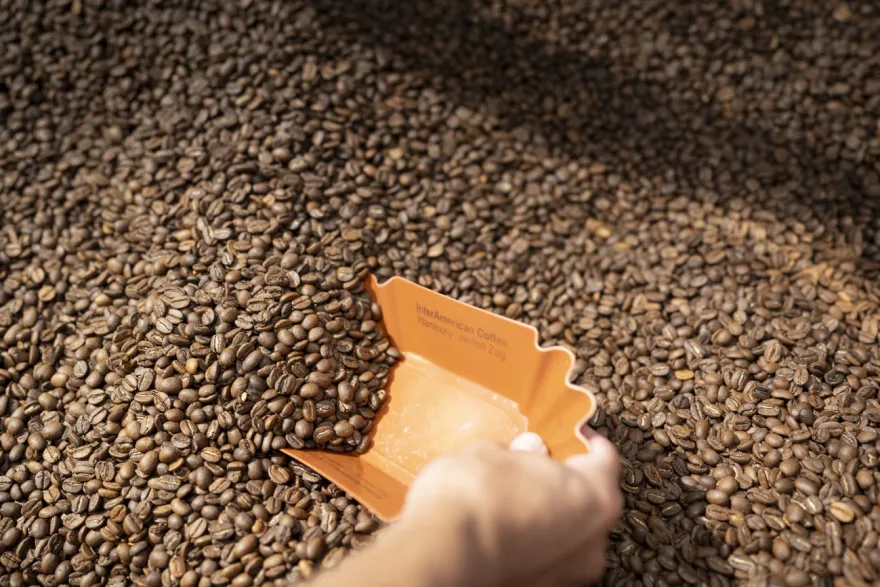
The secret lies in processing, not farming. Switzerland imports green (unroasted) coffee beans from producing nations, then roasts and packages them locally. International trade rules consider roasting a “substantial transformation.” This legal nuance allows Swiss companies to label the final product as Swiss-made, even though the beans came from elsewhere.

From $5 to $26.80: The Value-Add of Roasting

According to the Swiss Trade Monitor from the University of St. Gallen, green coffee enters Switzerland at an average price of $5 per kilogram. After local roasting plants process the beans, their export value reaches $26.80 per kilo. This massive increase makes coffee Switzerland’s most important agricultural export today. With a share of around 33%, coffee even surpasses traditional exports such as cheese and chocolate.

In terms of pure export volume, Switzerland lags slightly behind Italy and Germany. However, its specialization in high-priced, portioned products such as capsules explains why it leads these countries in total export value.

‘Substantial Transformation’: The Legal Trick Behind the Success

Why is coffee that is only roasted in Switzerland allowed to carry a Swiss cross on its packaging? The answer is a legal finesse called “substantial transformation.” Under international trade law, a product’s country of origin is the nation where the product underwent its last substantial transformation. For coffee, customs authorities worldwide have ruled that roasting green beans qualifies as such a transformation. This subtlety has turned Switzerland into one of the world’s largest coffee-producing countries—without a single coffee plantation on its soil.

Nearly all green coffee arrives via the Rhine River. Beans first reach seaports such as Antwerp, Rotterdam, or Hamburg. Barges then transport them up the Rhine to Basel, where many large green coffee trading companies have set up their headquarters.

‘Coffee Valley’ and Global Leadership in Coffee Machines

Around Lake Geneva and in eastern Switzerland, entire ecosystems have developed. Experts often call this region “Coffee Valley.” It hosts not only giants like Nestlé (with Nescafé and Nespresso) but also the industry’s technology leaders.

Switzerland is the undisputed leader in the market for fully automatic coffee machines. About 70% of all such machines sold worldwide come from Switzerland. Leading manufacturers include Jura, Schaerer, and Thermoplan. Thermoplan, for example, supplies all coffee machines for Starbucks branches worldwide. Swiss suppliers of highly specialized precision components also drive this success. These plastic parts must withstand extreme pressures of up to 20 bar and temperatures of 100°C—essential for brewing fine espresso.

Switzerland as a Global Green Coffee Trading Hub

Switzerland’s role as a commodity trading center also explains its coffee dominance. According to the Swiss Trade Monitor, an estimated 60% to 70% of the global green coffee trade passes through Swiss desks. In addition, more than 40 members of the Swiss Coffee Trade Association control over half of all green coffee traded worldwide.

Export figures jumped sharply from the early 2000s onward, largely due to the success of capsule systems. Market leader Nespresso produces its capsules for the global market exclusively in three Swiss factories. Switzerland is also a major exporter of instant coffee and other highly processed specialties positioned in premium segments worldwide.

Key Data: Switzerland and the Global Coffee Trade

Indicator Value
Switzerland’s global coffee export rank Second (after Brazil)
Annual coffee export value 3.3 billion CHF ($4.2 billion)
Green coffee import price (per kg) $5.00
Roasted coffee export price (per kg) $26.80
Coffee’s share of Swiss agricultural exports 33%
Global market share of Swiss automatic coffee machines 70%
Estimated global green coffee trade via Swiss desks 60–70%

The Dark Side: Colonial Roots and Ethical Challenges

Any celebration of Switzerland’s coffee success must acknowledge the industry’s colonial origins. Although Switzerland never had its own colonies, prominent Swiss families owned coffee plantations. The Escher family, for example, owned a coffee plantation in Cuba. According to historical records, slaves guarded by dogs worked there for 14 hours a day. Some Swiss families were also deeply involved in transporting slaves and coffee—a practice researchers call “triangular business.”

Today, the industry still struggles with its image. Ecological and social problems persist in coffee-growing countries. After the European Union enacted a regulation on deforestation-free products, Switzerland launched the Swiss Platform for Sustainable Coffee. Targeted projects aim to improve living conditions for small farmers and make supply chains more transparent. However, critics doubt the platform’s success. They note that the model relies on voluntary action rather than binding legal obligations.

Therefore, the final chapter of the Swiss coffee saga remains unwritten. Global interdependencies continue to draw criticism, and sustainability challenges await stricter, more effective solutions.

Frequently Asked Questions (FAQ)

1. How does Switzerland export coffee without growing it?

Switzerland imports green coffee beans from producing countries, then roasts and processes them locally. Under international trade law, roasting counts as “substantial transformation,” allowing Swiss origin labeling.

2. What is the annual value of Swiss coffee exports?

Switzerland exports coffee worth about 3.3 billion Swiss francs ($4.2 billion) per year, making it the world’s second largest exporter after Brazil.

3. What share of the global coffee machine market does Switzerland hold?

Swiss companies produce approximately 70% of all fully automatic coffee machines sold worldwide, led by Jura, Schaerer, and Thermoplan.

4. What is “Coffee Valley” in Switzerland?

“Coffee Valley” refers to the ecosystem around Lake Geneva and eastern Switzerland, where major companies like Nestlé (Nespresso, Nescafé) and coffee machine technology leaders are based.

5. What criticisms does the Swiss coffee industry face?

Critics point to colonial-era roots (Swiss-owned plantations using slave labor) and ongoing environmental and social issues in producing countries. They also argue that Switzerland’s sustainability model is voluntary, not legally binding.

6. How did capsule coffee boost Swiss exports?

Nespresso produces all its capsules exclusively in three Swiss factories. The success of capsule systems from the early 2000s sharply increased Swiss coffee exports, especially in high-value product categories.

Coffee World – Report based on data from Swissinfo.ch, University of St. Gallen’s Swiss Trade Monitor, and the Swiss Coffee Trade Association.
Published: May 16, 2026 | Figures subject to updates based on latest official releases.

Le Quang Cuong (Nicky) of Vietnam Wins 2026 World Cup Tasters Championship

By Ali Al Zakary – Dubai | Source: World Coffee Championships Official Website | May 10, 2026 | 2 min read

Le Quang Cuong (Nicky) of Vietnam Wins 2026 World Cup Tasters Championship

Final rankings: Vietnam first, Switzerland second, United States third, Japan fourth

The World Coffee Championships have announced Le Quang Cuong (known as Nicky), representing Vietnam, as the 2026 World Cup Tasters Champion, following two days of relentless focus, split-second decisions, and world-class sensory skill.

Catherine Queiroz of Switzerland secured second place, Mehmet Sogan of the United States finished third, and Mizuki Tagami of Japan placed fourth.

The championship praised all competitors who took the stage, stating that the level of precision, composure, and passion on display was remarkable, and that they have raised the bar for the entire community.

The championship extended its thanks to its sponsors: Title Sponsor Porland, Qualified Water Sponsor Bluewater Globe, as well as Cosori, Kranti Coffee, Option O Coffee, Cold Perk, Nobletree Irhea, and Femobook Grinder.

Final Rankings – 2026 World Cup Tasters Championship

Rank Name Country
1 Le Quang Cuong (Nicky) Vietnam
2 Catherine Queiroz Switzerland
3 Mehmet Sogan United States
4 Mizuki Tagami Japan

Sponsors

  • Title Sponsor: Porland
  • Qualified Water Sponsor: Bluewater Globe
  • Cosori
  • Kranti Coffee
  • Option O Coffee
  • Cold Perk
  • Nobletree Irhea
  • Femobook Grinder

Frequently Asked Questions

Q: Who won the 2026 World Cup Tasters Championship?
A: Le Quang Cuong (Nicky) representing Vietnam.

Q: What were the final rankings?
A: Vietnam first, Switzerland second, United States third, Japan fourth.

Q: How long did the competition last?
A: Two days.

Q: Who are the main sponsors?
A: Porland (Title Sponsor) and Bluewater Globe (Qualified Water Sponsor).


✍️ About the author: Ali Al Zakary – Journalist specializing in World Coffee Championships coverage and industry news.

Source: World Coffee Championships Official Website, May 2026.

Portail des Nations to Open in June 2026

New visitor centre in Geneva aims to transform public engagement with the United Nations

Geneva – Qahwa World

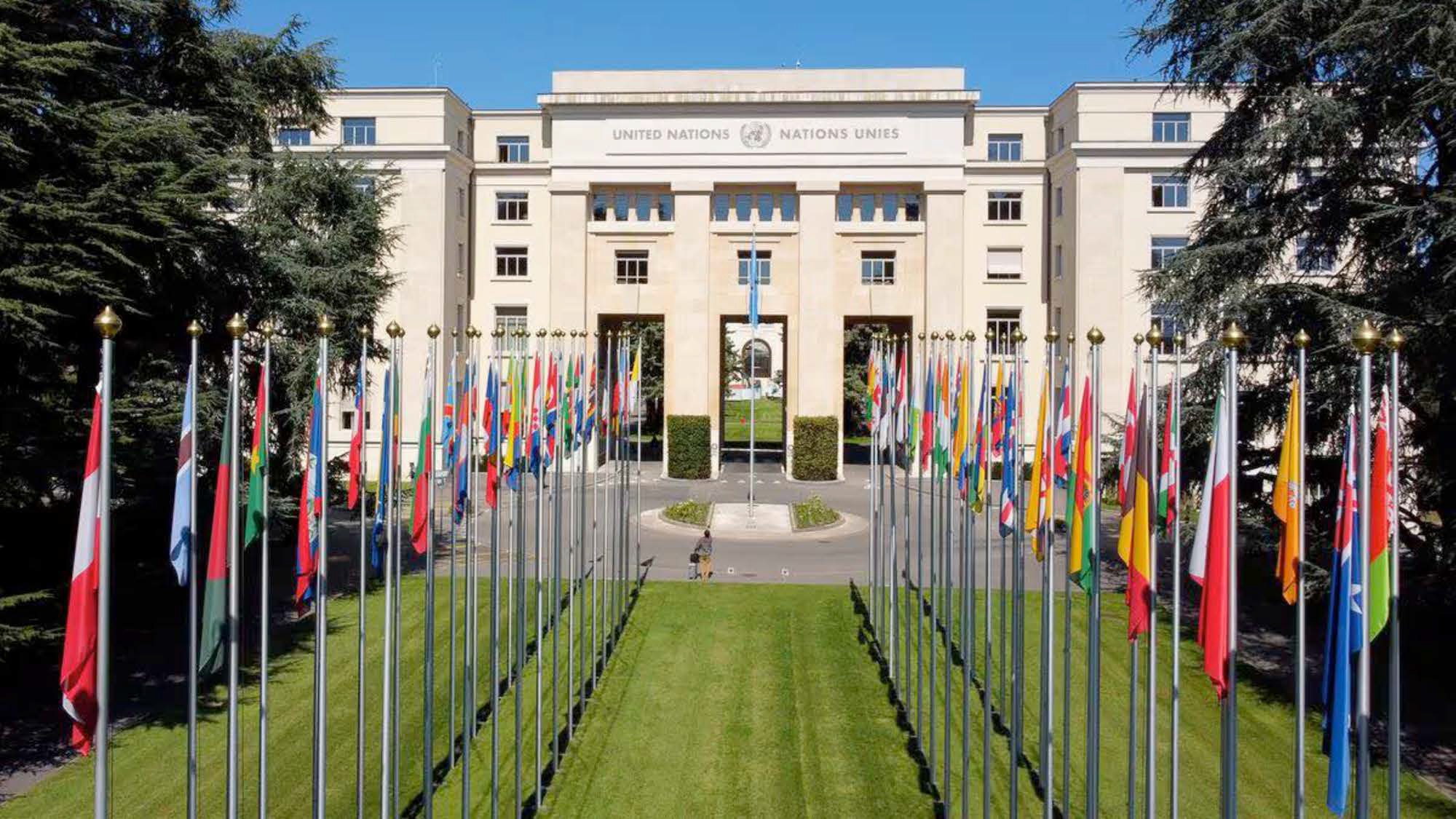
The Portail des Nations, the highly anticipated visitors’ centre of the United Nations in Geneva, has confirmed its official opening for early June 2026. Positioned at the historic entrance to the Palais des Nations, this landmark initiative is set to redefine how global audiences engage with the principles and practice of multilateralism.

Conceived as far more than a traditional exhibition space, the Portail des Nations has been designed as an immersive gateway into the world of international cooperation. Through a thoughtfully curated, technology-led journey, visitors will be invited to explore the role of diplomacy in addressing the defining challenges of the modern era, including global health, climate change, human rights, and innovation.

The project was initiated by Ivan Pictet, whose vision responded to a call by United Nations Secretary-General António Guterres to bring multilateralism closer to people worldwide. This ambition has been realised through the Fondation Portail des Nations, established in 2019 to develop and deliver the initiative on behalf of UN Geneva. The Foundation will continue to operate the centre during its initial phase, ensuring a seamless and impactful visitor experience.

Entirely funded through private contributions, the Portail des Nations stands as a testament to international collaboration and philanthropic commitment. Alongside Ivan Pictet as principal donor, key contributions have been made by the Hans Wilsdorf Foundation and the Loterie Romande, supporting the construction and design of the building. The immersive visitor experience has been further enriched through the support of the Dona Bertarelli Philanthropic Foundation. Public institutions including the Swiss Confederation, the Republic and Canton of Geneva, and the City of Geneva have also provided essential backing for its early operations.

At its core, the Portail des Nations seeks to demystify multilateralism, often perceived as abstract, by presenting it as a tangible and essential framework for collective progress. In Geneva, one of the world’s foremost centres of diplomacy, this concept comes to life through international agreements, humanitarian initiatives, and cross-border cooperation. The centre will offer visitors a deeper understanding of how these processes shape everyday lives across the globe.

Designed to welcome up to 200,000 visitors annually, the experience will unfold over approximately two hours and will be available in eight languages, ensuring accessibility for a diverse international audience. Open daily from 9:00 a.m. to 6:00 p.m., the centre will offer a seamless visitor journey, with tickets available exclusively online.

Easily accessible via public transport and located on Avenue de la Paix, the Portail des Nations is poised to become a defining cultural and educational destination in Geneva. Its opening marks a significant milestone in strengthening public connection to the United Nations’ mission, offering a compelling invitation to explore the power of dialogue, cooperation, and shared responsibility in shaping a more sustainable future.

  • About Geneva Tourism & Conventions Foundation

Tourism in Geneva is managed by the Geneva Tourism & Conventions Foundation (FGT&C). This entity was created following the integration, on 1 January 2013, of the Geneva Tourism & Conventions Association (GT&C) into the Foundation for Tourism. An executive board of 11 members, primarily representing Geneva’s tourism-related sectors, alongside an advisory board established by local authorities, ensures professional corporate governance of the FGT&C. Its responsibilities include advising on the strategic development of tourism policy and supporting the achievement of objectives set out by law.

Nestlé to Reduce Workforce as Part of Cost-Saving Drive

Dubai – Qahwa World

Nestlé, the Swiss multinational food and beverage corporation, has revealed plans to cut roughly 6% of its global workforce over the next two years as part of a broad efficiency initiative.

Under new CEO Philipp Navratil, the company aims to eliminate about 16,000 positions. Of these, around 12,000 will be in corporate and administrative roles, while the remaining 4,000 will affect manufacturing, logistics, and supply-chain operations.

The job cuts respond to persistent cost pressures and two consecutive quarters of revenue decline. In the first nine months of 2025, Nestlé’s sales fell by 1.9% year-on-year to CHF 65.9 billion ($76.8 billion). Nonetheless, the company credited its coffee and confectionery divisions—underpinned by price increases—for delivering solid growth.

Navratil is pushing to expand Nestlé’s cost-savings target from CHF 2.5 billion to CHF 3 billion by the end of 2027. He described the cuts as “hard but necessary,” noting that while Nestlé’s size offers advantages, it also brings complexity and inefficiencies that must be addressed.

According to the company, the planned reductions in corporate staffing are expected to yield approximately CHF 1 billion in annual savings. Efficiency drives in the production and supply chain segments are intended to support further cost mitigation through automation and operational consolidation.

While Nestlé’s nutrition segment and operations in China were among the weaker performers, the coffee segment showed resilience—even as commodity prices remained elevated and consumer spending softened in many markets.

In particular, the company implemented an average price increase of 7.4% across key coffee and confectionery brands such as Nescafé and Nespresso—moves that helped support growth across all regions. Nestlé also reported strong momentum in its ready-to-drink and coffee concentrate lines, especially in Asian and Oceanic markets.

The decision to downsize globally underscores the intense cost pressures faced by one of the world’s largest food and beverage companies. Even strong-performing sectors like coffee could not completely offset rising production and raw-material expenses, particularly for green coffee and cocoa.

In the coffee commodities market, both Arabica and Robusta prices remain at historically high levels. In September 2025, Arabica futures exceeded $4 per pound for the first time since April, while Robusta prices hovered near $5,694 per tonne—strained by adverse weather, reduced yields in Brazil and Vietnam, and continued supply chain disruptions.

Selecta Group Names Venkie Shantaram as New CEO

Dubai – Qahwa World

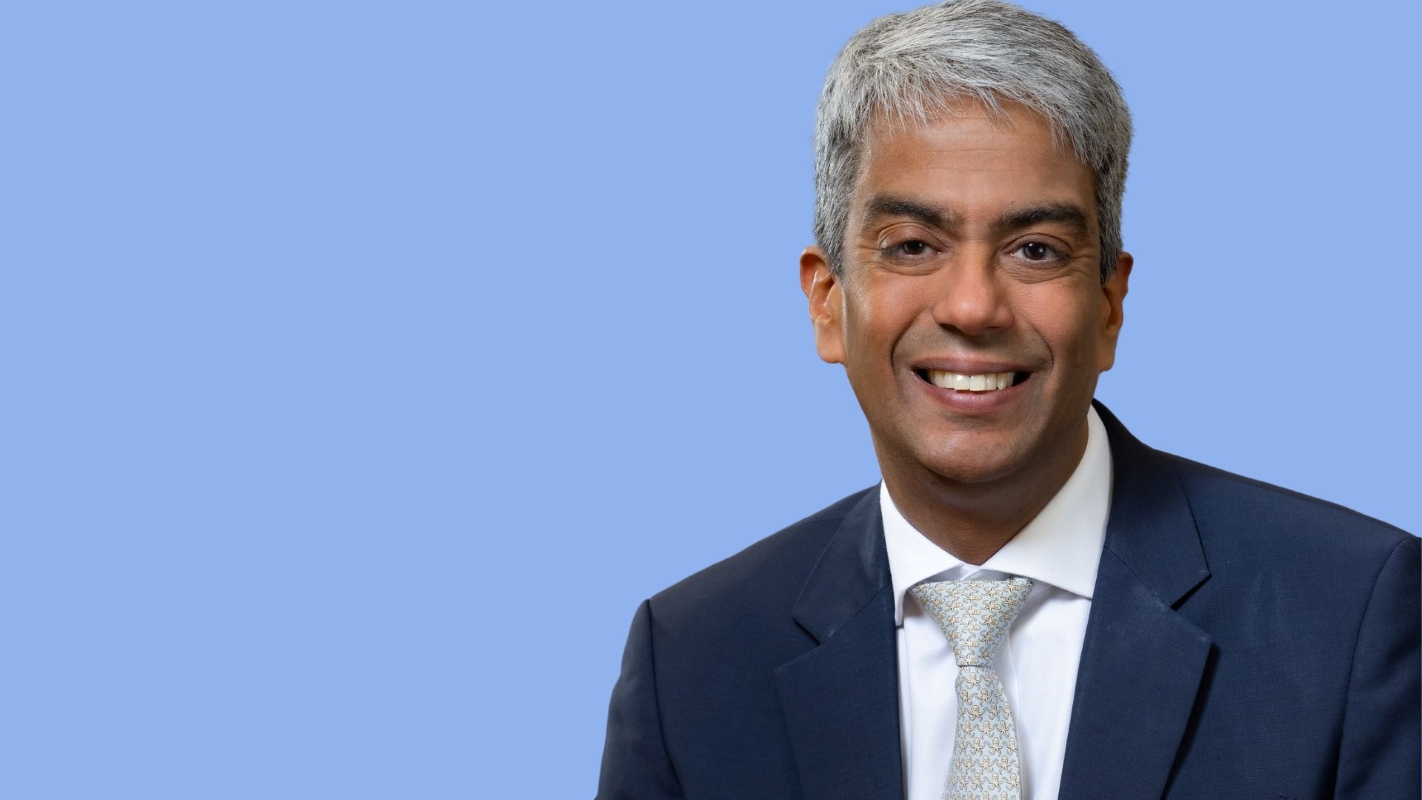
Switzerland’s Selecta Group has announced the appointment of Venkie Shantaram as its new Chief Executive Officer, marking a pivotal step in the company’s ongoing transformation following a major leadership restructure earlier this year.

Shantaram joins the Cham-based food and beverage vending operator from Morgan Stanley Infrastructure Partners, where he served as Managing Director since December 2023. Before his role in investment banking, he spent several years at Compass Group, one of the world’s leading catering and support services firms. During his tenure, he held key regional leadership positions, including CEO for Central Asia (2017–2019) and later for Europe and the Middle East (2019–2022).

At Compass Group, Shantaram was credited with delivering record revenues of €5 billion ($5.8 billion), improving profitability, and enhancing customer retention across the region. His performance in leading large-scale operations and driving strategic growth is seen as an ideal fit for Selecta’s ambitions as it seeks to strengthen its position in the European vending and coffee service market.

“We’re delighted to welcome Venkie to Selecta. His deep sector knowledge, clear vision, and people-first leadership style will help us move confidently into the future,” Selecta’s Board of Directors said in an official statement. “The Board is certain that under his guidance, Selecta will continue to grow and thrive.”

Shantaram succeeds Michael Rauch, who served as interim CEO for five months. His appointment follows Selecta’s September 2025 senior leadership overhaul, during which the company eliminated the Chief Commercial Officer position and introduced new roles, including Chief Financial Officer, Chief Transition Officer, and Chief Business Profitability Officer.

The executive reshuffle comes after Selecta finalized a recapitalization deal in July 2025, which saw ownership transfer from UK-based private equity firm KKR to a consortium of institutional investors and creditors—including Invesco, Man Group, Strategic Value Partners, and Diameter Capital Partners. The deal provided €330 million ($369 million) to support future growth while cutting the company’s outstanding debt by over €1 billion ($1.1 billion).

Founded in Switzerland, Selecta Group is one of Europe’s largest vending and self-service coffee operators, managing over 365,000 machines across 16 countries. The company’s extensive network serves transport hubs, workplaces, educational institutions, and public buildings, offering both coffee and food solutions. Its coffee portfolio includes leading international brands such as Starbucks We Proudly Serve, Nescafé, ZOÉGAS, Lavazza, Pelican Rouge, and Change Please.

With Shantaram now at the helm, Selecta is expected to focus on accelerating digital innovation, enhancing operational efficiency, and strengthening partnerships with major beverage and snack brands to adapt to evolving consumer preferences in automated retail.