Dubai – Qahwa World
Vietnam’s coffee sector recorded a strong increase in export volumes during the first four months of 2026, while total export revenues declined due to easing global prices following the record highs of the previous year.
According to official government data, Vietnam exported approximately 810,000 tons of coffee between January and April 2026, representing a 15.8% year-on-year increase. The rise reflects continued strength in production and logistics, reinforcing Vietnam’s position as the world’s largest robusta coffee producer.
However, despite higher shipment volumes, export revenues fell by 7% compared to the same period in 2025, totaling 3.69 billion dollars. This divergence between volume and value reflects a clear correction in global coffee prices, particularly in the robusta segment.
- Volume and Value Gap in Market Performance
The latest figures highlight a widening gap between export volume and export value. While shipments increased significantly, the average export price declined to around 4,555 dollars per ton, down from the elevated levels seen in mid-2025.
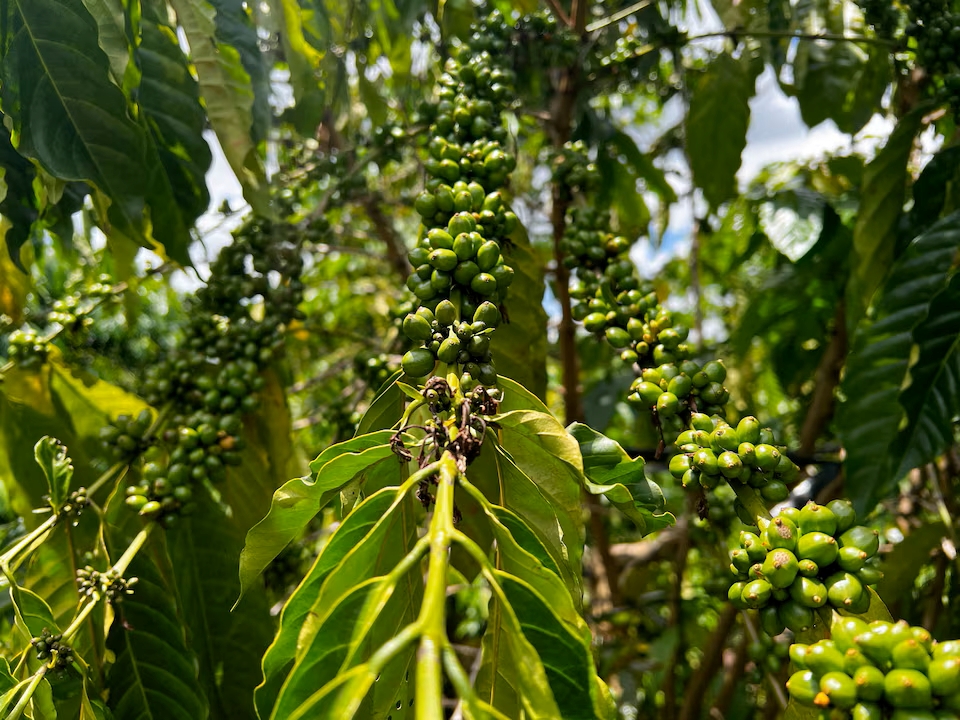
This price normalization follows a period of tight global supply that previously pushed prices to historic highs. Improved harvest conditions in Vietnam’s Central Highlands and recovering output from other producing countries have eased supply constraints, contributing to softer prices.
- Market Dynamics and Domestic Trends
The decline in export revenue is primarily linked to weaker global coffee prices as markets adjust to expectations of higher supply. Increased production in Vietnam, along with competitive exports from countries such as Indonesia, has contributed to a more balanced global market.
Domestically, farm-gate prices in key coffee-producing provinces such as Dak Lak and Lam Dong fluctuated between 88,700 and 89,300 Vietnamese dong per kilogram in April. These movements encouraged cautious selling behavior among farmers, who are closely monitoring price trends before releasing stocks.
Earlier in the year, export momentum was already strong. Shipments in January and February 2026 were reported to be up by around 14 percent in some datasets, with the first quarter maintaining solid volume growth despite continued pressure on export values.
- Strong Crop Outlook Supports Export Growth
Vietnam’s 2025 to 2026 coffee crop is expected to remain strong, with earlier projections indicating a potential increase of around 10 percent compared to the previous season. This growth is supported by improved weather conditions following earlier drought-affected periods.
The favorable production outlook has helped sustain high export volumes and ensured stable supply availability in global markets.
- Strategic Shift Toward Value Addition
In response to ongoing price volatility in raw coffee markets, Vietnamese authorities and industry stakeholders are accelerating efforts to expand deep processing.
This strategy focuses on increasing exports of roasted, ground, and instant coffee products rather than relying mainly on green bean shipments. Investments are being directed toward advanced processing facilities to strengthen value addition and improve competitiveness in global supply chains.
- Outlook
Industry analysts expect Vietnam to maintain strong export volumes throughout 2026, potentially reaching near-record levels if current production trends continue. However, revenue growth may remain under pressure unless global prices recover or demand strengthens in key markets such as the European Union, the United States, and Japan.
Vietnam’s performance in early 2026 highlights a key trend in global coffee trade: rising supply is driving higher export volumes, while price normalization is limiting overall export value.
Source: General Statistics Office (GSO) / Ministry of Agriculture and Rural Development